


Earning 3,000 yuan (US$418) a day from gaming? For a growing number of young Chinese, that's not just a dream job – it's a reality.
The latest boom in China's gig economy is happening behind the screen, where paid gaming companions – players-for-hire who help others win or simply offer friendly company – are cashing in big. And the catalyst? A new breakout hit from Tencent: Delta Force.

Delta Force boasts its free-to-play tactical shooter with large-scale PvP, intense extraction ops, and a remastered Black Hawk Down campaign.
With more than 12 million daily active users in May, Delta Force, a First Person Shooter that launched without major IP or AAA-level hype, has sparked a nationwide obsession.
Its simple thrills and social "extraction mode" gameplay have not only kept players hooked–but supercharged demand for hired teammates.
In the game's trio-based loot system, players often team up with one or even two paid companions to improve their odds of survival and maximize rewards. "More teammates, more loot" has become the mantra – and business model.
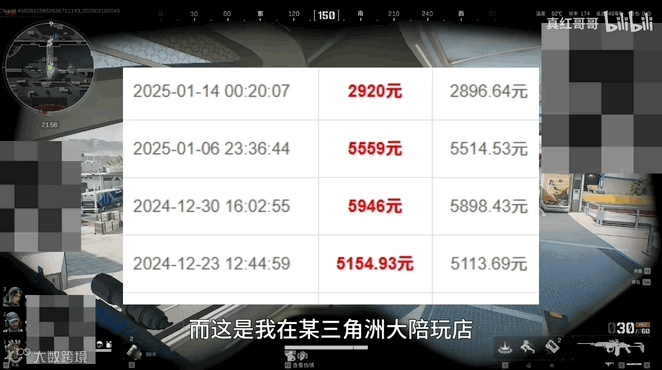
Content creator Zhenhong revealed his revenue as a Delta Force companion in his livestreaming.
Gaming platforms like Bixin reported a 35 percent month-on-month growth in Delta Force companion orders by February 2025, more than eight times the site's average across other games. Some companion shop owners have even pivoted their entire operation to focus solely on Delta Force.
The money can be serious. Popular video creator Zhenhong recently revealed his January paycheck: nearly 19,500 yuan (US$2,717) earned from working full-time in a Delta Force companion shop.
In another clip, streamer DANKING asked his hired teammate about daily income. The answer? "3,000 yuan," according to tech media outlet X.Pin.
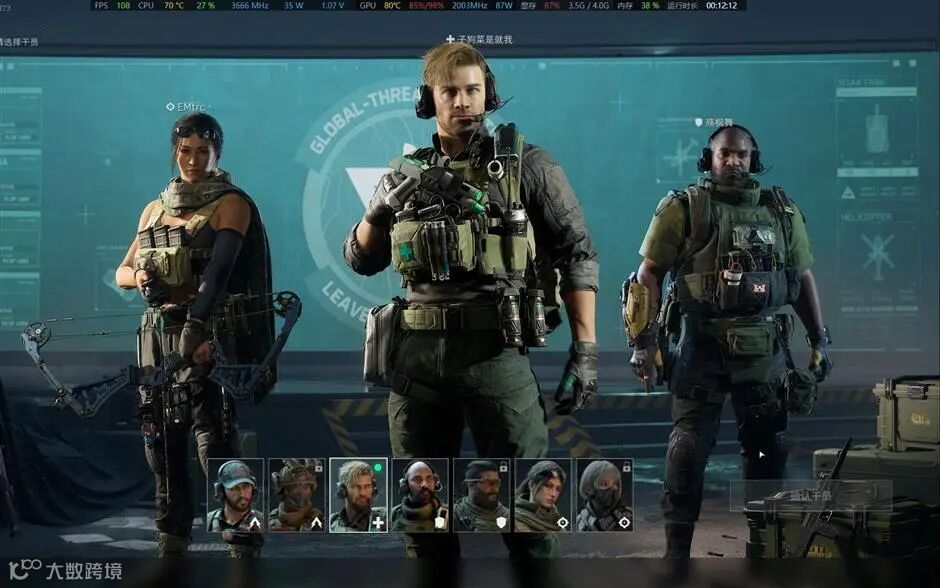
Delta Force's trio-based loot mode encourages players to hire one or even two companions to secure wins and grab loot.
And Delta Force is just the latest frontier. In Tencent's other smash hit Honor of Kings, part-time companions make over 3,000 yuan a month. Full-time "esports guides" can pull in 7,000 yuan or more, while elite players take home tens of thousands, according to National Business Daily.
The Chinese Ministry of Human Resources officially recognized "game companion" as a new profession in 2019. The field now includes over one million workers. Most enjoy flexible hours, decent pay, and remote work.
For young gamers–especially those with pro-level skill but no streaming charisma–it's an appealing alternative.
"Before your pro career takes off, companion work is the best way to make real money," said former Team WE member Caomei.
The field has its darker corners. In 2021, several top platforms were removed following a fraud scandal involving romance scams disguised as companion services.
Over 20,000 accounts have since been banned for content violations, according to China Central Television. Regulators and experts continue to raise concerns about minors entering the field, and the blurred line between gameplay and emotional dependency.

Gaming companions used suggestive photos for their online companion services.
In practice, companions now fall into two main camps: "entertainment" and "technical." The former offers emotional value–soft voices and friendly banter. The latter provides skilled support and is priced higher, especially in demanding game modes.
In Delta Force, players can hire two elite companions to handle combat while they enjoy looting. Some teams even offer guarantees: if you lose, you get another round for free.
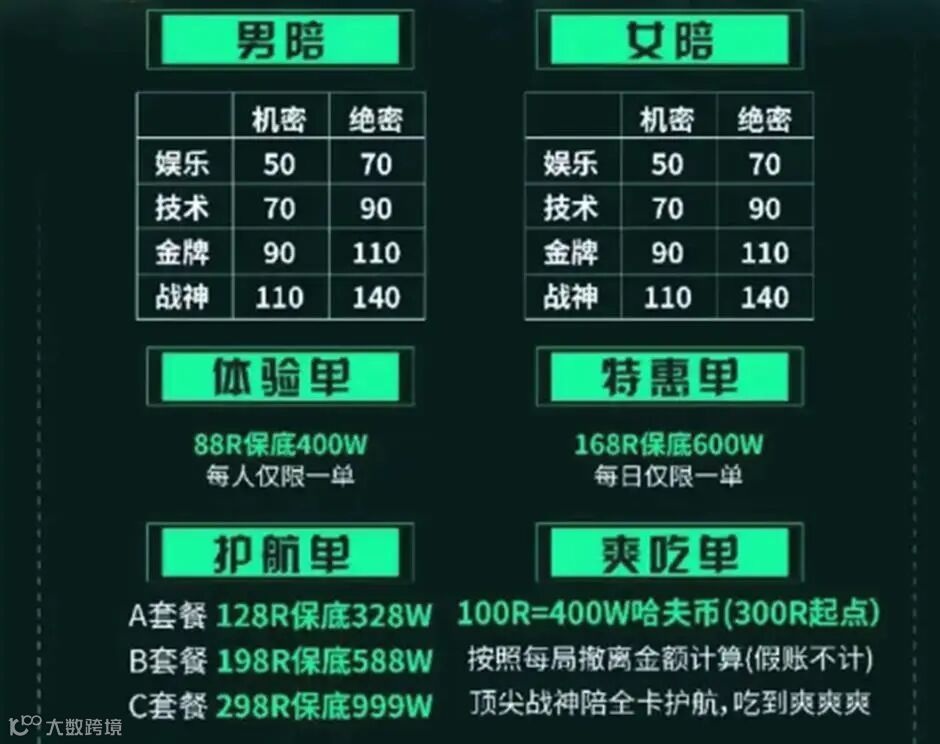
A gaming companion team promotes their companion service, which charges from 50 to 140 yuan per hour, depending on the companions' skill.
Despite its casual image, the job isn't easy. Competition is fierce, and top earners tend to be former esports players or highly skilled grinders.
While some companions do flirt or joke to keep clients happy, others treat the job like a professional service gig – no different from coaching or tutoring.
As demand continues to surge, industry observers expect further growth in technical-style companion services, particularly in skill-based games like Delta Force.
Regulatory scrutiny is also likely to increase, especially in areas involving underage workers and emotional-style offerings.
But one thing's clear: people will always pay for happiness – and right now, they're finding it in hired teammates.

Former e-sports Team WE member Caomei once said over 90 percent domestic pro-gamers have been a gaming companions in their career.