


Many overseas Chinese are preparing for their homecoming trips to visit their families. They have purchased a lot of gifts to bring back to their loved ones in China and often rely on luggage shipping companies or other channels to send them ahead of their arrival. However, due to unfamiliarity with Chinese customs policies, they may encounter additional customs duties on the items they carry, which can negatively impact their visiting experience. So, what items are likely to incur customs duties, and what items are exempt from them?
Chinese residents carrying personal-use items acquired abroad with a total value of up to 5,000 RMB (including 5,000 RMB) or non-residents carrying personal-use items intended to be left in China with a total value of up to 2,000 RMB (including 2,000 RMB) are exempt from customs duties. However, alcoholic beverages and 20 types of goods subject to taxation according to national regulations are treated differently.
Chinese residents carrying personal-use items exceeding 5,000 RMB or non-residents carrying personal-use items exceeding 2,000 RMB will be subject to customs duties only on the portion that exceeds the limits, including indivisible items.
Specific regulations regarding duty exemptions, inspection, and release standards for travelers with multiple entries within a short period are separately defined.
Cosmetics, infant formula, and electronics: Although these items have a reasonable range for personal use, exceeding the quantity limit or having a high value may trigger customs duties. It is advisable to carry them within reasonable limits and avoid exceeding the allowed amounts.
Gold and silver articles, luxury goods: Gold products, jewelry, and branded luxury goods usually fall under the category of taxable items. It is recommended to be aware of the customs duties in advance and consult professional shipping companies to minimize risks.
Large quantities of goods: If you plan to ship a large quantity of goods as gifts or for commercial purposes, be aware that they may be subject to customs duties and related fees. Ensure you understand import and export regulations and comply with relevant laws.
Currently, luggage transportation methods generally fall into two types:
Disadvantage: Weight restrictions typically range from 16-32 kg, and exceeding the limit can result in exorbitant airfreight fees. Some larger items, such as furniture and bicycles, are usually not accepted by most airlines. This method requires you to collect your luggage at the airport and does not provide door-to-door service.
Advantage: Economical option for checking luggage within the weight limit. Recommendation: If you choose this method, it is suggested to pack essential items that you can use on the day of arrival, such as commonly used kitchenware, bedding, and clothing like jeans, underwear, t-shirts, jackets, and travel shoes. Consider using sturdy cardboard boxes instead of suitcases, as they are lighter and offer efficient use of space.
Directly engage sea or air freight companies, pack your luggage, and send it to their service point. The company will transport it to the destination port or airport. Upon arrival, you will need to handle customs clearance with a customs clearance company, pay harbor fees, and then personally pick up the items and transport them to your destination.
Disadvantage: Slower speed, requiring significant effort in handling your luggage at the origin and destination. The procedures are complex, and sometimes the fees at the destination port may significantly exceed your budget.
Advantage: Compared to air freight and express services, sea freight is the most cost-effective option.
Recommendation: If you have sufficient time and patience to handle your luggage matters or are familiar with the various terms and procedures at your destination, you can consider this option.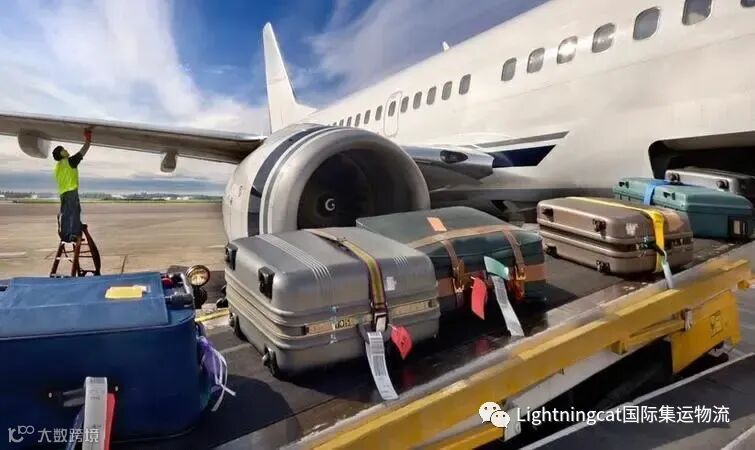
Prohibited items for importation include:
Various weapons, replica weapons, ammunition, and explosives.
Counterfeit currency and forged securities.
Printed materials, films, records, tapes, laser discs, computer storage media, or other items that are harmful to Chinese politics, economy, culture, and morality.
Highly toxic substances.
Opium, morphine, heroin, marijuana, and other addictive narcotics and psychotropic drugs.
Animals, plants, and their products carrying dangerous bacteria, pests, or other harmful organisms.
Food, medicines, or other items detrimental to human and animal health, originating from epidemic areas or capable of spreading diseases.
Restricted items for importation include:
Radios, transceivers, and communication encryption devices.
Tobacco and alcohol.
Endangered and precious animals and plants (including specimens), as well as their seeds and reproductive materials.
National currency.
Other items restricted by customs for importation
