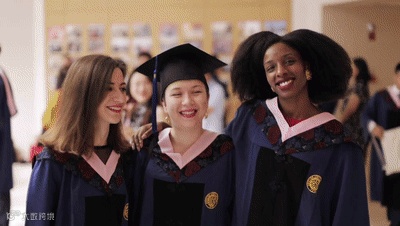

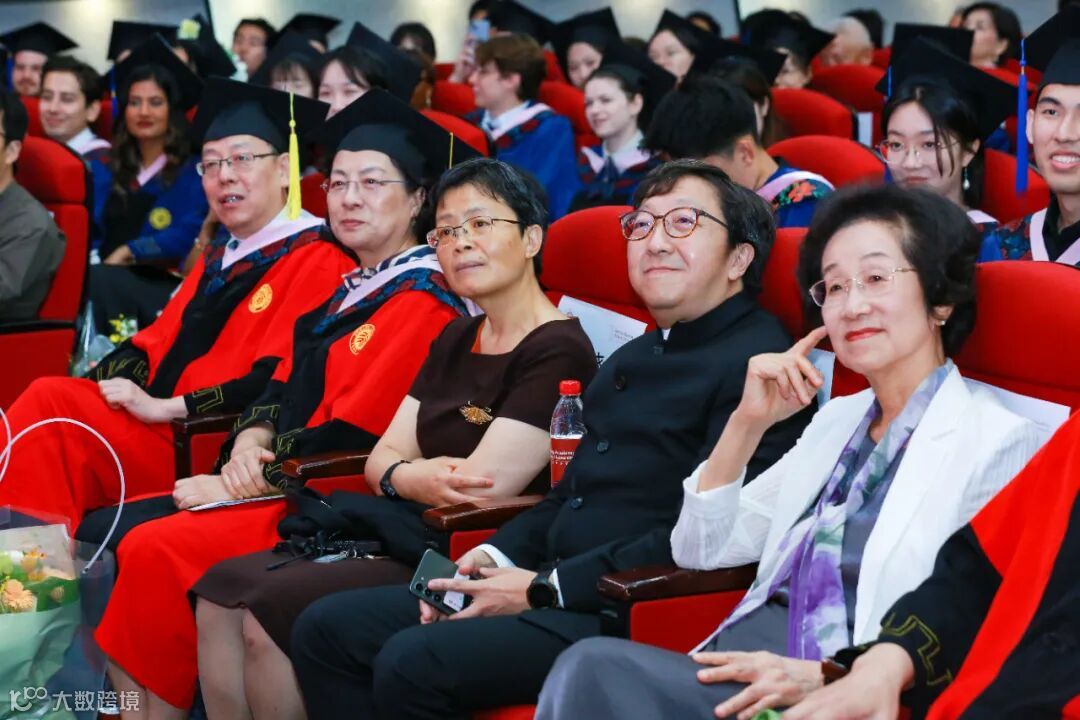
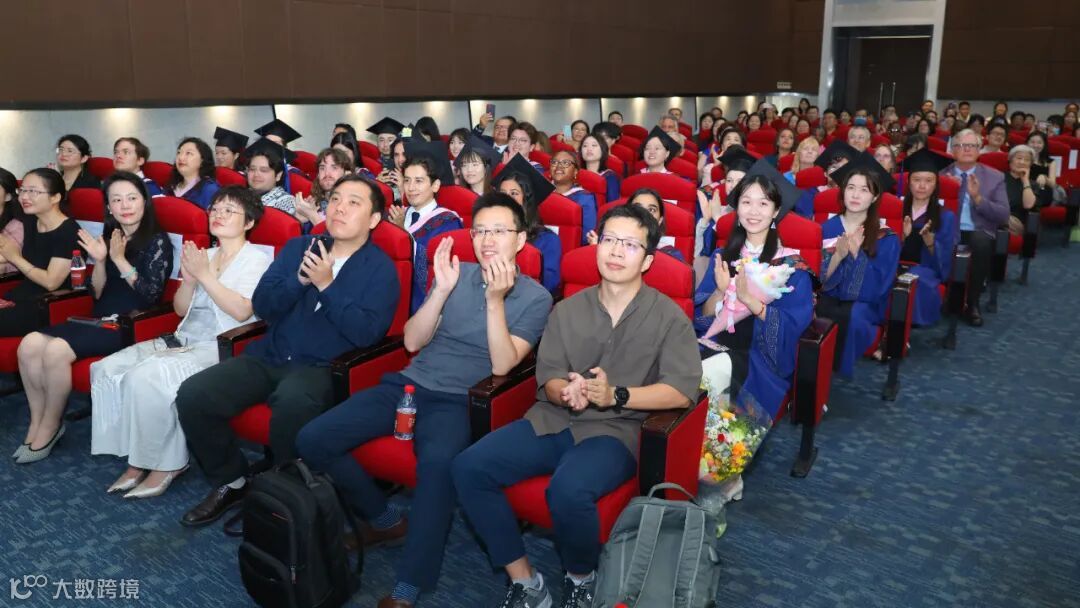
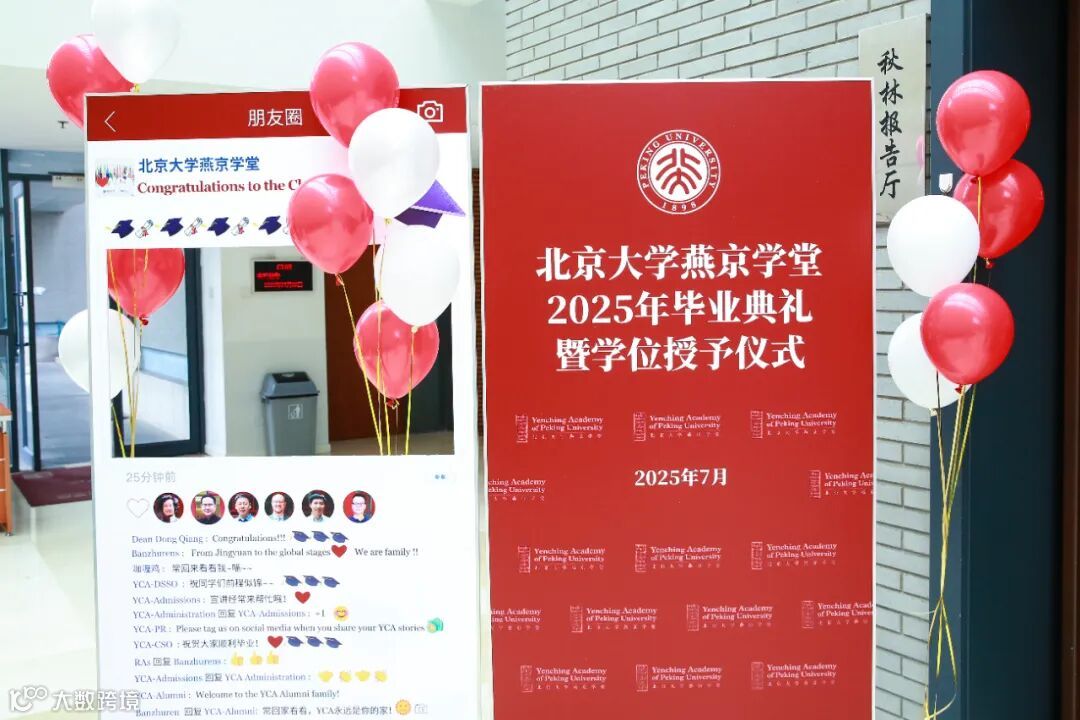
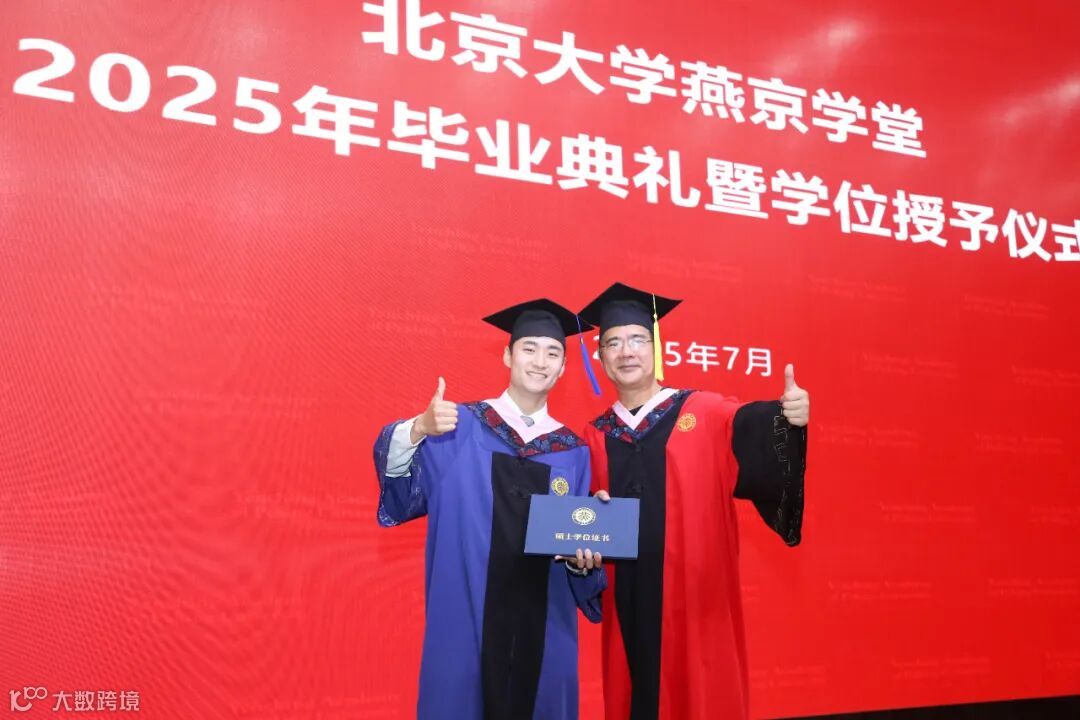
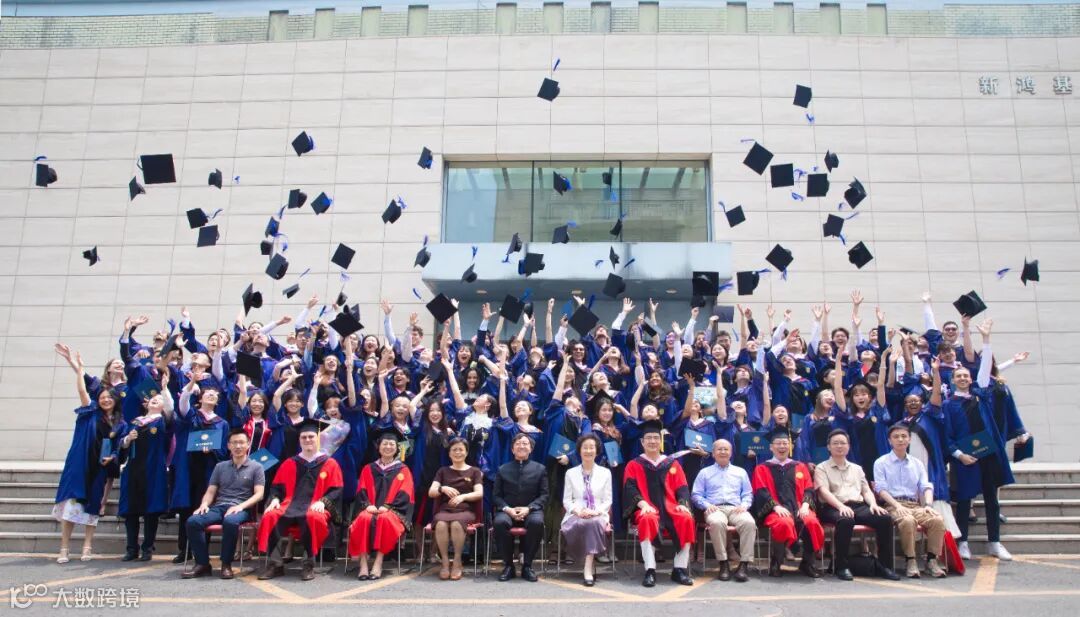
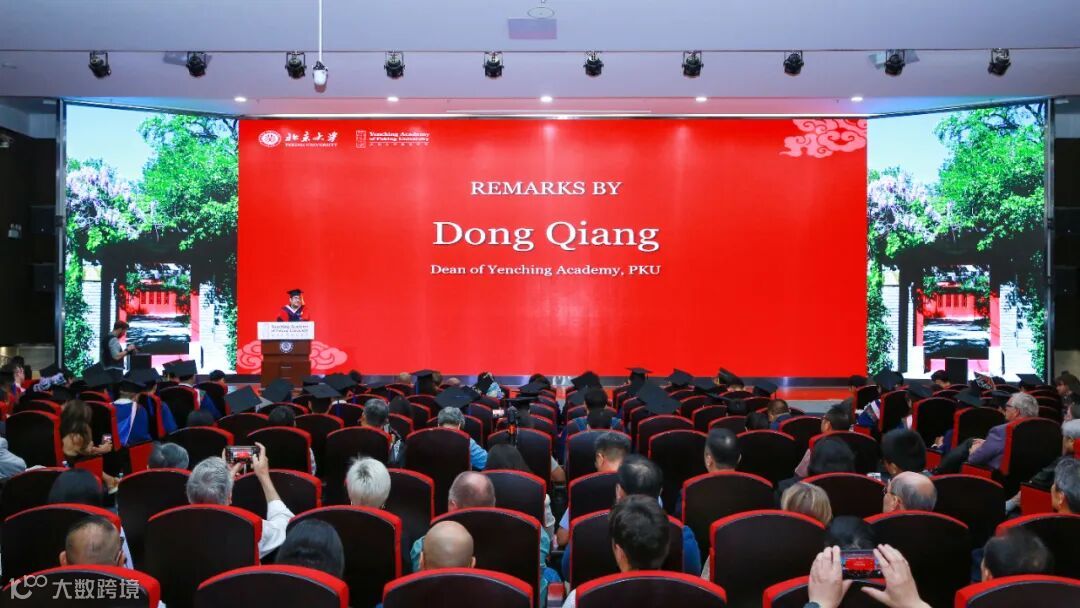
2025年7月2日,北京大学燕京学堂2025年毕业典礼暨学位授予仪式在秋林报告厅隆重举行。燕京学堂院长董强在典礼上用英文做题为"The best days are yet to come!"(好日子,还在后头呢!)的演讲。他回顾了学子们的成长历程,对近年来学堂的变化和愿景进行简要陈述,表达了燕京学堂作为新生事物,将不断完善、不断发展的信心。他分享了关于时代与人生的思考,期望学子们在当今时代保持雄心、耐心与爱心,带着善意与诚意,带着对人文、对文明的信心,成为连接中国与世界的纽带,并为毕业生们送上真挚的临别祝福。现将英文发言全文刊载,并附中文译文。

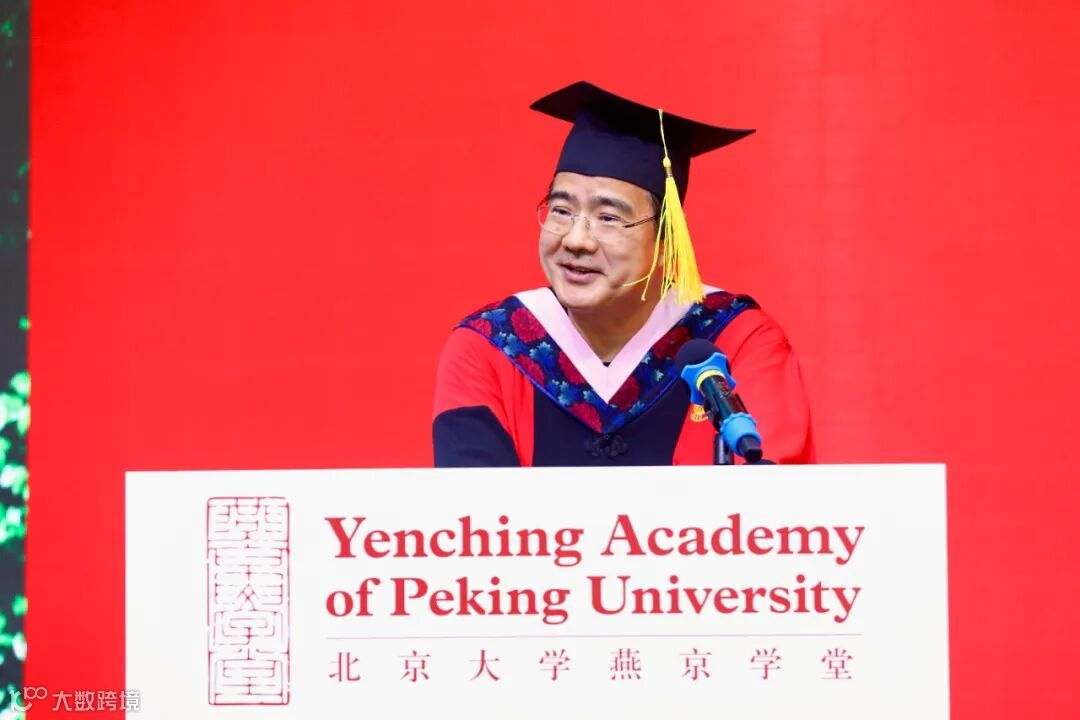
Dear Honorary Dean Yuan, Scholars, Colleagues, and Friends,
Thank you for attending today’s graduation ceremony. It is a joyful day to celebrate the fruitful outcome of your hard work and dedication. I want to acknowledge the presence of parents and family members among us today, and I wish to express my gratitude to you for nurturing such remarkable young scholars and entrusting them to us. I sincerely hope that we have met your expectations.
Looking back on the past two years, several thoughts come to my mind. The First is joy. Over these two years, I have witnessed and accompanied your growth, and seen your achievements in various aspects. In Chinese, this is called "有成" (meaning "accomplishment"). Academic success. Success in all matters. Yenching Academy aims to provide you with a path to enter China, understand China, and then enable you to reflect on this era, reflect on the world, and explore the relationship between China and the rest of the world. As I think about the fruitful results of your achievements over these past two years, I feel truly happy for you. I’m certain that the entire team and staff of Yenching Academy, along with our professors, share this joy with me at this moment, as everyone has worked tirelessly to support and contribute to your achievements.
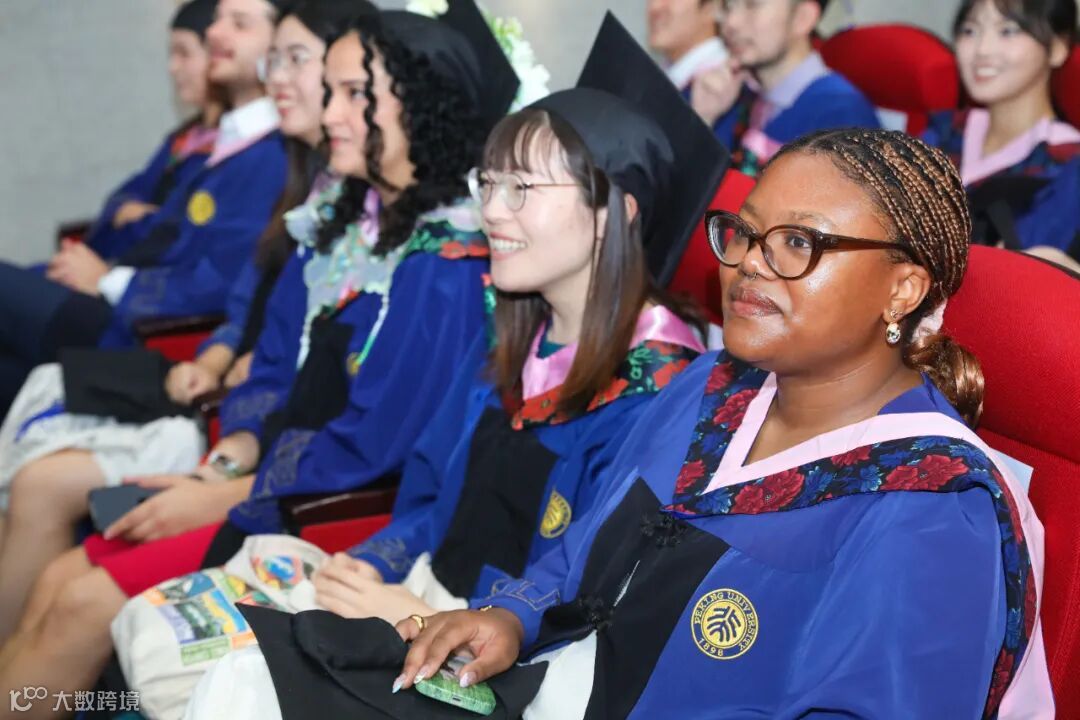
I can still vividly recall the moment, almost as if it were yesterday, when you arrived in China nearly two years ago, each of you making your way to our campus from different corners of China and the world. I was struck by the extraordinary group before me and have since witnessed your initial excitement upon arrival evolve into a remarkable display of composure and confidence. From Sichuan to Zhejiang, from singing a birthday song for our beloved academy on its tenth anniversary, to hearing about your daily life at the dean’s talk, to celebrating Chinese New Year with you, and to enjoying a wonderful "Midsummer Night" drama performance in Jingyuan 4, I have been honored to spend these memorable moments with you.
Next is self-reflection. In The Analects, Zengzi said, “I examine myself three times a day.” I dare not compare myself to one of Confucius’s most important disciples, but as a French translator of The Analects, I believe this classic has laid out the principles of proper self-conduct, and thus we can draw broader lessons from it. I often reflect on what needs to be improved and refined at Yenching Academy, which just celebrated its tenth anniversary last year. As you all know, over the past decade, many leaders, faculty, and staff at Peking University, especially our beloved Professor Yuan Ming, who is here with us today, have led the team and devoted tremendous effort and dedication to building Yenching Academy from scratch, shaping its familiar structure, and establishing its well-known system of teaching, practice, and research. The departure of each outstanding cohort of scholars is a testament to the academy’s steady development. At the same time, as a new initiative in an era of tremendous change, there is inevitably much room for improvement. As the current dean, entrusted by the university and Professor Yuan Ming, I feel the weight of this responsibility deeply. I still remember conversations with some of you here today, discussing the future development of the academy. The skeptical expressions
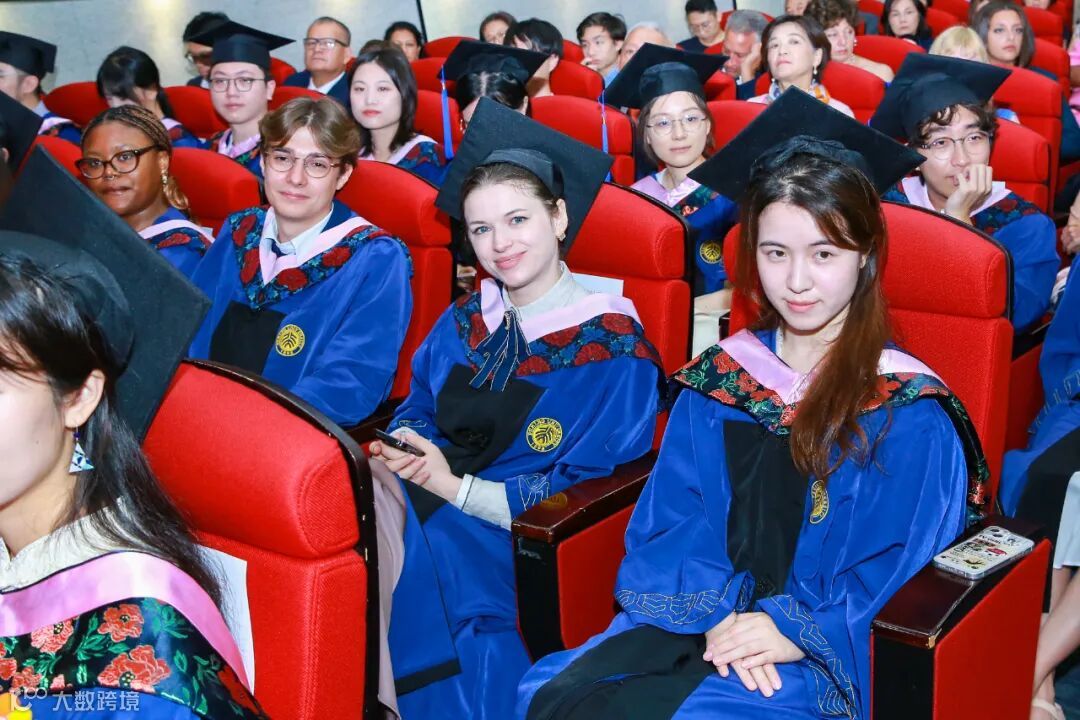
I believe everyone has already witnessed the renovation of the activity room on the sixth floor of Shao Yuan and benefited from it. This summer, our library will also present itself with a brand-new appearance. This year, we successfully introduced a young professor, Yang Feng, who will officially join the faculty and serve as the teaching and research coordinator for a discipline. This marks the first step in our efforts to enhance teaching and research. Our vision is to recruit a full-time teacher for each of the six disciplines, who will not only teach a course but also act as the coordinator—constantly guiding everyone to focus on the cutting-edge of the field, strengthening the Academy's connection with the most suitable professors outside, providing timely answers to scholars' questions, and even offering career advice.
What's even more exciting is that by the end of this year, the Academy will acquire a piano from a world-renowned brand—the first piano brand in history, beloved by Chopin, Debussy, Matisse, Renoir, and many others. I welcome you all to showcase your musical talents when you visit the Academy. We also hope that, like world-famous brands weathering storms, Yenching Academy will become a lasting educational bridge that transmits culture and civilization, and connects China with the world.
The third feeling, I must admit, is a tinge of sadness. This sadness is, of course, related to parting—I remember singing a song with our scholars about the "sorrow of parting" at last year's graduation ceremony. But we know such partings are normal in life, especially as you continue to grow toward better futures, and you can always visit or meet us elsewhere in the world. Thus, this sadness stems more from concerns about today's world and era, which in turn brings worries about your development.
Recently, I came across an article that appeared in the renowned The Economist and which deeply moved me. You may recall that we invited Ms. Liu Qian, former China President of The Economist, to present a keynote speech at last year's opening ceremony. During that speech, she highly recommended to our scholars that they should learn hard and love hard, something well-received. Because of time constraints, I won't delve into the article's details, but the question it poses paints a rather bleak picture of prospects for graduates.
Coincidentally, an article in China's The Paper also sounds a lament: How Miserable Are French-Literate PhD Chinese Students in France? Listen to a French Professor's Complaints. In this piece, a French friend of mine who once taught at Tsinghua University describes the harsh realities faced by Chinese liberal arts PhD students studying in France.
I feel ashamed that instead of citing philosophers and thinkers, or spending time reading and writing academic papers, I've been reading magazines and public accounts. But as a liberal arts professor and a scholar researching literature and art, I must admit I've never paid such close attention to reality before. This focus on reality came too late for my career, but I care about it because of you—our younger generation, our descendants.
There’s an article that stands out from public accounts that caught my attention, and I’d like to share it briefly: A Japanese student in China traveled from Nanjing to Xinjiang by hitchhiking. He detailed his experience and emphasized that he always told drivers he was Japanese before asking for a ride. Almost everyone let him get in, with only one exception. This story dispelled my subtle worries, because when I was young, I took similar hitchhiking trips in Europe. Even in France, which was extremely open and globalized at the time, my success rate was only about 70%,while his success rate was 94.1%! What does this Japanese student’s experience tell us? It shows that China is a far friendlier nation than commonly judged—a land of true benevolence and righteousness. This fact, starker than the atmosphere often portrayed on social media or even official channels, measures the heart of today’s Chinese people. I believe our young scholars have had similar experiences and felt this warmth in China. If you’ll allow me to reference my own experience again with empathy: It was during my youth as a study-abroad student in France, when I met so many kind people, that I’ve remained committed to fostering cultural and even national friendship between our countries. For the friendships of youth are lasting, and youthful experiences leave a profound impact. Especially for a student far from home, such experiences can make us feel like children again, rekindle our sense of the world, and shape our comprehensive worldviews.
Dear scholars, these are some of my thoughts that I wish to share with you. As you prepare to leave Peking University and our academy, as your dean, I would like to express a few hopes for you. I hope you will maintain three hearts: ambition, patience, and love (三个心:雄心,耐心,爱心). The world is facing various challenges, and people seem to be increasingly constrained by things far beyond their control, but this should not prevent you from maintaining ambition to do great things and what seems impossible on the surface. This era is so complex that we should not be impatient. We should maintain patience, even in the face of the dazzling information every day, and keep the attitude of "letting the bullet fly for a while"(让子弹飞一会儿) to ensure the correct grasp of this era. Maintain love, because we need friendship. Only love makes the world lovely and worth defending and struggling for.
Romain Rolland, a French author who has influenced millions of young people in China, wrote: “The one who has met a friendly heart in the world, who has experienced the essence of open and sincere friendship, has tasted the joy of heaven and earth.”
I hope you will safeguard two intentions: kindness and sincerity(两个意:善意和诚意). When facing others, you must maintain basic kindness. Malice and hostility not only make interpersonal relationships terrifying but also may strangle people's creativity. Only in an environment full of kindness can people grow well. Kindness is the sunshine and dew that help people grow. 《中庸》(The Doctrine of the Mean)says, "Sincerity is the way of Heaven. Striving to be sincere is the way of man." Mencius also said, "Sincerity is the way of Heaven; to reflect on sincerity is the way of man." In modern Chinese, truth and sincerity are put together. Sincerity is the foundation of human beings, which can enable people to better understand themselves, others, and explore truth. This is shared between China and the West. There is an ancient Greek oracle at Delphi: know thyself, and its premise is sincerity.
As you may know, in Chinese, "three hearts and two intentions"(三心二意) is not a positive term, while "one heart and one intention"(一心一意) is commendable. Therefore, I would like to reframe "three hearts and two intentions" into "one heart and one intention": I hope you will maintain a heart that seeks truth, loves freedom, and is willing to serve; I hope you will cultivate an intention that transcends the self and embraces humanity.
Dear scholars, after thousands of years of development, humanity once again faces an era where we fear our insignificance. We are in an age where there is a fear of being replaced by machines or superior beings. When confronted with advanced technology, we must maintain our confidence in humanities. In the article from "The Economist" that I mentioned earlier, there is a detail that caught my attention: "Outside America, the share in arts, humanities and social sciences mostly grows." Yes, China will continue to place importance on arts, humanities, and social sciences. I hope you can use your personal experiences to demonstrate to the world that you are not "in trouble." By the way, the most commented question regarding this article was: "Is this article generated by AI?"
Indeed, the Renaissance left an impression that civilization can only achieve tremendous progress when individuals attain their rightful status and value. However, history teaches us that every time humanity has felt its own insignificance, it has often been a precursor to great leaps forward. Pascal’s notion of " man is a frail reed, but a thinking one " foreshadowed the great Enlightenment; the Romantics' sense of smallness in the face of nature heralded the magnificent literary era of the 19th century; Lautréamont's perception of human insignificance, even inferiority, before the ancient sea, paved the way for the pinnacle of 20th-century surrealism... Similarly, in China, Chen Zi'ang’s lament, "Gazing at the vastness of the universe and history, I stand alone in sorrow and tears," ushered in the most glorious era of the Tang dynasty civilization... This is why I wish for you all to maintain an ambitious spirit and a steadfast faith in humanities and civilization, and to contribute, amidst great uncertainty, to the arrival of an even greater era in the future.
In our childhood, we often saw a memorable line in movies. In the toughest moments, there was always one person in the group who would deliver a summarizing statement. The director would give them a close-up shot, and they would say slowly but firmly: "The best days are yet to come!"(好日子,还在后头呢!)
I hope you can focus your mind's eye on this phrase and reflect on it: Yes, you have experienced wonderful days at Peking University, at Yenching. Yes, this era is full of uncertainties, and you may encounter difficult times. Even so: "The best days are yet to come!"
好日子,还在后头呢!
Thank you all!
尊敬的袁明名誉院长,亲爱的同学们、同事们、朋友们:
感谢大家出席今天的毕业典礼。这是一个值得欢庆的日子,我们共同见证你们用辛勤付出与热忱浇灌出的硕果。今天,我还要特别感谢在场的家长和家人们——是你们将优秀的子女托付给我们,培养为出色的学者。衷心希望我们没有辜负你们的期望。
回顾近两年来的历程,我有几个感受。
首先是欣喜。在这两年内,我见证、伴随了你们的成长,看到了你们在各方面的收获。中文称之为“有成”。学业有成。诸事有成。燕京学堂的宗旨是为你们提供进入中国,了解中国的路径,进而让你们可以去反思这个时代、反思这个世界、探索中国与世界的关系。看到两年内结出的累累硕果,我由衷为你们感到高兴。我相信,此刻燕京学堂的全体团队、工作人员以及我们的教授们都与我共享这份喜悦,因为每个人都为陪伴你们取得这一成就付出了辛勤的努力。
近两年前,你们中的大部分人初抵中国。来自世界和中国各地的你们,陆续踏入我们的校园。初见时,你们眼中的光芒便令人印象深刻;而如今,这份初来乍到的兴奋,已蜕变为从容与自信。从四川到浙江,从学院十周年庆典上为它唱响生日歌,到在院长座谈会上聆听你们的日常,再到与你们共度春节、在静园四院欣赏美妙的莎翁《仲夏夜之梦》的话剧演出……能与你们共享这些难忘时光,我深感欣慰。
其次是反省。在《论语》里,曾子说:吾日三省吾身。我不敢跟这位孔子最重要的弟子之一比,但是作为《论语》的法语译者,我认为《论语》为我们立下了为人之道,所以也可以举一反三。我时常反省,燕京学堂作为去年刚刚庆祝了十周年的新生事物,还有什么需要我们去改进,去完善?大家知道,十年来,北京大学的许多领导、教师、员工,尤其是今天在座的我们敬爱的袁明老师,带领她的团队,为燕京学堂从无到有,从出生到逐步完善,投入了巨大的精力,付出了大量的心血,为学堂塑出了大家熟悉的形状与结构,建立了大家熟悉的教学、实践与研究的体系。每一届优秀的学生学业有成离开学堂,都是学堂稳步发展的明证。同时,作为新生事物,再加上我们处在一个巨变的时代,难免还存在诸多需要完善的空间。我作为一位得到学校以及袁明教授信任的现任院长,深感责任重大。我至今记得与在座一些同学的对话,探讨学堂的未来发展。有些同学将信将疑的表情与神态,我历历在目。在今天你们即将走出校园之际,我想跟大家说,请相信我们,我们有能力反思,反省,不惜殚精竭虑。薄弱的,我们在加强;空白的,我们在填补;优势的,我们会继续,会更具优势。近年来,我和我的团队与国内外最重要的教育机构互相取经,无论是牛津、剑桥,还是哈佛、普林斯顿,无论在欧洲还是在非洲,无论是上纽大、昆山杜克,还是浙江大学。——原谅我不能一一列举——都成为我们更好的合作伙伴,在互访、学生交流、共同研讨的过程中,进一步完善我们对于中国学的理解,从而为我们的进一步发展奠定了坚实的基础。
我特别希望各位从今天起,也就是你们从同学蜕变为校友之日起,关注学堂,常回来看看。如果说,有些变化,是你们每天在日常熟悉的场景中不易察觉的,那么,经过一段时间,你们一定会看到那些变化的,正如你身边一名熟悉的同班同学或室友,在经过一段时间的分别之后,你会惊喜地发现他或她迷人的成长与转变。
我们今年成功引进一位年轻教师,杨锋,他将加入我们的教师队伍,并成为一个学科的教学与科研协调人。这是我们在教学与科研上进行完善的第一步。我们的愿景是在六个学科的每一个当中,都能够聘请到一位专职的教师,既传授一门课程,又能成为该学科的协调人,时刻引导大家关注该学科的前沿,加强学堂与学堂外最合适教师的联络,能够及时为各届学生答疑解惑,甚至提供有关就业的建议。更令人兴奋的是,在今年年底前,学堂将拥有一架世界知名品牌的钢琴。它是世界上第一个钢琴品牌,曾是肖邦、德彪西、马蒂斯、雷诺阿等等的挚爱。我欢迎大家回学堂的时候,能够展现自己的音乐才华。我们也希望通过此举传递一个信息:北京大学燕京学堂愿与世界名牌一样,经历风风雨雨,成为传递文化与文明,连接中国与世界的长久不倒的教育桥梁。
第三个感受,我必须承认,是一丝淡淡的忧伤。这种忧伤,当然与离别有关,——我记得去年我在毕业典礼上,还跟同学们一起高亢一曲,内容类似“伤离别”。但我们知道,这样的离别,在人生道路上再正常不过,尤其是你们将继续成长,走向更好的前程,而且你们随时可以回来看看,我们也可以在世界各地再相逢。因此,忧伤更多来自对当今世界、当今时代的担忧,从而也连带着对你们的未来发展的担忧。最近读到一篇文章,让我感慨万千。著名的《经济学人》杂志——大家一定记得,去年的开学典礼,我们还专门请了《经济学人》的中国区前总裁刘倩女士为大家做主旨演讲,她当时建议大家好好学习,多多恋爱,很受欢迎——发表了一篇封面文章,题为《为什么今天的毕业生如此绝望?》。因为时间关系,我不进入这篇文章的细节,仅仅停留在提出的问题。它给我们的毕业生的前景,画出了一幅颇为黑暗的图画。无独有偶,一篇发表在中国媒体《澎湃新闻》上的文章,也令人唏嘘:《留法文科博士生有多悲惨?听听法方教授是怎么吐槽的》。在该公众号里,我的一个法国朋友,他曾经在清华大学任过教,讲述中国赴法国留学的文科博士,面临怎样的艰难境地。
我很惭愧,本应该给大家引用一些哲学家、思想家的话,本应该花时间读论文,写论文,却花时间在读杂志、读公众号上面。但我承认,作为一位文科教授,一位研究文学艺术的学者,我从未对现实如此关注。相对于自己的职业生涯来讲,这种对现实的关注肯定是太晚了,但我因为你们,因为我们的晚辈、我们的后代而关注现实。
同时,在众多的公众号文章中,还有一篇引起了我的注意,我愿意略做分享:一位在中国的日本留学生,以在路上搭车的形式,从南京到新疆旅行。他完整讲述了他的经历,并强调一点:每次他都会向停下来的司机说明自己是个日本人。几乎所有人都依然让他搭车,只有一个例外。这个故事,可以说驱散了我淡淡的忧愁,因为我在年轻的时候,做过类似的事情,在欧洲搭车旅行。但即便是在当时极其开放、全球化程度极高的法国,我的成功率,也只有70%,而这位日本留学生的成功率达到了94.1%!日本留学生的经历告诉了我们什么?它告诉我们,中国是一个远远超出了别人平素的评判的友爱之国,是一个真正的仁义之邦。它远远超越每天在社交媒体、甚至在较为官方的媒体上传出的氛围与声音,以铁一般的事实,测量了当今中国人的心。我相信,各位同学在中国,一定有过类似的经历,感受到了类似的心。如果各位允许我在这样一个公共场合,再一次以同理心引用自己的经验的话,正是在年轻的留学时代,我遇到了众多的法国善良的人,才保证了直到今天,我依然致力于我们国家与法国在文化层面甚至国家层面的友好。因为年轻时候的友谊是长久的,年轻时候的经历是影响悠长的,尤其对于一位远离家乡的留学生,它可以让我们再度成为孩童,起到让我们重新感受世界的作用,进而培养我们完整的世界观。
各位同学,以上是我的一些感受。在你们离开北大,离开学堂之前,作为你们的院长,我还想表达几个期许。我希望你们保持三个心:雄心,耐心,爱心。
这个世界面临种种挑战,人仿佛越来越受制于远远高于他的东西,但这并不妨碍大家保持雄心,去做大事,做表面看来不可能的事;这个时代是如此复杂,我们不要急躁,要保持耐心,即便面对每天眼花缭乱的信息,也要耐心,保持“让子弹再飞一会儿”的心态,从而保证对这个时代的正确把脉;保持爱心,因为我们需要友爱。只有爱心,才让这个世界变得可爱,值得我们去捍卫,去奋斗。
罗曼・罗兰,一位曾经影响了无数中国青年的法国作家,曾经这样写道:“谁要在世界上遇到过一次友爱的人,体会过肝胆相照的境界,就是尝到了天上人间的欢乐。”
希望你们维护两种意:善意,诚意。
面对他者,一定要保持基本的善意。恶意与敌意,不仅让人际关系变得恐怖,更可能扼杀人的创造力。只有在充满善意的环境里,人才能很好地成长。善意,是帮助人成长的阳光和水露;《中庸》里说:“诚者,天之道也,诚之者,人之道也。”孟子也说,“诚者,天之道也;思诚者,人之道也。”现代汉语里,把真与诚放在一起。真诚,是人的根本,能让人更好地了解自身,了解他人,更好地探索真理。这一点,中西方是相通的。古希腊神庙上有神谕:认识你自己(know thyself),而其前提,便是诚。
大家一定知道,在中文中,三心二意,不是一个好词。一心一意才是好词。那么,我换一个说法,让三心二意变成一心一意:我希望你们保持一颗追求真理,热爱自由,愿意服务之心;我希望你们生出超越小我、胸怀人类之意。
亲爱的同学们,朋友们,人类在经历了几千年的发展之后,再一次面临了一个生怕自己渺小的时代。一个生怕被机器、被更高物种取代的时代。面对高科技,面对人工智能,我们需要保持人文的自信。在我前面提到的《经济学人》的文章里,有一个细节吸引了我,它说:“Outside America, the share in arts, humanities and social sciences mostly grows.”是的,中国将持续保持对艺术、对人文、对社会科学的重视和关注。我希望你们以自己的亲身经历为例,向世人展示,你们没有in trouble.
事实上,文艺复兴给了人们一个印象,只有在人获得他的地位和价值的时候,文明才能获得巨大发展。其实,历史告诉我们,每次人类感叹自己渺小的时候,往往是人类获得巨大发展的前兆。帕斯卡(Pascal)的“人是脆弱的、思想的芦苇”预示了伟大的启蒙运动;浪漫主义者在大自然面前感受到的渺小,预示了19世纪伟大的文学时代;洛特雷阿蒙(Lautreamont)面对古老的大海感受到的人类的渺小乃至低劣,为20世纪超现实主义的高峰做了铺垫……同样,在中国,面对苍茫的宇宙与历史,陈子昂的“念天地之悠悠,独怆然而涕下”,紧接着迎来了唐朝最伟大的文明……这也是为什么,我祝愿大家保持一颗雄心,保持对文明的信心,在巨大的不确定性中,为未来更伟大的时代的到来而作出贡献。
小时候,我们看电影,里面经常有一句台词,令人终身难忘。在大家最艰难的时候,总有一个人,在群体之中,跟大家讲一句总结的话。导演会给他一个近镜头。他会缓慢但坚定地说:“好日子,还在后头呢!”
希望你们把你们思想的近镜头给这句话,回味它:是的,你们在北大,在燕京学堂,经历了美好的日子;是的,这个时代充满了不确定性,你们也许会遇到艰难的时候。即便这样:
“好日子,还在后头呢!”
谢谢大家!