


•编者按Editor's Note•
国庆欢歌未歇,中秋月色仍暖,亚欧商学院首届国庆征文大赛的优秀作品,今以系列推送与大家相见。参与征文活动的同学以笔为媒,将对家国的热爱、成长的感悟与归属的思考,凝练成一篇篇动人文字。无论是异国学子眼中的文化交融,还是中国学子笔下的节日温情,字里行间皆藏真挚。我们期待这些作品,能让你在文字中重拾记忆,感受多元视角下的家国情怀。
As the festive songs of National Day linger and the warm glow of the Mid-Autumn moon still shines, we present the outstanding entries from the very first National Day Essay Contest of AEBS Student Union in a series of posts. Participants channeled their love for home and country, reflections on growth, and contemplations of belonging into moving prose. Whether capturing cultural fusion through the eyes of international students or portraying festive warmth through the pens of Chinese scholars, every word brims with sincerity. We hope these works will help you revisit cherished memories and experience patriotic sentiments through diverse perspectives.
国庆期间,来自印度的Nikita Tekwani循着父亲的描述,走进杭州街头,用双眼捕捉到了别样的温暖。满眼的红色装饰里,有店主热情的“你好”,有陌生家庭主动邀约的合影,更有老奶奶递来的手工糖果——这些无需语言的善意,让她尝到了“欢迎”的味道。她还看见孩子随手捡垃圾、公交司机等老人、陌生人互帮互助,终于懂了父亲说的“中国人视国如家”:这里的爱国,藏在人与人的共情里;这里的归属感,来自每一个日常里的温柔。这篇文字没有宏大叙事,却用小细节告诉我们,善意从无国界,而中国的温度,就藏在这些平凡的瞬间里。
Nikita Tekwani from India followed her father's descriptions and ventured into the streets of Hangzhou during the National Day holiday, capturing a unique warmth with her own eyes. Amidst the sea of red decorations, she encountered shopkeepers' warm “hellos,” strangers inviting her family for group photos, and an elderly woman offering handmade candies—these gestures of kindness, needing no words, let her taste the flavor of “welcome.” She also witnessed children picking up litter, bus drivers yielding seats to the elderly, and strangers helping one another. Finally, she understood her father's words: “The Chinese regard their country as their home.” Here, patriotism is woven into the empathy between people; belonging stems from the tenderness found in everyday moments. This piece eschews grand narratives, instead using small details to show us that kindness knows no borders. China's warmth lies hidden in these ordinary, everyday moments.
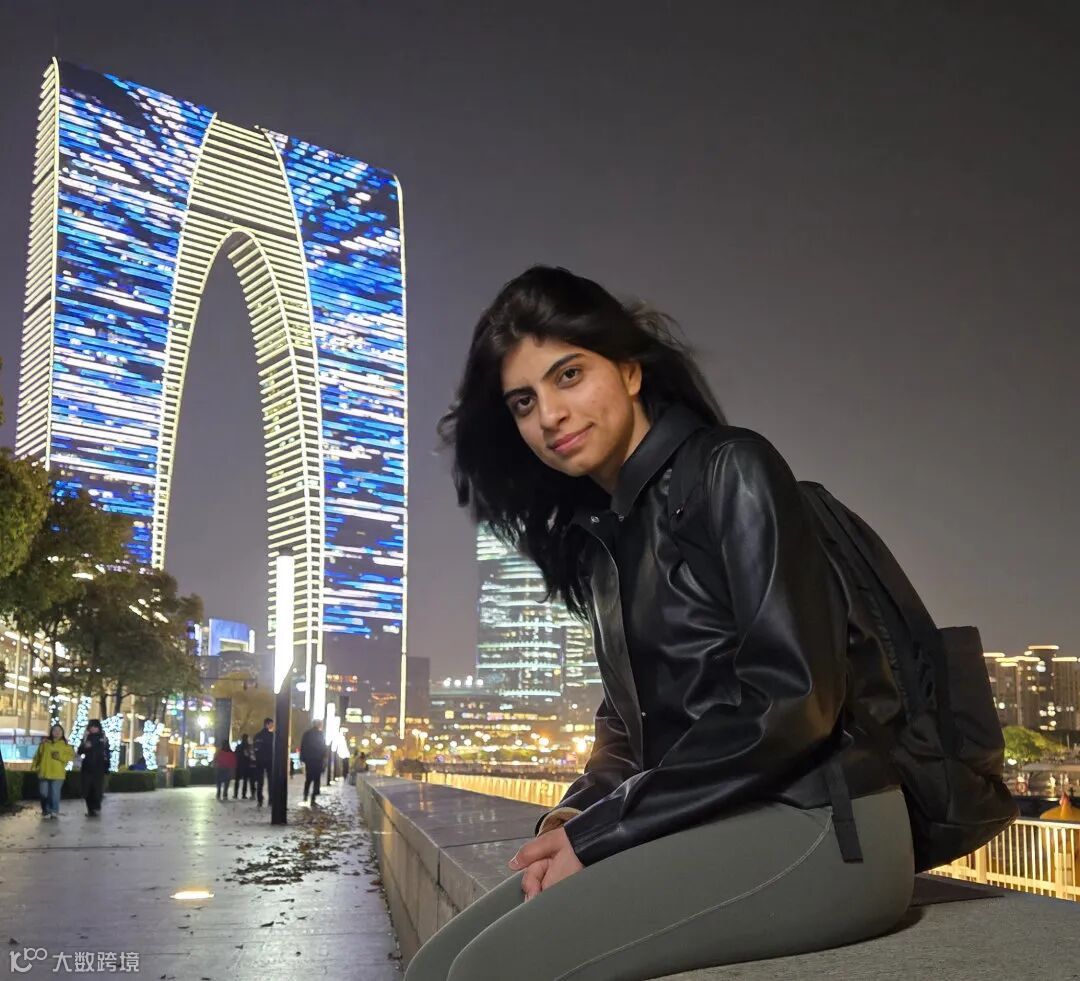


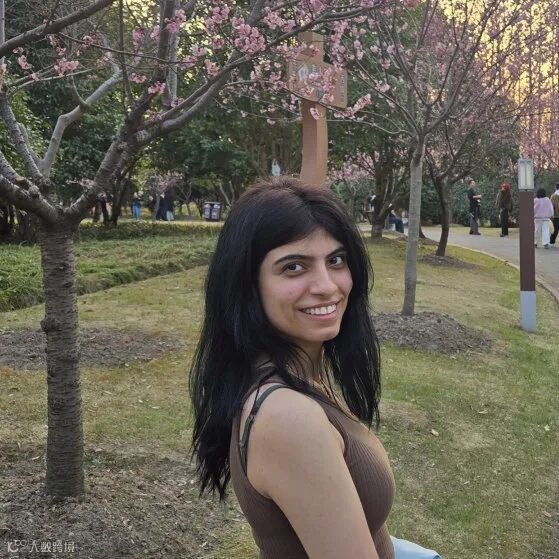
Nikita Tekwani
MIB Program, Class of 2023
From India

Finding Kindness on National Day
National Day Essay Series

My father has lived in China for more than eighteen years, and he always said something that stayed with me: “People here don’t just live in a country—they care for it like family.” When I decided to come to China for my master’s degree, I wanted to see what he meant.
This National Day, I went out not to celebrate at school, but to explore the streets of Hangzhou. I wanted to see the city through the eyes of the people who call it home.
From the moment I stepped outside, the city was alive with red—flags waving on every building, ribbons tied around trees, children running with laughter that seemed to dance through the air. I didn’t know many words in Chinese, but I didn’t need to. Every smile I met was a greeting; every small gesture was a conversation.
On Hefang Street, the air smelled of roasted chestnuts and osmanthus flowers. Shopkeepers stood outside their stores, greeting people with cheerful “你好!” (“hello”). I smiled back, and even though my accent gave me away instantly, no one made me feel out of place. Instead, they smiled wider. One man even gestured for me to take a photo with his family in front of his shop. We laughed without words, and somehow, it felt perfectly natural.
Then, at a small candy stall, I stopped to look at the trays of handmade Chinese sweets—sesame, peanuts, and something bright pink I couldn’t name. The old woman behind the counter caught my eye. She smiled, picked up a small piece, and held it out to me. I hesitated, but she nodded encouragingly, as if to say, go on, try it.then added a few words I couldn’t understand—but her tone was soft, kind, and full of meaning. I bowed my head slightly and said “谢谢” (“thank you”). She smiled and patted my hand, as if I were her grandchild.
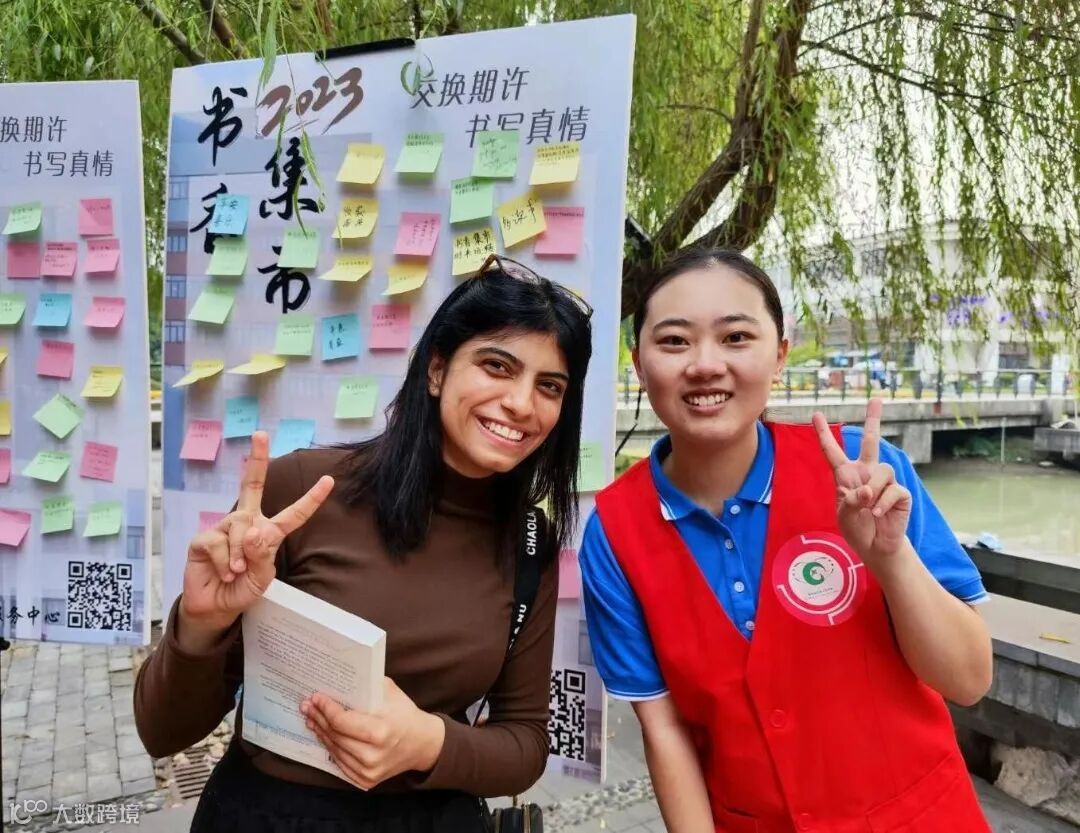
That sweet was chewy and fragrant, but more than anything, it tasted like welcome. It was just a simple piece of candy, yet it carried something powerful—kindness that crossed every language barrier.
As I walked farther down the street, I kept noticing how people looked out for one another. A young boy picked up litter that wasn’t his. A bus driver waited an extra minute for an old man running to catch the bus. Friends shared umbrellas, strangers helped push a baby stroller over a curb. None of it was dramatic or planned—it was simply part of life here.
It struck me that in China, empathy is everywhere. People may not speak the same language as me, but they speak the language of care, of patience, of quiet respect. That’s what makes this place special.
When evening came, I walked to West Lake. The water shimmered with lights, and families gathered to watch the reflections dance. I stood among them, listening to conversations I couldn’t fully understand, yet somehow I felt completely connected. The laughter, the joy, the peace—it needed no translation.
That night, I called my father. “Now I understand what you meant,” I told him. “People here don’t just love their country—they love each other.” He laughed softly and said, “Exactly. That’s the real beauty of China.”
And he was right.
In a world that often feels divided by borders and language, Hangzhou showed me something different. It showed me that kindness doesn’t need translation, and empathy is stronger than any word. Because here, pride doesn’t need parades. It lives in the daily kindness of strangers, in the quiet empathy between people, and in the gentle discipline that keeps cities alive and welcoming.
I came here as a foreign student, but I’m leaving this National Day with something more lasting—a sense of belonging.
When I look back on that day in Hangzhou, I realize I didn’t just witness a celebration — I experienced the heart of a nation. The flags, the laughter, the small gestures of care — they weren’t performances for a holiday; they were everyday expressions of love. I came to China chasing stories my father once told me, but I’ve found my own. In every smile that crosses a language barrier, in every helping hand extended without words, I feel what it means to belong. The truth is, I don’t just live in China now — China lives in me. And that’s why, no matter the date on the calendar, every day feels like National Day.

⬇ 点击下方链接,阅读更多相关文章















长按二维码 关注亚欧更多资讯吧!
