

于我亦师,指引方向;
于我亦友,伴我同行。
追梦途中,他们意气风发,也曾消沉低首。在此,他们将解答生涯疑虑,讲述心路历程,分享行业资讯,畅想无限未来,见证你我成长。
导师开讲啦!敬请聆听不惑的声音...
关键词:【可持续建筑】【实践赋能】【分享与责任】
1
导师简介
External Mentor
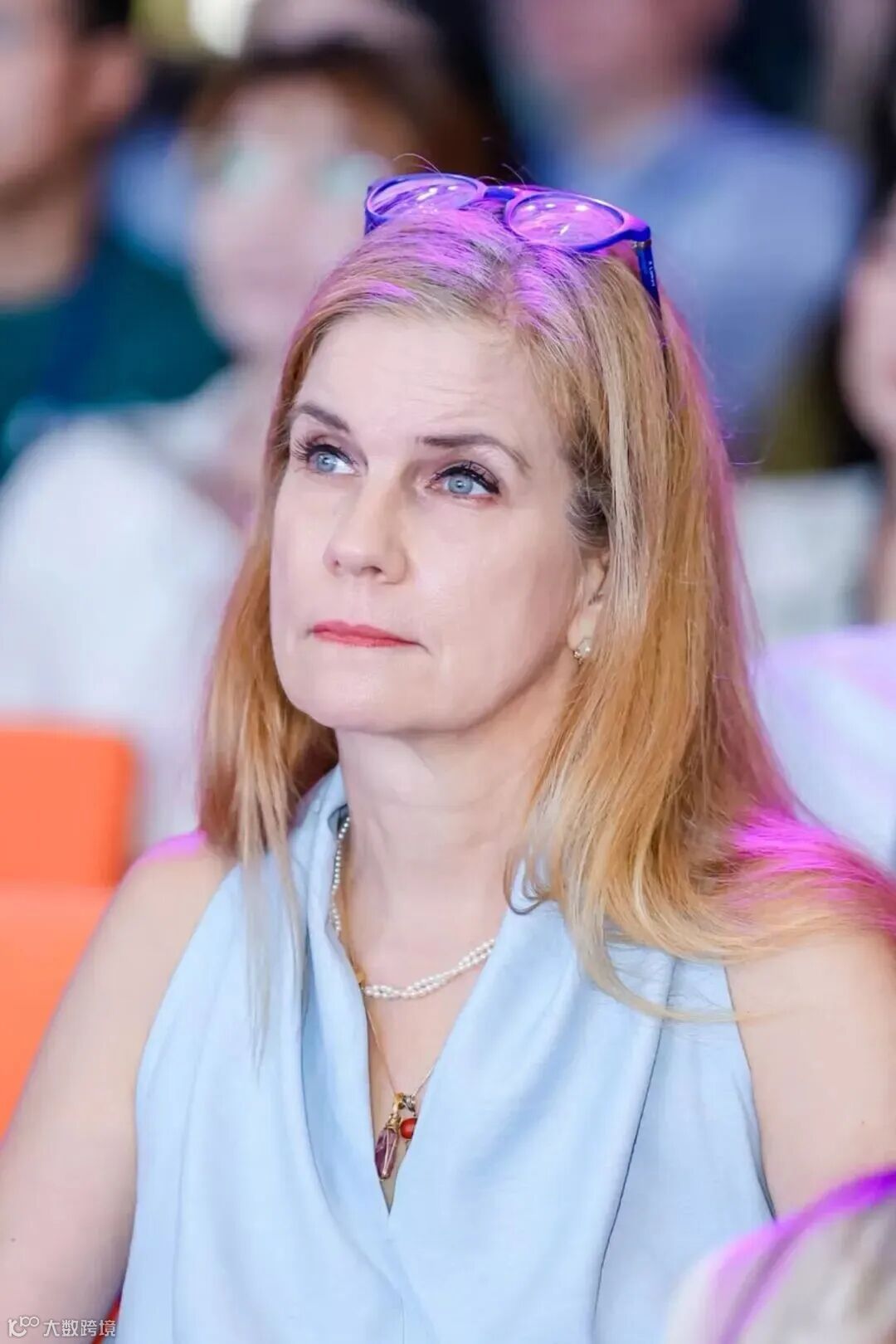
Sophia Slingerland
Founder and Managing Partner of
AteliersPhi
Highest Academic Qualification: Master
University for Higher Education:
TU Kaiserslautern
Major of Highest Academic Qualification:
Architecture
2
精彩分享
Lecture Abstract
1、You've worked in many countries. How have these diverse cultural and architectural environments influenced your design philosophy, especially in ecological and low - carbon architecture?
I entered the architecture industry right after graduation and started working in 1997, which also involved matters related to national security at that time. Back then, I was in Austria, a country that was a pioneer in low - carbon building technology and the application of renewable materials. For me, that experience gave me a sense of professional belonging, and the knowledge I gained and the scenes I witnessed were truly amazing. I have always adhered to this knowledge because building with renewable materials and in a low - carbon manner is practical. Therefore, no matter where I was, I would try my best to persuade clients to adopt this construction method.
I once worked in Myanmar, where the local architectural style was different from that in Austria, with a certain degree of mentalism. However, in the end, European design styles dominated the field of architecture. Of course, the influences brought by different cultural environments vary, but generally, they coexist harmoniously. Whether I took on new projects such as new building construction and interior design, or old projects like the renovation and restoration of architectural heritage, I would integrate the concepts of low - carbon and ecology into them.
Later, when I came to China, I found that American architectural and construction models had little influence on me, as I think their methods were outdated and I felt stuck in the 1950s and not of high quality. Therefore they were contradicting my beliefs and expertise. Given that China's traditions and culture are completely different from those of Western countries, I have a deep understanding of the background of Sino - European cultural integration, the local actual situation, and the way of doing things...
2、As the founder of Ateliers Phi, what were the key challenges you faced when establishing the firm, and how did you overcome them to focus on ecological and sustainable architecture?
As a foreigner without the support of a large company behind me, I had no choice but to take the initiative to find clients. I would attend various seminars and events, communicate with people, persuade them one by one, show them my professional knowledge, and the benefits of cooperating with me and hiring me as an architect. Most of the time, I personally looked for clients and then convinced them one by one to work with me.
As a European architect, we focus not only on superficial work such as building facades or interior design, but also on providing a full - range closed - loop service, covering design, drawing construction drawings, formulating planning schemes, conducting cost accounting, and supervising the entire construction process. All these services are included in the business scope of me and my company.
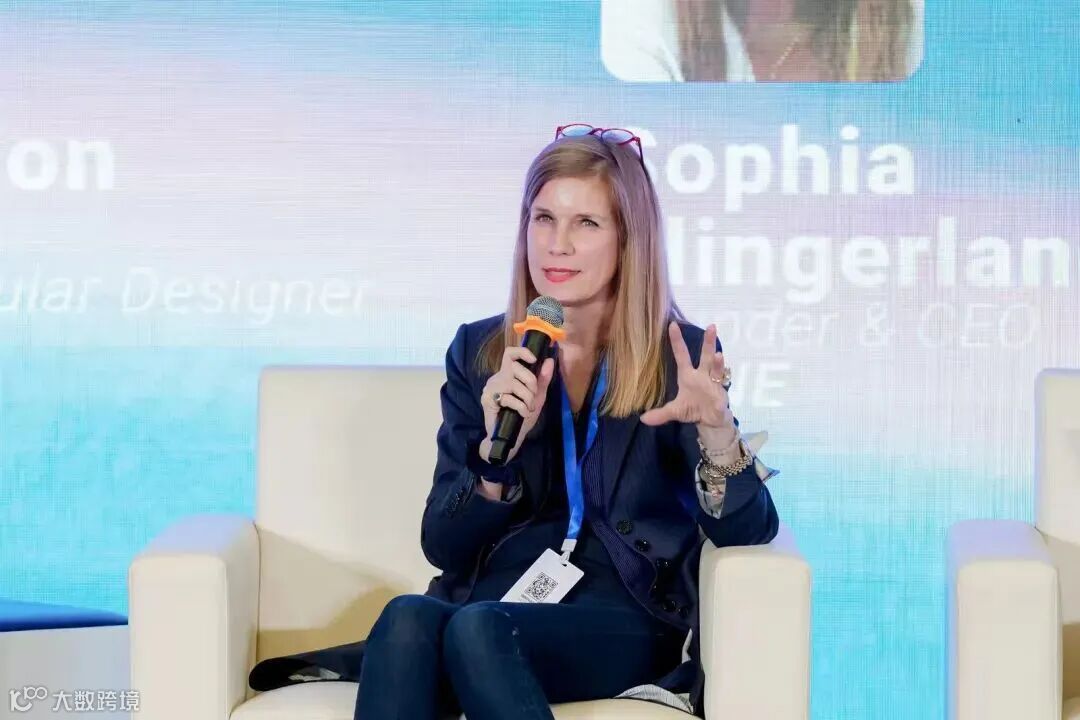
3、You wish to share knowledge such as green building technology with students at Xi'an Jiaotong - Liverpool University. From the perspective of mentoring students, what methods would you adopt to help them better understand and apply these technologies, and thereby form their own architectural design concepts?
Launching workshops is a very good method. In the workshop, we focus on a specific project and advance each link of the project in depth, allowing students to truly learn how to integrate green elements, green details, and details related to sustainability and low - carbon. In this way, students can understand that all parts are an organic whole rather than existing in isolation, and then grasp the overall concept, design ideas, and the collaborative operation mode between various parts.
If students only learn theoretical knowledge without integrating and applying all the content, they cannot understand the complete concept, ideas, and overall operation mechanism. However, through practice, students can have a better understanding. Therefore, I believe that carrying out case studies is crucial. Letting students participate in practice personally enables them to learn the detailed knowledge required to connect various parts.
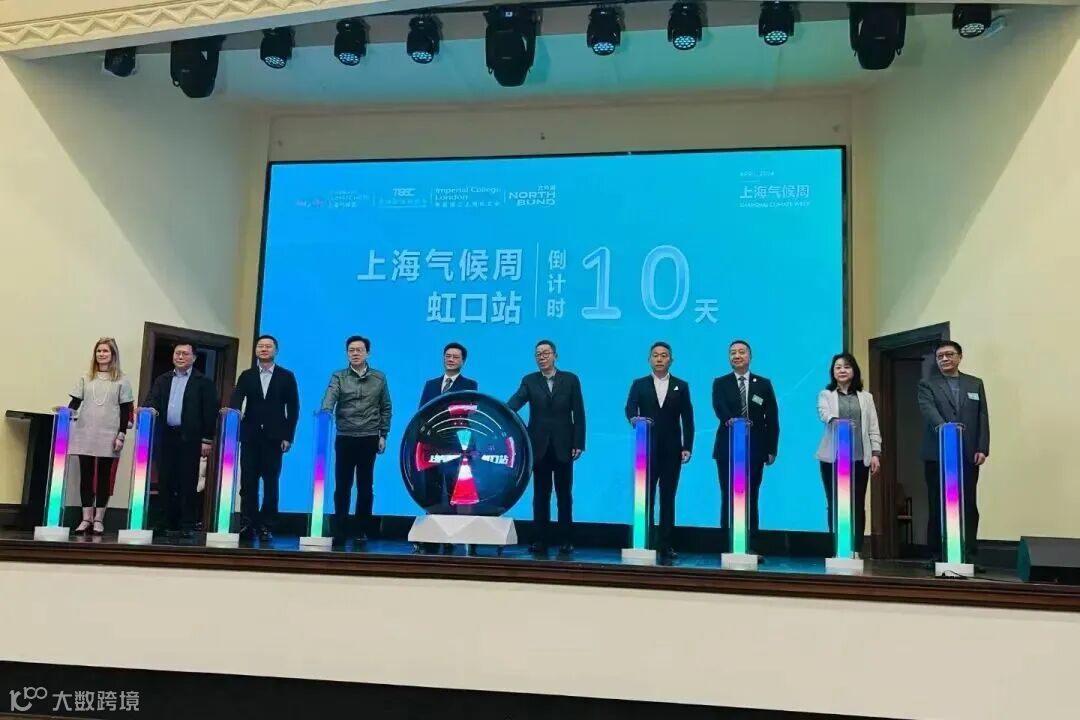
4、You encourage students to invest time in making a better world. How do you think students can balance their academic pursuits with actively contributing to creating a more sustainable future?
I believe that engaging in low - carbon and green architectural design is itself contributing to the creation of a better world. In the design process, we should not only focus on the design itself, but also take into account the users of the building, such as the families living there, the workers in the factory, and the employees in the office. We should put ourselves in their shoes: if I were them, how would I feel in such a space? What aspects are important? In addition to thinking about these issues, we can further interview workers or employees and design questionnaires to gain a deep understanding of their needs. We should not only complete the work on the drawings and in front of the computer, but also do it with our hearts and truly care about the people that the project serves.
I think this point is very important, and we should apply this concept to ourselves. We should always reflect: Is what I do every day sustainable? Is this thing a must - do? Is there a more sustainable way to do it? We should also constantly examine ourselves in daily life.
5、You mentioned that one of your failures led to the bankruptcy of your firm. How did you manage to recover from such a setback and what valuable lessons did you learn that you apply in your work now?
That setback was a huge blow to me, almost a disaster. However, as you said, I learned a lesson from it. Now, I pay more attention to financial details, take more steady steps in doing things, and do not delegate too much power or work to others. At the same time, I pay more attention to the long - term development of the company and the financial situation, which I did not do well before.
For example, in the early stage of starting a business, there is no need to pursue a high - end office space; a simple and small office is completely acceptable. We can also adopt a more flexible working mode, such as allowing employees to work from home sometimes, which can reduce the demand for office space. Such practices can help reduce costs. In the past, I thought that in order to attract clients, I must make great efforts in image display. But later, I realized that this is actually not important. Professional knowledge, professional skills, integrity, and transparency are far more important than treating clients to expensive dinners or other such practices. When running your own firm, you must pay close attention to cost issues from the very beginning.
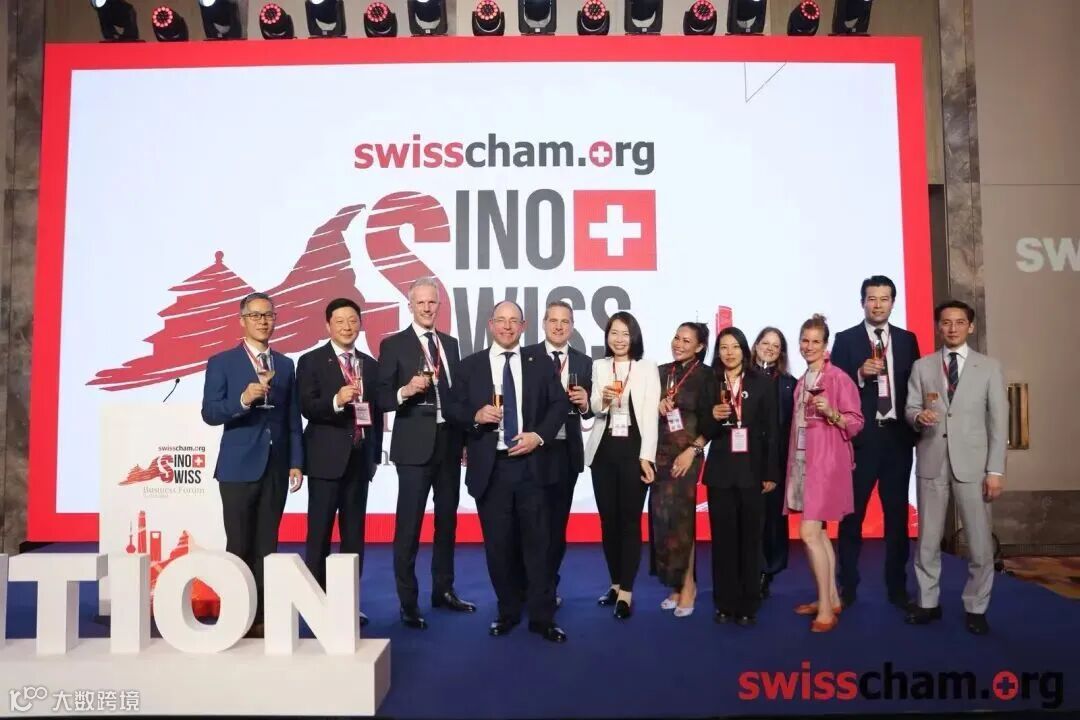
6、You encourage students to devote time to creating a better world. For students majoring in architecture at XJTLU, in their daily studies and practices, what specific small starting points can they adopt to put into practice the concept of building a more sustainable future?
"A better world" is a very grand concept, but we can start with small things around us. For example, when ordering food or shopping on Taobao, if you need to buy vegetables, you can choose to go to an offline vegetable market, which can reduce the generation of packaging waste. You can also share things with others, such as group buying together, which can also reduce waste. In addition, after receiving express deliveries, the express boxes can be reused. These small things in daily life can reduce our negative impact on the environment, and small efforts can add up to make a big difference.
In addition, as architecture students, if you think that some areas on the university campus have a poor environment and need improvement or optimization, you can form a team to carry out relevant projects, and then submit the plan to the dean of the college or the school administration, saying to them: "Hey, we think this place should be improved." In this process, you have invested your efforts, time, professional knowledge, and innovative ideas. The school may consider your suggestions and then make changes.
You can also think about how to use waste as building materials, such as recycled chopsticks and take - away food boxes. You should break the fixed thinking pattern, not be limited to the knowledge learned in the university, and give full play to your creativity. In this way, you can transform the campus environment from a different perspective.
3
导师金句
The Voice of Mentor
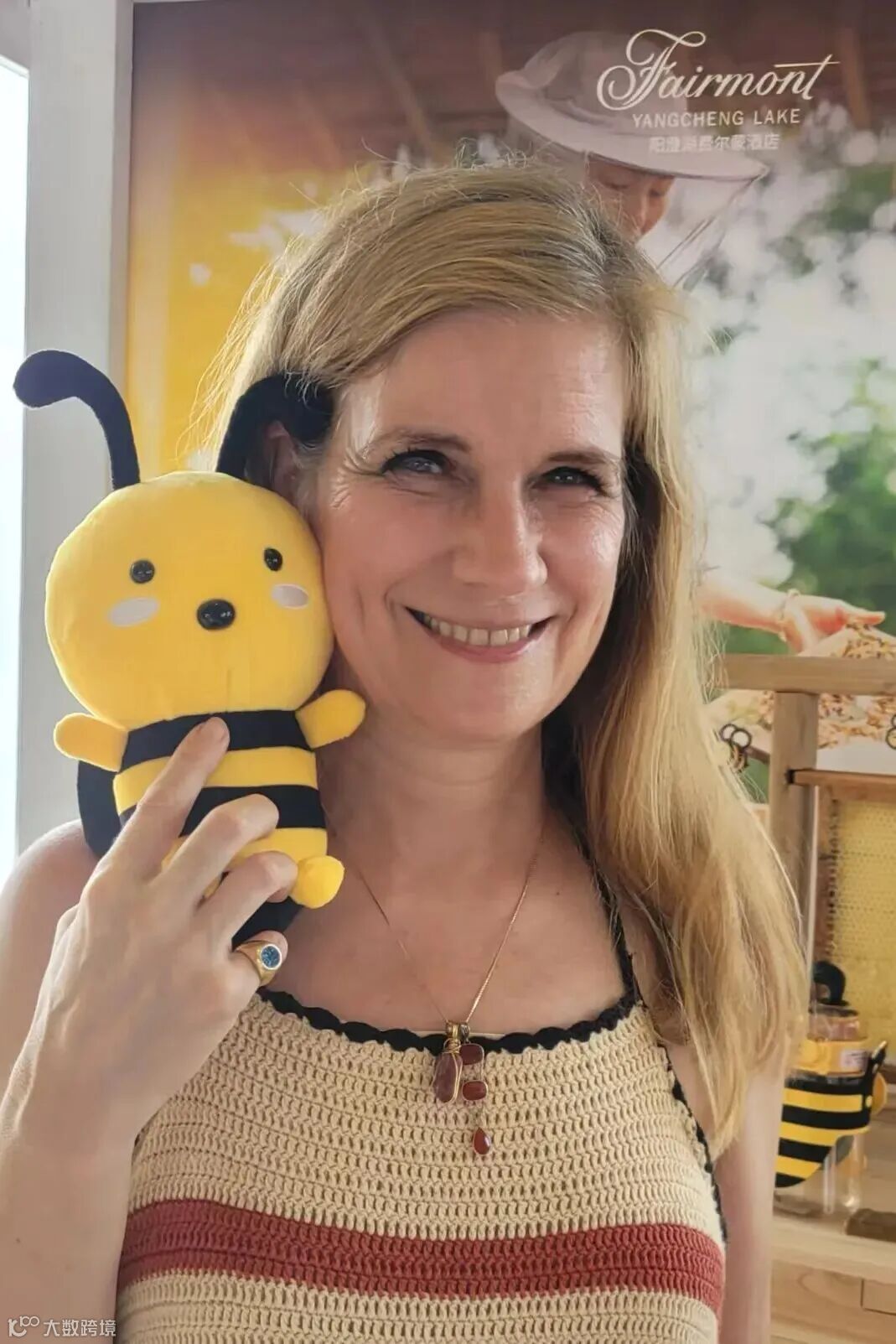
"Dream BIG; Do not give up and always keep believing in YOUR dream and stay TRUE to yourself ."
——Sophia Slingerland

THE END
>>>欢迎关注<<<
采访 |马颢瑜
文案编辑|何紫玥
排版|毛梓又
审核 毛梓又
终审 戴玲瑛老师