


Please scroll down for English version
亚洲著名的品牌分销商和运营商蓝钟集团 (Bluebell Group) 近期发布了其第五期年度《亚洲生活方式消费者概况》(Asia Lifestyle Consumer Profile)。研究结果显示,亚洲消费者情绪正在发生转变,区内各地(尤其是中国)消费者信心下降,对奢侈品的认知也发生了变化。
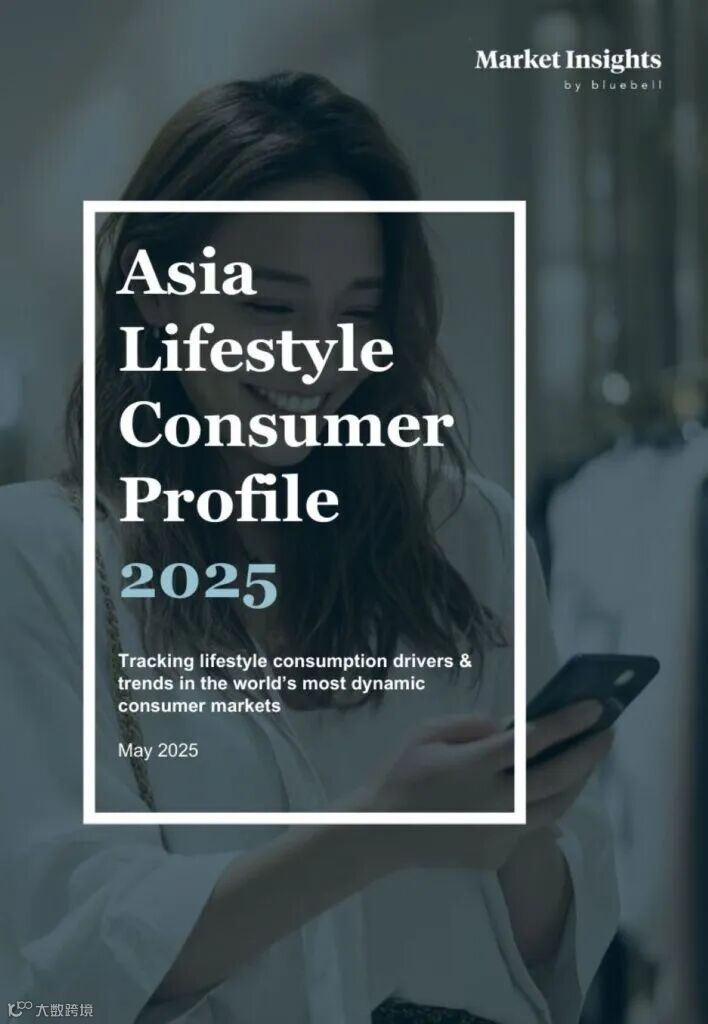
有兴趣的读者可通过文末链接下载最新《亚洲生活方式消费者概况》报告
新的报告基于蓝钟今年三月在全亚洲进行的一项调查。中国内地、香港、韩国、日本和东南亚的 1,500 名奢侈品消费者接受了访问,他们在过去六个月中均在生活方式产品上至少花费了 1,200 美元。
研究显示,94%的中国消费者、90%的东南亚消费者和74%的日本消费者对未来持乐观情绪,较去年分别下降3/3/4个百分点。中国消费者的旅游意愿也大幅下降。
然而,与此相矛盾的现象是,消费者的支出意愿上升了。调查结果还表明,市场正处于转型期, “充满希望但动荡不安”,这促使品牌努力适应不断变化的趋势,而不是依赖过去建立的势头。
蓝钟集团总裁兼首席执行官 Ashley Micklewright 表示:“今年的研究结果反映出,亚洲奢侈品消费者的眼光更加敏锐,数字化连接更加紧密,也更加注重价值。品牌不能再仅仅依赖传承或愿景,而是必须在每一个接触点上都证明自己的价值。无论是通过品质、相关性、创新还是服务,新的奢侈品经营方式在于在快速发展、经历颠覆的各个市场中,赢得消费者的信任和忠诚度。”
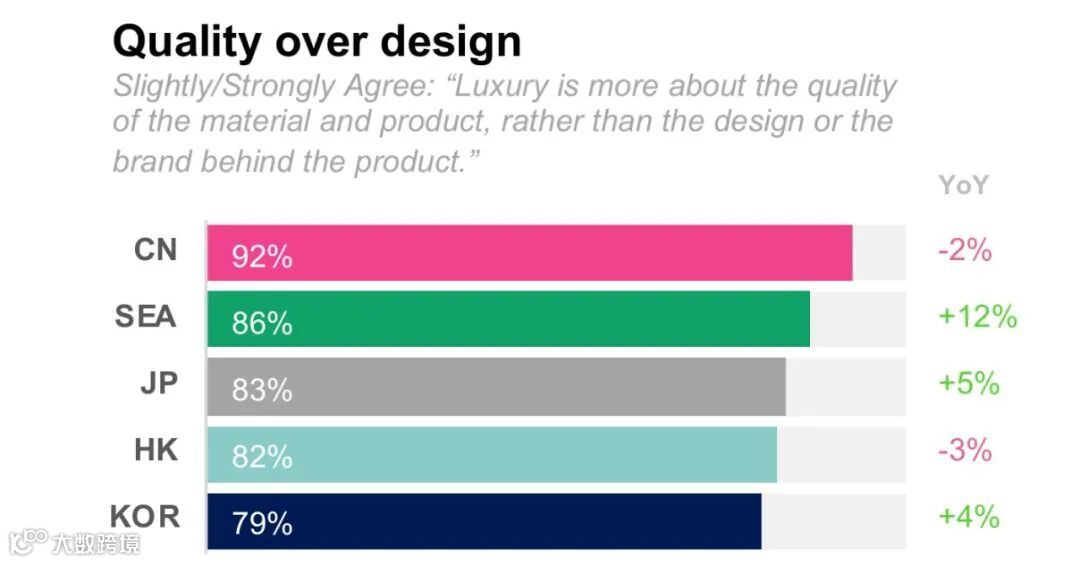
实质重于形式
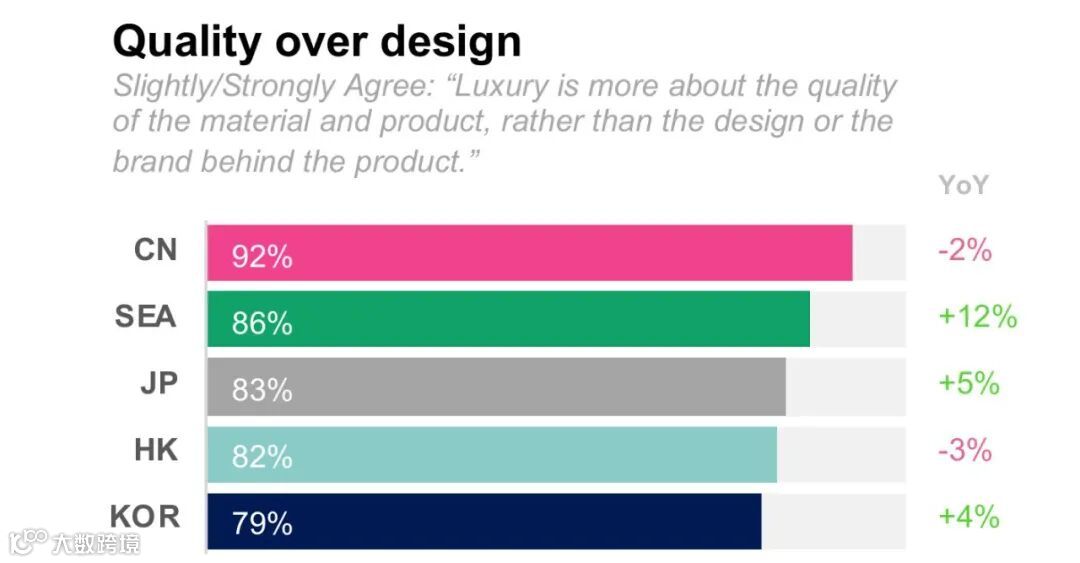
报告中的一个主要亮点是,随着奢侈品越来越容易获得且价格持续上涨,亚洲消费者的眼光也越来越敏锐。他们期望品牌能够通过产品质量、性能、投资价值和转售潜力来证明其定价的合理性。
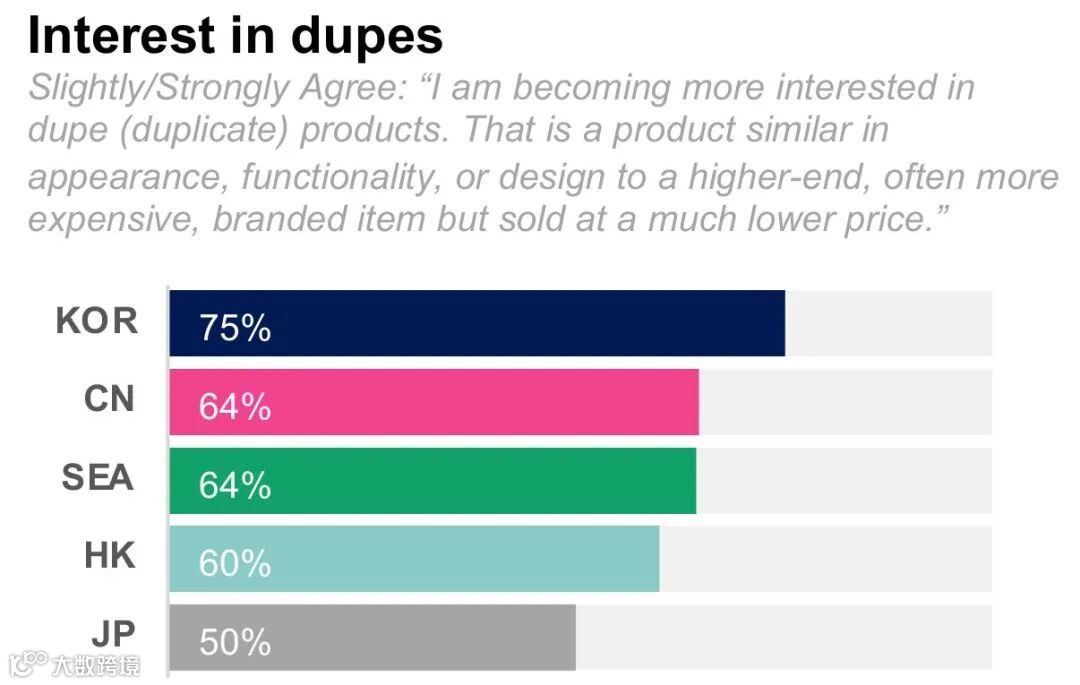
研究还表明,随着亚洲消费者更加注重价值,对平替的需求也在不断增长。75% 的韩国消费者和 64% 的中国及东南亚消费者愿意接受价格更低的平替。
这些研究结果共同反映出消费者对性价比的日益重视,这将促使品牌建立可靠的品质和长期价值,以此说服顾客接受产品的高价位。
本土与小众品牌的崛起
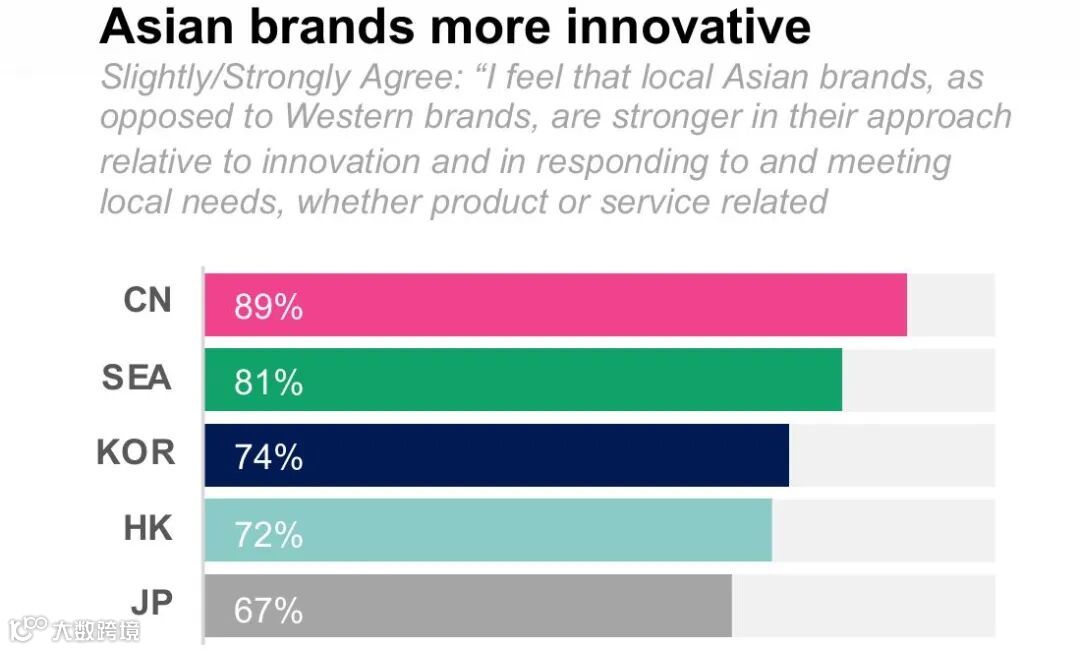
不断变化的消费趋势还催生了一批融合创新、文化关联性和技术专长的亚洲本土和小众品牌的崛起。
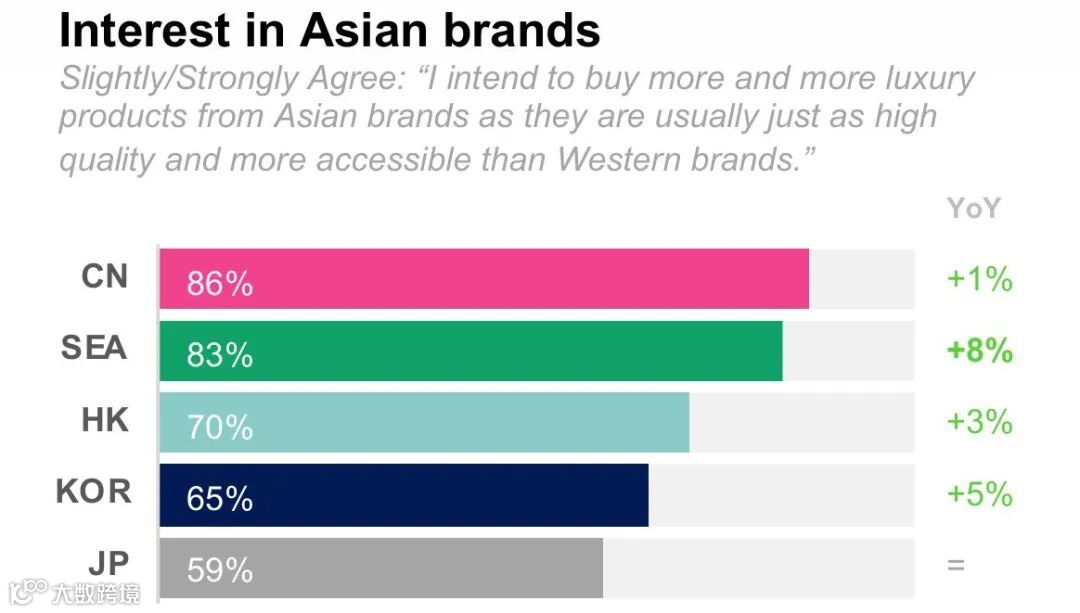
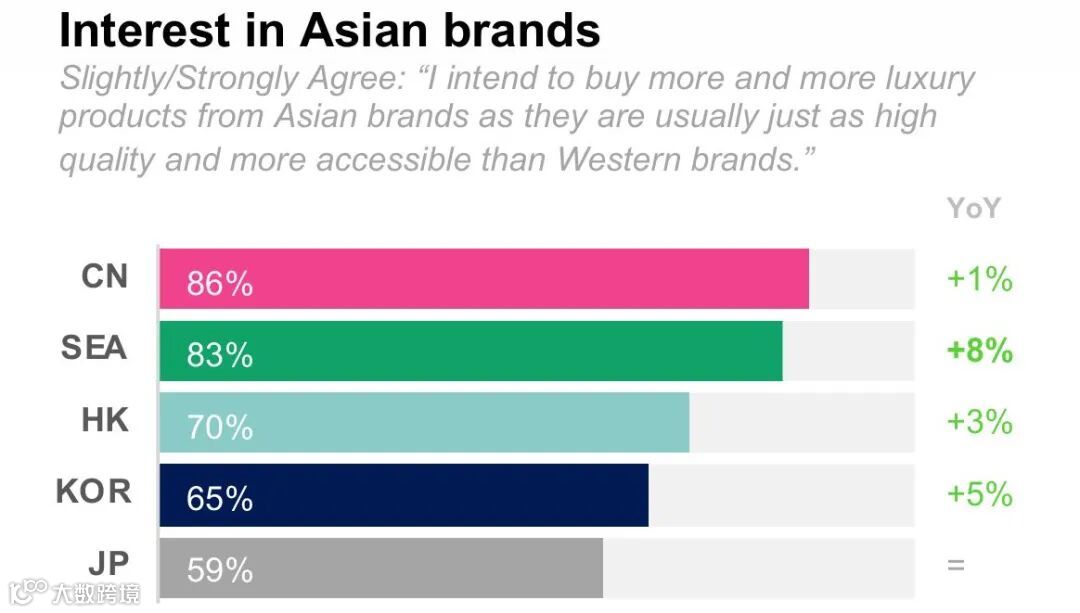
数据突显出,消费者对富有创新性、情感共鸣和文化相关性的品牌的需求日益增长,亚洲奢侈品牌尤其受到青睐,尤其是在中国(86%)、东南亚(83%)和香港(70%)。
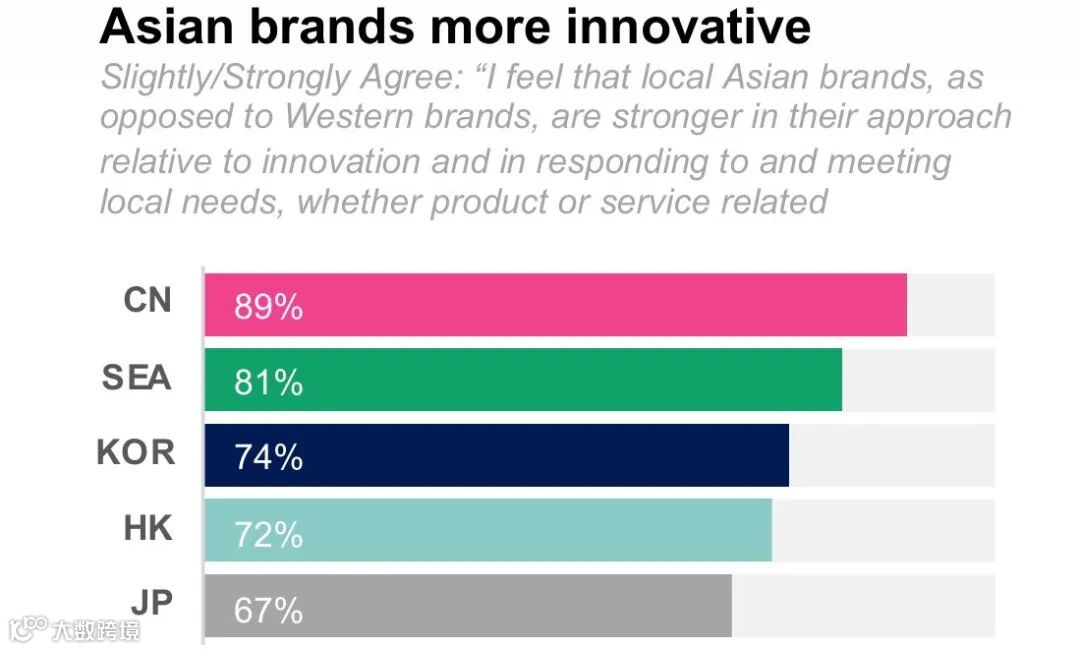
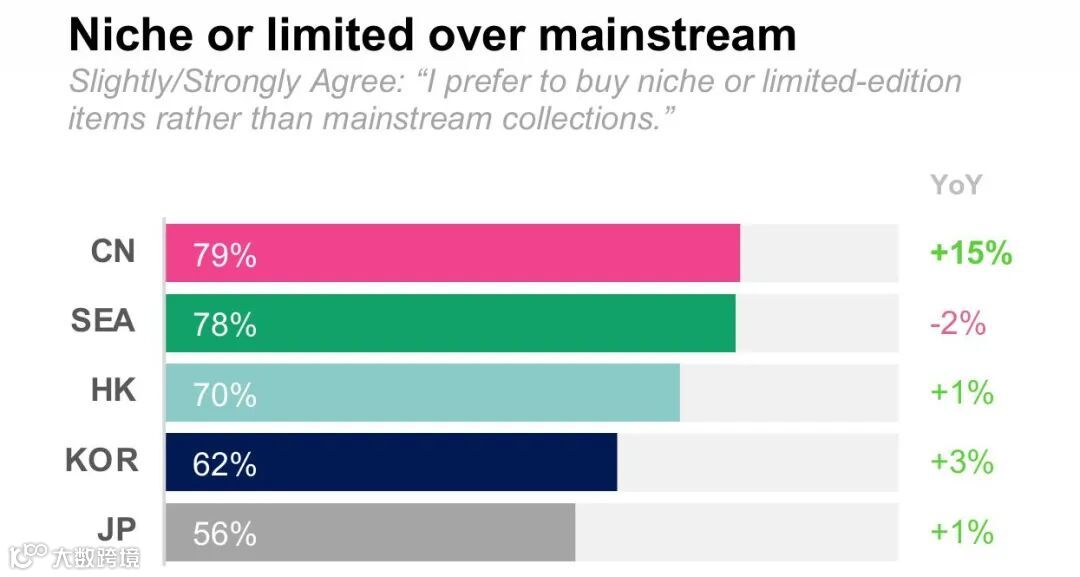
限量版及小众系列的销量正在超越主流系列,尤其是在中国,其销量同比增长了15个百分点。尽管老字号奢侈品牌依然保持着其影响力,但新的趋势反映出消费者对经典品牌的疲软以及对新鲜、差异化产品日益增长的需求。
服务至上
消费者越来越期待更高的服务标准——无论是线上还是线下,高接触、无缝衔接的互动如今被视为必不可少的体验。
从个性化的数字体验到经验丰富的店员,优质服务正成为零售业的新标杆。如今的消费者重视“无形却贴心、顺畅却又能引起情感共鸣”的服务。超过90%的受访者期望在奢侈品消费中获得额外福利和奖励。此外,他们对沉浸式和个性化店内体验的兴趣日益浓厚,尤其是在中国和东南亚地区。
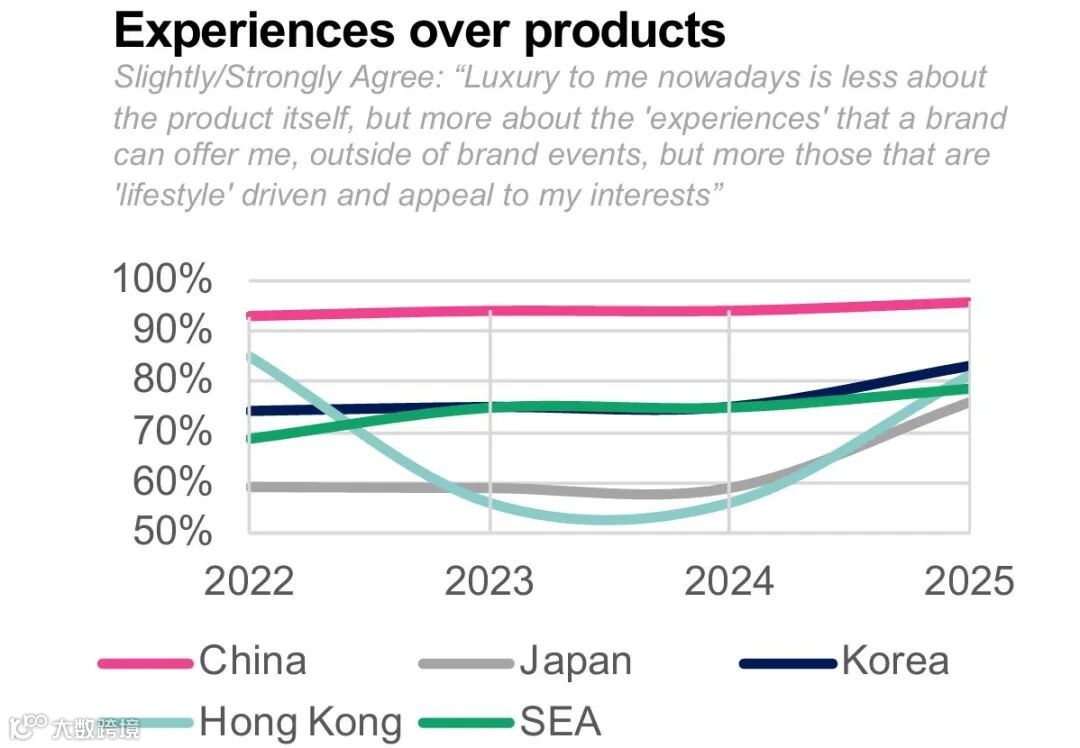
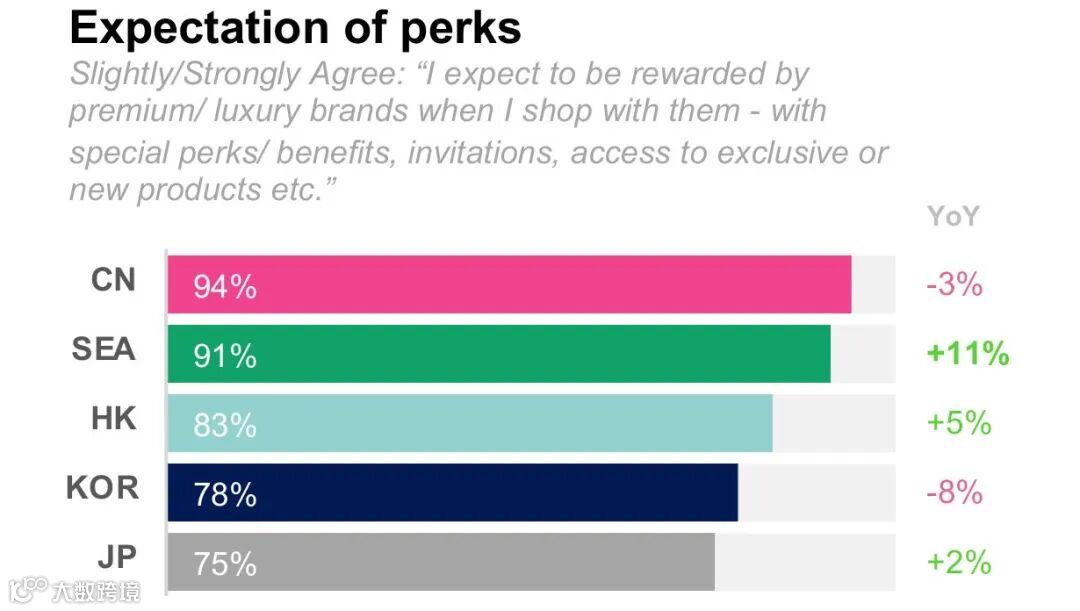
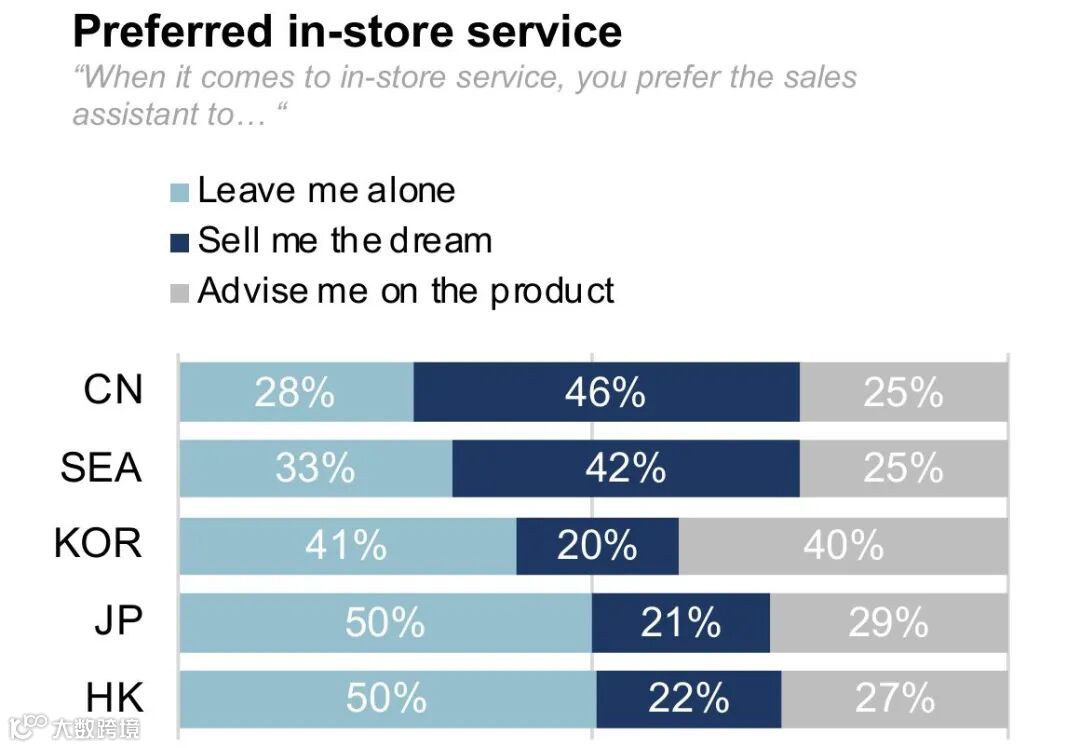
这种高接触水平的期望涵盖了所有产品类别和销售渠道。这意味着品牌不仅须通过其产品,还须通过每个服务接触点来提供连贯一致的品牌价值。
新目的地,新旅客人群
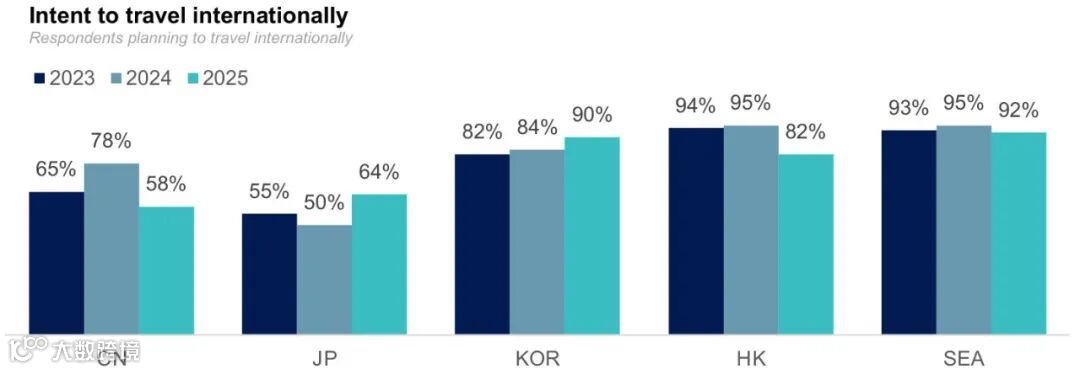
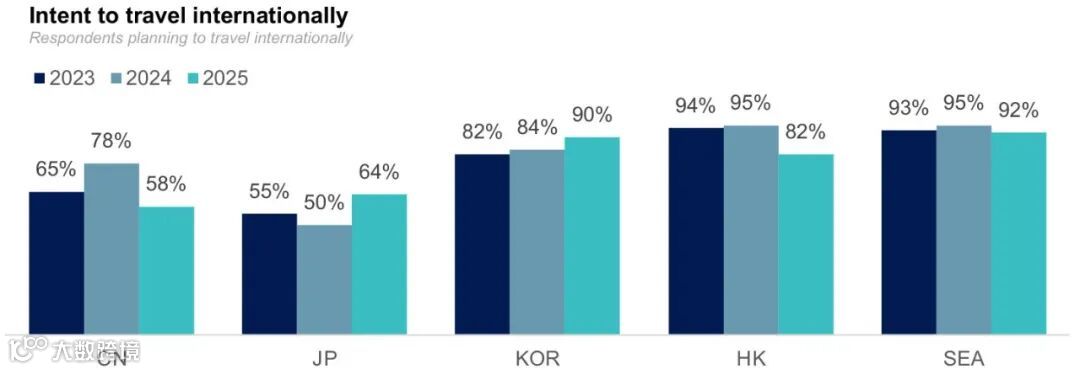
报告还显示,中国出境游意愿呈下降趋势,2025年仅有58%的受访者计划出国旅行,而2024年和2023年这一比例分别为78%和65%。这一转变表明,奢侈品牌需要重新思考其针对中国出境游消费者需求的战略。
尽管中国经济出现疲软迹象,但前往韩国(90%)、香港(82%)和东南亚(92%)的出境游意愿依然高涨。此外,迪拜和悉尼跻身十大热门目的地,凸显了旅游客流的转变,并预示着新的零售机遇。
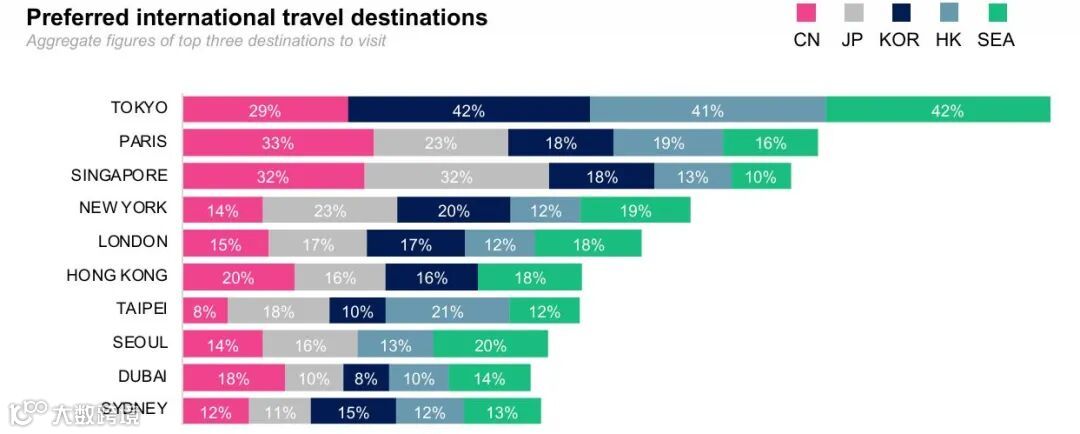
概括而言,2025年的报告预示着一个明显的转变——如今的奢侈品消费者更加深思熟虑且注重数字化体验,他们期望的不仅仅是买到产品。品牌必须采取切合本地需求的战略,并通过体验、服务和品牌故事传递始终如一的价值。
如欲下载完整报告,请访问https://bluebellgroup.com/market-insights
Bluebell Group research reveals evolving luxury priorities among Asian consumers
Leading Asian brand distributor and operator Bluebell Group has highlighted a shift in consumer sentiment, marked by declining confidence and changing perceptions of luxury across Asia, most notably in China.
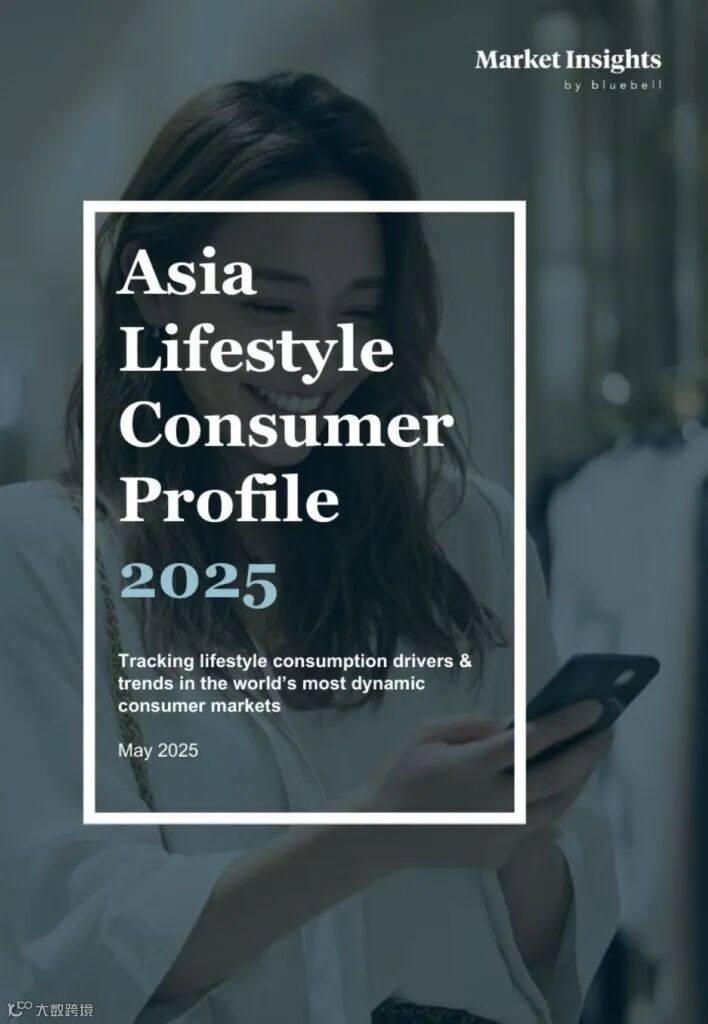
Download Bluebell Group’s latest Asia Lifestyle Consumer Profile through the link at the end of the article
The findings are drawn from Bluebell Group’s fifth annual Asia Lifestyle Consumer Profile, released recently and based on an Asia-wide survey conducted in March of this year. The survey covered 1,500 luxury consumers across the Chinese mainland, Hong Kong SAR, South Korea, Japan and Southeast Asia, all of whom had spent a minimum of US$1,200 on lifestyle products in the past six months.
The study reveals a declining optimism for the future in China (94%, -3pts), Southeast Asia (90%, -3pts) and Japan (74%, -4pts), with Chinese consumers also reporting a steep drop in travel intent.
Alongside a conflicting increase in spending intent, the survey outcomes suggest a market in transition – “hopeful but volatile” – urging brands to adapt to changing trends rather than depend on past momentum.
Bluebell Group President & CEO Ashley Micklewright said, “This year’s findings reflect a more discerning, digitally connected and value-driven luxury consumer across Asia.
“Brands can no longer rely on heritage or aspiration alone – they must prove their worth across every touchpoint. Whether it’s through quality, relevance, innovation or service, the new luxury equation is about earning trust and loyalty in distinct markets that are both fast-evolving and fundamentally recalibrating.”
Substance over form
Key highlights of the study reveal that as luxury becomes more accessible and prices continue to rise, Asian consumers are becoming more discerning – expecting brands to justify their pricing through product quality, performance, investment value and resale potential.
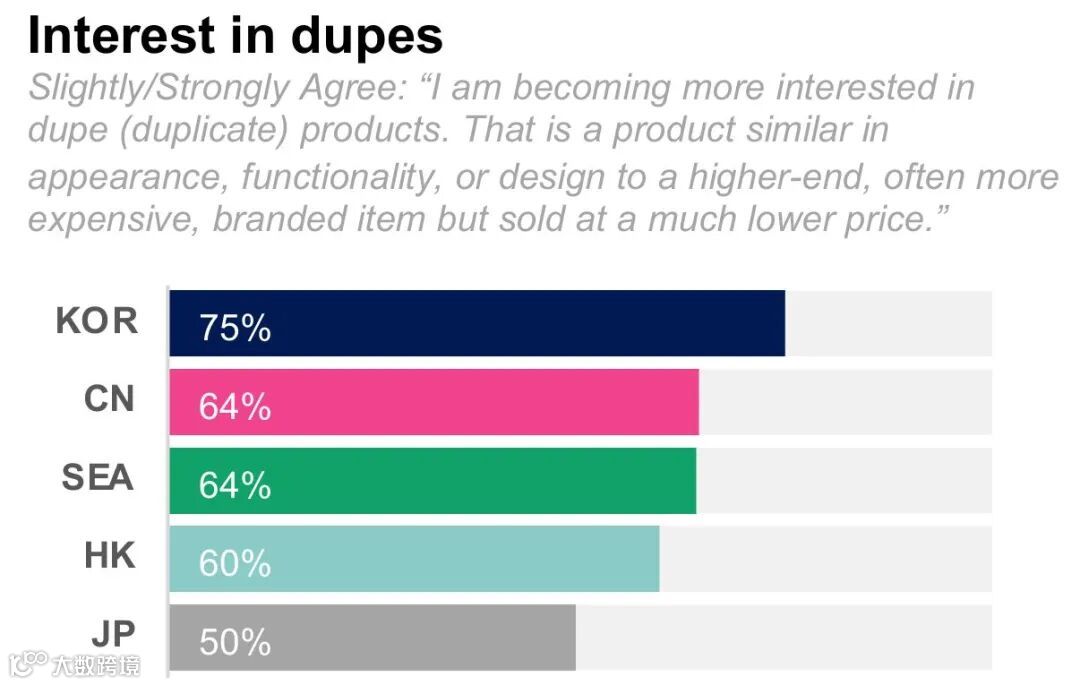
The research also suggests that as Asian consumers prioritise value, demand for dupes is also rising, with 75% of Koreans and 64% of Chinese and Southeast Asians open to more affordable imitations.
The findings collectively reflect consumers’ growing emphasis on value, urging brands to validate their pricing through proven quality and long-term value.
The rise of local and niche brands
The evolving consumer trends have led to the rise of Asian home-grown and niche brands that blend innovation with cultural relevance and technological expertise.
The data underscores increasing demand for brands that are innovative, emotionally resonant and culturally relevant, with Asian luxury brands enjoying strong appeal, particularly in China (86%), Southeast Asia (83%) and Hong Kong (70%).
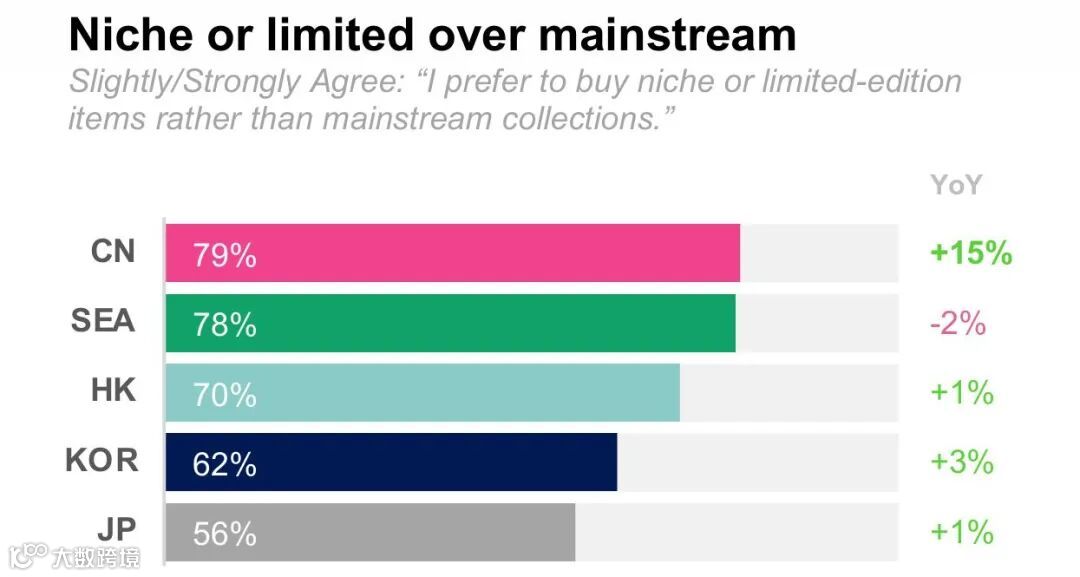
Limited editions and niche collections are outpacing mainstream lines, particularly in China, which recorded a +15pt rise year-on-year. While established luxury houses retain influence, this trend reflects consumer fatigue and rising demand for fresh, differentiated offerings.
Service matters
Consumers increasingly expect elevated service standards, with high-touch, seamless interactions now seen as essential, whether online or offline.
Quality service is emerging as the new standard in retail, from personalised digital experiences to knowledgeable in-store staff. Today’s consumers value service that feels “invisible yet attentive, frictionless yet emotionally resonant”.
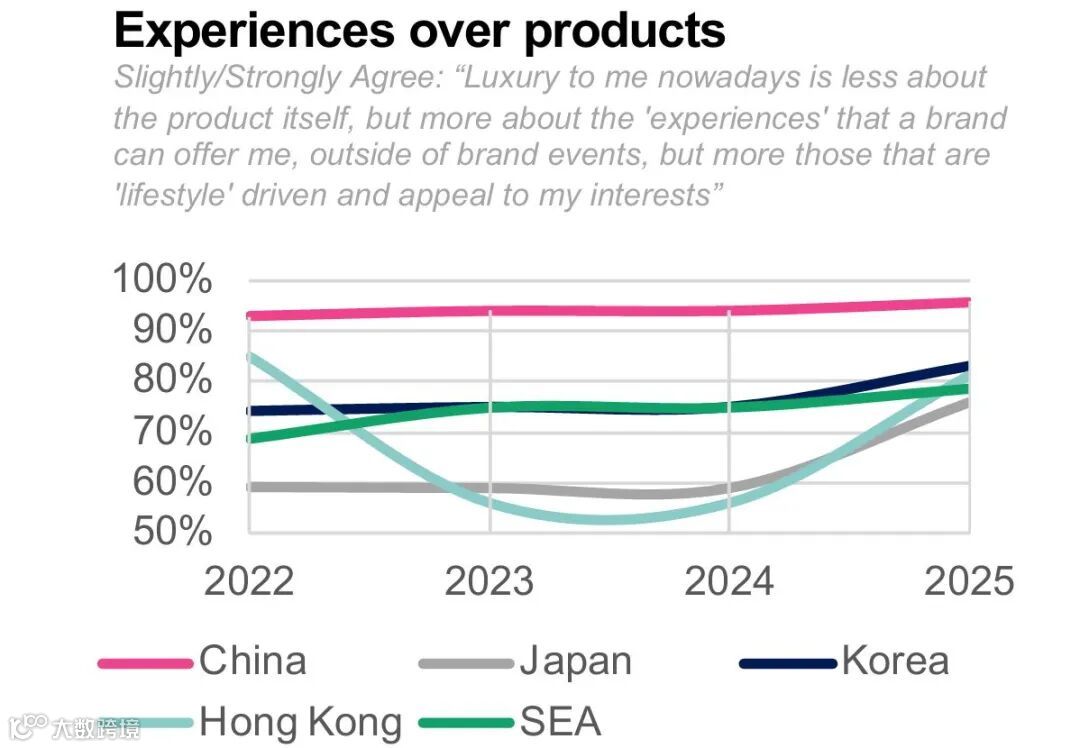
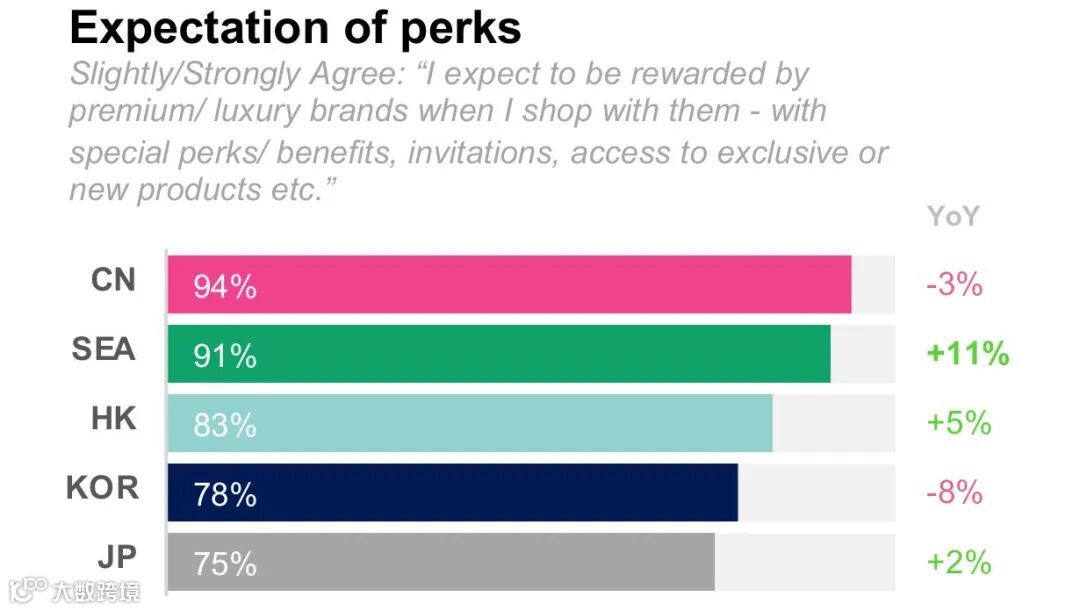
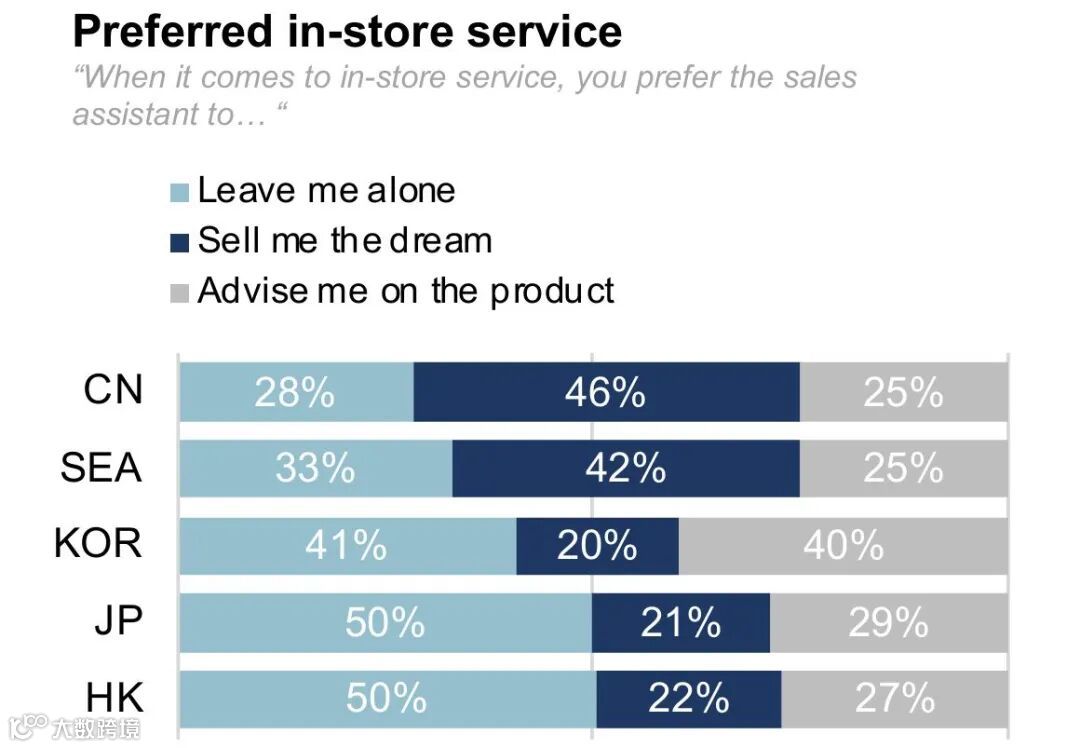
The trend is underscored by over 90% of respondents who expect perks and rewards in luxury retail, alongside growing interest in immersive and personalised in-store experiences, especially in China and Southeast Asia.
This high-touch expectation extends across all product categories and sales channels, suggesting that brands must deliver consistent value not only through their offerings but also through every service touchpoint.
New routes, new travellers
The study highlights a downward trend in outbound Chinese travel intent, with just 58% planning international trips in 2025, compared to 78% in 2024 and 65% in 2023. The shift points to a need for luxury brands to rethink their strategies around outbound Chinese consumer demand.
While China shows signs of softening, outbound travel sentiment remains high in South Korea (90%), Hong Kong (82%) and Southeast Asia (92%).
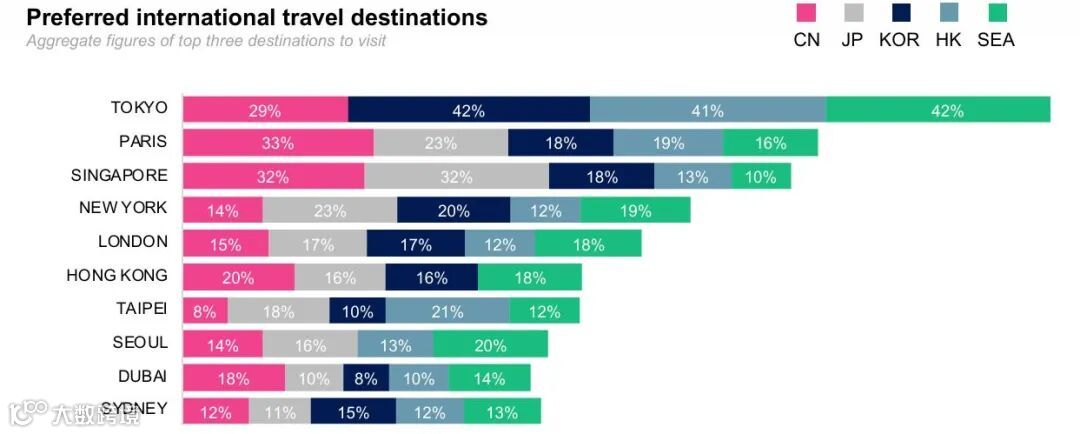
Dubai and Sydney’s emergence in the top ten most popular destinations underscores a shift in tourism flows and signals fresh retail opportunities.
In conclusion, the 2025 report signals a clear shift – today’s luxury consumer is more thoughtful, digitally aware and expects more than just a product. Brands must respond with locally relevant strategies and consistent value through experiences, service and storytelling.
To download the full report, visit https://bluebellgroup.com/market-insights

关注《穆迪达维特免税报告》
掌握中国及全球免税和旅游零售行业最新资讯
如需咨询,请发送信息至Penelope@MoodieDavittReport.com