


•编者按Editor's Note•
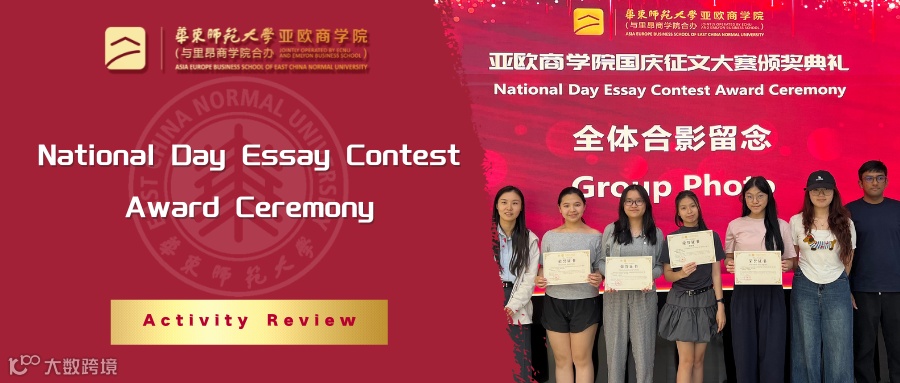
国庆欢歌未歇,中秋月色仍暖,亚欧商学院首届国庆征文大赛的优秀作品,今以系列推送与大家相见。参与征文活动的同学以笔为媒,将对家国的热爱、成长的感悟与归属的思考,凝练成一篇篇动人文字。无论是异国学子眼中的文化交融,还是中国学子笔下的节日温情,字里行间皆藏真挚。我们期待这些作品,能让你在文字中重拾记忆,感受多元视角下的家国情怀。
As the festive songs of National Day linger and the warm glow of the Mid-Autumn moon still shines, we present the outstanding entries from the very first National Day Essay Contest of AEBS Student Union in a series of posts. Participants channeled their love for home and country, reflections on growth, and contemplations of belonging into moving prose. Whether capturing cultural fusion through the eyes of international students or portraying festive warmth through the pens of Chinese scholars, every word brims with sincerity. We hope these works will help you revisit cherished memories and experience patriotic sentiments through diverse perspectives.
当一位泰国留学生带着初到上海的陌生感,在国庆的红色浪潮中寻觅归属感,这份跨文化的观察便有了动人的温度。街头飘扬的红旗、清晨摊位的热豆浆、外滩璀璨的烟花,这些具象细节串联起她对中国的初印象——不仅是高楼与节奏,更是人与人之间的暖意、集体庆祝里的共情。她从国庆氛围中读懂,家从不只限于故土,更是被接纳的安心;节日的意义也早已跨越国界,藏在团聚的笑容、共同的喜悦里。这篇文字没有宏大叙事,却以细腻的个人体验,让我们看见不同文化碰撞出的温柔火花,也让国庆的意义多了一层跨越山海的共鸣,值得每一位读者细细感受这份来自异乡视角的真诚悸动。
When a Thai exchange student, feeling the unfamiliarity of her first days in Shanghai, sought a sense of belonging amidst the red tide of National Day celebrations, this cross-cultural observation gained a touching warmth. The red flags lining the streets, the steaming soy milk at dawn stalls, and the fireworks over the Bund—these tangible details wove together her first impressions of China. It wasn't just about skyscrapers and the city's pace; it was about the warmth between people and the shared empathy found in collective celebrations. Through the festive atmosphere, she comes to understand that home is not confined to one's homeland, but rather the reassurance of belonging; the meaning of holidays transcends borders, found instead in the smiles of reunion and shared joy. This piece eschews grand narratives, instead using delicate personal experiences to reveal the gentle sparks ignited by cultural collisions. It adds a layer of resonance that transcends mountains and seas to the meaning of National Day, inviting every reader to savor this sincere, heartfelt pulse from an outsider's perspective.



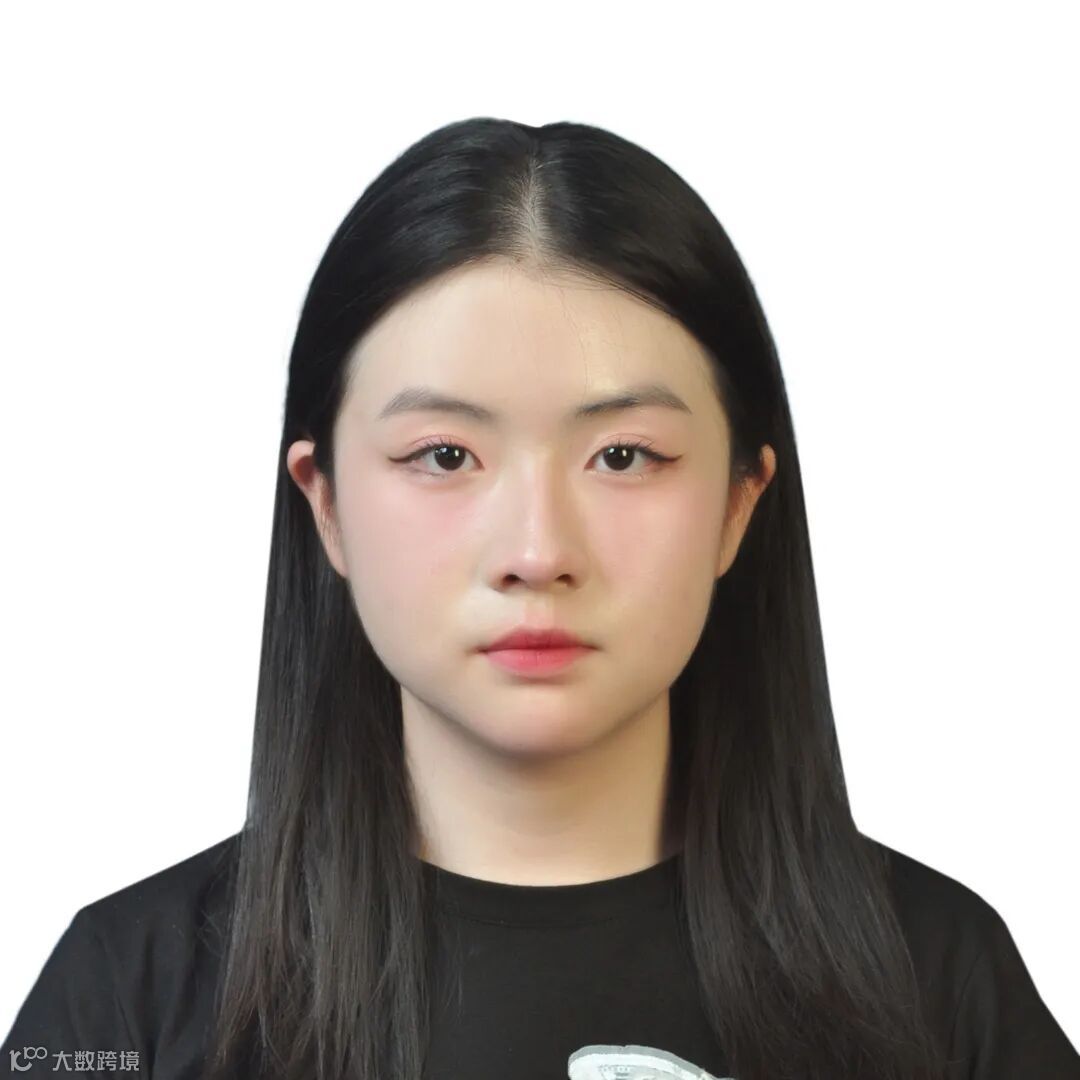
Suponrat Worakitthamrongchai
BBA Program, Class of 2025
From Thailand

Finding Home
in Red and Gold
National Day Essay Series

When I arrived in Shanghai from Thailand in September, ready to begin my college life in Minhang at ECNU, everything was new to me—the language, the food, the ways people crossed the street. I recall pulling my suitcase across the campus, hot and tired in the late summer sun, wondering how long it would take for this new place to feel like home.
Then came the first of October—China’s National Day. I hardly knew what to expect. At home in Thailand, National Holidays in the main give rise to family gatherings, national functions, and the like. However, the whole of Shanghai city the next day seemed to have changed overnight. Red flags were seen over the whole city and suburbs—on buses, on buildings, on bridges, and on bicycles. The number of waving, what one might term, “party” flags, made a great and sensational showing of bright colors, the whole city resembling an unusual gathering, a carnival affair, as some may deem it.
On National Day in the morning, I went for a walk from the dormitory. The air was cool and fresh, and little red flags were waving along the streets. People appeared to be happier than on other days. Store owners were busily cleaning windows, children’s hands pressed against balloons, and families going out of their doors together. I stopped for a long time to look and take in the place. I bought a glass of hot soy milk from a street booth. No big event was taking place, but I could feel the spirit of celebration—the spirit of National Day.
An old man on a corner was setting up a little loudspeaker to play soft patriotic music. One or two people stopped and stood listening and smiling. Of course, the words did not mean anything to me, but the spirit of the tune had something Communistic about it. Menacingly uncomplicated, it was very calm and full of pride. The whole town seemed to pulse in rhythm. For the first time, I understood that National Day in this part of the world does not only mean fireworks and flags. It means a good feeling indeed. I was standing there sipping my soy milk, and I felt that I did not belong anymore but was part of the spirit of the day.
Later that evening, I went to the Bund for the first time. I had seen pictures of it on the Internet, but to stand there in person was something else. The skyline was beautiful with its red and gold lights, while the national flag blared from the wide screens all over the city. Families took pictures with each other, children ran about with glow sticks, and everybody seemed genuinely happy. When the fireworks burst over the Huangpu River, I suddenly felt a strange warmth in my breast, not from the lights, but from the people.
I thought of the contrast between Shanghai and Bangkok, how quickly everything moved about, how high the buildings were, and how vast the boulevards were. But at that moment, under the same sky glowing with color, I realized something that was also familiar: the spirit with which the people gathered to celebrate their home. It made me think of Thailand, of the festivals when we gathered together, ate food together, and smiled at strangers.
Perhaps home is not only a place from which you come, but it may also be a place in which you are welcomed.

That day, I returned walking from the metro station in Minhang, and I looked at the flag I had gotten for free from a stall earlier. It was a symbol of something larger. My first National Day in China taught me to understand another country; it is not enough to study its history or language. It is about feeling the heart of it, being beside the people, and letting their pride stir your heart.
I may be Thai, and this may be my first month in Shanghai, but on that day, with the fireworks and the glowing sky, I did not feel like a stranger. I felt a kinship with the city, its people, and perhaps the story of China itself.

⬇ 点击下方链接,阅读更多相关文章

















长按二维码 关注亚欧更多资讯吧!
