


In 2021, President Xi Jinping proposed the Global Development Initiative (GDI) at the general debate of the 76th session of the United Nations General Assembly. On November 17, 2022, President Xi Jinping delivered a speech at the APEC CEO Summit. He said, "I have put forward the Global Development Initiative (GDI) for the very purpose of addressing the imbalance in development. ”
In response, Tsinghua University developed and launched the graduate course, namely China's Perspective on Global Development Initiative for fall semester, presenting the latest development of China's society, economy, culture, and science and technology.
China' s Perspective on Global Development Initiative (Course ID. 61030132) is a public elective course for graduate students. It is also a part of the special curriculum for international students: China introduction course group, which requires no additional registration.
# Lecture 7 #
Planetary Health
Time: 13:30-15:05, Wednesday, Dec 3
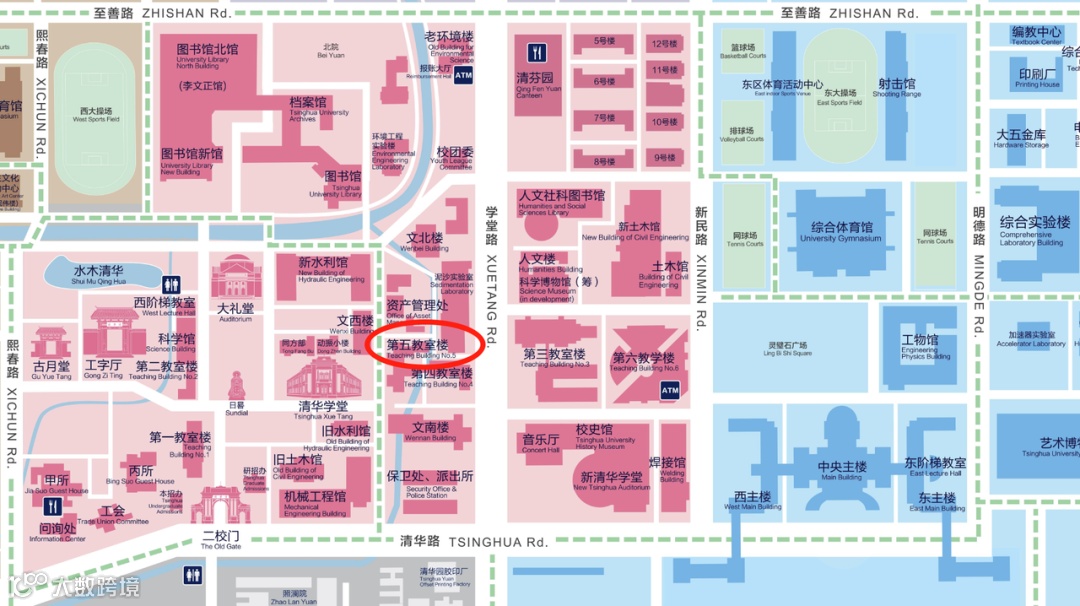
Venue: 5201, Teaching Building No. 5
Medium of Instruction: English

INSTRUCTOR

John S. Ji
Associate Professor
John S. Ji, ScD, is a tenured associate professor at Tsinghua University Vanke School of Public Health, senior technical officer at the World Health Organization, associate editor of The BMJ. Dr. Ji received his BA in neuroscience from Johns Hopkins University, ScM in epidemiology, and ScD in environmental health from the Harvard School of Public Health. Dr. Ji's research in environmental epidemiology aims to quantify the direct and indirect effects of exposures and health, drawing on large-scale cohort studies and planetary health frameworks to examine mechanisms of human resilience to environmental stressors.

INTRODUCTION
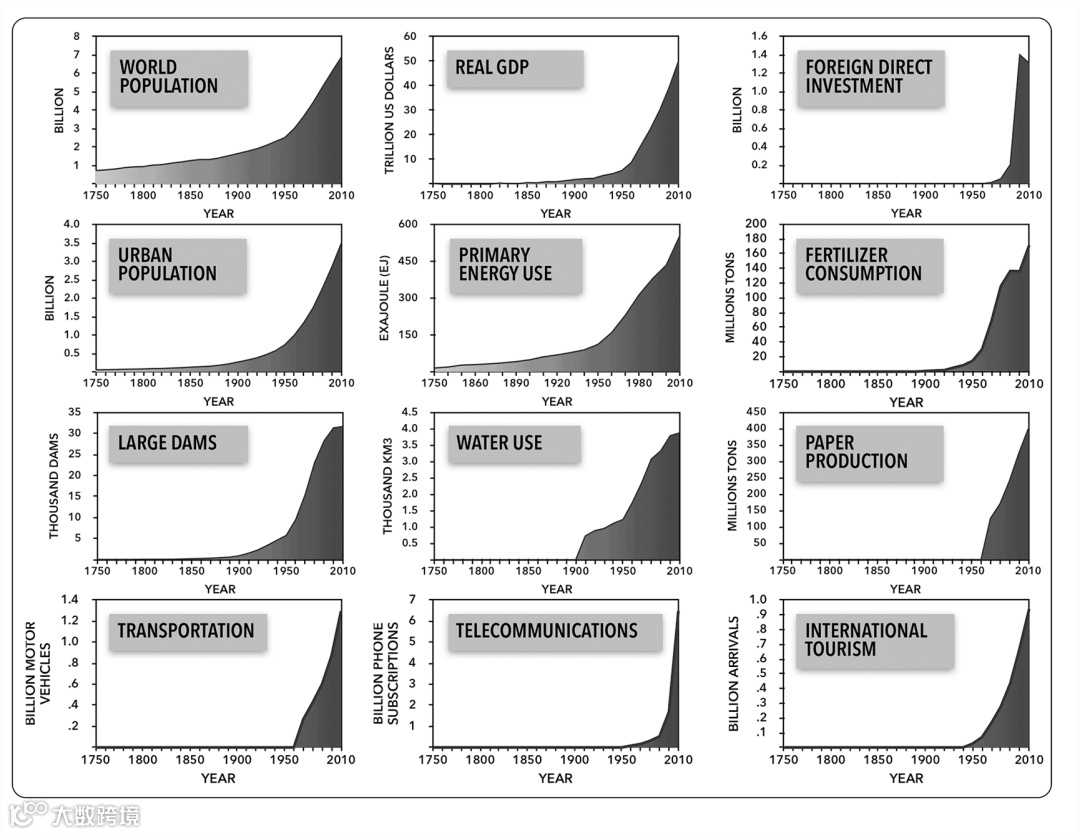
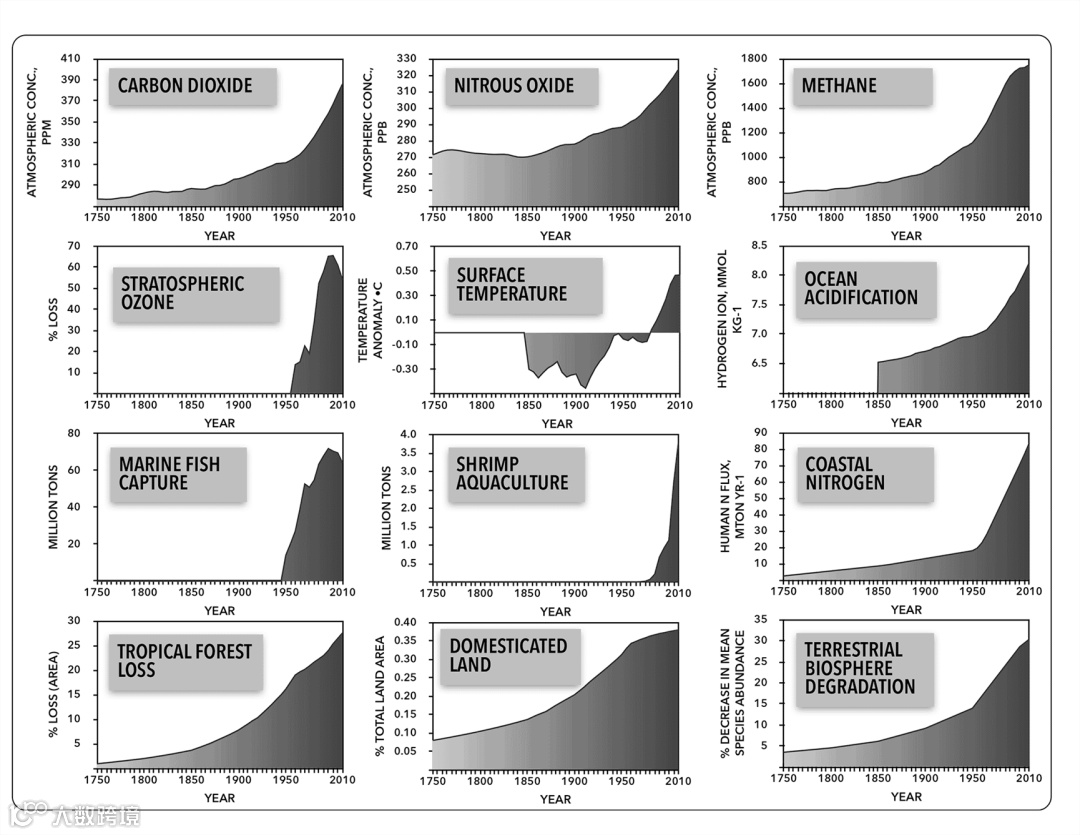
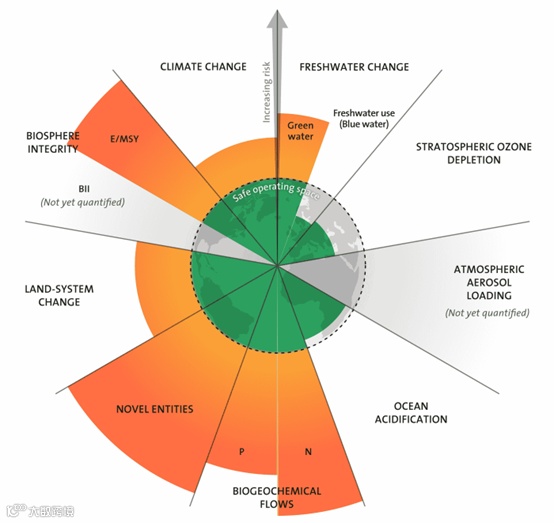
Planetary health is a field that examines the interconnected health of human civilizations and the natural systems that support them. It emerged as a transdisciplinary approach to address how human activities disrupt ecosystems, climate, and biodiversity, ultimately affecting global health outcomes. Recent assessments show that six or more of these boundaries have been crossed due to human activities, increasing risks of irreversible environmental changes and threats to human well-being, such as heightened disease burdens from pollution or ecosystem collapse. However, global human health metrics—like life expectancy, child survival rates, and reductions in poverty—have improved dramatically over recent decades. This apparent contradiction is known as the "ecological paradox" in planetary health contexts. To understand health trends and paradoxes, epidemiology relies on measuring key statistics like incidence rates, prevalence, mortality, life expectancy, and birth outcomes. Here, we explain the ecological paradoxes through paradoxes in epidemiology.

DISCUSSION
Why is human health improving while the planet's health declines? Discuss the ecological paradox, where six planetary boundaries have been crossed, yet global life expectancy has risen from about 66.8 years in 2000 to 73.3 years in 2023. Consider factors like technological advancements, time lags in environmental impacts, and uneven distribution of health gains, and propose sustainable policies to prevent future reversals.

Graduate students of Tsinghua University can take the course offered in the fall semester in person and on the online platform of XuetangX. You will gain 2 credits after attending at least 16 lectures (you must attend at least 8 offline lectures and attend the others on XuetangX), and completing a satisfactory course report.
Assessment:
https://mp.weixin.qq.com/s/ncsyn_cVu35-c9ziAZG-JQ
Syllabus:
https://online-education.feishu.cn/wiki/HbkRwRoWEimLaskDQAwcQYuCnkh
MOOC:
https://www.xuetangx.com/course/THU00001007670/12393016
Contact us:gdi2022@163.com
↓↓↓ Please click here to view the latest course announcement.