



声明:本指南整体翻译自AD官网的“RFID Guide for beginners”部分,非原创
文章比较长,心急的同学可以直接到结尾处收听播客版,二人对话的方式,我觉得挺有意思的...
Welcome to the RFID guide for beginners. If you want to learn the basics of RFID you have come to the right place. Sometimes the concept of RFID can be confusing because of its technical terms and complex systems. In this guide, we will break down the basics of RFID technology and provide you with the knowledge you need to get started with using RFID.
欢迎阅读 RFID 初学者指南。如果您想学习 RFID 的基础知识,那么您来对地方了。RFID 的概念有时会因其技术术语和复杂系统而令人困惑。在本指南中,我们将深入讲解 RFID 技术的基础知识,并为您提供 RFID 入门所需的知识。
Table of content 目录
Introduction 介绍
What is RFID technology 什么是 RFID 技术
History of RFID RFID 的历史
Main benefits of RFID RFID 的主要优势
Key markets and application areas 主要市场和应用领域
Passive vs active RFID tags 无源与有源 RFID 标签
Components of an RFID system RFID 系统的组件
How RFID works RFID 的工作原理
Different RFID product types 不同的 RFID 产品类型
Passive RFID: Comparison by frequency band 无源 RFID:按频段比较
What is the difference between NFC and RFID? NFC 和 RFID 有什么区别?
What is the difference between an RFID inlay and an RFID tag? RFID 嵌体和 RFID 标签之间有什么区别?
How an RFID tag is constructed RFID 标签的构造
Different delivery formats of RFID inlays and tags RFID 嵌体和标签的不同交付格式
How to select the right RFID inlay & tag? 如何选择正确的 RFID 嵌体和标签?
RFID vs Barcode RFID 与条形码
RFID and sustainability RFID 与可持续性
RFID standards RFID 标准
RFID and IoT solutions RFID 和物联网解决方案
1. Introduction 介绍
Radio-Frequency Identification (RFID) technology is widely used in industries because it simplifies and automates processes. It uses radio waves to communicate, to identify, and track objects wirelessly, making it a valuable tool for a variety of applications, from supply chain management to access control.
射频识别 (RFID) 技术因其简化流程和实现自动化而广泛应用于各行各业。它利用无线电波进行无线通信、识别和追踪物体,使其成为从供应链管理到门禁控制等各种应用领域的宝贵工具。
Although the concept of RFID has existed for decades, it has only recently become more widely adopted due to significant improvements in technology and decreasing costs. This guide provides an overview of RFID technology, including its history, different types, and how it works. We will also explore the various applications of RFID, as well as its advantages and some limitations.
尽管 RFID 的概念已存在数十年,但直到最近,由于技术的显著进步和成本的下降,它才得到更广泛的应用。本指南概述了 RFID 技术,包括其历史、不同类型及其工作原理。我们还将探讨 RFID 的各种应用,以及它的优势和一些局限性。
The RFID guide is designed for anyone who wants to learn about RFID, whether you are an IT professional, a business owner, or just someone interested in the technology. It provides a comprehensive overview of this exciting technology and its potential to transform various industries.
RFID 指南面向所有想要了解 RFID 的人士,无论您是 IT 专业人士、企业主,还是仅仅对该技术感兴趣。它全面概述了这项激动人心的技术及其改变各行各业的潜力。
Let's dive in!
让我们开始吧!
2. What is RFID technology
什么是 RFID 技术
Before we start delving into more details, it is important to understand what RFID technology is. It is a wireless technology that uses radio waves to identify and track objects by placing an RFID tag or transponder on them. The tag contains a microchip and an antenna that transmits a unique identifier to a reader device when prompted by the reader's radio signal. This technology allows for non-contact, non-line-of-sight identification and tracking of items, which is beneficial for many businesses, including those involved in supply chain management, retail, logistics, and asset management. Combining RFID with IoT solutions allows for gathering and analyzing massive amounts of information to optimize and improve business processes and decision-making.
在深入探讨 RFID 技术之前,我们有必要先了解一下它的含义。RFID是一种无线技术,利用无线电波通过在物体上放置 RFID 标签或应答器来识别和追踪物体。标签包含一个微芯片和一根天线,当读取器发出无线电信号时,天线会将唯一的标识符发送到读取器设备。这项技术可以实现非接触式、非视距的物品识别和追踪,这对许多企业都大有裨益,包括供应链管理、零售、物流和资产管理等行业。将 RFID 与物联网解决方案相结合,可以收集和分析海量信息,从而优化和改进业务流程和决策。
3. History of RFID
RFID 的历史
Since now we know what the technology is, let’s briefly go through some historical background. RFID technology has been around since the dawn of the 20th century, when some brilliant minds first started playing around with radio waves to identify and track objects. However, it wasn't until the 1970s that RFID technology began to take shape in its modern form.
既然我们已经了解了这项技术,那就让我们简单回顾一下它的历史背景。RFID 技术诞生于 20 世纪初,当时一些才华横溢的科学家开始尝试利用无线电波来识别和追踪物体。然而,直到 20 世纪 70 年代,RFID 技术才开始以现代形式成形。
In 1973, the first patent for an RFID system was granted to Mario W. Cardullo. The patent described a system for automatically identifying and tracking articles using radio waves, which marked the beginning of the modern era of RFID.
1973 年,第一个 RFID 系统专利授予了 Mario W. Cardullo。该专利描述了一种利用无线电波自动识别和追踪物品的系统,标志着 RFID 现代时代的开启。
The 80s and 90s were all about RFID evolution, with the development of various types of RFID systems, including passive and active RFID. During this time, RFID was mainly used in military and industrial applications, such as supply chain management and inventory tracking.
80 年代和 90 年代是 RFID 技术发展的黄金时期,各种类型的 RFID 系统(包括无源 RFID 和有源 RFID)相继问世。在此期间,RFID 主要用于军事和工业领域,例如供应链管理和库存跟踪。
Then came the 2000s, and RFID technology became more widely available and affordable, leading to its increased adoption in various industries, including retail, healthcare, and transportation. The technology continued to grow, and thanks to advancements in it, RFID readers, antennas, and tags became even more advanced.
进入 21 世纪,RFID 技术变得更加普及且价格更加亲民,在零售、医疗保健和运输等各个行业得到了广泛的应用。该技术不断发展,得益于其自身的进步,RFID 读取器、天线和标签也变得更加先进。
And now, here we are in the present day, with RFID technology continuing to evolve and expand, with the development of new applications and innovations, such as near-field communication (NFC) and the Internet of Things (IoT). The future of RFID technology looks bright, with many experts predicting that it will play an even greater role in our lives in the years to come.
如今,RFID 技术不断发展壮大,近场通信 (NFC) 和物联网 (IoT) 等新应用和创新层出不穷。RFID 技术前景光明,许多专家预测,未来几年它将在我们的生活中发挥更大的作用。
4. Main benefits of RFID
RFID 的主要优势
Radio-Frequency Identification (RFID) technology has revolutionized the way organizations manage and track their goods and assets, bringing numerous benefits to the table. RFID technology offers a lot of advantages, including:
射频识别 (RFID) 技术彻底改变了企业管理和追踪货物及资产的方式,带来了诸多益处。RFID 技术具有诸多优势,包括:
Improved efficiency: RFID technology enables fast and efficient data exchange between an RFID reader and an RFID tag, which can result in improved efficiency and accuracy in various applications, such as inventory management, supply chain management, and asset tracking.
提高效率: RFID 技术实现了 RFID 阅读器和 RFID 标签之间快速高效的数据交换,从而可以提高库存管理、供应链管理和资产跟踪等各种应用的效率和准确性。
Increased visibility: RFID technology provides real-time data and increased visibility into the movement of goods and assets, enabling organizations to make more informed decisions and respond quickly to changes in demand or other conditions.
提高可见性: RFID 技术提供实时数据并提高货物和资产流动的可见性,使组织能够做出更明智的决策并对需求或其他条件的变化做出快速反应。
Reduced costs: By automating processes and reducing manual labor, RFID technology can help organizations to reduce costs and improve their bottom line. For example, RFID can help reduce inventory shrinkage and improve asset utilization, both of which can lead to significant cost savings.
降低成本: 通过自动化流程和减少人工,RFID 技术可以帮助企业降低成本并提高盈利能力。例如,RFID 可以帮助减少库存损耗并提高资产利用率,从而显著节省成本。
Improved security: RFID technology can be used to enhance security by controlling access to secure areas and facilities and by helping to prevent theft and shrinkage.
提高安全性: RFID 技术可用于控制对安全区域和设施的访问并帮助防止盗窃和损耗,从而增强安全性。
Improved consumer engagement: RFID technology can also be applied to create an engaging shopping experience for consumers by providing personalized recommendations, real-time product information, and location-based marketing.
提高消费者参与度: RFID 技术还可以通过提供个性化推荐、实时产品信息和基于位置的营销为消费者创造引人入胜的购物体验。
RFID technology offers a range of benefits that make it a popular choice for a variety of industries. It provides a seamless bridge between the physical and digital world through the use of a unique code, or digital twin. With automated and fast non-line-of-sight reading, RFID allows for efficient tracking and tracing without the need to open boxes. Additionally, its advanced security features ensure that data is protected through coding and passwords. RFID also engages customers and enhances sustainability by improving supply chain efficiency and waste management. Its compliance capabilities provide a unique identity to tags, while the aesthetics of the technology keep tags hidden from consumers. Finally, RFID's recycling process stores all data, adding to its environmental benefits.
RFID 技术拥有诸多优势,成为各行各业的热门选择。它通过使用唯一代码(或称“数字孪生”),在物理世界和数字世界之间搭建起一座无缝的桥梁。RFID 凭借自动化、快速的非视距读取技术,无需开箱即可实现高效的追踪和追溯。此外,其先进的安全功能通过编码和密码确保数据安全。RFID 还能提升供应链效率和废物管理,从而吸引客户并增强可持续性。其合规性功能为标签赋予了独特的身份,而该技术的美观性则使标签对消费者隐藏。最后,RFID 的回收流程可存储所有数据,进一步提升了其环保效益。
5. Key markets and application areas
主要市场和应用领域
Now let’s explore some of the key markets and application areas where RFID is making a difference. Due to its ability to provide quick and accurate identification and tracking objects, RFID technology has found widespread use in various industries. Some of the most common applications of RFID technology include:
现在,让我们来探讨一下 RFID 正在发挥作用的一些关键市场和应用领域。由于能够快速准确地识别和跟踪物体,RFID 技术已广泛应用于各行各业。RFID 技术的一些最常见应用包括:
Supply chain management 供应链管理

In supply chain management RFID technology can significantly improve the visibility and efficiency of the supply chain by placing RFID tags on containers, pallets, and other types of packaging, allowing companies to track the movement of goods as they move through the supply chain.
在供应链管理中,RFID 技术可以通过在集装箱、托盘和其他类型的包装上放置 RFID 标签来显著提高供应链的可视性和效率,使公司能够跟踪货物在供应链中的移动情况。
Asset tracking 资产追踪

RFID technology is also used for asset tracking to monitor the location and status of assets, such as equipment, vehicles, and tools. This can help organizations to improve their asset utilization, reduce downtime, and increase efficiency.
RFID 技术还用于资产跟踪,以监控设备、车辆和工具等资产的位置和状态。这可以帮助组织提高资产利用率,减少停机时间并提高效率。
Inventory management 库存管理
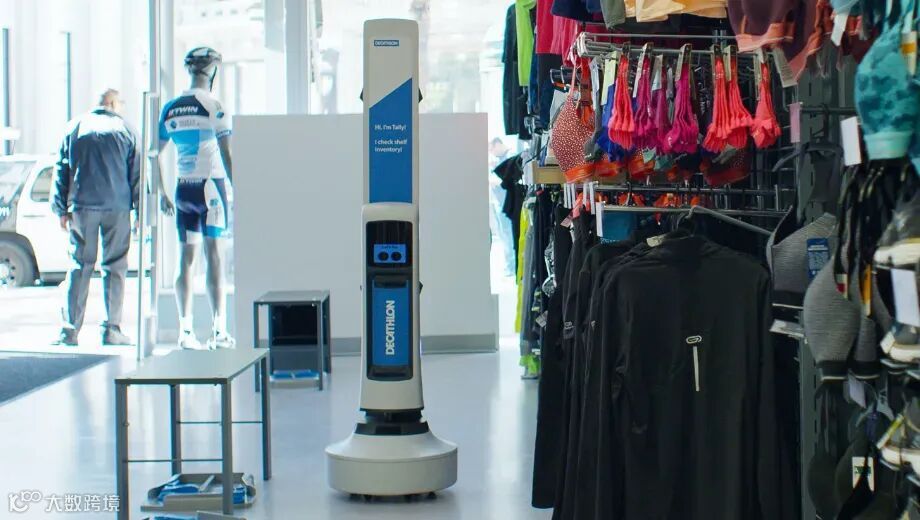
RFID is widely used in inventory management to prevent over-stocking or under-stocking of a product or component. Since RFID tags can be attached to products, it enables companies to accurately track inventory levels and to quickly respond to changes in demand. Additionally, RFID allows quality control, particularly for stock items with a limited shelf life.
RFID 广泛应用于库存管理,以防止产品或组件库存过剩或不足。由于 RFID 标签可以贴在产品上,企业能够准确追踪库存水平,并快速响应需求变化。此外,RFID 还能进行质量控制,尤其适用于保质期有限的库存商品。
Healthcare 卫生保健
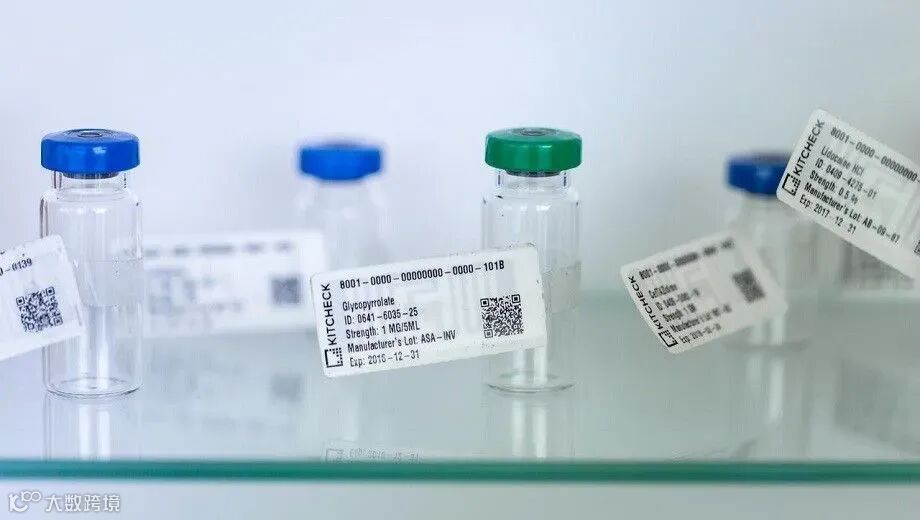
In the healthcare industry RFID technology improves patient safety, reduces medication errors, and streamlines the delivery of care. RFID tags can be attached to medical equipment, allowing for quick and accurate tracking, and RFID-enabled wristbands can be used to identify patients and track their movement through the healthcare facility.
在医疗保健行业,RFID 技术可以提高患者安全性,减少用药错误,并简化护理流程。RFID 标签可以粘贴在医疗设备上,实现快速准确的追踪;RFID 腕带则可用于识别患者并追踪其在医疗机构内的活动。
Access control 访问控制
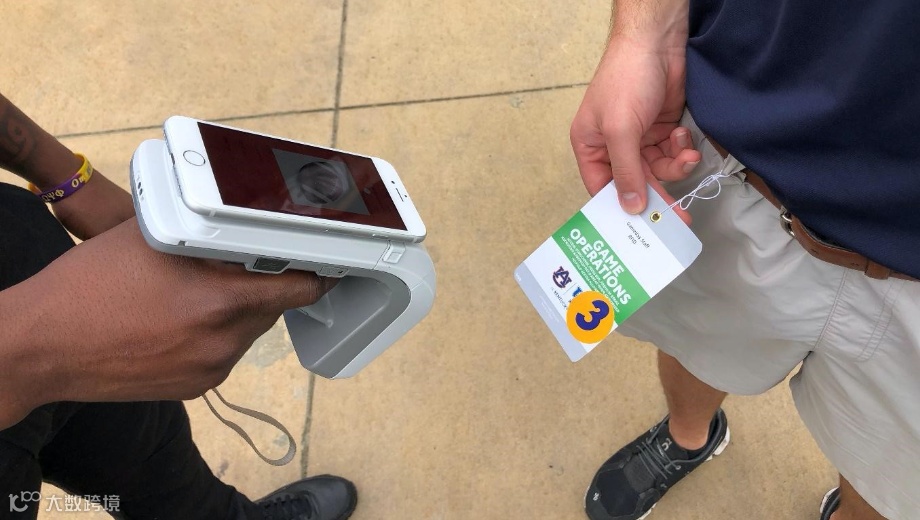
With the use of RFID technology, it is possible to control access to secure areas and facilities. By attaching RFID tags to employee badges, gaining access to restricted areas takes place by simply waving their badge near an RFID reader.
利用 RFID 技术,可以控制对安全区域和设施的访问。将 RFID 标签粘贴到员工证卡上,员工只需在 RFID 读取器附近挥动证卡即可进入限制区域。
Retail 零售

In retail RFID technology has brought significant improvements to inventory management. It reduces theft and shrinkage, and enhances the shopping experience for customers. By attaching RFID tags to individual items, retailers can efficiently track inventory levels and quickly respond to changes in demand.
在零售业,RFID 技术显著改善了库存管理。它减少了盗窃和损耗,并提升了顾客的购物体验。通过将 RFID 标签贴到每件商品上,零售商可以高效地追踪库存水平,并快速响应需求变化。
Logistics: 后勤
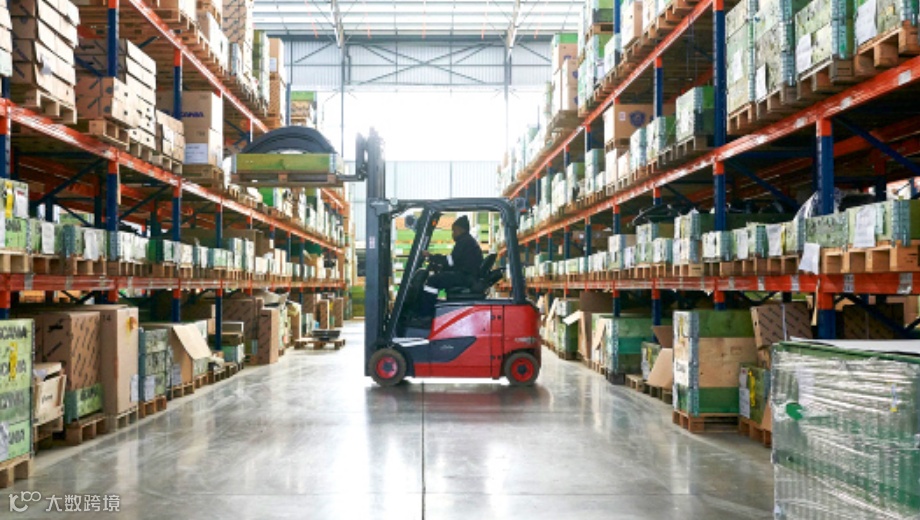
RFID is widely applied to optimize logistics processes in a supply chain – tracking goods from one distribution center to another, for inventory accuracy, and for tagging down to the item-level. With the ability to obtain real-time data, logistics companies can quickly respond to changes in demand and provide better customer service, ultimately leading to a more competitive advantage in the market.
RFID 广泛应用于优化供应链中的物流流程,例如追踪货物从一个配送中心到另一个配送中心的运输,确保库存准确性,并实现精确到物品级别的标签管理。凭借实时数据获取能力,物流公司可以快速响应需求变化,提供更优质的客户服务,最终在市场上获得更显著的竞争优势。
Manufacturing 制造业
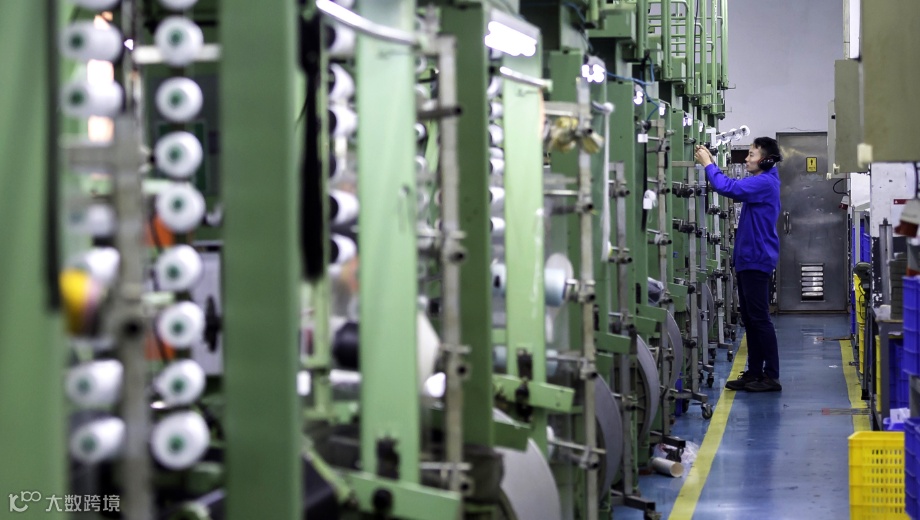
In the manufacturing industry, RFID technology has become an indispensable tool for optimizing production processes, inventory tracking, and equipment monitoring. RFID tags can be attached to components and products to track their movement through the production process, reducing the risk of errors and improving efficiency and overall performance.
在制造业中,RFID 技术已成为优化生产流程、库存跟踪和设备监控不可或缺的工具。RFID 标签可以贴在组件和产品上,以跟踪其在生产过程中的移动,从而降低错误风险并提高效率和整体性能。
Automotive 汽车
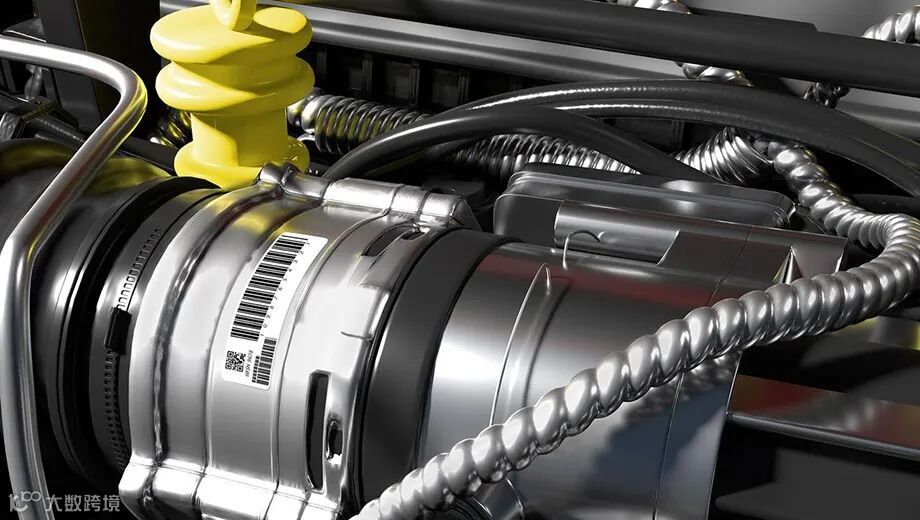
RFID technology has found numerous applications in the automotive industry including parts tracking, traceability in process automation, especially in production of the vehicle itself, customer safety, authenticating products, brand protection and in manufacturing for improving labor and operational efficiency. In addition, RFID can aid in detecting any leaks in vehicles, thereby enhancing safety and quality.
RFID 技术在汽车行业拥有广泛的应用,包括零件追踪、过程自动化(尤其是在车辆生产过程中)的可追溯性、客户安全、产品认证、品牌保护以及在生产过程中提高劳动和运营效率。此外,RFID 还可以辅助检测车辆的泄漏,从而提高安全性和质量。
Product authentication 产品认证
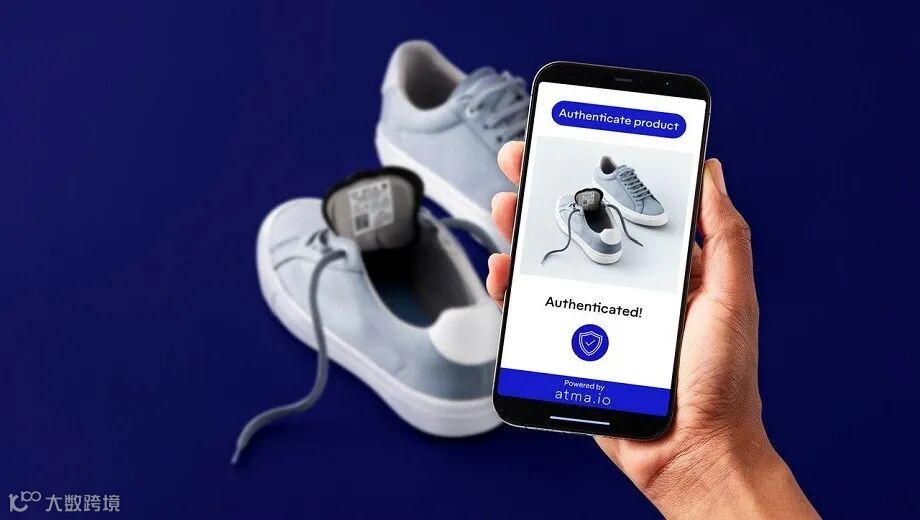
NFC (Near Field Communication) enables the storage of unique and secure information on an NFC tag, which can be attached to a product or its packaging. This information can be retrieved by a smartphone or other NFC-enabled device, providing a way to verify the authenticity of the product. By scanning the NFC tag on a product with their smartphone, customers can access information about the product's origin, manufacturing date, and batch number, which helps them to confirm its genuineness and avoid counterfeit products.
NFC(近场通信)技术能够在贴于产品或其包装上的 NFC 标签上存储独特且安全的信息。这些信息可以通过智能手机或其他支持 NFC 的设备获取,从而验证产品的真伪。消费者只需使用智能手机扫描产品上的 NFC 标签,即可获取产品产地、生产日期和批号等信息,从而确认产品真伪,避免购买假冒产品。
Food 食物

In the food industry, RFID technology is utilized to ensure food safety, track products from their origin to supermarkets, meet legislative demands and needs, and manage waste. It can also be used to monitor the temperature in a cold chain supply, ensuring that products remain fresh and safe for consumption.
在食品行业,RFID 技术可用于确保食品安全,追踪产品从产地到超市的全过程,满足法律法规的要求和需求,并管理废弃物。它还可用于监控冷链供应的温度,确保产品保持新鲜,安全食用。
Other industries 其他行业

Besides the mentioned examples, RFID technology has also found its applications in libraries, transportation, animal identification, sports, and events. With the constant evolution of the technology, it's highly probable that new industries and applications will emerge, presenting organizations with new opportunities to enhance their operations and gain a competitive edge.
除了上述示例外,RFID 技术还在图书馆、交通运输、动物识别、体育和活动等领域得到了应用。随着技术的不断发展,很有可能出现新的行业和应用,为企业提供提升运营和获得竞争优势的新机遇。
6. Passive vs active RFID tags
无源与有源 RFID 标签
As mentioned earlier in the guide, an RFID tag is a part of RFID technology, which is used to track and identify objects wirelessly, and there are two main types of RFID tags: passive and active. Each type has its own unique advantages, and the choice between them will depend on the specific needs of the application.
如指南前面所述,RFID 标签是 RFID 技术的一部分,用于以无线方式跟踪和识别物体,RFID 标签主要有两种类型: 无源和有源 。每种类型都有其独特的优势,它们之间的选择取决于应用的具体需求。
Passive RFID tags: These tags do not have an internal power source and rely on the energy from the RFID reader to power the tag and transmit data. Passive RFID tags are the most widely used type of RFID tag and are typically less expensive than active RFID tags. They are commonly used in applications such as retail inventory management, asset tracking, and access control. Passive sensors are also used in embedded solutions where the tag offers an unique ID for the product over its lifetime.
无源 RFID 标签: 这类标签没有内部电源,依靠 RFID 读取器的能量供电并传输数据。无源 RFID 标签是应用最广泛的 RFID 标签类型,通常比有源 RFID 标签价格更低。它们常用于零售库存管理、资产跟踪和门禁控制等应用。无源传感器也用于嵌入式解决方案,标签在其整个生命周期内为产品提供唯一的 ID。
Active RFID tags: These tags have an internal power source, typically a battery, that allows them to transmit data over longer distances. Active RFID tags are often used in applications such as supply chain management and asset tracking, where long-range identification is required. They are generally more expensive than passive RFID tags.
有源 RFID 标签: 这类标签内置电源,通常为电池,使其能够远距离传输数据。有源 RFID 标签通常用于供应链管理和资产跟踪等需要远距离识别的应用。它们通常比无源 RFID 标签更昂贵。
In addition to the two main types of RFID tags, there are also several subtypes, including semi-passive RFID tags and battery-assisted passive (BAP) RFID tags. These combine the features of passive and active RFID tags. Each type of RFID tag has its own unique set of features and benefits, making it important to choose the right type of tag for a specific application.
除了两种主要类型的 RFID 标签外,还有几种子类型,包括半无源 RFID 标签和电池辅助无源 (BAP) RFID 标签。这些标签兼具无源和有源 RFID 标签的功能。每种类型的 RFID 标签都有其独特的功能和优势,因此根据特定应用选择合适的标签类型至关重要。
|
|
|
|
|
|
|
|
|
|
|
|
|
|
|
|
|
|
|
|
The choice between passive and active RFID tags will depend on the specific needs of the application. Passive RFID may be a better choice for applications that require low cost, small size and long lifetime, while active RFID may be a better choice for applications that require long range and continuous data transmission. Since most of the tags in the market are passive, this guide focuses on passive RFID.
无源和有源 RFID 标签的选择取决于应用的具体需求。对于需要低成本、小尺寸和长寿命的应用,无源 RFID 可能是更好的选择;而对于需要长距离和连续数据传输的应用,有源 RFID 可能是更好的选择。由于市场上大多数标签都是无源的,因此本指南重点介绍无源 RFID。
7. Components of an RFID systemRFID
系统的组件
So far we mentioned RFID technology, RFID tag and there is also an RFID system. Let’s clarify the terms to avoid confusion.
到目前为止,我们提到了 RFID 技术、RFID 标签以及 RFID 系统。为了避免混淆,让我们先来澄清一下这些术语。
RFID technology is the wireless technology used to identify and track objects using radio waves. An RFID tag is a part of RFID technology. It is a small device that contains a microchip and an antenna, which work together to transmit and receive data wirelessly using radio waves.
RFID 技术是一种利用无线电波识别和追踪物体的无线技术。RFID 标签是 RFID 技术的一部分。它是一种小型设备,包含一个微芯片和一个天线,它们协同工作,利用无线电波以无线方式发送和接收数据。
An RFID system, on the other hand, includes not only the RFID tags, but also the RFID readers, the host system, and other components that work together to identify, track, and manage objects. An RFID system is the complete solution that uses the RFID technology to solve specific business problems or address application requirements.
另一方面, RFID 系统不仅包含 RFID 标签,还包括 RFID 读取器、主机系统以及其他协同工作以识别、跟踪和管理物体的组件。RFID 系统是一个完整的解决方案,它利用 RFID 技术来解决特定的业务问题或满足应用需求。
So, to summarize, an RFID tag is an important part of an RFID system. It’s used to identify and track objects and solve business problems or address applications needs. An RFID system typically consists of the following main components: the reader, the antenna, the tag, and the host system. Each component plays a critical role in the overall operation of the system.
总而言之,RFID 标签是 RFID 系统的重要组成部分。它用于识别和跟踪物体,解决业务问题或满足应用需求。RFID 系统通常由以下主要组件组成:读取器、天线、标签和主机系统。每个组件在系统的整体运行中都发挥着至关重要的作用。

Pic. 1 RFID system 图 1 RFID 系统
Reader: The reader is the heart of the RFID system. It is responsible for transmitting the radio frequency energy to activate the tag and for receiving and decoding the data transmitted by the tag. The reader typically consists of a radio frequency (RF) module, a microprocessor, and an interface for connecting to the host system.
阅读器:阅读器是 RFID 系统的核心。它负责发射射频能量以激活标签,并接收和解码标签发送的数据。阅读器通常由射频 (RF) 模块、微处理器和用于连接主机系统的接口组成。
Antenna: The antenna is responsible for transmitting the radio frequency energy from the reader to the tag and for receiving the data transmitted by the tag. The antenna can be designed in various shapes and sizes to suit different applications, and it can be integrated into the reader or attached as a separate component.
天线: 天线负责将射频能量从读取器传输到标签,并接收标签发送的数据。天线可以设计成各种形状和尺寸,以适应不同的应用,并且可以集成到读取器中,也可以作为单独的组件连接。
Tag: The tag is the component that is attached to the item being tracked. It contains a microchip and an antenna (a tag also has an antenna, don’t mix it up with the reader’s antenna), and it is responsible for storing and transmitting the data associated with the item. The tag can be passive, relying on the energy transmitted from the reader to activate and transmit its data, or it can be active, with its own power source.
标签: 标签是附着在被追踪物品上的组件。它包含一个微芯片和一个天线(标签本身也带有天线,但不要将其与读取器的天线混淆),负责存储和传输与物品相关的数据。标签可以是无源的,依靠读取器传输的能量来激活并传输数据;也可以是主动的,拥有自己的电源。
Host system: The host system refers to the software and hardware infrastructure that manages and controls the RFID system. It typically consists of a computer, server or cloud-based platform that runs software, which communicates with RFID readers and collects data from RFID tags.
主机系统: 主机系统是指管理和控制 RFID 系统的软件和硬件基础设施。它通常由运行软件的计算机、服务器或云平台组成,该软件与 RFID 读取器通信并从 RFID 标签收集数据。
Overall, the components of an RFID system work together to allow for the identification and tracking of objects wirelessly, making it a valuable tool for a variety of applications.
总体而言,RFID 系统的各个组件协同工作,可以无线方式识别和跟踪物体,使其成为各种应用的宝贵工具。
8. How RFID works
RFID 的工作原理
In the previous chapters we have found out a lot about technology, tags, applications and benefits of using RFID. Now the time comes to learn how RFID works. When an RFID reader is activated, it transmits a radio frequency signal to the antenna, which then broadcasts the signal to the surrounding area. If an RFID tag is within range of the reader, the radio frequency energy from the reader's signal is absorbed by the tag's antenna, which powers up the microchip on the tag. The microchip then uses this energy to transmit the data stored on the tag back to the reader. Each tag responds with a unique number.
在前几章中,我们已经了解了 RFID 技术、标签、应用以及其优势。现在,我们来学习一下 RFID 的工作原理。RFID 阅读器激活后,会向天线发射射频信号,然后天线将信号广播到周围区域。如果 RFID 标签在阅读器的覆盖范围内,阅读器信号的射频能量会被标签天线吸收,从而为标签上的微芯片供电。微芯片随后利用这些能量将标签上存储的数据传回阅读器。每个标签都会返回一个唯一的编号。
The data transmission from the tag to the reader is a one-way communication. The reader receives the data from the tag and decodes it, typically using a microprocessor. The data from the tag is then processed and sent to the host system, which can be a computer, a mobile device, or another type of system.
数据从标签传输到读取器是单向通信。读取器接收标签数据并进行解码(通常使用微处理器)。之后,标签数据经过处理后发送至主机系统,主机系统可以是计算机、移动设备或其他类型的系统。
As already mentioned, there are two main types of RFID tags: passive and active. The passive tag does not have its own power source, and it relies on the energy transmitted from the reader to activate and transmit its data. The active tag has its own power source, typically a battery, and it can transmit data continuously, even when it is not in close proximity to the reader.
如前所述,RFID 标签主要分为两种类型:无源标签和有源标签。无源标签没有自身的电源,它依靠读取器发射的能量来激活并传输数据。有源标签拥有自身的电源,通常是电池,即使距离读取器较远,它也能持续传输数据。
The exchange of data between the reader and the tag is a fast and efficient process that can occur in a matter of milliseconds. This makes RFID an ideal technology for applications that require quick and accurate identification and tracking of objects, such as supply chain management, inventory tracking, and asset management.
读取器和标签之间的数据交换快速高效,只需几毫秒即可完成。这使得 RFID 成为需要快速准确识别和跟踪物体的应用的理想技术,例如供应链管理、库存跟踪和资产管理。
9. Different RFID products types
不同的 RFID 产品类型
In the RFID industry, we find different products for different applications. In the most common selection of products, we have:
在 RFID 行业,我们针对不同的应用提供不同的产品。在最常见的产品选择中,我们拥有:
Inlays and tags
嵌体和标签
Designed for operation in the UHF, HF and NFC frequency bands, and are commonly found in a wide range of industries, providing identification and tracking capabilities.
专为在 UHF、HF 和 NFC 频段运行而设计,广泛应用于各行各业,提供识别和跟踪功能。
Hard tags
硬标签
Designed to meet specific requirements and compliant to LF, HF and UHF frequency standards. The key features include resistance to dust, chemicals and mechanical stress, as well as protection against temporary immersion in water. Selected hard tags can also offer on-metal capabilities, high-temperature resistance or sensing capabilities for moisture or temperature.
专为满足特定需求而设计,符合低频、高频和超高频频率标准。其主要特性包括防尘、防化学品、防机械应力,以及短暂浸水保护。部分硬标签还可提供金属贴附、耐高温或湿度或温度感应功能。
Dual frequency tags
双频标签
These tags operate in two different frequency bands, providing the ability to switch between the two bands, depending on the reader technology available. This makes them highly flexible, providing the benefits of both LF and HF, or HF and UHF technologies.
这些标签工作在两个不同的频段,能够根据可用的读取器技术在两个频段之间切换。这使得它们具有高度的灵活性,能够同时发挥低频(LF)和高频(HF)或高频(HF)和超高频(UHF)技术的优势。
Sensor tags
传感器标签
These tags have integrated sensors, allowing them to detect and record specific environmental conditions, such as temperature, humidity, light, or motion. They provide the ability to monitor and control these conditions, in real-time, for enhanced safety and security, increased efficiency and improved sustainability.
这些标签集成传感器,能够检测并记录特定的环境条件,例如温度、湿度、光照或运动。它们能够实时监控和控制这些条件,从而增强安全性、效率和可持续性。
In the RFID industry, we find different products for different applications. In the most common selection of products, we have:
在 RFID 行业,我们针对不同的应用提供不同的产品。在最常见的产品选择中,我们拥有:
10. Passive RFID: Comparison by frequency band
无源 RFID:按频段比较

Pic. 2 Electromagnetic spectrum 图2 电磁波谱
Passive RFID tags are an important component of RFID technology, as mentioned earlier. These tags operate at different frequencies, and are classified into three main types based on the frequency.
如前所述,无源 RFID 标签是 RFID 技术的重要组成部分。这些标签工作在不同的频率下,根据频率主要分为三种类型。
Low-Frequency (LF) RFID tags: These tags operate at a frequency of 125-134 kHz and have a relatively short read range of 10 cm. LF RFID tags are commonly used in applications such as animal identification and access control.
低频 (LF) RFID 标签: 这类标签的工作频率为 125-134 kHz,读取范围相对较短,仅为 10 厘米。LF RFID 标签通常用于动物识别和门禁控制等应用。
High-Frequency (HF) / NFC Near Field Communication tags: These tags operate at a frequency of 13.56 MHz and have a read range of up to several feet. HF RFID tags are commonly used in applications such as retail inventory management and asset tracking.
高频 (HF) / NFC 近场通信标签: 这些标签的工作频率为 13.56 MHz,读取范围可达数英尺。HF RFID 标签通常用于零售库存管理和资产跟踪等应用。
Ultra-High-Frequency (UHF) RFID tags: These tags operate at a frequency of 868-915 MHz and have a read range of up to 20 meters. UHF RFID tags are commonly used in applications such as supply chain management and asset tracking, where longer read ranges are required.
超高频 (UHF) RFID 标签: 这类标签的工作频率为 868-915 MHz,读取范围可达 20 米。UHF RFID 标签通常用于供应链管理和资产跟踪等需要更大读取范围的应用。

Pic. 3 Comparison by frequency band 图3 频段比较
Each frequency has its own unique set of advantages and limitations, making it important to choose the right frequency for a specific application. For example, LF and HF RFID tags have enhanced capabilities for reading near or on metal or liquid surfaces, but a slower data read rate. They have a shorter read range, making them well-suited for applications where the tag does not need to be read from a distance. UHF RFID tags, on the other hand, have a longer read range and are better suited for applications where the tag needs to be read from a distance, but they are more sensitive to radio wave interference caused by liquids and metals in the environment. Typically they are less expensive than HF and LF tags. Understanding the different advantages and limitations of frequencies can help in selecting the appropriate tag for a specific application or business need.
每种频率都有其独特的优势和局限性,因此根据具体应用选择合适的频率至关重要。例如,低频 (LF) 和高频 (HF) RFID 标签在金属或液体表面附近或上方具有增强的读取能力,但数据读取速度较慢。它们的读取范围较短,非常适合不需要远距离读取标签的应用。另一方面,超高频 (UHF) RFID 标签具有更长的读取范围,更适合需要远距离读取标签的应用,但它们对环境中液体和金属引起的无线电波干扰更敏感。通常,它们比高频 (HF) 和低频 (LF) 标签便宜。了解不同频率的优势和局限性有助于根据特定应用或业务需求选择合适的标签。
11. What is the difference between NFC and RFID?
NFC 和 RFID 有什么区别?
NFC (Near Field Communication) and RFID (Radio Frequency Identification) are two wireless communication technologies that operate in the radio frequency spectrum. Basically, NFC is a specialized subset within the family of RFID technology using a specific set of short-range communication protocols. It operates on a base frequency of 13.56 MHz with a typical range of 2cm. NFC and UHF RFID share some similarities, such as the ability to wirelessly transmit data between devices, however there are also several key differences between NFC and UHF RFID. They differ in their range, frequency, applications, and compatibility (see table below).
NFC(近场通信)和 RFID(射频识别)是两种在射频频谱中工作的无线通信技术。NFC 本质上是 RFID 技术家族中的一个特殊子集,使用一组特定的短距离通信协议。它的工作频率为 13.56 MHz,典型范围为 2 厘米。NFC 和 UHF RFID 有一些相似之处,例如都能够在设备之间无线传输数据,但也存在一些关键差异。它们在范围、频率、应用和兼容性方面有所不同(见下表)。
|
|
|
|
|
|
|
|
|
|
|
|
|
|
|
|
|
|
|
|
|
|
|
|
|
|
|
|
12. What is the difference between an RFID inlay and an RFID tag?
RFID 嵌体和 RFID 标签之间有什么区别?
When working with RFID, it is common to come across the terms "RFID inlay" and "RFID tag" which are often used interchangeably, but in reality, refer to two distinct components of an RFID system.
在使用 RFID 时,经常会遇到术语“RFID 嵌体 ”和“RFID 标签 ”,它们经常互换使用,但实际上,它们指的是 RFID 系统的两个不同组件。
An RFID inlay is the basic building block of an RFID tag. It consists of an antenna, a microchip, (which are the key components that allow the tag to transmit and receive data) and a substrate which is a thin layer that holds the antenna and chip together. The RFID inlay is typically manufactured and sold as a separate component that can be integrated into a variety of tags, such as a paper label, plastic card, hang tags and fabric labels.
RFID 嵌体是 RFID 标签的基本组成部分。它由天线、微芯片(标签发送和接收数据的关键组件)以及基底(将天线和芯片固定在一起的薄层)组成。RFID 嵌体通常作为独立组件制造和销售,可以集成到各种标签中,例如纸质标签、塑料卡、吊牌和织物标签。
An RFID tag is a complete product that is ready to use. An RFID tag consists of an RFID inlay, and a face. A face is a thin layer of clear or white plastic, or paper that covers the inlay. Additionally there can be an encasement, which is a covering that completely encloses the chip, antenna, and substrate that can be made of paper, plastic, PET, or similar materials. The RFID tag is typically the end product that is used in RFID applications, such as inventory management or asset tracking and is often delivered with a suitable adhesive.
RFID 标签是一个完整的、可立即使用的产品。它由 RFID 嵌体和表面组成。表面是覆盖嵌体的一层薄薄的透明或白色塑料或纸张。此外,还可以有一个外壳,外壳是完全包裹芯片、天线和基板的覆盖物,可以由纸张、塑料、PET 或类似材料制成。RFID 标签通常是用于 RFID 应用(例如库存管理或资产跟踪)的最终产品,通常附带合适的粘合剂。
In short, an RFID inlay is the core component of an RFID tag, while an RFID tag is a complete RFID product that is ready to use.
简而言之,RFID 嵌体是 RFID 标签的核心组件,而 RFID 标签是一个完整的、可立即使用的 RFID 产品。
13. How an RFID tag is constructed
RFID 标签的构造
An RFID tag typically consists of the following parts:
RFID 标签通常由以下部分组成:
Layer 1 - Adhesive: Adhesive secures the tag's connection to an item in an application, and different use cases create specific requirements for the adhesive. Label converters specialize in finding a suitable adhesive for each use case.
第一层 - 粘合剂: 粘合剂用于确保标签与应用中物品的连接,不同的用例对粘合剂的要求也有所不同。标签加工商擅长为每种用例寻找合适的粘合剂。
Layer 2 - Substrate: The substrate is a thin layer that holds the antenna and chip together.
第 2 层 - 基板: 基板是将天线和芯片固定在一起的薄层。
Layer 3 - Antenna: The antenna is the component that allows the inlay to transmit and receive data. The antenna is usually made of conductive material, such as copper or aluminum, and is designed to be resonant at a specific frequency.
第三层 - 天线: 天线是允许嵌体发送和接收数据的组件。天线通常由导电材料制成,例如铜或铝,并设计为在特定频率下产生谐振。
Layer 4 - Microchip: The microchip, also known as the integrated circuit (IC), is the component that stores data and performs the processing necessary to transmit and receive data. The microchip is typically mounted on the antenna and is connected to it through conductive traces.
第四层 - 微芯片: 微芯片,也称为集成电路 (IC),是存储数据并执行发送和接收数据所需处理的组件。微芯片通常安装在天线上,并通过导电迹线连接到天线。
Layer 5 - Face laminate: The face laminate, usually made of paper or white synthetic film, provides printability, protection against moisture, dust, and UV, as well as stiffness to the RFID tag.
第 5 层 - 表面层压板: 表面层压板通常由纸或白色合成薄膜制成,具有可印刷性,防潮、防尘、防紫外线,并为 RFID 标签提供刚性。
Layer 6 - Encapsulation: The encapsulation is a covering that is used to prevent the inlay from being damaged by moisture, dust, and other environmental factors. Encapsulation materials include materials such as epoxy or other resins, and are typically applied to the inlay after the substrate and the antenna have been attached.
第六层 - 封装: 封装是一种覆盖物,用于防止嵌体受到湿气、灰尘和其他环境因素的损坏。封装材料包括环氧树脂或其他树脂等材料,通常在基板和天线连接后应用于嵌体。

Pic. 4 How an RFID tag is constructed图 4 RFID 标签的构造
14. Different delivery formats of RFID inlays and tags
RFID 嵌体和标签的不同交付格式
There are different forms of RFID inlays and tags.
RFID 嵌体和标签有不同的形式。
Dry inlay: A dry inlay is an RFID inlay that does not have a backing material or adhesive applied to it. This type of inlay is often used in applications where the inlay needs to be integrated into a product, such as a pallet or a box.
干式嵌体 :干式嵌体是指未使用背衬材料或粘合剂的 RFID 嵌体。此类嵌体通常用于需要将其集成到产品(例如托盘或包装箱)中的应用。
Wet inlay: A wet inlay is an RFID inlay that has a backing material and adhesive applied to it. The backing material and adhesive provide protection and adhesion to the inlay. This type of inlay is often used in applications where the inlay needs to be attached to a surface.
湿嵌体 :湿嵌体是一种带有背衬材料和粘合剂的 RFID 嵌体。背衬材料和粘合剂为嵌体提供保护和粘合。这种嵌体通常用于需要将嵌体粘贴到表面的应用。
Tag: A tag can be a label/sticker or a hangtag. Label / sticker is a type of RFID inlay that is pre-encased in a paper or white plastic face that provides a printable surface for adding additional information, such as barcodes or product information.
标签 :标签可以是标牌/贴纸或吊牌。标牌/贴纸是一种 RFID 标签,预先封装在纸质或白色塑料表面,表面可打印,方便添加其他信息,例如条形码或产品信息。
The differences between dry, wet, and tags are mainly how they are intended to be used. Dry inlays are designed for integration into products, wet inlays are for adhesion to surfaces, and tags serve both adhesion and printing of information purposes.
干式、湿式和标签之间的区别主要在于它们的用途。干式嵌体设计用于集成到产品中,湿式嵌体用于粘贴在表面,而标签则兼具粘贴和打印信息的功能。
15. How to select the right RFID inlay & tag?
如何选择正确的 RFID 嵌体和标签?
Choosing the appropriate RFID inlay and tag for your requirements can be a difficult task. Our product finder can be a useful starting point and our sales and customer team will be pleased to offer their assistance. In general, the target application and use case ultimately determine the RFID inlay and tag requirements, therefore when selecting the right RFID inlay or tag it is important to consider the following questions:
选择适合您需求的 RFID 嵌体和标签可能并非易事。我们的产品查找器可以为您提供便捷的起点,我们的销售和客户团队也乐意为您提供帮助。通常,目标应用和使用场景最终决定了 RFID 嵌体和标签的要求,因此,在选择合适的 RFID 嵌体或标签时,务必考虑以下问题:
Q1: What is the product made of? (e.g. glass, plastic, metal)
问题1:该产品由什么制成?(例如玻璃,塑料,金属)
Q2: Where will the tag be placed? (e.g. on the syringe, flagged, on the cap)
问题2:标签将放在哪里?(例如在注射器上、标记处、瓶盖上)
Q3: Will the product go through any process? (e.g. Sterilization, extreme temperatures)
问题3:产品会经过任何处理吗?(例如灭菌、极端温度)
Q4: How will the RFID inlay be read? (e.g. handheld or fixed reader)
问题 4:如何读取 RFID 嵌体?(例如手持式或固定式读取器)
It's important to keep in mind that there are other factors that can influence the selection process as well, including:
重要的是要记住,还有其他因素也会影响选择过程,包括:
Frequency: Determine the frequency band that is most suitable for your application. The most common frequency bands are low frequency (LF), high frequency (HF), and ultra-high frequency (UHF).
频率: 确定最适合您应用的频段。最常见的频段是低频 (LF)、高频 (HF) 和超高频 (UHF)。
Operating environment: Consider the operating environment in which the RFID tag will be used, including temperature, humidity, and exposure to physical and chemical elements. This will help you determine the type of tag and inlay that will be able to withstand the conditions.
工作环境: 考虑 RFID 标签的使用环境,包括温度、湿度以及物理和化学因素的影响。这将帮助您确定能够承受这些条件的标签和嵌体类型。
Tag form factor: Determine the form factor of the tag that is best suited for your application. The form factor can include various shapes and sizes, including round, square, and rectangular. In general, a larger inlay means a larger antenna and better RF performance.
标签尺寸: 确定最适合您应用的标签尺寸。尺寸可以包括各种形状和尺寸,例如圆形、方形和矩形。一般来说,更大的嵌体意味着更大的天线和更好的射频性能。
Read range: Consider the read range required for your application. Read range refers to the distance at which an RFID reader can successfully read the information from a tag.
读取范围: 考虑应用所需的读取范围。读取范围是指 RFID 读取器能够成功读取标签信息的距离。
Data storage capacity: Consider the amount of data you need to store on the tag. The data storage capacity of an RFID tag can vary depending on the tag type and inlay.
数据存储容量: 考虑需要在标签上存储的数据量。RFID 标签的数据存储容量会因标签类型和嵌体而异。
Cost: Determine your budget for the RFID tags and inlays, taking into account the cost per tag and the volume of tags you need.
成本: 确定 RFID 标签和嵌体的预算,同时考虑每个标签的成本和所需的标签数量。
Security: Consider the security requirements for your application, such as the need for encryption or password protection for the data stored on the tag.
安全性: 考虑应用程序的安全性要求,例如需要对标签上存储的数据进行加密或密码保护。
The integrated circuit (IC) of an RFID tag can have a significant impact on the selection of the RFID tag. The IC is the "brain" of the tag and is responsible for storing and processing data, as well as controlling the communication between the tag and the reader.
RFID 标签的集成电路(IC) 对 RFID 标签的选择有重大影响。IC 是标签的“大脑”,负责存储和处理数据,以及控制标签与读取器之间的通信。
The IC can influence the selection in several ways:
IC 可以通过多种方式影响选择:
Memory capacity: The IC determines the amount of memory available for storing data on the tag. If you need to store a large amount of data, you'll need to choose a tag with a larger IC memory capacity.
内存容量: IC 决定了标签上可用于存储数据的内存容量。如果需要存储大量数据,则需要选择具有更大 IC 内存容量的标签。
Read range: The IC can impact the read range of the tag, as different ICs can support different read ranges. If you need to read the tag from a greater distance, you'll need to choose an IC that supports a larger read range.
读取范围: IC 会影响标签的读取范围,因为不同的 IC 支持的读取范围也不同。如果您需要从更远的距离读取标签,则需要选择支持更大读取范围的 IC。
Operating frequency: Different ICs are designed to operate at different frequencies, so it's important to choose an IC that is compatible with the frequency band used by your RFID reader.
工作频率: 不同的 IC 设计为以不同的频率工作,因此选择与 RFID 阅读器使用的频带兼容的 IC 非常重要。
Security: Some ICs include security features, such as encryption, to protect the data stored on the tag. If security is a concern for your application, you'll need to choose an IC that includes these security features.
安全性: 某些 IC 包含加密等安全功能,用于保护标签上存储的数据。如果您的应用注重安全性,则需要选择包含这些安全功能的 IC。
Cost: The IC can also impact the cost of the tag, as more advanced ICs with larger memory capacities, longer read ranges, and greater security features will be more expensive.
成本: IC 也会影响标签的成本,因为具有更大内存容量、更长读取范围和更强安全功能的更先进的 IC 会更昂贵。
By carefully considering the IC, you can ensure that the tag or inlay you choose will provide the right level of memory capacity, read range, operating frequency, security, and cost for your application.
通过仔细考虑 IC,您可以确保所选的标签或嵌体将为您的应用提供适当级别的内存容量、读取范围、工作频率、安全性和成本。
16. RFID vs Barcode
RFID 与条形码
|
|
|
|
|
|
|
|
|
|
|
|
|
|
|
|
|
|
|
|
|
|
|
|
When it comes to discussing RFID technology, it's inevitable that the term "barcode" will come up. While both RFID and barcodes are used for identification and data storage, there are several key differences between the two:
在讨论 RFID 技术时,不可避免地会提到“条形码”。虽然 RFID 和条形码都用于识别和数据存储,但两者之间存在一些关键区别:
Data storage: Barcodes store a limited amount of data, typically a unique identifier, while RFID tags can store much more data, including product information, manufacturing details, and even tracking information.
数据存储: 条形码存储有限量的数据,通常是唯一标识符,而 RFID 标签可以存储更多数据,包括产品信息、制造细节,甚至跟踪信息。
Reading technology: Barcodes require a scanner to be physically brought close to the barcode in order to read the data, while RFID tags can be read from a distance, making it faster and more convenient to process large quantities of data.
读取技术: 条形码需要将扫描仪物理靠近条形码才能读取数据,而 RFID 标签可以从远处读取,从而可以更快、更方便地处理大量数据。
Line of sight: Barcode scanning requires a direct line of sight between the scanner and the barcode, while RFID tags do not require a line of sight, making it possible to read tags that are hidden, damaged, or obscured.
视线: 条形码扫描需要扫描仪和条形码之间有直接的视线,而 RFID 标签不需要视线,因此可以读取隐藏、损坏或遮挡的标签。
Accuracy: RFID systems generally offer higher accuracy than barcode systems, as they can read multiple tags at once and can capture more detailed information.
准确性: RFID 系统通常比条形码系统提供更高的准确性,因为它们可以一次读取多个标签并可以捕获更详细的信息。
Security: Barcodes can be easily copied or counterfeited, while RFID tags are generally more secure and difficult to duplicate, making them a good choice for applications where security is a concern.
安全性: 条形码很容易被复制或伪造,而 RFID 标签通常更安全且难以复制,因此对于注重安全性的应用来说,RFID 标签是一个不错的选择。
17. RFID and sustainability
RFID 与可持续性
In recent years, there has been an increased focus on sustainability and the impact that technology and products have on the environment. RFID technology is no exception, and it has been evaluated for its potential to contribute to a more sustainable future. This section will explore the role of RFID in sustainability, including its impact on materials, manufacturing processes, and end-of-life product recyclability.
近年来,人们越来越关注可持续性以及技术和产品对环境的影响。RFID 技术也不例外,其对构建更可持续未来的潜力也得到了评估。本节将探讨 RFID 在可持续性中的作用,包括其对材料、制造工艺和报废产品可回收性的影响。
Materials: One of the key areas where RFID technology can contribute to sustainability is in the sourcing and use of materials. By increasing the use of certified materials and recycled content, and replacing less sustainable materials such as PET, the carbon footprint of RFID products can be reduced. Additionally, the use of RFID technology can improve supply chain management and visibility, reducing waste and improving efficiency.
材料: RFID 技术助力可持续发展的关键领域之一是材料的采购和使用。通过增加认证材料和再生材料的使用,并替换 PET 等可持续性较差的材料,可以减少 RFID 产品的碳足迹。此外,使用 RFID 技术还可以改善供应链管理和可视性,减少浪费并提高效率。
Manufacturing: RFID technology can also be beneficial in terms of manufacturing processes. By implementing the best available processes and managing supply chains, the carbon footprint of RFID products can be reduced and the overall sustainability of the manufacturing process can be improved.
制造业 :RFID 技术也能为制造流程带来益处。通过实施最佳可用流程和管理供应链,可以减少 RFID 产品的碳足迹,并提高制造流程的整体可持续性。
End of life: When it comes to end-of-life product recyclability, RFID technology can have a positive impact. It can provide visibility into the recycling chain, allowing for better management of end-of-life products and reducing waste. Also the recyclability of RFID tags and inlays is an important consideration, and it varies by market segment.
报废产品:在报废产品可回收性方面,RFID 技术可以发挥积极作用。它能够提供回收链的可视性,从而更好地管理报废产品并减少浪费。此外,RFID 标签和嵌体的可回收性也是一个重要的考虑因素,并且因细分市场而异。
Measuring carbon footprint: RFID and IoT solutions can measure the carbon footprint of a product by tracking and collecting data throughout its entire lifecycle. This includes data on the sourcing of materials, energy consumption during the manufacturing process, transportation of goods, and end-of-life disposal. By gathering this information, it is possible to calculate the carbon footprint of the product and identify areas for improvement.
测量碳足迹 :RFID 和物联网解决方案可以通过跟踪和收集产品整个生命周期的数据来测量其碳足迹。这些数据包括材料采购、制造过程中的能源消耗、货物运输以及报废处置的数据。通过收集这些信息,可以计算产品的碳足迹并确定需要改进的领域。
18. RFID standards
RFID 标准
The RFID standards are developed by industry specific organizations on the national, regional, and global level. There are several RFID standards that exist to ensure compatibility and interoperability among different RFID systems. Some of the most common standards include:
RFID 标准由国家、地区和全球层面的特定行业组织制定。目前有多种 RFID 标准,旨在确保不同 RFID 系统之间的兼容性和互操作性。一些最常见的标准包括:
ISO/IEC 18000 ISO/IEC18000This is a family of international standards for RFID in item management, which includes specifications for passive UHF RFID air interface protocols.
这是针对物品管理的 RFID 的一系列国际标准,其中包括无源 UHF RFID 空中接口协议的规范。
EPCglobal EPC 全球 This is a global organization dedicated to the development of RFID standards for supply chain management and item-level identification.
这是一个致力于制定供应链管理和物品级识别的 RFID 标准的全球性组织。
GS1This is a global organization that manages the use of barcodes and RFID technology for product identification, tracking, and supply chain management.
这是一个全球性组织,负责管理条形码和 RFID 技术在产品识别、跟踪和供应链管理中的使用。
RAIN RFID This is a global organization that promotes the use of UHF RFID technology for item-level identification and tracking.
这是一个全球性的组织,致力于推广使用超高频 RFID 技术进行物品级识别和跟踪。
NFC Forum NFC 论坛This is a non-profit industry association that promotes the use of Near Field Communication (NFC) technology. The NFC Forum has developed a variety of specifications and guidelines for the use of NFC technology. These specifications ensure that NFC devices and applications are interoperable, secure, and reliable.
这是一个非营利性的行业协会,致力于推广近场通信 (NFC) 技术的应用。NFC 论坛制定了各种 NFC 技术使用的规范和指南。这些规范确保 NFC 设备和应用程序的互操作性、安全性和可靠性。
These standards help ensure that RFID systems and tags from different manufacturers can work together seamlessly and can be used for a variety of applications, from supply chain management and inventory control to access control and consumer engagement.
这些标准有助于确保来自不同制造商的 RFID 系统和标签可以无缝协作,并可用于各种应用,从供应链管理和库存控制到访问控制和消费者参与。
Due to the standards it is easier for organizations to adopt and implement RFID technology.
由于这些标准,组织可以更轻松地采用和实施 RFID 技术。
19. RFID and IoT solutions
RFID 和物联网解决方案
RFID and IoT (Internet of Things) complement each other in a seamless manner. RFID technology provides the means to uniquely identify objects and track their movements across critical steps in their lifecycle, while IoT solutions provide a way to connect these objects, thereby enabling data transmission and exchange between the objects and other devices. The combination allows for the creation of smart, connected systems that can collect, store, analyze and act upon data in real-time.
RFID 和物联网 (IoT) 无缝衔接。RFID 技术能够对物体进行唯一标识,并追踪其生命周期关键步骤中的移动轨迹;而物联网解决方案则能够连接这些物体,从而实现物体与其他设备之间的数据传输和交换。两者强强联手,打造智能互联系统,实时收集、存储、分析并处理数据。
For example, RFID tags can be placed on products and assets to track their movements, and the data from these tags can be combined with additional sensor data for real-time monitoring and analysis. This gives rise to a multitude of opportunities to optimize supply chain management, track inventory levels, monitor the condition of equipment and assets, and more.
例如,RFID 标签可以放置在产品和资产上以追踪其移动轨迹,并且这些标签的数据可以与其他传感器数据相结合,进行实时监控和分析。这为优化供应链管理、追踪库存水平、监控设备和资产状况等创造了大量机会。
Last update: Mar 31, 2023
最后更新:2023年3月31日