


稳定币的出现是多重背景共同作用的结果。从社会与经济层面看,数字经济的发展让人们对高效、低成本的跨境支付和普惠金融服务需求日益强烈,而传统支付体系在时效和覆盖面上存在不足。同时,比特币等加密货币虽有技术优势,却因价格剧烈波动难以成为通用交易媒介,市场急需一种兼具稳定性与技术优势的工具,稳定币通过锚定法币等方式实现币值稳定,恰好填补了这一空白,成为连接传统金融与加密市场的纽带。
从技术与监管层面而言,区块链底层技术和加密技术的成熟,为稳定币的发行、流转提供了安全高效的技术支撑,增强了用户信任。而随着加密货币监管逐渐明确,各国对合规和金融稳定的重视程度提升,稳定币的特性更易纳入监管框架,其对币值稳定的追求也契合了防范金融风险的需求,推动了自身的规范化发展。
笔者整理总结了以下关于稳定币的相关信息,期望能助力读者全面深入地理解稳定币这一新兴金融产物,洞察其背后蕴含的巨大潜力与潜藏风险,为在数字金融时代的投资决策与业务拓展提供有价值的参考。
执行摘要
Executive Summary
1.2025年5月21日,香港立法会通过《稳定币条例草案》(以下简称“草案”),旨在建立一套针对法定货币挂钩稳定币(FRS)活动的全新监管框架。该草案最初于2024年12月6日刊宪,其后历经多项技术性及文本修改,相关内容将于下文详述。与此同时,香港金融管理局(HKMA)亦于2025年5月26日发布两份重要的咨询文件:其一为《稳定币活动拟议反洗钱/反恐怖主义融资要求咨询文件》(稳定币AML/CFT咨询),其二为《持牌稳定币发行人监管指引草案》(稳定币牌照指引咨询)。本次合规要求标准较高,香港金融管理局(HKMA)邀请市场参与者及其他利益相关方在2025年6月30日前提交书面意见。根据中国香港特别行政区政府于2025年6月6日在宪报刊登的《稳定币条例(生效日期)公告》,《稳定币条例》(第656章)的生效日期明确指定为2025年8月1日,且该条例已于2025年5月30日完成刊宪程序,成为正式法例。
On 21 May 2025, the Hong Kong Legislative Council passed the Stablecoins Bill (the Bill), establishing a new regulatory framework for fiat-referenced stablecoin (FRS) activities.. First gazetted on 6 December 2024, the Bill has since undergone a series of technical and textual amendments, which we discuss below. In tandem, the Hong Kong Monetary Authority’s (HKMA) has also released two key consultation documents on 26 May 2025: the Consultation Paper on the Proposed AML/CFT Requirements for Regulated Stablecoin Activities (Stablecoin AML/CFT Consultation) and the Draft Guideline on Supervision of Licensed Stablecoin Issuers (Stablecoin Licensee Guidelines Consultation). The compliance requirements are stringent, and the HKMA has invited market participants and other stakeholders to submit written feedback by 30 June 2025. The HKSAR Government gazetted the “Stablecoin Ordinance (Commencement) Notice” on 6 June 2025, which specifies that the Stablecoin Ordinance (Chapter 656) will take effect on 1 August 2025. The Ordinance completed its gazettal process and was formally enacted as legislation on 30 May 2025.
2.条例要求所有在港发行或向港人推广的“指定稳定币”持牌经营,并按要求建立托管储备制度与合规机制。不合规稳定币即被视为非法提供金融产品。香港金融管理局(HKMA)获赋予强制调查与制裁权,包括吊销牌照与审裁庭复核机制。
All“specified stablecoins”issued in or promoted to Hong Kong must be licensed and supported by segregated reserves.Non-compliant stablecoins are effectively banned. The HKMA is granted statutory powers to investigate, penalize, and revoke licences, supported by a dedicated tribunal review process.
3.发行人与分销商需接受相关的“反洗钱及反恐怖主义融资(AML/CFT)”条例约束,建立实时钱包筛查、客户身份验证、“Travel Rule”合规工具和可疑交易报告制度。区块链的可追溯性被转化为合规优势,但匿名性仍需技术与法规应对。
Issuers and distributors fall under the related ordinances relating to Anti-Money Laundering and Counter-Terrorist Financing (AML/CFT), requiring real-time wallet screening, customer identification, Travel Rule compliance, and suspicious transaction reporting. Blockchain’s traceability is harnessed as a compliance strength, but pseudonymity challenges persist and are mitigated through tech solutions and legal safeguards.
稳定币涵盖
What stablecoins are covered
4.该条例涵盖与法定货币挂钩的稳定币(Fiat-Referenced Stablecoins,简称FRS)。稳定币是一类加密资产,旨在相对于特定资产(如货币或商品)保持稳定价值。该法案监管与官方货币挂钩的“指定稳定币”,“稳定币”定义为一种资产,具备以下特征:(i) 作为记账单位或经济价值储存手段;(ii) 旨在用作购买商品或服务的支付手段、偿还债务或投资;(iii) 可通过电子方式转移、存储或交易;(iv) 在分布式账本或类似信息存储系统上运行。该法案将“稳定币”定义为用于或旨在用于交易的虚拟资产,通过与单一或多个资产挂钩以维持稳定价值。它不包括政府发行的数字货币,如中央银行数字货币(CBDC)。该法案监管涉及“指定稳定币”的活动,这些稳定币与官方货币或类似价值挂钩,并授权香港金融管理局(HKMA)对其进行指定。
The Ordinance covers stablecoins pegged to fiat currencies (Fiat-Referenced Stablecoins or FRS)[1]. Stablecoins are crypto assets designed to keep a stable value relative to specific assets like currencies or commodities. The Bill regulates "specified stablecoins" tied to official currencies. A “stablecoin” is defined[2] as an asset which is: (i) expressed as a unit of account or store of economic value; (ii) intended to be used as a medium of exchange for payment for goods or services, discharge of a debt, or investment; (iii) can be transferred, stored or traded electronically; and (iv) operated on a distributed ledger or similar information repository. The Bill defines a "stablecoin" as a virtual asset used or intended for transactions, aiming to maintain stable value by linking to single or multiple assets. It excludes government-issued digital currencies like CBDCs. The Bill regulates activities involving "specified stablecoins," those pegged to official currencies or similar values, and empowers the HKMA to designate them.
谁需要许可证?
Who needs a license?
5.根据香港金融管理局(HKMA)的规定,只有获得HKMA许可的实体才可在香港发行或营销金融稳定币(FRS),或向零售投资者提供此类稳定币。以下情况必须取得许可:(i) 在香港发行稳定币;(ii) 在海外发行与港元挂钩的稳定币;(iii) 从事HKMA指定的受监管稳定币活动。未经许可的活动(除非获得豁免),将构成违法行为,最高可处以500万港元罚款及七年监禁。
Only HKMA-licensed entities may issue or market FRS in Hong Kong or offer them to retail investors. Licensing is mandatory for anyone who: (i) issues a stablecoin in Hong Kong; (ii) issues a stablecoin abroad linked to the Hong Kong Dollar; or (iii) conducts HKMA-designated regulated stablecoin activities. Unlicensed activity, unless exempt, is an offence punishable by up to HK$5 million in fines and seven years' imprisonment.
6.为避免监管重叠,稳定币许可制度明确排除了以下已受监管的金融工具:(i) 根据《银行业条例》规定的代币化存款;(ii) 根据《证券及期货条例》规定的证券或期货合约;(iii) 中央银行或政府发行的稳定币;(iv) 根据《打击洗钱及恐怖分子资金筹集条例》规定的“有限用途数字代币”,如忠诚度/奖励积分或游戏内代币。[3]
To prevent regulatory overlap, the stablecoin licensing regime excludes financial instruments already regulated: (i) tokenized deposits under the Banking Ordinance; (ii) securities or futures contracts under the Securities and Futures Ordinance; (iii) central bank or government-issued stablecoins; and (iv) “limited purpose digital tokens” like loyalty/reward points or in-game tokens regulated by S. 53ZR of the Anti-Money Laundering and Counter-Terrorist Financing Ordinance (Cap. 615).
7.被许可人的职责/What are the duties of licensees?
持牌人须遵守有关以下方面的标准:储备资产管理、赎回流程、业务活动限制、本地存在、财务资源、反洗钱及反恐怖主义融资(AML/CFT)控制、风险管理、信息披露、审计,以及为关键人员取得适当的批准。
Licensees are required to comply with standards concerning: reserve asset management, redemption processes, business activity restrictions, local presence, financial resources, Anti-Money Laundering and Counter-Terrorist Financing (AML/CFT) controls, risk management, disclosure, auditing, and obtaining appropriate approval for key personnel.
8.谁可以提供(宣传)稳定币?/Who can offer (advertise) stablecoins?
监管框架不仅涵盖稳定币的发行,还包括提供活动。除非获得香港金融管理局(HKMA)的豁免,否则只有持牌人或经批准的提供者才可向公众提供指定的稳定币,前提是他们须满足相关条件。“提供”与“发行”不同,被定义为向香港公众进行的任何沟通,包含关于稳定币及其获取方式的详细信息,使公众能够做出知情决定。
The regulatory framework covers not only stablecoin issuance but also offering activities. Unless exempted by the HKMA, only licensees or permitted offerors may offer specified stablecoins to the public, provided they meet relevant conditions. "Offering", is distinct from issuance, is defined as any communication to the Hong Kong public that gives sufficient details about a stablecoin and how to acquire it, enabling informed decisions.
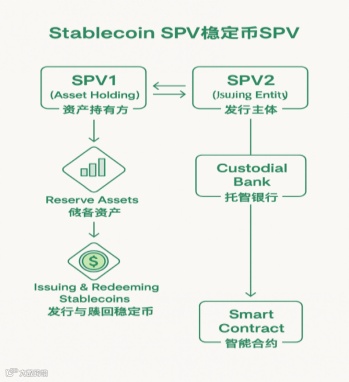
9.香港金融管理局(HKMA)在咨询财政司,并考虑到公众利益、对香港金融稳定的重要性以及香港作为国际金融中心的作用等因素后,允许可以在无需通过新立法的情况下,指定额外的稳定币实体、发行者和活动。
HKMA after consulting the Financial Secretary and considering factors like public interest, materiality to Hong Kong's financial stability, and its role as an international financial centre, designate additional stablecoin entities, issuers and activities, without the need to pass new legislation[4].
术语词汇简释
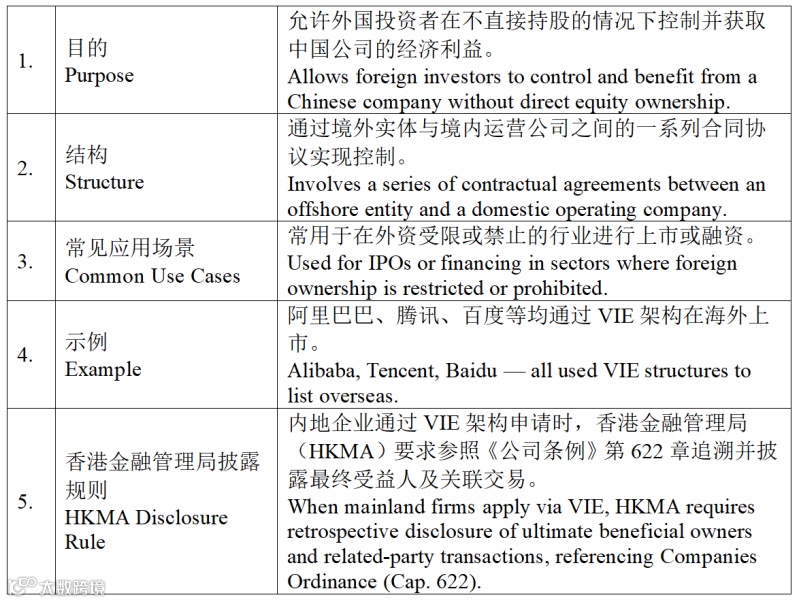
Glossary of Key Terms.
10.《稳定币条例》结构化双语汇总 (Hong Kong Stablecoin Ordinance)
a.指明稳定币 (Specified Stablecoin):
锚定法币(如USD/HKD)的加密代币,具有支付媒介、价值储存或投资功能。
Stablecoins pegged to fiat currencies like USD/HKD, serving as medium of exchange, store of value or investment[5].
b.发行人 (Issuer):
负责创建与赎回稳定币的公司,必须在香港注册或设有营运点。
The entity responsible for creating and redeeming stablecoins. Must be incorporated or have a registered place of business in Hong Kong.
c.分销商/场外交易商 (Distributor/OTC):
面向用户或平台提供稳定币的中介方,须为“经许可的提供者”(Permitted Offeror)。
Intermediary offering stablecoins to users or platforms. Must be a “permitted offeror”.
d.虚拟资产业务商 (VA Dealer):
经营稳定币现货交易或兑换业务,须持SFC牌照。
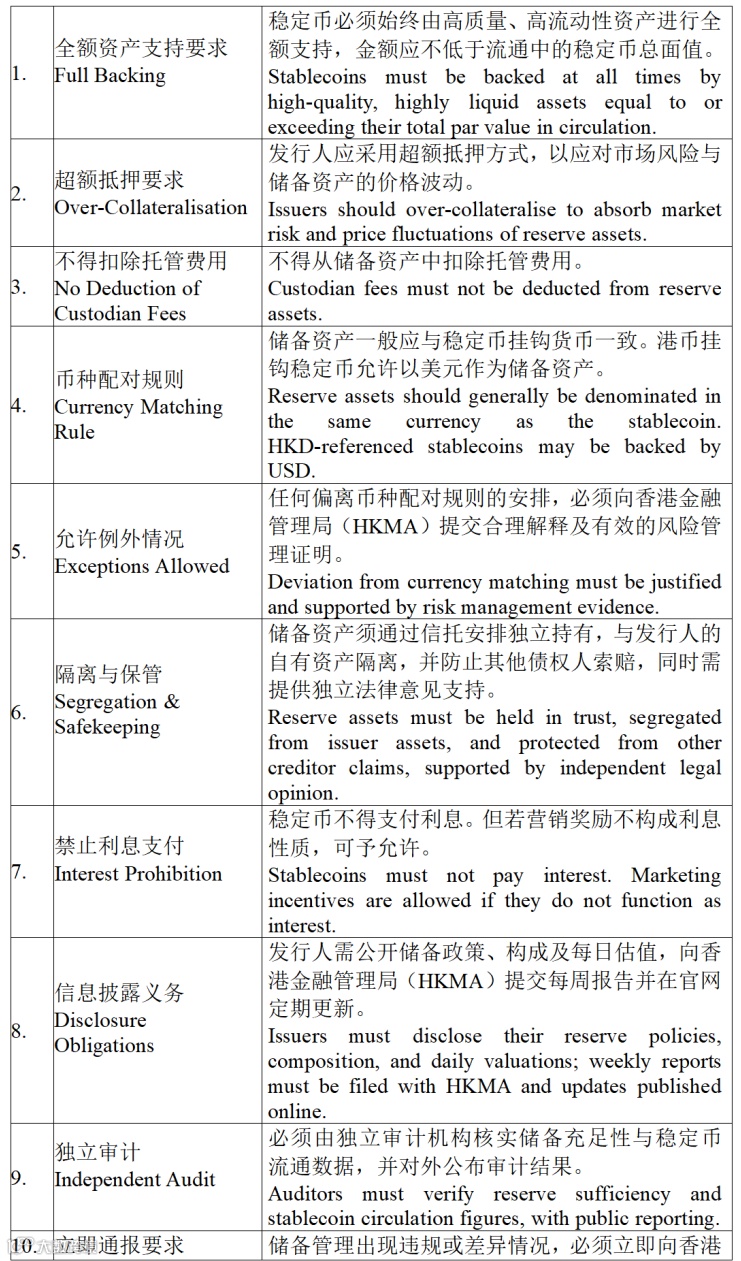
Operates spot trading or stablecoin exchange business. Requires SFC licence.
e.托管人 (Custodian):
保管用户稳定币及私钥工具者,须符合资本、治理与审计规定。
Safeguards stablecoins and wallet instruments. Must meet capital, governance and audit standards.
f.旅行规则 (Travel Rule):
防制洗钱金融行动工作组织(FATF)规定,在金额等于或超过港元 8,000的转账中,必须传送付款人(originator)和收款人(beneficiary)的身份信息。香港证券及期货事务监察委员会(SFC)于2023年发布《打击洗钱及恐怖分子资金筹集指引》(适用于持牌法团及持有SFC虚拟资产服务提供者牌照的机构),该指引将于2023年6月1日生效。(相关要求载于《打击洗钱及恐怖分子资金筹集指引》第12.11.5至12.11.9节)
FATF standard requiring transmission of originator and beneficiary identity information for transfers ≥ HK$8,000. Securities and Futures Commission. (2023). Guideline on Anti-Money Laundering and Counter-Financing of Terrorism (For Licensed Corporations and SFC-licensed Virtual Asset Service Providers). Effective 1 June 2023. (AML/CTF Guidance Section 12.11.5-9).
g.信托安排 (Trust Arrangement):
储备资产需由受托人隔离管理,保障用户兑付权利。
Reserves must be segregated and managed via trustee to protect redemption rights.
监管范围与定义
Regulatory Scope & Definitions
11.条例仅监管锚定法币的稳定币,算法或商品型稳定币暂不属“指定稳定币”范围。
Only fiat-pegged stablecoins are regulated. Algorithmic or commodity-backed stablecoins are excluded for now.
12.若在香港发行或向港人推广稳定币,即属受规管活动;包括锚定港元的境外发行稳定币。
Issuance in or promotion to Hong Kong residents constitutes regulated activity, including offshore coins referencing HKD.
13.香港金融管理局(HKMA)有权宪报动态扩展“指定稳定币”定义,例如未来纳入混合抵押稳定币。
HKMA may expand the scope of “specified stablecoins” via Gazette, potentially covering hybrid or crypto-collateralized coins.
14.发牌制度详解 (Licensing Framework)
a.发行人牌照要求 (Issuer Licence)
b.实体:香港或境外公司设有香港业务地址者。最低实缴资本不少于2,500万港元。
Entity must be a Hong Kong company or foreign firm with HK business address. Minimum paid-up capital: HK$25 million[6].
c.储备:须全额高流动性资产支持,如现金、短债、MMF;隔离信托托管;月度第三方审计。
Reserves must be fully backed by high-quality, liquid assets and held in segregated trust. Monthly third-party audit required.
d. 赎回:用户可按面值兑回;不得收不合理费用。破产时享优先权。
Users must redeem at par; no unreasonable fees or conditions. Priority in insolvency.
15.分销商/场外交易商 (OTC Offerors)
a.须为“经许可的提供者”(Permitted Offeror)包括:(i) 根据新监管制度取得牌照的持牌人;(ii) 根据《打击洗钱及恐怖分子资金筹集条例》(第615章)获得证券及期货事务监察委员会(SFC)牌照的虚拟资产交易平台营运商;(iii) 根据《支付系统及储值支付工具条例》(第584章)获得储值支付工具(SVF)牌照的持牌人;(iv) 根据《证券及期货条例》(第571章)获得第1类受规管活动(证券交易)牌照的公司;(v) 根据《银行条例》(第155章)获授权的机构(即银行、有限牌照银行或接受存款公司)。
“Permitted offerors” includes (i) licensees under the new regime; (ii) virtual assets trading platform operators licensed by the Securities and Futures Commission (SFC) under the Anti-Money Laundering and Counter-Terrorist Financing Ordinance (Cap. 615); (iii) stored value facility (SVF) licensees under the Payment Systems and Stored Value Facilities Ordinance (Cap. 584); (iv) corporations licensed by SFC for Type 1 regulated activity (dealing in securities) under the Securities and Futures Ordinance (Cap. 571) & (v) authorized institutions (AIs) under the Banking Ordinance (Cap. 155) (i.e. a bank, a restricted license bank or a deposit-taking company).[8]
b.OTC服务须遵守Travel Rule及KYC标准;不得销售无牌稳定币。
OTC distributors must comply with Travel Rule and KYC. May not offer unlicensed stablecoins.
16.牌照或虚拟资产业务商与托管人 (VA Dealer & Custodian) ; 经营现货与兑换业务 (VA Dealer);管理稳定币与钱包工具 (VA Custodian)
a.VA Dealer经营现货/兑换业务;VA Custodian管理稳定币与钱包工具
VA Dealers handle spot/exchange business. Custodians handle wallet and stablecoin safekeeping.
b.资本要求:Dealer ≥500万港元,Custodian ≥1,000万港元;须有经批准的两名RO/EO
Capital: Dealer ≥HK$5M; Custodian ≥HK$10M; Two approved responsible/executive officers required.
c.须保持客户资产隔离、业务记录保存、定期审计与风险报告。
Must maintain client asset segregation, record keeping, audit and risk disclosure.
17.过渡条款 (Transitional)
a.现有稳定币可在条例生效后3个月内申请,申请期间获6个月临时营运权。
Existing issuers must apply within 3 months. 6-month deemed licence applies pending decision [9].
b.该条例预计将在今年稍后时间生效,并设有过渡期,供业界参与者理解相关要求并申请牌照。过渡性安排亦已制定,以简化发牌流程,并协助企业适应新规。
The Ordinance will likely take effect later this year, including a transition period for industry participants to understand requirements and apply for licenses. Transitional arrangements are in place to streamline licensing and help businesses adjust to new regulations.
c.在过渡期间,香港的稳定币发行人必须识别合规缺口,并更新其业务、风险和储备管理措施。《稳定币条例》为涉足香港的金融机构带来了机遇与义务。
During the transition period, stablecoin issuers in Hong Kong must identify compliance gaps and update their business, risk, and reserve management practices. The Stablecoins Bill brings both opportunities and obligations for financial institutions involved in Hong Kong.
d.随着稳定币监管的不断发展,金融机构需要专门的合规工具。区块链筛查软件(如 Elliptic)有助于识别可疑活动、支持交易对手的尽职调查,并与反洗钱/反恐融资(AML/CFT)系统无缝对接,全面覆盖数字资产运营场景。这些技术还能跨区块链追踪稳定币交易,实现交易全链条的透明化监控。
As stablecoin regulations develop, financial institutions require specialized tools for compliance. Blockchain screening software such as Elliptic assists in detecting suspicious activity, supports counterparty due diligence, and integrates with AML/CFT programs to cover digital asset operations. These technologies also track stablecoin transactions across blockchains for full visibility.
18.豁免与修订条款 (Waiver)
若在境外受同等监管且无系统性风险,香港金融管理局(HKMA)可豁免部分最低标准(资本、托管等)。
HKMA may waive minimum criteria if issuer is subject to equivalent overseas supervision and poses no systemic risk.
19.“适当人选”要求 (Fit & Proper Test)
担任控权人、行政总裁、候补行政总裁、董事、雇员或稳定币经理,均须获得香港金融管理局(HKMA)批准。所有高管人员必须具备区块链专业知识、金融监管与风险的相关知识,并拥有良好的合规记录。
HKMA consent is needed to become a controller[10], chief executive, alternate chief executive[11], or director[12], employees[13] and stablecoin managers[14]. All officers must show blockchain expertise, knowledge of financial regulation and risk, and have a clean compliance record.
法律与操作建议
Legal & Practical Guidance
“集体投资计划” (collective investment scheme CIS)
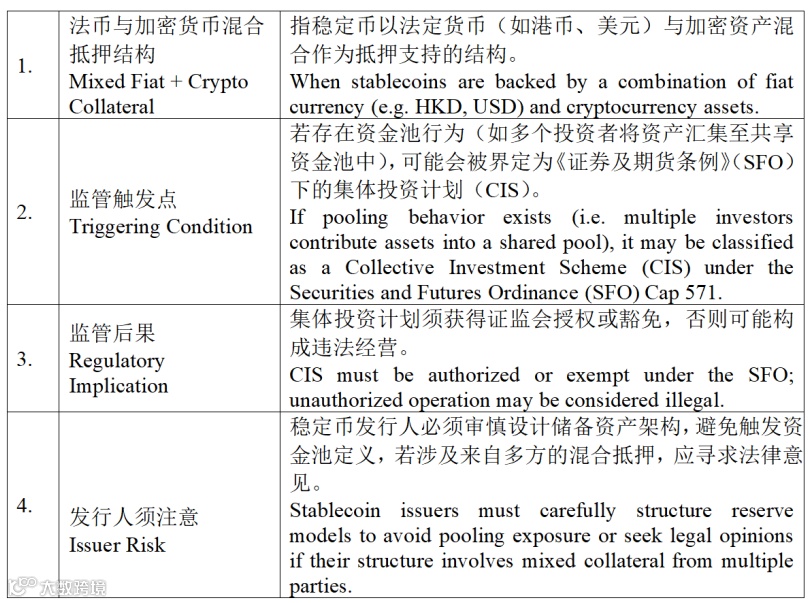
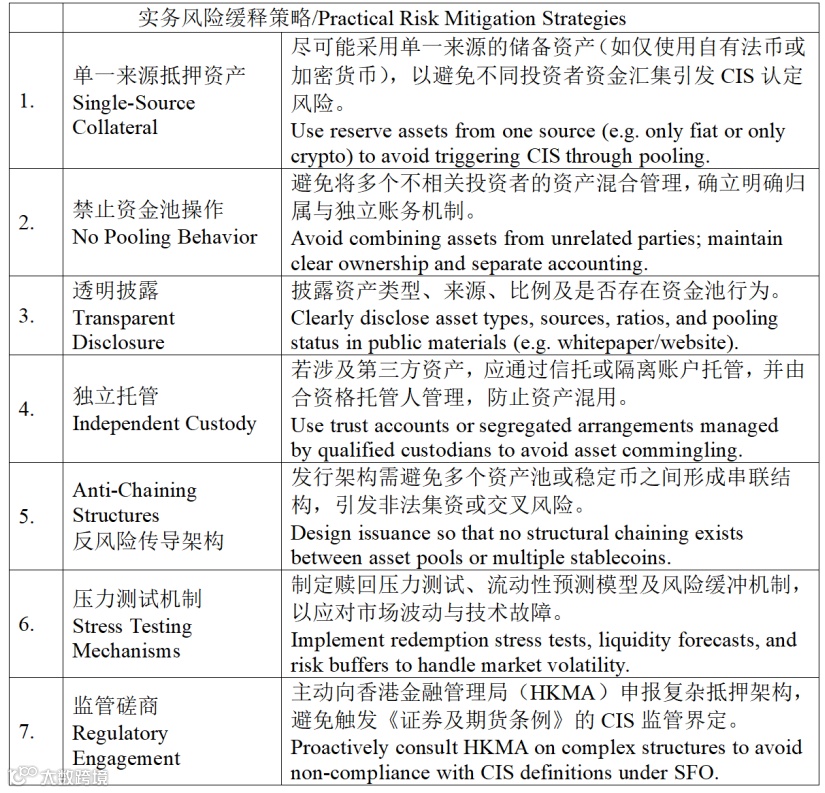
20.混合抵押型稳定币是否构成“集体投资计划” (collective investment scheme CIS)? 若以港元+加密货币组合锚定,可能触发《证券及期货条例》下的集体投资计划。
Mixed fiat + crypto collateral may trigger “collective investment scheme” under SFO if pooling behavior exists.
综合账户 (Omnibus Accounts)
21.由中介机构管理的综合账户可将多个客户的资产汇集于单一账户,在传统金融和虚拟资产服务(如托管或交易平台)中被广泛使用。若符合严格的监管要求,持牌稳定币发行人或中介机构也可能使用综合账户。
Omnibus accounts, which pool multiple clients' assets under one account managed by an intermediary, are widely used in traditional finance and virtual asset services like custody or trading platforms. Licensed stablecoin issuers or intermediaries may also use omnibus accounts if they meet strict regulatory requirements.
22.稳定币条例无明确禁止:并未特别禁止在稳定币活动中使用综合账户。这类账户将多个客户的资产汇集至由中介机构管理的单一账户,在传统金融和虚拟资产领域(例如托管或交易平台)中属标准做法。因此,只要符合监管要求,持牌稳定币发行人及中介机构亦可使用综合账户。
No Explicit Prohibition: The Stablecoins Ordinance and related HKMA documents do not specifically ban omnibus accounts for stablecoin activities. These accounts, pooling multiple clients' assets under one intermediary-managed account, are standard in both traditional and virtual asset sectors. Thus, licensed stablecoin issuers and intermediaries may use omnibus accounts if they meet regulatory requirements.
23.监管背景:该条例涵盖了与法定货币挂钩的稳定币(FRS),并要求发行人及中介机构——例如虚拟资产平台或持牌公司——遵守严格的发牌、储备管理及反洗钱/打击恐怖分子资金筹集(AML/CFT)标准。若使用综合账户,亦必须符合相关要求,尤其是在储备资产隔离、透明度及AML/CFT监管方面。
Regulatory Context: The ordinance covers fiat-referenced stablecoins (FRS) and requires issuers and intermediaries—such as virtual asset platforms or licensed firms—to comply with strict licensing, reserve management, and AML/CFT standards. Omnibus accounts, if used, must meet these requirements, especially for reserve segregation, transparency, and AML/CFT oversight.
24.储备资产隔离:条例规定稳定币的储备资产必须完全隔离,且始终不少于已发行稳定币的价值。若采用综合账户,发行人必须合理设计账户结构,以确保资产妥善隔离,并能在破产等情况下清晰归属至各客户或持有人名下。
Reserve Asset Segregation: The ordinance mandates that reserve assets for stablecoins be fully segregated and always at least equal or exceed the value of stablecoins issued. If omnibus accounts are used, issuers must structure them to ensure proper segregation and clear asset attribution to each client or holder, especially in insolvency cases.
25. 加强对自托管钱包的尽职调查:香港金融管理局(HKMA)要求对涉及自托管(非托管)钱包的交易进行额外的尽职调查,而这类钱包在稳定币生态系统中较为常见。若采用综合账户来促成与自托管钱包的交易,发行人可设定交易限额或施加额外验证措施,以降低洗钱和资管风险。
Enhanced Due Diligence for Self-Hosted Wallets: The HKMA requires additional due diligence for transactions involving self-hosted (unhosted) wallets, which are common in stablecoin ecosystems. If omnibus accounts are used to facilitate transactions with self-hosted wallets, issuers may impose transaction limits or additional verification measures to mitigate AML/CTF.
“特殊目的载体”(SPV: Special Purpose Vehicle)
26. 这是一种独立的法律实体,常用于实现资产隔离、降低法律和财务风险。法律隔离指的是SPV与母公司的资产负债表分开,从而在破产情况下保障储备资产不被挪用。
It is an independent legal entity commonly used to achieve asset segregation and reduce legal and financial risks. Legal segregation refers to the separation of the SPV from the parent company’s balance sheet, thereby ensuring that reserve assets are protected from being misappropriated in the event of insolvency.
27. SPV 架构图:展示SPV1(储备资产方)与SPV2(稳定币发行方)的关系,以及它们通过托管银行和区块链节点的连接。此示意图适用于政策解读、合规培训和提案展示。
SPV Structure Diagram: Illustrates the relationship between SPV1 (reserve asset holder) and SPV2 (stablecoin issuer), as well as their connection via a custodian bank and blockchain nodes. This diagram is suitable for policy interpretation, compliance training, and proposal presentation.
28.建议架构:在港设立发行法币稳定币SPV。离岸SPV发行算法稳定币,法律隔离,满足监管分界。
Recommended structure: separate HK SPV for fiat-backed stablecoin and offshore SPV for algo/crypto-backed coin; maintain legal segregation.
29.香港金融管理局(HKMA)要求穿透披露最终实益拥有者;与内地国资/关联方穿透关系需公证及审计。
HKMA requires full look-through of ultimate beneficial ownership; VIE/PRC affiliations must be disclosed and notarized.
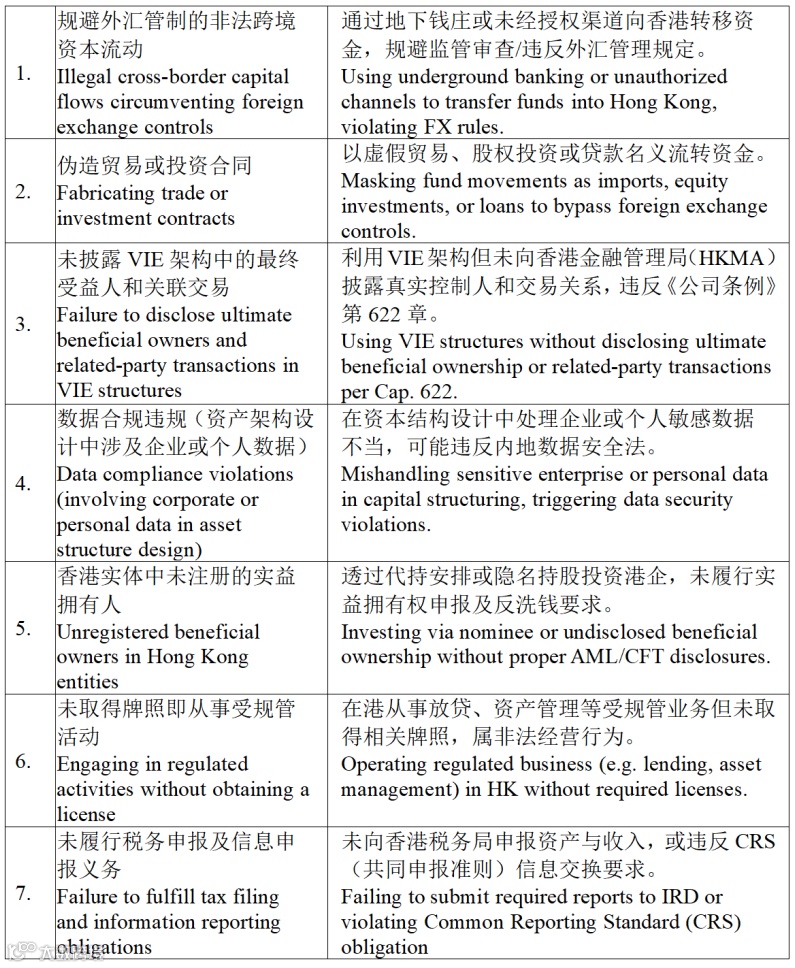
中国内地资本入港的“合规雷区” (Major Compliance Pitfalls for Mainland Capital Entering Hong Kong)
可变利益实体架构 (Variable Interest Entity (VIE) Structure)
30.VIE架构(可变利益实体)是一种法律和财务安排,被中国内地企业广泛采用,用于规避在电信、媒体及教育等敏感行业中的外资持股限制。 这种架构虽然设计巧妙,但存在争议——在实际操作中被默许使用,但并未获得中国监管机构的明确认可。
The VIE structure (Variable Interest Entity) is a legal and financial arrangement widely used by mainland Chinese companies to circumvent foreign ownership restrictions in sensitive sectors like telecom, media, and education. This structure is clever but controversial — it’s tolerated in practice but not explicitly endorsed by PRC regulators.
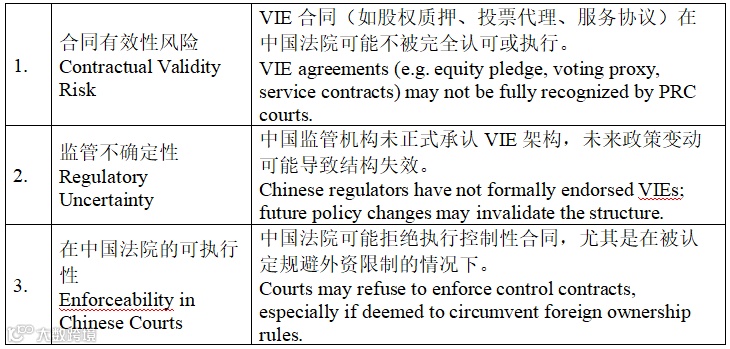
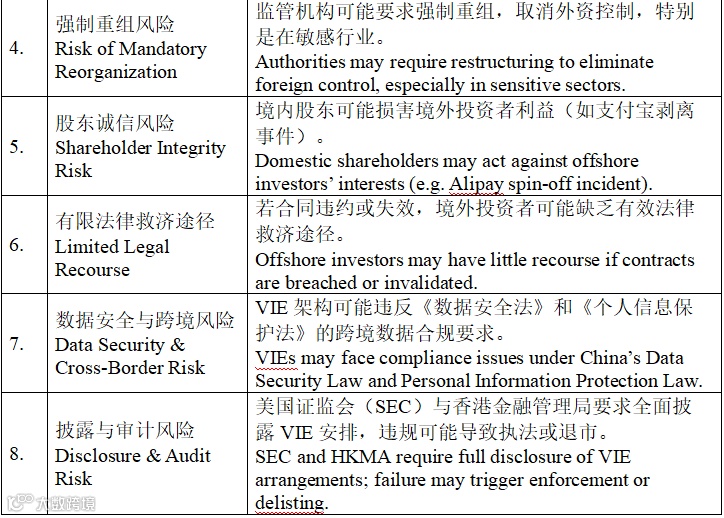
31.VIE架构的法律风险与可执行性分析 (Legal Risks & Enforceability of VIE Structures)
32. 数据与技术合规问题:使用外链节点(例如境外服务器或节点)或未经评估的智能合约,将违反《中华人民共和国网络安全法》第37条与香港《打击洗钱及恐怖分子资金筹集条例》。《中华人民共和国网络安全法》第37条的规定,关键信息基础设施运营者在中国境内收集和产生的个人信息和重要数据必须存储在境内。如果确需向境外提供,必须经过安全评估。这是该法律中关于数据本地化及跨境数据流动的核心条款之一。
Use of unvetted contracts or foreign blockchain nodes may breach PRC Cybersecurity Law Art. 37 or the related ordinances relating to Anti-Money Laundering and Counter-Terrorist Financing (AML/CFT) in Hong Kong. Under Article 37 of the Cybersecurity Law of the People's Republic of China, operators of critical information infrastructure are required to store personal information and important data collected or generated within China inside the country. If such data is to be provided abroad, a security assessment must be conducted. This is one of the core provisions concerning data localization and cross-border data flows under the law.
使用非主权区块链基础设施——监管风险及案例参考
Use of Non-Sovereign Blockchain Infrastructure — Regulatory Risk & Case Reference
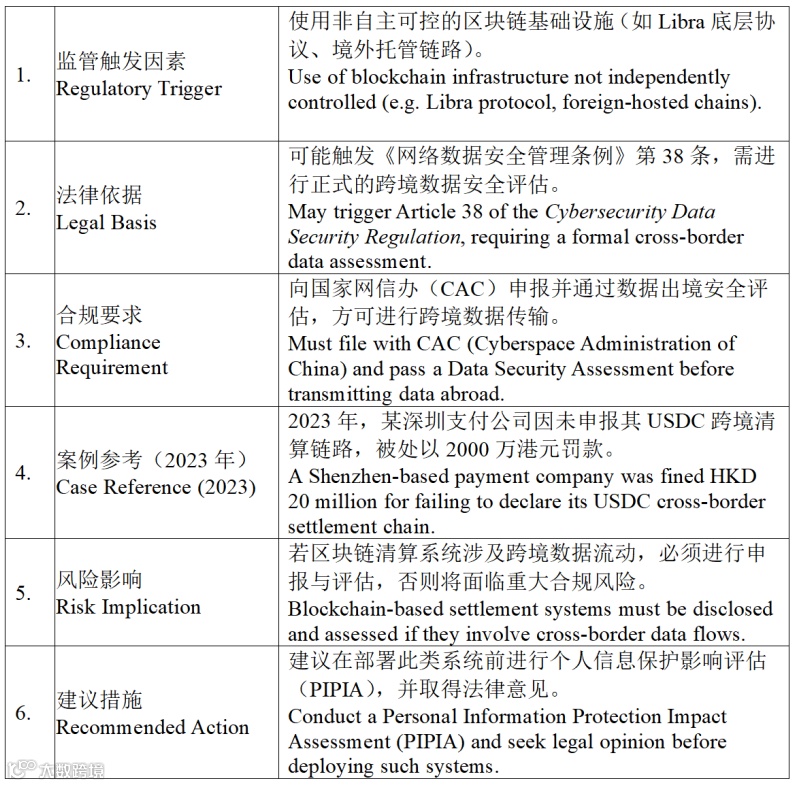
跨境稳定币结算涉及的境外放款监管要求 (Cross-border Stablecoin Settlement and the Outbound Lending Rules)
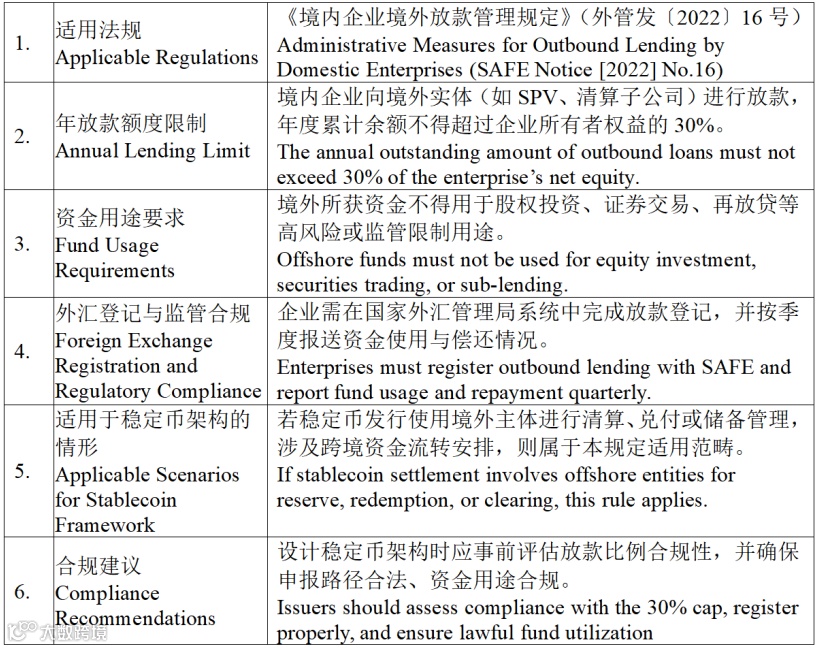
33. 稳定币跨境结算需遵守《境内企业境外放款管理规定》(外管发〔2022〕16号),年额度≤所有者权益30%。
Cross-border settlement of stablecoins must comply with the Administrative Measures for Outbound Lending by Domestic Enterprises (SAFE Notice [2022] No. 16). The annual outstanding amount of such outbound loans must not exceed 30% of the enterprise’s net equity.
AML/CFT合规体系
AML & CFT Compliance
34.发行人与分销商须遵守《打击洗钱及恐怖分子资金筹集条例》(Cap 615),包括风险评估、内部控制、员工培训。
Issuers and distributors are financial institutions under AMLO, subject to risk assessment, internal controls, training.
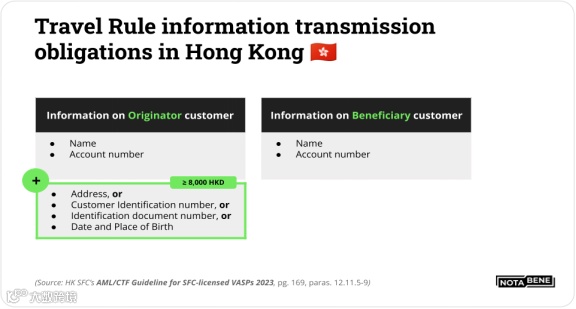
35.须采纳“Travel Rule”:交易金额≥8,000港元者,须链下传输收发双方身份信息,并保留≥5年。
The “Travel Rule” must be adopted: For transactions with amounts equal to or exceeding HKD 8,000, the identity information of both the sender and receiver must be transmitted off-chain and retained for a minimum of 5 years.
a.旅行规则适用于金额≥8,000港元的转账;身份信息必须安全传输并存储≥5年。在香港,旅行规则适用于任何交易金额。然而,对于金额达到或超过8,000港元的虚拟资产,发起方虚拟资产服务提供者(VASPs)必须传输更全面的信息范围。(参见香港证监会(2023年)《打击洗钱及恐怖分子资金筹集指引》第12.11.5-9节)
Travel Rule applies to transfers ≥HK$8,000; identity info must be securely transmitted and stored for ≥5 years. In Hong Kong, Travel Rule requirements apply regardless of the transaction amount. However, a broader scope of information must be transmitted by the Originator VASPs for virtual assets amounting to HKD 8,000 or more Securities and Futures Commission. (2023). (see AML/CTF Guidance Section 12.11.5-9).
b.根据交易金额的不同,发起方虚拟资产服务提供者(Originator VASP)必须向收款机构发送所需的信息(参见香港证监会(2023年)《打击洗钱及恐怖分子资金筹集指引》第12.11.5至12.11.9节)。
Depending on the transaction amount, the Originator VASP must send the beneficiary institution the required information (see AML/CTF Guidance, section 12.11.5-9).
36. 须识别钱包地址并验证所有权;如非托管钱包须增强尽职调查。
Wallet addresses must be identified and ownership verified; for unhosted wallets, enhanced due diligence must be performed.
37. 根据《稳定币条例》,香港没有禁止虚拟资产服务提供者(VASPs)向非托管钱包转移稳定币,但他们必须遵循严格的程序。这些程序包括将钱包地址列入白名单、验证所有权,以及可能对交易设置限额,以减轻洗钱等风险。
There is no prohibition of VASPs in Hong Kong can undertake transfers of stablecoins to unhosted wallets, but they must follow strict procedures. These include whitelisting wallet addresses, verifying ownership, and potentially imposing transaction limits to mitigate risks like money laundering.
38. 在香港,与自托管钱包和高风险虚拟资产服务提供者(VASPs)进行交易时,需进行账户所有权验证。香港证监会(SFC)持牌虚拟资产服务提供者根据《打击洗钱及恐怖分子资金筹集指引》对与自托管钱包交易的主要要求如下:
In Hong Kong, account ownership verification is required when transacting with self-hosted wallets and higher-risk Virtue Assets Service Providers (VASPs).. The key requirements for transactions with self-hosted wallets as set out in the AML/CTF Guideline for SFC-licensed VASPs:
a. 虚拟资产服务提供者(VASPs)在与自托管钱包进行交易时,须验证客户钱包的所有权。
VASPs must verify the customers’ wallet ownership during transactions with self-hosted wallets.
b. 香港证券及期货事务监察委员会(SFC)现要求虚拟资产服务提供者(VASPs)验证客户对自托管钱包的所有权,这与新加坡、瑞士、德国及欧盟的相关法规保持一致。香港的VASPs必须确认客户对钱包的控制权,例如通过消息签名测试等方式进行验证(参见《打击洗钱及恐怖分子资金筹集指引》第12.14.1至12.14.2节)。
Hong Kong’s SFC now requires VASPs to verify customers’ ownership of self-hosted wallets, aligning with regulations in Singapore, Switzerland, Germany, and the EU. Hong Kong VASPs must confirm wallet control, such as through a message signing test (see AML/CTF Guidance, section 12.14.1-2).
c. 评估洗钱及恐怖分子资金筹集(ML/TF)方面的风险。
VASPs should assess the risks of money laundering and terrorist financing (ML/TF) when making transfers to or from self-hosted wallets.
d. 由于自托管钱包难以追踪,VASPs需谨慎应对,评估交易目的、客户背景和金额等因素,必要时采取额外尽职调查或限制措施。
Since unhosted wallets are hard to trace, VASPs should carefully assess the transaction's purpose, customer background, and amount, apply extra due diligence or restrictions when needed.
e. 指引概述了虚拟资产服务提供者(VASPs)可根据风险采取的实际措施,以应对涉及非托管钱包转账的洗钱和恐怖分子资金筹集(ML/TF)风险,包括:
The Guidelines outline practical steps VASPs can take, based on risk, to address ML/TF risks from transfers involving unhosted wallets, including:
(i) 对与非托管钱包相关的虚拟资产转账实施强化监控措施。
Conducting enhanced monitoring of virtual asset transfers with unhosted wallets.
(ii) 仅接受与经金融机构(FI)认定为可靠的非托管钱包之间的虚拟资产转账,评估依据包括交易筛查结果、钱包地址验证,以及对钱包所有权或控制权的评估。
Only accept virtual asset transfers involving unhosted wallets that the FI has determined to be reliable, based on transaction screening, wallet address verification, and assessment of the wallet's ownership or control.
(iii) 根据需要设定交易限额:虚拟资产服务提供者(VASP)可对与非托管钱包相关的虚拟资产转账设定限额。
Impose transaction limits as needed: a VASP can set limits on virtual asset transfers with unhosted wallets.
(参见《打击洗钱及恐怖分子资金筹集指引》第 12.14.3 节)
(See AML/CTF Guidance, section 12.14.3)
f. 与非托管钱包进行交易时,无需传送任何信息。然而,虚拟资产服务提供者(VASPs)必须收集并记录其自有客户的信息。(参见《打击洗钱及恐怖分子资金筹集指引》第12.14.2节)
There are no information transmission requirements when transacting with unhosted wallets. However, VASPs must collect and record information about their own customer (see AML/CTF Guidance, section 12.14.2 ).
g. 收款方和中介虚拟资产服务运营商(VASOs)的要求是什么?
What are the requirements for beneficiary and intermediary VASOs?
h. 须遵守特定要求,以确保符合监管标准,例如证券及期货事务监察委员会(SFC)指引中所列的规定。
Adhere to specific requirements to ensure compliance with regulatory standards, such as those outlined by the SFC’s Guidance.
i.虚拟资产服务中介机构 (Intermediary VSAPs)
(i)保留虚拟资产转账中发起人(发送方)和收款人(接收方)的全面信息。
retain comprehensive information about both the originator (sender) and beneficiary (receiver) of a virtual asset transfer.
(ii)对交易中涉及的虚拟资产服务提供者(VASP)进行尽职调查,以核实其身份并确保其合法性。
Conduct due diligence on the VASPs involved in the transaction to verify their identities and ensure their legitimacy.
(iii)根据特定监管指引的要求,向下一位中介方或收款方虚拟资产服务提供者(VASP)转交所有交易所需信息。
forward all necessary information about the transaction to the next intermediary or the beneficiary VASP in line with specific regulatory guidelines.
(参见《打击洗钱及恐怖分子资金筹集指引》第12.11.18至12.11.19 节) (See AML/CTF Guidance, section 12.11.18-19)
j.虚拟资产服务收款机构 (Beneficiary VASPs)
(i)建立相关程序,以识别并处理发送方或接收方信息不完整的转账交易。
Establish procedures to identify and manage transfers with incomplete sender or recipient information.
(ii)核实来自转账机构的收款人信息是否与之前确认的数据一致,并在发现差异时予以处理。(参见《打击洗钱及恐怖分子资金筹集指引》第12.11.21节)
Verify recipient information from the transferring institution matches previously confirmed data, and address any discrepancies as needed (see AML/CTF Guidance, section 12.11.21).
k.收款方和中介虚拟资产服务提供者(VASP)均应履行以下职责:
Both beneficiary and intermediary VASPs are expected to:
(i)采取措施,以识别缺少关键信息的虚拟资产转账交易。
Implement measures to detect transfers lacking essential information.
(ii)制定基于风险的政策,以决定如何处理此类转账交易——包括执行、延迟、拒绝或退回。(参见《打击洗钱及恐怖分子资金筹集指引》第12.11.22节)
Establish risk-based policies to decide how to proceed with such transfers—whether to execute, delay, reject, or return them (see AML/CTF Guidance, section 1 2.11.22).
(iii)如交易发起方虚拟资产服务提供者(VASP)缺乏所需信息,中介方或收款方 VASP 应及时提出请求;如无法获得相关信息,则可能需重新评估与该发起方的业务关系,以应对反洗钱(AML)及反恐融资(CTF)风险。(参见《打击洗钱及恐怖分子资金筹集指引》第12.11.23节)
If the originator VASP lacks required information, the intermediary or beneficiary VASP should promptly request it; if unsuccessful, they may need to reassess their business relationship to address AML/CTF risks (see section 12.11.23 of the Guidance).
39. 非托管钱包 (Unhosted Wallet)
a. 非托管钱包使用户在无需第三方参与的情况下掌控其加密货币,例如使用 Ledger 或 Trezor 等硬件钱包。
An unhosted wallet lets users control their cryptocurrency without third-party involvement, like using hardware like Ledger or Trezor.
b. 这些钱包属于自我托管钱包,例如 Electrum 和 Mycelium,允许用户直接掌控其私钥。由于这类钱包具备匿名性,可能成为非法活动的工具,因此FATF和美国财政部金融犯罪执法网络(FinCEN)等监管机构对此表示担忧。
These wallets are self-custody wallets, such as Electrum and Mycelium, let users control their private keys directly. Regulators like FATF and FinCEN are concerned about unhosted wallets because their anonymity may facilitate illegal activity.
c. 非托管钱包具有自主性,符合加密货币去中心化的本质,但用户必须自行管理安全风险。
Unhosted wallets offer autonomy, aligning with crypto's decentralized nature, but users must manage security risks themselves.
d. 非托管钱包是完全去中心化的,用户拥有完全的控制权,通常作为冷钱包存储,即将资产离线保存,以更有效抵御黑客攻击和网络威胁。
Unhosted wallets are fully decentralised, giving users complete control and often serving as cold storage—meaning assets are kept offline for better protection against hacks and online threats.
e. 非托管钱包支持直接与区块链交互,可实现智能合约和去中心化金融(DeFi)功能,无需中介机构参与。
It enables direct blockchain interaction, supporting smart contracts and Decentralized Finance (DeFi) without intermediaries.
去中心化金融(DeFi)简介 (DeFi: Introduction to Decentralized Finance)
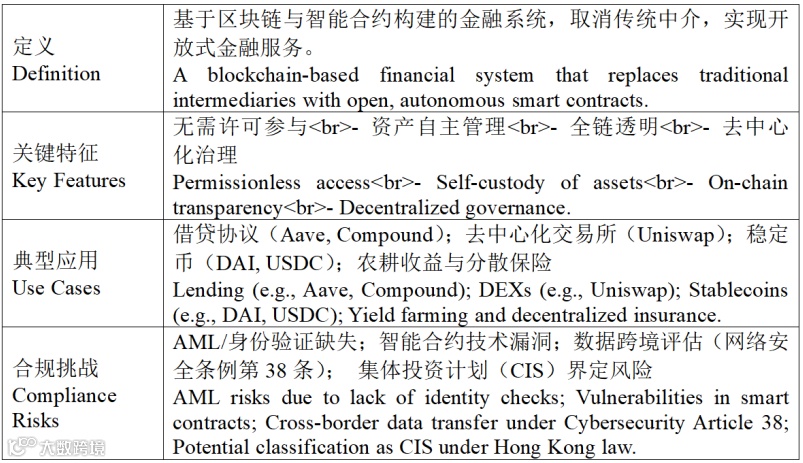
40. Decentralized Finance(DeFi)是一种基于区块链技术构建的金融体系,旨在通过智能合约取代传统金融中介,实现开放、透明、无需许可的金融服务。
Decentralized Finance (DeFi) is a blockchain-based financial system designed to replace traditional financial intermediaries through smart contracts, enabling open, transparent, and permissionless financial services.
41. 虚拟资产服务提供者/交易平台 (Virtue Assets Service Providers/Asset Trading Platforms)
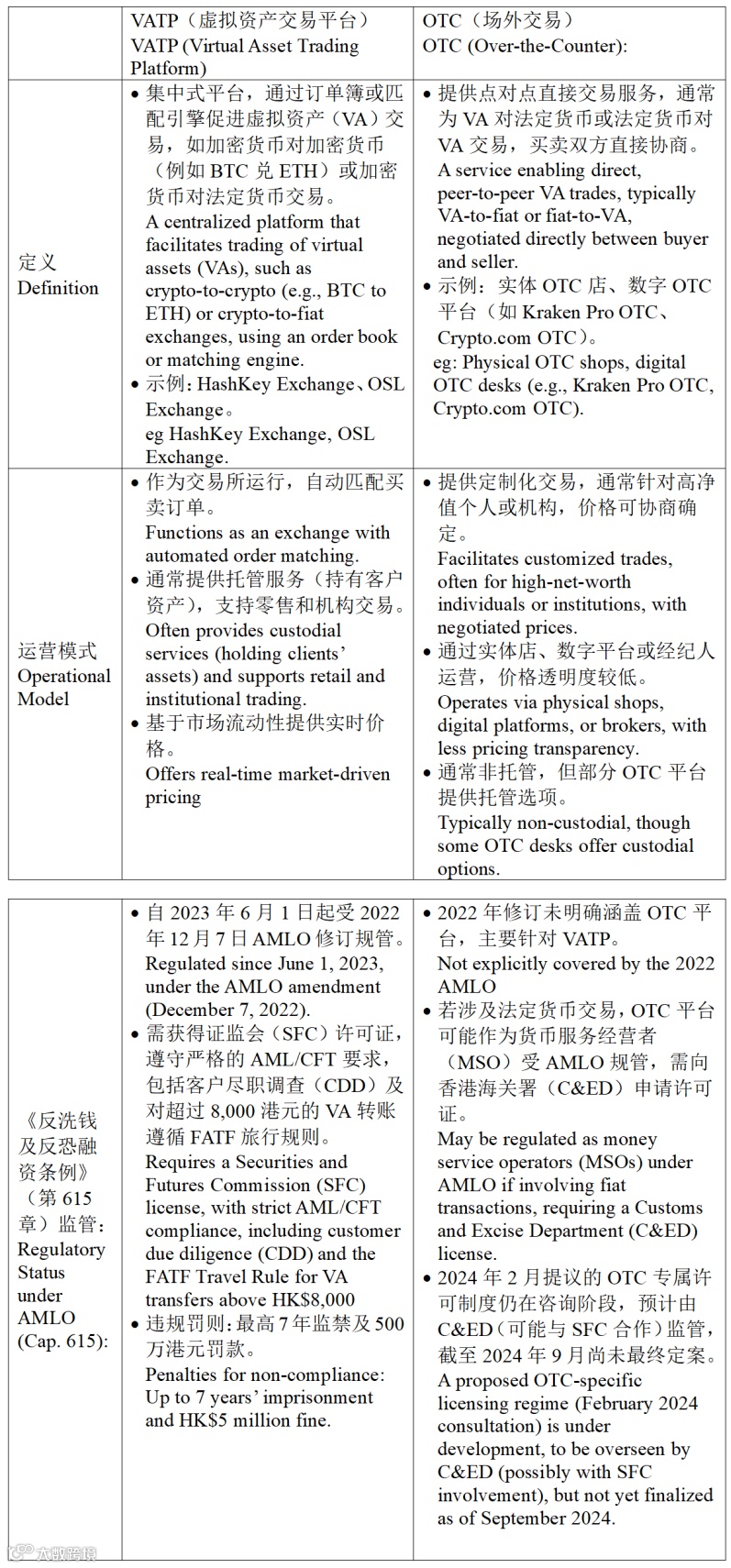
a. 香港于2022年12月7日修订了《打击洗钱及恐怖分子资金筹集条例》(第615章)》(AMLO),引入对虚拟资产服务提供者(VASPs)的监管制度,自2023年6月1日起生效。此修订由证券及期货事务监察委员会(SFC)监督,针对虚拟资产交易平台(VATP)设立许可证制度,以加强反洗钱及反恐融资(AML/CFT)合规性和投资者保护。
The Anti-Money Laundering and Counter-Terrorist Financing Ordinance (Cap. 615) (AMLO) was amended on December 7, 2022, to regulate Virtual Asset Service Providers (VASPs) in Hong Kong, effective from June 1, 2023. The amendment, overseen by the Securities and Futures Commission (SFC), introduced a licensing regime for Virtual Asset Trading Platforms (VATPs) to enhance AML/CFT compliance and investor protection.
VASP监管范围 (Scope of VASP regulation)
b. VASP指在香港经营或向香港居民提供虚拟资产(VA)交易服务(例如加密货币对加密货币或加密货币对法定货币交易)的实体。该制度主要涵盖集中式交易所和托管服务,但不明确包括纯场外交易(OTC)平台。
VASPs are defined as entities operating VATPs that facilitate virtual asset (VA) exchanges (e.g., crypto-to-crypto or crypto-to-fiat trades) as a business in Hong Kong or targeting Hong Kong residents. The regime covers centralized exchanges and custodial services but does not explicitly include pure OTC spot trading platforms.
许可证要求 (Licensing Requirements)
c. 必须在香港注册成立公司或外国公司分支机构,并取得香港证监会牌照方可开展业务。须遵守AML/CFT义务,包括资质要求、资源充足、风险管理、客户尽职调查(CDD)、交易监控及对超过8,000港元的VA转账遵循FATF旅行规则。具备稳健的治理和网络安全措施。
VASPs must be incorporated or registered as a branch in Hong Kong and obtain an SFC license to operate. They are subject to statutory AML/CFT obligations similar to traditional financial institutions, including requirements for fitness, adequate resources, risk management, customer due diligence (CDD), transaction monitoring, and adherence to the FATF Travel Rule for VA transfers over HK$8,000.
OTC平台 (OTC Platforms)
d. 2022年修订主要针对VATP,未直接涵盖纯OTC平台(例如提供VA对法定货币直接交易的实体店或数字平台)。若OTC服务涉及货币兑换或汇款,可能需根据AMLO作为“货币服务经营者(MSO)”向香港海关署(C & E)申请许可证。2023年JPEX诈骗案暴露OTC监管漏洞,促使2024年2月提出专门的OTC许可制度,截至2024年9月仍处于咨询阶段。
The 2022 amendment primarily targets VATPs, not standalone OTC platforms (e.g., physical shops or digital platforms for direct VA-to-fiat trades). OTC services may fall under AMLO as money service operators (MSOs) if they involve money-changing or remittance, requiring a Customs & Excise Department (C&E) license. Following regulatory gaps shown by the 2023 JPEX scandal, a proposed OTC licensing regime was introduced in February 2024 and remains under consultation as of September 2024.
实施 (Implementation)
e. 2023年6月1日起生效,现有VATP有12个月过渡期(至2024年5月31日)申请许可证或停止运营。违规经营可被罚款最高500万港元及监禁7年。截至2025年7月已获许可的VATP包括HashKey Exchange和OSL Exchange。OTC平台正等待2024年提议的C&E监管制度最终定案。
Effective June 1, 2023, with a 12-month transition period (until May 31, 2024) for existing VATPs to apply for licenses or cease operations. Non-compliance is punishable by up to 7 years’ imprisonment and a HK$5 million fine. As of July 2025, Licensed VATPs include HashKey Exchange and OSL Exchange. OTC platforms await the finalization of the 2024 proposed regime under the C&E.
适用于虚拟资产交易平台运营者的指引 (SFC Guidelines for Virtual Asset Trading Platform Operators)
f. 自2023年6月1日起,证券及期货事务监察委员会(SFC)规定,虚拟资产服务提供商(VASP)必须通过白名单钱包处理客户虚拟资产交易,以确保安全性与合规性。近期稳定币监管的相关咨询文件也提出类似的管控措施,使得处理稳定币的VASP运营模式与发行人的监管要求更加一致。
Since June 1, 2023, SFC guidelines require VASP operators to process client virtual asset transactions through whitelisted wallets for security and compliance. Recent stablecoin regulation consultations propose similar controls for issuers, aligning approaches for VASPs handling stablecoins.
g. 保管客户资产(第X章,第10.7段): 除非符合证券及期货事务监察委员会(SFC)规定的许可情形,平台运营商不得通过任何非属客户本人且未被运营商列入白名单的钱包地址进行存款或提款操作。
Custody of Client Assets (Section X, Paragraph 10.7): Platform operators should not conduct deposits and withdrawals through any wallet address other than one belonging to the client and whitelisted by the operator, except under permitted circumstances specified by the SFC.
h. 保管客户资产(第X章,第10.10段):平台运营商必须采取以下措施以降低交易风险,特别是适用于客户控制的非托管钱包(Unhosted Wallets):监控客户IP地址,确保客户操作来源可信,防止地址伪造或地理位置欺骗;确保钱包地址已列入白名单,仅允许与已核准的钱包地址进行交易,提升安全性与合规性;进行钱包归属验证测试:包括消息签名(Message Signing)验证、小额支付(Micropayment)测试、其他能证明钱包归属权的技术手段。
Deposit and Withdrawal Processes (Paragraph 10.10): Operators must monitor client IP addresses, ensure whitelisted wallet addresses, and perform proof of ownership tests (e.g., message signing, micropayment tests) to minimize risks, which applies to unhosted wallets as they are client-controlled.
i. 备存记录(第14.7(a)(viii)段):根据证券及期货事务监察委员会(SFC)《虚拟资产交易平台营运商指引》,平台须保存所有交易涉及的钱包地址详情至少七年,包括:与客户交易相关的钱包地址;包含客户控制的非托管钱包地址(Unhosted Wallets); 所有地址的归属、用途及交易历史记录。
Custody of Client Asset (Paragraph 14.7(a)(viii)): Additionally, record-keeping requirements mandate retaining details of all wallet addresses involved in transactions for at least seven years, including those for unhosted wallets.
VATP与OTC加密平台的区别
Differences Between VATP and OTC Crypto Platforms
42.VATPs为受SFC监管的集中式交易所,根据2022年AMLO修订专注于自动化交易和托管服务。OTC平台提供直接协商交易,除非被归类为MSO,否则尚未完全受规管,新的C&E主导的许可制度已提议但尚未实施。
VATPs are centralized exchanges regulated by the SFC under the 2022 AMLO amendment, focusing on automated trading and custodial services. OTC platforms facilitate direct, negotiated trades and are not fully regulated unless classified as MSOs, with a new C&E-led licensing regime proposed but not yet implemented.
储备、赎回与审计要求
Reserve, Redemption,
and Audit Requirements
43. 储备资产必须为高流动性、低风险资产,如现金、短期国债、货币市场基金,并由受托人隔离托管。
Reserves must consist of high-quality liquid assets (e.g. cash, short-term government bonds, MMFs), held in segregated trust.

44.发行人须每月委托第三方审计机构出具储备审计报告,并向香港金融管理局(HKMA)备案。
Monthly third-party audits of reserve holdings are mandatory and must be filed with HKMA.
45.用户享有无条件赎回权按面值兑回稳定币,且不得收取不合理费用。
Users must be able to redeem stablecoins at par, without unreasonable fees or conditions.
香港金融管理局(HKMA)调查与执法机制
HKMA Enforcement Powers
46.香港金融管理局(HKMA)可对持牌人进行突击检查、要求提交文件、冻结资产或吊销牌照。
HKMA may conduct surprise inspections, demand records, freeze assets, or revoke licences.
47.设立“稳定币审裁庭”,处理持牌人申诉与行政复核,具备准司法权力。
A “Stablecoin Tribunal” is established to hear appeals and conduct administrative reviews with quasi-judicial authority.
48.违规者可被罚款、暂停业务、列入黑名单,严重者移交执法机关。
Penalties include fines, suspension, blacklisting, and referral to law enforcement for serious breaches.
跨境结构与实务要点
Cross-Border Dynamics
49.境外发行锚定港元稳定币者,若向港人推广,亦须在港持牌。
Offshore issuers of HKD-pegged stablecoins must be licensed if promoting to Hong Kong residents.
50.建议架构:在港设立发行SPV,境外设立技术与运营实体,确保法律隔离与监管合规。
Recommended structure: HK SPV for issuance, offshore entity for tech/ops — ensuring legal separation and compliance.
51.涉及内地资金流出者,须遵守《外汇管理条例》与《网络安全法》第37条,建议设立合规通道。
Outbound flows from Mainland of China must comply with FX and cybersecurity laws; compliant routing structures are advised.
实体资产代币化
Real-World Asset (RWA) Tokenization
52.条例允许稳定币发行人将部分储备资产代币化,但须满足资产真实性、估值透明度与链上可验证性标准。
Issuers may tokenize reserve assets, provided they meet authenticity, valuation transparency, and on-chain verifiability standards.
53.RWA包括短期债券、房地产信托、黄金、应收账款等,由第三方托管并定期审计。
RWAs may include short-term bonds, REITs, gold, receivables — all must be third-party custodied and audited.
54.香港金融管理局(HKMA)鼓励RWA用于提升稳定币收益性,但不得影响兑付能力或引入系统性风险。
HKMA supports RWA use to enhance yield, but redemption rights and systemic risk safeguards must remain intact.
稳定币对货币政策与银行体系影响
Monetary Policy & Banking Impact
55.稳定币可能削弱港元货币乘数,影响银行存款与信贷扩张能力。
Stablecoins may reduce HKD money multiplier, impacting bank deposits and credit creation.
56.条例要求发行人不得提供利息或储蓄功能,以避免与银行竞争。
Issuers are prohibited from offering interest or savings features to avoid competing with banks.
57.香港金融管理局(HKMA)将监测稳定币流通量与银行体系互动,必要时调整准备金率或流动性监管。
HKMA will monitor stablecoin circulation and banking interaction, adjusting reserve or liquidity rules if needed.
政策声明2.0与LEAP议程
Policy Statement 2.0 & LEAP Agenda
58.《政策声明2.0》提出“LEAP”四大支柱:法律(Law)、生态系统(Ecosystem)、应用(Application)、人才(People)。
Policy Statement 2.0 introduces “LEAP”: Law, Ecosystem, Application, People.
59.稳定币条例属“法律支柱”核心成果,配合VATP、RWA、CBDC等制度形成完整监管生态。
Stablecoin Ordinance is a pillar of the “Law track”, complementing VATP, RWA, and CBDC regimes.
60.政府将推动稳定币在跨境支付、证券结算、供应链金融等领域应用,鼓励银行与科技企业合作。
Government will promote stablecoin use in cross-border payments, securities settlement, and supply chain finance, encouraging bank-tech partnerships.
Libra回顾与国际比较
Libra Retrospective &
Global Comparisons
61.What Was Libra?/什么是Libra(天秤币)?
a.Libra于2019年由Facebook推出,旨在打造一种低费用、基于区块链的稳定币,可在全球范围内用于支付、汇款及促进金融普惠。
Launched in 2019 by Facebook, Libra was designed to be a low-fee, blockchain-based stablecoin usable worldwide for payments, remittances, and financial inclusion.
b.Libra由Libra协会治理,该协会是设立于瑞士的独立非营利组织,旨在推动全球金融普惠。该协会最初由包括Visa、Mastercard、Spotify等在内的多家大型企业组成的联盟构成——但后来许多成员由于监管压力而退出。
It was governed by the Libra Association, an independent not-for-profit in Switzerland, aiming for financial inclusion, a consortium of major companies including Visa, Mastercard, and Spotify — though many dropped out due to regulatory pressure.
c.Libra原计划同时支持政府支持的法定货币和代币,但因隐私和金融稳定问题而面临反弹。
It planned to support both government-backed currencies and its token but faced backlash over privacy and financial stability.
d.Libra是一种基于许可型区块链开发的稳定币,其储备资产并非仅由单一美元支持,而是由一篮子货币构成。 截至2019年9月,其储备组成包括:50%美元、18%欧元、14%日元、11%英镑、7%新加坡元,旨在降低对单一货币汇率波动的敞口风险。
Libra was developed as a permissioned blockchain-based stablecoin, backed by a basket of currencies rather than solely the US dollar. In September 2019, its reserve composition included 50% US dollar, 18% euro, 14% Japanese yen, 11% pound sterling, and 7% Singapore dollar, with the intention of reducing exposure to currency fluctuations.
e.Libra因引发全球监管机构对货币主权、金融稳定性及隐私保护的担忧,遭遇了强烈的监管反弹。
Libra faced intense global regulatory backlash over concerns about monetary sovereignty, financial stability, and privacy.
f. Libra于2020年更名为Diem,并转向专注于美元支持的稳定币。 该项目最终于2022年关闭,其资产被出售给Silvergate银行,而Silvergate随后在2023年因监管阻力而倒闭。
Rebranded as Diem in 2020 to focus on a USD-backed stablecoin, the project was shut down in 2022 and its assets sold to Silvergate Bank, which collapsed in 2023 following regulatory opposition.
g.Libra推动了全球关于私人数字货币的讨论,并显著提升了各国对央行数字货币(CBDC)的关注度。其开发的Move编程语言现已被应用于多个区块链项目,如Aptos与Sui。
Libra drove global debate on private digital currencies and boosted CBDC interest. Its Move programming language is now used in projects like Aptos and Sui.
62.Libra项目曾试图建立全球稳定币,但因监管阻力与治理结构问题而终止。香港条例吸取其教训,强调本地监管、储备透明与法律责任。
The Libra initiative aimed to launch a global stablecoin but collapsed due to regulatory backlash and governance concerns. Hong Kong’s ordinance learns from this by emphasizing local oversight, reserve transparency, and legal accountability.
63.与欧盟MiCA、美国GENIUS法案相比,香港条例更注重法币挂钩稳定币的兑付保障与托管安排。
Compared to EU’s MiCA and the U.S. GENIUS Act, Hong Kong’s regime places stronger emphasis on fiat-pegged redemption guarantees and custodial safeguards.
64.香港模式被视为“监管即赋能”,通过明确规则吸引合规稳定币发行人落户。
Hong Kong’s approach is seen as “regulation as enablement,” attracting compliant issuers through clear rules and legal certainty.
结语
《稳定币条例》(第656章)的颁布标志着香港特别行政区在数字金融监管领域迈出了关键的一步,为法定货币挂钩稳定币(FRS)建立了全面、透明的监管框架。该条例通过严格的牌照制度、储备资产隔离、赎回保障及反洗钱(AML/CFT)要求,旨在平衡创新与风险防控,巩固香港作为国际金融中心的竞争力。
随着2025年8月1日条例正式生效,市场参与者需迅速适应新规,确保合规运营。香港金融管理局(HKMA)的动态监管机制、跨境协作政策及对实体资产代币化(RWA)的支持,将进一步推动稳定币在跨境支付、证券结算等领域的应用。
展望未来,香港的监管模式或将成为全球稳定币治理的参考范例,通过“监管即赋能”的理念,促进金融科技生态的稳健发展。我们期待本条例为行业提供清晰指引,助力香港在数字经济时代把握机遇,应对挑战。
(注:准确讯息需根据最终立法动态调整,建议定期关注宪报及HKMA官方更新。)
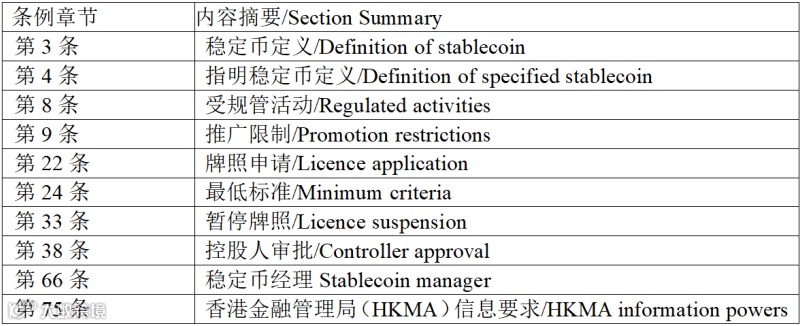
《稳定币条例》(香港法例第656章)条例条文映射表
Ordinance Mapping Table
脚注:
[1]Section 4 of the Stablecoins Ordinance. Note that the HKMA is further authorized to specify additional units of account or digital representations of value through a published notice in the Gazette under Section 4(2) of the Stablecoins Ordinance.
[2]Section 3 of the Stablecoins Ordinance.
[3]section 3(2) of the Stablecoins Ordinance outlines the exclusions from the definition of “specified stablecoin.” It states that a digital representation of value does not constitute a specified stablecoin if it is: (i) issued by a central bank, an entity performing the functions of a central bank, or a government (or an entity authorized by a government to issue currency); or already regulated under other specified ordinances, such as: (ii) limited purpose digital token as defined by S. 53ZR of Cap. 615; (iii) the Securities and Futures Ordinance (Cap. 571) for securities or futures contracts (vi) The Payment Systems and Stored Value Facilities Ordinance (Cap. 584) for floats or deposits in stored value facilities (v)The Banking Ordinance (Cap. 155) for bank deposits.
[4]Section 172
[5]Section 4.
[6]Section 4, Schedule 2-Part 2
[7]Section 6, Schedule 2-Part 2
[8]Section 9(5)
[9]Section 2, Schedule 7-Part 2
[10]Section 37 & 38
[11]Section 53
[12]Section 58
[13]Section 64
[14]Section 67

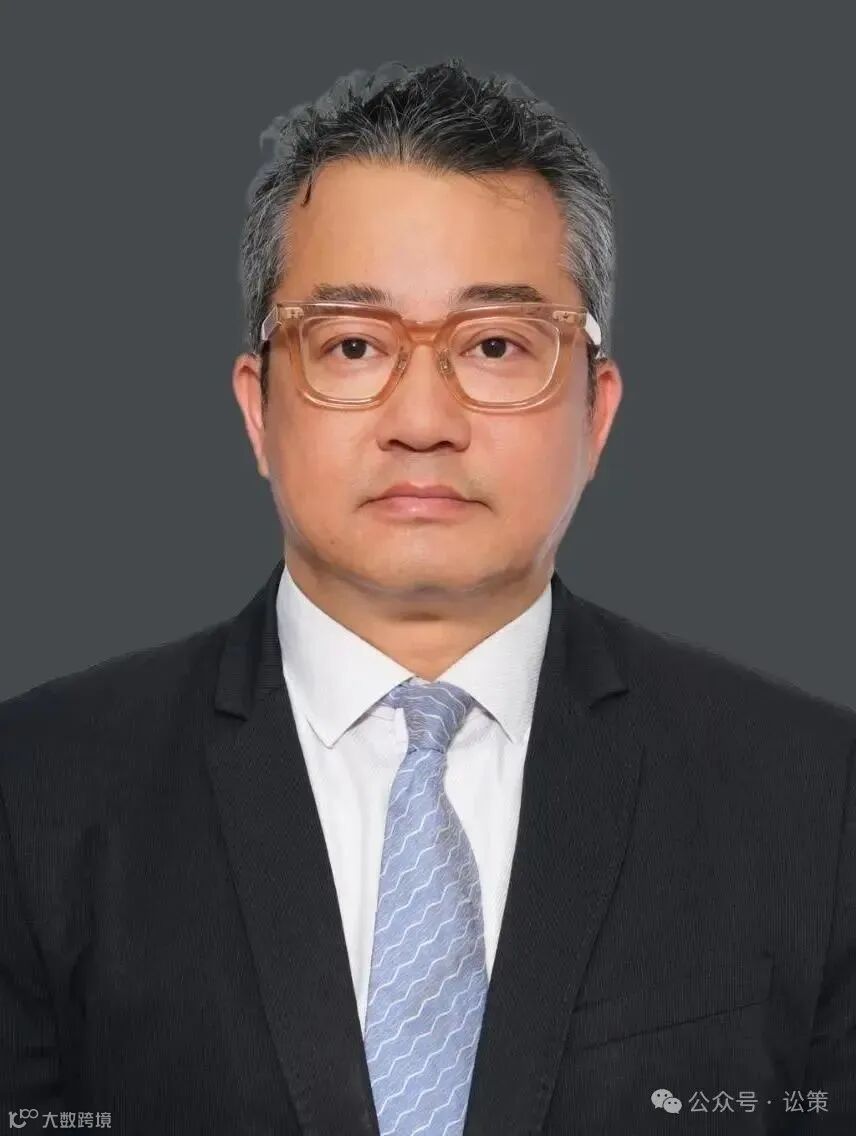
叶嘉麟
华商粤港澳大湾区律师
执业领域:商事诉讼与仲裁;资本市场争议解决;互认与强制执行;公司治理与合规;知识产权;公司法;公司股权架构。
叶嘉栋
香港律师
主要执业领域:刑事辩护;商事诉讼;证券合规与监管博弈。

戴春叶
华商律师事务所律师助理

王可
华商律师事务所律师助理
业务领域:商事诉讼与仲裁;资本市场争议解决;互认与强制执行;公司治理与合规;知识产权;公司法;公司股权架构。
福田律工委秘书处编辑发布
fulvshuofa@126.com
欢迎来稿!
fulvshuofa@126.com
欢迎来稿!