


Please scroll down for English version
咨询公司Samil PwC在进行独立分析后得出调查结论——如果仁川国际机场对新罗免税店(The Shilla Duty Free)和新世界免税店(Shinsegae Duty Free)目前持有的1号和2号航站楼免税特许经营权进行重新招标,租金费用可能会比目前水平低40%左右。
据早前报道,仁川国际机场公司(Incheon International Airport Corporation)拒绝将这两家零售商在两个航站楼的香化和烟酒合同费用降低40%,从而陷入激烈争执。
“最近旅客数量有所回升,但真正在消费的游客却少了很多,”韩国《中央日报》记者Kim Kyung-Mi在总结这场争执时写道。“主要运营商因不堪高昂租金负担,要求机场运营商降低租赁费用——但达成协议的可能性不大。业内观察人士表示,免税业务模式需要彻底改革,以适应不断变化的旅游模式。”
尽管面临约2000亿韩元(按当前汇率计算为1.44亿美元)的巨额终止合同罚款,两家公司仍威胁称,如谈判失败,他们将终止特许权。
利益冲突?
由于与仁川国际机场公司的谈判未能取得进展,新罗和新世界免税店随后向仁川地方法院提出仲裁请求。据韩国媒体先前报道,法院在初审中委任咨询公司Samil PwC评估“公平市场租金水平”。
然而,上周此事件发生了令人震惊的进展。仁川国际机场公司坚称,Samil PwC提供的报告是由两家零售商单独委托撰写的(《穆迪达维特免税报告》正在就此寻求进一步澄清),而非受法院委任。由于该咨询公司此前曾为仁川国际机场公司的招标项目提供咨询服务,因此可能存在利益冲突。
韩国《仁川日报》对此进行了独家报道。
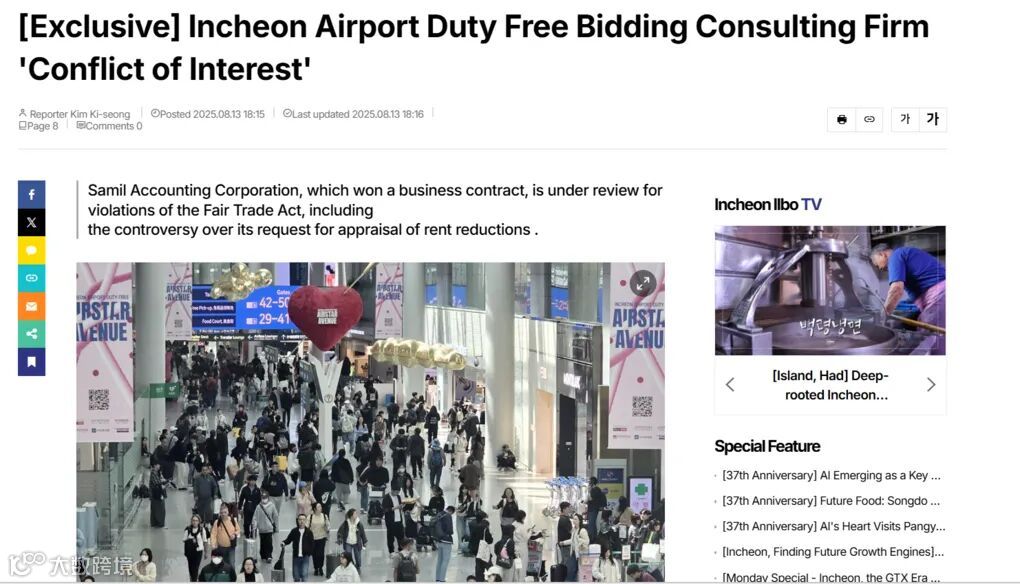
《仁川日报》的独家报道指出,Samil PwC公司在向两家零售商提供建议时可能存在利益冲突
第二次听证会原定于8 月 14 日举行,但已推迟至 8 月 28 日。仁川国际机场公司本月早些时候向《穆达》确认,不会参加此次听证会。
“最初的招标书中已经明确列出了租金结构,两家零售商都同意了这些条款,”一位公司发言人向我们表示,这与此前韩媒《每日经济新闻》在其报道中做出的评论如出一辙。
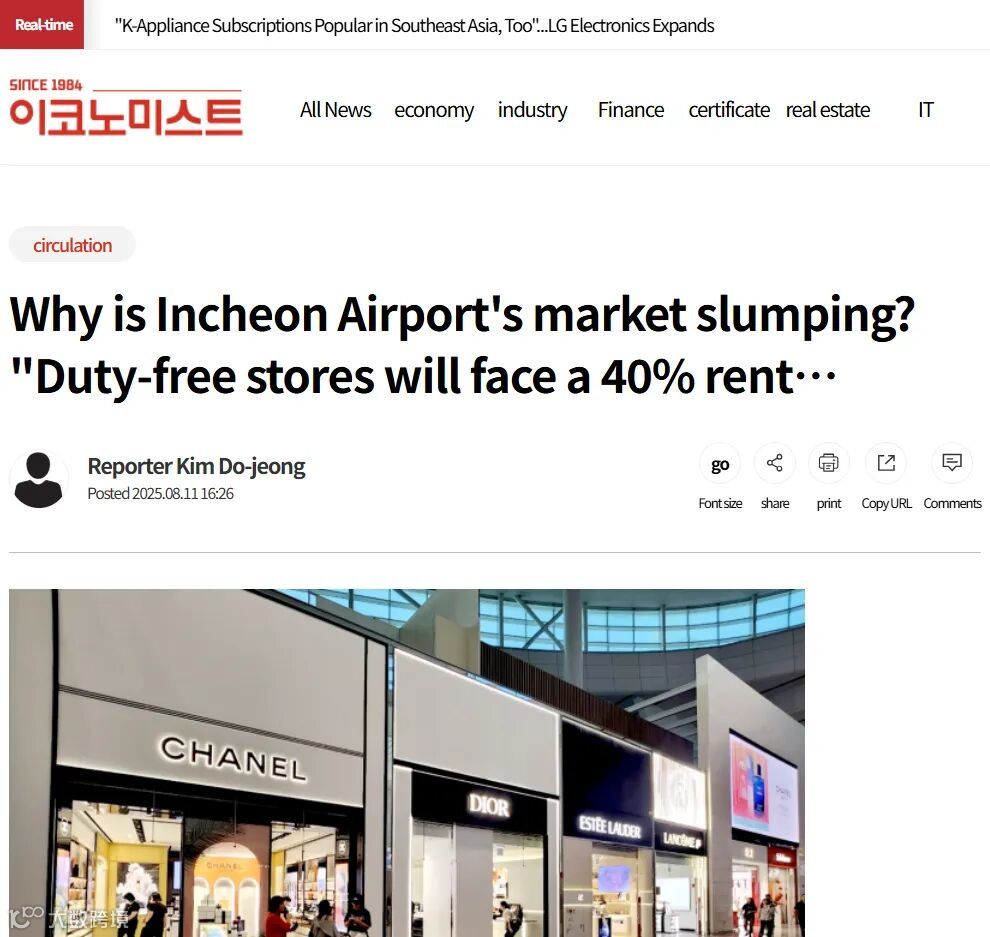
该事件在韩国引发广泛关注
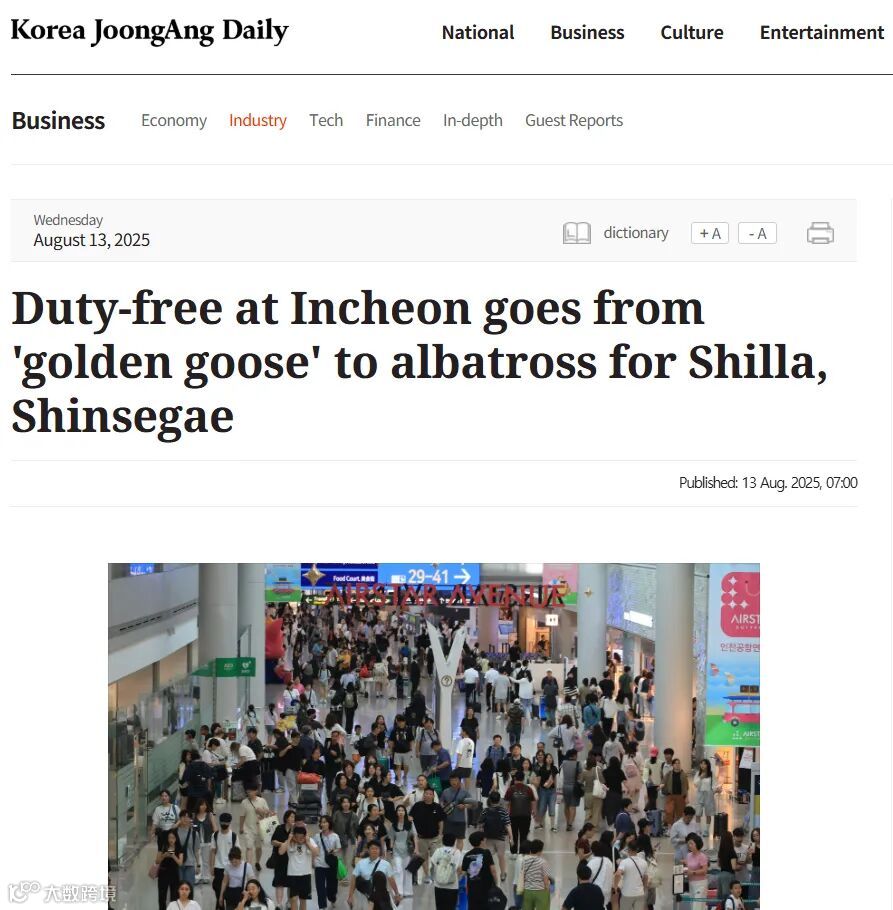
《韩国中央日报》报道标题为“对于新罗和新世界免税,仁川机场免税业务从‘金蛋’变成烫手山芋”,精准概括了韩国免税行业的巨大变革
仁川国际机场公司表示,参与任何由法院主导的仲裁都可能引发“法律纠纷”,并指出只有在国家合同及租赁法规定的某些条件下才允许降低租金。
乐天免税店不仅在2023年以谨慎态度竞标(见下表),而且早在2018年7月31日就退出了仁川1号航站楼美妆、时装和皮革制品的合同,理由是2017年“萨德”问题导致中国游客数量急剧下降后,租金上涨带来的负担。最终,乐天被迫支付高达1830亿韩元(约合1.33亿美元)的巨额罚款,新世界免税店随后接手了这些合同。
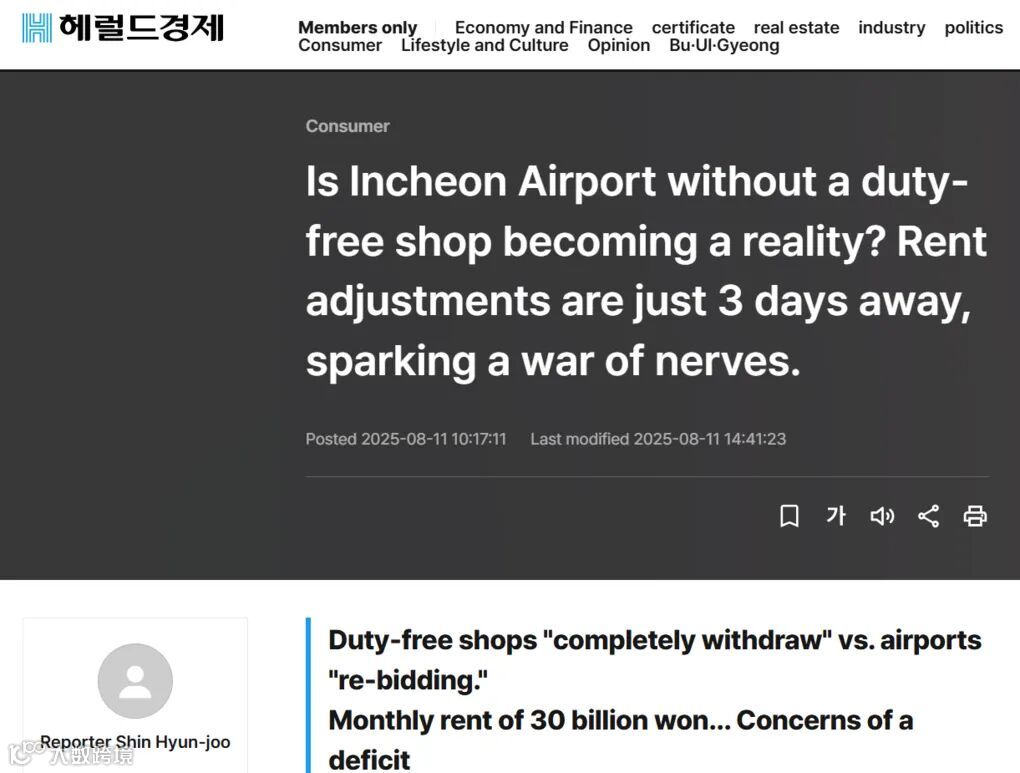
《韩国先驱报》标题问道:“仁川是否真的会成为一个
没有免税店的机场?”
报告要点
《穆达》对Samil PwC 报告进行了审阅,并总结出以下要点:
(一)就DF1和 DF2这两大争议中的免税项目而言,重新竞标后的成功报价预计将比当前费用低 40% 左右。该估算已考虑进当前预计的出境旅客数量和旅客平均消费*。
由于销售额增长率 (+4.5%) 超过消费者物价指数 (+1.5-1.8%),预计扣除租金前的营业利润将在整个期间持续增长。然而,如果考虑到租金,预计亏损将增加。
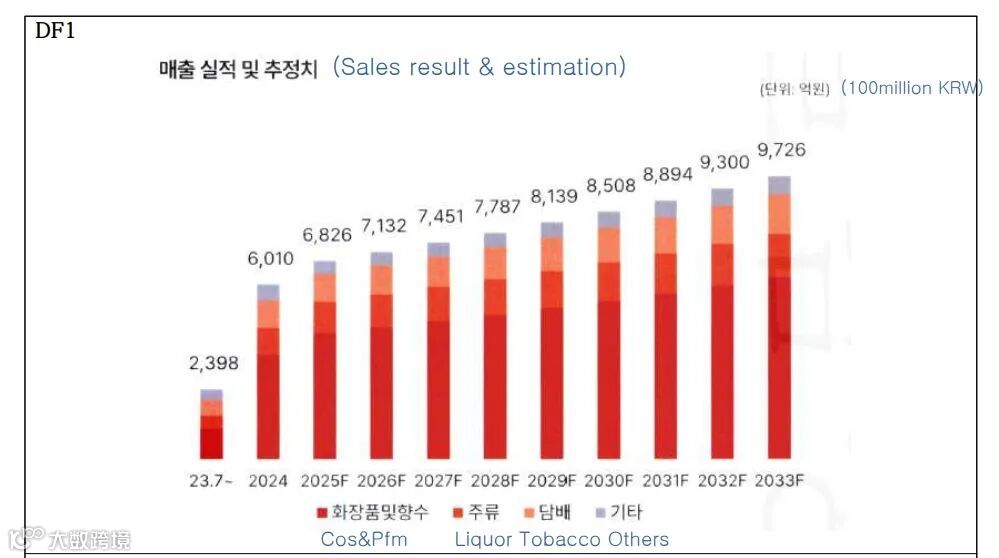
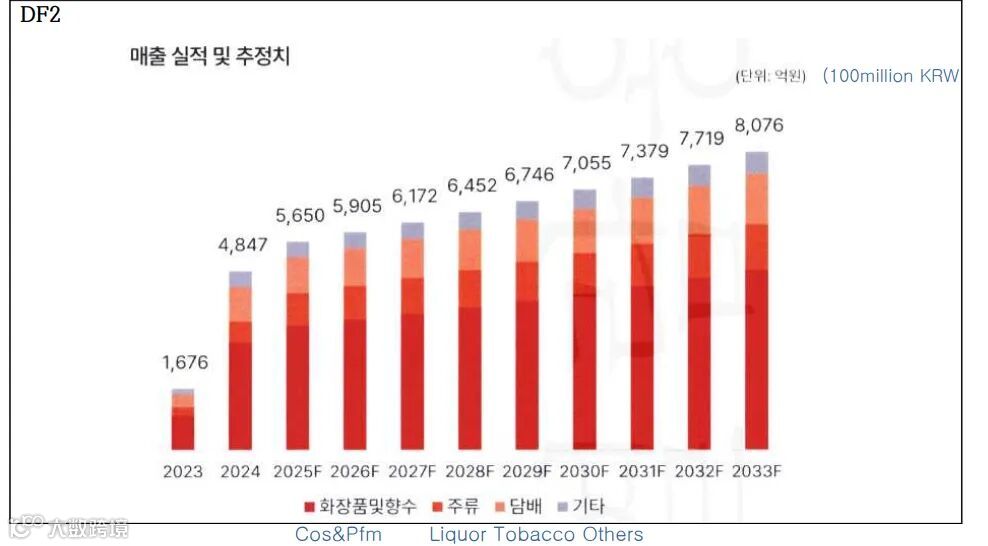
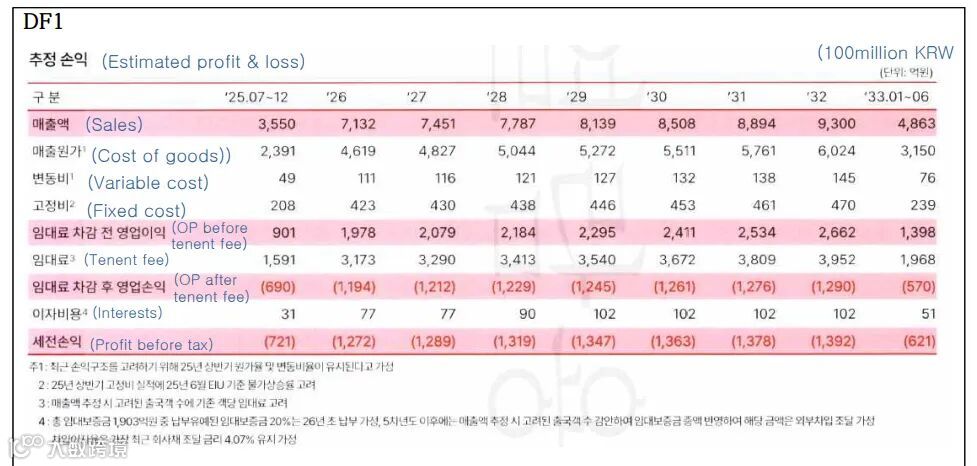
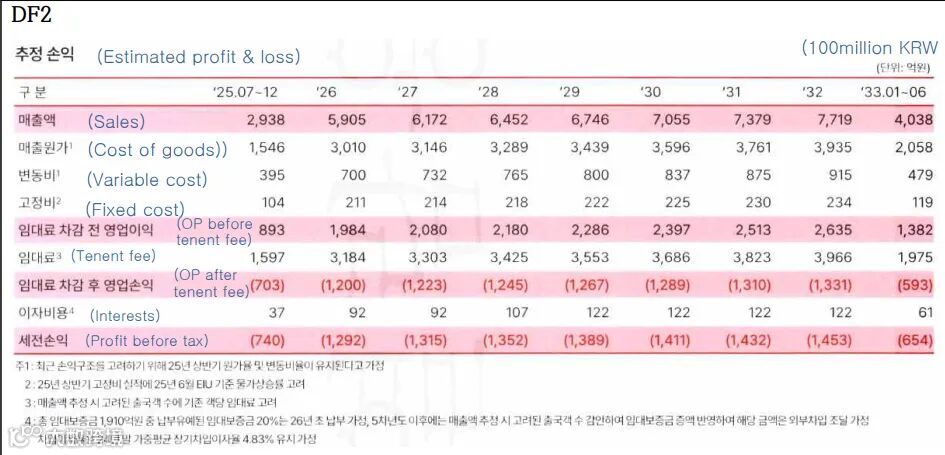
根据目标收入标准估算的重新招标租金水平:DF1 租金水平估计为当前租金的 52-66%;DF2 租金水平估计为当前租金的 52-69%。(即使有一家或多家免税零售商积极竞标,此类估算也比当前租金下降了约 40%。)
*旅客平均消费 = 销售额 ÷ 出境旅客人数
(二)本国及国际免税运营商均已看到了仁川机场DF1和DF2产品平均单价下降的趋势及背后原因。因此,零售商对未来平均单价上涨的前景没有信心,从而不太可能会基于这种假设而激进投标。如果根据当前可用的客流量预测、当前平均单价以及DF1和DF2的成本结构进行重新招标,预计竞标方的投标价格将比当前水平下降约40%。
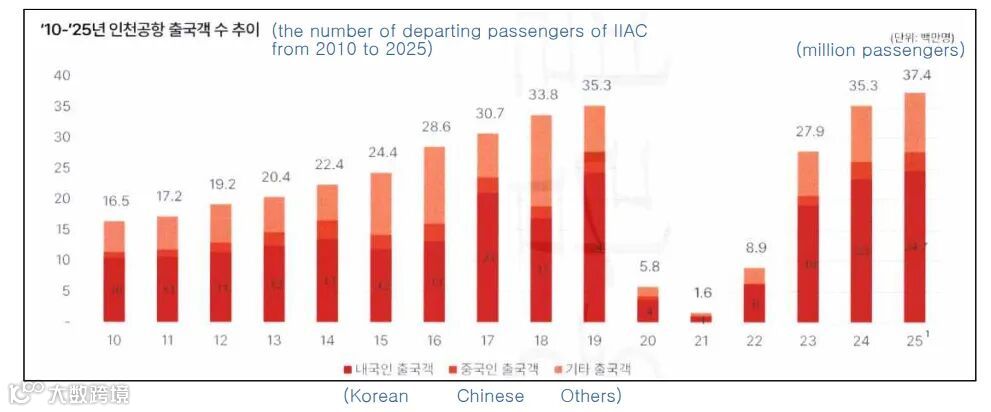
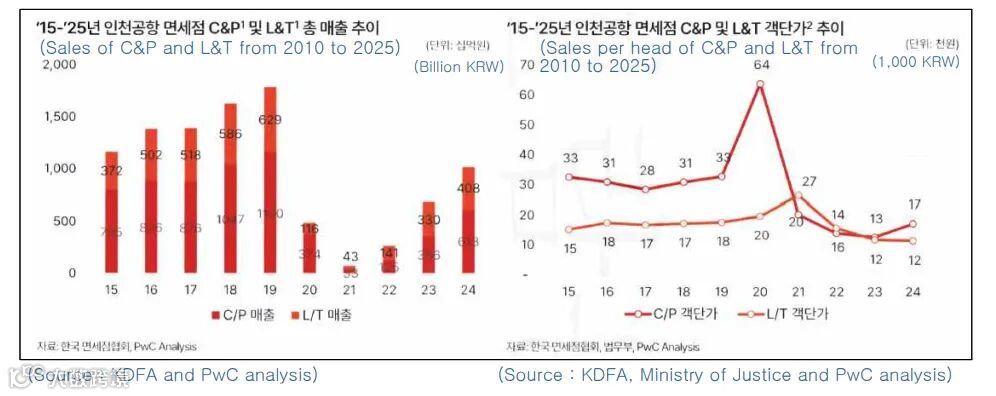
DF1和DF2的租金计算方法是将出境旅客人数乘以旅客人均租金费。2024年出境旅客人数已恢复至疫情前水平,预计2025年将继续增长。随着航空业有望继续增长,免税店承担的租金费用预计将随之上涨。
尽管出境旅客数量有所回升,但仁川机场免税店,尤其是DF1和DF2的销售额与疫情爆发前的水平相比,却出现了明显下滑。虽然时尚、配饰和奢侈品等其他类别的销售额已恢复到2019年的水平并呈现增长态势,但DF1和DF2的商品销售额远不及2019年的水平——香化销售额仍保持在53%左右,烟酒销售额则约为65%。
(三)DF1和DF2销售额下降的原因:以往,中国消费者是韩国免税市场高速增长的主力军。但随着这个人群的消费模式正向着实用性和体验性转变,免税店消费的占比大幅下降
具体来看,免税店销售额占中国游客总销售额的比例从2019年的63.1%大幅下降至现今的35.9%。
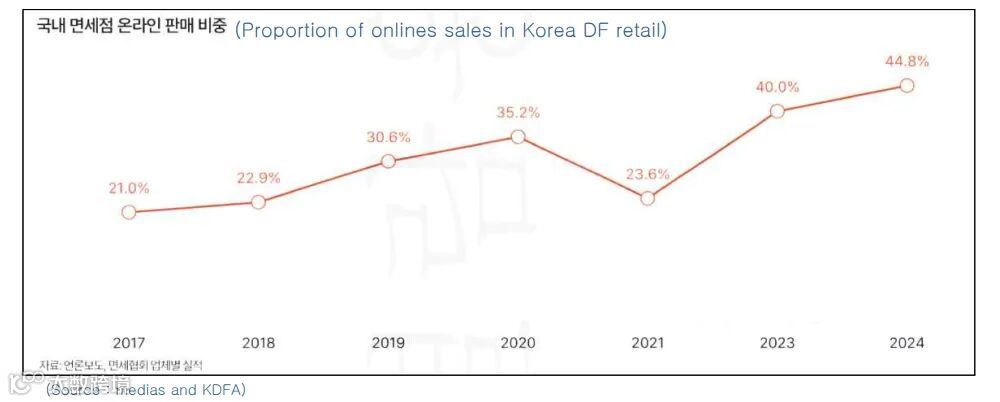
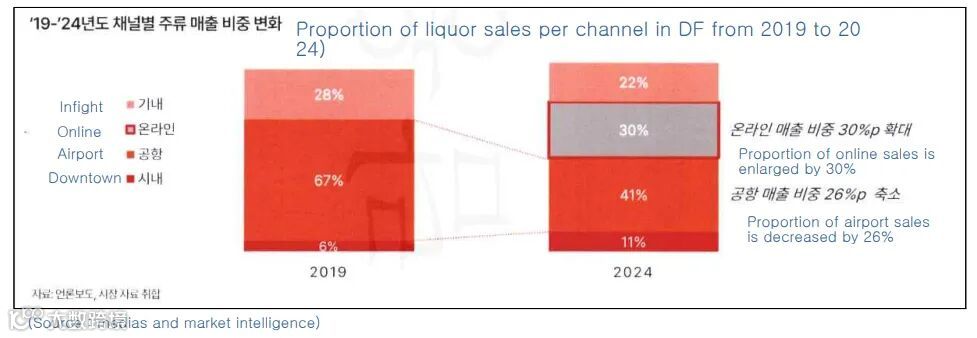
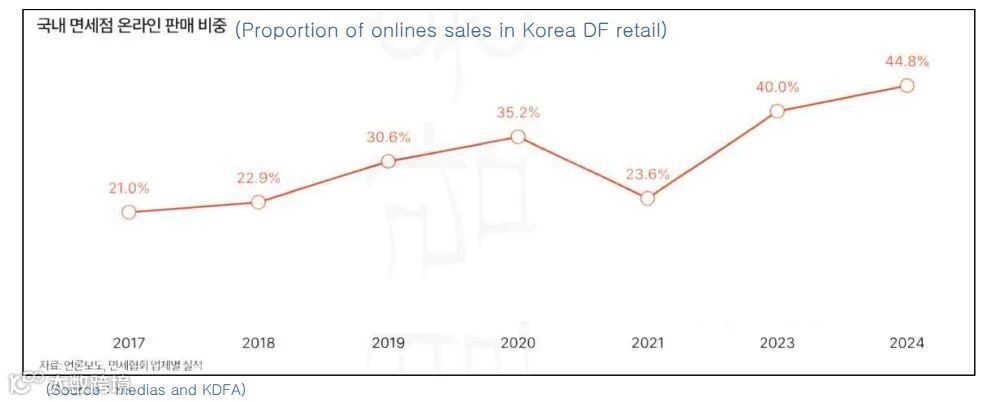
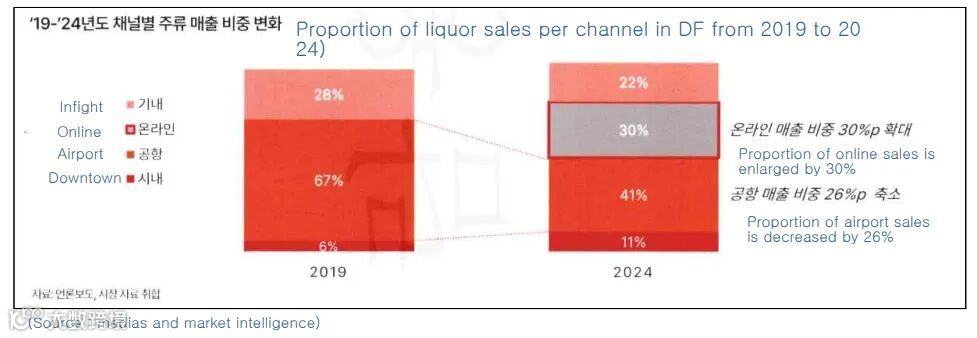
2023年7月,韩国国家税务局推出线上免税酒类销售服务,导致酒类零售渠道碎片化,对仁川机场的免税酒类销售产生了负面影响。自这一举措推出以来,现有机场免税店的顾客纷纷转向机上和市区的线上酒类销售渠道,从而严重影响了机场酒类产品的销售。
尤其是机上免税酒类销售额,从2019年的每月87亿韩元(约合630万美元)到2024年的153亿韩元(约合1100万美元),增长了76%。机上消费带来的便利性吸引了大量以往机场免税的顾客。
此外,为了与固定成本较低的线上渠道的折扣销售向抗衡,仁川机场免税店运营商纷纷展开价格战,使得利润削减进一步恶化。
Samil PwC study says Incheon Airport duty-free rebid would result in -40% drop in rents
An independent analysis by advisory firm Samil PwC has concluded that if the T1 and T2 duty-free concessions held by The Shilla Duty Free and Shinsegae Duty Free at Incheon International Airport are rebid, fees offered will likely be around -40% below current levels.
As reported, the two retailers are in a bitter row with Incheon International Airport Corporation (IIAC) after the airport company’s refusal to agree to -40% fee reductions relating to their Terminal 1 and Terminal 2 cosmetics, perfume, liquor and tobacco contracts.
“Recent passenger numbers have rebounded, but far fewer visitors are actually shopping,” wrote Kim Kyung-Mi in Korea JoonAng Daily in a neat summing up of the dispute. “Major operators, burdened by high rent, have asked the airport operator to cut lease fees – but a deal looks unlikely. Industry watchers say the duty-free business model needs a complete overhaul to reflect changing tourism patterns.”
Despite facing heavy termination penalties of around KRW200 billion (US$144 million at current exchange rates), both companies have threatened to terminate their concessions if negotiations are unsuccessful.
Conflict of interest?
Having failed to make progress with IIAC, they subsequently referred their request to the Incheon District Court. Earlier Korean reports suggested that at the initial hearing the court appointed Samil PwC to assess ‘fair market rent levels’.
However, in a bombshell development last week, IIAC insisted the report had been commissioned solely by the two retailers (The Moodie Davitt Report is seeking clarification on this point) prompting a potential conflict of interest because of the firm’s previous advisory work for IIAC on its tenders.
See Incheon Ilbo story below.
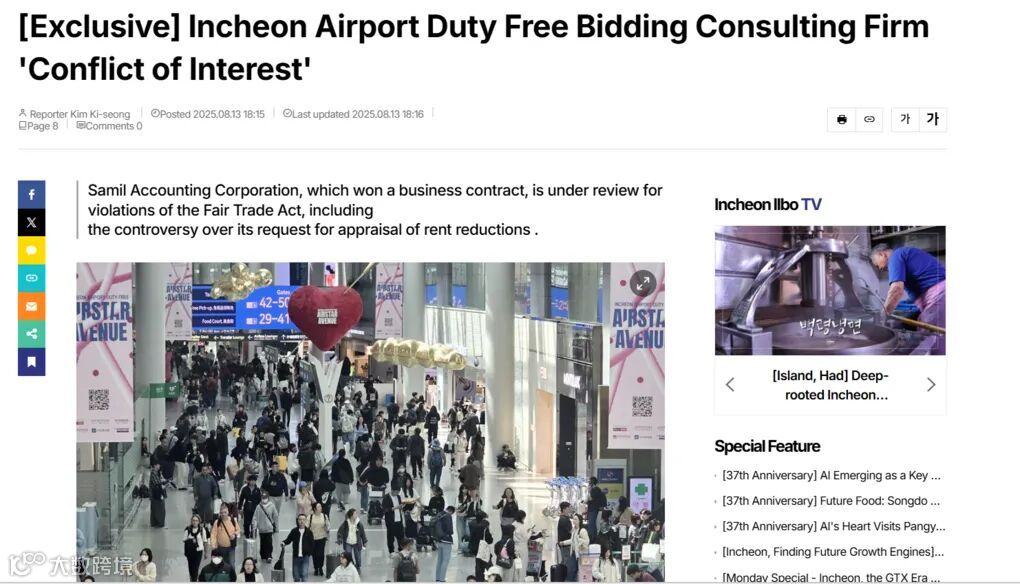
Incheon Ilbo's story suggests Sami may have had a conflict of interest in giving advice to the two retailers
A second hearing was set for 14 August but has been postponed to 28 August. IIAC confirmed earlier this month to The Moodie Davitt Report it will not take participate in that hearing.
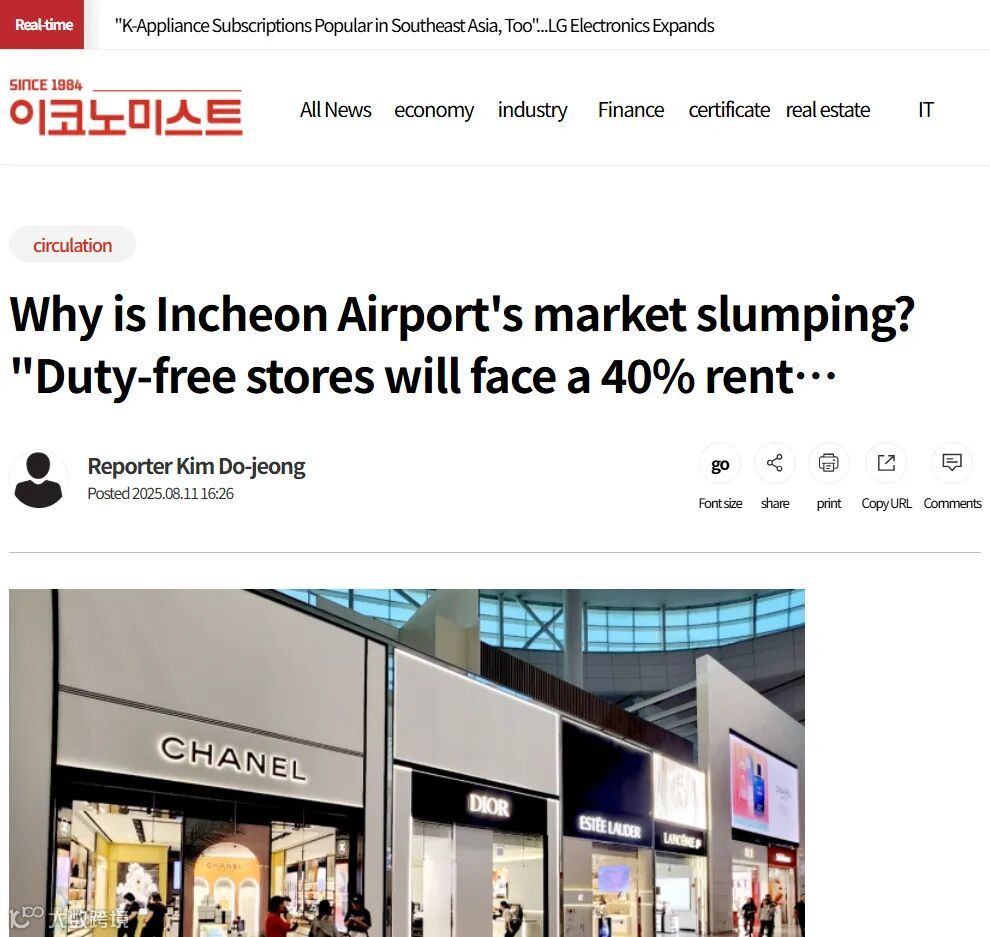
The story is big news in South Korea
“The rent structure was clearly outlined in the original request for proposals, and both retailers agreed to the terms,” a spokesperson confirmed to us late last month, echoing earlier comments made to Maeil Business, the influential Korean media title that broke the story.
Participating in any court-led arbitration could open the door to “legal complications,” IIAC said, noting rent reductions are only permitted under certain conditions set under national contract and lease laws.
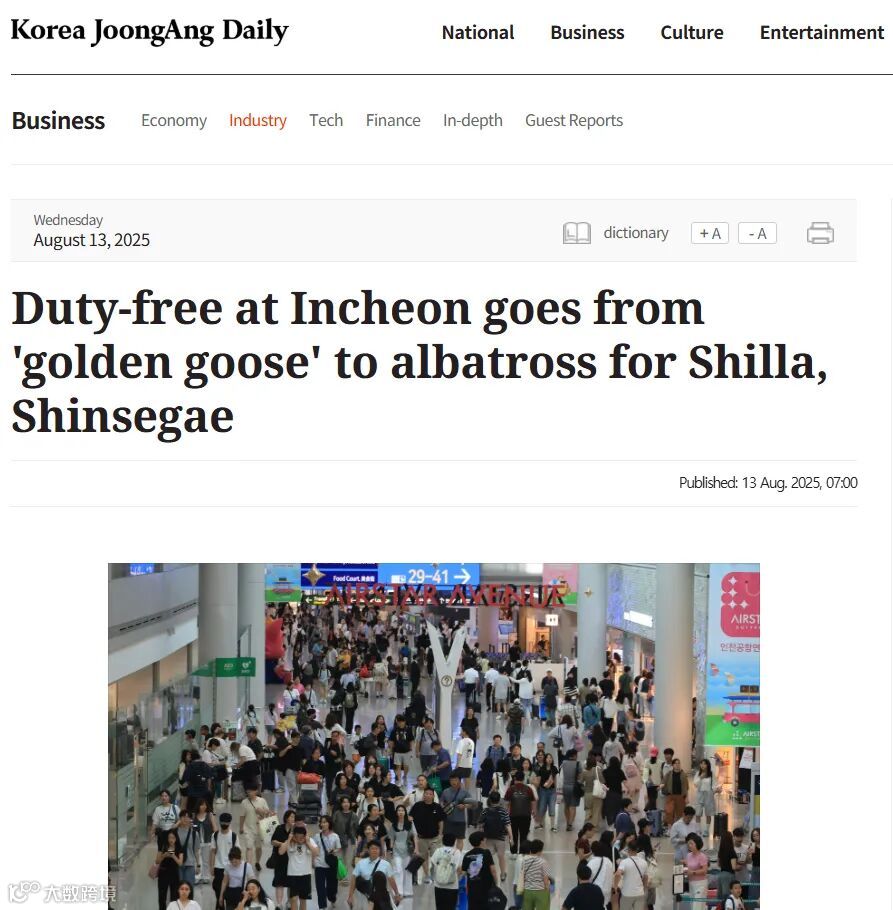
The evocative headline from Korea JoongAng Daily neatly sums up how much has changed in Korean duty free
Even before its cautious 2023 bid (see table), Lotte Duty Free Terminal 1 cosmetics, fashion and leathergoods contracts on 31 July 2018, citing “the burden of rent increases” following the sharp downturn in Chinese tourists in 2017 amid the had already exited its Incheon THAAD dispute. It was forced to pay a whopping KRW183 billion (US$133 million) penalty and was duly replaced by Shinsegae Duty Free.
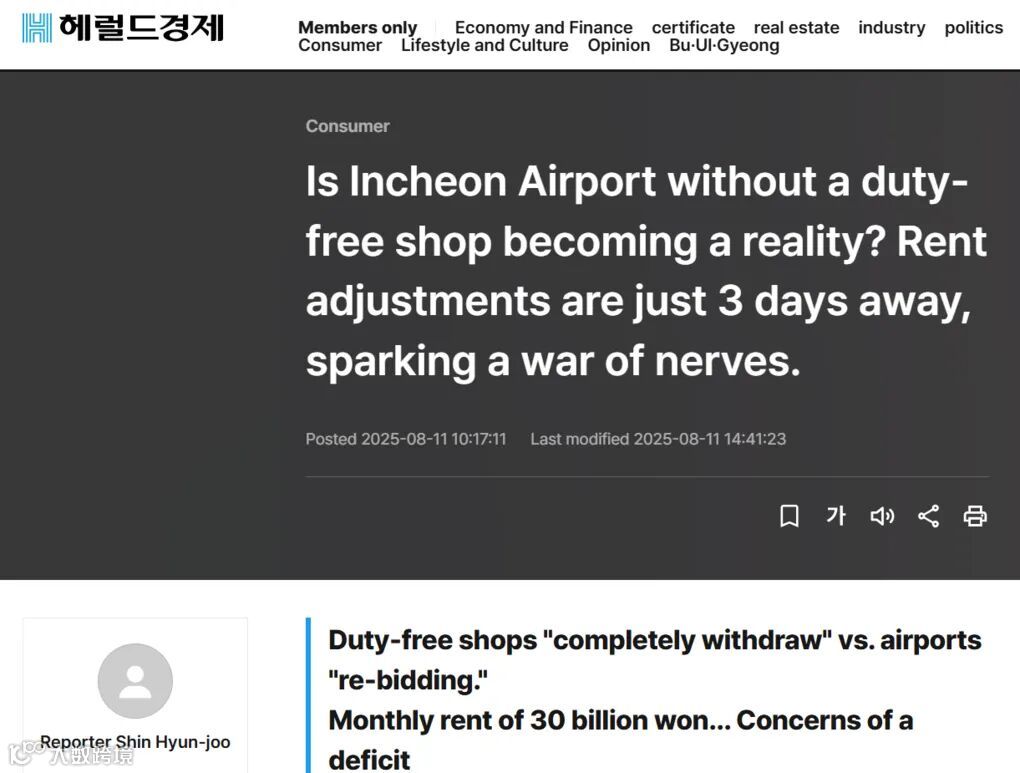
KEY FINDINGS
The Samil PwC report, seen by The Moodie Davitt Report, draws the following conclusions:
1. The successful offer for any DF1 and DF2 rebid is expected to be some -40% below the current fees. Revenue estimates for the disputed area, taking into account the estimated number of outbound passengers and average passenger price* at the current time.
As the sales growth rate (+4.5%) exceeds the consumer price index (+1.5-1.8%), operating profit before rent deductions is expected to continue to increase throughout the period. However, losses are expected to increase when considering rent.
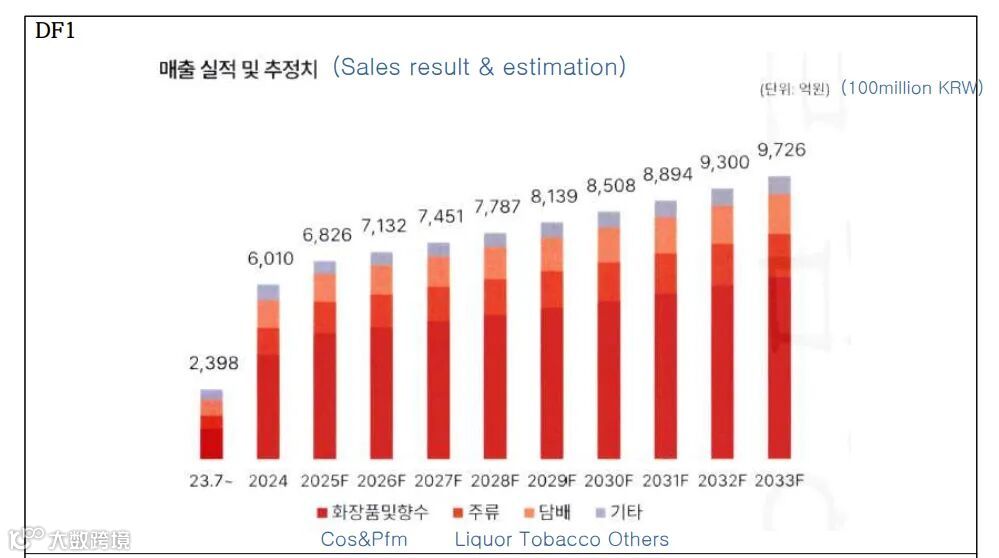
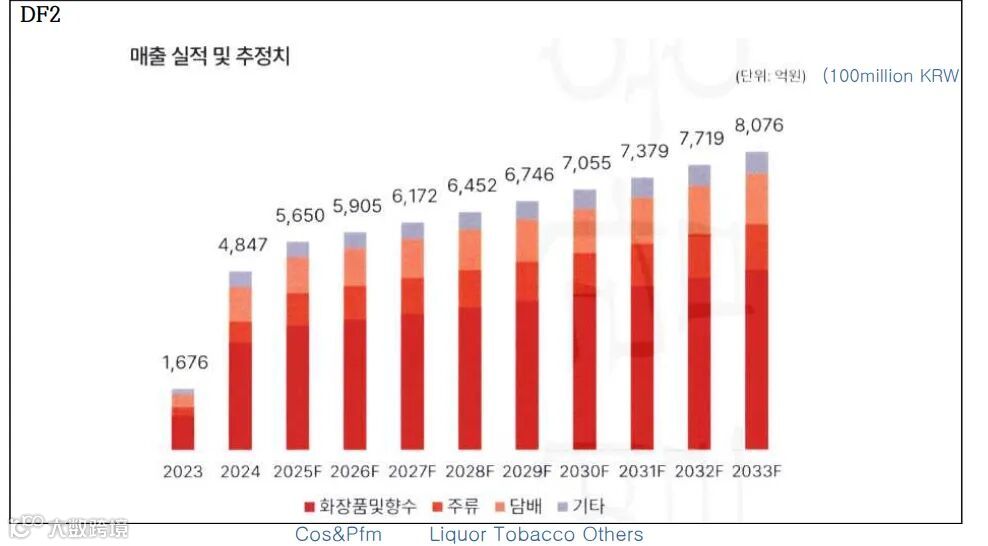
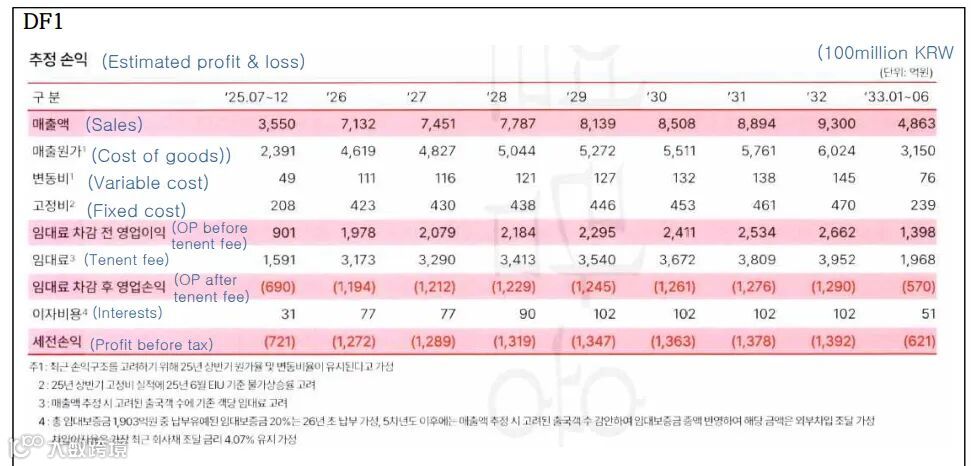
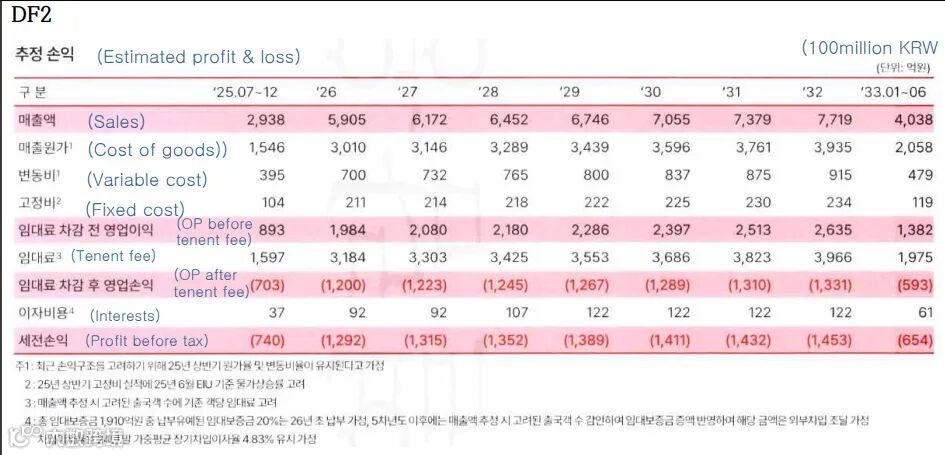
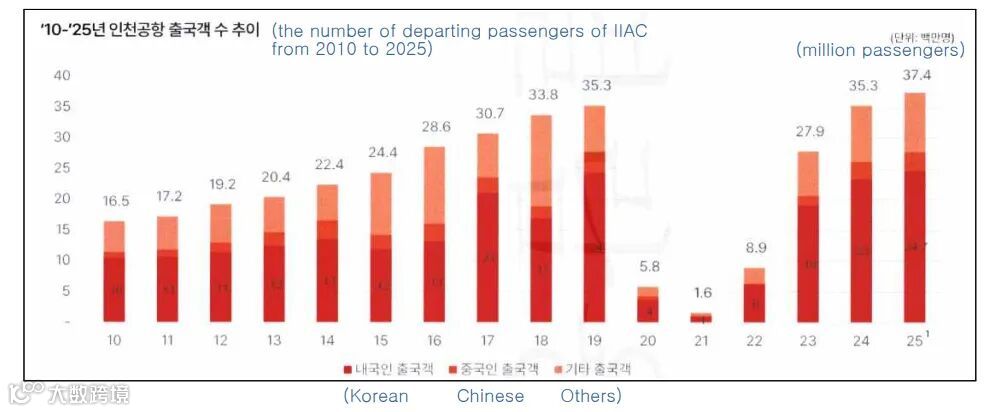
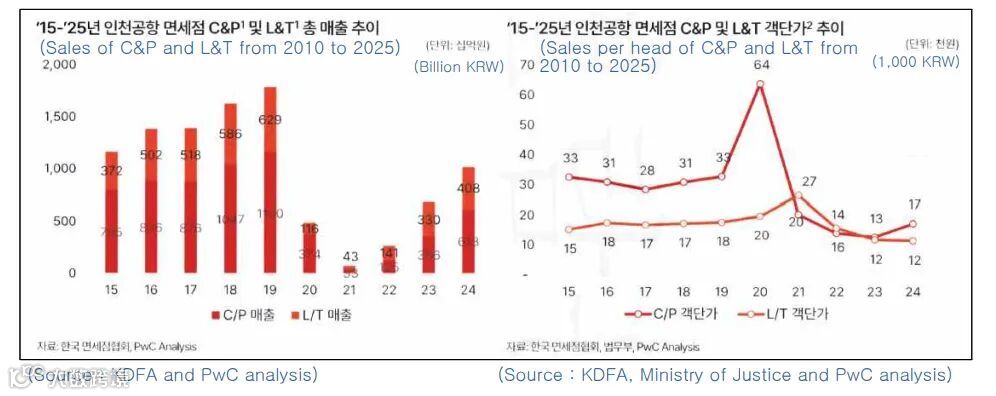
Estimated rent levels for rebidding based on target revenue criteria: DF1 rent levels are estimated at 52-66% of current rents. DF2 rent levels are estimated at 52-69% of current rents. (Even if one or more duty-free retailers bid aggressively, such estimations represent a reduction of approximately -40% compared to current rates.)* The average passenger price for each item is calculated through dividing sales by the number of outbound passengers.
* The average passenger price for each item is calculated by dividing sales by the number of outbound passengers.
2. Korean and international duty-free operators are aware of the declining average unit price trend and its causes for Incheon Airport’s DF1 and 2 products. Therefore, it is unlikely that aggressive bids based on the assumption of future increases in average unit price will be feasible. Therefore, if any rebidding is conducted based on the current available passenger volume forecast, the current average unit price and the company’s DF1 and 2 cost structure, bid prices are expected to drop by approximately -40% from current levels.
The rental fees for DF1 and DF2 are calculated by multiplying the number of departing passengers by the per-passenger rental fee. The number of departing passengers recovered to pre-COVID-19 levels in 2024 and is expected to continue increasing in 2025. With the aviation industry also expected to continue growing, the rental fees borne by duty-free shops are expected to continue to rise.
Despite the recovery in the number of outbound passengers, sales at Incheon Airport duty-free shops, especially those in DF1 and 2, are showing a clear decline compared to pre-COVID-19 levels. While sales of other items, such as fashion, accessories and luxury boutiques, have recovered to 2019 levels and are showing growth, sales of DF1 and 2 items have decreased significantly compared to 2019, remaining at around 53% for cosmetics and perfumes and around 65% for alcohol and tobacco.
3. Reasons for decrease in DF1 and 2 sales: The proportion of consumption at duty-free shops is decreasing significantly as the consumption pattern of Chinese people, which contributed to the high growth of the duty-free market in the past, is changing to a practical and experiential pattern.
Specifically, the proportion of duty-free shop sales among total sales to Chinese tourists fell significantly from 63.1% in 2019 to 35.9%.
The July 2023 introduction of online duty-free liquor sales has fragmented liquor retail channels, negatively impacting Incheon Airport duty-free sales. Since the National Tax Service introduced the change customers from existing airport duty-free shops have shifted to inflight and downtown online liquor channels, significantly eroding airport spirits and wine sales.
In particular, inflight duty-free liquor sales increased +76% from KRW8.7 billion (US$6.3 million) per month in 2019 to KRW15.3 billion (US$11 million) in 2024. This appears to be the result of the increased convenience, which has attracted a significant portion of existing airport duty-free shop customers.
Furthermore, Incheon Airport duty-free operators are engaging in price competition to compete with discount sales from online channels with lower fixed costs, resulting in increased margin losses.

关注《穆迪达维特免税报告》
掌握中国及全球免税和旅游零售行业最新资讯
如需咨询,请发送信息至Penelope@MoodieDavittReport.com