

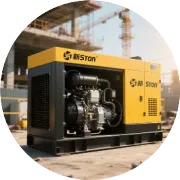
If you’ve ever wondered what keeps hospitals, data centers, or construction sites running during a power outage, the answer often lies in diesel generator sets. These workhorses turn fuel into electricity reliably—but how exactly do they do that? Let’s break down their core working principle in 4 easy steps.
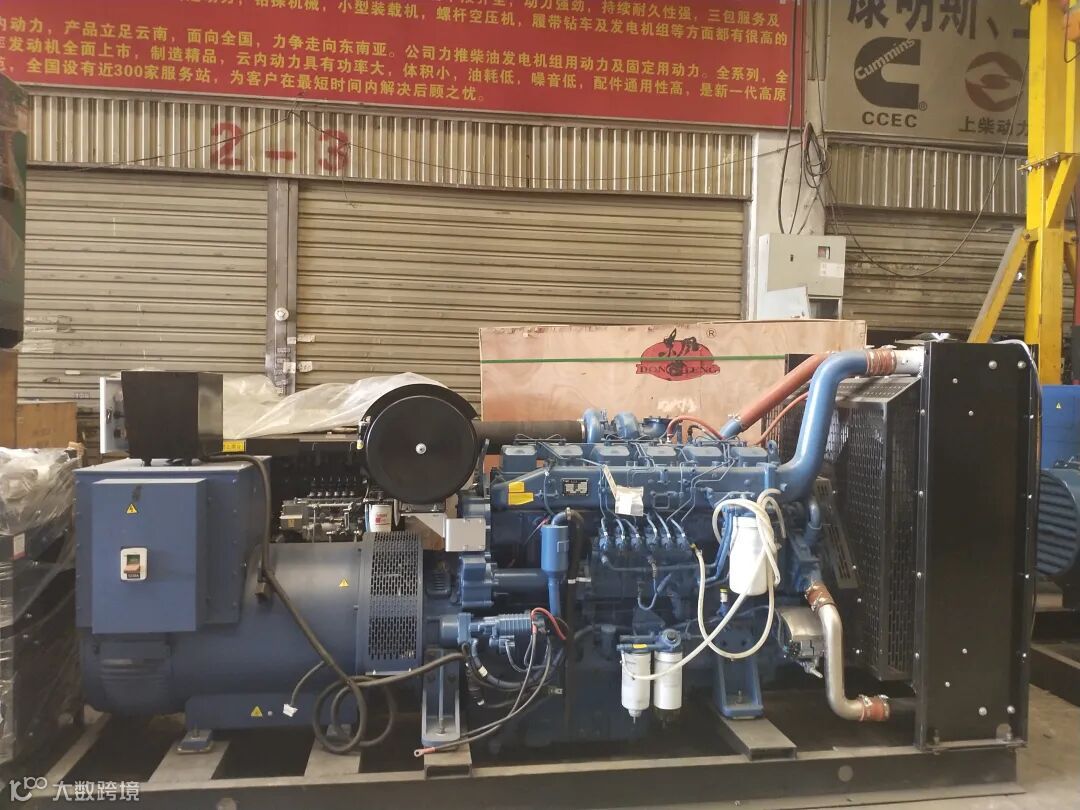
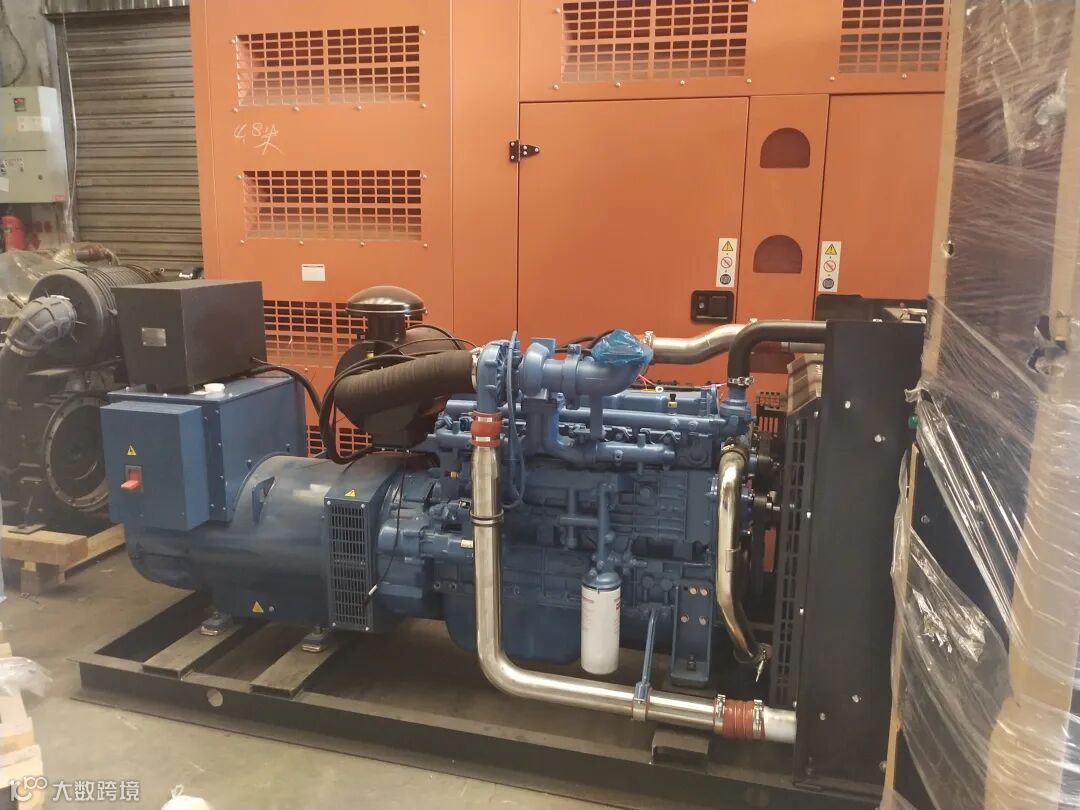
1. Fuel Combustion: The "Power Start"
First, the generator’s diesel engine needs fuel to create energy. Here’s what happens:
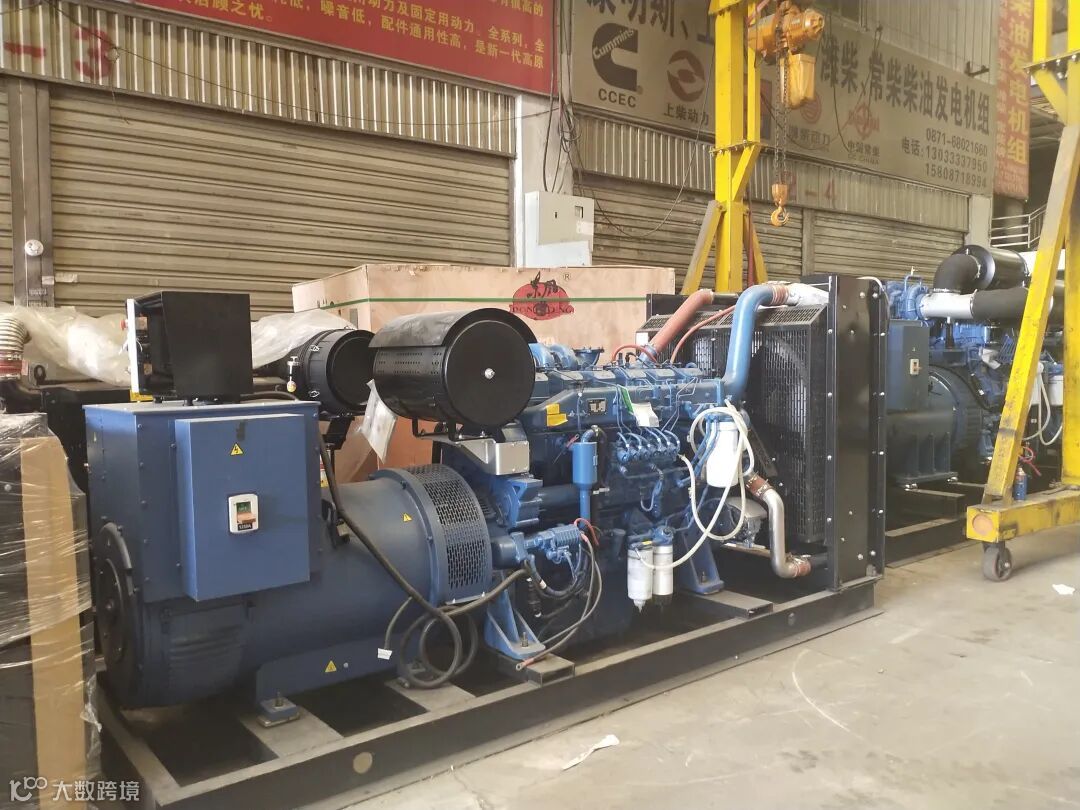
Diesel fuel is injected into the engine’s combustion chamber, where it mixes with compressed air.
Unlike gasoline engines, diesel engines don’t use spark plugs. Instead, the air in the chamber is compressed so tightly that it heats up to over 500°C (932°F)—hot enough to ignite the diesel fuel on its own.
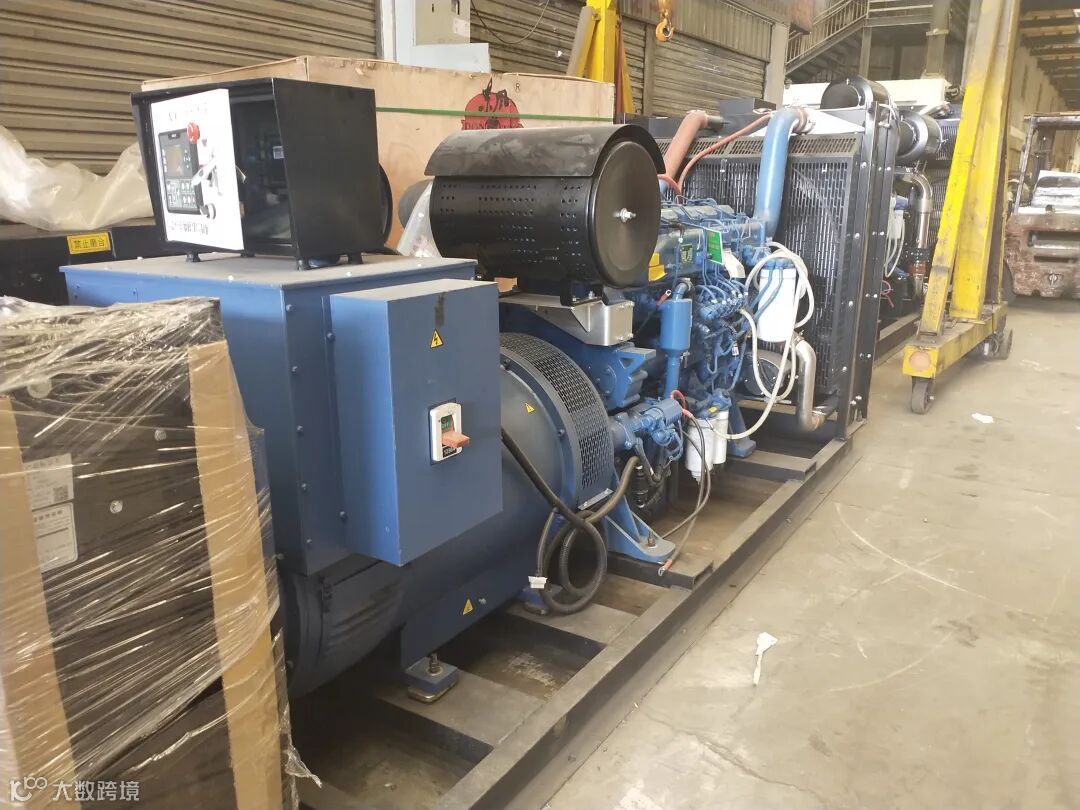
The fuel-air mixture burns rapidly, creating high-pressure gas that pushes the engine’s pistons down. This converts the chemical energy of diesel into mechanical energy (the piston’s movement).
2. Mechanical Energy Transfer: Spinning the Generator
The piston’s up-and-down movement isn’t directly useful for making electricity. So the engine’s crankshaft steps in:
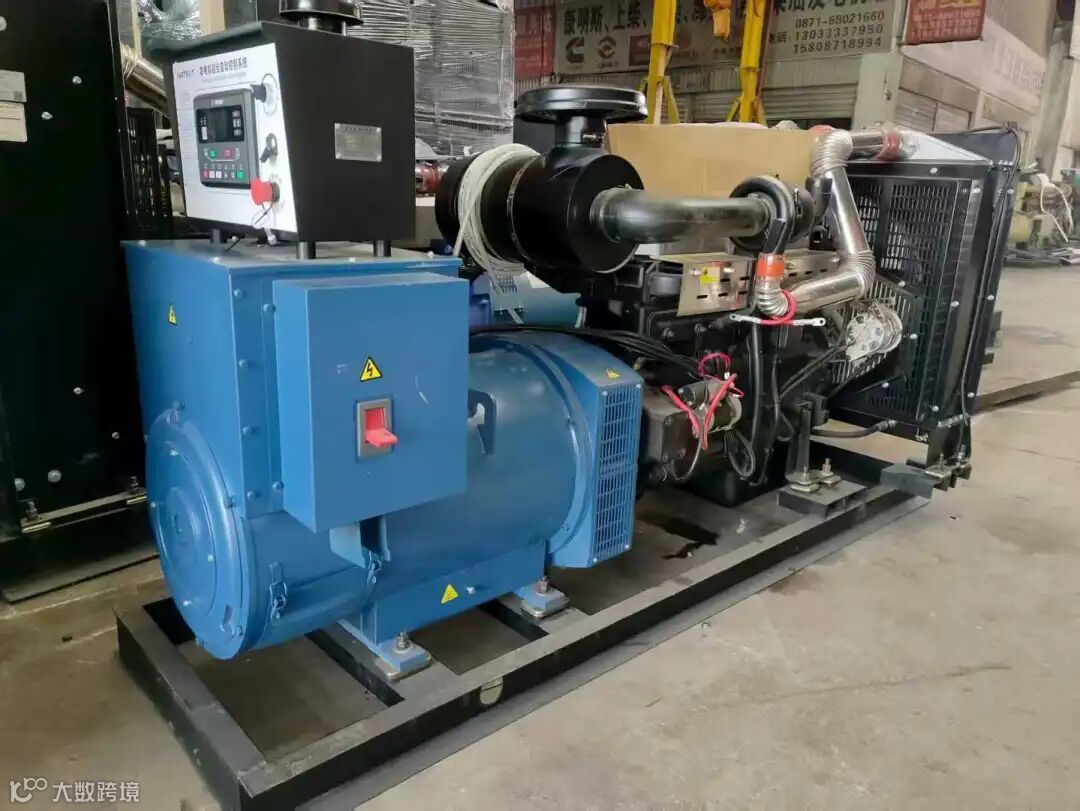
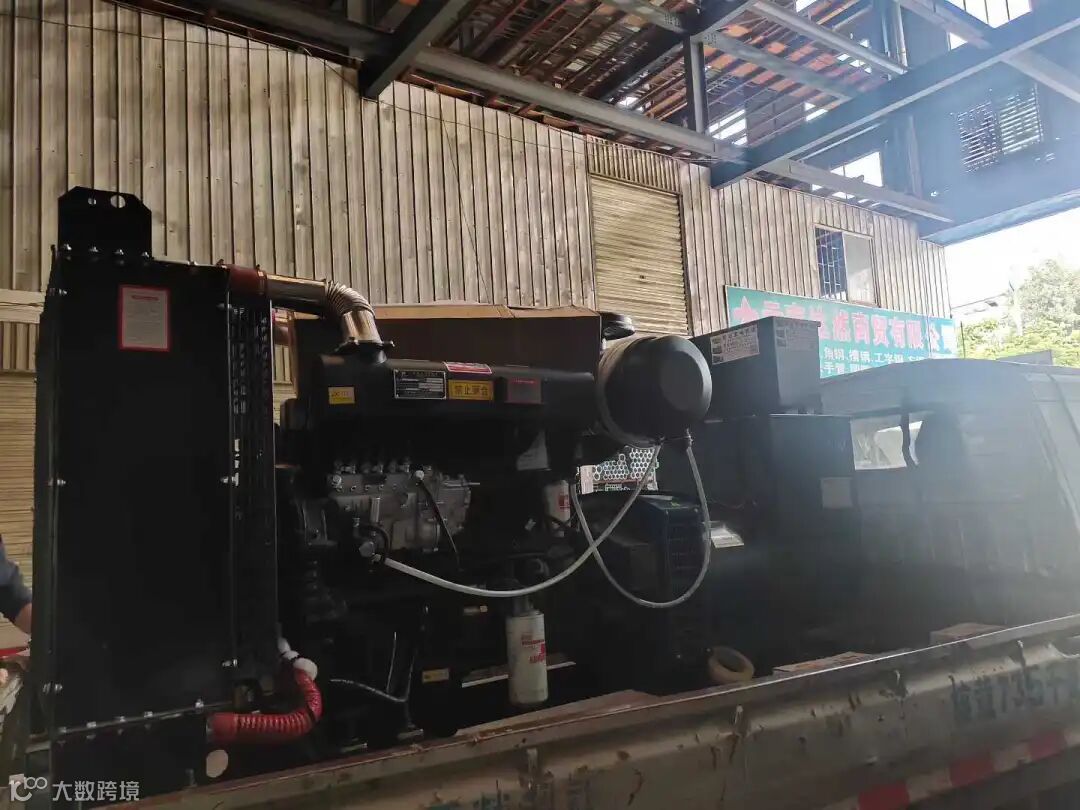
The pistons connect to the crankshaft, which turns their linear (up-down) motion into rotational motion (spinning).
This spinning crankshaft is then connected to the generator’s "rotor" (a moving part inside the generator), making the rotor spin too.
3. Electricity Generation: Using Electromagnetism
Here’s where the magic of electromagnetism happens—this is how spinning becomes electricity:
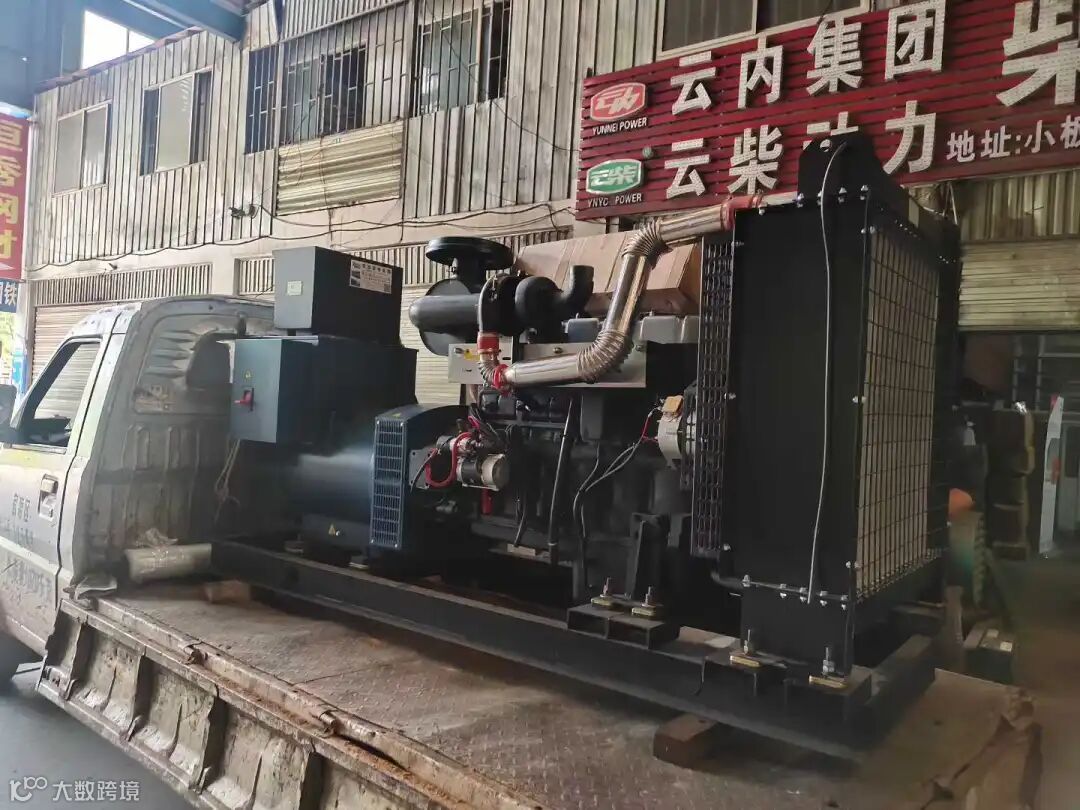
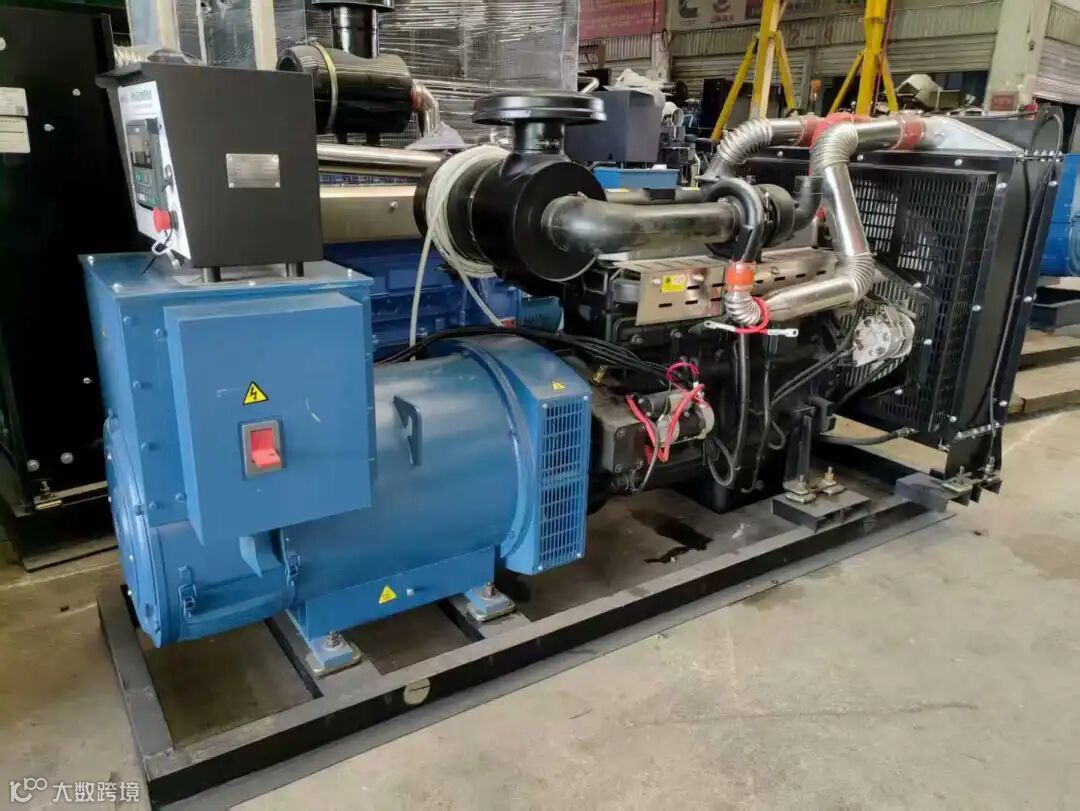
The generator has two key parts: the rotating rotor (which has magnets) and the stationary stator (which has copper wire coils around it).
As the rotor spins, its magnets move past the stator’s copper coils. This movement of magnets creates a "magnetic field change" around the coils.
-
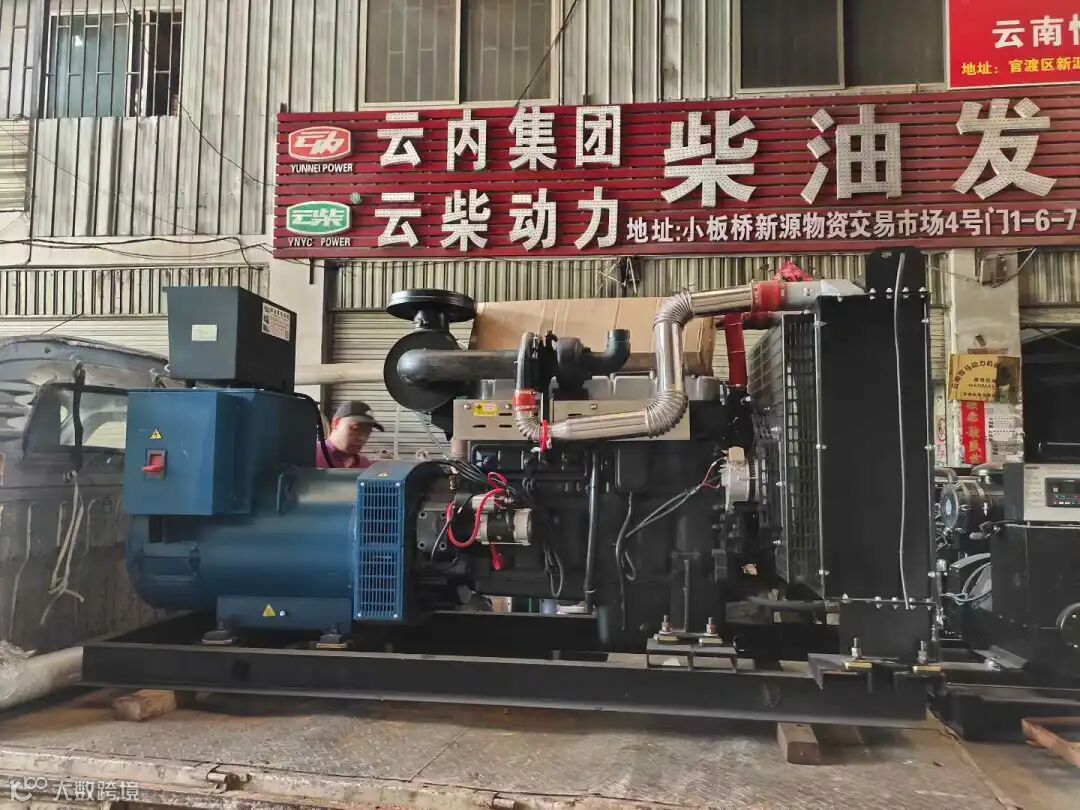
According to a physics rule called Faraday’s Law of Electromagnetic Induction, a changing magnetic field in a wire coil generates an electric current in the wire. That current is the raw electricity the generator produces.
4. Regulation & Supply: Making Electricity Usable
The electricity from the generator isn’t ready to use right away—it needs a little tuning:
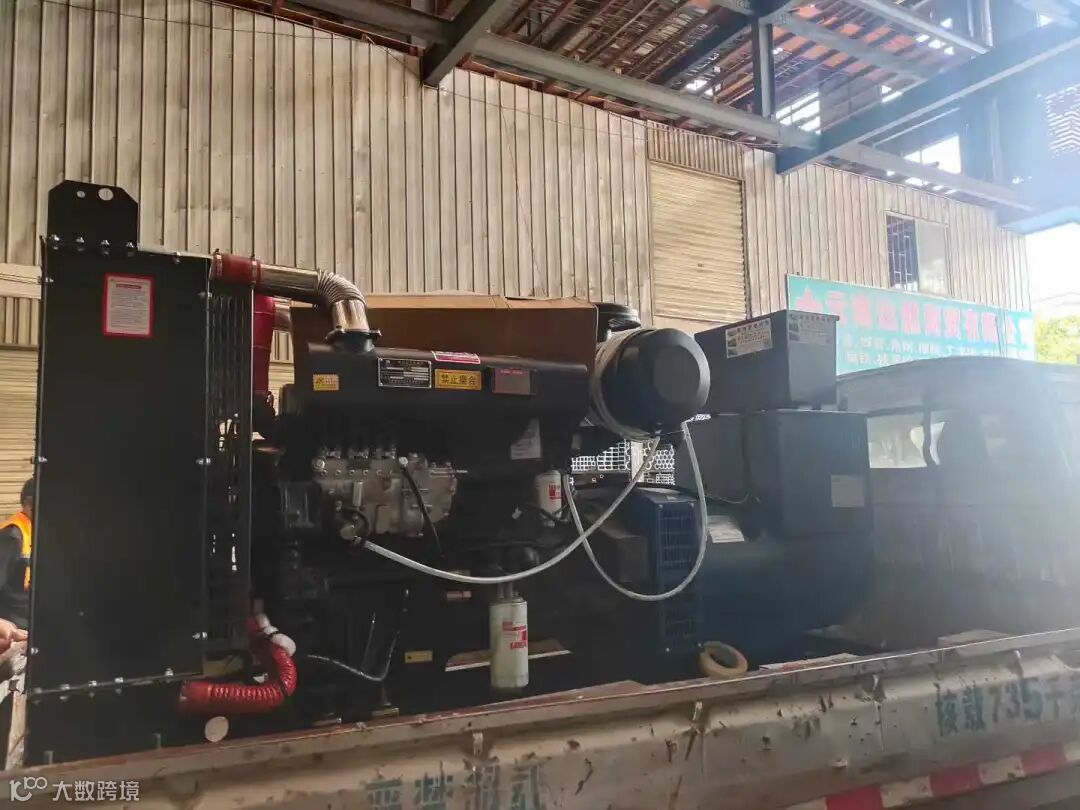
A component called the voltage regulator stabilizes the electric current, ensuring it stays at a consistent voltage (e.g., 220V for homes or 380V for industrial use). This prevents damage to devices plugged in.
Finally, the regulated electricity is sent to a distribution panel, which supplies it to lights, machines, or buildings—keeping everything running smoothly, even when the main power is out.
In Short: The Big Picture
Diesel generator sets follow a clear energy chain:
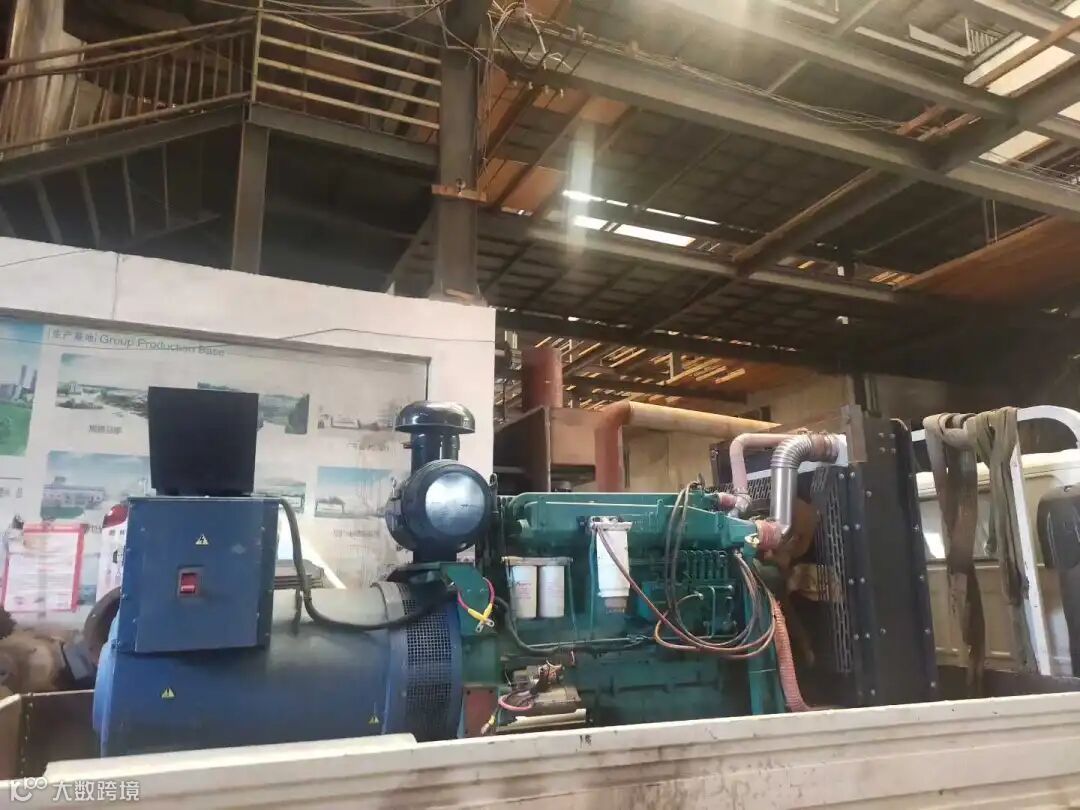
Diesel Fuel (Chemical Energy) → Engine Combustion (Mechanical Energy) → Generator Rotor Spinning (Electromagnetic Energy) → Electricity (Electrical Energy)
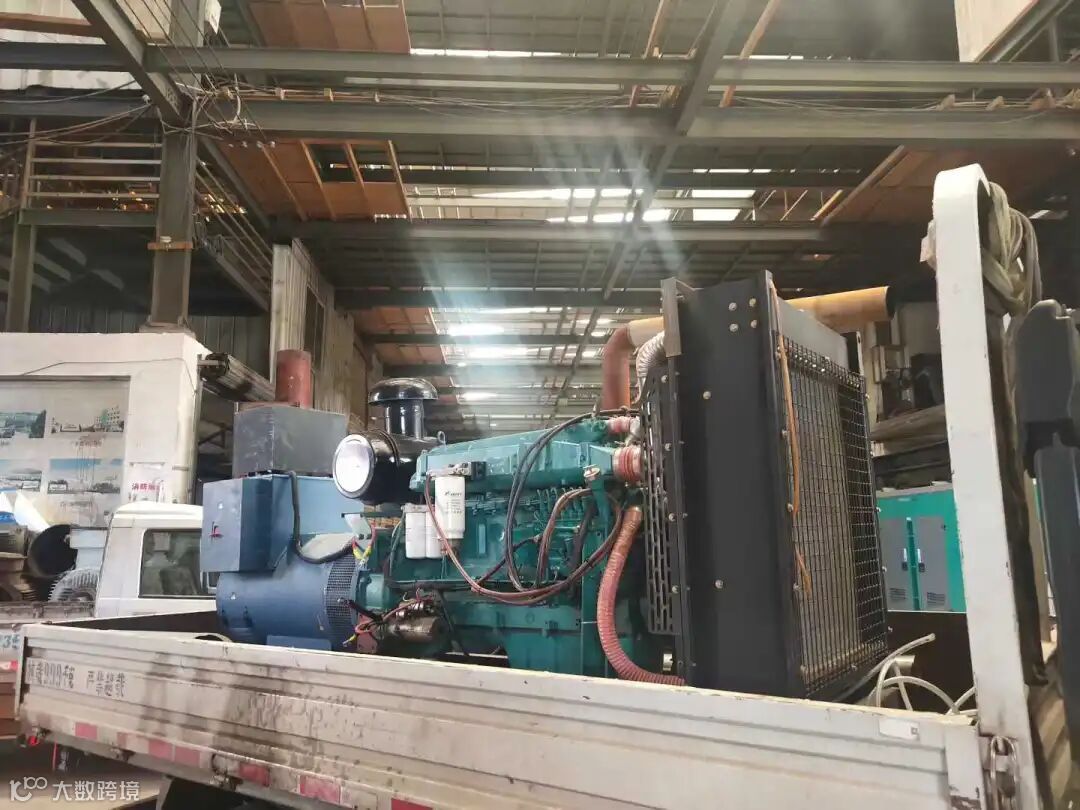
Next time you see a diesel generator, you’ll know exactly what’s happening under the hood! For more tech breakdowns, follow our account—we turn complex machines into simple stories.