
2025年11月21日刊|第6篇,共6篇
Great news for everyone living and working in China—the official public holiday schedule for 2026 is out! Whether you’re planning trips home, booking vacations, or just looking forward to some downtime, this is your go-to guide for next year’s breaks.
Let’s break it down simply: in 2026, employees across China will enjoy a total of 13 days off, after accounting for weekend swaps and extra working days. That’s the same as 2025, but two days more than 2024. So, mark your calendars—it’s time to plan ahead!
What Makes 2026 Special?
The standout this year? The Spring Festival holiday—also known as Chinese New Year—will be the longest ever, stretching over nine full days! Meanwhile, Labor Day offers a solid five-day break, and National Day gives you seven days to explore, relax, or reunite with family.
Here’s the full list of holidays and how they line up:
New Year’s Day:
Jan 1–3 (3 days off)
Make-up workday: Sunday, Jan 4
Spring Festival:
Feb 15–23 (9 days off)
Make-up workdays: Saturday, Feb 14 & Saturday, Feb 28
Qingming Festival:
Apr 4–6 (3 days off)
No make-up workdays
Labor Day:
May 1–5 (5 days off)
Make-up workday: Saturday, May 9
Dragon Boat Festival:
Jun 19–21 (3 days off)
No make-up workdays
Mid-Autumn Festival:
Sep 25–27 (3 days off)
No make-up workdays
National Day:
Oct 1–7 (7 days off)
Make-up workdays: Sunday, Sep 20 & Saturday, Oct 10
How Does the “Holiday Swap” System Work?
If you’re new to China, here’s a quick explainer:
Public holidays often include “adjusted working days”—usually weekends when you’ll work to make up for longer breaks. For example, if a one-day holiday falls on a Tuesday, you might get Monday off to create a long weekend—but you’ll work on a Saturday later. It’s all about maximizing consecutive days off. In 2026, all one-day holidays connect to weekends, so no single day off stands alone. Plus, the Mid-Autumn Festival and National Day fall separately—so no combined “Super Holiday” this time.

What About Overtime Pay?
If you end up working during a public holiday, here’s what you should know:
Under the standard working hour system
Work on a public holiday → 300% of normal pay
Work on an adjusted rest day → 200% of normal pay
Under the comprehensive working hour system
Work on a public holiday → 300% of normal pay
Work on weekends or adjusted workdays → no extra pay
Under the non-fixed working hour system
Rules vary by city. For example, in Shanghai, working on a public holiday can mean 300% pay, while in Beijing, no extra pay may be required.
Note: Working on a swapped weekend (like a Saturday that’s a make-up day) doesn’t qualify for overtime pay.

A Note for Employers and Foreign Staff
If you’re managing a team or working for a private company, keep in mind:
While the official calendar sets the baseline, private companies in China can offer more days off if they choose—as long as they respect the mandatory holidays. So, check with your HR department to see if your schedule differs.
2026 brings a balanced mix of short and long breaks—with the historic nine-day Spring Festival as the clear highlight. Whether you’re traveling, celebrating, or simply recharging, now’s the time to sketch out your year.
Plan wisely, enjoy the breaks, and make the most of your time in China!
Source:www.china-briefing.com;
If you're an expat working in China, sending your income abroad can be hassle-free with Wise.
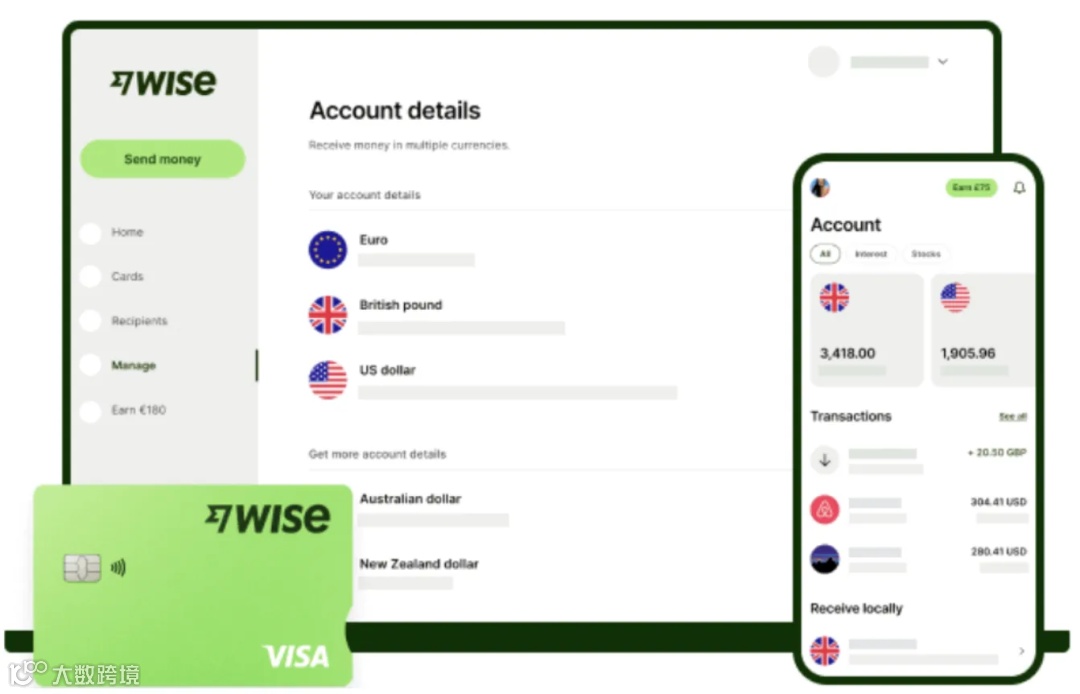
Use Wise’s app or website to transfer earnings to over 160 countries.
Benefit from mid-market exchange rates and low fees.
Open a Wise multi-currency account to send rmb and hold 40+ currencies(expats working in china only).
Get account details in USD, EUR, GBP, CAD, and more.
Make international transfers easy, fast, and affordable—Sign up for a free Wise account today!