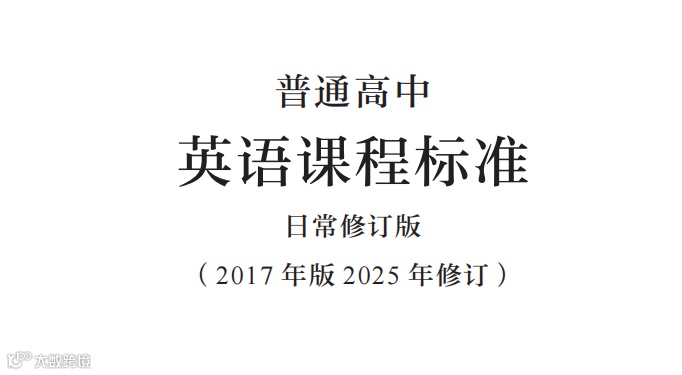
“本词汇表共收录 3100 个单词,含《义务教育英语课程标准(2022年版)》所列义务教育阶段要求掌握的1600个单词。高中英语必修课程应学习和掌握500个单词(表中加有一个*号),累计达2100。选择性必修课程应学习和掌握1000个单词(表中加有两个*号),累计达3100。各地可根据实际情况在本词汇表所收词的基础上,再选择增加200个单词。”
于是,网上一窝蜂地认为3100-3000=100,新增词汇只有100个。
实际情况呢?实际上,新增词汇190个。更精准地表达是190.5个。2025版有emperor/empress,其中empress属于新增。
确切地说,有些词汇应该属于补齐,即,补上原来课标忘记列出来的词汇,比如:theirs, ink, god等。
那么,新增之后怎么会是3100,而不是3190呢?
对,新词汇表还删除了一些旧词汇表中的词汇,比如:数字、月份、星期以及与国家地区有关的个别词。
first, second, three, four, five, six, seven, eight, nine, ten, eleven, twelve, thirteen, fourteen, fifteen, sixteen, seventeen, eighteen, nineteen, twenty, twentieth, thirty, fifty, sixty, seventy, eighty, ninety, thousand
April, August, December, February, Friday, January, July, June, March, Monday, May, November, October, September, Saturday, Sunday, Thursday, Tuesday, Wednesday
Britain, British, Canada, Canadian, England, French, Germany, German, Russia, Russian, UK, US
还有一个crayon蜡笔,一个被时代抛弃的单词。swimming, cheek, pupil也被删。
另外,还有一些变换了呈现方式导致计数有了变化,比如:2020版中anybody和anyone分别呈现,计数为2;而2025版改为anybody/anyone并列呈现,计数为1。还有actor/actress,everybody/everyone, somebody/someone等。
再有,有些词汇的复数形式略掉了,比如:child后面的children,foot后面的feet等。还有popular后面的缩略形式pop,kilo后面的kilogramme也被删了。有些词汇的呈现方式有变化,比如:bean curd (tofu)变成了tofu (bean curd);advertisement (ad)变成了ad (advertisement)等。
当然,对比两个词汇表,还会发现:其中*的标记也会有变化。此处不再过多介绍。
感兴趣的朋友可以到“杨小平教英语”知识星球下载两个课程标准,自行对照。
“杨小平教英语”知识星球提供九大学科的课程标准+课程方案。
下面是新增词汇+词性+汉意+例句
1. AI (=artificial intelligence)
词性:名词(n.)
汉语解释:人工智能
例句:This smart speaker uses AI to understand and respond to your voice commands.(这款智能音箱利用人工智能理解并回应你的语音指令。)
2. alert
词性:形容词(adj.)/动词(v.)/名词(n.)
汉语解释:警觉的;提醒;警报
例句:①(adj.)The hiker stayed alert for any signs of wild animals in the forest.(徒步旅行者时刻警惕着森林里野生动物的踪迹。)②(v.)The app will alert you if your package is about to arrive.(如果你的包裹即将到达,应用会提醒你。)③(n.)The government issued a severe weather alert for the coastal areas.(政府向沿海地区发布了恶劣天气警报。)
3. anniversary
词性:名词(n.)
汉语解释:周年纪念日
例句:They planted a tree in their backyard to celebrate their 10th wedding anniversary.(他们在院子里种了一棵树,庆祝结婚十周年纪念日。)
4. Antarctica
词性:名词(n.)
汉语解释:南极洲
例句:Scientists from around the world conduct research stations in Antarctica to study climate change.(来自世界各地的科学家在南极洲建立研究站,研究气候变化。)
5. app (=application)
词性:名词(n.)
汉语解释:应用程序(手机/电脑等)
例句:I downloaded a language learning app to practice English vocabulary every day.(我下载了一个语言学习应用,每天练习英语词汇。)
6. Arctic
词性:名词(n.)/形容词(adj.)
汉语解释:北极(地区);北极的
例句:①(n.)The Arctic is home to unique species like polar bears and Arctic foxes.(北极是北极熊、北极狐等独特物种的家园。)②(adj.)Arctic temperatures can drop to -50 degrees Celsius in winter.(北极的冬季气温能降到零下50摄氏度。)
7. bacteria
词性:名词(n.)(复数,单数为bacterium)
汉语解释:细菌
例句:Some bacteria in our gut help us digest food and keep our immune system healthy.(我们肠道里的一些细菌帮助消化食物,维持免疫系统健康。)
8. BCE (Before the Common Era)
词性:名词(n.)(时间标识)
汉语解释:公元前(与BC含义相同,使用更中性)
例句:The ancient city of Babylon was at its peak around the 6th century BCE.(古巴比伦城在公元前6世纪左右达到鼎盛时期。)
9. besides
词性:副词(adv.)/介词(prep.)
汉语解释:此外;除……之外(还)
例句:①(adv.)The hotel has a swimming pool, and besides, it offers free breakfast to all guests.(这家酒店有游泳池,此外,还为所有客人提供免费早餐。)②(prep.)Besides reading, she also enjoys painting and playing the piano in her free time.(除了阅读,她空闲时还喜欢画画和弹钢琴。)
10. bias
词性:名词(n.)/动词(v.)
汉语解释:偏见;偏袒;使有偏见
例句:①(n.)Journalists should report news without bias to ensure fairness.(记者应该不带偏见地报道新闻,确保公平。)②(v.)His personal preferences biased his judgment when choosing team members.(选择团队成员时,他的个人偏好影响了判断,产生了偏见。)
11. bin
词性:名词(n.)
汉语解释:垃圾桶;箱子
例句:Please put the empty bottle into the plastic recycling bin instead of the general waste bin.(请把空瓶子放进塑料回收桶,而不是普通垃圾桶。)
12. brand
词性:名词(n.)/动词(v.)
汉语解释:品牌;烙印;给……打烙印;使铭记
例句:①(n.)This brand of skincare products is popular because of its natural ingredients.(这个品牌的护肤品因采用天然成分而很受欢迎。)②(v.)The experience of winning the competition branded itself in her memory forever.(赢得比赛的经历永远铭刻在她的记忆中。)
13. bug
词性:名词(n.)/动词(v.)
汉语解释:虫子;(电脑)漏洞;烦扰;装窃听器
例句:①(n.)The IT team is working hard to fix the bug in the new software update.(IT团队正努力修复新软件更新中的漏洞。)②(v.)The constant noise from the construction site is bugging the residents nearby.(建筑工地持续的噪音让附近居民感到烦躁。)
14. bully
词性:名词(n.)/动词(v.)
汉语解释:欺凌弱小者;欺负;恐吓
例句:①(n.)The school has strict rules to punish any bully who harasses other students.(学校有严格规定,惩罚任何欺负同学的霸凌者。)②(v.)No one has the right to bully you—you should ask for help if it happens.(没人有权利欺负你,如果发生了,你应该寻求帮助。)
15. burst
词性:动词(v.)/名词(n.)
汉语解释:爆发;突发;爆裂;爆发
例句:①(v.)The balloon burst with a loud pop when the child squeezed it too hard.(孩子用力挤压气球,气球“砰”的一声爆了。)②(n.)There was a sudden burst of applause when the performer finished the song.(表演者唱完歌时,观众突然爆发出一阵掌声。)
16. butterfly
词性:名词(n.)
汉语解释:蝴蝶
例句:A group of colorful butterflies fluttered from one flower to another in the garden.(一群色彩斑斓的蝴蝶在花园里从一朵花飞到另一朵花。)
17. capture
词性:动词(v.)/名词(n.)
汉语解释:捕获;捕捉;记录;俘虏;捕获
例句:①(v.)The wildlife photographer spent hours waiting to capture the perfect shot of the eagle.(野生动物摄影师花了几个小时等待,只为捕捉老鹰的完美镜头。)②(n.)The capture of the escaped prisoner was a result of cooperation between the police and the public.(逃犯的抓获是警方和公众合作的结果。)
18. casual
词性:形容词(adj.)
汉语解释:随意的;非正式的;偶然的
例句:The company has a casual dress code on Fridays—employees can wear jeans and T-shirts.(公司周五有休闲着装规定,员工可以穿牛仔裤和T恤。)
19. cautious
词性:形容词(adj.)
汉语解释:谨慎的;小心的
例句:Investors are being cautious about putting money into the stock market due to recent volatility.(由于近期市场波动,投资者对投入股市持谨慎态度。)
20. CE (Common Era)
词性:名词(n.)(时间标识)
汉语解释:公元(与AD含义相同,使用更中性)
例句:The Great Wall of China was continuously built and renovated from the 7th century BCE to the 17th century CE.(中国长城从公元前7世纪到公元17世纪不断修建和翻新。)
21. ceremony
词性:名词(n.)
汉语解释:仪式;典礼
例句:The graduation ceremony will be held in the school auditorium next Saturday morning.(毕业典礼将于下周六上午在学校礼堂举行。)
22. charm
词性:名词(n.)/动词(v.)
汉语解释:魅力;吸引力;使着迷;吸引
例句:①(n.)The old town's charm lies in its narrow stone streets and traditional wooden houses.(这座老城的魅力在于它狭窄的石板路和传统的木屋。)②(v.)Her warm smile and kind words charmed everyone she met at the party.(她温暖的笑容和亲切的话语迷住了派对上遇到的每一个人。)
23. childhood
词性:名词(n.)
汉语解释:童年;幼年
例句:She has happy memories of her childhood spent playing in her grandmother's garden.(她对在奶奶花园里玩耍的童年有着美好的回忆。)
24. chip
词性:名词(n.)/动词(v.)
汉语解释:芯片;碎片;薯条(英);削去;碎裂
例句:①(n.)The new smartphone uses a more powerful chip that improves its performance.(这款新智能手机采用了性能更强的芯片,提升了运行效果。)②(v.)He chipped a small piece off the ceramic bowl while washing it.(洗陶瓷碗时,他不小心磕掉了一小块。)
25. chore
词性:名词(n.)
汉语解释:家务杂事;日常琐事
例句:My parents divide the household chores—my dad takes out the trash, and my mom does the dishes.(我父母分工做家务,爸爸倒垃圾,妈妈洗碗。)
26. classic
词性:形容词(adj.)/名词(n.)
汉语解释:经典的;古典的;经典作品;名著
例句:①(adj.)"Gone with the Wind" is a classic film that has been loved for generations.(《飘》是一部经典电影,深受几代人的喜爱。)②(n.)Many students are required to read literary classics like "To Kill a Mockingbird" in high school.(很多学生高中时需要阅读《杀死一只知更鸟》这样的文学名著。)
27. collaborate
词性:动词(v.)
汉语解释:合作;协作
例句:The two research teams will collaborate on a project to find a cure for the rare disease.(两个研究团队将合作开展一个项目,寻找这种罕见病的治疗方法。)
28. command
词性:动词(v.)/名词(n.)
汉语解释:命令;指挥;掌握;命令;指令;掌握
例句:①(v.)The general commanded his soldiers to stand at attention when the president arrived.(总统到达时,将军命令士兵立正站好。)②(n.)She has a excellent command of three foreign languages—English, French, and Spanish.(她精通三门外语:英语、法语和西班牙语。)
29. compass
词性:名词(n.)
汉语解释:指南针;罗盘;圆规
例句:When hiking in the mountains, always carry a compass in case you lose your way.(在山里徒步时,一定要带指南针,以防迷路。)
30. confident
词性:形容词(adj.)
汉语解释:自信的;有信心的
例句:He is confident that he can pass the driving test because he has practiced a lot.(他很有信心能通过驾照考试,因为他练了很多次。)
31. conscious
词性:形容词(adj.)
汉语解释:有意识的;清醒的;自觉的
例句:She was conscious of making a good impression on her new colleagues during the first meeting.(第一次开会时,她有意识地想给新同事留下好印象。)
32. controversial
词性:形容词(adj.)
汉语解释:有争议的;引起争论的
例句:The new law on environmental protection has become a controversial topic among politicians.(这项新的环保法已成为政客们之间有争议的话题。)
33. convey
词性:动词(v.)
汉语解释:传达;传递;运输
例句:The artist used bright colors to convey a sense of joy and optimism in his painting.(艺术家在画作中使用明亮的色彩,传达喜悦和乐观的感觉。)
34. craft
词性:名词(n.)/动词(v.)
汉语解释:工艺;手艺;船;精心制作
例句:①(n.)Her grandmother taught her the craft of weaving baskets from bamboo.(她奶奶教她用竹子编篮子的手艺。)②(v.)The writer crafted a beautiful story about friendship and courage.(这位作家精心创作了一个关于友谊和勇气的美好故事。)
35. crowded
词性:形容词(adj.)
汉语解释:拥挤的
例句:The subway is always crowded during the morning rush hour—you can barely move.(早高峰时地铁总是很拥挤,几乎动弹不得。)
36. cucumber
词性:名词(n.)
汉语解释:黄瓜
例句:I like to add sliced cucumber to my salad for a fresh and crisp taste.(我喜欢在沙拉里加黄瓜片,口感清新脆爽。)
37. currency
词性:名词(n.)
汉语解释:货币;通货;流通
例句:When traveling abroad, you should exchange your home currency for the local currency at a bank.(出国旅行时,你应该在银行把本国货币换成当地货币。)
38. curve
词性:名词(n.)/动词(v.)
汉语解释:曲线;弧线;弯曲;呈曲线形
例句:①(n.)The road has a sharp curve ahead, so please slow down your car.(前面的路有一个急弯,请减速慢行。)②(v.)The river curves gently through the green fields before flowing into the lake.(这条河在流入湖泊前,温柔地蜿蜒穿过绿色田野。)
39. dam
词性:名词(n.)/动词(v.)
汉语解释:水坝;堤坝;筑坝拦水
例句:①(n.)The Three Gorges Dam in China is one of the largest dams in the world.(中国的三峡大坝是世界上最大的水坝之一。)②(v.)They decided to dam the river to create a reservoir for irrigation and power generation.(他们决定在这条河上筑坝,修建一个用于灌溉和发电的水库。)
40. dawn
词性:名词(n.)/动词(v.)
汉语解释:黎明;拂晓;开始;天亮;出现
例句:①(n.)We woke up at dawn to watch the sunrise over the ocean.(我们黎明时分醒来,观看海上日出。)②(v.)A new age of technology dawned with the invention of the internet.(互联网的发明开启了一个新的科技时代。)
41. dedicate
词性:动词(v.)
汉语解释:致力于;献身于;把……献给
例句:She dedicated her entire life to helping homeless children get an education.(她一生致力于帮助无家可归的孩子获得教育。)
42. delight
词性:名词(n.)/动词(v.)
汉语解释:高兴;愉快;使高兴;使愉快
例句:①(n.)The children screamed with delight when they saw the pile of Christmas presents.(孩子们看到一堆圣诞礼物时,高兴得尖叫起来。)②(v.)It delights me to see how much progress my students have made this semester.(看到我的学生这学期取得这么大的进步,我很高兴。)
43. disappoint
词性:动词(v.)
汉语解释:使失望
例句:I hate to disappoint you, but I won't be able to attend your birthday party this weekend.(我不想让你失望,但这周末我不能参加你的生日派对了。)
44. doll
词性:名词(n.)
汉语解释:玩偶;洋娃娃
例句:Her daughter loves to dress her dolls in different outfits and have tea parties with them.(她的女儿喜欢给洋娃娃穿不同的衣服,和它们开茶会。)
45. drone
词性:名词(n.)/动词(v.)
汉语解释:无人机;雄蜂;嗡嗡声;嗡嗡作响;懒洋洋地说
例句:①(n.)Farmers use drones to monitor crop growth and spray pesticides efficiently.(农民用无人机监测作物生长,高效喷洒农药。)②(v.)The bees droned around the hive as they collected nectar.(蜜蜂采蜜时,在蜂巢周围嗡嗡作响。)
46. drown
词性:动词(v.)
汉语解释:淹死;淹没;沉溺于
例句:The little boy almost drowned in the pool, but a lifeguard pulled him out just in time.(小男孩差点在泳池里淹死,幸好救生员及时把他拉了出来。)
47. economy
词性:名词(n.)
汉语解释:经济;节约
例句:The government has launched several policies to stimulate the economy after the pandemic.(疫情过后,政府出台了多项政策刺激经济。)
48. electric
词性:形容词(adj.)
汉语解释:电的;电动的;带电的
例句:More and more people are buying electric cars to reduce carbon emissions.(越来越多的人购买电动汽车,以减少碳排放。)
49. elevator
词性:名词(n.)(美式英语,英式英语为lift)
汉语解释:电梯
例句:I waited for the elevator on the 20th floor, but it was taking a long time to arrive.(我在20楼等电梯,但电梯好久都没来。)
50. eliminate
词性:动词(v.)
汉语解释:消除;排除;淘汰
例句:The team was eliminated from the tournament after losing the semi-final match.(这支队伍在半决赛失利后,被淘汰出了锦标赛。)
51. empathy
词性:名词(n.)
汉语解释:共情;同理心;同感
例句:Teachers need to have empathy to understand the difficulties their students face in learning.(教师需要有同理心,理解学生在学习中遇到的困难。)
52. emperor/empress
词性:名词(n.)
汉语解释:皇帝/女皇;皇后
例句:①The emperor ruled the country wisely and brought peace and prosperity to his people.(这位皇帝英明统治,为人民带来了和平与繁荣。)②The empress was known for her kindness and dedication to helping the poor.(这位女皇以善良和致力于帮助穷人而闻名。)
53. endangered
词性:形容词(adj.)
汉语解释:濒临灭绝的;有生命危险的
例句:Rhinos are an endangered species because poachers hunt them for their horns.(犀牛是濒危物种,因为偷猎者为了犀牛角而猎杀它们。)
54. ethical
词性:形容词(adj.)
汉语解释:伦理的;道德的;合乎道德的
例句:It is not ethical for companies to lie about the safety of their products to make more money.(公司为了多赚钱而谎报产品安全性,这是不道德的。)
55. ethnic
词性:形容词(adj.)
汉语解释:种族的;民族的
例句:The city holds an annual festival to celebrate the diverse ethnic cultures of its residents.(这座城市每年举办一次节日,庆祝居民们多样化的民族文化。)
56. evolve
词性:动词(v.)
汉语解释:进化;演变;发展
例句:Smartphones have evolved rapidly over the past decade, becoming more powerful and versatile.(在过去十年里,智能手机发展迅速,变得更强大、更多功能。)
57. exceed
词性:动词(v.)
汉语解释:超过;超出
例句:The cost of the project exceeded our budget by 20%, so we had to cut some expenses.(这个项目的成本超出了预算20%,所以我们不得不削减一些开支。)
58. exhaust
词性:动词(v.)/名词(n.)
汉语解释:使筋疲力尽;耗尽;废气;排气
例句:①(v.)Working two jobs every day exhausted him both physically and mentally.(每天打两份工让他身心俱疲。)②(n.)Cars release exhaust fumes that pollute the air and harm human health.(汽车排放的废气污染空气,危害人体健康。)
59. fable
词性:名词(n.)
汉语解释:寓言;童话
例句:The fable of "The Boy Who Cried Wolf" teaches children not to tell lies.(《狼来了》的寓言教导孩子们不要说谎。)
60. faint
词性:形容词(adj.)/动词(v.)/名词(n.)
汉语解释:微弱的;模糊的;晕倒;昏厥;昏厥
例句:①(adj.)I heard a faint knock on the door, but when I opened it, no one was there.(我听到一阵微弱的敲门声,但打开门时,外面没有人。)②(v.)She fainted during the meeting because she hadn't eaten anything all day.(她因为一整天没吃东西,在会议期间晕倒了。)
61. fascinating
词性:形容词(adj.)
汉语解释:迷人的;吸引人的;极有吸引力的
例句:The documentary about deep-sea creatures is absolutely fascinating—I couldn't stop watching it.(这部关于深海生物的纪录片非常吸引人,我看得停不下来。)
62. fertile
词性:形容词(adj.)
汉语解释:肥沃的;富饶的;能生育的
例句:The land along the river is very fertile, making it ideal for growing rice and wheat.(河边的土地非常肥沃,是种植水稻和小麦的理想之地。)
63. flame
词性:名词(n.)/动词(v.)
汉语解释:火焰;火苗;燃烧;泛红
例句:①(n.)The flame of the campfire kept us warm on the cold night.(篝火的火焰在寒冷的夜晚为我们取暖。)②(v.)Her face flamed with embarrassment when she realized she had made a mistake in front of everyone.(当她意识到自己在众人面前犯了错误时,脸尴尬得通红。)
64. float
词性:动词(v.)/名词(n.)
汉语解释:漂浮;浮动;漂流;漂浮物;浮标
例句:①(v.)Leaves float on the surface of the lake when the wind blows gently.(微风拂过,树叶漂浮在湖面上。)②(n.)The fishermen put a float on their line to know when a fish is biting.(渔民在渔线上放了一个浮标,以便知道有鱼上钩。)
65. fog
词性:名词(n.)/动词(v.)
汉语解释:雾;烟雾;使模糊;被雾笼罩
例句:①(n.)Thick fog covered the city this morning, causing many flights to be delayed.(今天早上大雾笼罩着城市,导致许多航班延误。)②(v.)The cold air fogged up the windows of the car, so I had to wipe them with a cloth.(冷空气使车窗蒙上了雾,我不得不拿布擦干净。)
66. fool
词性:名词(n.)/动词(v.)
汉语解释:傻瓜;笨蛋;欺骗;愚弄
例句:①(n.)Don't be a fool—don't go out in the rain without an umbrella.(别傻了,下雨天不带伞别出去。)②(v.)He tried to fool me into believing that he had won the lottery, but I didn't believe him.(他试图骗我相信他中了彩票,但我没信。)
67. fortune
词性:名词(n.)
汉语解释:命运;运气;财富
例句:①She had the good fortune to meet her favorite author at the bookstore.(她很幸运,在书店遇到了她最喜欢的作家。)②He made a huge fortune by starting his own tech company.(他创办了自己的科技公司,赚了一大笔钱。)
68. frame
词性:名词(n.)/动词(v.)
汉语解释:框架;边框;结构;给……装框;陷害;制定
例句:①(n.)We bought a wooden frame to hang our family photo on the wall.(我们买了一个木制相框,把全家福挂在墙上。)②(v.)The suspect claimed that he was framed by someone who wanted to take revenge on him.(嫌疑人声称自己被想报复他的人陷害了。)
69. fulfil
词性:动词(v.)(美式英语拼写为fulfill)
汉语解释:履行;实现;满足;完成
例句:She finally fulfilled her lifelong dream of traveling around the world.(她终于实现了环游世界的毕生梦想。)
70. fireman
词性:名词(n.)(复数为firemen,也可称firefighter,更中性)
汉语解释:消防员
例句:The fireman risked his life to save the little girl trapped in the burning building.(消防员冒着生命危险,救出了被困在着火大楼里的小女孩。)
71. firework
词性:名词(n.)(常用复数fireworks)
汉语解释:烟花;焰火
例句:Thousands of people gathered by the river to watch the fireworks display on New Year's Eve.(除夕夜,成千上万的人聚集在河边观看烟花表演。)
72. furthermore
词性:副词(adv.)
汉语解释:此外;而且
例句:The new library has a large collection of books, and furthermore, it offers free computer classes for the public.(新图书馆藏书丰富,而且还为公众提供免费的电脑课程。)
73. gene
词性:名词(n.)
汉语解释:基因
例句:Scientists have identified the gene that is responsible for this inherited disease.(科学家们已经确定了导致这种遗传病的基因。)
74. gesture
词性:名词(n.)/动词(v.)
汉语解释:手势;姿态;动作;做手势;用动作表示
例句:①(n.)Waving is a common gesture to say goodbye to someone.(挥手是向别人告别的常见手势。)②(v.)The teacher gestured for the students to be quiet before starting the class.(上课前,老师做手势让学生们安静下来。)
75. giant
词性:形容词(adj.)/名词(n.)
汉语解释:巨大的;庞大的;巨人;伟人;巨头
例句:①(adj.)A giant panda can eat up to 30 kilograms of bamboo a day.(一只大熊猫一天能吃多达30公斤的竹子。)②(n.)Einstein is a giant in the field of physics who changed our understanding of the universe.(爱因斯坦是物理学领域的伟人,改变了我们对宇宙的理解。)
76. glance
词性:动词(v.)/名词(n.)
汉语解释:瞥一眼;匆匆一看;一瞥;扫视
例句:①(v.)She glanced at her watch to check if she was going to be late for the meeting.(她瞥了一眼手表,看看开会会不会迟到。)②(n.)I took a quick glance at the newspaper headlines while waiting for the bus.(等公交车时,我快速扫了一眼报纸标题。)
77. god
词性:名词(n.)(首字母大写God常指上帝)
汉语解释:神;上帝;神像
例句:①Many ancient cultures believed in multiple gods who controlled different aspects of nature.(许多古代文化信仰多个神,这些神控制着自然的不同方面。)②He prayed to God for his mother's recovery from illness.(他向上帝祈祷,希望母亲早日康复。)
78. graceful
词性:形容词(adj.)
汉语解释:优雅的;优美的;得体的
例句:The ballerina moved across the stage with graceful movements that impressed the audience.(芭蕾舞女演员以优雅的动作在舞台上移动,给观众留下了深刻印象。)
79. gratitude
词性:名词(n.)
汉语解释:感激;感谢
例句:I want to express my gratitude to all my friends who supported me during difficult times.(我想向所有在我困难时期支持我的朋友表示感谢。)
80. headline
词性:名词(n.)/动词(v.)
汉语解释:标题;大字标题;成为头条新闻
例句:①(n.)The headline on the front page of the newspaper was about the new environmental law.(报纸头版的标题是关于新环保法的。)②(v.)The movie star's sudden marriage headlined all the entertainment news websites.(这位电影明星的突然结婚成为了所有娱乐新闻网站的头条。)
81. helicopter
词性:名词(n.)
汉语解释:直升机
例句:The rescue helicopter arrived just in time to save the hikers trapped on the mountain.(救援直升机及时赶到,救出了被困在山上的徒步旅行者。)
82. heritage
词性:名词(n.)
汉语解释:遗产;传统;文化遗产
例句:The ancient temple is a valuable cultural heritage that should be protected for future generations.(这座古寺是宝贵的文化遗产,应该为后代保护好。)
83. highway
词性:名词(n.)
汉语解释:高速公路;干线公路
例句:We drove along the highway for six hours to reach our grandparents' home in the countryside.(我们沿着高速公路开了六个小时,才到达乡下爷爷奶奶家。)
84. horror
词性:名词(n.)/形容词(adj.)(常作定语)
汉语解释:恐惧;恐怖;惊骇;恐怖的
例句:①(n.)She screamed in horror when she saw the snake in her garden.(她在花园里看到蛇时,吓得尖叫起来。)②(adj.)My brother loves watching horror movies, but I'm too scared to watch them.(我哥哥喜欢看恐怖电影,但我太害怕了,不敢看。)
85. humanity
词性:名词(n.)
汉语解释:人类;人道;仁慈;人文学科
例句:①We must work together to protect the environment for the future of humanity.(我们必须共同努力,为人类的未来保护环境。)②The nurse treated the patient with great humanity and kindness.(护士以极大的仁慈和善良对待病人。)
86. hybrid
词性:名词(n.)/形容词(adj.)
汉语解释:杂种;混血儿;混合动力车;混合的;杂种的
例句:①(n.)This car is a hybrid that runs on both gasoline and electricity.(这辆车是混合动力车,既可以烧汽油,也可以用电。)②(adj.)The hybrid plant combines the best characteristics of two different species.(这种杂交植物结合了两种不同物种的最佳特性。)
87. ingredient
词性:名词(n.)
汉语解释:成分;原料;要素
例句:The secret ingredient in this soup is a special type of mushroom that gives it a unique flavor.(这汤的秘密原料是一种特殊的蘑菇,赋予它独特的味道。)
88. ink
词性:名词(n.)/动词(v.)
汉语解释:墨水;墨汁;用墨水写;涂墨水
例句:①(n.)I need to buy some blue ink for my fountain pen.(我需要给我的钢笔买些蓝墨水。)②(v.)He inked his signature on the contract to finalize the deal.(他在合同上签了字,完成了交易。)
89. intellectual
词性:形容词(adj.)/名词(n.)
汉语解释:智力的;理智的;知识分子;脑力劳动者
例句:①(adj.)Reading books is a great way to engage in intellectual activities.(读书是参与智力活动的好方法。)②(n.)Many intellectuals attended the conference to discuss important social issues.(许多知识分子参加了会议,讨论重要的社会问题。)
90. invest
词性:动词(v.)
汉语解释:投资;投入(时间、精力等)
例句:It's wise to invest some of your money in stocks and bonds for long-term financial security.(为了长期的财务安全,把一部分钱投资到股票和债券上是明智的。)
91. irrigation
词性:名词(n.)
汉语解释:灌溉
例句:The farmers built an irrigation system to water their crops during the dry season.(农民们修建了一个灌溉系统,在旱季给庄稼浇水。)
92. keen
词性:形容词(adj.)
汉语解释:渴望的;热衷的;敏锐的;锋利的
例句:①(adj.)She is keen to learn how to play the guitar, so she signed up for music classes.(她渴望学习弹吉他,所以报名参加了音乐班。)②(adj.)Dogs have a keen sense of smell that allows them to track people and animals.(狗有敏锐的嗅觉,可以追踪人和动物。)
93. kung fu
词性:名词(n.)
汉语解释:功夫;中国武术
例句:He has been practicing kung fu since he was a child, and now he is a skilled martial artist.(他从小就练习功夫,现在是一名技艺高超的武术家。)
94. lean
词性:动词(v.)/形容词(adj.)
汉语解释:倾斜;倚靠;瘦的;精干的;贫瘠的
例句:①(v.)She leaned against the wall and took a break after running for 30 minutes.(跑了30分钟后,她靠在墙上休息了一会儿。)②(adj.)He has a lean body because he exercises regularly and eats a healthy diet.(他身材瘦削,因为他经常锻炼,饮食健康。)
95. leap
词性:动词(v.)/名词(n.)
汉语解释:跳跃;飞跃;激增
例句:①(v.)The cat leaped over the fence and ran into the garden.(猫跳过栅栏,跑进了花园。)②(n.)There has been a great leap in technology since the invention of the smartphone.(自从智能手机发明以来,技术有了巨大的飞跃。)
96. legend
词性:名词(n.)
汉语解释:传说;传奇故事;传奇人物
例句:The legend of King Arthur and the Knights of the Round Table has been told for centuries.(亚瑟王和圆桌骑士的传说已经流传了几个世纪。)
97. lifestyle
词性:名词(n.)
汉语解释:生活方式
例句:Adopting a healthy lifestyle—exercising, eating well, and getting enough sleep—can improve your quality of life.(养成健康的生活方式——锻炼、吃得好、睡眠充足——可以提高生活质量。)
98. lightning
词性:名词(n.)/形容词(adj.)
汉语解释:闪电;闪电般的;快速的
例句:①(n.)Lightning struck the old tree during the thunderstorm, splitting it in half.(雷暴期间,闪电击中了那棵古树,把它劈成了两半。)②(adj.)He ran with lightning speed to catch the bus before it pulled away.(他以闪电般的速度跑去,在公交车开走前赶上了。)
99. lip
词性:名词(n.)
汉语解释:嘴唇
例句:She bit her lower lip nervously while waiting for the results of her exam.(等待考试结果时,她紧张地咬着下唇。)
100. livestock
词性:名词(n.)(集合名词,无复数)
汉语解释:家畜;牲畜
例句:The farmer takes good care of his livestock, including cows, sheep, and pigs.(这位农民精心照料他的家畜,包括牛、羊和猪。)
101. lost
词性:形容词(adj.)/动词(v.)(lose的过去式和过去分词)
汉语解释:迷路的;丢失的;失去的;丢失;失去
例句:①(adj.)A lost little boy was found crying in the shopping mall and taken to the security office.(一个迷路的小男孩在商场里哭着被发现,然后被带到了保安室。)②(v.)I lost my wallet on the bus this morning, but luckily someone returned it to me.(今天早上我在公交车上丢了钱包,但幸运的是,有人把它还给了我。)
102. loyal
词性:形容词(adj.)
汉语解释:忠诚的;忠心的
例句:Dogs are known for being loyal to their owners—they will stay by their side no matter what.(狗以对主人忠诚而闻名,无论发生什么,它们都会陪伴在主人身边。)
103. magnificent
词性:形容词(adj.)
汉语解释:宏伟的;壮丽的;极好的
例句:The view from the top of the mountain is absolutely magnificent—you can see the entire city below.(山顶的景色非常壮丽,你可以看到下面的整个城市。)
104. mall
词性:名词(n.)
汉语解释:购物中心;商场
例句:My friends and I are going to the mall this weekend to do some shopping and watch a movie.(我和朋友们这周末要去商场购物,看电影。)
105. marine
词性:形容词(adj.)/名词(n.)
汉语解释:海洋的;海生的;海军陆战队士兵
例句:①(adj.)Marine biologists study the plants and animals that live in the ocean.(海洋生物学家研究生活在海洋中的动植物。)②(n.)He served as a marine for six years before returning to his hometown.(他当了六年海军陆战队士兵,然后回到了家乡。)
106. meanwhile
词性:副词(adv.)
汉语解释:同时;与此同时
例句:I was busy cooking dinner in the kitchen, and meanwhile, my husband was helping the kids with their homework.(我在厨房忙着做饭,与此同时,我丈夫在帮孩子们做作业。)
107. metaphor
词性:名词(n.)
汉语解释:隐喻;暗喻
例句:"Her smile is a ray of sunshine" is a metaphor that describes how warm and bright her smile is.(“她的笑容是一缕阳光”是一个隐喻,描述了她的笑容多么温暖明亮。)
108. migration
词性:名词(n.)
汉语解释:迁移;迁徙
例句:Every year, millions of birds begin their migration to warmer places as winter approaches.(每年冬天来临之际,数百万只鸟开始向温暖的地方迁徙。)
109. miracle
词性:名词(n.)
汉语解释:奇迹;奇事
例句:It's a miracle that he survived the plane crash with only minor injuries.(他在飞机失事中只受了点轻伤就活了下来,真是个奇迹。)
110. modernization
词性:名词(n.)
汉语解释:现代化
例句:The city has undergone great modernization in recent years, with new skyscrapers and roads being built.(近年来,这座城市经历了巨大的现代化变革,新建了许多摩天大楼和道路。)
111. modest
词性:形容词(adj.)
汉语解释:谦虚的;谦逊的;适度的;适中的
例句:①She is very modest about her success and always credits her team for their hard work.(她对自己的成功非常谦虚,总是把功劳归于团队的努力。)②We live in a modest house in a quiet neighborhood.(我们住在一个安静社区里的一栋普通房子里。)
112. modify
词性:动词(v.)
汉语解释:修改;更改;调整
例句:The designer had to modify the dress according to the customer's requirements.(设计师不得不根据客户的要求修改裙子。)
113. monument
词性:名词(n.)
汉语解释:纪念碑;纪念馆;遗迹
例句:The Monument to the People's Heroes in Beijing was built to honor those who died for the country.(北京的人民英雄纪念碑是为了纪念那些为国家牺牲的人而建的。)
114. mutton
词性:名词(n.)
汉语解释:羊肉
例句:Mutton hot pot is a popular dish in northern China, especially during the cold winter months.(羊肉火锅是中国北方的一道受欢迎的菜,尤其是在寒冷的冬天。)
115. mutual
词性:形容词(adj.)
汉语解释:相互的;彼此的;共同的
例句:We have a mutual respect for each other's opinions, even when we disagree.(即使我们有分歧,也相互尊重彼此的观点。)
116. myth
词性:名词(n.)
汉语解释:神话;虚构的人(或事)
例句:The myth of Hercules tells the story of a strong and brave hero who completed twelve difficult tasks.(赫拉克勒斯的神话讲述了一个强壮勇敢的英雄完成十二项艰巨任务的故事。)
117. neutral
词性:形容词(adj.)/名词(n.)
汉语解释:中立的;中性的;中立者
例句:①(adj.)Switzerland remained neutral during both World Wars and did not take sides.(瑞士在两次世界大战中都保持中立,不偏袒任何一方。)②(n.)The judge should act as a neutral and make a fair decision based on the evidence.(法官应该充当中立者,根据证据做出公正的判决。)
118. numerous
词性:形容词(adj.)
汉语解释:许多的;众多的;无数的
例句:There are numerous reasons why learning a second language is beneficial for children.(学习第二语言对孩子有益有很多原因。)
119. obey
词性:动词(v.)
汉语解释:服从;遵守
例句:Children should learn to obey traffic rules to ensure their own safety when walking on the street.(孩子们应该学会遵守交通规则,确保自己在街上行走时的安全。)
120. obstacle
词性:名词(n.)
汉语解释:障碍;阻碍;障碍物
例句:Lack of funding is the main obstacle that is preventing us from starting the project.(资金短缺是阻碍我们启动这个项目的主要障碍。)
121. offend
词性:动词(v.)
汉语解释:冒犯;得罪;违反
例句:I didn't mean to offend you with my words—I was just trying to give you some advice.(我不是故意用我的话冒犯你,我只是想给你一些建议。)
122. operate
词性:动词(v.)
汉语解释:操作;运转;经营;做手术
例句:①(v.)Can you show me how to operate this new machine? I'm not familiar with it.(你能教我怎么操作这台新机器吗?我不熟悉。)②(v.)The doctor will operate on the patient tomorrow morning to remove the tumor.(医生明天早上将为病人做手术,切除肿瘤。)
123. orchestra
词性:名词(n.)
汉语解释:管弦乐队
例句:The city orchestra will perform a concert of classical music this weekend at the theater.(市管弦乐队这周末将在剧院举办一场古典音乐会。)
124. organise (organize)
词性:动词(v.)
汉语解释:组织;安排;整理
例句:She spent a lot of time organizing the company's annual party, from booking the venue to preparing the food.(她花了很多时间组织公司的年度派对,从预订场地到准备食物。)
125. oven
词性:名词(n.)
汉语解释:烤箱;烤炉
例句:I put the cookies in the oven and set the temperature to 180 degrees Celsius.(我把饼干放进烤箱,把温度调到180摄氏度。)
126. packet
词性:名词(n.)
汉语解释:小包;小盒;数据包
例句:①(n.)I bought a packet of tea from the supermarket—its flavor is very fragrant.(我从超市买了一包茶叶,味道很香。)②(n.)The computer sends data in small packets to ensure efficient transmission.(电脑以小包的形式发送数据,以确保高效传输。)
127. pagoda
词性:名词(n.)
汉语解释:佛塔;宝塔
例句:The ancient pagoda on the hill has a history of over 1,000 years and is a popular tourist attraction.(山上的那座古塔有1000多年的历史,是一个受欢迎的旅游景点。)
128. pants
词性:名词(n.)(复数)
汉语解释:裤子(美式英语);内裤(英式英语)
例句:①(美)He wore a pair of black pants and a white shirt to the job interview.(他穿了一条黑裤子和一件白衬衫去参加面试。)②(英)She bought some new cotton pants for her baby.(她给宝宝买了一些新的棉质内裤。)
129. patriotism
词性:名词(n.)
汉语解释:爱国主义;爱国精神
例句:His patriotism inspired him to join the army and defend his country.(他的爱国精神激励他参军保卫国家。)
130. penguin
词性:名词(n.)
汉语解释:企鹅
例句:Penguins are flightless birds that live mainly in the Southern Hemisphere, such as Antarctica.(企鹅是不会飞的鸟,主要生活在南半球,比如南极洲。)
131. perform
词性:动词(v.)
汉语解释:表演;演出;执行;完成
例句:①(v.)The band will perform their latest songs at the music festival next month.(这支乐队下个月将在音乐节上表演他们的最新歌曲。)②(v.)She performed her duties as a teacher with great dedication and enthusiasm.(她以极大的奉献精神和热情履行教师职责。)
132. perspective
词性:名词(n.)
汉语解释:观点;看法;视角;远景
例句:From my perspective, spending time with family is more important than making a lot of money.(在我看来,花时间陪伴家人比赚很多钱更重要。)
133. pile
词性:名词(n.)/动词(v.)
汉语解释:堆;摞;堆积;堆放
例句:①(n.)There is a pile of books on my desk that I need to read this week.(我的书桌上有一堆书,这周需要读完。)②(v.)She piled the clean clothes into the wardrobe neatly.(她把干净的衣服整齐地堆进衣柜里。)
134. ping-pong
词性:名词(n.)
汉语解释:乒乓球(口语)
例句:We played ping-pong in the park this afternoon—it was a lot of fun.(今天下午我们在公园里打乒乓球,玩得很开心。)
135. pizza
词性:名词(n.)
汉语解释:比萨饼;披萨
例句:I ordered a pizza with mushrooms, peppers, and cheese for dinner tonight.(今晚我点了一个加蘑菇、辣椒和奶酪的披萨当晚餐。)
136. porridge
词性:名词(n.)
汉语解释:粥;麦片粥
例句:My mom makes oatmeal porridge for breakfast every morning because it's healthy and filling.(我妈妈每天早上做燕麦粥当早餐,因为它健康又管饱。)
137. portrait
词性:名词(n.)
汉语解释:肖像;画像;描写
例句:The artist painted a portrait of the old man, capturing his wise and kind expression.(艺术家给这位老人画了一幅肖像,捕捉到了他睿智善良的表情。)
138. poverty
词性:名词(n.)
汉语解释:贫穷;贫困
例句:The government has launched a program to help people lift themselves out of poverty through education and training.(政府启动了一个项目,通过教育和培训帮助人们摆脱贫困。)
139. prince/princess
词性:名词(n.)
汉语解释:王子/公主
例句:①The prince traveled around the country to learn about the lives of his people.(王子周游全国,了解他的人民的生活。)②The princess dreamed of adventure and exploring the world outside the castle.(公主梦想着冒险,探索城堡外的世界。)
140. principal
词性:形容词(adj.)/名词(n.)
汉语解释:主要的;最重要的;校长;本金
例句:①(adj.)The principal reason for his failure is that he didn't study hard enough.(他失败的主要原因是学习不够努力。)②(n.)The principal of our school held a meeting to talk about the new school rules.(我们学校的校长开了一个会,谈论新的校规。)
141. proportion
词性:名词(n.)
汉语解释:比例;部分;占比
例句:The proportion of women in senior management positions in the company has increased by 15% this year.(今年公司高层管理职位中女性的比例增加了15%。)
142. prosperity
词性:名词(n.)
汉语解释:繁荣;兴旺
例句:The country has enjoyed a period of economic prosperity, with people's living standards improving greatly.(这个国家经历了一段经济繁荣时期,人民的生活水平有了很大提高。)
143. puzzle
词性:名词(n.)/动词(v.)
汉语解释:谜;智力游戏;困惑;使困惑;使迷惑
例句:①(n.)I spent the whole afternoon solving this jigsaw puzzle—it has 1,000 pieces.(我花了整个下午拼这个拼图,它有1000块。)②(v.)The strange noise outside the window puzzled me—I didn't know what was causing it.(窗外奇怪的声音让我很困惑,我不知道是什么引起的。)
144. pyramid
词性:名词(n.)
汉语解释:金字塔
例句:The Great Pyramid of Giza is one of the Seven Wonders of the Ancient World and attracts millions of tourists every year.(吉萨大金字塔是古代世界七大奇迹之一,每年吸引数百万游客。)
145. recent
词性:形容词(adj.)
汉语解释:最近的;近来的
例句:Have you heard about the recent changes to the company's vacation policy?(你听说公司休假政策最近的变化了吗?)
146. reinforce
词性:动词(v.)
汉语解释:加强;巩固;增援
例句:The teacher used examples and diagrams to reinforce the students' understanding of the math concept.(老师用例子和图表来加强学生对这个数学概念的理解。)
147. rejuvenate
词性:动词(v.)
汉语解释:使年轻;使恢复活力;恢复青春
例句:A short vacation by the sea can rejuvenate your mind and body after a long period of work.(长时间工作后,去海边度个短假可以让你的身心恢复活力。)
148. relieve
词性:动词(v.)
汉语解释:缓解;减轻;解除;替换
例句:①This medicine can relieve your headache in about 30 minutes.(这种药大约30分钟后可以缓解你的头痛。)②He was relieved from his post because of his poor performance at work.(由于工作表现不佳,他被解除了职务。)
149. religion
词性:名词(n.)
汉语解释:宗教;宗教信仰
例句:People of different religions live in harmony in this country, respecting each other's beliefs.(不同宗教信仰的人在这个国家和谐相处,尊重彼此的信仰。)
150. revolution
词性:名词(n.)
汉语解释:革命;变革;旋转
例句:①The French Revolution in 1789 changed the political and social structure of France.(1789年的法国大革命改变了法国的政治和社会结构。)②The invention of the internet brought about a revolution in the way people communicate.(互联网的发明给人们的沟通方式带来了革命性的变化。)
151. rhythm
词性:名词(n.)
汉语解释:节奏;韵律
例句:She danced to the rhythm of the music, moving her body smoothly and gracefully.(她跟着音乐的节奏跳舞,身体移动得流畅而优雅。)
152. rival
词性:名词(n.)/动词(v.)/形容词(adj.)
汉语解释:对手;竞争者;与……竞争;竞争的
例句:①(n.)The two companies are fierce rivals in the smartphone market, always trying to outdo each other.(这两家公司在智能手机市场是激烈的竞争对手,总是试图超越对方。)②(v.)No other restaurant in the area can rival this one in terms of food quality and service.(在该地区,没有其他餐厅能在食物质量和服务方面与这家相媲美。)
153. rough
词性:形容词(adj.)/动词(v.)/副词(adv.)
汉语解释:粗糙的;粗略的;粗暴的;使粗糙;大致;粗暴地
例句:①(adj.)The surface of the stone is very rough—don't touch it with your bare hands.(这块石头的表面很粗糙,不要用手直接摸。)②(v.)The sea was rough, and the ship rocked violently during the storm.(暴风雨期间,海面波涛汹涌,船剧烈摇晃。)
154. sacrifice
词性:名词(n.)/动词(v.)
汉语解释:牺牲;奉献;祭品;牺牲;献出
例句:①(n.)Her parents made many sacrifices to send her to a good university.(她的父母为了送她上一所好大学做出了很多牺牲。)②(v.)He sacrificed his own happiness to take care of his sick mother.(他牺牲了自己的幸福来照顾生病的母亲。)
155. sauce
词性:名词(n.)
汉语解释:调味汁;酱汁
例句:I like to put tomato sauce on my pasta and cheese sauce on my fries.(我喜欢在意大利面上浇番茄酱,在薯条上淋芝士酱。)
156. scale
词性:名词(n.)/动词(v.)
汉语解释:规模;比例;天平;鳞片;测量;攀登;缩放
例句:①(n.)The project is being carried out on a large scale, involving hundreds of workers.(这个项目正在大规模进行,涉及数百名工人。)②(v.)They plan to scale the mountain next summer—they have been training for months.(他们计划明年夏天攀登这座山,已经训练了好几个月。)
157. scan
词性:动词(v.)/名词(n.)
汉语解释:扫描;浏览;细看;扫描;浏览
例句:①(v.)The cashier scanned the barcode on the product to find out its price.(收银员扫描了产品上的条形码,查看价格。)②(v.)I scanned the document quickly to find the important information.(我快速浏览了文件,寻找重要信息。)
158. selfish
词性:形容词(adj.)
汉语解释:自私的;利己的
例句:It's selfish of him to take all the credit for the team's success without acknowledging others' efforts.(他把团队的成功全部归功于自己,不承认别人的努力,真是太自私了。)
159. semester
词性:名词(n.)
汉语解释:学期(尤指美国大学的)
例句:The first semester of the school year starts in September and ends in January.(学年的第一学期从9月开始,1月结束。)
160. shell
词性:名词(n.)/动词(v.)
汉语解释:壳;贝壳;炮弹;剥壳;炮击
例句:①(n.)The children collected beautiful seashells on the beach during their vacation.(孩子们假期在海滩上收集了漂亮的贝壳。)②(v.)She shelled the peas before cooking them for dinner.(她煮豌豆当晚餐前,先剥了壳。)
161. sigh
词性:动词(v.)/名词(n.)
汉语解释:叹气;叹息;叹气声;叹息声
例句:①(v.)He sighed deeply when he heard that he had failed the exam again.(听到自己考试又没及格,他深深地叹了口气。)②(n.)She let out a sigh of relief when she found her lost keys.(找到丢失的钥匙后,她松了一口气,叹了一声。)
162. slave
词性:名词(n.)/动词(v.)
汉语解释:奴隶;苦工;做奴隶;苦干
例句:①(n.)In ancient times, many slaves were forced to work hard without being paid.(在古代,许多奴隶被迫辛勤工作,却没有报酬。)②(v.)He slaved away in the kitchen all day to prepare for the dinner party.(他在厨房里忙了一整天,为晚宴做准备。)
163. socialism
词性:名词(n.)
汉语解释:社会主义
例句:China is a socialist country that adheres to the path of socialism with Chinese characteristics.(中国是一个社会主义国家,坚持中国特色社会主义道路。)
164. sore
词性:形容词(adj.)/名词(n.)
汉语解释:疼痛的;酸痛的;疮;痛处
例句:①(adj.)My legs are sore after running a marathon yesterday.(昨天跑完马拉松后,我的腿很酸痛。)②(n.)I have a sore throat, so I can't speak very loudly.(我喉咙痛,所以不能大声说话。)
165. souvenir
词性:名词(n.)
汉语解释:纪念品
例句:I bought a small statue of a panda as a souvenir of my trip to Chengdu.(我买了一个小熊猫雕像,作为成都之行的纪念品。)
166. spacecraft
词性:名词(n.)
汉语解释:宇宙飞船
例句:The spacecraft successfully landed on Mars and sent back valuable data and photos.(宇宙飞船成功在火星着陆,并发回了宝贵的数据和照片。)
167. spicy
词性:形容词(adj.)
汉语解释:辛辣的;辣的
例句:I don't like spicy food because it makes my mouth burn and my eyes water.(我不喜欢吃辣的食物,因为它会让我的嘴发烫,眼泪直流。)
168. split
词性:动词(v.)/名词(n.)/形容词(adj.)
汉语解释:分裂;分开;劈开;裂口;分裂的
例句:①(v.)She split the apple into two equal halves and gave one to her little brother.(她把苹果分成两半,给了弟弟一半。)②(n.)There was a split in the party over the issue of tax reform.(党内在税制改革问题上存在分歧。)
169. steady
词性:形容词(adj.)/动词(v.)/副词(adv.)
汉语解释:稳定的;平稳的;使稳定;稳定地
例句:①(adj.)We need a steady supply of electricity to keep the factory running.(我们需要稳定的电力供应来维持工厂运转。)②(v.)He tried to steady his nerves before giving the speech in front of a large audience.(在众多观众面前演讲前,他努力稳定自己的情绪。)
170. symptom
词性:名词(n.)
汉语解释:症状;征兆
例句:A cough and a fever are common symptoms of a cold or the flu.(咳嗽和发烧是感冒或流感的常见症状。)
171. supplement
词性:名词(n.)/动词(v.)
汉语解释:补充物;补编;补充;增补
例句:①(n.)Many people take vitamin supplements to make up for the nutrients they don't get from food.(很多人服用维生素补充剂,以弥补食物中得不到的营养。)②(v.)The teacher supplemented the textbook with additional reading materials to help students learn more.(老师用额外的阅读材料补充课本,帮助学生学到更多知识。)
172. tap
词性:动词(v.)/名词(n.)
汉语解释:轻拍;轻敲;水龙头;阀门
例句:①(v.)He tapped me on the shoulder to get my attention during the meeting.(开会时,他轻轻拍了拍我的肩膀,引起我的注意。)②(n.)Please turn off the tap when you're not using the water to save resources.(不用水的时候请关掉水龙头,节约资源。)
173. teamwork
词性:名词(n.)
汉语解释:团队合作
例句:Good teamwork is crucial for the success of any project—everyone needs to work together.(良好的团队合作对任何项目的成功都至关重要,每个人都需要齐心协力。)
174. teenage
词性:形容词(adj.)
汉语解释:青少年的;十几岁的(13至19岁)
例句:Teenage years are a time of great change, both physically and mentally.(青少年时期是身心发生巨大变化的时期。)
175. tent
词性:名词(n.)/动词(v.)
汉语解释:帐篷;住帐篷;宿营
例句:①(n.)We put up a tent in the campground and spent the night under the stars.(我们在露营地搭起帐篷,在星空下过夜。)②(v.)They plan to tent in the mountains this summer and enjoy the fresh air.(他们计划今年夏天去山里露营,享受新鲜空气。)
176. term
词性:名词(n.)/动词(v.)
汉语解释:学期;术语;期限;把……称为
例句:①(n.)The second term of the school year will end in June.(学年的第二学期将在6月结束。)②(n.)What's the correct term for this scientific phenomenon in English?(这个科学现象在英语里的正确术语是什么?)
177. theirs
词性:代词(pron.)(名词性物主代词)
汉语解释:他们的;她们的;它们的(所有物)
例句:This house is ours, and the one next to it is theirs.(这栋房子是我们的,旁边那栋是他们的。)
178. throat
词性:名词(n.)
汉语解释:喉咙;咽喉
例句:She felt a scratchy sensation in her throat every time she swallowed.(她每次吞咽时,都感觉喉咙里有异物感。)
179. tomb
词性:名词(n.)
汉语解释:坟墓;陵墓
例句:The tomb of the ancient king was discovered by archaeologists last year, with many valuable artifacts inside.(这位古代国王的陵墓去年被考古学家发现,里面有许多珍贵的文物。)
180. transfer
词性:动词(v.)/名词(n.)
汉语解释:转移;转让;调动;转学;转移;转让;换乘
例句:①(v.)He transferred to a new school because his family moved to another city.(因为全家搬到了另一个城市,他转学到了一所新学校。)②(n.)You need to take a transfer at the next station to get to the city center.(你需要在下一站换乘,才能到达市中心。)
181. transition
词性:名词(n.)/动词(v.)
汉语解释:过渡;转变;变迁;过渡;转变
例句:①(n.)The company is going through a transition period as it adapts to new market conditions.(这家公司正在经历一个过渡期,以适应新的市场环境。)②(v.)The economy is transitioning from a manufacturing-based to a service-based one.(经济正从以制造业为主向以服务业为主转变。)
182. tropical
词性:形容词(adj.)
汉语解释:热带的
例句:Tropical rainforests are home to thousands of plant and animal species that can't be found anywhere else.(热带雨林是成千上万种其他地方找不到的动植物的家园。)
183. tunnel
词性:名词(n.)/动词(v.)
汉语解释:隧道;地道;挖隧道;穿过隧道
例句:①(n.)The train went through a long tunnel under the mountain, and it got dark inside for a few minutes.(火车穿过了一条长长的 mountain tunnel,里面黑暗了几分钟。)②(v.)Workers have been tunneling under the river to build a new subway line.(工人们一直在河下挖隧道,修建一条新的地铁线路。)
184. union
词性:名词(n.)
汉语解释:工会;联合;联盟;联邦
例句:①The workers formed a union to fight for better working conditions and higher salaries.(工人们成立了工会,为争取更好的工作条件和更高的工资而斗争。)②The European Union is an economic and political union of 27 European countries.(欧盟是由27个欧洲国家组成的经济和政治联盟。)
185. valid
词性:形容词(adj.)
汉语解释:有效的;有根据的;合法的
例句:①This passport is valid for ten years from the date of issue.(这本护照自签发之日起十年内有效。)②His argument is valid because he has strong evidence to support it.(他的论点是有根据的,因为他有强有力的证据支持。)
186. voluntary
词性:形容词(adj.)
汉语解释:自愿的;志愿的;主动的
例句:She does voluntary work at the local animal shelter every weekend, taking care of homeless pets.(她每个周末都在当地的动物收容所做志愿工作,照顾无家可归的宠物。)
187. voyage
词性:名词(n.)/动词(v.)
汉语解释:航行;旅行;航海;航行
例句:①(n.)Magellan's voyage around the world proved that the Earth is round.(麦哲伦的环球航行证明了地球是圆的。)②(v.)They voyaged across the Atlantic Ocean in a small sailboat.(他们乘一艘小帆船横渡大西洋。)
188. web
词性:名词(n.)
汉语解释:网;网状物;网络(尤指互联网)
例句:①(n.)A spider was spinning a web between two branches of the tree.(一只蜘蛛正在树的两根树枝之间织网。)②(n.)You can find almost any information you need on the World Wide Web.(你几乎可以在万维网上找到任何你需要的信息。)
189. wetland
词性:名词(n.)
汉语解释:湿地
例句:Wetlands play an important role in preventing floods and providing habitats for water birds.(湿地在防洪和为水鸟提供栖息地方面发挥着重要作用。)
190. wolf
词性:名词(n.)/ 动词(v.)
汉语解释:狼;狼吞虎咽
例句:①(n.)Wolves usually hunt in packs to take down larger prey like deer.(狼通常成群捕猎,以捕获鹿等较大的猎物。)②(v.)He wolfed down his breakfast because he was running late for work.(他因为上班要迟到了,狼吞虎咽地吃了早饭。)
191. yield
词性:动词(v.)/ 名词(n.)
汉语解释:产生;出产;屈服;让步;产量;收益
例句:①(v.)This apple tree yields hundreds of fruits every autumn.(这棵苹果树每年秋天都能结出几百个果子。)②(n.)The rice yield has increased significantly this year thanks to good weather and new farming techniques.(由于天气好和新的耕作技术,今年的水稻产量大幅增加。)