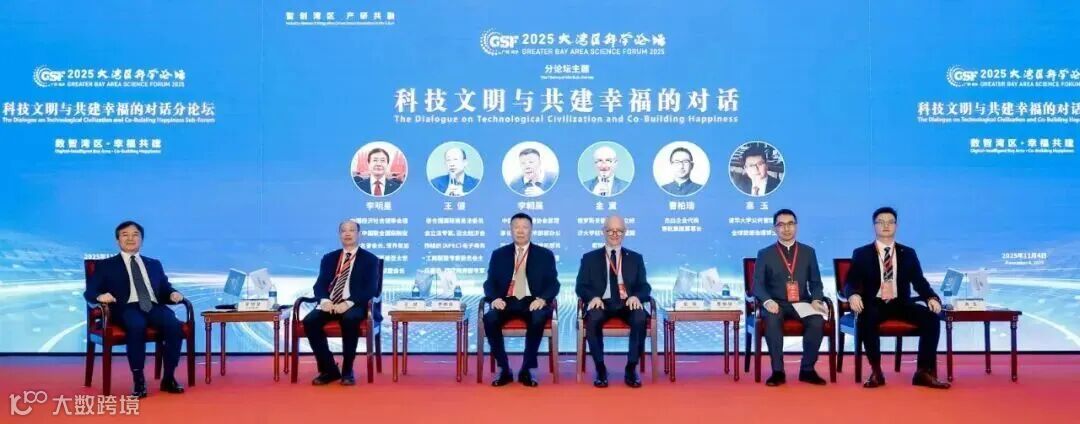
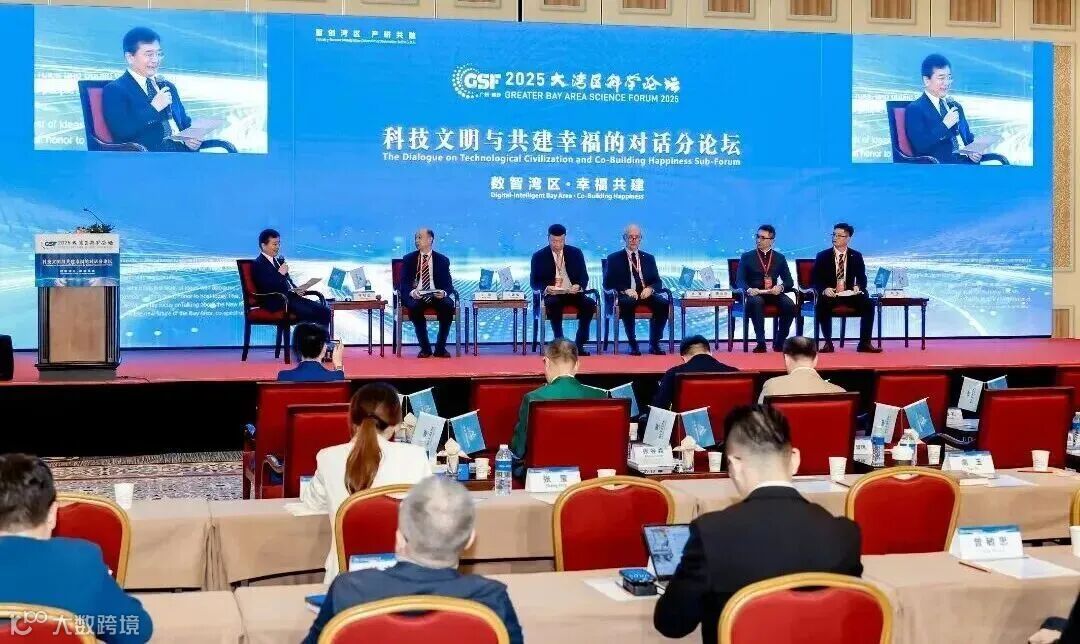
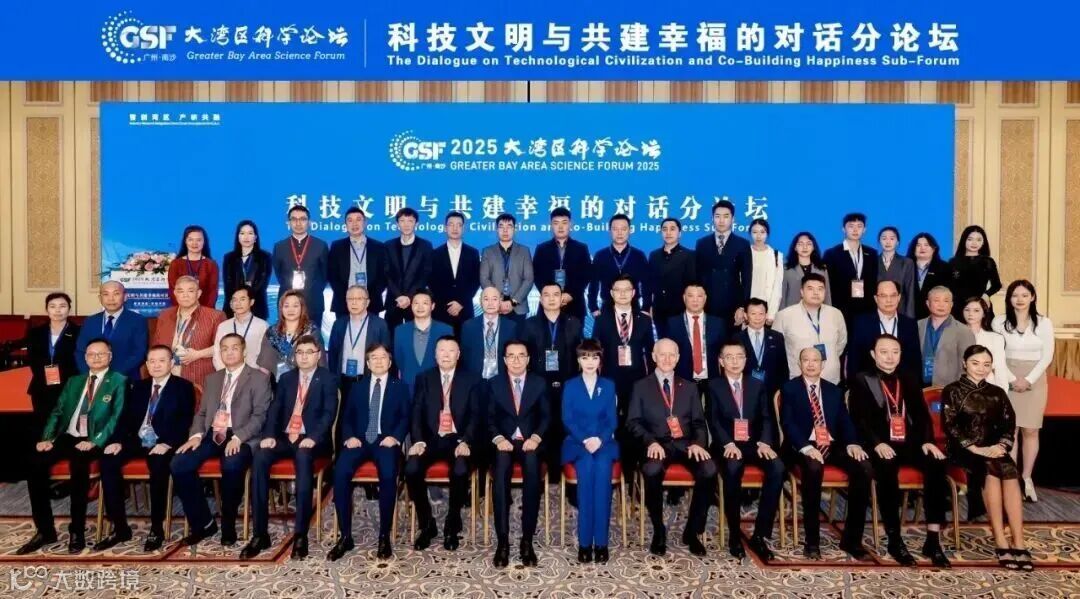
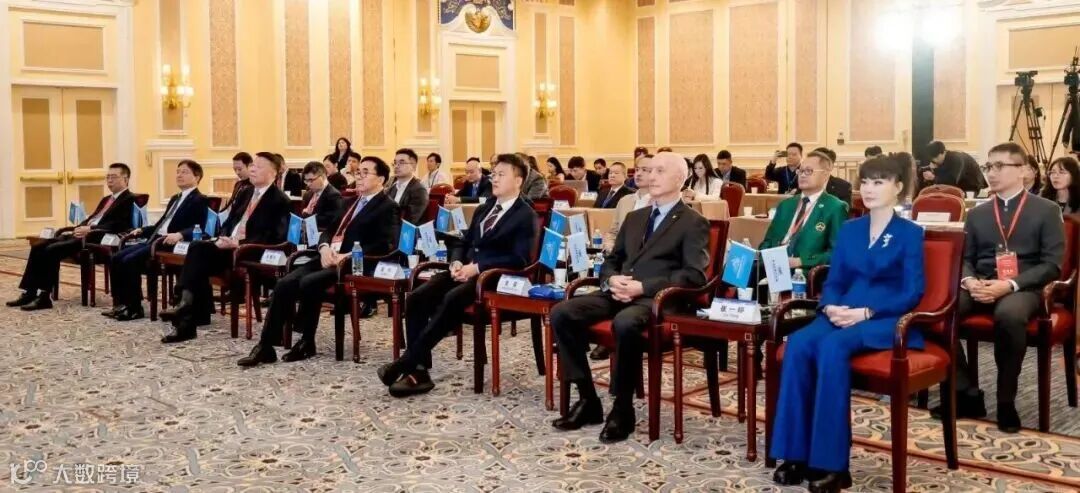
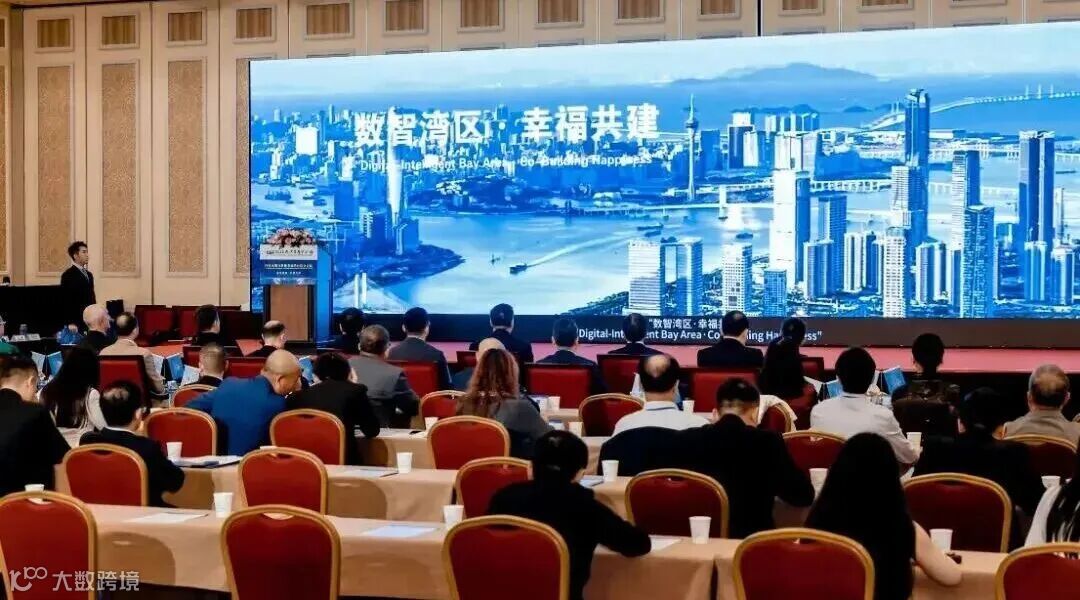
2025大湾区科学论坛“科技文明与共建幸福的对话”分论坛于11月4日下午在澳门举办。来自产学研各界的权威专家与领军人物围绕“数智湾区·幸福共建”展开深度对话,共同探讨科技如何赋能城市幸福、文明如何引领技术发展,并提出具前瞻性与实践性的中国路径与全球合作方案。
The Sub-forum "The Dialogue on Technological Civilization and Co-Building Happiness" of the 2025 Greater Bay Area Science Forum was held in Macao on the afternoon of November 4. Authoritative experts and leading figures from the industry, academia, and research sectors conducted in-depth dialogues around the theme of "Digital-Intelligent Bay Area·Co-Building Happiness". They jointly explored how technology can empower urban happiness and how civilization can guide technological development, and put forward forward-looking and practical Chinese paths and global cooperation plans.
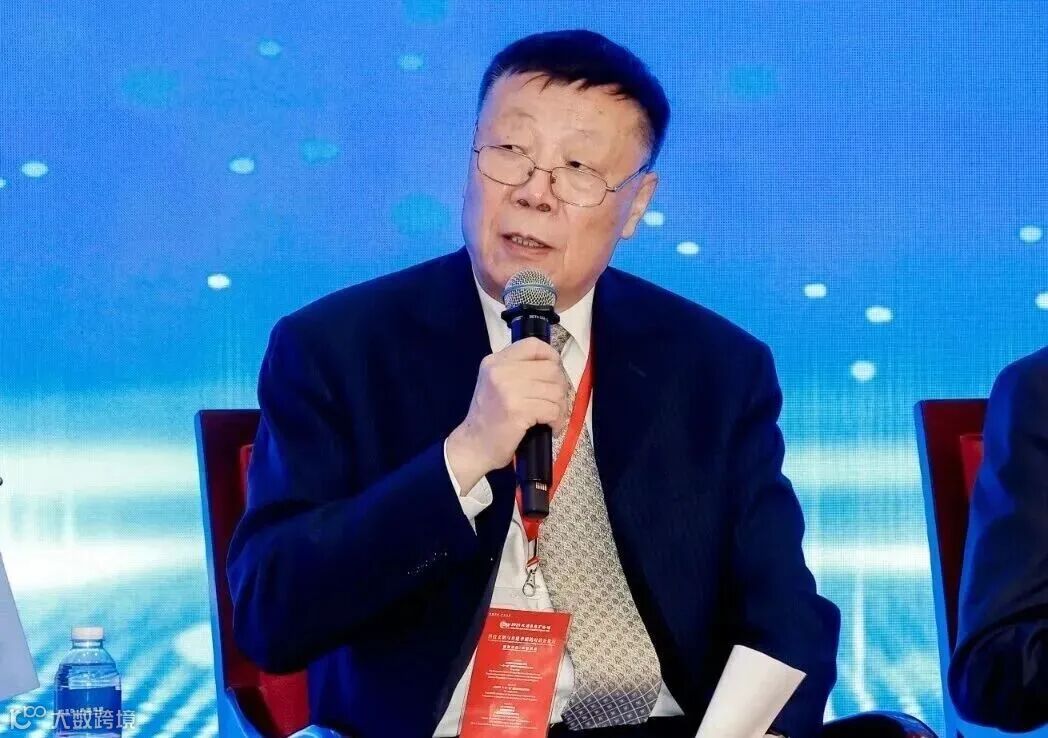
在“科技文明与共建幸福的对话”主题论坛上,中国智能交通协会原理事长,原驻美国、英国使馆公使衔科技参赞李朝晨——智慧交通的温度与秩序,助力湾区打造“幸福出行”新范式。
At the themed forum titled "Dialogue on Technological Civilization and Co-Building Happiness", Li Chaochen, former President of the China Association of Intelligent Transportation and former Minister-Counselor for Science and Technology at the Chinese Embassies in the United States and the United Kingdom, advocates that "the warmth and order of intelligent transportation will help the Greater Bay Area build a new paradigm of 'happy travel'".
智慧交通的温度与秩序,助力湾区打造“幸福出行”新范式
The warmth and order of intelligent transportation will help the Greater Bay Area build a new paradigm of “happy travel”
李朝晨
中国智能交通协会原理事长
原驻美国、英国使馆公使衔科技参赞
Li Chaochen
Former President of the China Association of Intelligent TransportationFormer Minister-Counselor for Science and Technology at the Chinese Embassies in the United States and the United Kingdom
作为中国智能交通领域的资深专家,李朝晨在论坛中聚焦“智慧交通的科技向善”,提出“为谁服务、凭什么信、要把人带到哪儿”三大核心问题,引导与会者重新思考技术发展的价值导向。
As a senior expert in China's intelligent transportation field, Li Chaochen focused on "Technology for Good in Smart Transportation" at the forum. He put forward three core questions: "For whom to serve, on what basis to gain trust, and where to lead people", guiding participants to rethink the value orientation of technological development.
他指出,智慧交通不应止于“快与通”,更应追求“安、顺、绿、稳”的综合目标。从公交优先到信号自适应,从碳减排KPI到系统韧性建设,李朝晨提出了一系列可落地的中国路径,并强调“试点先行、标准引领、公共优先”的实施策略。
He pointed out that smart transportation should not be limited to "speed and smoothness", but should pursue the comprehensive goals of "safety, comfort, greenness, and stability". From public transport priority to adaptive traffic signals, from carbon emission reduction KPIs to system resilience construction, Li Chaochen proposed a series of implementable Chinese paths. He also emphasized the implementation strategy of "pilot first, standard leadership, and public priority".
在全球化合作方面,他倡导“共同语言、共同场景、共同叙事”的三共模式,推动中国智慧交通经验成为“看得懂、用得上、愿跟进”的国际公共产品。他特别提到,“数智城市·幸福治理”倡议正是将技术温度转化为人民幸福感的最佳实践。李先生不仅在专业层面为智慧交通指明方向,更在战略层面阐述了论坛作为“科技文明话语平台”的引领作用。正是通过这样的高端对话,中国经验得以系统提炼、对外输出,成为“一带一路高质量发展”中的重要公共产品,惠及更多的城市和人民。
In terms of global cooperation, he advocated the "three mutuals" model of "shared language, shared scenarios, and shared narratives", promoting China's smart transportation experience to become an international public good that is "understandable, usable, and worth following". He specifically mentioned that the initiative of "Digital and Intelligent City · Happy Governance" is the best practice to transform the warmth of technology into people's sense of happiness. Mr. Li not only pointed out the direction for smart transportation at the professional level, but also expounded the leading role of the forum as a "discourse platform for technological civilization" at the strategic level. It is through such high-end dialogues that China's experience can be systematically refined and exported, becoming an important public good in the "high-quality development of the Belt and Road Initiative" and benefiting more cities and people.





 ANSO国际科技企业联盟