


Comprehensive Guide to Foreigners Purchasing Properties in Chinese Cities
I. Policy Background and Core Changes
In 2025, China's real estate market will witness a new round of opening-up policies. The "Notice on Deepening Reforms in Foreign Exchange Administration for Cross-Border Investment and Financing (Draft for Comments)" issued by the State Administration of Foreign Exchange explicitly proposes to abolish restrictions on foreign-funded enterprises and multinational corporations using capital project foreign exchange income for purchasing non-owner-occupied residential properties. This policy adjustment marks that foreign capital can directly use foreign exchange settlement funds to invest in China's residential property market, ending the 19-year restriction on foreign property purchases since the implementation of the "Opinions on Regulating the Market Access and Administration of Foreign Investment in the Real Estate Market" in 2006.
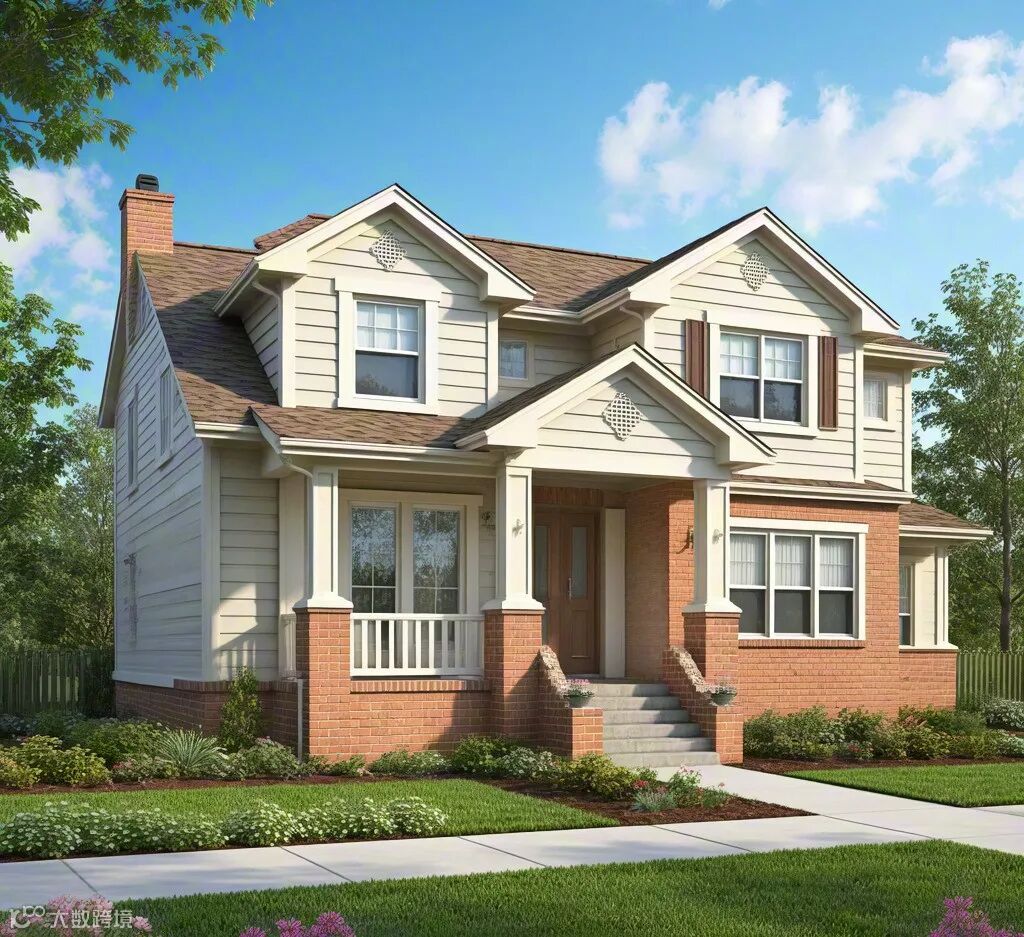
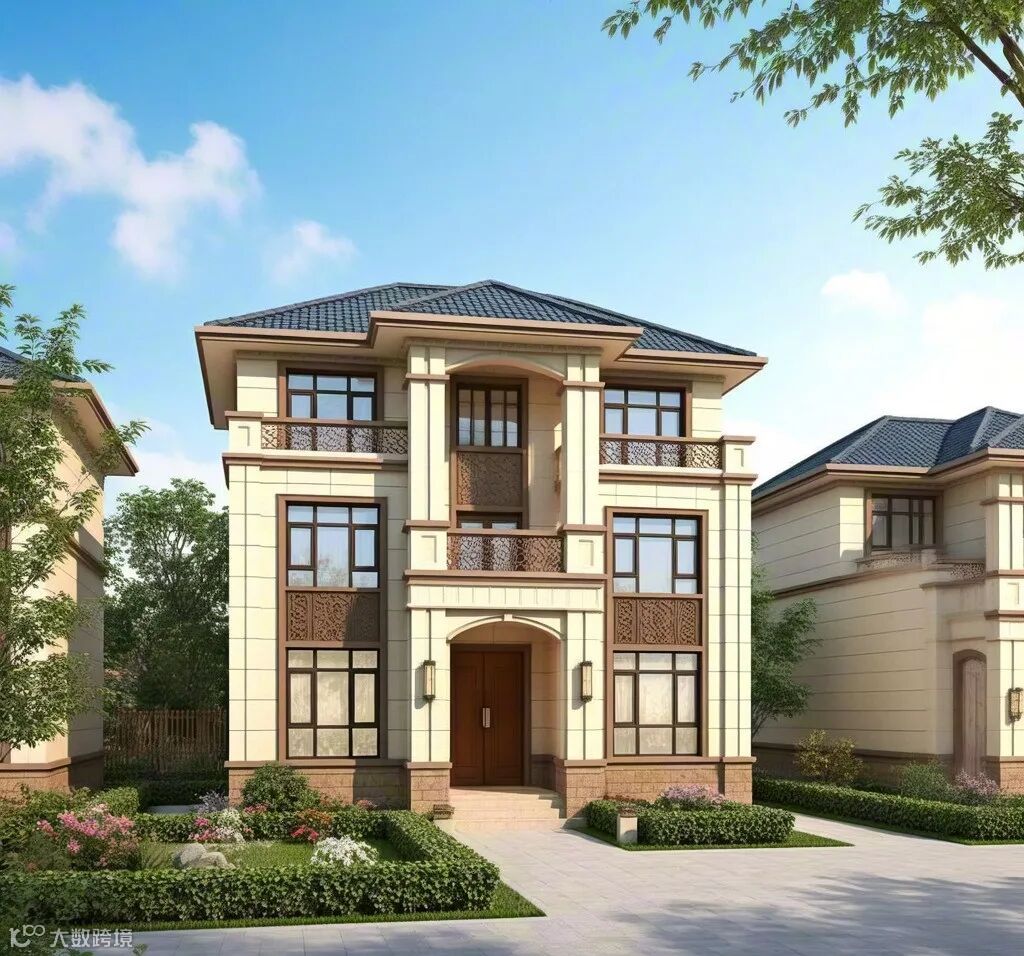
The core policy changes are reflected in three aspects:
- Liberalization of Capital Flows
: Foreign-funded enterprises' foreign exchange income can be directly settled for purchasing residential properties without going through complex approval procedures. - Expansion of Regional Pilots
: The foreign exchange settlement facilitation policy for property purchases by Hong Kong and Macao residents will be extended from the Greater Bay Area to the whole country, allowing overseas individuals to settle foreign exchange in advance for property purchases based on contracts. - Relaxation of Market Access
: Foreign capital can invest in commercial real estate, but individual property purchases are still limited to one self-use residential property.
II. Eligibility Requirements and Urban Variations
(I) Basic Eligibility Requirements
- Identification Documents
: A valid passport is required, with港澳台 (Hong Kong, Macao, and Taiwan) residents providing travel permits. - Residence Conditions
: -
Have worked or studied in China for at least one year (some cities like Jinan have removed time restrictions). -
No time restrictions for holders of the "Permanent Residence Permit for Foreigners". - Purchase Quotas
: A nationwide limit of one self-use residential property purchase is imposed, although cities like Guangzhou may have no purchase quotas for residential properties over 120 square meters. - No-Property Declaration
: A written declaration stating no other residential properties in China is required, with some cities requiring handwritten signatures and fingerprints.
(II) Differentiated Urban Policies
- Beijing
: -
Work or study certificates are required, with foreign-language documents needing Chinese translations notarized. -
The property purchase eligibility review checklist spans three pages, including company business licenses and social security records. -
Property purchases by families require verification of all members' property status. - Shanghai
: -
For property purchases within the Outer Ring Road, 15 months of continuous social security or individual income tax payments within the last 12 months are required; no quota restrictions for purchases outside the Outer Ring Road after one year. -
Foreigners need an additional work visa issued in Shanghai for over one year. -
No-property certificates for families must include information on minor children. - Shenzhen
: -
A pilot program has lifted purchase quota restrictions but limits the total area to a maximum of 300 square meters. -
Foreigners are still limited to purchasing one self-use residential property. -
Legitimate source proofs are required for property purchase funds, with foreign exchange filings necessary for cross-border payments. - Second-Tier City Case (Jinan)
: -
No work or study time restrictions have been removed. -
Property purchase approvals can be completed in as fast as five working days. -
Overseas individuals are allowed to purchase commercial real estate for self-use business operations.
III. Property Purchase Process and Document Checklist
(I) Standard Property Purchase Process
- Eligibility Pre-review (1-2 weeks)
: -
Submit documents: passport, work certificate, no-property declaration, foreign-related review opinion letter. -
Approval authority: Foreign-related approval office of the local housing and urban-rural development bureau. -
Special requirements: Notarized Chinese translations of foreign-language documents are required in Beijing, with notarization fees exceeding RMB 2,000 per document. - Property Selection (time varies based on market conditions)
: -
In core cities, high-quality projects require advance subscription, such as a RMB 5 million subscription deposit for a luxury property project in Shanghai's Lujiazui. -
For commercial real estate, the compliance of property usage must be verified, with purchases of rural small property houses prohibited. - Contract Signing (1-3 days)
: -
Key clauses: payment terms (installment payments recommended), liquidated damages (usually 20% of the property price), and property registration time. -
Funds regulation: Transfer through a dedicated bank account to ensure transaction security. - Foreign Exchange Settlement (2-3 weeks)
: -
Required documents: passport, labor contract, pre-sale contract, and proof of fund source. -
Settlement limit: No more than the equivalent of USD 5 million per transaction. -
Typical case: A Singaporean client was required to supplement 12 months of bank statements due to a lack of proof of fund source. - Property Registration (within 30 working days)
: -
Tax standards: deed tax of 1%-3% (1% for first-time homebuyers purchasing properties under 90 square meters), stamp duty of 0.05%. -
Special preferential policies: Exemption from real estate tax for first-time home purchases after three years of residence in China.
(II) Document Preparation Essentials
- Basic Documents
: -
Original passport and notarized Chinese translation (by designated translation agencies). -
Marital status certificate (marriage certificates require notarization and authentication). -
No-property declaration in China (handwritten signature and fingerprint required). - Work Certificates
: -
Labor contracts for 12 consecutive months (make-up social security payments are not recognized). -
Employment certificates (stamped by the company and signed by the legal representative). -
Social security or individual income tax payment records (stamped by the local tax bureau). - Financial Proofs
: -
Proof of overseas remittance path (showing the source of funds). -
Bank statements for the last six months (with an average daily balance of no less than 30% of the property price). -
Income certificates (income should be at least twice the monthly mortgage payment).
IV. Risk Prevention and Compliance Essentials
(I) Legal Red Lines
- Fund Source Review
: -
The use of overseas hot money for speculative property purchases is prohibited. -
A Russian client was blacklisted due to abnormal bank statements. -
Funds are subject to穿透式 (penetrating) regulation, requiring proof of the ultimate beneficiary. - Property Restrictions
: -
Purchases of properties near secret-related units are prohibited. -
Commercial real estate purchases require proof of self-use. -
A German engineer was ordered to return a property purchased with a tourist visa. - Tax Compliance
: -
Annual declaration of real estate tax is required after property purchase (non-ordinary residential properties are taxed at 1.2%). -
A 20% individual income tax is levied on property transfers. -
A Brazilian client was required to pay back taxes and late fees for failing to declare rental income.
(II) Dispute Resolution Mechanisms
- Contract Disputes
: -
Chinese law applies, with arbitration clauses needing to be clearly specified. -
A U.S. client was awarded RMB 500,000 in liquidated damages due to ambiguous contract terms. - Property Disputes
: -
Resolution must be sought through foreign-related courts. -
The average trial period is 6-12 months. - Administrative Penalties
: -
Violations of property purchase regulations may result in property confiscation and fines. -
In 2025, Shanghai investigated three cases of foreigners forging social security records.
V. Market Trends and Investment Strategies
(I) Policy Orientation Analysis
- High-End Residential Market
: -
Foreign capital inflows are expected to drive up prices of luxury properties in core cities. -
The supply-demand ratio in areas like Shanghai's Lujiazui and Shenzhen's Qianhai has dropped to 1:0.7. - Commercial Real Estate Opportunities
: -
Foreign capital can invest in the renovation of long-term rental apartments. -
The rental yield for office buildings in Beijing's CBD reaches 4.5%. - Regional Differentiation Intensifies
: -
Annual price increases of 5%-8% are expected in first-tier cities. -
The inventory de-stocking period in third- and fourth-tier cities has extended to 36 months.
(II) Investment Recommendations
- Timing Selection
: -
Monitor windows of opportunity in foreign exchange settlement policies. -
Prioritize pre-sale projects to lock in prices. - Product Allocation
: -
For self-use: Choose properties near schools or subway stations. -
For investment: Focus on small commercial units (area < 50 square meters). - Exit Strategies
: -
Exemption from value-added tax after holding for five years. -
Exit through the QFLP (Qualified Foreign Limited Partner) channel.
VI. Typical Case Studies
(I) Successful Case: Property Purchase by a Foreign Executive in Shanghai
- Background
: A German president of an automotive company's Asia-Pacific region with a work visa for over two years. - Operations
: -
Obtained a RMB 5 million loan through company guarantees. -
Used overseas dividends settled in foreign exchange for the down payment. -
Completed the entire process from contract signing to property registration in six weeks. - Returns
: -
Property prices increased by 12% one year after purchase. -
Rental yield reached 3.8%.
(II) Failed Case: Property Purchase with Forged Documents
- Background
: A Brazilian businessman used intermediaries to forge social security records. - Consequences
: -
The property was confiscated by the government. -
A fine of 20% of the property price was imposed. -
The individual was blacklisted in the credit system. - Lessons Learned
: -
Strictly comply with purchase quota policies. -
Avoid using gray-market channels.
VII. Future Outlook
With the deepening implementation of the Regional Comprehensive Economic Partnership (RCEP), China's real estate market will exhibit three major trends:
- Increased Foreign Investment
: The proportion of foreign property purchases is expected to exceed 5% by 2026. - Accelerated Product Upgrades
: Developers will introduce international standards such as WELL certification. - Digitalization of Services
: Blockchain technology will be applied to property registration, tax payments, and other processes.
For overseas property buyers, grasping the policy红利 period requires "three proactive steps": proactively planning fund paths, proactively preparing compliant documents, and proactively understanding the market characteristics of target cities. Within the compliance framework, China's real estate market will continue to provide stable returns for global investors.
外国人在中国城市购房全流程解析与实操指南
一、政策背景与核心变化
2025年,中国房地产市场迎来新一轮开放政策。国家外汇管理局发布的《关于深化跨境投融资外汇管理改革有关事宜的通知(征求意见稿)》明确提出,取消外资企业和跨国公司资本项目外汇收入用于购买非自用住宅的限制。这一政策调整标志着外资可直接使用外汇结汇资金投资中国住宅市场,结束了自2006年《关于规范房地产市场外资准入和管理的意见》实施以来长达19年的外资购房限制。
政策核心变化体现在三方面:
- 资金流动自由化
:外资企业外汇收入可直接结汇用于购买住宅,无需再通过复杂审批流程。 - 区域试点扩展
:港澳居民购房结汇便利化政策从大湾区推广至全国,境外个人购房可凭合同先行结汇支付。 - 市场准入放宽
:外资可投资商业地产,但个人购房仍限购1套自住房产。
二、购房资格与城市差异
(一)基础资格要求
- 身份证明
:需持有合法有效护照,港澳台居民提供通行证。 - 居留条件
: -
境内工作/学习满1年(部分城市如济南取消时间限制) -
持《外国人永久居留证》者无时间限制 - 购房套数
:全国统一限购1套自住房,但广州等城市对120㎡以上住宅可能不限购。 - 无房承诺
:需提交境内无其他住房的书面声明,部分城市要求手写签字并按手印。
(二)城市差异化政策
- 北京
: -
需提供工作/学习证明,外文材料需中文译本公证 -
购房资格审核材料清单长达3页,包含公司营业执照、社保记录等 -
家庭购房需核查所有成员房产情况 - 上海
: -
外环内购房需15个月内缴满12个月社保/个税,外环外满1年不限套数 -
外籍人士需额外持有1年以上上海签发的工作签注 -
家庭名下无房证明需包含未成年子女信息 - 深圳
: -
试点取消限购套数但限总面积(最多购300㎡) -
外籍人士仍限购1套自住房 -
购房资金需提供合法来源证明,涉及跨境支付需外汇备案 - 二线城市案例(济南)
: -
取消工作/学习时间限制 -
购房审批最快5个工作日完成 -
允许境外人士购买商业地产用于自用经营
三、购房流程与材料清单
(一)标准购房流程
- 资格预审
(1-2周) -
提交材料:护照、工作证明、无房承诺、涉外审查意见书 -
审批部门:地方住建局涉外审批办公室 -
特殊要求:北京需公证外文材料,公证费超2000元/份 - 房源选定
(视市场情况) -
核心城市优质项目需提前认筹,如上海陆家嘴某豪宅项目认筹金达500万元 -
商业地产需核查物业用途合规性,禁止购买农村小产权房 - 合同签订
(1-3日) -
关键条款:付款方式(建议分期支付)、违约责任(违约金比例通常为房款20%)、产权登记时间 -
资金监管:通过银行专用账户划转,确保交易安全 - 外汇结汇
(2-3周) -
所需材料:护照、劳动合同、预售合同、资金来源证明 -
结汇额度:单笔不超过等值500万美元 -
典型案例:某新加坡客户因资金来源证明缺失被要求补充12个月银行流水 - 产权登记
(30个工作日内) -
税费标准:契税1%-3%(首套房90㎡以下1%)、印花税0.05% -
特殊优惠:入境居留满3年购首套房免征房产税
(二)材料准备要点
- 基础材料
: -
护照原件及中文译本公证(需指定翻译机构) -
婚姻状况证明(结婚证需公证认证) -
境内无房承诺书(需手写签字并按手印) - 工作证明
: -
连续12个月劳动合同(补缴社保不予认可) -
在职证明(需公司盖章及法人签字) -
社保/个税缴纳记录(需地税部门盖章) - 资金证明
: -
境外汇款路径证明(需显示资金来源) -
银行流水(最近6个月,日均余额不低于房款30%) -
收入证明(需达到月供2倍以上)
四、风险防控与合规要点
(一)法律红线
- 资金来源审查
: -
禁止使用境外热钱投机购房 -
某俄罗斯客户因银行流水异常被列入黑名单 -
资金穿透式监管要求提供最终受益人证明 - 产权限制
: -
禁止购买涉密单位周边房产 -
商业地产需提供自用证明 -
某德国工程师因持旅游签证购房被责令退房 - 税务合规
: -
购房后每年需申报房产税(非普宅税率1.2%) -
转让房产需缴纳20%个人所得税 -
某巴西客户因未申报租金收入被追缴税款及滞纳金
(二)纠纷解决机制
- 合同争议
: -
适用中国法律,仲裁条款需明确约定 -
某美籍客户因合同条款歧义获赔违约金50万元 - 产权纠纷
: -
需通过涉外法庭诉讼解决 -
平均审理周期6-12个月 - 行政处罚
: -
违规购房将面临房产没收、罚款等处罚 -
2025年上海查处3起外籍人士伪造社保记录案件
五、市场趋势与投资策略
(一)政策导向分析
- 高端住宅市场
: -
外资进入将推升核心城市豪宅价格 -
上海陆家嘴、深圳前海等区域供需比降至1:0.7 - 商业地产机遇
: -
外资可投资改造长租公寓 -
北京CBD区域写字楼租金回报率达4.5% - 区域分化加剧
: -
一线城市房价年涨幅预期5%-8% -
三四线城市库存去化周期延长至36个月
(二)投资建议
- 时机选择
: -
关注外汇管理局结汇政策窗口期 -
优先选择预售制项目锁定价格 - 产品配置
: -
自住需求:选择学区房、地铁盘 -
投资需求:关注商办类小户型(面积<50㎡) - 退出机制
: -
持有满5年可免征增值税 -
通过QFLP渠道实现境外退出
六、典型案例分析
(一)成功案例:上海外籍高管购房
- 背景
:德国籍某汽车公司亚太区总裁,工作签注满2年 - 操作
: -
通过公司担保获得500万元贷款 -
使用境外分红结汇支付首付 -
6周完成从签约到产权登记全流程 - 收益
: -
购房后1年房价上涨12% -
租金回报率达3.8%
(二)失败案例:伪造材料购房
- 背景
:某巴西商人通过中介伪造社保记录 - 后果
: -
房产被政府没收 -
罚款房款20% -
列入征信黑名单 - 教训
: -
严格遵守限购政策 -
避免使用灰色渠道
随着RCEP区域全面经济伙伴关系协定深化实施,中国房地产市场将呈现三大趋势:
- 外资占比提升
:预计2026年外资购房占比将突破5% - 产品升级加速
:开发商将引入国际WELL认证等标准 - 服务数字化
:区块链技术将应用于产权登记、税费缴纳等环节
对于境外购房者而言,把握政策红利期需做到"三个提前":提前规划资金路径、提前准备合规材料、提前了解目标城市市场特性。在合规框架下,中国房地产市场仍将为全球投资者提供稳健回报机遇。