


The Exquisite Art of Crafting High-Quality Cellos in Chinese Factories: A Symphony of Tradition, Innovation, and Global Harmony
Introduction: The Cello as a Universal Language of Beauty
The cello, with its rich, resonant tones and expressive range, has long been celebrated as one of the most emotionally captivating instruments in classical music. Its deep, soulful voice can evoke both grandeur and intimacy, making it a beloved fixture in orchestras, chamber ensembles, and solo performances worldwide. While historically associated with European luthiers—master craftsmen from Cremona, Italy, or the workshops of Germany and France—the art of cello-making has evolved into a global endeavor. Today, China stands as a rising star in the production of high-quality, exquisitely crafted cellos, blending centuries-old traditions with cutting-edge innovation to create instruments that resonate with musicians and audiences alike.
This article explores the fascinating world of Chinese cello manufacturing, delving into the meticulous craftsmanship, advanced technologies, and cultural influences that make these instruments truly exceptional. From the selection of premium materials to the final touches of varnish, we will uncover how Chinese factories are redefining excellence in string instrument production while honoring the legacy of the cello’s European roots. Whether you are a professional cellist, a music enthusiast, or simply someone who appreciates the beauty of fine craftsmanship, join us on this journey to discover why Chinese-made cellos are capturing hearts—and ears—around the globe.
Chapter 1: The Legacy of the Cello: A Brief History
Before we dive into the specifics of Chinese cello production, it is essential to understand the instrument’s historical context and the high standards it demands. The cello, or violoncello, emerged in the early 16th century as part of the violin family, evolving from earlier stringed instruments like the viol. Its name derives from the Italian word violoncello, meaning “little violone,” reflecting its role as the bass member of the family.
The golden age of cello-making began in the 17th and 18th centuries, with legendary luthiers such as Antonio Stradivari, Giuseppe Guarneri del Gesù, and Andrea Amati creating instruments that remain unparalleled in beauty and sound quality. These masters developed techniques for selecting tonewoods, carving intricate scrolls, and applying varnishes that enhanced both durability and acoustic properties. Their creations became prized possessions, sought after by orchestras, soloists, and collectors worldwide.
Today, the demand for high-quality cellos continues to grow, driven by a thriving global music scene and an increasing appreciation for classical and contemporary compositions. However, the scarcity and exorbitant cost of antique instruments have led many musicians to seek modern alternatives that offer comparable excellence without the prohibitive price tag. This is where Chinese cello manufacturers have stepped in, leveraging their expertise, resources, and dedication to quality to fill this gap in the market.
Chapter 2: The Rise of Chinese Cello Manufacturing: A Perfect Blend of Tradition and Technology
China’s journey into the world of cello-making is a testament to its ability to combine time-honored craftsmanship with modern innovation. While the country has a long history of producing traditional Chinese instruments like the erhuand pipa, its foray into Western classical instruments began in earnest during the late 20th century. Initially focused on mass-producing student-grade violins and cellos, Chinese factories gradually shifted their focus toward higher-end models as they recognized the potential for growth in this niche market.
Several factors contributed to China’s emergence as a leader in cello production:
- Access to Premium Materials
: China is home to vast forests of spruce and maple—the primary tonewoods used in cello construction—as well as other essential materials like ebony for fingerboards and pegs. This proximity to high-quality resources reduces costs and ensures consistency in supply. - Skilled Workforce
: Many Chinese luthiers have trained under European masters or studied at prestigious institutions abroad, bringing back invaluable knowledge and techniques. Additionally, the tradition of apprenticeship ensures that skills are passed down through generations, preserving the artistry of cello-making. - Advanced Manufacturing Technologies
: While handcraftsmanship remains at the heart of cello production, Chinese factories have embraced modern tools such as CNC machines for precise carving and laser-guided varnishing systems for flawless finishes. These technologies complement traditional methods, enhancing efficiency without compromising quality. - Government Support and Investment
: Recognizing the cultural and economic value of the music industry, the Chinese government has invested heavily in research and development, providing grants and incentives to manufacturers who prioritize innovation and excellence.
As a result of these factors, Chinese cello factories now produce instruments that rival those from Europe in terms of sound quality, playability, and aesthetic appeal—often at a fraction of the cost.
Chapter 3: The Craftsmanship Behind a Chinese-Made Cello: From Raw Wood to Masterpiece
Creating a high-quality cello is a labor-intensive process that requires patience, precision, and a deep understanding of acoustics. Let’s take a closer look at the key steps involved in crafting a Chinese cello, highlighting the attention to detail that sets these instruments apart.
Step 1: Selecting the Tonewoods
The foundation of any great cello lies in its wood. Chinese manufacturers carefully source spruce for the top (soundboard) and maple for the back, sides, and neck. These woods are chosen for their density, grain pattern, and resonance, with each piece undergoing rigorous testing to ensure it meets strict acoustic standards. Some factories even age their wood for several years to enhance stability and tonal richness.
Step 2: Carving the Body
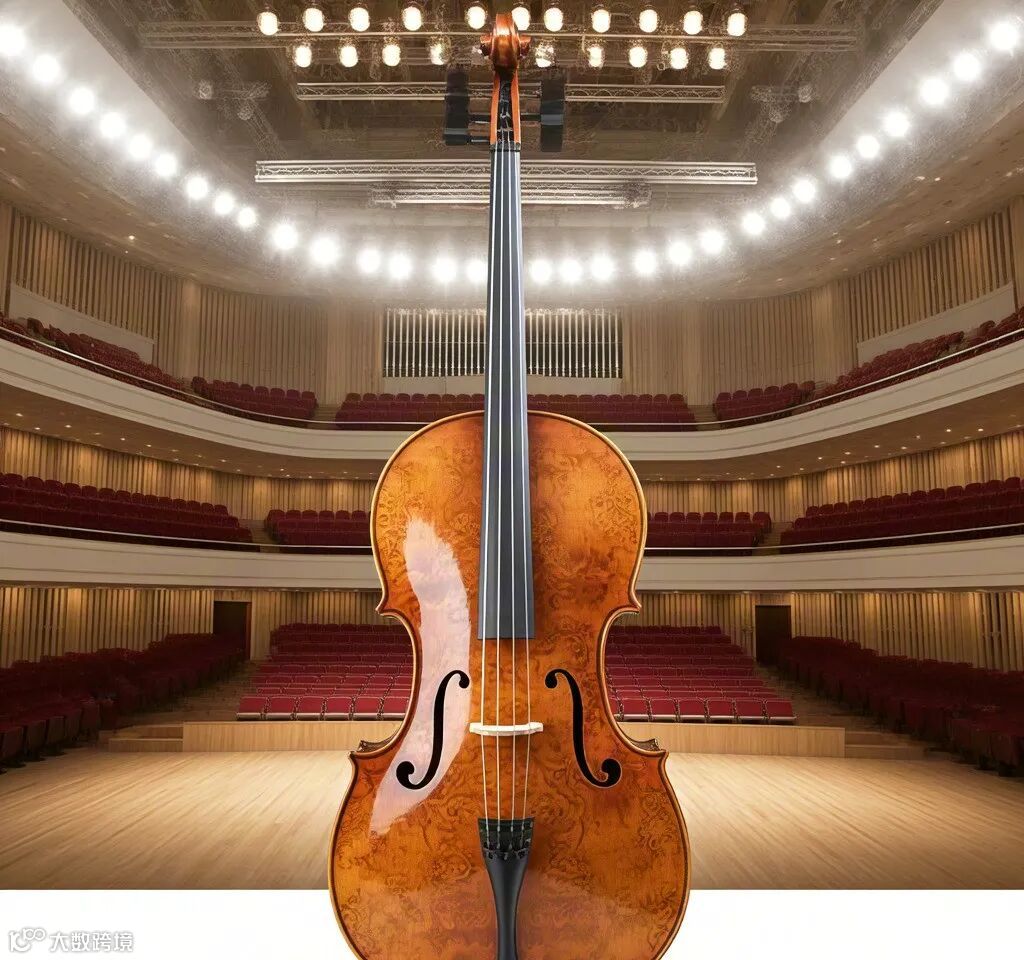
Once the wood is selected, skilled artisans use a combination of hand tools and CNC machines to carve the cello’s body. This includes shaping the arching (the curved profile of the top and back), which plays a crucial role in determining the instrument’s volume and projection. The f-holes—the distinctive soundholes on either side of the bridge—are also carefully cut to optimize airflow and enhance tonal clarity.
Step 3: Assembling the Components
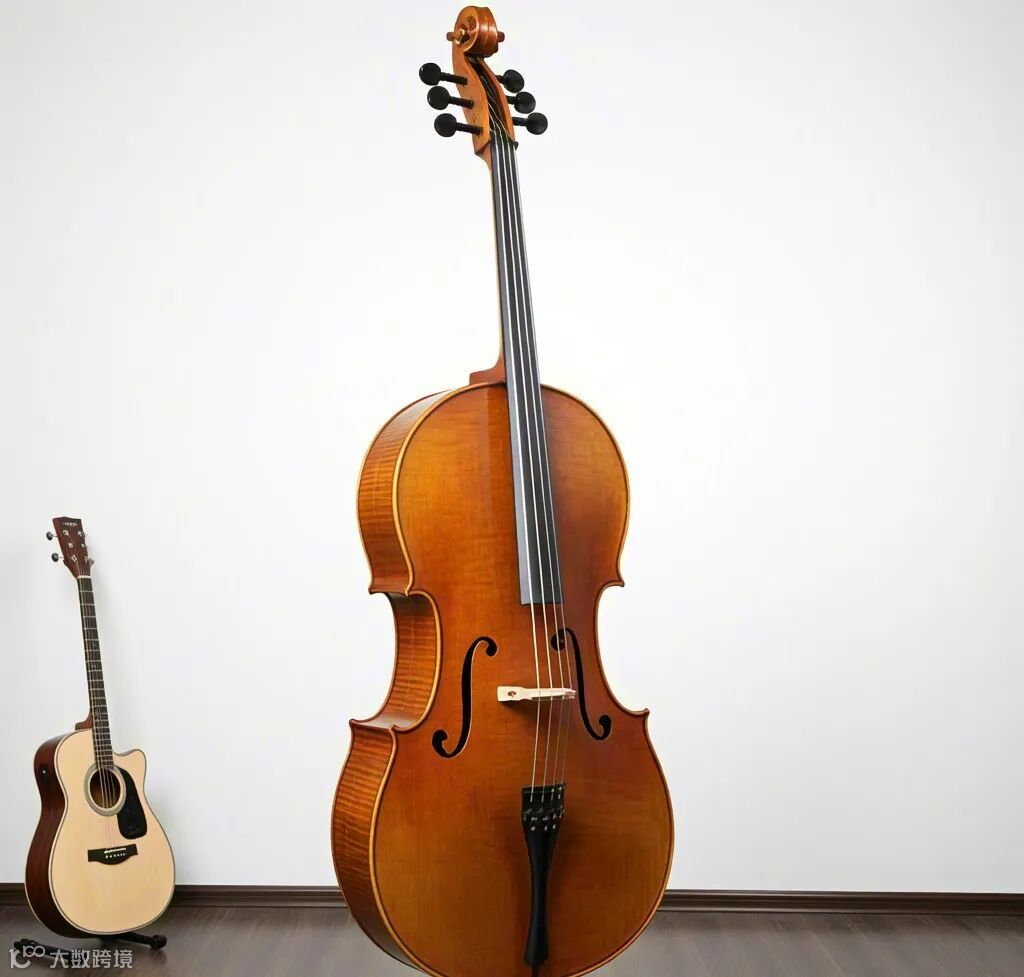
After carving, the top, back, and sides are glued together to form the cello’s body. The neck, which is typically made from a single piece of maple, is then attached, followed by the installation of the fingerboard, pegs, and tailpiece. Attention is paid to every minute detail, from the angle of the neck to the spacing of the strings, to ensure optimal playability.
Step 4: Applying the Varnish
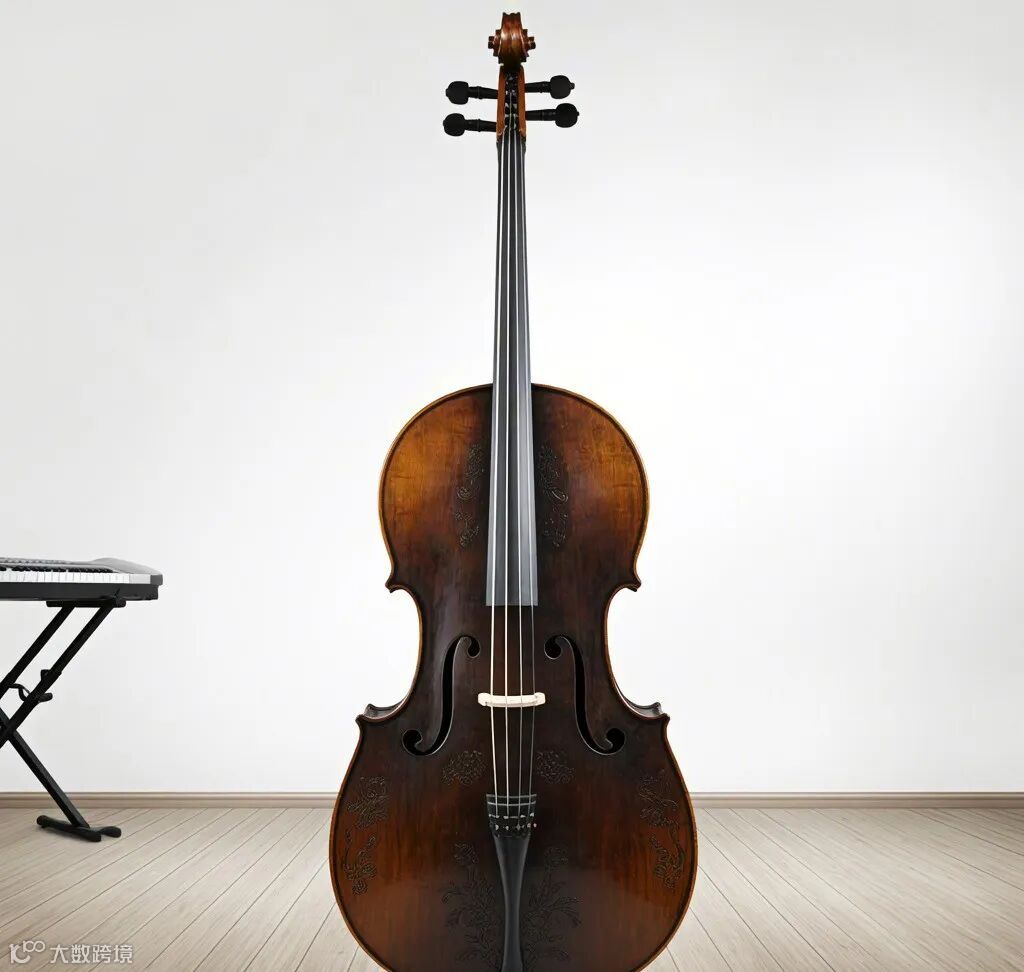
Varnishing is both an art and a science, as it protects the wood while influencing the cello’s appearance and sound. Chinese manufacturers employ a variety of techniques, ranging from traditional oil varnishes to modern spirit-based finishes, each offering unique advantages in terms of durability and tonal warmth. The varnish is applied in multiple thin layers, with each coat sanded down to create a smooth, lustrous surface.
Step 5: Final Setup and Testing
Before leaving the factory, every cello undergoes a thorough setup process, during which the bridge is positioned, the soundpost is adjusted, and the strings are fitted and tuned. The instrument is then played and evaluated by experienced luthiers, who make any necessary adjustments to ensure it meets the highest standards of sound quality and playability. Only after passing this rigorous inspection is the cello deemed ready for sale.
Chapter 4: The Sound of Excellence: Why Chinese Cellos Stand Out
One of the most compelling reasons musicians choose Chinese-made cellos is their exceptional sound quality. Thanks to the meticulous craftsmanship and careful selection of materials, these instruments produce a rich, balanced tone with excellent projection and clarity. Whether performing in a concert hall or practicing at home, players appreciate the cello’s ability to convey a wide range of emotions—from the gentle melancholy of a Bach suite to the fiery passion of a Tchaikovsky concerto.
Moreover, Chinese manufacturers offer a diverse range of models to suit different playing styles and budgets. From entry-level instruments designed for beginners to professional-grade cellos crafted for seasoned performers, there is a Chinese cello to meet every need. Many factories also provide customization options, allowing musicians to choose specific woods, finishes, and hardware to create an instrument that truly reflects their personal taste.
Chapter 5: Bridging Cultures: The Global Impact of Chinese Cellos
The rise of Chinese cello manufacturing has had a profound impact on the global music community. By making high-quality instruments more accessible, Chinese factories have democratized classical music, enabling more people to experience the joy of playing the cello. This has led to a surge in interest in string education, particularly in developing countries where access to affordable instruments was previously limited.
Additionally, Chinese cellos have gained recognition on the international stage, with many professional musicians incorporating them into their repertoires. Orchestras and chamber ensembles around the world now feature Chinese-made cellos alongside their European counterparts, showcasing the universal appeal of these beautifully crafted instruments.
Conclusion: A Harmonious Future for Chinese Cello Manufacturing
As we have seen, Chinese factories are redefining excellence in cello production by combining centuries-old traditions with modern innovation. Their commitment to quality, affordability, and accessibility has made high-quality cellos available to a wider audience than ever before, fostering a greater appreciation for classical music and the art of instrument-making.
Looking ahead, the future of Chinese cello manufacturing appears bright. With ongoing investments in research and development, a growing pool of skilled luthiers, and an ever-expanding global market, there is no doubt that Chinese-made cellos will continue to captivate musicians and audiences for generations to come. So the next time you hear the soul-stirring sound of a cello, take a moment to appreciate the craftsmanship and dedication that went into creating it—and remember that some of the finest instruments in the world may have been crafted in the heart of China.
In closing, the story of Chinese cello manufacturing is not just about instruments; it is about the power of human creativity and the universal language of music. By embracing both tradition and innovation, Chinese factories have created a legacy that resonates far beyond their borders, proving that excellence knows no boundaries. Whether you are a seasoned cellist or simply someone who loves the beauty of a well-crafted object, a Chinese-made cello is a testament to what can be achieved when passion meets precision.