大数跨境
0
0

How to Choose a Reliable Factory for Foreign Trade in 2025

How to Choose a Reliable Factory for Foreign Trade in 2025 D.one外贸说
2025-09-12
5
导读:Ever been burned by a sketchy factory choice in your foreign trade journey?

Introduction

Ever been burned by a sketchy factory choice in your foreign trade journey? You know the drill: samples look perfect, but mass production turns into a disaster zone. Or worse, the factory ghosts you right before shipment deadline, leaving you high and dry with angry clients. These factory fails can cost you way more than just profits—they can tank your reputation faster than a lead balloon.


In 2025's cutthroat foreign trade landscape, factories aren't just suppliers—they're make-or-break strategic partners. A solid factory will have your back when clients make impossible demands, while a dodgy one will turn your peak season into a nightmare. But rookies keep falling into the same old traps:


Common Pitfalls to Dodge
  • Blindly trusting "Gold Supplier" badges without checking the fine print

  • Obsessing over factory size while ignoring the boss's business philosophy

  • Chasing rock-bottom prices and sacrificing quality control

  • Skipping background checks until you discover their legal troubles the hard way

Don't sweat it—I've got a battle-tested framework that'll help you find factories worth their salt in 2025. We'll cover everything from vetting methods to communication hacks, risk management to contract traps. Let's turn you into a factory-sleuthing pro.


01

The Current State of Foreign Trade Factories in 2025


Factory Distribution Patterns

Platform Reality Check: 1688 vs. Alibaba International

1688 (China's domestic B2B platform) actually verifies "source factory" claims with business licenses and production site proofs—meaning you're way more likely to find real manufacturers there than on International. Many "Manufacturer" listings on International are just trading companies or tiny workshops, better for small trial orders than long-term partnerships.


Price Verification 101

How to Spot Price Bullshit
  1. Check historical transaction records: Ask for real order screenshots from the past 3 months (client info can be blurred)

  2. Test MOQ flexibility: Real factories usually accept 100-500 trial units; traders often force 1000+ minimums

  3. Demand production videos: Random requests for workshop assembly line or raw material warehouse footage—factories that can deliver instantly are legit


How Factories Think About Cooperation

Factories prioritize "meaningful" orders—not because they're snobs, but because constant production line changes cost them big time. The secret? Use "manufacturing resource strategy" to level the playing field—show them you're worth their time with a "virtual inquiry".


Virtual Inquiry Pro Move: Package detailed market analysis, phased purchasing plans (like 500 trial units first, 2000-unit reorder in 3 months), and product spec confirmations. This tells factories you're not just window-shopping—you're a serious player with potential.


02

Core Factory Screening Methods


Initial Online Vetting

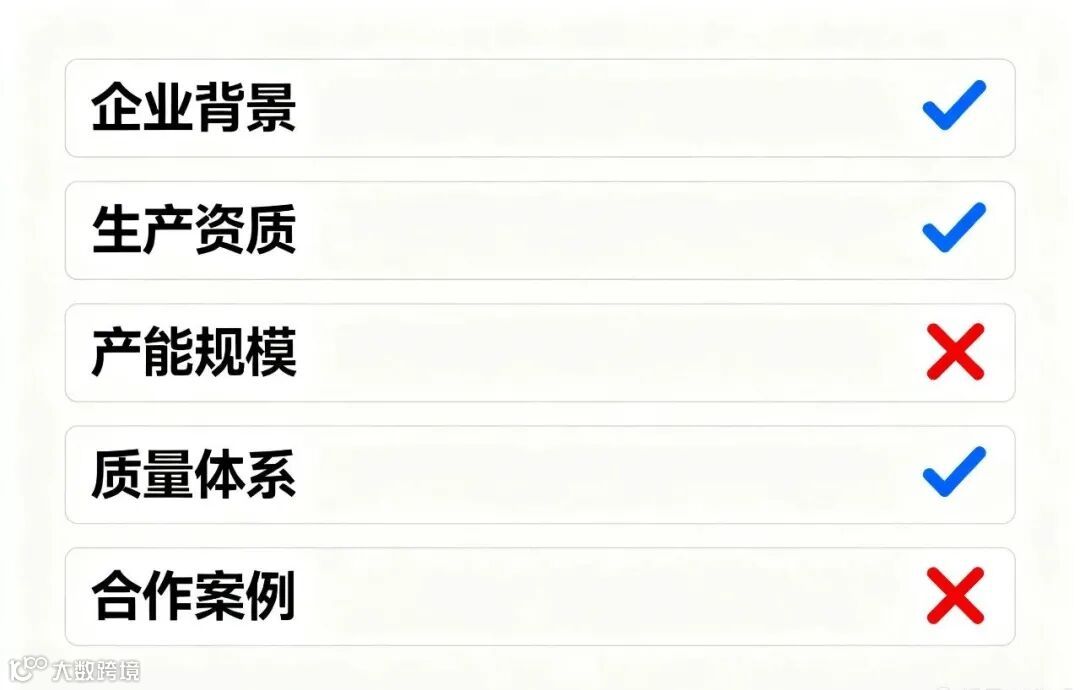
The 5-Dimension Checklist

Screening Dimension Key Verification Metrics Red Flags Verification Tools
Company Background
Years in business
≤1 year
Qichacha/Tianyancha (Chinese business info platforms)
Production Qualifications
Social security insured employees
0 insured employees
Cross-check social security records with recruitment sites
Financial Strength
Paid-in capital
<1 million RMB
Qichacha/Tianyancha
Business Scope
Operational description
No mention of "production/manufacturing"
Instant rejection
Price Reasonableness
Deviation from market average
>30% below industry standard
1688/International price comparisons

In-Depth Background Checks

Dual-Channel Verification Model

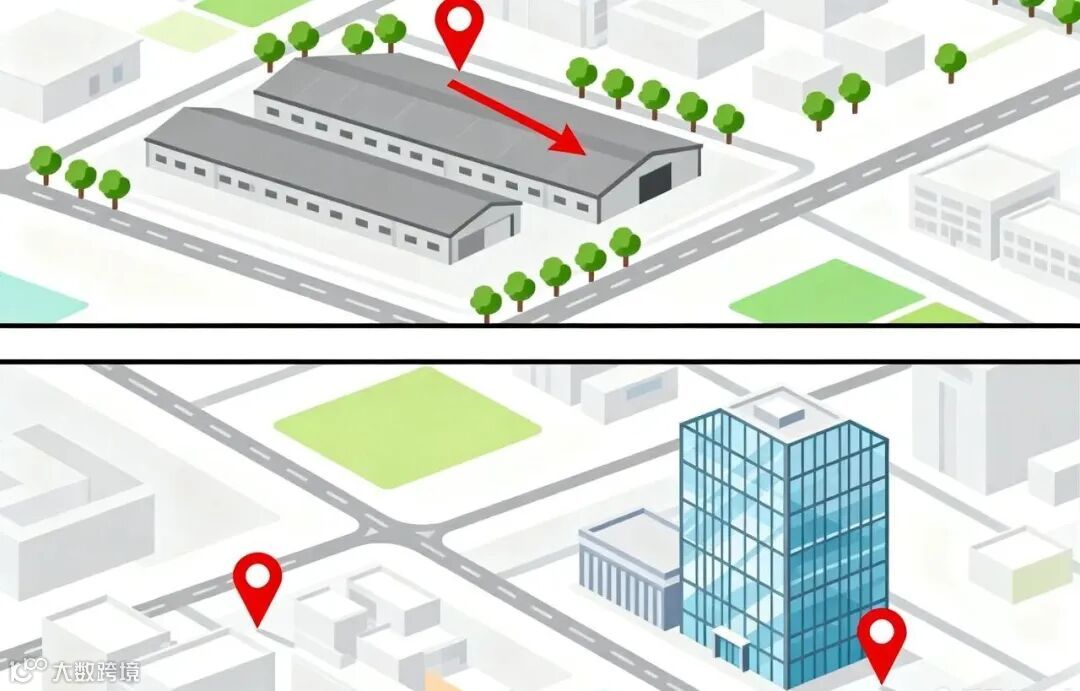
Online: Cross-reference map locations with job postings—industrial park addresses beat office buildings; factories hiring quality inspectors = real deal, those hiring tons of foreign trade reps = trading companies.
Offline: Dig into business registration data—factories with <1 million RMB paid-in capital have weak risk resistance; administrative penalties need careful evaluation; <20 insured employees = probably a trading company.


On-Site Factory Audit Essentials

3 Pre-Audit Must-Dos

  1. Clarify your core order requirements: capacity limits, quality standards, delivery timelines

  2. Prepare killer questions: "How do you handle labor shortages during peak seasons?" "What's your equipment maintenance schedule?"

  3. Insist on meeting the decision-maker: You need the factory boss or production manager—avoid getting stuck with sales reps who filter information
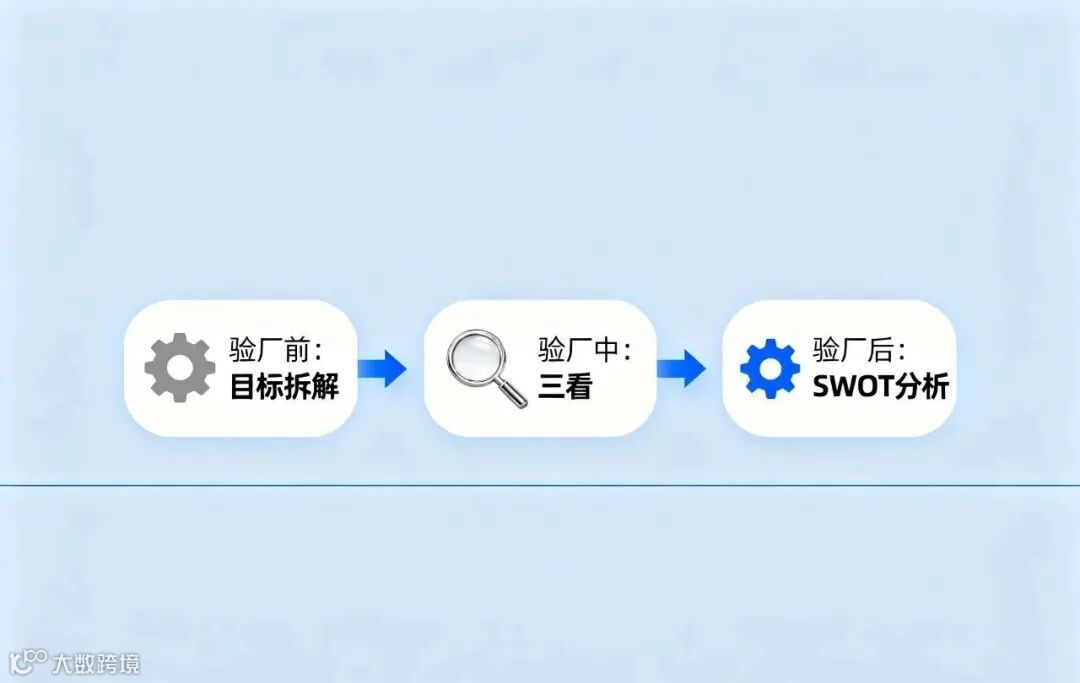
The Critical "Three Looks" During Audits

First look: Production line management—Check equipment quality and worker conditions. Do precision manufacturers have imported testing equipment? Are workers local (directly affects post-Spring Festival return rates)?
Second look: Quality control processes—Don't just take their word they have QC—see the actual records. First-article inspection reports? Inspection frequency (hourly vs. daily)? Defective product protocols?
Third look: Inventory turnover—Raw material vs. finished goods ratio. Fresh materials and order-organized finished goods mean healthy supply chain turnover.


03

Effective Communication & Negotiation Strategies


No-Order Communication Hacks

The Rookie's Resource-Building Playbook

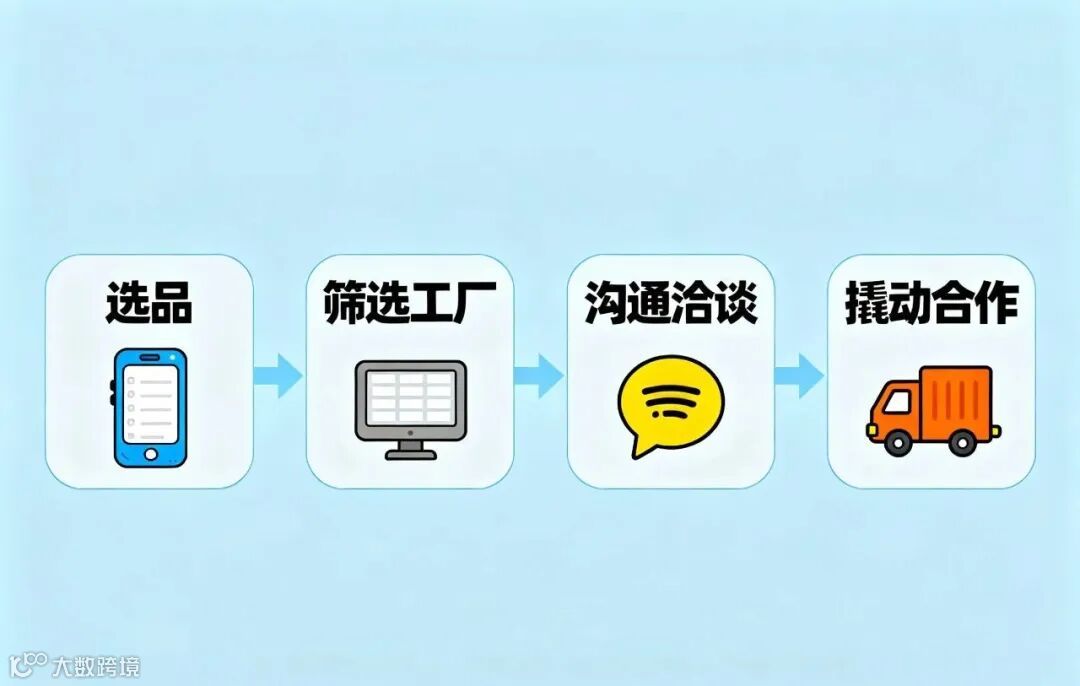
Step 1: Product intel gathering—Lock down 3-5 target products with materials, specs, certification requirements
Step 2: Craft a killer virtual inquiry—Pose as a "potential buyer" to gauge factory interest
Step 3: Transition to trading company identity—Highlight your "existing client base" and growth potential
Step 4: Drill down on details—Ask about production capabilities and customization flexibility to assess fit


Virtual Client Inquiry Template

💬 Subject: New Inquiry for Outdoor Camping Tent - Potential UK Market
Dear Mr. Li,
We are a trading company specialized in outdoor gear distribution, currently working with major e-commerce platforms in UK (e.g., ASOS, Decathlon). Our buyer is interested in your hydraulic camping tents after seeing your product video on 1688.
Could you please provide:
  1. FOB price for 2-3 person tent (MOQ 500pcs)

  2. OEKO-TEX certification status

  3. Sample lead time & cost

The client plans to launch a summer promotion in Q3, so your prompt reply would help secure this potential order.
Best regards,
[Your Name]
[Your Contact]
Psychology Hack: This template works 40% better than generic inquiries by balancing specificity with urgency—factories can tell you're serious without seeing actual client proof.


Price Negotiation Tactics That Work

The "Next-Day Order" Success Story

📊 Case Study: A Yiwu outdoor gear company slashed negotiation time from 7 days to 48 hours and saved 12% per order using this trick:
  1. Day 1: Confirm details, casually mention "other factories offered better rates"

  2. Day 2: Send mock client logo designs, say "client approved 5% price increase but needs confirmation today"

  3. The close: Factory fears losing the order and accepts 95% of original price

Why it works: Creates artificial urgency without confrontation—factories hate missing quotas more than cutting small margins.


The Three-Part Response Formula

Handling Client Price Pressures
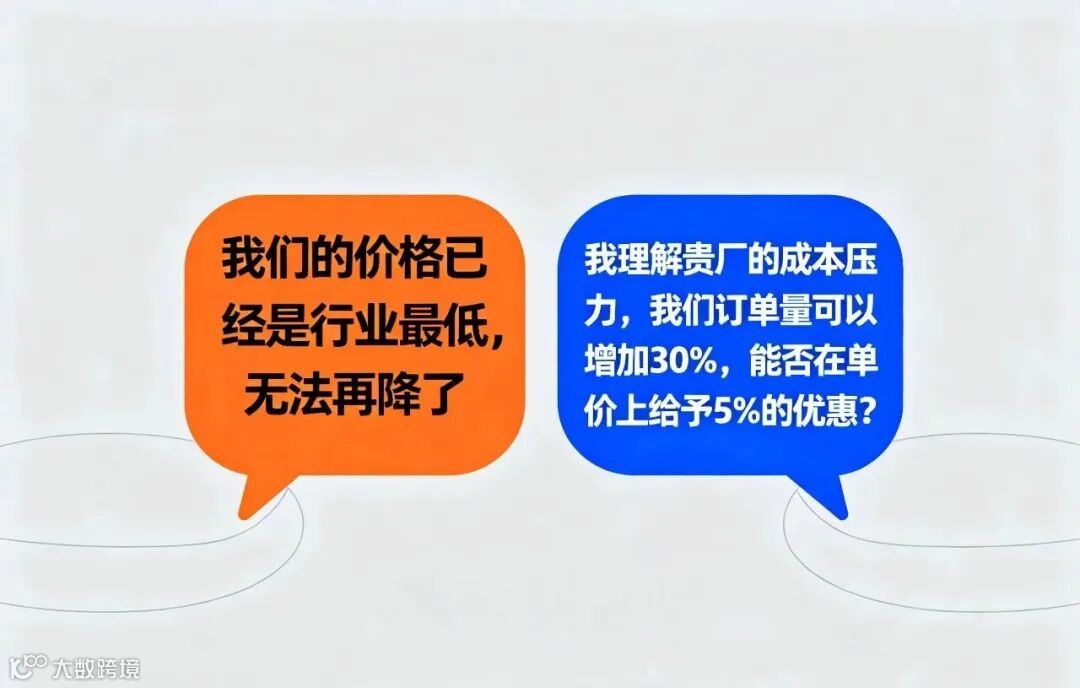
  1. Empathize: "I totally get why price matters—cost control is crucial for both of us"

  2. Educate: "This product uses premium materials costing 8% more than competitors, but reduces your customer complaints by at least 15%"

  3. Solve: "If you bump first order quantity from 500 to 800 units, I can get the factory to drop another 3%"


04

Long-Term Cooperation & Risk Management


Core Factory Evaluation Criteria

9 Critical Due Diligence Items

  1. Boss interview assessment—Test their industry trend insights

  2. Half-day factory observation—Visit during peak hours (9:00-12:00) to see management in action

  3. Export record verification—Check Customs "Import-Export Credit Information Platform"

  4. Strength verification—Factory size, core equipment, employee roster, monthly output

  5. Supply chain transparency—Top 3 raw material supplier contracts

  6. Industry standing analysis—Patent count, industry association roles

  7. Key team interactions—Talk to production supervisors and QC managers

  8. Trade show verification—Past 2 years' exhibition records

  9. Response speed test—Request product testing reports within 3 days
Cautionary Tale: The Short-Sighted Factory Owner

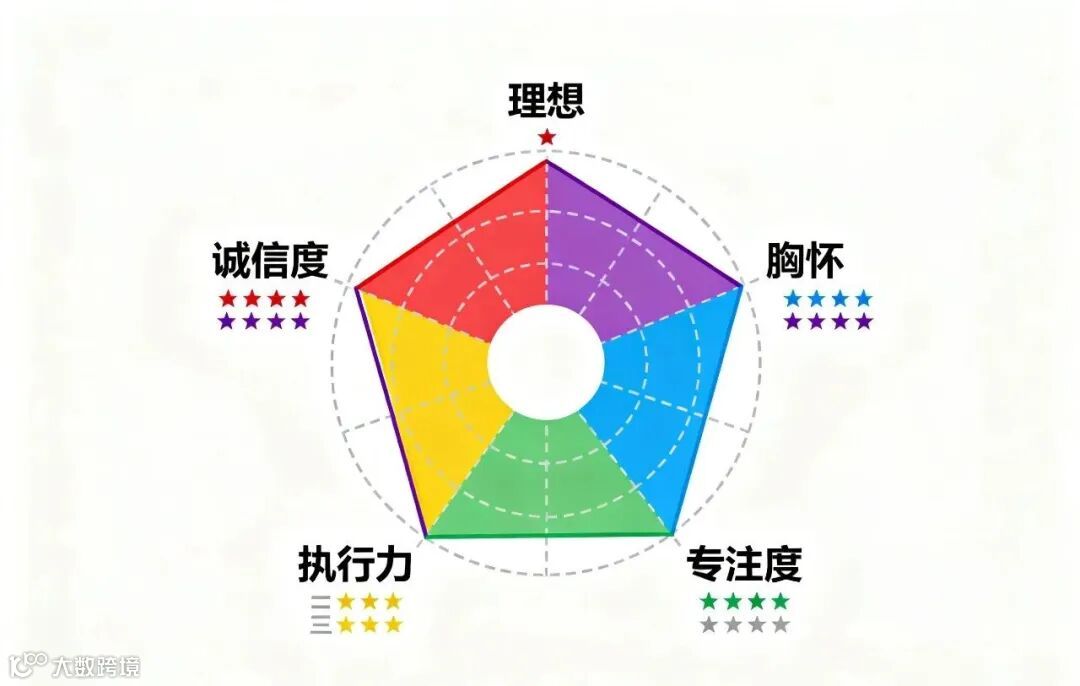
⚠️ The Huayi Brothers Debacle: In 2013, they refused to pay Stephen Chow 80 million RMB in box office bonuses claiming "no signed contract," destroying their long-term partnership. Chow later moved to Enlight Media, delivering 3.4 billion RMB with The Mermaid, while Huayi's market cap dropped 5 billion RMB due to their bad reputation.
Trade Lesson: A factory owner's short-term greed can tank your business. During audits, ask "How would you handle a customer's urgent order addition?" If they say "prioritize big orders," run.


Red Flags of Unreliable Factories

Risk Matrix & Response Strategies

Risk Type
Severity
Probability
Response Strategy
Cutting you out to contact clients directly
High
Low
Terminate immediately and pursue legal action
3-day delivery delays
Low
High
Activate backup suppliers and negotiate compensation
Minor quality fluctuations
Low
Medium
Increase inspection frequency and demand written corrections
Sudden communication difficulties
Medium
Medium
Escalate to top management and identify bottlenecks
Raw material price hikes Medium High Adopt "cost-sharing": Split 50% of the increase

Raw Material Price Hike Response Script

💬 When suppliers demand 10% price increases:
"Mr. Wang, I understand the 20% copper price hike is hitting you hard (empathy). But our analysis shows materials only account for 40% of total cost—so a reasonable increase would be 5-6% (data backup). How about we split it 50/50 with a 5% hike, and I'll increase my order from 500 to 800 units (solution)."
Real Result: A hardware company used this script to reduce a 10% demand to 6% while securing better pricing through larger volume—win-win.

2025 Factory Selection Trends

📊 Smart Factory vs. Traditional Factory Metrics
Metric Smart Factory (2025) Traditional Factory
Lead time
7 days (Lenovo case study)
30-45 days
Customization response
48-hour proposal
7-10 days
MOQ
50 units (Jinggong Technology)
500 units
Equipment OEE
89% (electronics OEM case)
68%
2025 Factory Evaluation Additions
  • Smart production capabilities: Minimum order flexibility and rush order response time

  • Supply chain health: ≥70% local workforce, at least 2 backup material suppliers

  • Exhibition participation: Prioritize factories exhibiting at top 3 industry shows in past year


SOHO Newbie Survival Guide

Zero-Resource Startup Blueprint

Step 1: 1688 product research—Analyze 3 categories daily, tracking price ranges, key selling points and supplier types
Step 2: Product portfolio development—Gather 5-8 target products with high-res images, spec sheets and English descriptions
Step 3: Client acquisition blitz—Send 20 customized cold emails daily using Google Search and LinkedIn
Step 4: Leverage inquiries for factory leverage—Collect 3-5 preliminary client inquiries as negotiation chips
Budget-Friendly Audit Alternatives

Video Audit "Must-Shoot" List

  1. Production equipment close-ups—Capture model numbers and operating status; prioritize brand-name new machines

  2. QC records—Must show product models, inspection items and signature sections

  3. Packaging workshop overview—Check for consistent materials and standardized procedures

  4. Raw material labels—Shoot ingredient lists and origin information

  5. Worker proficiency—Randomly film operator skills and uniform standards


Low-Cost Background Check Tools

Tool Name Core Function Pro Tips
Qixinbao Free Version
Check insured employee count
<20 employees = likely trading company
Baidu Street View
Verify physical address
Confirm factory buildings exist; avoid office addresses posing as factories
1688 TrustPass Stores
Evaluate transaction badges and reviews
4A+ badges with >30% repeat customer rate = more reliable

one's : Choosing a factory is like dating—initial screening is checking looks, background research is compatibility testing, and on-site audits are living together before marriage. Don't commit after one date—multiple verification layers reveal true character. Remember, the most valuable asset in foreign trade isn't orders—it's those rare factory relationships that prioritize your orders during peak season and stand by you during crises.

图片

Cross-border Payment / International Platform Onboarding

 / Sourcing in China / Global Customer Outreach

Contact us on WeChat for personalized end-to-end foreign trade solutions

【声明】内容源于网络
0
0
D.one外贸说
1234
内容 41
粉丝 0
D.one外贸说 1234
总阅读476
粉丝0
内容41