


⚡
中文版本
430名合规专员。这是欧盟反洗钱监管局(AMLA)的最终编制规模,标志着欧盟27个成员国首次拥有统一的反洗钱监管机构。2025年7月1日,AMLA在法兰克福MesseTurm大厦正式启动运营,欧洲金融合规版图自此改写。
监管背景:为何此时成立AMLA
▸▸
2025年7月1日,欧盟反洗钱监管局(Anti-Money Laundering Authority, AMLA)正式启动运营,总部设在德国法兰克福标志性建筑MesseTurm大厦。这是欧盟应对金融犯罪的历史性一步,首次建立起统一的反洗钱监管架构,结束了此前27个成员国各自为政、监管标准不一的碎片化局面。
 图1:欧盟正式启动反洗钱监管局(AMLA),统一27国AML监管标准
AMLA的成立源于欧盟多年来在反洗钱领域的监管困境。根据欧盟委员会数据,每年约有7150亿至1.87万亿欧元的非法资金在欧盟境内流转,占全球GDP的2%至5%。此前,欧盟各成员国拥有超过60个不同的反洗钱监管机构,导致监管标准不统一、跨境合作效率低下、金融机构合规成本激增。2024年2月,欧盟理事会与欧洲议会达成政治协议,确定由法兰克福承载AMLA总部,德国政府、黑森州及法兰克福市承诺在五年内提供财政支持。
AMLA的启动时间表经过精心设计:2025年1月,执行委员会主席Bruna Szego率先上任;7月1日,AMLA正式接管大部分监管职能;2028年1月1日,AMLA将开始直接监管约40家高风险金融机构,包括加密货币交易所、跨境银行等。这一时间表为金融机构提供了约两年半的合规准备期。
核心职责:三大监管权力
▸▸
AMLA被赋予了前所未有的规范性权力和直接监管权,其核心职责可概括为三大板块:
1. 直接监管高风险金融机构
从2028年起,AMLA将直接监管约40家被认定为洗钱和恐怖融资风险最高的金融机构。这些机构主要包括:大型跨境银行、虚拟资产服务提供商(VASP)如加密货币交易所、高风险支付机构。AMLA拥有现场检查权、行政处罚权、许可证撤销权等完整的监管工具包。
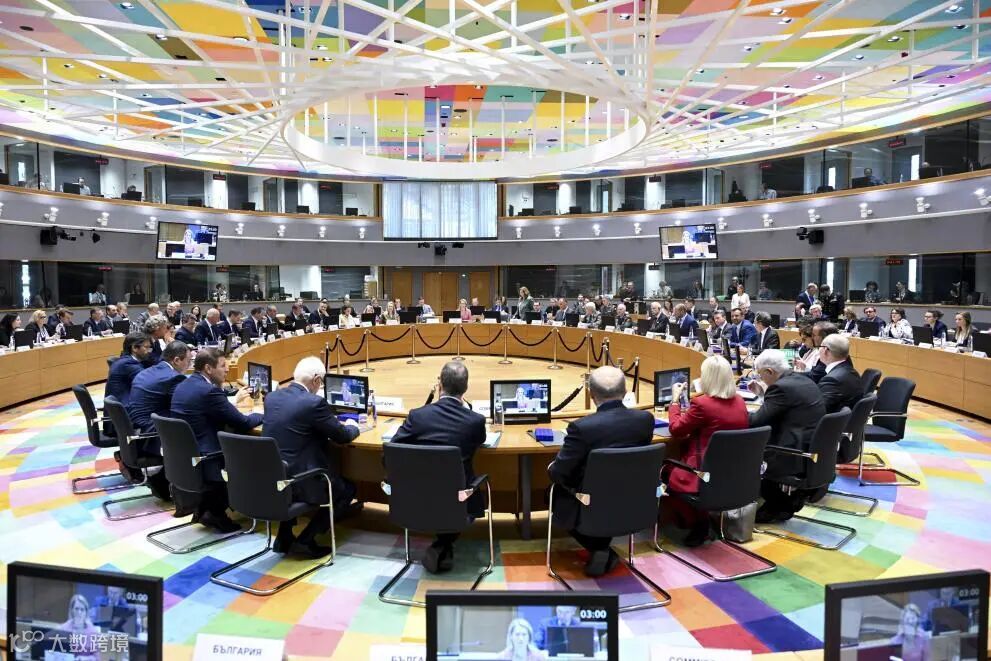 图2:欧盟理事会通过AMLA设立决议,统一反洗钱执法标准
2. 协调各国金融情报中心(FIU)
AMLA将协调欧盟27个成员国的金融情报中心(FIU),推动跨境可疑交易报告(STR)的联合分析。此前,各国FIU之间信息共享效率低、标准不统一,导致大量跨境洗钱活动未被及时发现。AMLA将建立统一的信息交换平台,实现受控信息共享,提升联合分析能力。
3. 制定欧盟统一监管标准
AMLA拥有制定技术标准(Regulatory Technical Standards, RTS)的权力,确保欧盟反洗钱法规在27个成员国得到统一执行。根据最新的欧盟AML立法包(包括AMLR反洗钱条例、第六次反洗钱指令AMLD6),AMLA将负责细化客户尽职调查(CDD)、受益所有权识别、高风险第三国名单等具体要求,终结此前各国执行标准不一的乱象。
组织架构:80人团队到430人编制
▸▸
AMLA的组织架构分阶段建设,体现了欧盟在合规能力建设上的务实态度。
2025年目标:80名全职员工
根据AMLA官方招聘计划,2025年底将完成首批80名全职员工(FTE)的招募,涵盖以下专业领域:
-
反洗钱/反恐融资专家(AML/CFT Experts) -
法律顾问(Legal Advisors) -
数据科学家(Data Scientists) -
IT系统专家(IT Specialists) -
预算与人力资源管理(Budget & HR) -
传播与公共关系专家(Communications Experts)
首轮招聘于2025年1月底启动,吸引了来自欧洲央行(ECB)、各国金融监管机构及RegTech企业的大量申请。AMLA薪酬参照欧盟机构标准,具有国际竞争力。
2027年目标:430名专业人员
到2027年底,AMLA将扩充至约430名员工,为2028年1月开始的直接监管职能做好准备。这一编制规模在欧盟专门机构中居于中等水平,但考虑到其监管范围覆盖整个欧盟金融体系,人力配置仍显紧张。业界预计,AMLA将高度依赖数据分析、人工智能等技术工具,实现"小团队、高效能"的监管模式。
 图3:AMLA合规专员将使用AI技术提升跨境AML监管效率
执行委员会构成
AMLA执行委员会已于2025年7月正式履职,成员包括:
- Bruna Szego
(主席,Chair):意大利籍,具有丰富的金融监管经验 - Simonas Krepsta
(立陶宛) - Rikke-Louise Petersen
(丹麦) - Derville Rowland
(爱尔兰) - Juan Manuel Vega Serrano
(西班牙)
7月4日,欧盟任命Nicolas Vasse为AMLA执行董事(Executive Director),负责日常运营管理。执行委员会的多元化构成确保了AMLA在制定政策时能够兼顾不同成员国的监管实践和金融体系特点。
影响分析:欧洲金融机构的合规挑战
▸▸
AMLA的启动对欧洲金融机构带来三大核心挑战,需在未来两年半内系统性应对。
1. 统一监管标准带来的系统升级压力
此前,欧盟各国在客户尽职调查(CDD)、受益所有权识别、高风险客户定义等方面存在差异。AMLA将制定统一的技术标准,要求金融机构在2028年前完成系统升级。以受益所有权(UBO)识别为例,部分成员国此前接受25%股权比例作为识别阈值,但AMLA可能统一要求更低的阈值(如10%),这将迫使金融机构重新审查数百万客户的UBO信息。
对于跨境运营的金融机构而言,统一标准实际上是"利好":此前需针对不同成员国维护多套合规流程,现在可统一至AMLA标准,长期看将降低合规成本。但短期内(2025-2027年),系统改造、数据迁移、流程重构将带来大量投入。
2. 加密货币行业迎来直接监管
AMLA已明确将虚拟资产服务提供商(VASP)列为首批直接监管对象。根据最新的欧盟《加密资产市场监管法案》(MiCA)和《资金转移条例》(TFR),加密货币交易所、钱包服务商必须:
-
实施与传统金融机构相同的KYC/CDD标准 -
遵守旅行规则(Travel Rule),对加密资产服务提供商之间的转账无最低金 额豁免;对涉及自托管钱包且金额超过 1000 欧元的转账,需额外验证钱 包控制权 -
部署链上分析工具(如Chainalysis、Elliptic、TRM Labs),实时筛查制裁地址和高风险交易
AMLA主席Bruna Szego在7月启动仪式上特别强调:"虚拟资产服务提供商必须遵守与传统金融机构相同的反洗钱标准,这是非协商性的要求。"这标志着欧盟加密监管进入"强制执行"阶段,行业合规成本预计增加15%-20%。
3. 金融情报中心(FIU)协作机制重构
AMLA将建立泛欧洲的可疑交易报告(STR)联合分析平台,要求各国FIU按照统一格式报送数据。根据欧盟委员会数据,此前各国STR格式、时效性、质量标准差异巨大,导致跨境案件协作效率低下。AMLA的FIU.net 2.0平台预计在2026年上线,将实现:
-
自动化跨境匹配:基于AI算法,自动识别不同国家报送的STR中的关联交易 -
实时风险评分:对跨境洗钱网络进行动态风险评级 -
安全信息共享:基于区块链技术,确保敏感信息的受控访问
对金融机构而言,这意味着STR报送标准将更加严格,报送后的后续调查可能涉及多国监管机构联合行动,合规团队需提前准备多语言文档和跨境协作能力。
实操建议:金融机构72小时响应清单
▸▸
尽管AMLA的直接监管要到2028年才开始,但金融机构应立即启动合规准备,建议按以下三层级推进:
 图4:金融机构需系统升级AML合规流程,应对AMLA统一监管标准
系统层面:启动差距分析(Gap Analysis)
第一步:对标AMLA技术标准草案 AMLA已在官网(www.amla.europa.eu)发布部分技术标准草案,涵盖CDD、EDD、制裁筛查等领域。合规团队应立即下载并逐条对比现有系统功能[1]:
-
客户尽职调查(CDD):受益所有权识别是否符合最新阈值?地理风险评估是否覆盖AMLA高风险国家名单? -
交易监控:规则引擎是否支持跨境交易的联合分析?是否集成了AMLA要求的FIU.net数据接口? -
制裁筛查:名单更新频率是否达到AMLA要求的"24小时内"?是否支持加密钱包地址筛查?
第二步:选择合规技术供应商 AMLA推荐的RegTech工具栈包括:
-
KYC/CDD平台:Refinitiv World-Check、LexisNexis、Dow Jones Risk & Compliance -
交易监控:NICE Actimize、SAS AML、Oracle FCCM -
链上分析(针对加密业务):Chainalysis、Elliptic、TRM Labs -
FIU报送工具:goAML(联合国毒品与犯罪办公室开发)
建议在2025年Q4前完成供应商选型,2026年Q1启动系统集成,预留充足的测试时间。
流程层面:重构跨境合规协作机制
内部协作:成立AMLA合规工作组,成员包括合规官、法务、IT、业务部门代表,定期(至少每月一次)同步AMLA最新政策动态。
外部协作:建立与AMLA及各国FIU的直接联络渠道。根据AMLA公开信息,2026年将启动"监管机构-金融机构对话机制",金融机构可提前申请参与,获取一手政策解读。
跨国集团特别要求:若在欧盟多国设有分支机构,需指定一个"AMLA合规协调中心",统筹集团层面的合规策略,避免子公司各自为政。
人员层面:启动专项培训计划
培训重点:
-
AMLA核心法规:AMLR反洗钱条例、AMLD6第六次反洗钱指令、TFR资金转移条例 -
加密货币合规:Travel Rule实施细则、链上分析工具操作、VASP许可要求 -
跨境案件处理:多国FIU协作流程、STR报送新标准、语言与文化差异应对
认证资格:鼓励合规人员考取国际认证,如ACAMS的CAMS(Certified Anti-Money Laundering Specialist)、ICA的国际合规协会证书,这些资格在AMLA监管框架下具有更高认可度。
未来趋势:监管方向预判
▸▸
基于AMLA启动以来的官方声明和行业反馈,可预判以下三大监管趋势:
趋势一:技术驱动的监管科技(SupTech)将成为主流
AMLA执行董事Nicolas Vasse在7月演讲中强调:"我们不可能依靠430人监管整个欧盟金融体系,必须依赖人工智能、机器学习、区块链等技术。"预计AMLA将在2026年推出基于AI的跨境洗钱网络识别系统,利用图神经网络(Graph Neural Network)分析数百万笔跨境交易的关联关系,自动识别可疑网络。
金融机构应提前布局合规科技投入,将人工审核与AI辅助结合,提升效率的同时降低误报率。
趋势二:加密货币与传统金融监管全面趋同
AMLA的成立标志着欧盟加密监管进入"无差别待遇"阶段。预计到2028年,VASP的监管要求将完全对标传统银行,包括:
-
资本充足率要求 -
流动性管理标准 -
年度合规审计(由四大会计师事务所或指定机构执行) -
高管任职资格审查
对于希望在欧盟市场运营的加密交易所,建议提前按照银行级合规标准建设体系,避免2028年被动整改。
趋势三:欧盟与全球监管协调将加强
AMLA已与美国FinCEN、英国金融行为监管局(FCA)、FATF等国际机构签署合作备忘录,推动全球反洗钱监管标准趋同。欧盟委员会金融服务专员Maria Luíz Albuquerque明确表示:"AMLA不仅是欧盟的监管机构,更是全球反洗钱网络的关键节点。"
对于在美欧双边运营的金融机构,需特别关注AMLA与FinCEN在Travel Rule、制裁筛查等领域的标准差异,避免在跨境业务中触发合规冲突。
⚡
English Version
430 compliance professionals. This is the final staffing target for the EU Anti-Money Laundering Authority (AMLA), marking the first time the EU's 27 member states have a unified anti-money laundering regulator. On July 1, 2025, AMLA officially launched operations at Frankfurt's MesseTurm tower, reshaping Europe's financial compliance landscape.
Regulatory Background: Why AMLA Now
▸▸
On July 1, 2025, the European Union's Anti-Money Laundering Authority (AMLA) officially began operations, headquartered in Frankfurt's iconic MesseTurm skyscraper. This represents a historic step in the EU's fight against financial crime, establishing for the first time a unified anti-money laundering regulatory framework and ending the fragmented situation where 27 member states operated independently with inconsistent supervisory standards.
 Figure 1: EU officially launches Anti-Money Laundering Authority (AMLA) to unify AML standards across 27 nations
AMLA's establishment stems from the EU's longstanding regulatory challenges in anti-money laundering. According to European Commission data, approximately €715 billion to €1.87 trillion in illicit funds circulate within the EU annually, representing 2% to 5% of global GDP. Previously, EU member states had over 60 different anti-money laundering regulators, leading to inconsistent supervisory standards, inefficient cross-border cooperation, and surging compliance costs for financial institutions. In February 2024, the EU Council and European Parliament reached a political agreement to locate AMLA headquarters in Frankfurt, with the German government, Hesse state, and Frankfurt city committing to five years of financial support.
AMLA's launch timeline was carefully designed: January 2025 saw Executive Board Chair Bruna Szego assume office; July 1, 2025 marked AMLA officially taking over most supervisory functions; January 1, 2028 will see AMLA begin directly supervising approximately 40 high-risk financial institutions, including cryptocurrency exchanges and cross-border banks. This timeline provides financial institutions approximately two and a half years to prepare for compliance.
Core Responsibilities: Three Supervisory Powers
▸▸
AMLA has been granted unprecedented normative powers and direct supervisory authority, with core responsibilities falling into three main areas:
1. Direct Supervision of High-Risk Financial Institutions
Starting in 2028, AMLA will directly supervise approximately 40 financial institutions identified as having the highest money laundering and terrorist financing risks. These institutions primarily include: large cross-border banks, virtual asset service providers (VASPs) such as cryptocurrency exchanges, and high-risk payment institutions. AMLA possesses a complete regulatory toolkit including on-site inspection powers, administrative penalty authority, and license revocation powers.
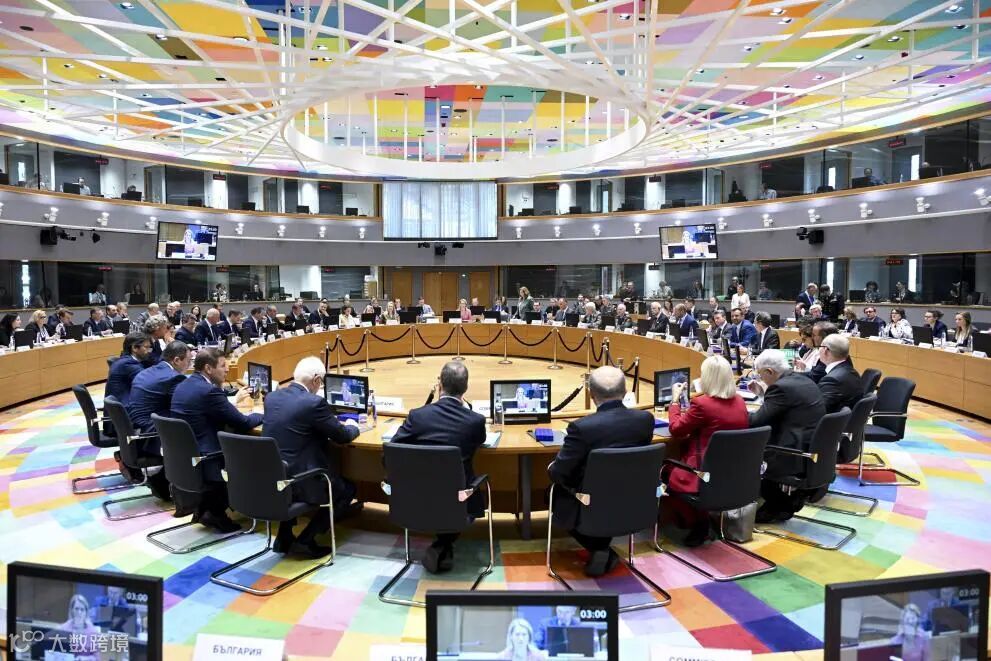 Figure 2: EU Council adopts AMLA establishment resolution, unifying AML enforcement standards
2. Coordinating National Financial Intelligence Units (FIUs)
AMLA will coordinate the Financial Intelligence Units (FIUs) of the EU's 27 member states, promoting joint analysis of cross-border suspicious transaction reports (STRs). Previously, low information-sharing efficiency and inconsistent standards among national FIUs led to many cross-border money laundering activities going undetected. AMLA will establish a unified information exchange platform, enabling controlled information sharing and enhanced joint analysis capabilities.
3. Establishing Unified EU Regulatory Standards
AMLA holds the power to develop Regulatory Technical Standards (RTS), ensuring uniform implementation of EU anti-money laundering regulations across 27 member states. Under the latest EU AML legislative package (including the AMLR Anti-Money Laundering Regulation and the Sixth Anti-Money Laundering Directive AMLD6), AMLA will be responsible for detailing specific requirements for customer due diligence (CDD), beneficial ownership identification, high-risk third country lists, and more, ending the previous chaos of inconsistent national implementation standards.
Organizational Structure: From 80-Person Team to 430-Person Establishment
▸▸
AMLA's organizational structure is being built in phases, reflecting the EU's pragmatic approach to compliance capacity building.
2025 Target: 80 Full-Time Employees
According to AMLA's official recruitment plan, by the end of 2025, the first batch of 80 full-time employees (FTEs) will be recruited, covering the following professional areas:
-
Anti-Money Laundering/Countering Terrorist Financing Experts (AML/CFT Experts) -
Legal Advisors -
Data Scientists -
IT Specialists -
Budget & Human Resources Management (Budget & HR) -
Communications and Public Relations Experts
The first round of recruitment launched in late January 2025, attracting numerous applications from the European Central Bank (ECB), national financial regulators, and RegTech companies. AMLA salaries are benchmarked to EU institutional standards and are internationally competitive.
2027 Target: 430 Professional Staff
By the end of 2027, AMLA will expand to approximately 430 employees, preparing for the direct supervisory function beginning in January 2028. This staffing level is moderate among EU specialized agencies, but considering its supervisory scope covers the entire EU financial system, personnel allocation remains tight. Industry observers expect AMLA will heavily rely on data analysis, artificial intelligence, and other technological tools to achieve a "small team, high efficiency" regulatory model.
 Figure 3: AMLA compliance professionals will use AI technology to enhance cross-border AML supervision efficiency
Executive Board Composition
AMLA's Executive Board officially assumed duties in July 2025, with members including:
- Bruna Szego
(Chair): Italian national with extensive financial regulatory experience - Simonas Krepsta
(Lithuania) - Rikke-Louise Petersen
(Denmark) - Derville Rowland
(Ireland) - Juan Manuel Vega Serrano
(Spain)
On July 4, the EU appointed Nicolas Vasse as AMLA Executive Director, responsible for daily operational management. The Executive Board's diverse composition ensures AMLA can balance different member states' regulatory practices and financial system characteristics when formulating policies.
Impact Analysis: Compliance Challenges for European Financial Institutions
▸▸
AMLA's launch brings three core challenges for European financial institutions, requiring systematic response within the next two and a half years.
1. System Upgrade Pressure from Unified Regulatory Standards
Previously, EU countries had differences in customer due diligence (CDD), beneficial ownership identification, and high-risk customer definitions. AMLA will establish unified technical standards, requiring financial institutions to complete system upgrades by 2028. Taking beneficial ownership (UBO) identification as an example, some member states previously accepted a 25% equity ratio as the identification threshold, but AMLA may uniformly require a lower threshold (such as 10%), forcing financial institutions to re-examine UBO information for millions of customers.
For financial institutions operating cross-border, unified standards are actually "positive": previously needing to maintain multiple compliance processes for different member states, they can now unify to AMLA standards, reducing compliance costs in the long term. However, in the short term (2025-2027), system transformation, data migration, and process reconstruction will require substantial investment.
2. Cryptocurrency Industry Faces Direct Supervision
AMLA has explicitly listed virtual asset service providers (VASPs) as among the first subjects of direct supervision. Under the latest EU Markets in Crypto-Assets Regulation (MiCA) and Transfer of Funds Regulation (TFR), cryptocurrency exchanges and wallet service providers must:
-
Implement the same KYC/CDD standards as traditional financial institutions -
Comply with the Travel Rule, recording sender/recipient information for crypto transfers exceeding €1,000 -
Deploy on-chain analysis tools (such as Chainalysis, Elliptic, TRM Labs) to screen sanctioned addresses and high-risk transactions in real-time
AMLA Chair Bruna Szego specifically emphasized at the July launch ceremony: "Virtual asset service providers must comply with the same anti-money laundering standards as traditional financial institutions - this is a non-negotiable requirement." This marks the EU crypto regulation entering the "mandatory enforcement" phase, with industry compliance costs expected to increase 15%-20%.
3. Financial Intelligence Unit (FIU) Collaboration Mechanism Restructuring
AMLA will establish a pan-European Suspicious Transaction Report (STR) joint analysis platform, requiring national FIUs to submit data in a unified format. According to European Commission data, previous differences in STR formats, timeliness, and quality standards among countries led to low cross-border case collaboration efficiency. AMLA's FIU.net 2.0 platform is expected to launch in 2026, enabling:
-
Automated cross-border matching: Based on AI algorithms, automatically identifying related transactions in STRs submitted by different countries -
Real-time risk scoring: Dynamic risk rating of cross-border money laundering networks -
Secure information sharing: Based on blockchain technology, ensuring controlled access to sensitive information
For financial institutions, this means STR submission standards will be more stringent, and post-submission follow-up investigations may involve joint actions by multi-country regulators, requiring compliance teams to prepare multilingual documentation and cross-border collaboration capabilities in advance.
Practical Recommendations: 72-Hour Response Checklist for Financial Institutions
▸▸
Although AMLA's direct supervision won't begin until 2028, financial institutions should immediately initiate compliance preparations, proceeding according to the following three levels:
 Figure 4: Financial institutions need systematic AML compliance process upgrades to meet AMLA unified regulatory standards
System Level: Initiate Gap Analysis
Step 1: Benchmark Against AMLA Technical Standard Drafts AMLA has published some technical standard drafts on its official website (www.amla.europa.eu[2]), covering CDD, EDD, sanctions screening, and other areas. Compliance teams should immediately download and compare existing system functions item by item:
-
Customer Due Diligence (CDD): Does beneficial ownership identification meet the latest thresholds? Does geographic risk assessment cover AMLA's high-risk country list? -
Transaction Monitoring: Does the rules engine support joint analysis of cross-border transactions? Is the AMLA-required FIU.net data interface integrated? -
Sanctions Screening: Does list update frequency meet AMLA's "within 24 hours" requirement? Does it support crypto wallet address screening?
Step 2: Select Compliance Technology Vendors AMLA-recommended RegTech tool stack includes:
-
KYC/CDD platforms: Refinitiv World-Check, LexisNexis, Dow Jones Risk & Compliance -
Transaction monitoring: NICE Actimize, SAS AML, Oracle FCCM -
On-chain analysis (for crypto business): Chainalysis, Elliptic, TRM Labs -
FIU submission tools: goAML (developed by UN Office on Drugs and Crime)
Recommend completing vendor selection by Q4 2025, launching system integration in Q1 2026, allowing sufficient testing time.
Process Level: Restructure Cross-Border Compliance Collaboration Mechanisms
Internal Collaboration: Establish AMLA Compliance Working Group, with members including compliance officers, legal, IT, and business department representatives, regularly (at least monthly) synchronizing AMLA policy updates.
External Collaboration: Establish direct communication channels with AMLA and national FIUs. According to AMLA public information, 2026 will launch a "regulator-financial institution dialogue mechanism," which financial institutions can apply to join in advance for first-hand policy interpretation.
Multinational Group Special Requirements: If operating branches in multiple EU countries, designate one "AMLA Compliance Coordination Center" to coordinate group-level compliance strategies, avoiding subsidiaries operating independently.
Personnel Level: Launch Specialized Training Programs
Training Priorities:
-
AMLA core regulations: AMLR Anti-Money Laundering Regulation, AMLD6 Sixth Anti-Money Laundering Directive, TFR Transfer of Funds Regulation -
Cryptocurrency compliance: Travel Rule implementation details, on-chain analysis tool operation, VASP licensing requirements -
Cross-border case handling: Multi-country FIU collaboration processes, new STR submission standards, addressing language and cultural differences
Certifications: Encourage compliance personnel to obtain international certifications such as ACAMS's CAMS (Certified Anti-Money Laundering Specialist) and ICA's International Compliance Association certificates, which have higher recognition under AMLA's regulatory framework.
Future Trends: Regulatory Direction Forecast
▸▸
Based on AMLA's official statements since launch and industry feedback, three major regulatory trends can be predicted:
Trend 1: Technology-Driven Supervisory Technology (SupTech) Will Become Mainstream
AMLA Executive Director Nicolas Vasse emphasized in a July speech: "We cannot rely on 430 people to supervise the entire EU financial system - we must depend on artificial intelligence, machine learning, blockchain, and other technologies." It's expected that AMLA will launch an AI-based cross-border money laundering network identification system in 2026, using Graph Neural Networks to analyze the relationships among millions of cross-border transactions, automatically identifying suspicious networks.
Financial institutions should proactively invest in compliance technology, combining manual review with AI assistance to improve efficiency while reducing false positive rates.
Trend 2: Cryptocurrency and Traditional Finance Regulation Will Fully Converge
AMLA's establishment marks the EU crypto regulation entering the "non-discriminatory treatment" phase. By 2028, VASP regulatory requirements are expected to fully align with traditional banks, including:
-
Capital adequacy requirements -
Liquidity management standards -
Annual compliance audits (conducted by Big Four accounting firms or designated institutions) -
Senior executive qualification reviews
For cryptocurrency exchanges hoping to operate in the EU market, it's recommended to proactively build compliance systems to bank-level standards, avoiding passive remediation in 2028.
Trend 3: EU and Global Regulatory Coordination Will Strengthen
AMLA has signed cooperation memorandums with international institutions such as U.S. FinCEN, UK Financial Conduct Authority (FCA), and FATF, promoting convergence of global anti-money laundering regulatory standards. European Commission Financial Services Commissioner Maria Luíz Albuquerque clearly stated: "AMLA is not only the EU's regulatory agency, but also a key node in the global anti-money laundering network."
For financial institutions operating in both the U.S. and EU, special attention must be paid to standard differences between AMLA and FinCEN in areas such as Travel Rule and sanctions screening, avoiding compliance conflicts in cross-border business.
💭 互动引导: 你所在机构是否已开始针对AMLA的合规准备?在统一监管标准方面遇到了哪些技术或流程挑战?
转发给欧洲业务团队,AMLA的2028监管deadline需要提前两年准备。
数据来源:AMLA官网(www.amla.europa.eu)、欧盟委员会、德国联邦财政部、AML[3] Intelligence、KPMG AMLA监管报告题图来源:欧盟官方素材库
◆
引用链接
[1]www.amla.europa.eu)发布部分技术标准草案,涵盖CDD、EDD、制裁筛查等领域。合规团队应立即下载并逐条对比现有系统功能: http://www.amla.europa.eu)%E5%8F%91%E5%B8%83%E9%83%A8%E5%88%86%E6%8A%80%E6%9C%AF%E6%A0%87%E5%87%86%E8%8D%89%E6%A1%88,%E6%B6%B5%E7%9B%96CDD%E3%80%81EDD%E3%80%81%E5%88%B6%E8%A3%81%E7%AD%9B%E6%9F%A5%E7%AD%89%E9%A2%86%E5%9F%9F%E3%80%82%E5%90%88%E8%A7%84%E5%9B%A2%E9%98%9F%E5%BA%94%E7%AB%8B%E5%8D%B3%E4%B8%8B%E8%BD%BD%E5%B9%B6%E9%80%90%E6%9D%A1%E5%AF%B9%E6%AF%94%E7%8E%B0%E6%9C%89%E7%B3%BB%E7%BB%9F%E5%8A%9F%E8%83%BD
[2]www.amla.europa.eu: http://www.amla.europa.eu
[3]www.amla.europa.eu)、欧盟委员会、德国联邦财政部、AML: http://www.amla.europa.eu)%E3%80%81%E6%AC%A7%E7%9B%9F%E5%A7%94%E5%91%98%E4%BC%9A%E3%80%81%E5%BE%B7%E5%9B%BD%E8%81%94%E9%82%A6%E8%B4%A2%E6%94%BF%E9%83%A8%E3%80%81AML