


一、总论
1、Denis Twitchett杜希德 and John K. Fairbank费正清 (eds.), The Cambridge History ofChina 《剑桥中国史》 (1978–), 中国历史标准多卷本参考书。
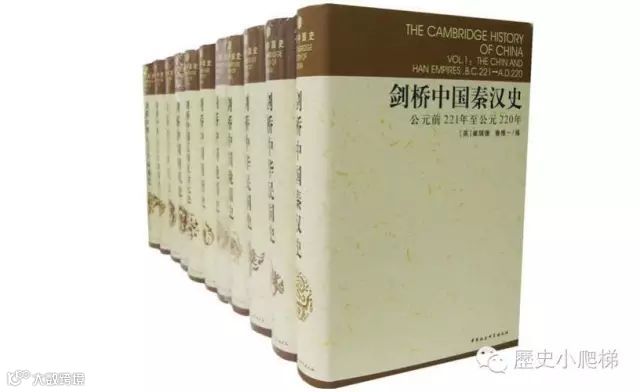
以下四本代表性通史:
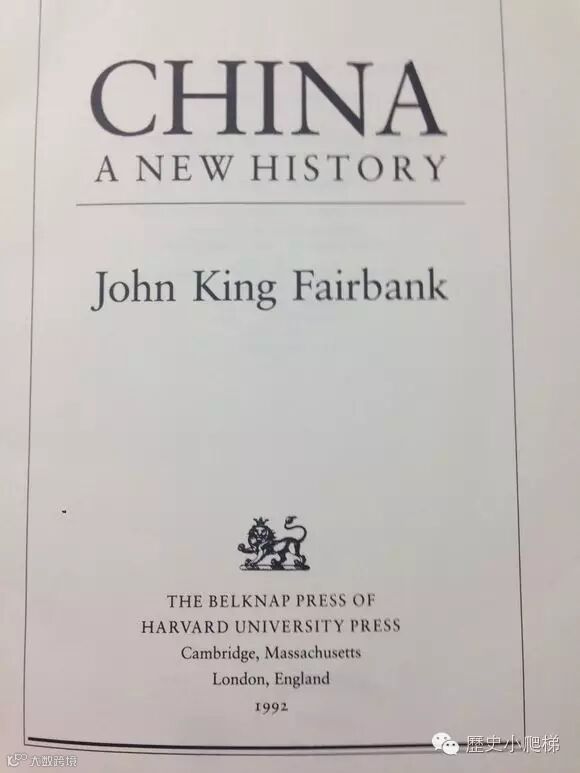
2、John K. Fairbank and MerleGoldman, China: A New History 《費正清論中國: 中國新史》, 2nd enlarged ed. (2006), 权威著作,吸收了费正清所指导的诸多论文中的新观点;
3、Jacques Gernet谢和耐, A History of Chinese Civilization 《中国社会史》, 2nd ed. (1999; originally published in French,1972), 从新石器文化到20世纪末中国思想、社会、经济史的全面研究;
4、Charles O. Hucker贺凯, China’s Imperial Past: An Introduction to Chinese History and Culture (1975), 一直写到1850年;
5、 F.W. Mote牟复礼, Imperial China, 900–1800 (1999), 涵盖了将近一千年。
两本参考书:
6、梁伯华Edwin Pak-wah Leung (ed.), HistoricalDictionary of Revolutionary China, 1839–1976 (1992);
7、Lawrence R. Sullivan, HistoricalDictionary of the People’s Republic of China, 2nd ed. (2007).
二、史前
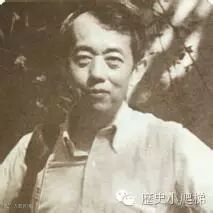
8、张光直Kwang-chih Chang, The Archaeology of Ancient China《古代中国考古学》, 4th ed., rev. and enlarged (1986), 基于考古挖掘的有见解的开拓性综合;
9、David N. Keightley吉德炜 (ed.), TheOrigins of Chinese Civilization (1983), 环境与农业、文化与民族以及国家起源的论文集;
10、Jessica Rawson罗森, AncientChina: Art and Archeology (1980), 新石器和青铜时代文物的历史与艺术价值;
11、William Watson, Cultural Frontiers in Ancient East Asia(1971), 文化互动的实证分析;
12、吴汝康Rukang Wu and John W. Olsen (eds.), Palaeoanthropology and Palaeolithic Archaeology in the People’s Republic of China (1985), 对中国早期人类的论述。
三、商
除了以上提到的8、10、11三本书, 以下著作也有代表性和开创性:
13、张光直Kwang-chih Chang, Early ChineseCivilization: Anthropological Perspectives (1976),
14、张光直,Shang Civilization 《商文明》(1980), 商代的考古和文化;
15、David N. Keightley吉德炜, Sources of Shang History:The Oracle-Bone In script ions of Bronze Age China (1978, reprinted 1985);
16、方闻Wen Fong (ed.), The Great Bronze Ageof China (1980), 对中华人民共和国所展览青铜器的解析目录;
17、Paul Wheatley, The Pivot of the FourQuarters (1971), 城市社会起源的比较研究。
四、周秦
18、Nicola Di Cosmo狄宇宙, AncientChina and Its Enemies: The Rise of Nomadic Power in East Asian History(2002); 《古代中国与其强邻: 东亚历史上游牧力量的兴起》
19、许倬云Cho-yun Hsu and Katheryn M. Linduff, WesternChou Civilization (1988); 《西周史》
20、Mark Edward Lewis鲁威仪, SanctionedViolence in Early China (1990);
21、李又宁Yu-ning Li, The First Emperor ofChina (1975);
22、李学勤Xueqin Li, Eastern Zhou and QinCivilizations (1986).《东周与秦代文明》
五、汉
23、William H. Nienhauser, Jr.倪豪士(ed.), The Grand Scribe’s Records: Ssu-ma Ch’ien (1994– ), 多卷本工程。《史记》
24、Homer H. Dubs德效骞(ed. and trans.), The History of the Former Han Dynasty, 3vol. (1938–55); 《汉书》
25、Esson M. Gale (ed. and trans.), Discourses on Salt and Iron (1931,reprinted 1973); 《盐铁论》
26、A.F.P. Hulsewé何四维, Remnantsof Ch’in Law (1985). 《睡虎地秦墓竹简》
特定主题:
27、Hans Bielenstein毕汉思,The Restorationof the Han Dynasty, 4 vol. (1953–79);
28、Michael Loewe鲁惟一, Records of Han Administration,2 vol. (1967), 《汉代行政记录》
29、鲁惟一,Everyday Life in Early Imperial China During the Han Period 202 B.C.–A.D. 220 (1968,reissued 1973),
30、鲁惟一,Crisis and Conflict in Han China 104 B.C. to A.D. 9 (1974);
31、瞿同祖T’ung-tsu Ch’u, Han Social Structure (1972); 《汉代社会结构》
32、A.F.P. Hulsewé何四维, Remnants ofHan Law (1955); 《居延漢簡》
33、许倬云Cho-yun Hsu, HanAgriculture: The Formation of Early Chinese Agrarian Economy, 206 B.C.–A.D. 220(1980); 《汉代农业: 中国农业经济的起源及特性》
34、余英时Ying-shih Yu, Trade and Expansion inHan China (1967).《汉代贸易与扩张: 汉胡经济关系结构研究》
六、分裂时期
35、W.J.F. Jenner, Memoriesof Loyang (1981), 北魏政治史。《洛阳伽蓝记》
宗教发展:
36、Holmes Welch尉迟酣, Taoism: TheParting of the Way, rev. ed. (1965);
37、Erik Zürcher许理和, The Buddhist Conquest of China 《佛教征服中国: 佛教在中国中古早期的传播与适应》, 3rd ed. (2007), “士大夫佛教”形成的研究。
七、隋唐
38、Arthur F. Wright芮沃寿, The SuiDynasty (1978). 最重要的隋史著作。
他的两篇重要论文:
39、芮沃寿,“The Formation of SuiIdeology 581–604,” in John K. Fairbank (ed.), Chinese Thought and Institutions 《中国的思想与制度》(1957, reissued 1973),
40、芮沃寿,“Sui Yang-ti: Personality and Stereotype,” inArthur F. Wright (ed.), The ConfucianPersuasion (1960, reissued 1983).
41、Woodbridge Bingham宾板桥, The Founding of the T’ang Dynasty: The Fall ofSui and Rise of T’ang(1941, reprinted 1970), 607-624年的清晰论述。
以下两书呈现了对初唐的分析:
42、Howard J. Wechsler魏侯玮, Mirror to the Son of Heaven:Wei Cheng at the Court of T’ang T’ai-tsung(1974),
43、魏侯玮, Offerings of Jade and Silk:Ritual and Symbol in the Legitimation of the T’ang Dynasty (1985).
44、R.W.L. Guisso桂时雨, Wu Tse-t’ien and the Politics of Legitimation in T’ang China (1978), 对武则天时期的全面研究。
45、Edwin G. Pulleyblank蒲立本,The Backgroundto the Rebellion of An Lu-shan (1955, reprinted 1982), 对玄宗时期各个方面的完整论述。
46、P.A. Herbert何汉心, Under theBrilliant Emperor: Imperial Authority in T’ang China as Seen in the Writings of Chang Chiu-ling (1978). 玄宗时期政治研究。
47、Howard S. Levy李豪伟(ed. and trans.), Biographyof An Lu-shan (1960), 描绘安禄山叛乱的精心译著本。《舊唐書》
接下来的时期无满意的专著。
48、Denis Twitchett杜希德, “Lu Chih (754–805),” in Arthur F. Wright and Denis Twitchett (eds.), Confucian Personalities (1962, reissued1980). 对780年代叛乱的简要描述。
49、Bernard S. Solomon (ed. andtrans.), The Veritable Record of the T’ang Emperor Shun-tsung (1955). 顺宗的神秘时期还没有现代研究成果,此为对韩愈《顺宗实录》的翻译。
50、Arthur Waley韦利, The Life and Times of Po Chü-i, 772–846 A.D. (1949,reissued 2005), 接下来时期的一些阐述,但历史分析有些过时了。
847年以后的晚唐时期连中国的基本文献也很单薄。唯一引起西方学者关注的就是唐末叛乱:
51、Howard S. Levy李豪伟 (ed. and trans.), Biographyof Huang Ch’ao, 2nd rev. ed. (1961); 《新唐书》《资治通鉴》
52、王赓武Gungwu Wang, Divided China:Preparing for Reunification, 883–947, 2nd ed. (2007).
很多重要的唐代政治史研究都参考了近代以来日本和中国的学术成果:
53、Arthur F. Wright 芮沃寿and Denis Twitchett杜希德 (eds.), Perspectives on the T’ang (1973).
54、John Curtis Perry and Bardwell L. Smith (eds.), Essays on T’ang Society: The Interplay of Social, Political, and Economic Forces (1976), 也是一本重要的论文集。
唐代财政和经济问题:
55、Denis Twitchett杜希德, Financial Administration Under the T’ang Dynasty, 2nd ed. (1970);
56、Wallace Johnson (trans.), The T’ang Code, vol. 1 (1979), 唐代主要法律文件的翻译。《唐律疏议》
社会史的探索:
57、Denis Twitchett杜希德, Land Tenure and the Social Order in T’ang and Sung China (1962),
58、杜希德,Birth of the Chinese Meritocracy:Bureaucrats and Examinations in T’ang China (1976);
59、Étienne Balazs白乐日, ChineseCivilization and Bureaucracy《中国的文明与官僚主义》, trans. from the French (1964, reprinted 1972)的相关部分。
60、Lionel Giles翟林奈, Six Centuries of Tunhuang (1944). 来自敦煌的重要证据详述。
61、Edwin O. Reischauer赖世和(trans.), Ennin’s Diary (1955), with a companion volume, Ennin’s Travels in T’ang China (1955, reprinted 1990).同时代日本圆仁和尚见证录。《入唐求法巡礼行记》
以下Edward H. Schafer薛爱华的三本著作对认识唐代社会的世界性质极为重要:
62、薛爱华,The Vermilion Bird: T’ang Images of the South (1967), 《朱雀: 唐代的南方意象》
63、薛爱华,The Golden Peaches of Samarkand: A Study of T’ang Exotics (1963, reprinted 1985), 《撒马尔罕的金桃: 唐代舶来品研究》
64、薛爱华,Shore of Pearls (1970), 处理海南岛的早期史。
65、王赓武Gungwu Wang, The Nanhai Trade(1958, reissued 2003), 探索海外华人与东南亚的贸易和交往。
八、五代十国至宋
66、Edward H. Schafer薛爱华, The Empire of Min (1954), 对南方闽国的优秀汉学勾勒。
北方征服王朝辽、金:
67、陈学霖Hok-lam Chan, The Historiography ofthe Chin Dynasty: Three Studies (1970),
68、陈学霖,Legitimation in Imperial China: Discussions Underthe Jurchen-Chin Dynasty, 1115–1234 (1984);

69、陶晋生Jing-shen Tao, The Jurchen inTwelfth-Century China: A Study of Sinicization (1976).
宋代的重要意义及其分歧解释:
70、刘子健James T.C. Liu and Peter J. Golas葛平德(eds.), Change in Sung China:Innovation or Renovation? (1969);
71、Edward A. Kracke, Jr.柯睿格, Civil Service in Early Sung China, 960–1067 (1953, reissued 1968);
以下两本著作试图通过历史人物与大趋势相关联:
72、刘子健James T.C. Liu, 《歐陽修的治學與從政》Ou-yang Hsiu,an Eleventh-Century Neo-Confucianist, trans. from the Chinese (1967).
73、刘子健Reform in Sung China: Wang An-shih (1021–1086) and His New Policies (1959);
74、Brian E. McKnight马伯良, Villageand Bureaucracy in Southern Sung China (1971).
75、Jacques Gernet谢和耐, DailyLife in China on the Eve of the Mongol Invasion, 1250–1276《蒙元入侵前夜的中国日常生活》(1962; originally published in French, 1959), 提供了生动描述。
有用参考:
76、Patricia Buckley Ebrey伊佩霞 (ed. and trans.), Family andProperty in Sung China: Yüan Ts’ai’s Precepts for Social Life (1984) 《世范》
77、李弘祺Thomas H.S. Lee, Government Education and Examinations in Sung China (1985); 《宋代官學教育與科舉》
78、Brian E. McKnight马伯良 (trans.), TheWashing Away of Wrongs: Forensic Medicine in Thirteenth-Century China(1981); 《洗冤集录》
79、Bettine Birge柏清韵,Women, Property, and Confucian Reaction inSung and YüanChina (960–1368) (2001).
九、元
在蒙古历史文学叙事《元朝秘史》的中文演绎中,可见成吉思汗和窝阔台的历史,以下两书为代表性英注译本:
80、The Secret History of the Mongols, trans. and ed. by Francis Woodman Cleaves柯立夫(1982);
81、The Secret History of the Mongols, adapted by Paul Kahn, expanded ed. (1998).
82、Igor de Rachewiltz罗依果,“Personnel and Personalities inNorth China in the Early Mongol Period,” Journal of the Economic and Social History of theOrient, 9:88–144 (1966). 蒙古对中国采取军事行动的描述。
元后期社会政治史:
83、John W. Dardess, Conquerors and Confucians: Aspects ofPolitical Change in Late Yüan China (1973);
84、Franz Schurman (ed. and trans.),Economic Structure of the Yüan Dynasty (1956, reissued 1967); 《元史》第93、94章
85、Herbert Franke傅海波, FromTribal Chieftain to Universal Emperor and God: The Legitimation of the Yüan Dynasty (1978);
86、萧启庆Ch’i-ch’ing Hsiao, The Military Establishment of the Yüan Dynasty(元代军事制度)(1978);
87、陈恒昭Paul Heng-chao Ch’en, Chinese Legal Tradition Under the Mongols:The Code of 1291 as Reconstructed (1979);
88、John D. Langlois, Jr.兰德璋 (ed.), China Under MongolRule (1981).
宗教和思想生活:
89、Arthur Waley韦利 (trans.), TheTravels of an Alchemist (1931, reprinted 1963); 《长春真人西游记》
90、Frederick W. Mote牟复礼, “Confucian Eremitism in theYüan period,” in Arthur F.Wright (ed.), The Confucian Persuasion(1960);
91、Wm. Theodore De Bary狄百瑞, Neo-Confucian Orthodoxy and the Learning of the Mind-and-Heart(1981);
92、Hok-lam Chan陈学霖 and Wm. Theodore De Bary狄百瑞(eds.), Yüan Thought: Chinese Thought and Religion Under theMongols (1982).
文化:
93、李雪曼Sherman E. Lee and 何惠鉴Wai-kam Ho, ChineseArt Under the Mongols: The Yüan Dynasty, 1279–1368 (1968);
94、James Cahill高居翰, HillsBeyond a River: Chinese Painting of the Yüan Dynasty,1279–1368 (1976); 《隔江山色: 元代绘画》
95、J.I. Crump柯润璞, ChineseTheater in the Days of Khublai Khan (1980, reprinted 1990).《元杂剧的戏场艺术》
与亚洲、西方的联系:
96、Leonard Olschki, Marco Polo’s Asia: An Introduction to His “De scription of the World” called “IlMilione” (1960;originally published in Italian, 1957);
97、Igor de Rachewiltz罗依果, Papal Envoys to the Great Khans (1971).
十、明
参考指南:
98、Edward L. Farmer范德, Romeyn Taylor, and Ann Waltner (eds.), Ming History: An Introductory Guide toResearch (1994);
99、Wolfgang Franke傅吾康,An Introduction to the Sources of Ming History (1968);
100、L. Carrington Goodrich富路特 and 房兆楹Chao-ying Fang (eds.), Dictionary of Ming Biography, 2 vol. (1976). 《明代名人传》
明代早期:
101、Edward L. Dreyer, Early Ming China: A Political History, 1355–1435 (1982);
102、Charles O. Hucker贺凯, The Ming Dynasty: Its Origins and EvolvingInstitutions (1978).
早期的生活、思想和制度:
103、Edward L. Farmer范德, Early Ming Government: The Evolution of DualCapitals (1976);
104、Frederick W. Mote牟复礼, The Poet Kao Ch’i (1962);
105、John W. Dardess, Confucianism andAutocracy: Professional Elites in the Founding of the Ming Dynasty (1983).
早期海外探险和对外关系:
106、Edward L. Dreyer, Zheng He: China and the Oceans in the EarlyMing Dynasty, 1405–1433 (2007);
107、J.J.L. Duyvendak戴闻达,China’s Discovery of Africa (1949); 《中国人对非洲的发现》
108、王伊同Yi-t’ung Wang, Official Relations Between China and Japan,1368–1549 (1953).
明代中期专题研究:
109、单国钺Leo K. Shin, The Making of theChinese State: Ethnicity and Expansion on the Ming Borderlands (2006);
110、Charles O. Hucker贺凯, The Traditional Chinese State in Ming Times(1961),
111、贺凯,The Censorial System of Ming China (1966);
112、Charles O. Hucker贺凯 (ed.), Chinese Government inMing Times: Seven Studies (1969);
113、黄仁宇Ray Huang, Taxation and GovernmentalFinance in Sixteenth-Century Ming China (1974); 《十六世纪明代中国之财政与税收》
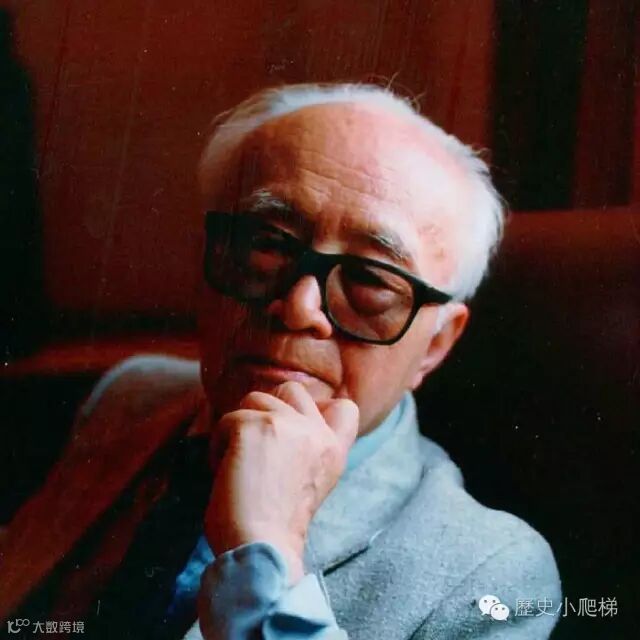
114、苏钧炜Kwan-wai So, Japanese Piracy in Ming China During the16th Century (1975);
115、何炳棣Ping-ti Ho, Studies on thePopulation of China, 1368–1953 (1959, reprinted 1967), 《明初以降人口及其相关问题》
116、何炳棣,The Ladder of Success in Imperial China: Aspectsof Social Mobility, 1368–1911 (1962, reprinted 1976); 《明清社會史論》
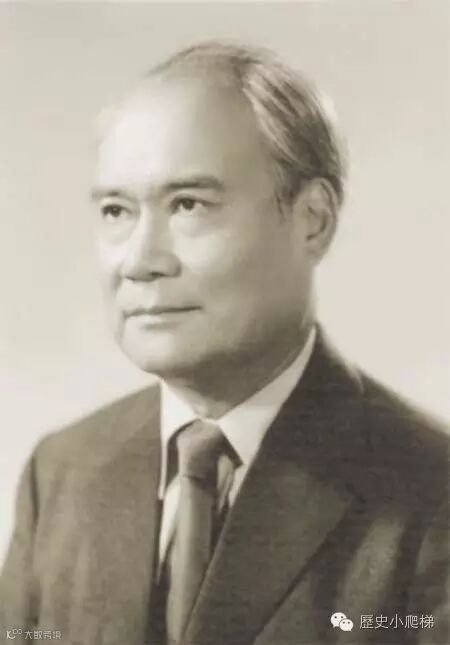
117、星斌夫Ayao Hoshi, TheMing Tribute Grain System, trans. from the Japanese by Mark Elvin伊懋可 (1969). 《明代漕运の研究》
118、黄仁宇Ray Huang, 1587, a Year of NoSignificance: The Ming Dynasty in Decline 《万历十五年》(1981), 对明代治理和统治阶级的广阔批判性讨论;
119、China in the Sixteenth Century: The Journals of Matthew Ricci, 1583–1610, 《利玛窦中国札记》trans. from the Latin by Louis J. Gallagher (1953)对明代同时期持相对肯定观点。
与欧洲联系的现代研究成果:
120、Charles R. Boxer博克舍 (ed. and trans.), South China in the Sixteenth Century (1953, reissued 2004); 《十六世纪中国南部行纪》
121、George H. Dunne邓恩, Generations of Giants: The Storyof the Jesuits in China in the Last Decades of the Ming Dynasty (1962).《一代巨人: 明末耶稣会士在中国的故事》
明末及南明:
122、James B. Parsons, The PeasantRebellions of the Late Ming Dynasty (1970);
123、Lynn A. Struve司徒琳, TheSouthern Ming, 1644–1662 (1984); 《南明史》
124、Jonathan D. Spence史景迁 and John E. Wills, Jr.卫思韩(eds.), From Ming to Ch’ing: Conquest, Region, and Continuity in Seventeenth-Century China (1979).
思想和宗教史:
125、Wm. Theodore De Bary狄百瑞 et al., Self and Society inMing Thought (1970),
126、狄百瑞,The Unfolding of Neo-Confucianism (1975).
十一、清
满清崛起:
127、Robert H.G. Lee, The ManchurianFrontier in Ch’ing History (1970);
128、吴秀良Silas H.L. Wu, Communication andImperial Control in China: Evolution of the Palace Memorial System, 1693–1735 (1970);
129、Frederic Wakeman, Jr.魏斐德, The GreatEnterprise: The Manchu Reconstruction of the Imperial Order in Seventeenth-CenturyChina, 2 vol. (1985). 《洪业: 清朝开国史》
早期对外关系:
130、铃木中正Chusei Suzuki, “China’s Relations with Inner Asia: The Hsiung-nu, Tibet,” pp. 180–197 in John K. Fairbank (ed.), The Chinese World Order 《中国的世界秩序: 传统中国的对外关系》 (1968);
131、Antonio S. Rosso, ApostolicLegations to China of the Eighteenth Century (1948);
132、Marc Mancall, Russia and China:Their Diplomatic Relations to 1728 (1971).
中期的社会与经济:
133、张仲礼Chung-li Chang, The Chinese Gentry(1955, reprinted 1974); 《中国绅士研究》
134、瞿同祖T’ung-tsuChu, Local Government in China Under theCh’ing (1962, reissued 1988); 《清代地方政府》
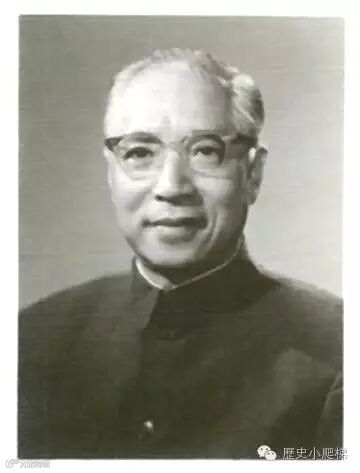
135、Madeleine Zelin曾小萍, TheMagistrate’s Tael: Rationalizing FiscalReform in Eighteenth-Century Ch’ing China (1984); 《州县官的银两: 18世纪中国的合理化财政改革》
136、王业键Yeh-chien Wang, Land Taxation inImperial China, 1750–1911 (1973). 《清代田赋刍论》
思想文化:
137、梁启超Ch’i-ch’ao Liang, Intellectual Trendsin the Ch’ingPeriod, trans. by 徐中约Immanuel C.Y. Hsu (1959); 《清代学术概论》
138、R. Kent Guy盖博坚, The Emperor’s Four Treasuries: Scholars and the State in the Late Ch’ien-lung Era (1987);
139、Benjamin A. Elman艾尔曼, On Their Own Terms: Science inChina, 1550–1900 (2005); 《科学在中国 (1550-1900)》
140、Cynthia J. Brocaw包筠雅and 周启荣Kai-wing Chow (eds.), Printing and Book Culture in Late Imperial China (2005);
141、Evelyn Sakakida Rawski罗友枝, Educationand Popular Literacy in Ch’ing China (1979).
朝代的恶化衰退:
142、Jean Chesneaux谢诺(comp.), SecretSocieties in China in the Nineteenth and Twentieth Centuries (1971;originally published in French, 1965);
143、萧公权Kung-chuan Hsiao, Rural China:Imperial Control in the Nineteenth Century (1960, reprinted 1967); 《中國鄉村: 論19世紀的帝國控制》
144、Gilbert Rozman 罗兹曼(ed.), The Modernization of China 《中国的现代化》(1981),对鸦片战争到1980年的中国走向现代化的跨学科研究;
145、Philip A. Kuhn孔飞力, Rebellionand Its Enemies in Late Imperial China: Militarization and Social Structure,1796–1864 (1970, reprinted 1980); 《中华帝国晚期的叛乱及其敌人:1796-1864年的军事化与社会结构》
146、Susan Naquin韩书瑞, Millenarian Rebellion in China:The Eight Trigrams Uprising of 1813 (1976). 《千年末世之乱: 1813年八卦教起义》
147、William T. Rowe罗威廉, China’s Last Empire: The Great Qing 《中國最後的帝國:大清王朝》(2009). 对这一时期的修正性看法。
清朝的外部挑战:
148、坂野正高Masataka Banno,China and the West, 1858–1861: The Origins of the Tsungli Yamen (1964);
149、张馨保Hsin-pao Chang, Commissioner Lin andthe Opium War (1964, reissued 1970);《林钦差与鸦片战争》
150、John K. Fairbank费正清, Trade and Diplomacy on theChina Coast, 2 vol. (1953, reissued in 1 vol., 1969);
151、徐中约Immanuel C.Y. Hsu, China’s Entrance into the Family of Nations: The Diplomatic Phase, 1858–1880 (1960);
152、Peter Ward Fay, The Opium War, 1840–1842 (1976, reprinted 1997);
153、Frederic Wakeman魏斐德, Jr., Strangers at the Gate: Social Disorder inSouth China, 1839–1861 (1966, reprinted 1997). 《大门口的陌生人: 1839-1861年间华南的社会动乱》
太平天国:
154、施友忠Vincent Y.C. Shih, The TaipingIdeology: Its Sources, Interpretations, and Influences (1967, reprinted1972);
155、Franz H. Michael梅谷and 张仲礼Chang Chung-li, TheTaiping Rebellion: History and Documents, 3 vol. (1966–71);
156、Albert Feuerwerker费维恺, Rebellionin Nineteenth-Century China (1975); 其中关于捻匪:
157、蒋祥哲Siang-tseh Chiang, The Nien Rebellion (1954, reprinted1967);
158、邓嗣禹S.Y. Teng, The Nien Army and TheirGuerrilla Warfare, 1851–1868 (1961, reprinted 1984);
159、Elizabeth J. Perry裴宜理, Rebels andRevolutionaries in North China, 1845–1945 (1980).《华北的叛乱者与革命者(1845—1945)》
自强维新的尝试:
160、Albert Feuerwerker费维恺, China’s Early Industrialization: Sheng Hsüan-huai (1844–1916) and Mandarin Enterprise (1958, reissued 1970); 《中国早期工业化: 盛宣怀(1844-1916)和官督商办企业》
161、郝延平Yen-p’ing Hao, The Comprador in Nineteenth Century China: Bridge Between East and West(1970); 《十九世纪中国的买办: 东西方之间的桥梁》
162、Paul A. Cohen柯文, BetweenTradition and Modernity: Wang T’ao and Reform in Late Ch’ing China (1974, reissued 1987); 《在传统与现代性之间: 王韬与晚清改革》
163、William T. Rowe罗威廉, Hankow: Commerce and Society in a ChineseCity, 1796–1889 (1984); 《汉口: 一个中国城市的商业和社会(1796-1889)》
164、邝兆江Luke S.K. Kwong, A Mosaic of the Hundred Days: Personalities, Politics, and Ideas of1898 (1984);
165、萧公权Kung-ch’uan Hsiao, A Modern China and a New World: K’ang Yu-wei, Reformer andUtopian, 1858–1927 (1975).《近代中国与新世界: 康有为变法与大同思想研究》
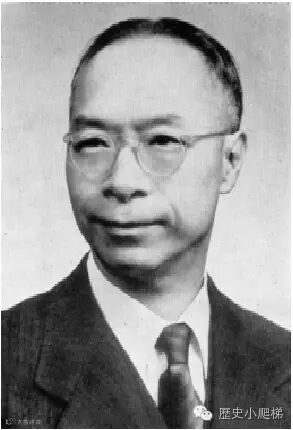
义和拳:
166、Paul A. Cohen柯文, China and Christianity: The MissionaryMovement and the Growth of Chinese Antiforeignism, 1860–1870 (1963),
167、柯文,History in Three Keys: The Boxers as Event, Experience, and Myth (1997); 《历史三调: 作为事件、经历和神话的义和团》
168、Victor Purcell, The Boxer Uprising(1963, reprinted 1974);
169、Joseph W. Esherick周锡瑞, TheOrigins of the Boxer Uprising (1987).《义和团运动的起源》
转自王志通史、历史小爬梯等公众号