



The Expat Edit
China’s Next-Gen Breakthrough: The Flexible Solid-State Battery That Bends the Rules
Beyond the Hype: What Makes This Battery Different?
Most of the batteries in our devices today use a liquid electrolyte. That makes them vulnerable to leaks, instability, fire, and limitations in energy density. Solid-state batteries replace the liquid with a solid electrolyte, aiming to make batteries slimmer, safer, and more powerful. Yet for years, a major headache held back real-world use: solid electrolyte and electrode materials often have trouble connecting seamlessly at a microscopic level. The result is sluggish ion transport and high internal resistance, which limits quick charging and overall capacity.
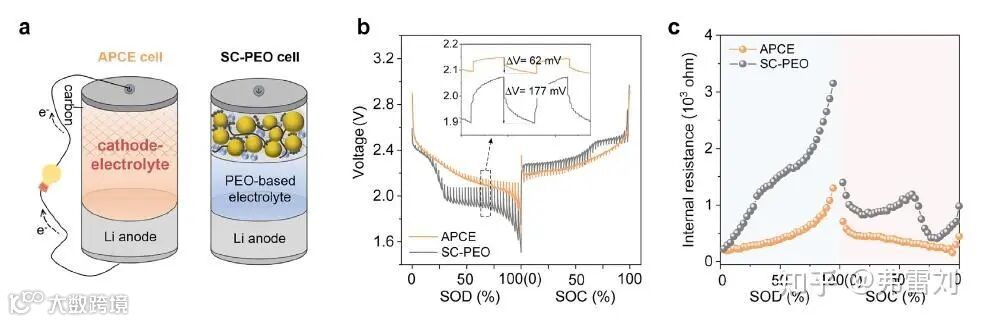
The new breakthrough lies in material innovation. Researchers designed a polymer, called P(EO2-S3), that cleverly integrates both the high lithium-ion mobility required for fast transport and special sulfur units that serve as energy storage sites. This means the material acts as both a superhighway for charge and a warehouse for energy, all while delivering remarkable stretch and flex. The battery can be folded and twisted 20,000 times and keep working, but that’s just the surface. What matters more for industry is that when used with lithium iron phosphate cathodes, the energy density of the electrode rises by up to 86 percent compared to classic solid-state designs.
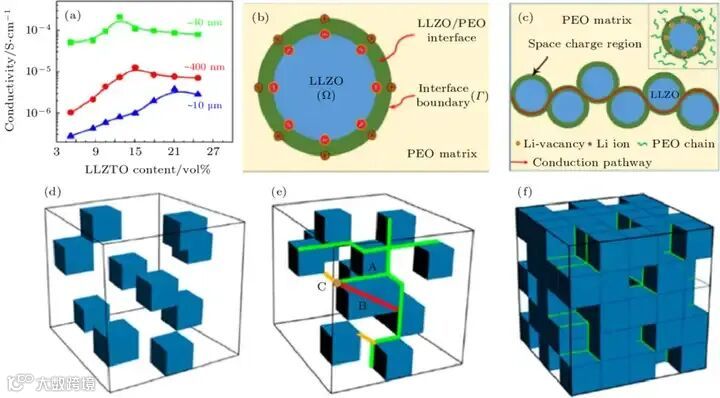
Technically, the magic comes from rethinking interfaces. Typical solid-state batteries stack different materials as layers, making for clunky internal connections and increased energy loss. P(EO2-S3) sidesteps this by baking lithium transport and storage functionality directly into the same polymer chain, essentially making the old interface problem vanish. The material’s flexibility is a bonus, but the real revolution is the way scientists solved the conductivity bottleneck that has plagued the field for decades.
The Challenge of Hybrid Design: Science in Motion
Why was this so hard to achieve? Previous batteries tried to force two solid layers—electrolyte and electrode—together hoping strong compression would make them act like a single material. But this was never perfect and created new challenges like cracking, dendrite formation, and mismatched mechanical behavior during charging cycles. The new integrated polymer design is more like mixing glue with building blocks at the molecular level, allowing the battery to flex without forming gaps or losing contact when bent or stressed.
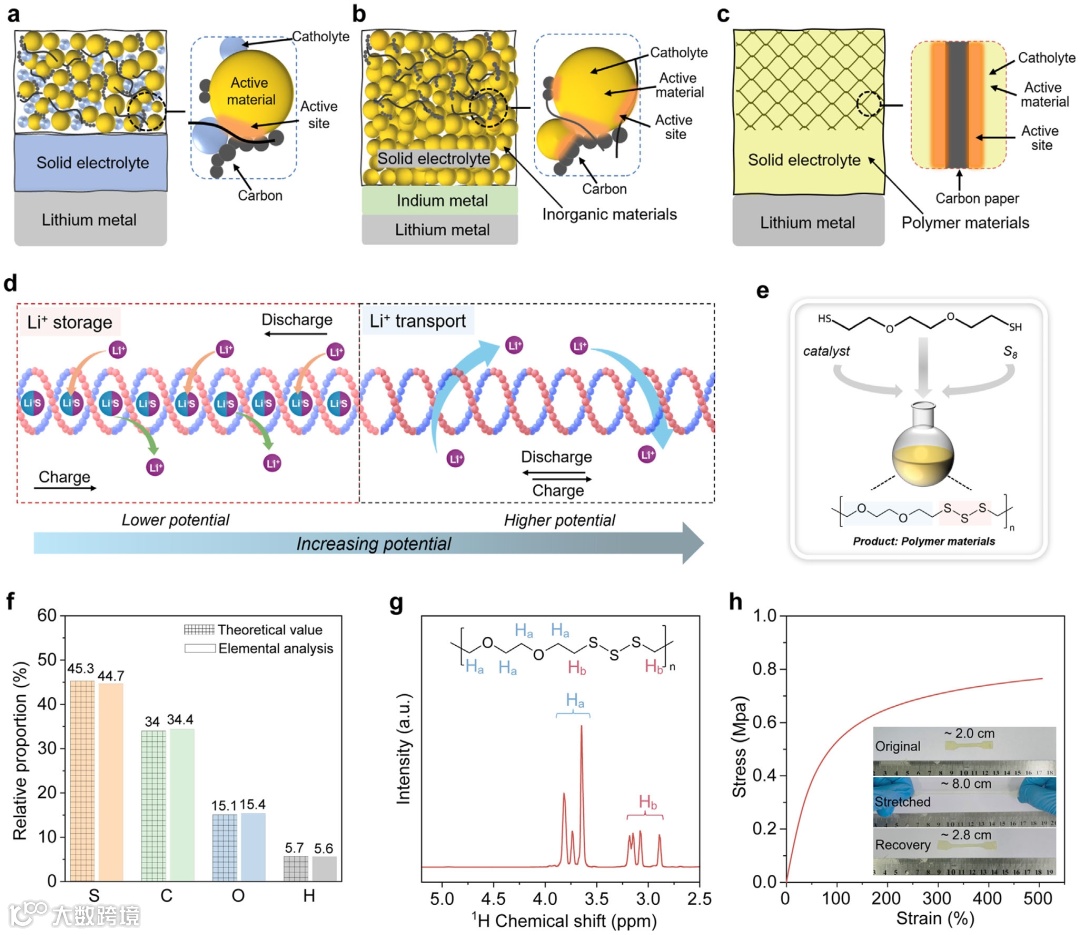
Another component of the story is practical: the polymer is not only a high-speed conduit and energy store, but it also has intrinsic resistance to cracking and degradation, a serious issue in earlier oxide-based solid-state batteries. The team’s design means that instead of delicately engineering the interfaces by hand, the battery material naturally adapts at the nanoscale, keeping ions moving smoothly even after repeated stress in service.
How Much Closer Are We to a Game-Changer?
Any technical breakthrough announced by a research lab needs a reality check before it can power your car or become your wristwatch’s next battery. This flex-resistant battery, with its improved capacity and resilience, gives a genuine preview of what is coming. Imagine consumer electronics that can be rolled and folded, medical sensors that hug the body like fabric, or, some years down the road, automotive batteries that not only pack more energy but also make cars lighter, safer, and more robust after a crash.
Still, scale is the final frontier. Lab results are promising, but an industrial path from gram-sized prototypes to gigafactories is often filled with further hurdles: consistency, cost, and compatibility with production lines. Early commercial uses are likely to be found first in wearables, foldable electronics, and possibly in advanced aerospace or drone applications. Even so, companies like BYD and others are already positioning to adapt the solid-state category, knowing it unlocks both safety and performance gains impossible with old liquid cells.
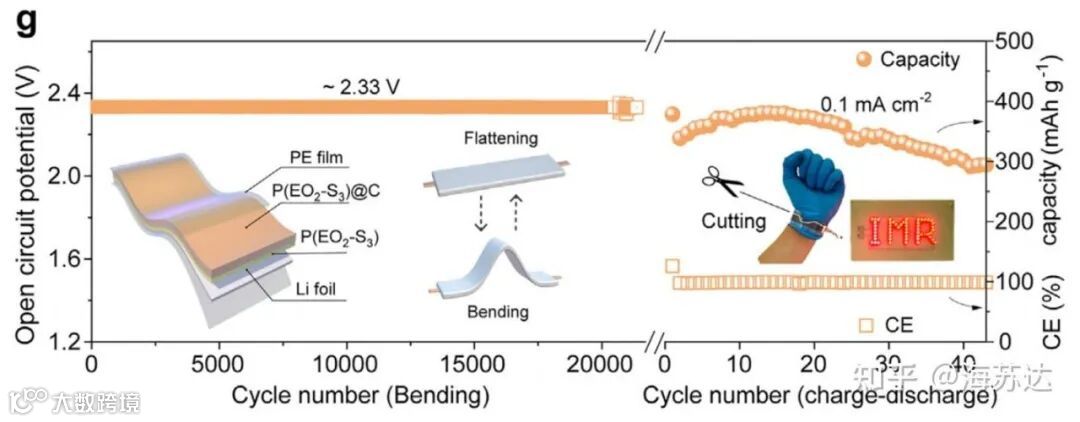
“It’s not just a flexible battery. This material design removes a bottleneck that has kept solid-state technology mostly in the lab.”
What This Means for the Future
China’s advance in flexible solid-state batteries signals much more than a laboratory coup. It is a glimpse of how the country is moving from energy technology learner to energy technology leader. The key was not simply making a bendy battery, but solving one of the deepest technical roots of solid-state battery engineering. With this, the promise of devices that are safer, lighter, and more adaptive grows tangible.
Even so, translating scientific breakthroughs to actual products still takes time. In the coming years, some forms of flexible solid-state batteries could begin to appear in consumer electronics, smart wearables, or specialty industrial applications. When they finally show up in your car, phone, or medical implant, it will mark not only a win for battery science, but for the patient, steady work of teams that solve root-level engineering that often goes unseen. The story of the bendable battery is a signpost for what happens when the rules of the game are rewritten from the inside out.