EH油系统,说白了就是汽轮机控制系统的“血液循环”,它既供能,又控制动作,任何一处出问题,轻则动作失灵,重则全厂停机。在我干检修这二十多年里,看过太多因为EH油系统维护不到位导致的事故,有的代价不小,甚至酿成非停。所以今天,不讲书上那一套,就把咱在现场摸爬滚打出来的实战经验,原原本本说一说。
To put it simply, the EH oil system is the “circulatory system” of a turbine’s control mechanism. It supplies both power and control. Any malfunction — even a minor one — can lead to response failure, or worse, a total plant shutdown. In my over twenty years of maintenance work, I’ve witnessed too many accidents caused by poor EH oil system management. Some led to heavy losses, some even to forced outages. So today, I won’t quote textbook theories — I’ll share the hard-earned, hands-on lessons straight from real plant experience.
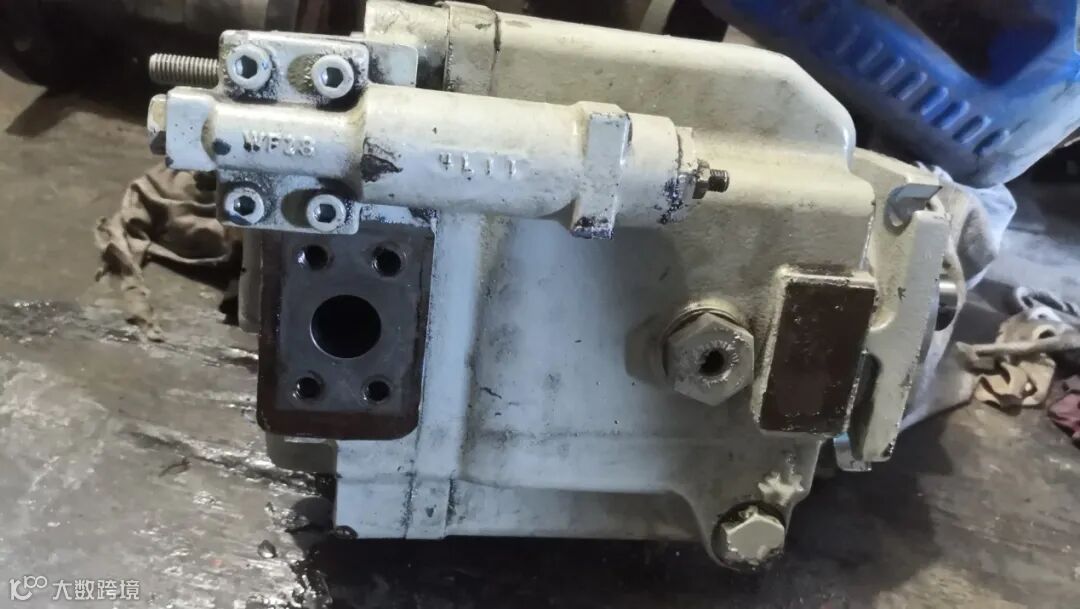
一、先明确:EH系统靠什么活着? First Things First — What Keeps the EH System “Alive”?
EH系统的核心就四个字:油质、温度、压力、状态。如果你能把这四样东西守住,基本就能保它“健康长寿”。下面我就按这四个方面一一展开,怎么查、怎么判断、怎么处理,我尽量讲细一点,不玩虚的。
The heart of the EH system can be summed up in four words: **oil quality, temperature, pressure, and condition**. Keep these four in check, and the system will stay healthy and reliable. I’ll break them down one by one — how to inspect, diagnose, and handle issues — with real, detailed guidance, not theory.
二、油质管理:这是“命根子”
Oil Quality Management — The Lifeline of the System
只要你问一句:“EH系统最怕什么?”我可以不假思索地说:脏、湿、酸。这些问题一旦起来,执行机构卡涩、伺服阀卡死、油泵咬死,后果一个比一个严重。
Ask me what the EH system fears most, and I’ll answer without hesitation: contamination, moisture, and acidity. Once these set in, actuators jam, servo valves seize, and pumps lock up — each consequence worse than the last.
1. 定期化验油质 Regular Oil Quality Testing
我碰见过好几个电厂,油两年不化验一次,还是说看油色挺清。你要知道,油脏和颜色没太大关系,你肉眼能看出来的油,那已经是废油了。
I’ve seen plants that go two years without testing their oil — just judging it by color. But the truth is, oil contamination isn’t visible to the eye; if you can see it, it’s already bad.
* 每季度必须送油样去实验室化验,重点是颗粒度、水分含量、酸值。
* Send oil samples to the lab **every quarter**, focusing on particle size, moisture, and acid number.
* 颗粒度建议控制在NAS 6级以下。一旦到7、8级,就得开始警惕。
* Keep particle contamination below NAS 6; if it reaches 7 or 8, it’s time to investigate.
* 水分别超0.02%,否则就得找进水原因,尤其注意冷油器。
* Moisture must be below 0.02% , otherwise find the source — the cooler is often the culprit.
* 酸值超过0.1mg KOH/g,就说明油已经开始老化变质了,该换就换。
* If the acid number exceeds 0.1 mg KOH/g , the oil is aging — replace it without hesitation.
2. 滤芯必须按规矩换,不能凑合Filter Cartridges Must Be Replaced Properly — No Shortcuts
EH油系统主要有两级过滤:回油过滤器和高压过滤器。正常情况下滤芯半年换一次,但不是固定不变的。
The EH system typically has two main filters — the return oil filter and the high-pressure filter. Normally, cartridges are replaced every six months, but that’s not a rigid rule.
* 回油滤网:看压差或累计运行时间,压差超过0.1MPa就该换。
* For the return filter, replace it when the differential pressure exceeds 0.1 MPa or after long operation.
* 高压滤网:更要重视,它直接关系伺服阀动作,宁可早换,不可冒险。
* For the high-pressure filter , be even more cautious — it directly affects servo valves. Replace early, not late.
顺便说一句,有的班组喜欢把旧滤芯吹吹再装回去,这种做法坚决反对。吹不干净不说,还容易造成二次污染。
A word of warning — never “blow clean” and reuse old filters. You won’t get them clean enough, and you’ll risk secondary contamination.
3. 油位低要及时补,不补会“抽空”
Low Oil Level Must Be Refilled Promptly
EH油箱的油位每天都要看,尤其在大负荷切换或放油后,油位容易偏低。
Check the oil level every day, especially after load changes or system drainage — the level can drop unexpectedly.
* 油位低于下限,泵容易抽空,轻则打滑,重则气蚀烧泵。
* If the level drops below the lower limit, the pump may draw air — leading to cavitation or even pump failure.
* 补油时必须使用高精密滤油机,先过滤后加油,绝不能直接倒入。
* Always refill using a fine filtration unit — filter first, never pour oil directly.
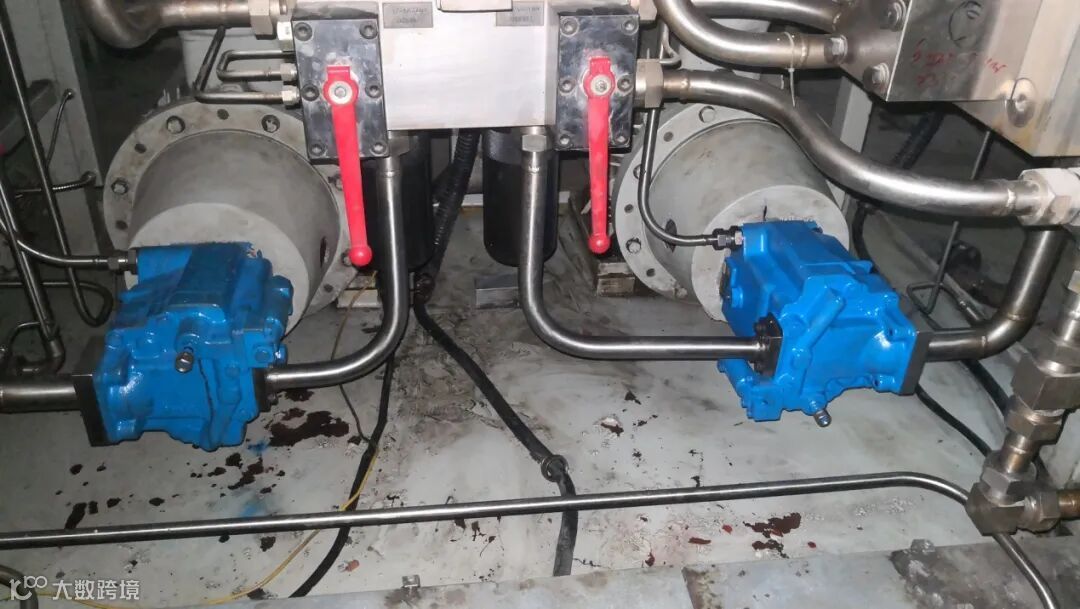
三、温度控制:温度不对,系统出事 Temperature Control — Wrong Temperature, Wrong System
EH油系统的工作温度一般控制在35℃到55℃之间。这个范围不是随意定的,而是综合考虑了油黏度、伺服阀的响应及油泵的效率。
The EH oil system should operate between 35°C and 55°C — not by chance, but based on oil viscosity, servo response, and pump efficiency.
1. 温度低了看加热器
If the Temperature Is Too Low — Check the Heater
巡检发现油温在30℃以下且持续不升,就要检查:
If the oil temperature stays below 30°C and doesn’t rise, check the following:
* 电加热器是否投入,PLC控制逻辑是否正常;
* Is the electric heater enabled? Check the PLC logic.
* 加热器线路、接触器、保险是否完好;
* Inspect the heater’s wiring, contactors, and fuses.
* 若是新系统,可能加热功率选小了,应联系厂家改进。
* For new systems, undersized heater capacity is common — contact the manufacturer for adjustment.
2. 温度高了看冷油器
If the Temperature Is Too High — Check the Cooler
夏季时EH油温常超过60℃,若不处理,油质极易劣化。
In summer, oil temperature often rises above 60°C; if unchecked, the oil deteriorates rapidly.
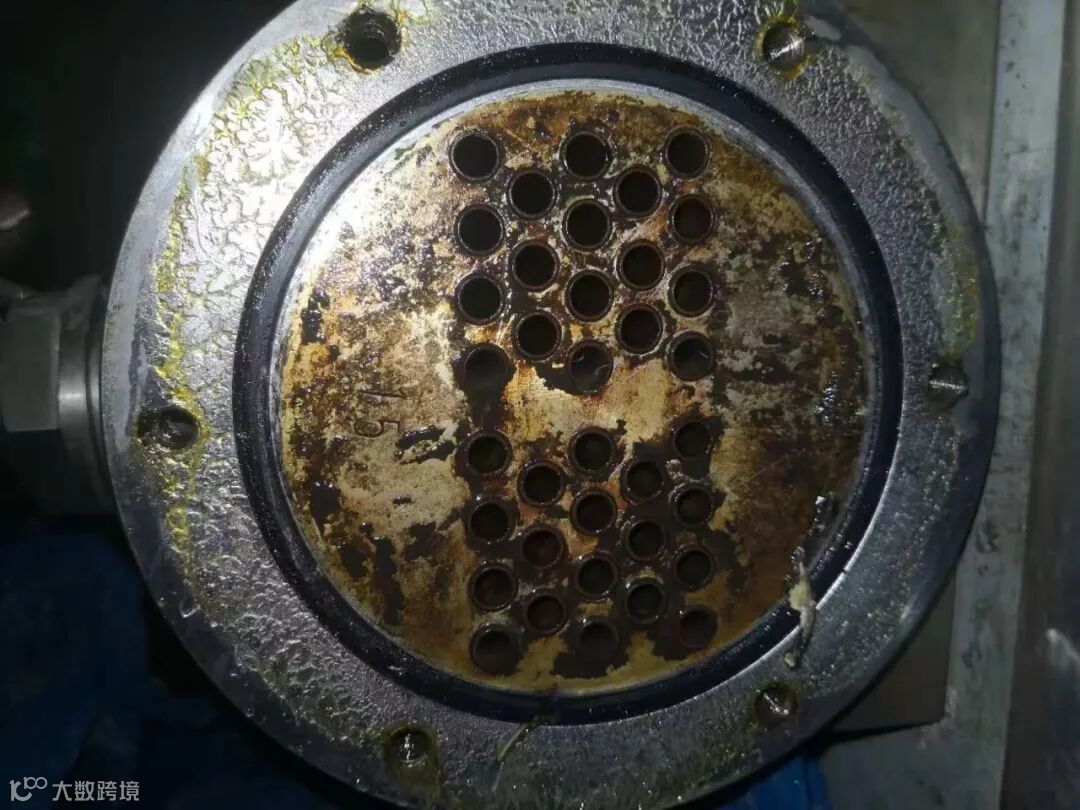
* 检查冷油器换热面是否结垢,必要时化学清洗;
* Check the cooler for fouling and clean it chemically if needed.
* 检查冷却水压力、流量,是否存在堵塞;
* Ensure cooling water pressure and flow are adequate — no blockage.
* 切换冷油器前务必做好旁路连接,否则只能停机更换。
* Before switching coolers, confirm bypass lines are ready — otherwise, shutdown is inevitable.
四、压力监视:稳定才是硬道理 Pressure Monitoring — Stability Above All
EH系统压力不稳,控制就不稳,尤其在DEH或调门系统中,哪怕轻微波动,也可能引起负荷摆动。
Unstable EH system pressure means unstable control. In DEH or valve systems, even small pressure fluctuations can cause load swings.
1. 油泵出口压力要看牢
Watch the Pump Discharge Pressure Closely
* 现场设定一般在11~14 MPa之间,视设备不同略有差异;
* Normal working pressure is 11–14 MPa, depending on equipment type.
* 若压力下降,先查油泵转速,再查泄压阀、管路漏点;
* If pressure drops, first check pump speed, then relief valves and leaks.
* 特别注意主泵与备用泵切换逻辑,老PLC常在切换瞬间滑压。
* Pay attention to pump switching logic — old PLCs may cause pressure dips during transitions.
2. 安全阀与压力开关是关键保护 Safety Valves and Pressure Switches Are Critical Safeguards
* 安全阀设定值应略高于工作压力,但不能过高,否则动作迟缓;
* Set the safety valve slightly above normal working pressure — not too high, or it won’t respond in time.
* 每半年校验一次,看弹簧是否疲劳、密封是否泄漏;
* Calibrate every six months, checking spring tension and sealing.
* 压力开关信号线要确保导通可靠,不能虚接或接错。
* Ensure pressure switch wiring is correctly connected and sound.
五、设备状态检查:眼勤耳灵,不能靠猜 Equipment Condition Inspection — Use Your Eyes and Ears, Not Guesswork
干检修都知道,设备出事前总有征兆,就看你发现得早不早。
Any seasoned technician knows — equipment rarely fails suddenly; it always gives signs first. The question is whether you catch them in time.
1. 泵、电机的声音和温度是信号Pump and Motor Sound and Temperature Speak Volumes
* 每小时摸泵壳与轴承座,温度不应超70℃;
* Touch pump casing and bearings hourly — temperatures over 70°C are abnormal.
* 若听到“唧唧”或“咯咯”异响,多为轴承缺油或磨损;
* A squeak or rattle often means a dry or worn bearing.
* 变频电机还要监视频率和负载波动。
* For VFD motors, monitor frequency and load fluctuation as well.
2. 密封、管路渗漏要早处理 Fix Leaks Early — Never Ignore “Small” Oil Seepage
一点漏油不要嫌“脏”,那往往是密封老化的信号。
Even a small oil leak is a red flag — usually a sign of aging seals.
* 检查泵机械密封、管接头垫片、阀门填料;
* Inspect mechanical seals, pipe joints, and valve packing.
* 发现渗漏先停机泄压,再逐项处理。
* Relieve system pressure before tightening or repair work.
3. 主备泵切换是“保命”试验
Main/Standby Pump Switching — A Life-Saving Test
许多厂的备用泵“从未用过”,一旦真出事起不来,那还叫什么备用?
Too many plants have standby pumps that have never been used — until they’re needed, and they fail. That’s not standby; that’s decoration.
* 每月必须切换一次主备泵;
* Switch main and standby pumps once a month.
* 切换时要监视压力平稳过渡;
* Monitor system pressure to ensure smooth transition.
* 启动后观察备用泵声音、振动是否正常。
* After switching, check the standby pump’s noise and vibration.
六、维护分层做,计划别乱套
Layered Maintenance — Keep the Plan Organized
1. 日常维护:靠巡检
Routine Maintenance — Through Regular Inspections
* 每小时记录压力、油温、电流、泵温;
* Log pressure, temperature, current, and pump temperature hourly.
* 每天检查油位、漏油、振动,异常立即记录。
* Inspect oil level, leakage, and vibration daily; record any abnormality immediately.
2. 定期维护:靠计划 Scheduled Maintenance — Through Planning
* 每月主备泵切换一次;
* Switch pumps monthly.
* 每月清理油箱呼吸器; * Clean the oil tank breather monthly.
* 每季度化验油质、清洗冷油器;* Test oil quality and clean coolers quarterly.
* 每半年更换滤芯。 * Replace filter cartridges every six months.
这些工作要写入设备维护计划,由运行、检修、化学三个班组协同推进。
All these tasks must be included in the maintenance plan and jointly executed by the operations, maintenance, and chemical teams.
3. 大修:该花钱就得花 Overhaul — Spend Where It Matters
* 油泵解体检查轴套间隙、磨损,超标即换;
* Disassemble the pump and check clearances and wear — replace as needed.
* 全部轴承、密封更换新件;
* Replace all bearings and seals with new ones.
* 大修后做压力、流量、联锁测试,验证恢复效果。
* After overhaul, perform pressure, flow, and interlock tests to verify system recovery.
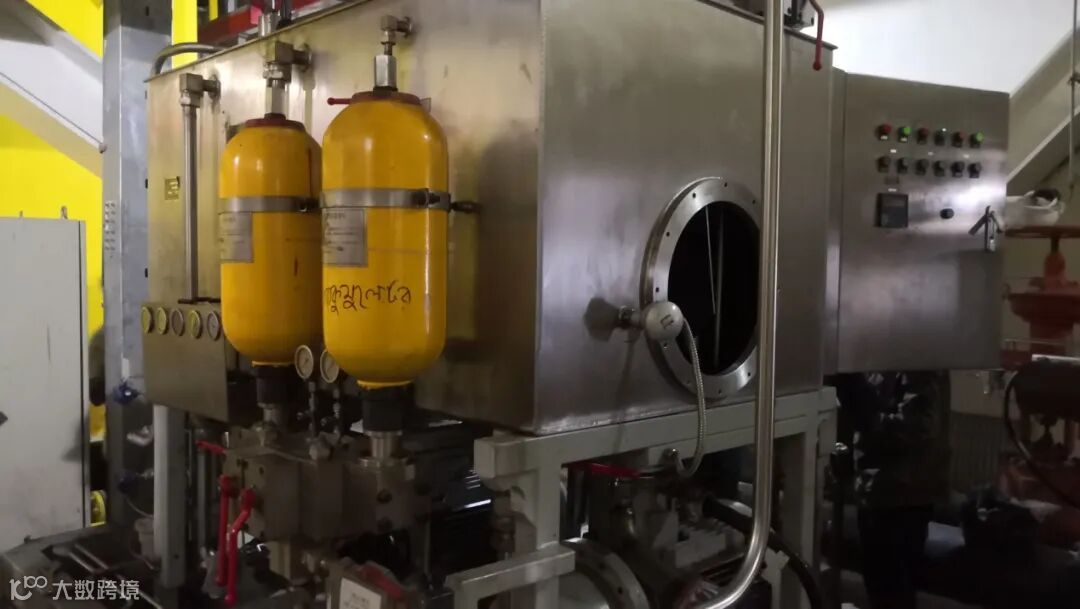
七、结语:维护EH油系统,没有侥幸. Conclusion — There’s No Luck in EH Oil System Maintenance
EH油系统出问题,从来不是突然的,而是“养病”养出来的。我们靠的是工具、经验,更靠责任心与判断力。说到底,EH系统维护不难,难的是长期坚持标准、执行到位。
Failures in the EH oil system never happen overnight — they grow from neglect. What keeps the system safe isn’t just tools or knowledge, but responsibility and discipline. In the end, maintaining the EH system isn’t difficult — staying consistent and doing it right is.