


The global shift towards electrification is powered, quite literally, by the lithium-ion battery. As demand soars, manufacturers are under immense pressure to scale up production, enhance efficiency, and maintain the highest standards of quality and safety. Within the intricate process of battery cell fabrication, every step is crucial. However, the physical handling of one specific component—the electrode roll—stands out as a pivotal and often underestimated challenge.
This stage, seemingly a simple logistical task of moving materials, is in fact a critical control point where safety, quality, and profitability hang in the balance. So, what makes the handling of these large, tightly wound reels so vital?
The answer lies in the unique and demanding characteristics of the electrode rolls themselves.
The High-Stakes Nature of Electrode Rolls
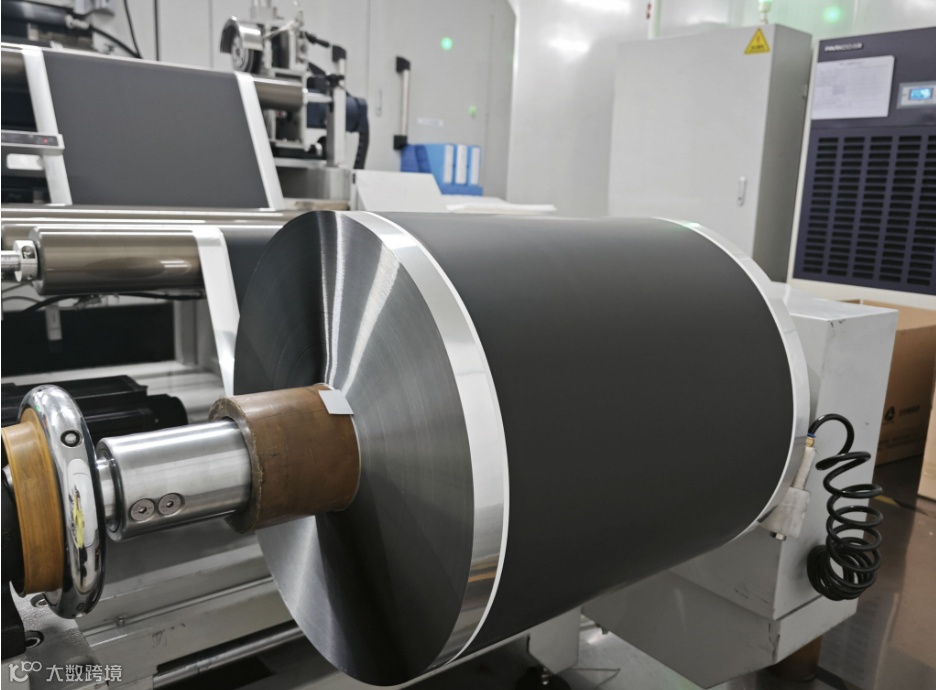
To understand the handling challenge, we must first appreciate the nature of the material. An electrode roll, also known as an electric cell pole roll, is a continuous sheet of precisely coated metallic foil (copper for the anode, aluminum for the cathode). This coating, a slurry containing active materials, binders, and conductive agents, is the heart of the battery's performance.
These rolls possess a combination of traits that makes them notoriously difficult to handle:
- Heavy and Unwieldy: A single electrode roll can weigh up to 1.0 ton. Its sheer mass and cylindrical shape make manual handling not just impractical but extremely hazardous, posing significant ergonomic risks to personnel.
- Delicate and Fragile: Despite their weight, the coated surfaces are incredibly sensitive. The carefully applied slurry can be easily scratched, creased, or deformed. The edges of the foil are thin and susceptible to damage.
- Vulnerable to Collision: Even a minor impact or jolt during transit can have severe consequences. A drop or collision can cause delamination—the separation of the coating from the foil—or create micro-cracks and structural deformities within the tightly wound layers. These internal defects are often invisible to the naked eye but can lead to catastrophic cell failure down the line.
- Susceptible to Contamination: The performance of a lithium-ion battery is a story of chemistry. Any foreign contaminants, be it dust, metallic particles, or even moisture from an operator's hands, can disrupt the electrochemical reactions. Contamination introduced during handling can lead to internal short circuits, reduced battery capacity, and a shortened lifespan.
When handling goes wrong, the consequences are immediate and severe. A dropped or damaged electrode roll is often a complete write-off. Considering the high cost of raw materials and the intricate coating process, this translates into significant financial losses. Industry reports indicate that production scrap rates can range from 5% to as high as 30% during production ramp-ups, with improper material handling being a notable contributor.
The Risks of Inadequate Handling Solutions
Traditionally, moving these rolls has involved generic lifting equipment or, in some cases, risky manual maneuvering by multiple operators. These methods are fraught with peril:
- Operator Safety: Manual lifting of such heavy objects is a direct path to musculoskeletal injuries. Even with basic equipment, the lack of precise control can lead to accidents, endangering staff.
- Product Damage: Standard forklifts or simple hoists are not designed for the delicate touch required. Their clamping mechanisms can exert uneven pressure, creasing the roll. Sudden starts and stops can cause swinging or jolting, leading to impact damage.
- Contamination: Non-specialized equipment can introduce contaminants like hydraulic fluid leaks or particles from worn components into the cleanroom environment where electrodes are processed.
- Inefficiency: Manual and semi-automated processes are slow, create bottlenecks, and require more personnel, directly impacting throughput and operational efficiency.
In a sector defined by precision and control, relying on subpar handling solutions is a gamble that manufacturers cannot afford to take. The integrity of the final product is directly linked to the integrity of the electrode roll at every stage of its journey through the facility.
A Specialized Solution for a Specialized Task
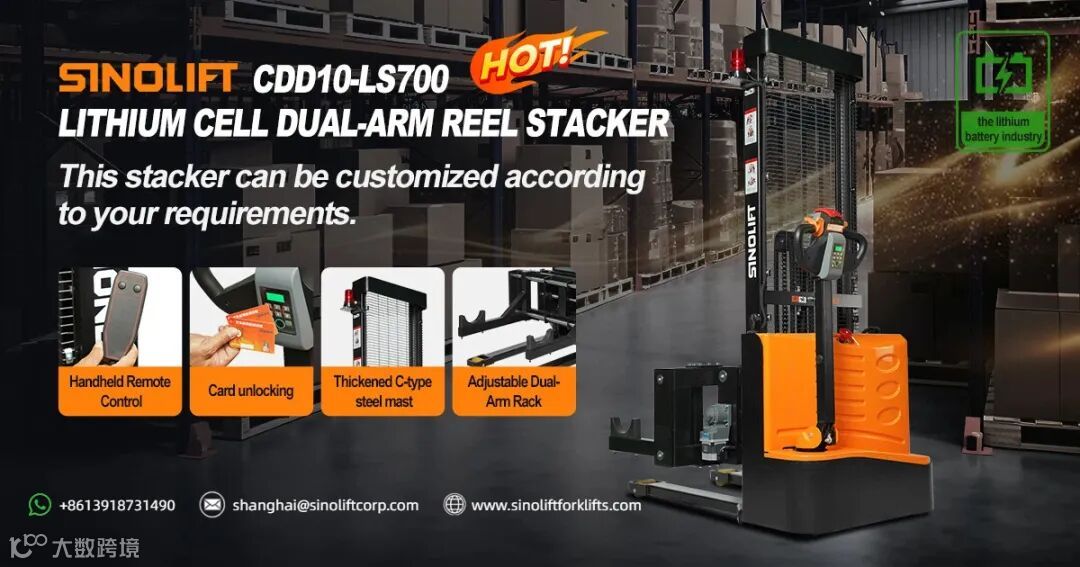
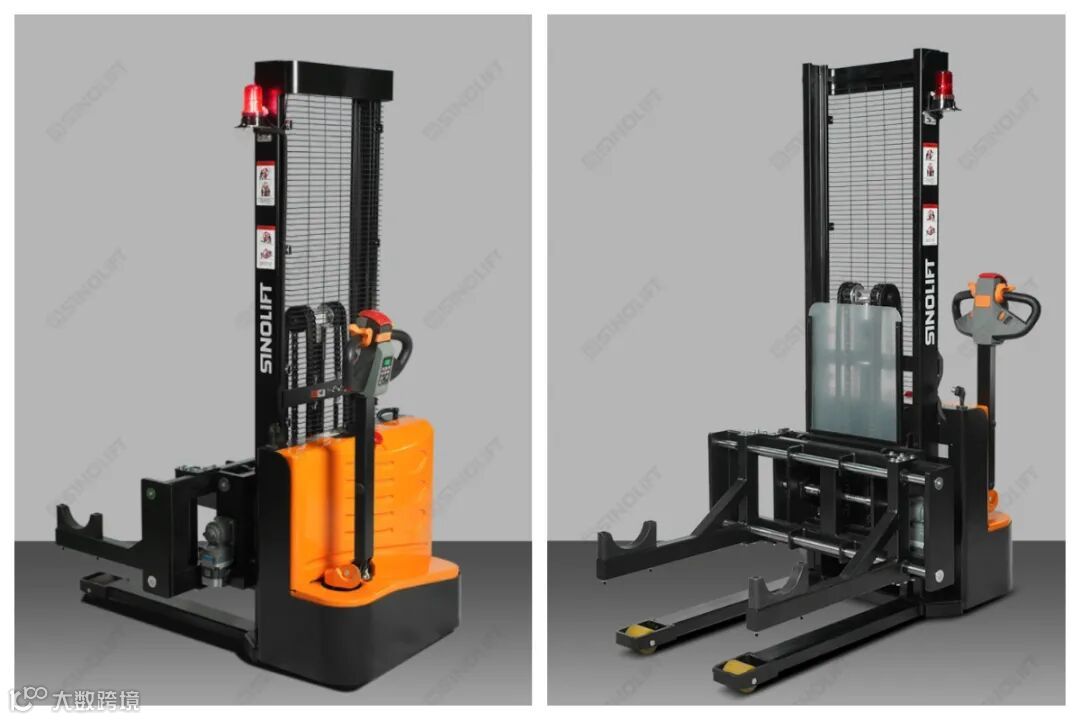
Recognizing these profound challenges, the material handling industry has developed specialized equipment designed specifically for the lithium battery sector. A prime example of this evolution is the Sinolift CDD10-LS700 Walkie Fully Electric Lithium Cell Dual-Arm Reel Stacker. This machine is engineered from the ground up to address the unique vulnerabilities of electrode rolls.
Unlike generic stackers, the CDD10-LS700 provides a secure and stable platform that cradles the reel. Its design philosophy centers on eliminating the risks of collision, contamination, and operator strain. Key features that make it a critical tool in modern battery plants include:
- Adjustable Dual-Arm Rack: The dual arms securely support the roll from below, distributing the weight evenly without applying crushing pressure to the delicate surfaces. The ability to electrically adjust the arm spacing and perform side-shifts, often via a handheld remote, allows for millimeter-perfect alignment with production machinery without manual pushing or pulling. This precision is vital when loading the roll onto a slitting or coating machine.
- Powered, Controlled Movements: Every action, from lifting and lowering to forward and backward travel, is electric and precisely controlled through an ergonomic smart handle. This eliminates the sudden movements and jolts associated with manual equipment. The inclusion of a "turtle-speed" button provides exceptionally slow, deliberate movement when navigating tight spaces or performing final positioning, ensuring both cargo and personnel safety.
- Built for Stability and Safety: With a robust C-type steel mast, a powerful 750W drive motor, and a dedicated 220W lifting motor, the stacker can handle loads up to 1.0 ton with ease and stability, even on slight inclines. Safety features like an emergency reverse button, an emergency stop, and password/card-key access ensure that only trained personnel can operate the vehicle, enhancing workplace security.
- Ease of Operation: The entire system is designed for single-person operation. This not only improves efficiency but also reduces the labor costs and coordination challenges associated with team-based manual handling. An operator can confidently and safely pick up a heavy electrode roll, transport it across the facility, and position it for the next production stage.
By integrating such a specialized tool, manufacturers can effectively say goodbye to handling troubles. The risk of dropping a multi-thousand-dollar electrode roll is minimized, the potential for contamination is drastically reduced, and the production line can run smoother and more efficiently.
As the lithium battery industry continues to innovate, it's clear that excellence lies in mastering every detail. Electrode roll handling is far more than just moving an object from point A to B; it is a fundamental pillar of quality control, operational safety, and financial viability. Investing in the right equipment is not an expense—it is an investment in the consistency, reliability, and success of the entire manufacturing operation.
Contact Information:
✉ Email: shanghai@sinoliftcorp.com
info@sinoliftforklift.com
☎ Phone/WhatsApp: +86 139 1873 1490
True innovation starts by understanding unique needs.
Get your tailored material handling solution today!