


swipe left for English
紧迫的交期往往让企业在项目启动时忽略风险。看似抢时间,结果却是质量问题频发、返工加剧、成本失控。许多亚洲制造项目最终并非“快”,而是拖延和损失。
在注塑生产中,出现不良品或批次被拒收从来不是偶然,而是前期环节被跳过的必然结果。只要把必要的检查放在前端,大多数风险完全可以避免。
三个容易出问题的阶段
1. 设计阶段
如果设计可制造性(DFM)评审被草草通过,后续模具就会出状况。模具修改甚至返工将耗时耗力。
2. 模具制造
缺少模流分析或验证,常见缺陷如翘曲、溢边、熔接痕和短射就会出现。一旦模具开制,缺陷也被固化。
3. 材料选择
仓促决定材料,往往忽视耐久性、灭菌适配或供应稳定性。材料选错,打样或许能过,但量产或使用阶段就会暴露问题。
说了这么多常见陷阱,不妨看看实际该怎么操作: Wanox在项目初期设置了强制环节:在没有完成结构化DFM评审前,绝不会提供最终报价。工程师利用模流分析软件,提前发现熔接痕、气穴、缩水、翘曲等潜在问题,把风险消灭在开模之前。
快稳兼得的秘诀
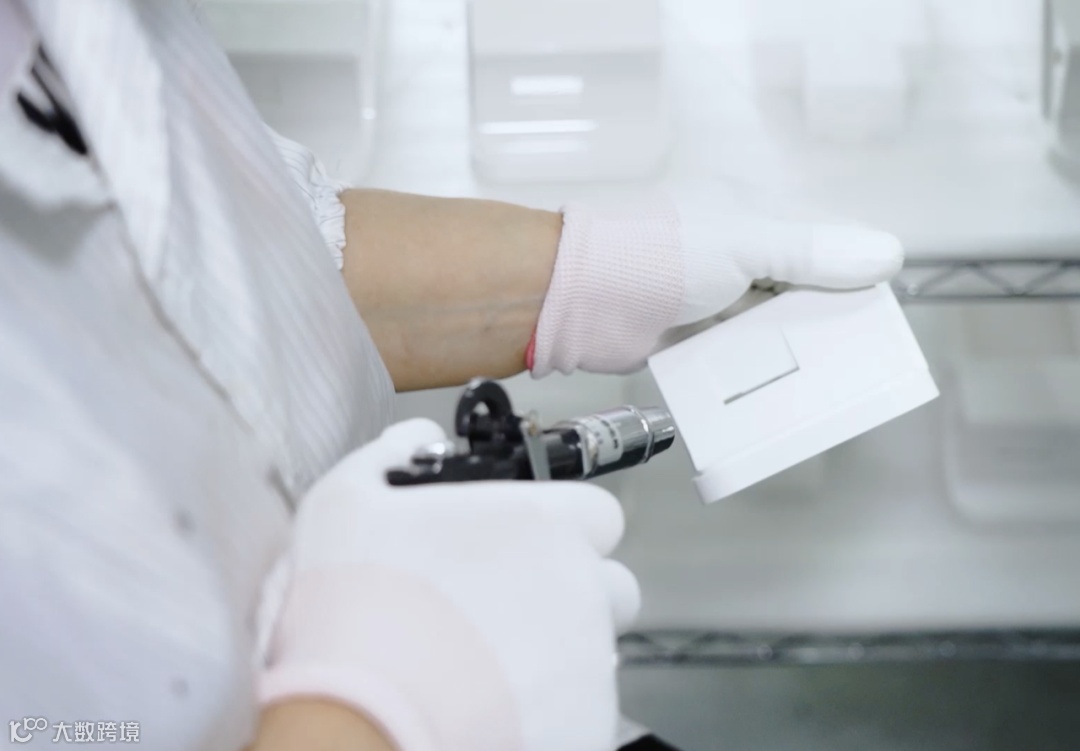
速度来自体系,而不是压缩流程。行业经验表明,模块化模具库、自有验证实验室、标准化沟通机制,都是保证项目既快又稳的基础。
Wanox在每个项目立项前都先进行技术分析。每位客户都有专门负责人全程跟进,严格管理时间表,确保图纸、审批、问题跨部门快速流转。消除沟通堵点,才能让速度和质量保持一致。
当供应商只是口头答应
如果供应商一味迎合客户要求而不追问关键细节,质量往往难以保证。常见信号包括:
1. 不给出材料建议,只说“按你们指定的用”;
2. 不询问公差或使用环境;
3. 承诺交期却拿不出具体依据。
4. 不询问验收标准是否明确
Wanox避免这种风险的方式是提出关键问题:
包括:
1. 零件主要功能和使用环境是什么(结构件、外观件还是医疗级)?
2. 哪些尺寸和公差关系到功能?
3. 产品生命周期内预计年产量是多少?
4. 材料牌号是否已确定,是否考虑性能或供应更优的替代方案?
5. 验收标准是否已对齐并最终确认?
这些问题确保客户预期与生产实际保持一致,也让项目经理避免在量产阶段遭遇意外。
如何验证交付能力
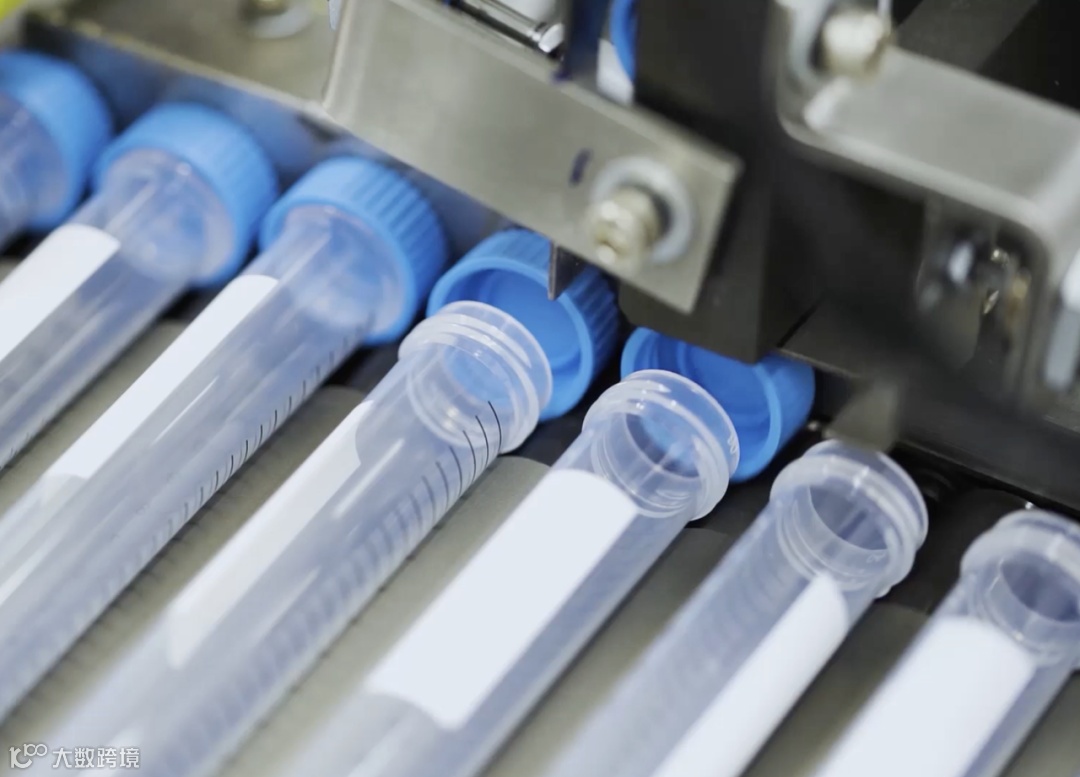
可靠的供应商要拿出数据和方法,而不仅是口头承诺:
1. 提供分阶段的时间表(模具、打样、质检);
2. 提供内部缺陷率和准时交付等指标;
3. 展示多项目并行时的排产和监控机制。
Wanox给出的参考是: 一个中等复杂度的注塑模具项目,周期通常在25-35天左右,具体取决于多种因素。公司通过集中排产系统管理重叠项目,实时监控设备产能、原料库存和质量节点,使交期承诺切实可行。
赶工的代价
项目经理都知道时间紧迫。可是,省略环节的后果更严重。模具失效、不良品激增、返工连连,预算不断透支,上市一再推迟。更糟的是,OEM对供应商的信心也会一落千丈。
真正的经验是:不要依赖侥幸。高质量且快速的项目来自前期问对问题,选择能证明自己体系的合作伙伴。
速度与质量并行
Wanox用实践证明,速度和质量并不是矛盾。通过强制DFM评审、模流分析、严格项目管理和集中排产,公司建立了能同时保证效率和稳定的流程。
这样安排项目,才能确保交期兑现、风险可控、企业预算和声誉不受损害。
联系我们
速度和质量都不能妥协。请联系我们,了解如何在您的项目中落实这两点。
swipe left for English
向右滑动查看中文
Every project manager wants to meet deadlines, and it's common to rush suppliers. Yet when speed takes priority over process, projects often stall rather than succeed, and rushed plastics projects are not cheaper or faster in the end.
Quality failures in injection molding, such as defective parts, rejected batches, and weeks of rework, are rarely sudden surprises. They happen because key steps were skipped in the rush to get moving. The good news is that most of these risks can be avoided when the proper checks are in place from the start.
The Three Points Where Speed Kills Quality
1. Design Approval
When design for manufacturing (DFM) reviews are rushed or overlooked, tooling defects emerge later. Modifications to tool steel or complete rework can become costly and time-consuming.
2. Tooling Fabrication
Skipping mould flow simulation or validation tests can lead to warping, flash, weld lines, and short shots. Once a tool is cut, the defects are locked in.
3. Material Selection
Making fast decisions can overlook critical questions regarding long-term durability, sterilization compatibility, or supply chain consistency. Choosing the wrong material may pass sampling but fail in production or the field.
Wanox has built safeguards into its quoting and onboarding process to stop these mistakes at the source. Our team will not provide a final quote until a structured DFM review is complete and our engineers utilize advanced mould flow simulation software to identify potential issues, such as weld lines, air traps, sink marks, and warpage, before tooling is commissioned.
This makes sure clients move quickly without inheriting costly risks later.
What "Fast and Reliable" Really Means
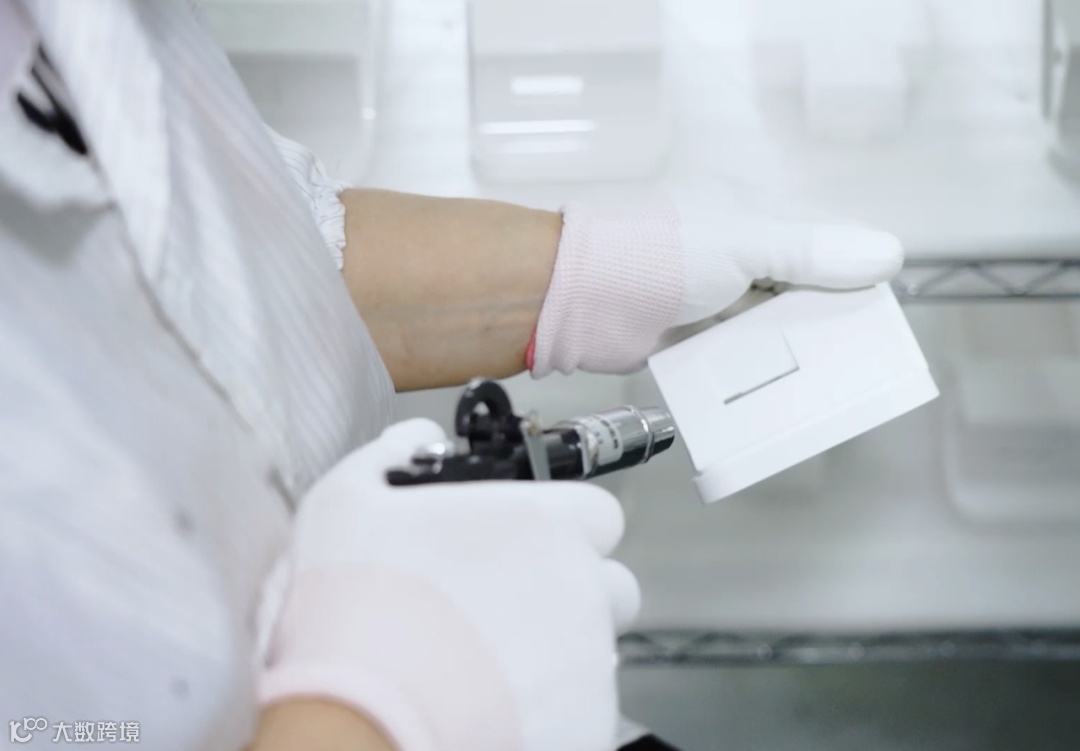
Fast delivery comes from processes that prevent failure before it occurs. Hallmarks include modular tooling libraries, in-house validation labs, and structured communication protocols that help with smooth decision-making.
Wanox applies this principle by conducting technical analysis for every project in advance. Each client is assigned a single point of contact who manages the timeline tightly. The coordinator ensures that approvals, drawings, and questions are processed promptly across departments. By removing bottlenecks in communication, speed and quality align rather than conflict.
When a Supplier Is Just Saying Yes
One of the clearest warning signs that quality will suffer is when a supplier agrees to everything without asking deeper questions. Red flags include:
1. No material recommendations, “we will use what you specify”
2. No questions about tolerances or the end-use environment
3. Claims of fast delivery without evidence of how it will be achieved
4. No questions asked on acceptance criteria
Wanox avoids this trap by asking clarifying questions before confirming production timelines.
Our checklist includes:
1. What is the primary function and end-use environment of this part? Structural, cosmetic, or medical-grade?
2. What are the critical-to-function dimensions and tolerances?
3. What is the expected annual volume over the product's lifecycle?
4. Have you defined the material grade, and are you open to alternatives that may offer better performance or availability?
5. Is the acceptance criteria aligned and finalized?
These questions reduce the risk of misalignment between customer expectations and production realities. They also protect project managers from unpleasant surprises during the scaling-up process.
Checking a Manufacturer's Real Delivery Capability
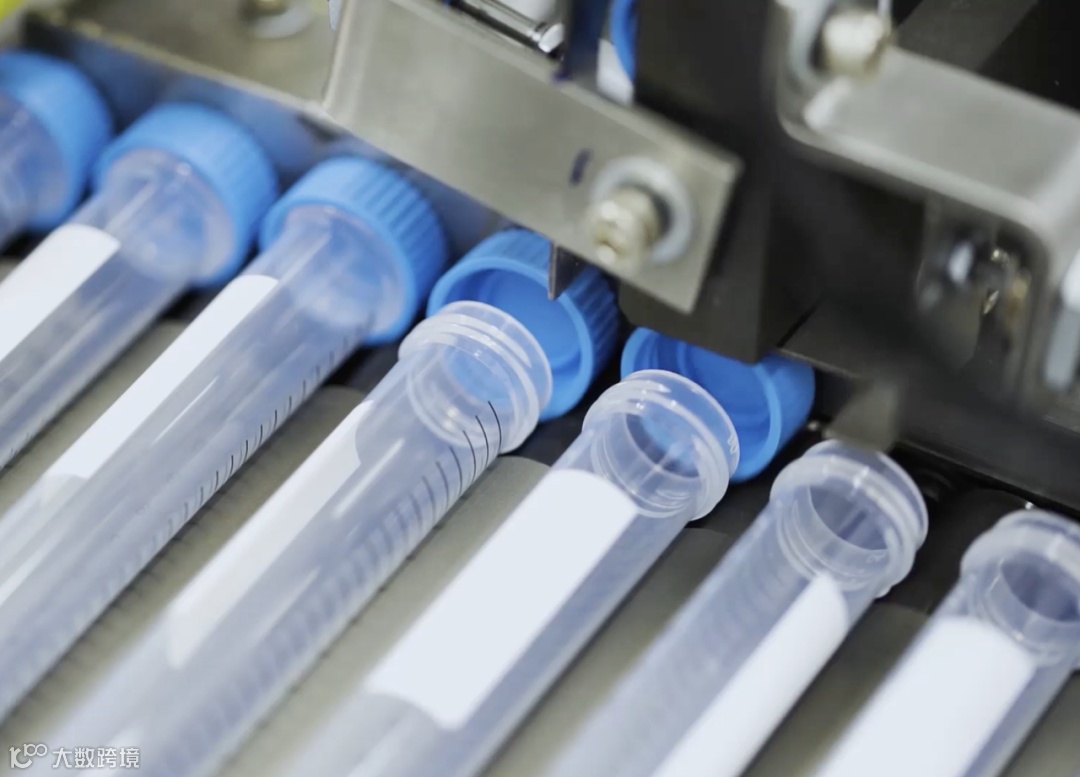
Buyers should not rely solely on promises. A capable supplier can show:
1. A project timeline broken down by tooling, sampling, and QA
2. Internal metrics on defect rates and on-time delivery performance
3. How multiple projects are scheduled and tracked in parallel
Wanox provides concrete benchmarks. A typical project for a medium-complexity injection mould takes approximately 25-35 days depending on multiple factors. Overlapping projects are managed through a centralized scheduling system that monitors machine capacity, material inventory, and quality checkpoints in real-time.
This visibility enables realistic commitments, protecting buyers from the typical scenario of promised delivery dates that are later pushed back.
The Cost of Cutting Corners
Every project manager feels the pressure to deliver faster. Yet when corners are cut, the outcome is often slower and more expensive. Failed tools, rejected parts, and rework consume budgets and delay launches. Worse, supplier mistakes reflect directly on the OEM's reputation with its own customers.
The practical lesson is clear. Fast and reliable plastics projects are not achieved by rushing, but by asking the right questions upfront and partnering with suppliers that can prove their systems.
Speed Without Sacrifice
Wanox demonstrates that the false trade-off between speed and quality is avoidable. Through mandatory DFM reviews, mold flow simulations, disciplined project management, and centralized scheduling, they demonstrate that robust systems enable both speed and reliability.
When projects are structured this way, deadlines are met, risks are contained, and companies protect both their budgets and their reputations.
Contact Us
Don't compromise on speed and quality; insist on both. Contact us to discuss your production requirements.

向右滑动查看中文