

Press "PandaGuides" above to follow us!
In China’s fast-moving online ecosystem, internet celebrities often rise and fall with the click of a button. Some crash out of the spotlight after scandals or rule violations, only to reinvent themselves abroad or offline. The story of Tie Shankao, once a household name on Douyin, has become a prime example of this phenomenon.
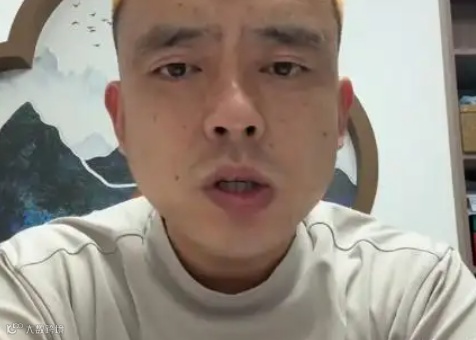
Tie Shankao built a massive following through his blunt humor and strong Shandong dialect. At his peak, he had millions of fans. But in 2021, Douyin permanently banned him for vulgar content and verbal abuse aimed at grabbing attention. For four years, he remained silent. Then, this September, he reappeared—not in China, but on TikTok.

Although he has only about 32,000 followers on the international platform, his livestreams have drawn hundreds of concurrent viewers, sometimes topping a thousand. In a recent broadcast, Tie Shankao claimed he earned $200,000 in just six days. While some doubt the figure’s accuracy, the numbers highlight the commercial opportunities available to banned Chinese influencers once they move overseas.
He is not the only one making a comeback. “Red Light Huang,” a protégé of popular Chinese livestreamer Xiao Yangge, had been repeatedly suspended on Douyin for vulgar sales tactics and was even criticized by the China Consumers Association. After shifting to TikTok, however, his fan base has grown to more than 200,000, and his streams frequently top charts in Southeast Asia. Reports suggest that a single session can bring in over $100,000 in tips.
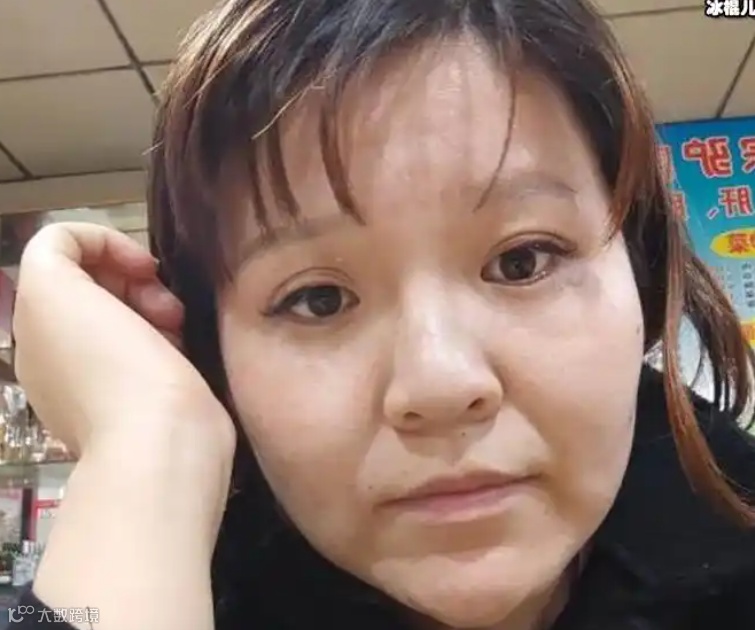
Not everyone has been so lucky. Ni Haishan, who once commanded 18 million followers in China, attempted to restart on TikTok but quickly ran into trouble. His broadcasts triggered debates about whether banned influencers should be allowed to profit abroad, and TikTok itself eventually ordered him to stop streaming. The contrast shows that global platforms vary in how they treat China’s disgraced online stars, balancing user appeal with reputational risk.

For some, the fallback is not another platform but an offline business. Guo Laoshi, notorious for vulgar comedy and “shame-based” performances, was banned from both Douyin and Weibo. Yet her quirky catchphrases lived on in meme culture. This year, she launched a milk tea shop called “Guozi’s Tea.” Despite the ordinary flavor, long queues formed outside her store as fans bought drinks and merchandise for nostalgia’s sake. The move demonstrated how an online brand can be repurposed into a viable brick-and-mortar venture.
Others reinvented themselves on stage. Na Yina, previously known as “Russian Nana,” was banned for misusing props and faking her online persona. Rebranding herself, she staged live concerts featuring her song Love Like Fire. Critics pointed to lip-syncing and weak vocals, but her energetic shows packed venues regardless, proving that emotional connection often matters more than technical quality.
Still, the urge to return online remains strong for many. Former viral rapper MC Tianyou, banned for promoting explicit and drug-related content, briefly resurfaced by borrowing another person’s account. He streamed without showing his face, but his channel was quickly shut down. Similarly, “Xiucai,” accused of illegal activity, sparked controversy by allegedly staging a comeback through a proxy account.