


品味一杯好茶:思考奥威尔的十一条黄金法则
In China, tea is more than a daily staple—it’s an art and a way of life. We fuss over water temperature, tea ware, the pace of brewing, and even our state of mind while making it. Across the globe, British author George Orwell also turned his thoughts to a simple yet profound question: what makes a truly nice cup of tea?
在中国,茶不只是日常必需品,更是一门艺术、一种生活方式。我们会悉心把控水温、茶具、冲泡节奏,甚至是泡茶时的心境。而在大洋彼岸,英国作家乔治・奥威尔也曾认真思考过一个简单却深刻的问题:怎样才算一杯真正好喝的茶?

Back in 1946, he wrote a short essay titled A Nice Cup of Tea, where he laid out "Eleven Golden Rules" for making the perfect brew. Though these rules were crafted for British tea drinkers, they surprisingly align with the spirit of China’s tea ceremony (茶道,chádào) in many ways.
1946 年,他发表了一篇题为《一杯好茶》的短文,列出了泡出完美茶饮的 “十一条黄金法则”。尽管这些规则是为英国茶爱好者所写,却在很多方面与中国茶道精神不谋而合,令人称奇。
Let’s dive into Orwell’s eleven rules and see how this writer—famous for classics like 1984 and Animal Farm—approached tea. Along the way, we’ll also uncover the "tea philosophy" that connects these two distinct cultural traditions.
让我们一同走进奥威尔的这十一条规则,看看这位以《1984》《动物庄园》等经典作品闻名的作家,是如何对待茶的。同时,也探寻一下连接这两种截然不同文化传统的 “茶之哲学”。
1. Use Indian or Ceylonese tea
1. 选用印度茶或锡兰茶
Orwell argued these teas have a richer flavor and are more "invigorating." For Chinese tea lovers, this is like having a soft spot for Lapsang Souchong (正山小种,zhèngshān xiǎozhǒng) or Yunnan Dianhong (云南滇红,Yúnnán diānhóng)—each tea has its own unique character, and the key is to find the one that "stirs your senses."
奥威尔认为,这些茶风味更浓郁,也更 “提神”。对中国茶友而言,这就像偏爱正山小种或云南滇红一样 —— 每种茶都有其独特个性,关键是找到那款能 “唤醒你的感官” 的茶。
2. Make tea in small batches, using a teapot
2. 用茶壶少量泡茶
This is exactly how Chinese Gongfu tea (功夫茶,gōngfu chá) is made. The beauty of a small teapot lies in its focus and refinement. Brewing just enough for one or two people at a time locks in the tea’s aroma and creates a more intimate moment to savor.
这与中国功夫茶的冲泡方式如出一辙。小茶壶的妙处在于专注与精致:一次只泡够一两人饮用的量,既能锁住茶香,也能营造出更私密的品鉴氛围。
3. Warm the teapot first
3. 事先温壶
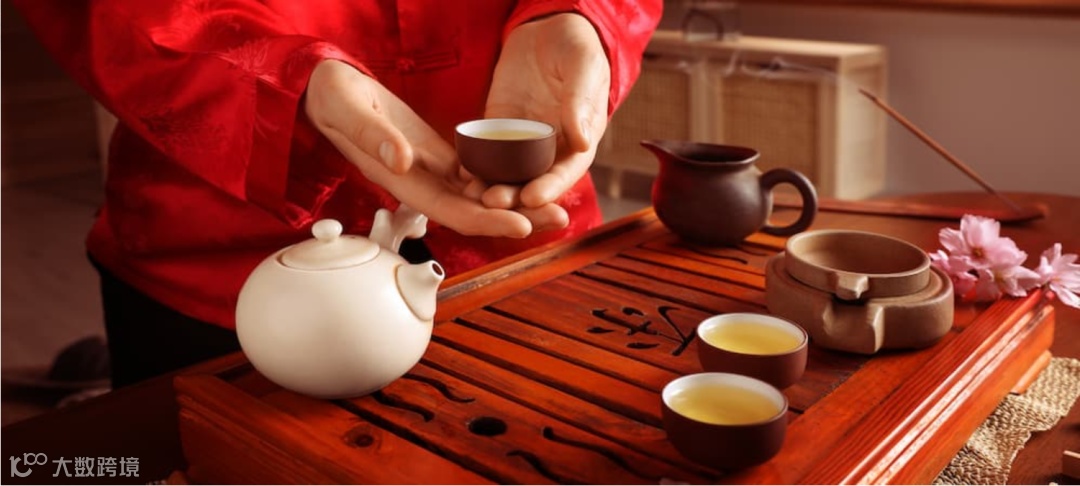
This is a universal rule, no matter where you’re from. Whether you’re using a Yixing purple clay teapot (宜兴紫砂壶,Yíxīng zǐshā hú) or a British porcelain one, warming the pot isn’t just about keeping the tea hot—it’s a quiet ritual, a way to show respect to the tea itself.
无论来自哪里,这都是一条通用规则。无论是用宜兴紫砂壶,还是英国瓷壶,温壶都不只是为了保温,它更像一种安静的仪式,是对茶本身的尊重。
4. Brew the tea strong
4. 茶要泡得浓
Orwell was a fan of "strong" tea. Chinese tea culture, by contrast, values "layered intensity"—think the depth of Pu’er (普洱,pǔ’ěr), the fragrance of Oolong (乌龙,wūlóng), or the freshness of green tea (绿茶,lǜchá). Here, "strength" isn’t about bitterness; it’s about a full, robust flavor that energizes the mind.
奥威尔偏爱 “浓郁” 的茶。与之不同的是,中国茶文化更讲究 “层次感”—— 比如普洱的醇厚、乌龙的馥郁、绿茶的清新。这里的 “浓” 并非指苦涩,而是指风味饱满、能提振精神的醇厚感。
5. Put tea leaves straight into the pot—no strainers, tea bags, or gadgets
5. 茶叶直接入壶,不用滤茶器、茶包或其他器具
Chinese tea lovers will definitely agree with this one. Tea leaves need room to unfurl freely to release their true essence. Anything that traps them gets in the way of that perfect flavor.
中国茶友肯定会认同这一点。茶叶需要自由舒展的空间,才能释放出真正的精髓。任何束缚茶叶的器具,都会影响那完美的口感。
6. Bring the kettle to the teapot, not the other way around
6. 提着水壶到茶壶旁注水,而非反过来
Orwell stressed the importance of "freshly boiled water"—pouring it directly into the teapot to wake up the tea leaves. While Chinese tea drinkers avoid boiling water for green tea (绿茶,lǜchá) (to preserve its delicate taste), this focus on "capturing the perfect boil" shows a fun cultural difference—both approaches work, just for different teas.
奥威尔强调 “沸水” 的重要性:将沸水直接倒入茶壶,能唤醒茶叶的活力。虽然中国茶友泡绿茶时会避免用沸水(以保留其鲜嫩口感),但这种 “追求沸水” 的理念,恰恰体现了有趣的文化差异 —— 两种方式各有道理,只是适用于不同的茶。
7. Stir the tea well after brewing
7. 泡茶后充分搅拌
Stirring isn’t common in Chinese tea culture, but it’s easy to see it as a way to "balance the flavor." Whether you’re stirring or swirling the teapot to release aroma, both acts come from the same place: a desire to honor the tea’s taste.
搅拌在中式茶文化中并不常见,但我们很容易理解这是 “平衡口感” 的方式。无论是搅拌茶汤,还是转动茶壶释放香气,背后的初衷是一致的:对茶味的尊重。
8. Drink from a good breakfast cup
8. 用优质的早餐杯饮茶
Orwell preferred large, thick cups to keep tea warm. Chinese drinkers, on the other hand, favor thin-walled porcelain cups (薄壁瓷杯,bóbì cíbēi) or lidded bowls (盖碗,gàiwǎn). The utensils may differ, but both are designed to hold onto the "warmth of the tea"—and the moment.
9. Skim the cream off milk before adding it to tea
9. 加牛奶前先撇去奶油
This is pure British milk tea (奶茶,nǎichá) logic. While we rarely add milk to traditional Chinese tea, we can still appreciate the attention to detail—think of Tibetan butter tea (藏族酥油茶,Zàngzú sūyóuchá) or Hong Kong-style milk tea (港式奶茶,Gǎngshì nǎichá), where every small step shapes the final richness.
这是典型的英式奶茶逻辑。虽然中国传统茶饮中很少加牛奶,但我们依然能理解这份对细节的讲究 —— 就像藏族酥油茶、港式奶茶一样,每一个小步骤都影响着最终的醇厚口感。
10. Never add sugar to tea
10. 茶中不加糖
All tea lovers, no matter where they are, will smile at this rule. Tea has its own natural sweetness, one that lingers on the tongue and unfolds in the aftertaste. Sugar’s sweetness is too sharp; tea’s sweetness is a gentle gift, worth waiting for.
无论来自哪里,所有茶友看到这条规则都会会心一笑。茶有自己的本味甜,那甜味在舌尖停留,在回甘中慢慢展现。糖的甜过于直接,而茶的甜是温柔的馈赠,值得等待。

11. Always pour tea first, then add milk
11. 先倒茶,后加牛奶
Orwell argued about this like it was a matter of principle—and that’s the magic of tea culture . It’s in these small, seemingly trivial details that we show who we are: careful, intentional, and eager to savor the little things.
奥威尔对这一点的坚持,仿佛这是关乎原则的大事 —— 而这正是茶文化的魅力所在。在这些看似琐碎的小细节里,藏着一个人的真性情:认真、用心,且乐于品味生活中的小事。
Orwell’s eleven rules might sound fussy, even stubborn—but that "seriousness" is exactly what makes tea special. Whether you love the delicate scent of Longjing (龙井,lóngjǐng) or the bold taste of British black tea (红茶,hóngchá), a nice cup of tea is really about one thing: pausing amid the chaos, slowing down, and giving yourself a moment to breathe.
奥威尔的这十一条规则,听起来或许有些挑剔,甚至固执,但这份 “认真” 恰恰是茶的灵魂所在。无论你偏爱龙井的清香,还是英式红茶的浓郁,一杯好茶的意义或许都在于:在忙碌喧嚣中,留一点时间,慢下来,给自己一个喘息的瞬间。
What about you? What’s your standard for a "nice cup of tea"? Is it the aroma of a specific tea, or the person you’re sharing it with?你呢?你心中 “一杯好茶” 的标准是什么?是某一种茶的独特香气,还是与你一同饮茶的人?