
At the Department of International Studies in XJTLU’s School of Humanities and Social Sciences, 2025 graduate Sihan Chen has undergone a remarkable transformation over the past four years. She moved from a science background into the field of international relations, extended her learning from Suzhou to cross-cultural experiences in Romania and the Netherlands, and is now starting her career in sustainable development.
Her journey exemplifies how interest-driven and international learning at XJTLU can shape students’ growth and inspire those who follow.
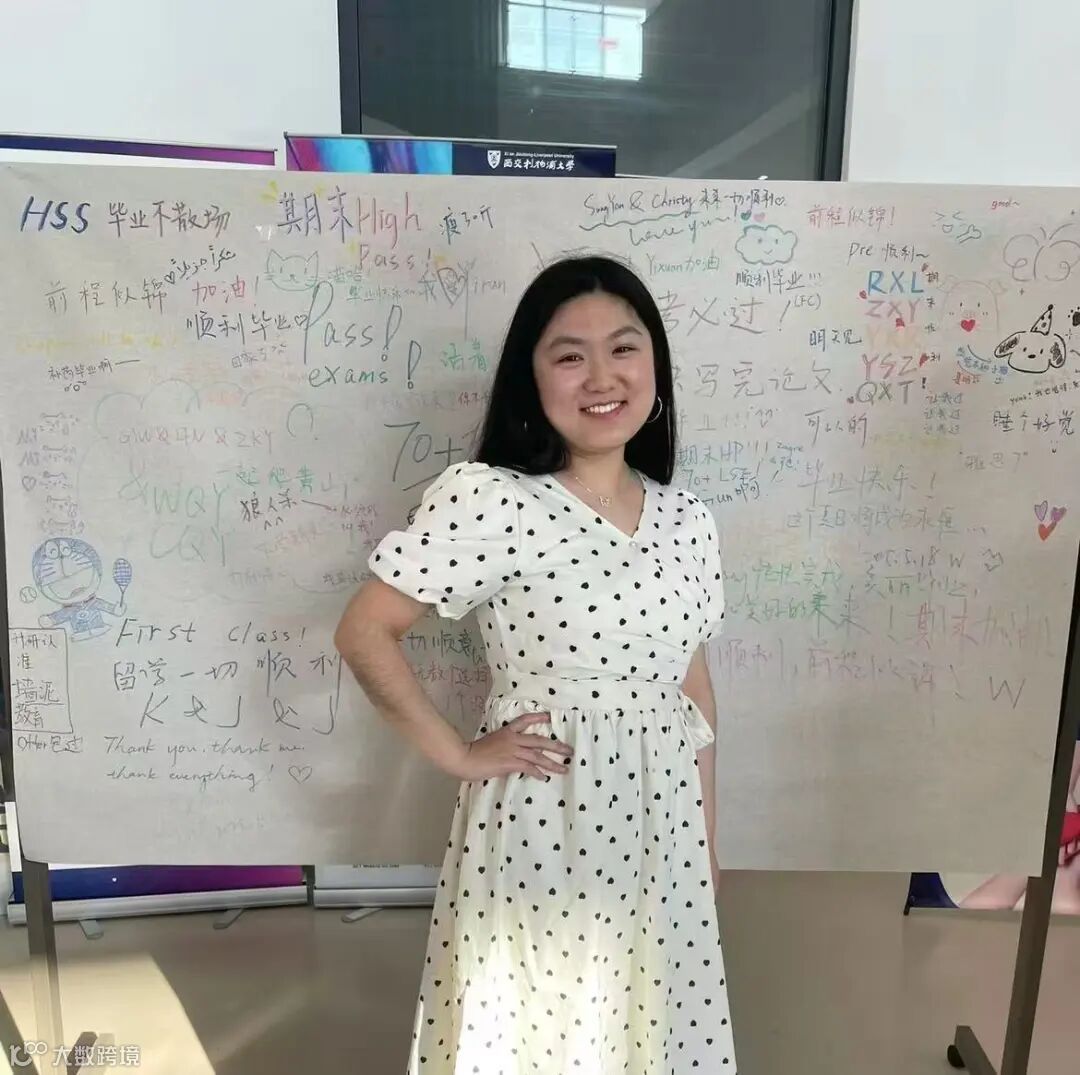
Sihan Chen
Passion leads; the major opens doors.
Q
Why did you choose to major in International Relations? How does this relate to your interests
or goals?
Sihan Chen:
Honestly, it all started with interest. I was a science student in high school, but I was always fascinated by politics, history, and geography. In my first semester at XJTLU, we were encouraged to explore freely, so I looked into different programmes and even met with a lecturer from International Relations to learn more.
I discovered that this major not only explores politics and diplomacy but also covers global economic, cultural, and social issues—it felt like opening the door to a new world. Plus, there are opportunities for overseas exchange, which really appealed to me.
I thought, this is a subject where I can gain knowledge and understand the world—it’s definitely worth it.
Intense practice, sharper language and thinking.
Q
Compared with your expectations, what surprised
you most about studying International Relations at XJTLU?
Sihan Chen:
I didn’t have many expectations at first, but I was surprised by how challenging the courses were. All modules are taught in English, and I had to read dozens of pages of academic papers every week. It was tough in the beginning, but sticking with it really improved my reading, writing, and even speaking skills.
The bigger surprise was the classroom environment. In addition to lectures, we had seminars where we discussed and debated global issues in groups. For example, in Professor Alessandra Cappelletti’s Public Policy class, we analysed policies from the perspectives of different stakeholders. In the Model United Nations course, we represented different countries to negotiate and make decisions.
These experiences taught me what critical thinking really means—not just understanding what the lecturer says, but also learning to question, analyse, and reason independently.
Diverse mentors, equal dialogue, critical minds.
Q
What kind of support did XJTLU provide during
your studies in International Relations?
Sihan Chen:
The first thing is the diversity of teaching methods. The combination of lectures and seminars helps us learn theory systematically while also giving us space to express ideas in small discussions.
Equally important is the open and equal relationship between teachers and students. Our lecturers come from different parts of the world—Italy, Egypt, Cameroon, Russia, and more—and they all encourage critical and independent thinking. They’re always open to meetings during office hours to discuss research or career planning, which has been really inspiring.
The international learning environment also matters a lot. With so many international classmates, I’ve learned to see issues from multiple cultural perspectives while improving my English through teamwork and discussions.
Diplomacy lived in everyday moments.
Q
Q4: You once volunteered in Romania to teach sustainable development. What was that
experience like?
Sihan Chen:
That experience had a big impact on me. Through senior students, I joined an international student organisation and went to a technical high school in Romania to teach about sustainable development.
During that time, I became friends with local teachers, students, and dormitory staff. We talked about their lives, their views on history, and even their impressions of China. It was the first time I truly realised that international relations are not just about diplomacy or policies between states, but also about people’s daily lives and values.
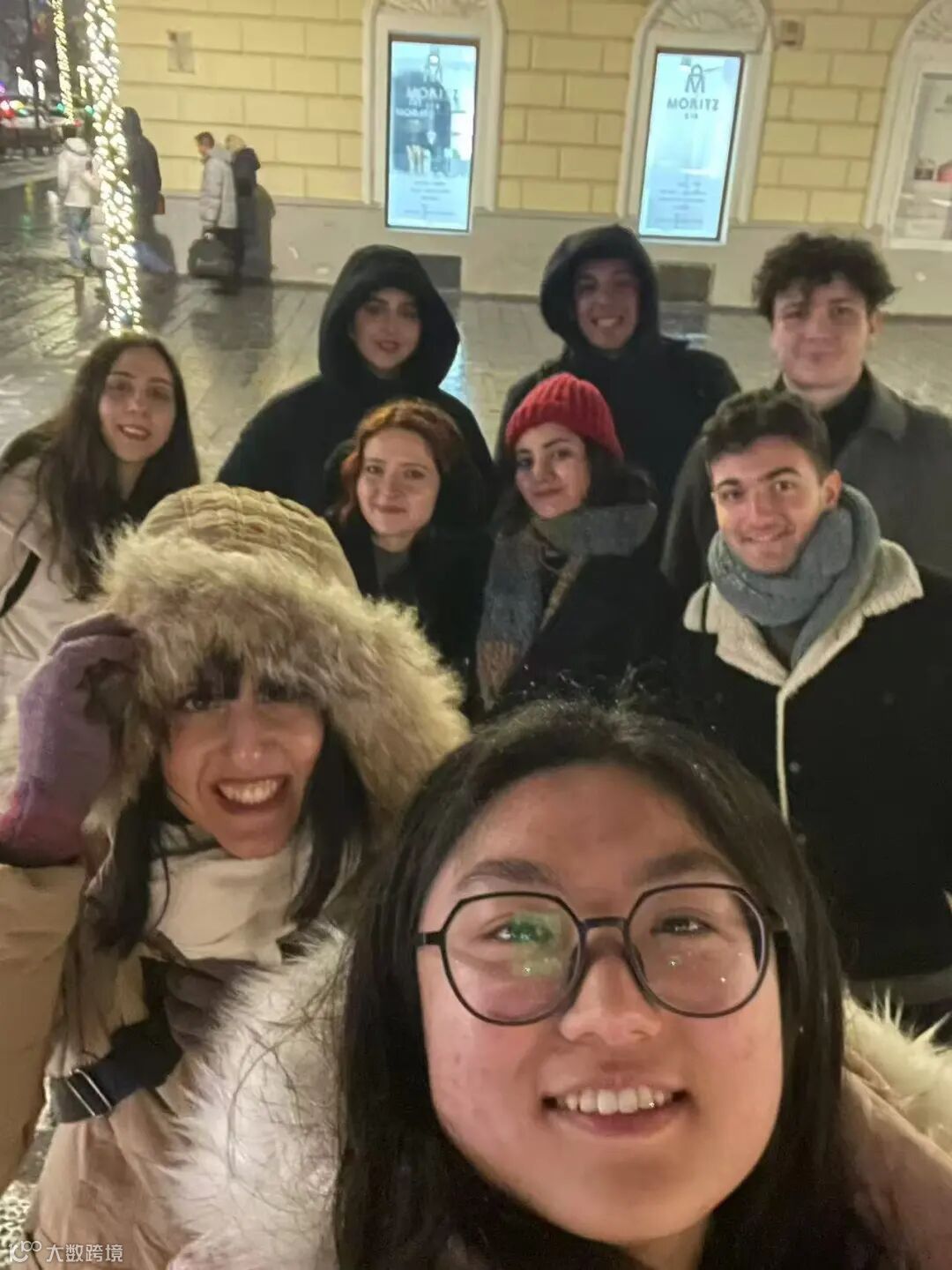
A group photo of Chen Sihan with her friends in Romania
Bring theory to work; carry the world forward.
Q
You’re now working in a sustainable development company. How has your International Relations background helped you in your job?
Sihan Chen:
I’m now working at a Brazilian company, mainly doing market research and cross-cultural communication. I often use both Chinese and English at work and sometimes need to understand EU laws and policies. This has shown me how closely academic knowledge in international relations connects with real-world practice.
For example, through XJTLU’s exchange programme, I took an “EU Law” course in the Netherlands, which helped me better understand policies related to the European market.
The Spanish I learned at university, along with the negotiation and communication skills I practised in class, have become valuable assets at work. XJTLU’s international education truly prepared me to communicate effectively in multicultural environments.
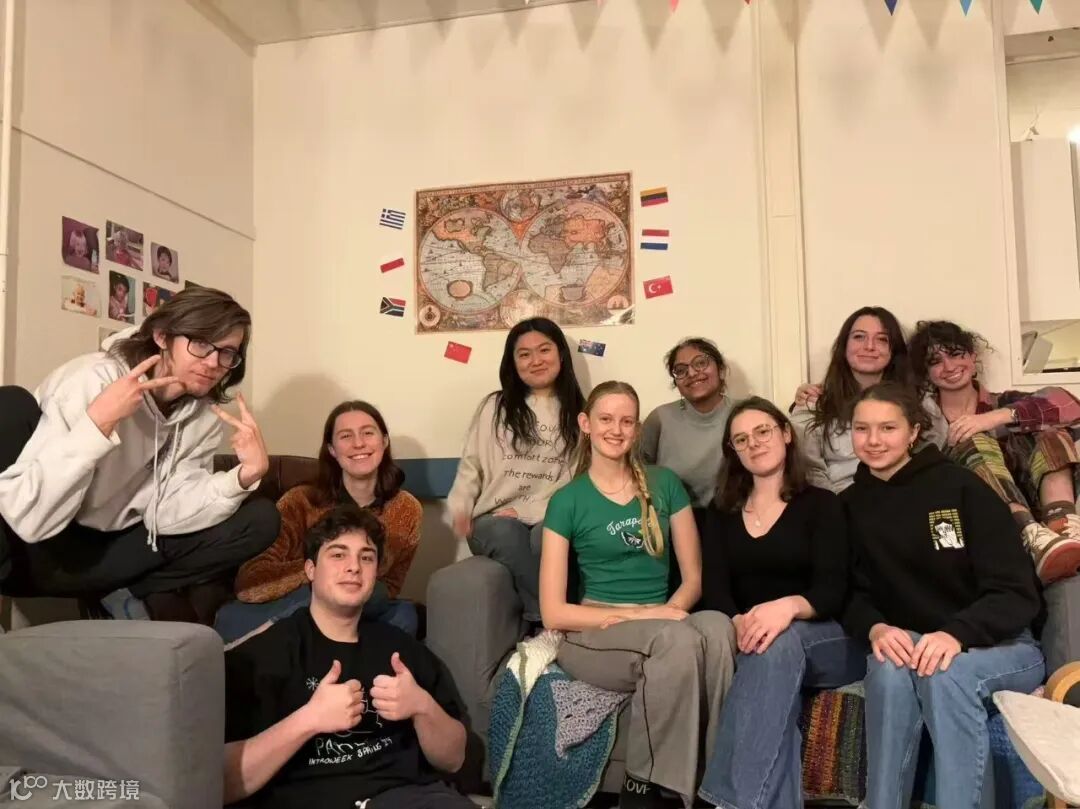
陈思含在荷兰交换时与室友的合照
Cross-cultural fluency, global vision,
and critical rigor.
Q
What skills do you think the International Relations programme has helped you develop?
Sihan Chen:
I would say three skills stand out the most.
First, cross-cultural communication. Whether in class discussions, exchange programmes, or volunteer work, I learned how to understand different ways of thinking and communicating across cultures.
Second, a global perspective. The curriculum covers political and economic issues from various regions, helping me see how the world is interconnected.
Third, critical thinking and confidence. Writing essays and debating in class trained me to express my opinions clearly and to analyse issues from different angles. As my language skills improved, I also became more confident in communicating and presenting my ideas.
Exchange and volunteer—initiative gets results.
Q
Are there any projects or activities you would recommend to younger students?
Sihan Chen:
I highly recommend taking part in overseas exchange and international volunteering. These experiences allow you to apply what you learn in class to real-world cultural contexts.
The School and the University also share lots of opportunities through newsletters and official accounts, such as summer schools, short-term overseas courses, and academic conferences. It’s worth keeping an eye out for them.
The summer school I attended in Italy and the volunteer project in Romania were both found through these channels.
Don’t wait for chances; reach out
and create them.
Q
How did you find and apply for these opportunities? Any advice for others?
Sihan Chen:
The key is to take initiative—don’t wait for others to tell you.
I always pay attention to university emails, the School’s official posts, and social media platforms. For instance, many students share experiences and programme information on Xiaohongshu. Some opportunities might seem niche at first, but once you look deeper, they’re actually worth exploring.
At XJTLU, as long as you’re open to trying new things, everyone can find their own international experience. Many of my classmates have gone on to great universities like Oxford, Cambridge, and the University of Chicago.
Stay curious, stay steady, keep growing.
Q
What are your plans for the future? And what advice would you give to undergraduates?
Sihan Chen:
I plan to continue working in the field of sustainable development and international policy, and I hope to make a meaningful contribution through future research or projects.
As for advice:
Pay attention in class and keep learning. Even if things feel difficult at first, don’t give up—you’ll see progress before long.
Take writing seriously. Essays and readings help you think critically and prepare for further study.
Make the most of exchange opportunities. Experiencing the world in person will completely change how you understand international relations.
Most importantly, stay curious and follow your interests. If you truly love this subject, XJTLU gives you all the space you need to explore the world.
From a science student to an international relations scholar, from classroom debates to international volunteering, and from Suzhou to Europe, Sihan Chen has embodied the idea of “learning through practice and taking the world as a classroom.”
Her story shows that at XJTLU’s Department of International Relations, every student who dares to explore can find their own global stage.
Reporter: Ruoling Li
Photograph provided by Sihan Chen
New media: Ruoling Li