


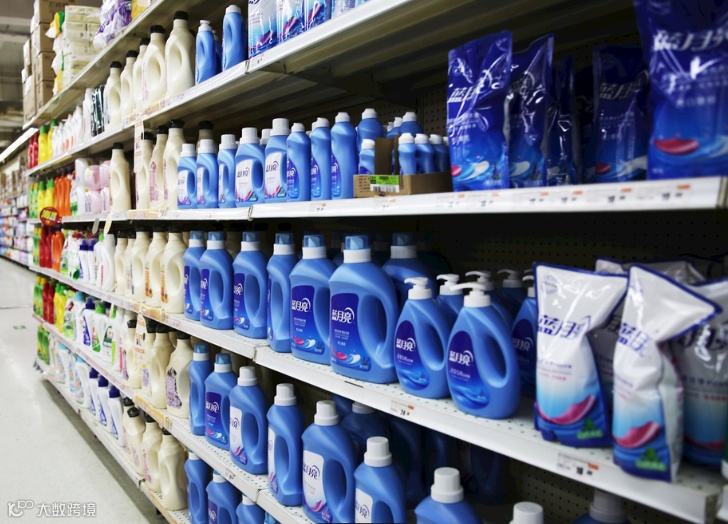
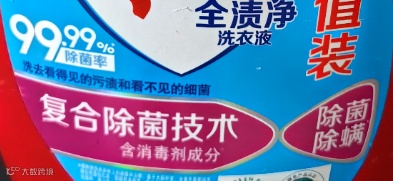

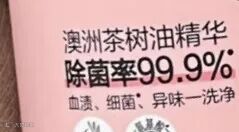

During my research, I found that the current national testing standard requires dilution at a 1:100 ratio. However, I discovered that the antibacterial efficacy testing for some brands' laundry detergents is often conducted based on companies' own standards. These proprietary standards use undiluted concentrate for testing—not the diluted solution mandated by national regulations. In other words, they test the detergent's
antibacterial ability without adding water. But this makes me question the validity of their claims, since we always dilute detergent with water when doing laundry. This led me to question the feasibility of achieving a 99.99% antibacterial rate in our daily lives.
After consulting my dad and the chemical engineers at his chemical plant, I was surprised to learn that this situation does indeed occur. There may be discrepancies between the packaging and advertising of laundry detergent products and their actual effectiveness.
Thus, I began the experiment. I planned to conduct the antibacterial test in a straightforward manner: preparing 4 bottles.
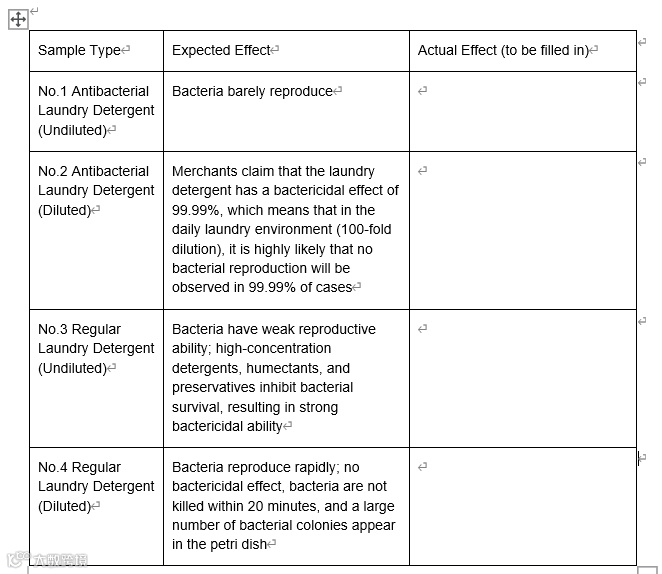
Bottle 1 was filled with 100g of undiluted solution of a popular antibacterial laundry detergent claiming a 99.99% bacteriostatic rate.
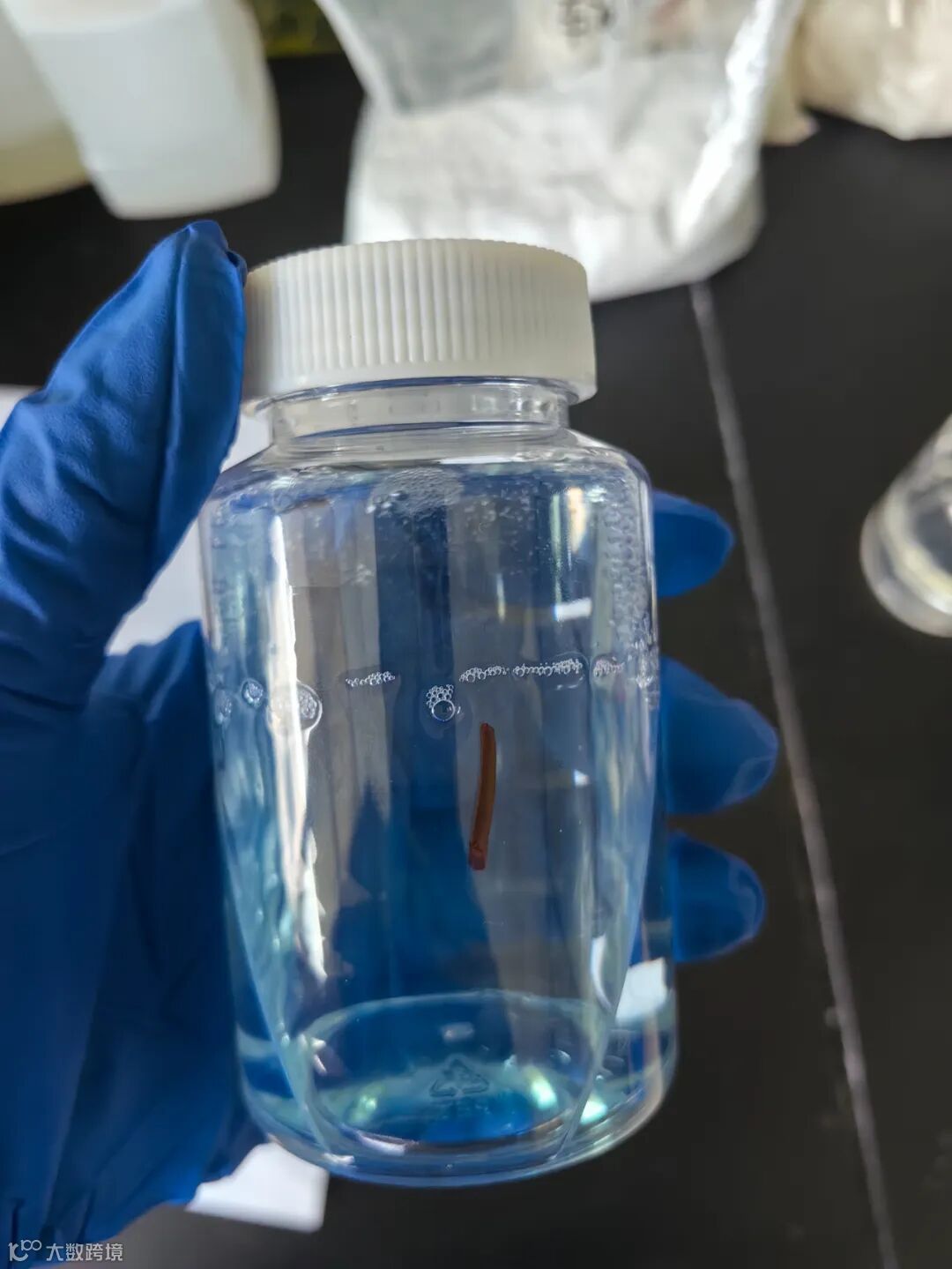
For Bottle 2, 1g of the undiluted solution from Bottle 1 was taken and diluted 100 times—this closely simulates our daily laundry scenarios, where usually 3-4 bottle caps of undiluted laundry detergent are mixed with a large amount of water.
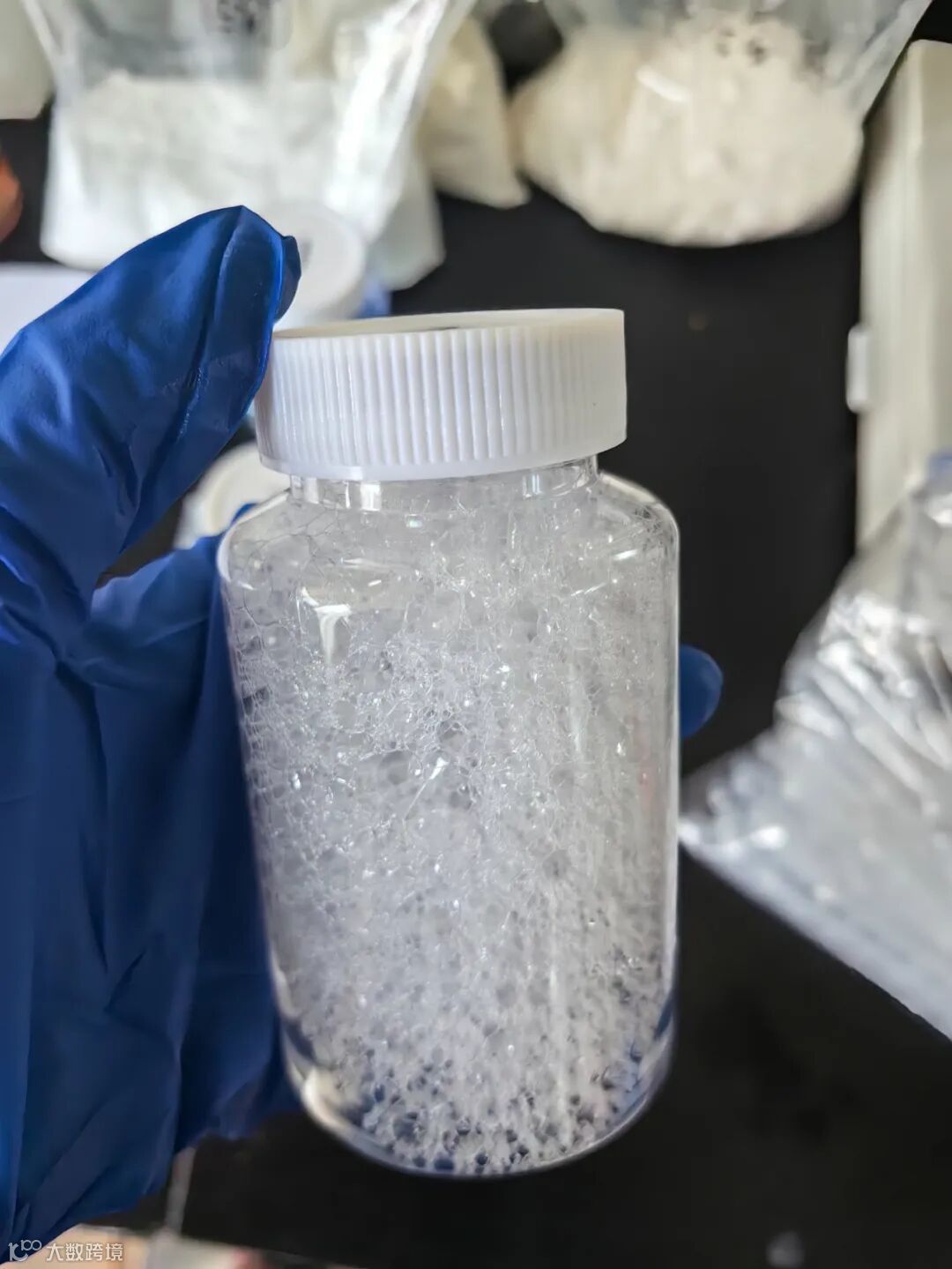
The reason there is a lot of foam in 2 is that I need to stir it evenly after adding 1g of the concentrate, which creates foam. After settling, it dissipates and returns to a normal liquid state.
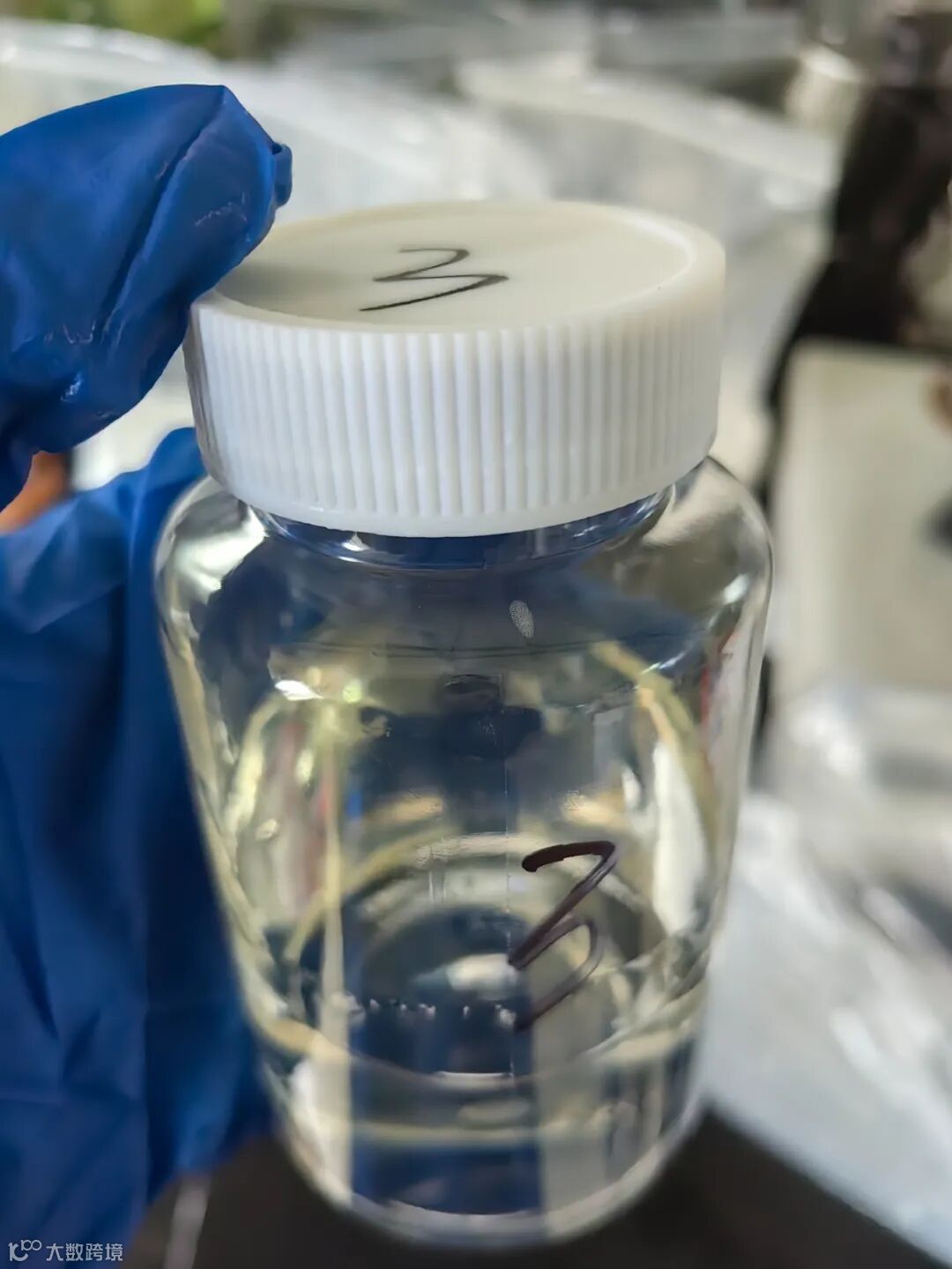
The third one is a regular laundry detergent with no additional functions.
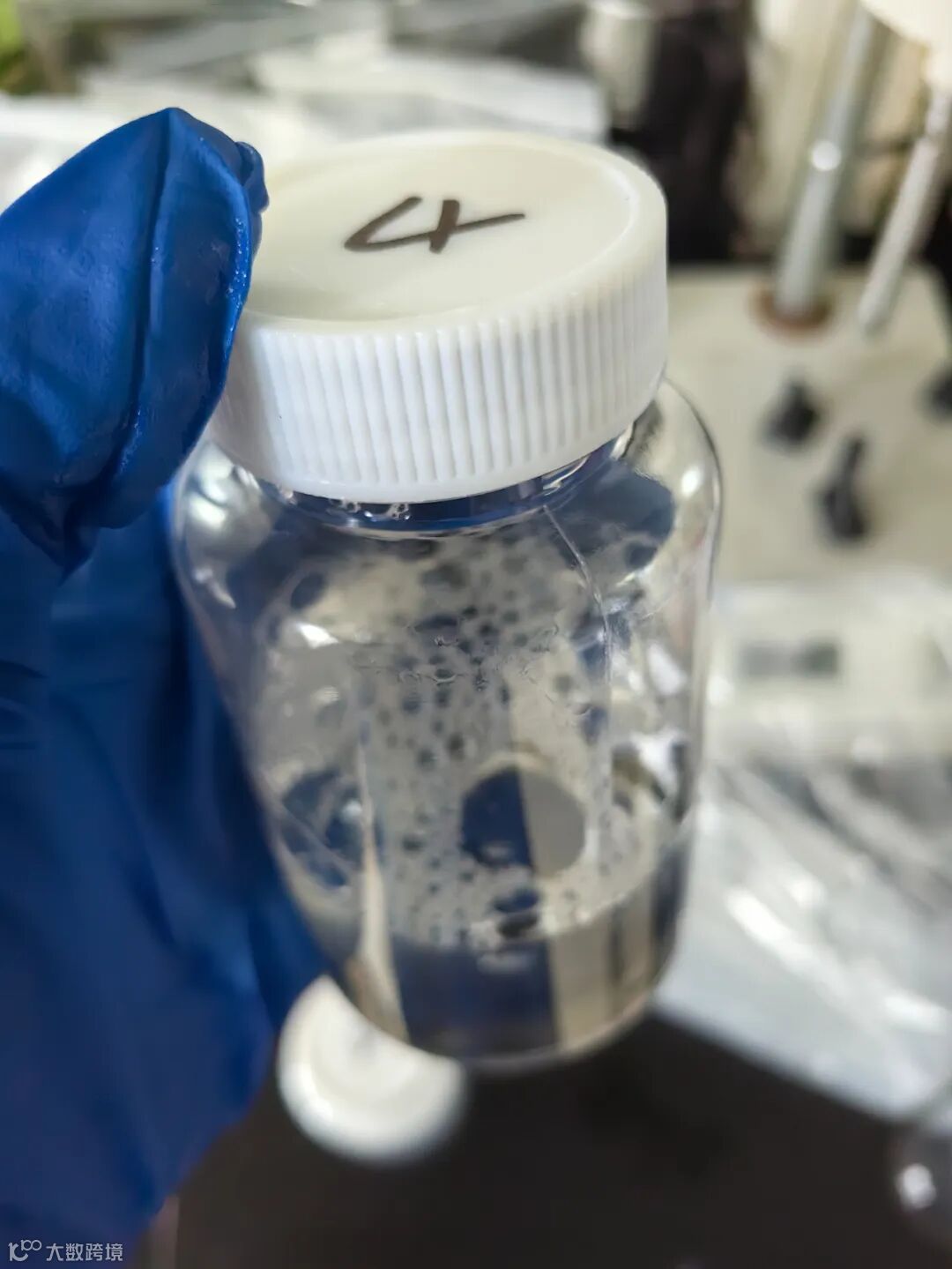
The fourth bottle contains the laundry detergent diluted 100 times in the same proportion, simulating the state when we usually do laundry.
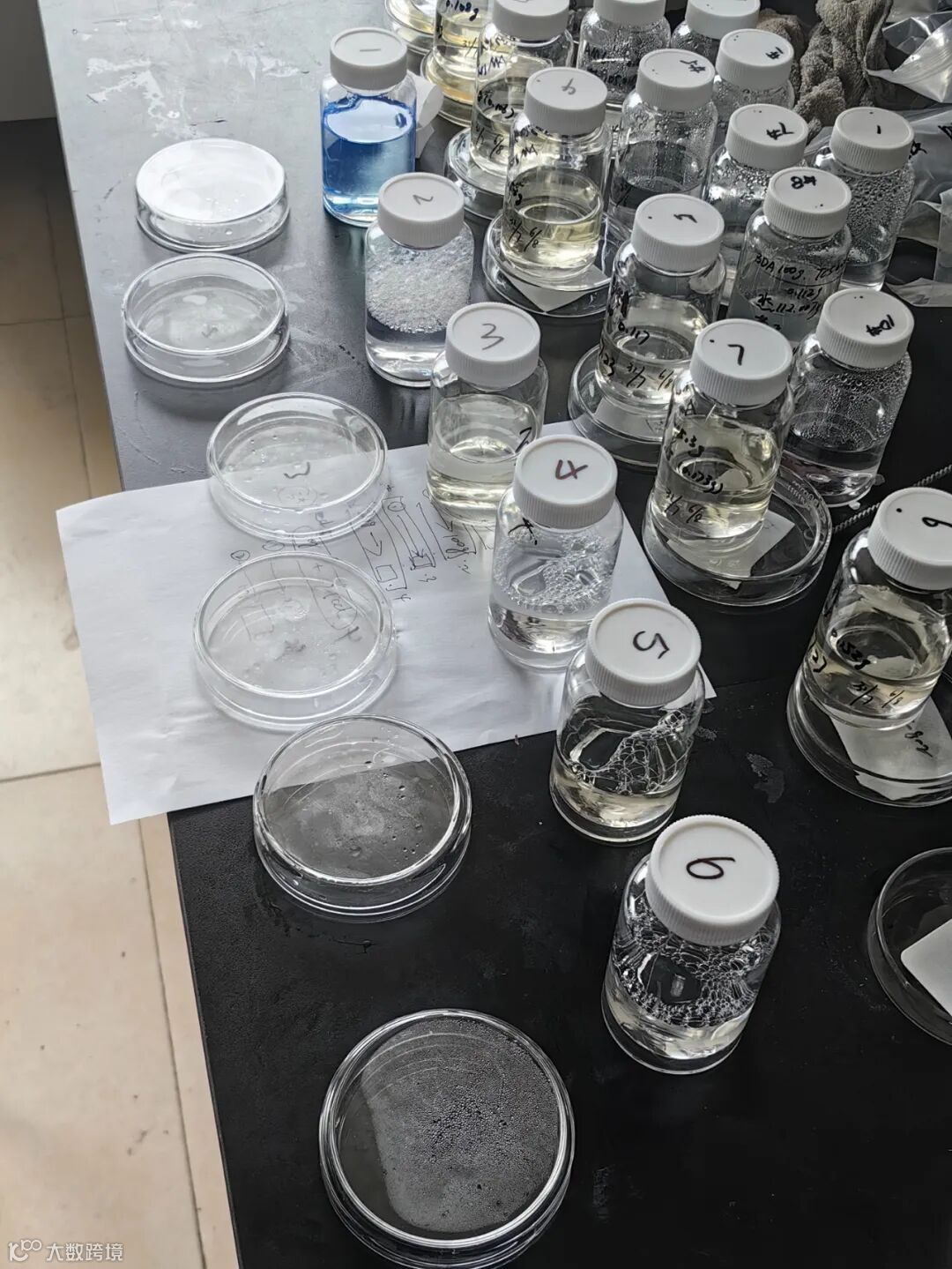
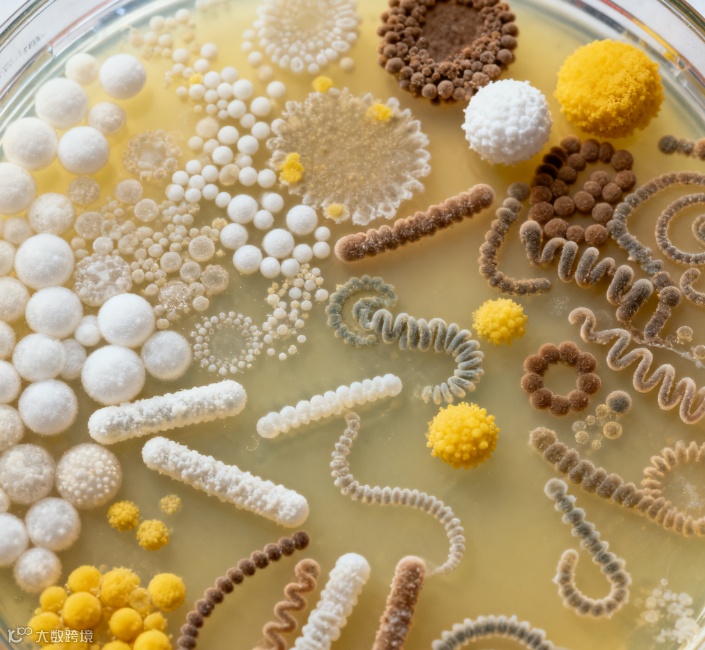
Next, we will need to use petri dishes. By visualizing the growth of bacteria, we can test the bactericidal ability of the laundry detergent.
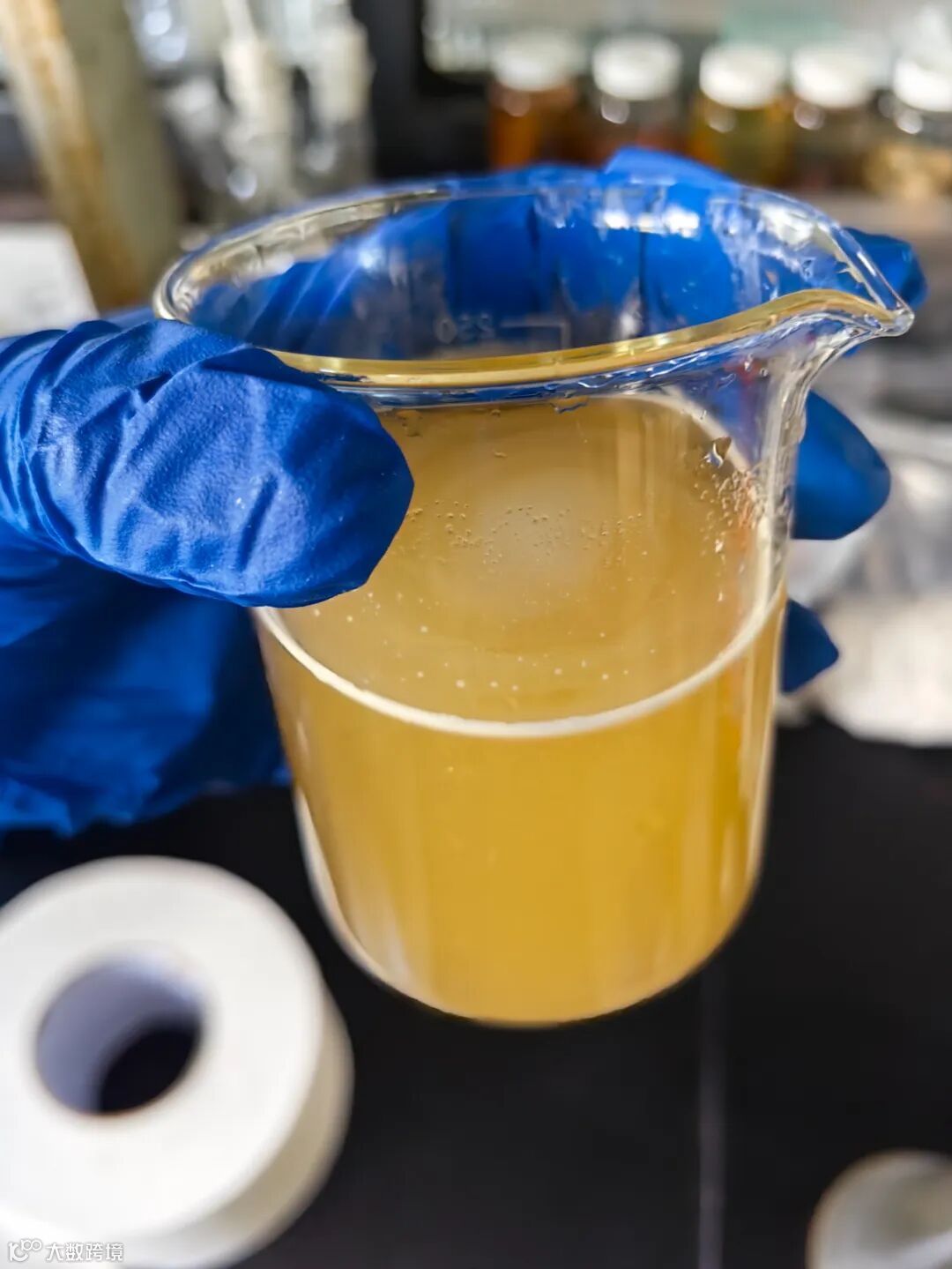
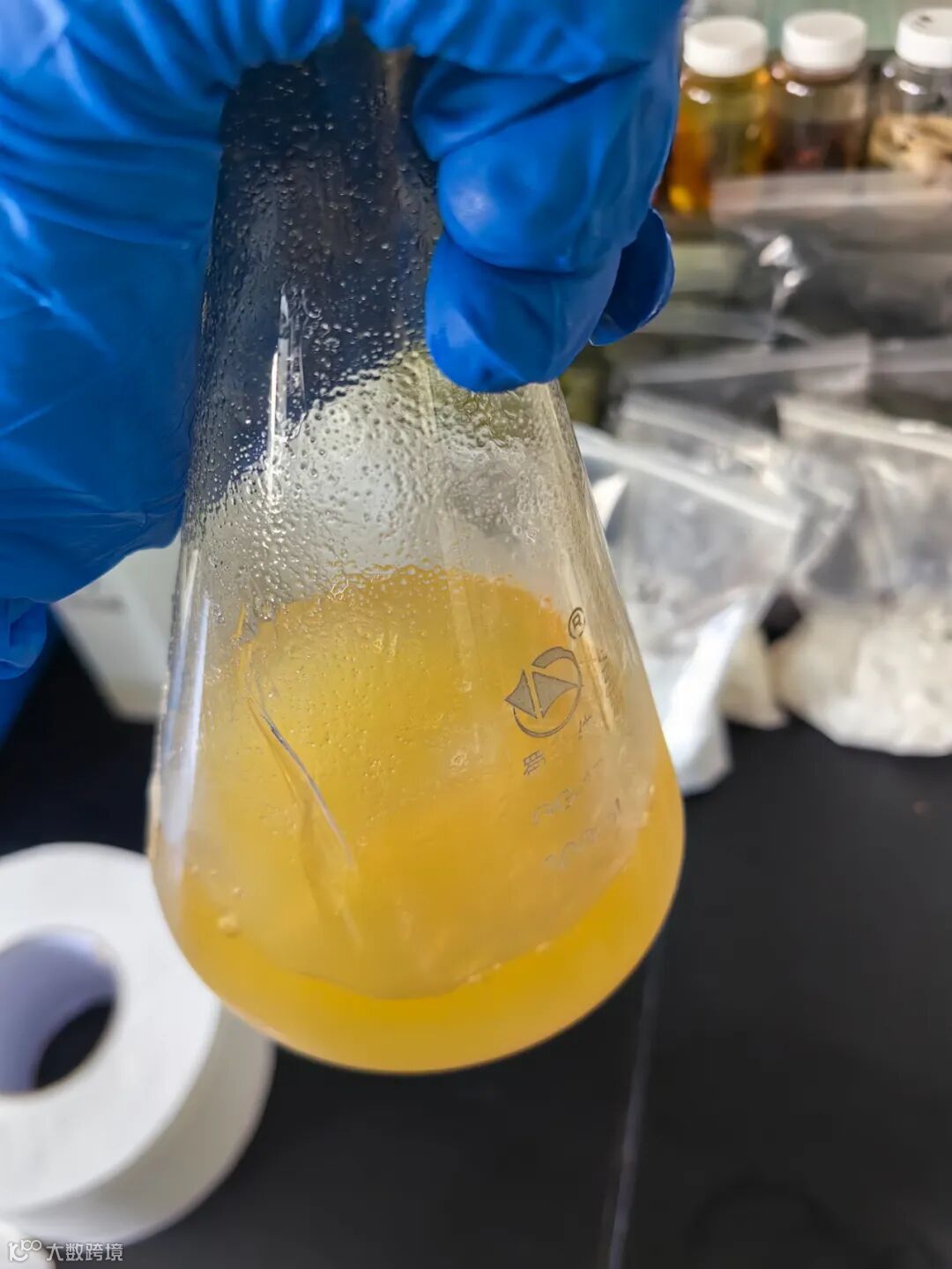
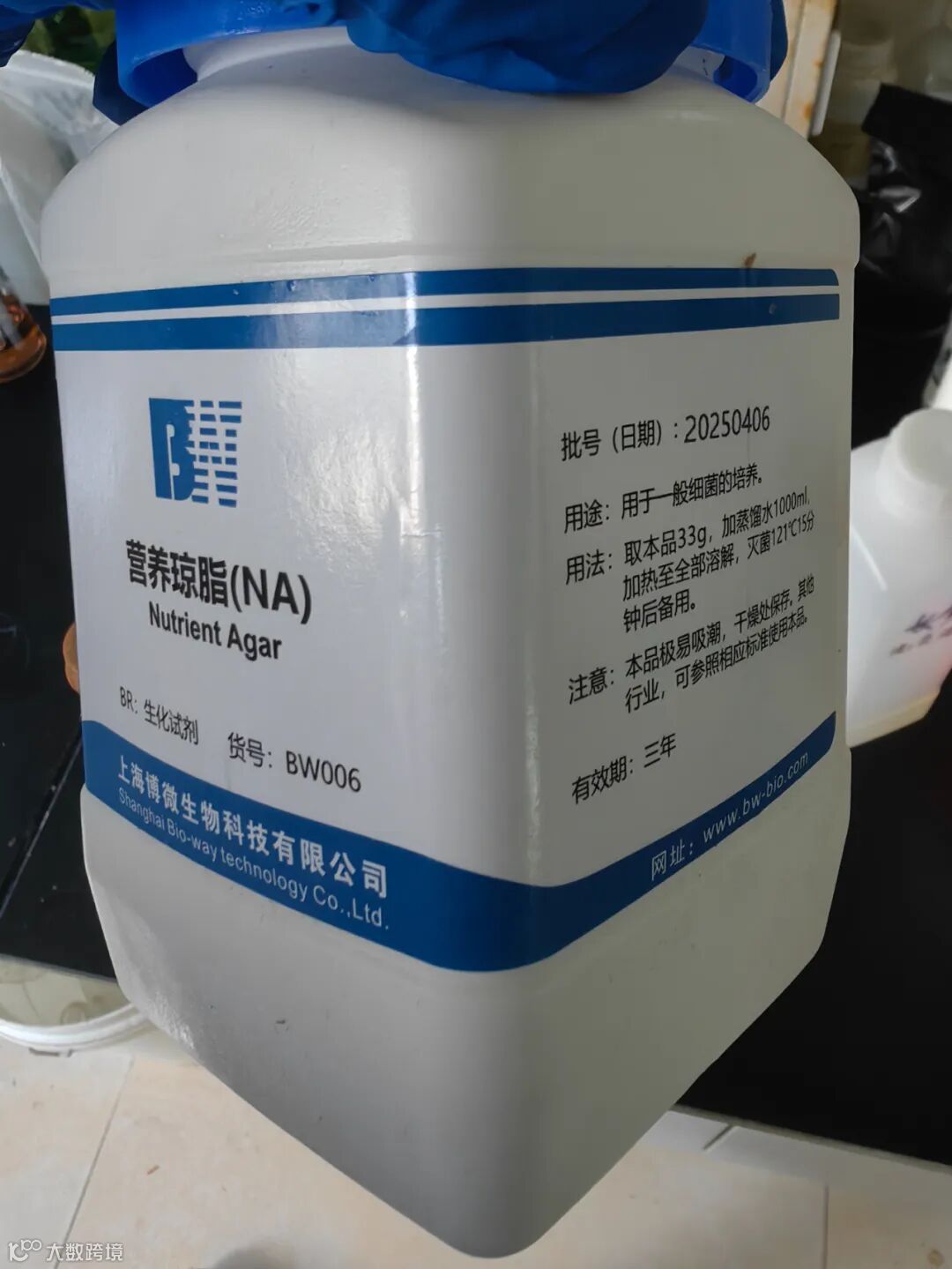
This is agar (a gelatinous substance derived from red algae, commonly used in microbiology experiments. It has excellent gelling properties—when dissolved in hot water and cooled, it forms a solid, nutrient-rich medium that provides a stable surface for bacterial growth. Unlike gelatin, agar is not easily degraded by most bacteria, making it ideal for cultivating and observing microbial colonies in petri dishes, which is why it’s a key material for our detergent bactericidal test).
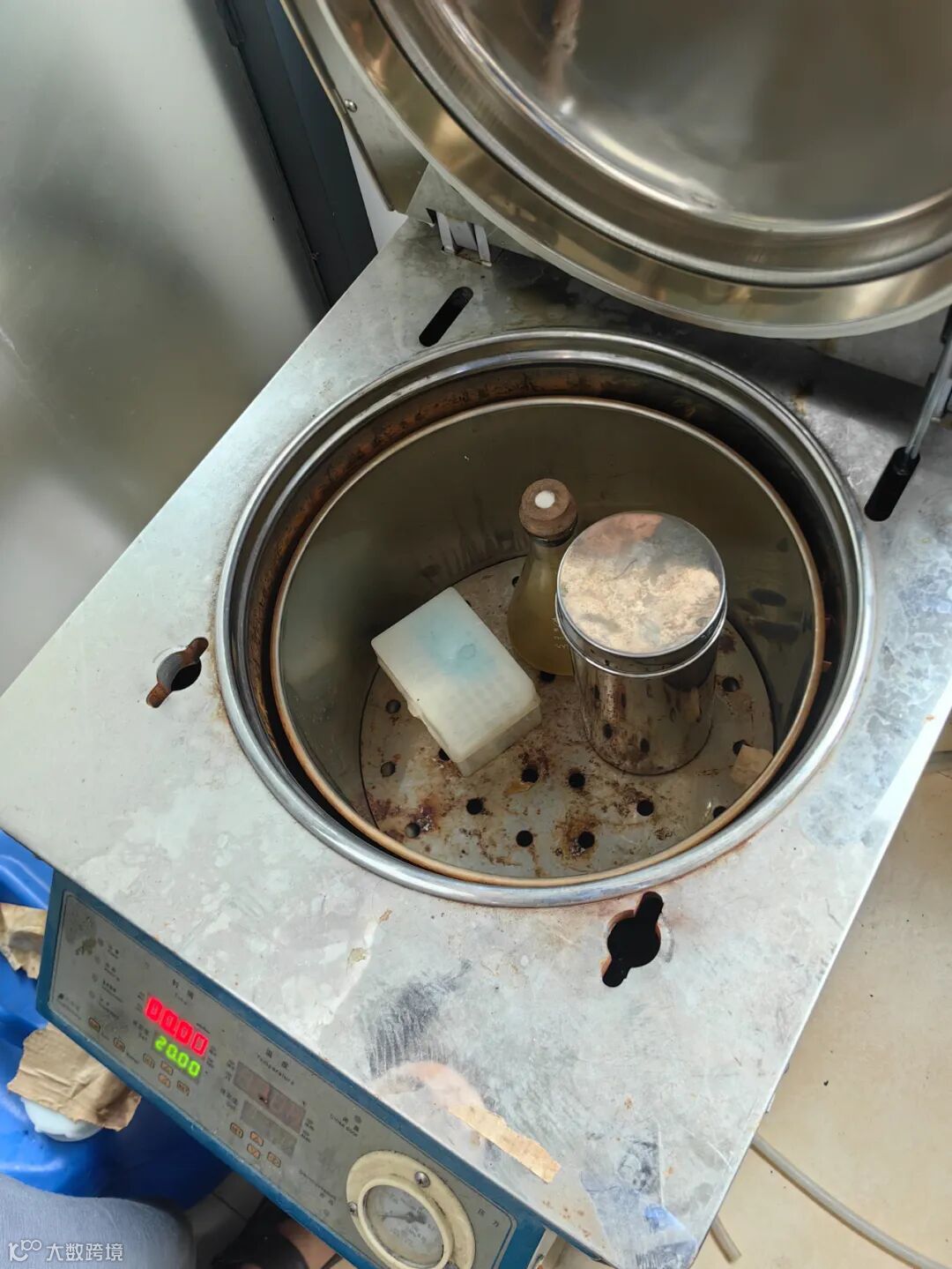
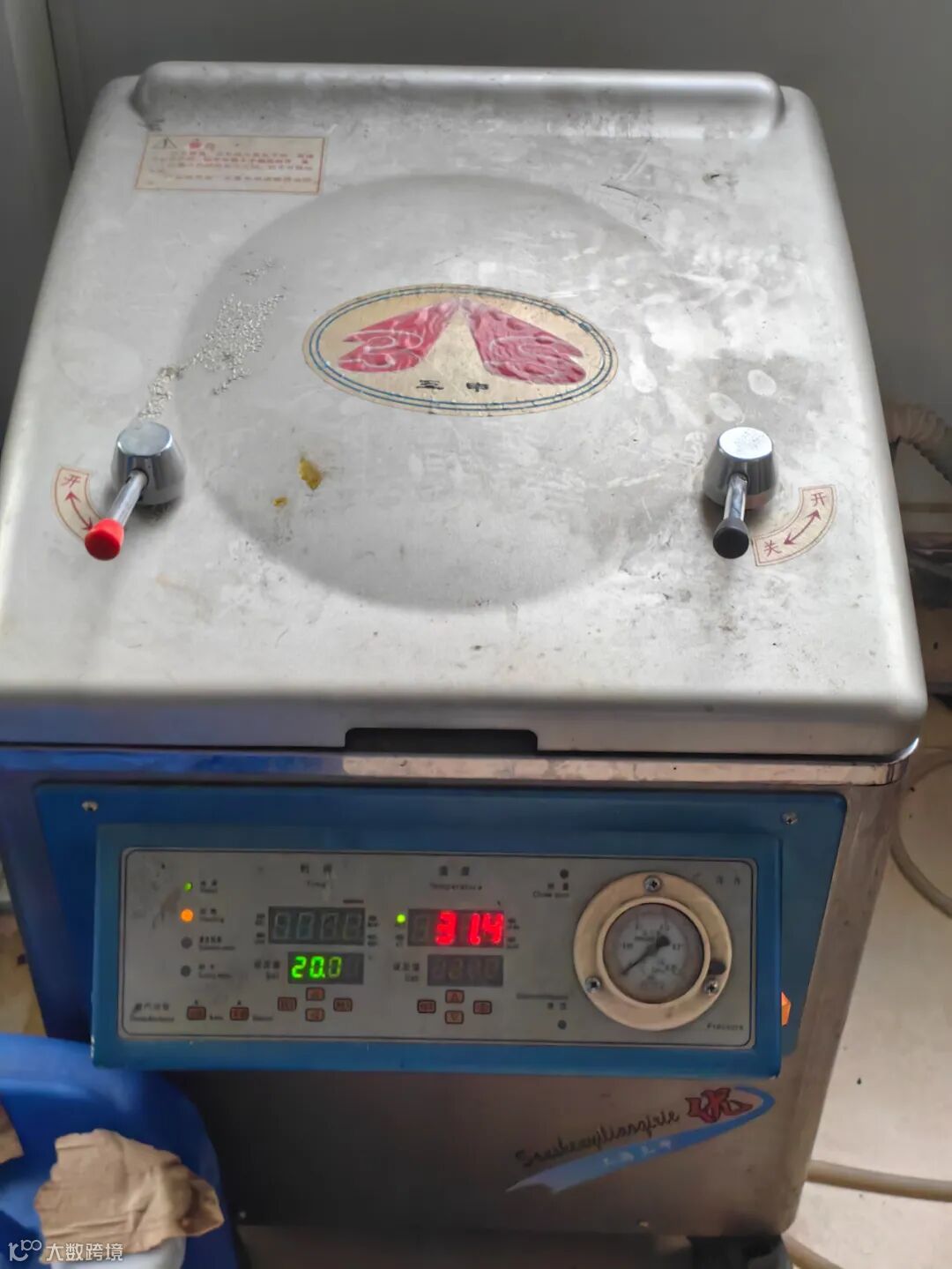
Next, I need to perform comprehensive high-temperature and high-pressure sterilization on the petri dishes, agar, and pipette tips (which will be used later).
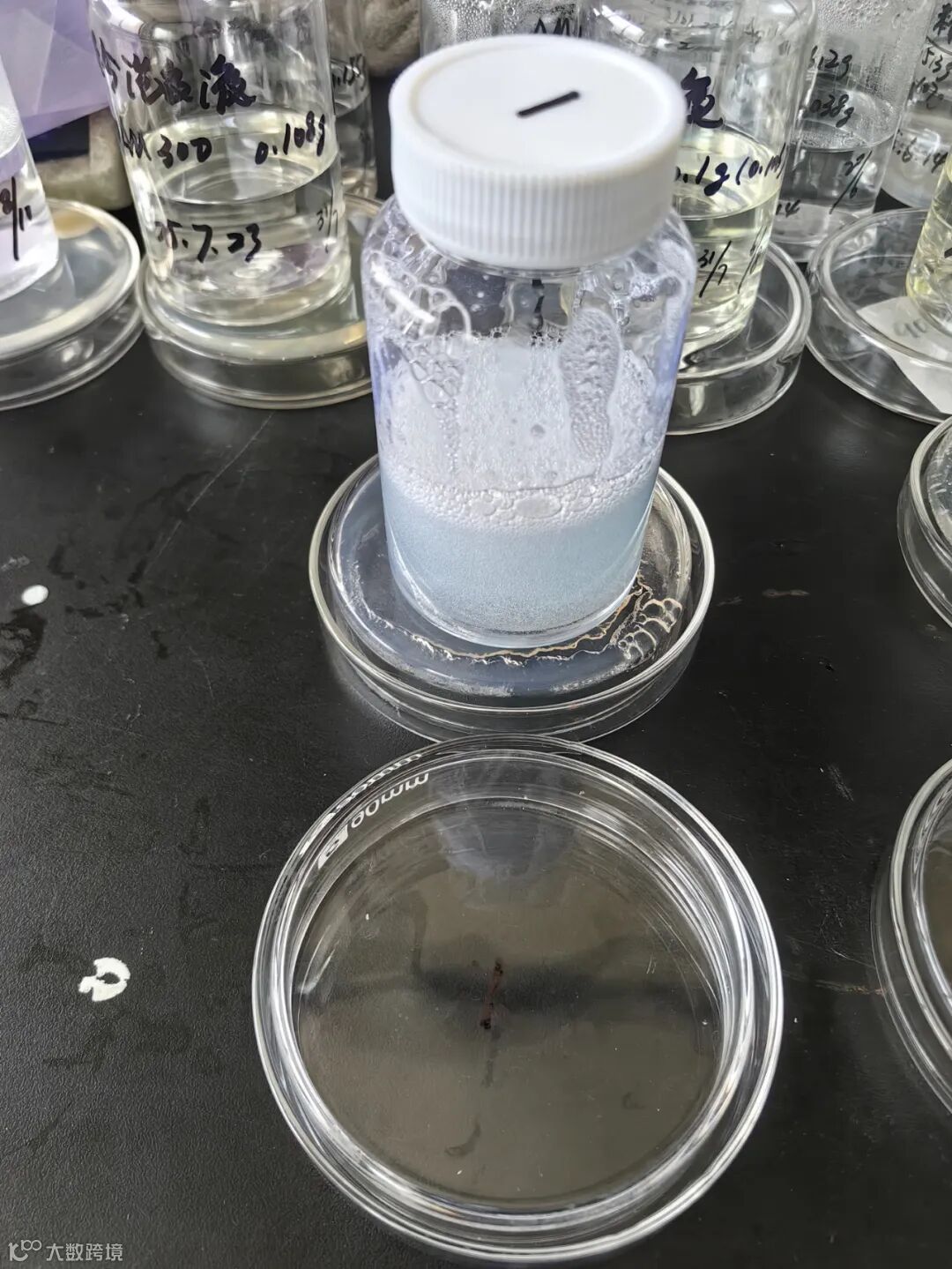
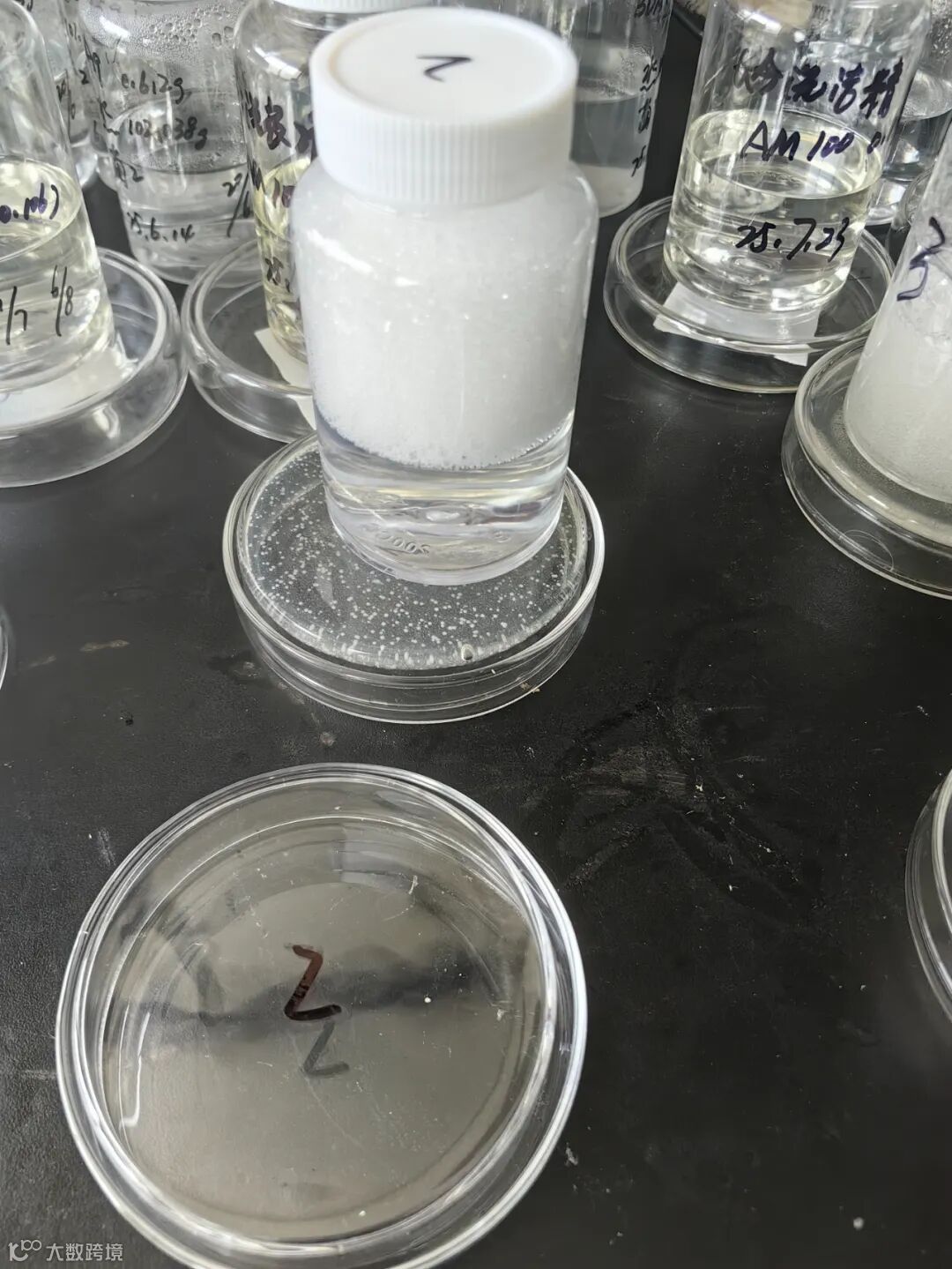
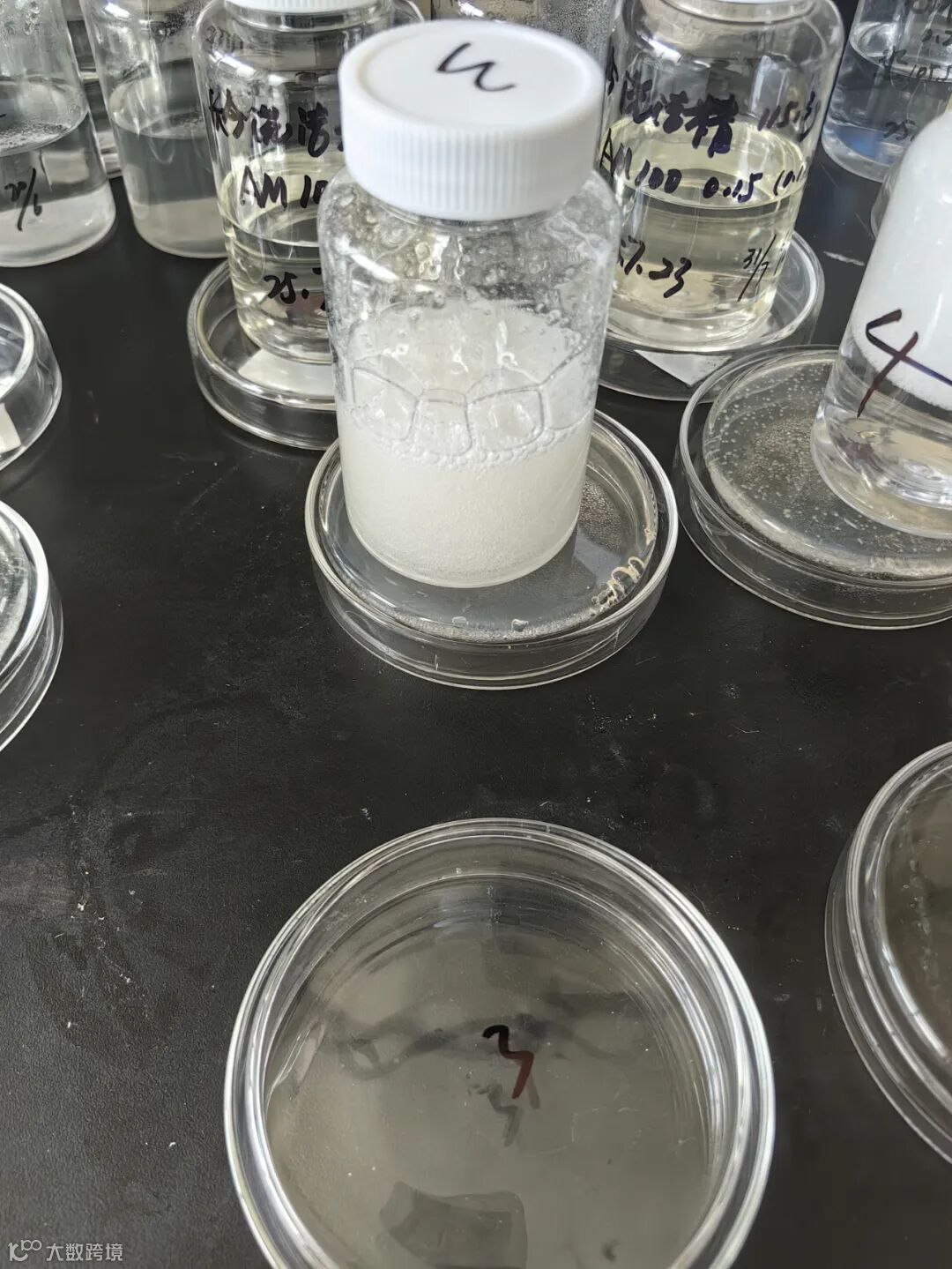
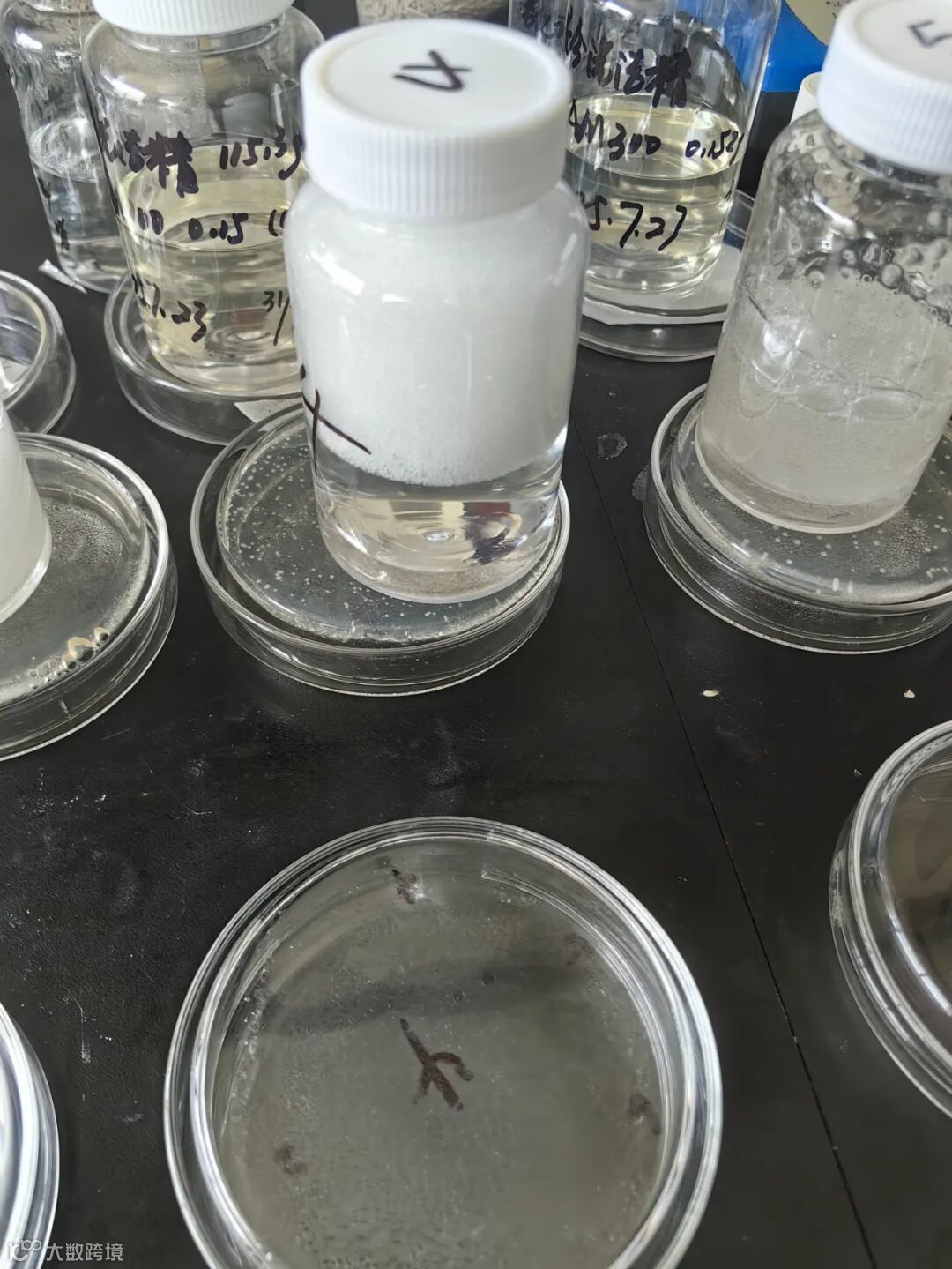
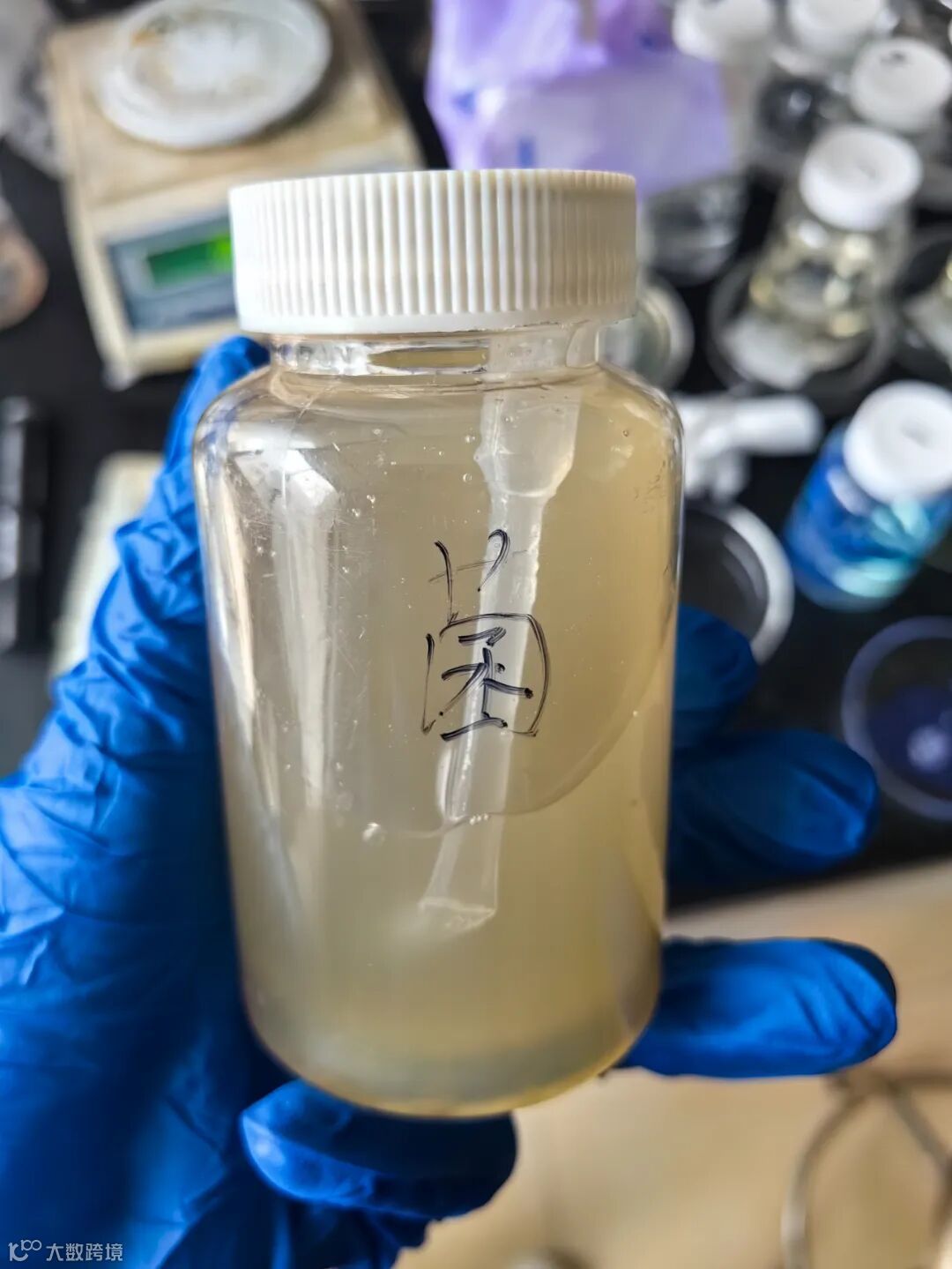
Then we will drop bacteria into each bottle to simulate the antibacterial environment of the laundry detergent, leave it undisturbed for 20 minutes, and wait for the bactericidal process to occur.

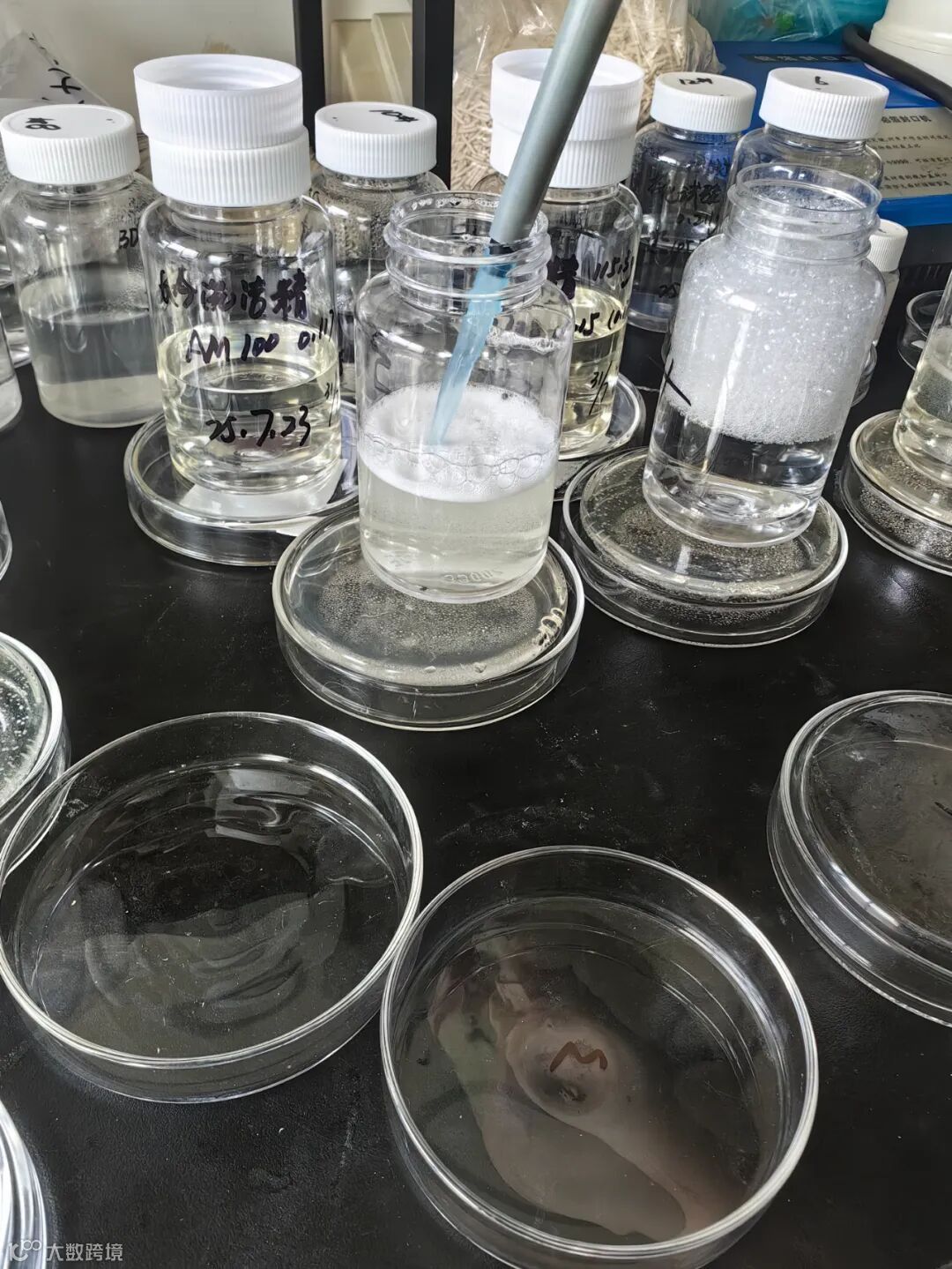
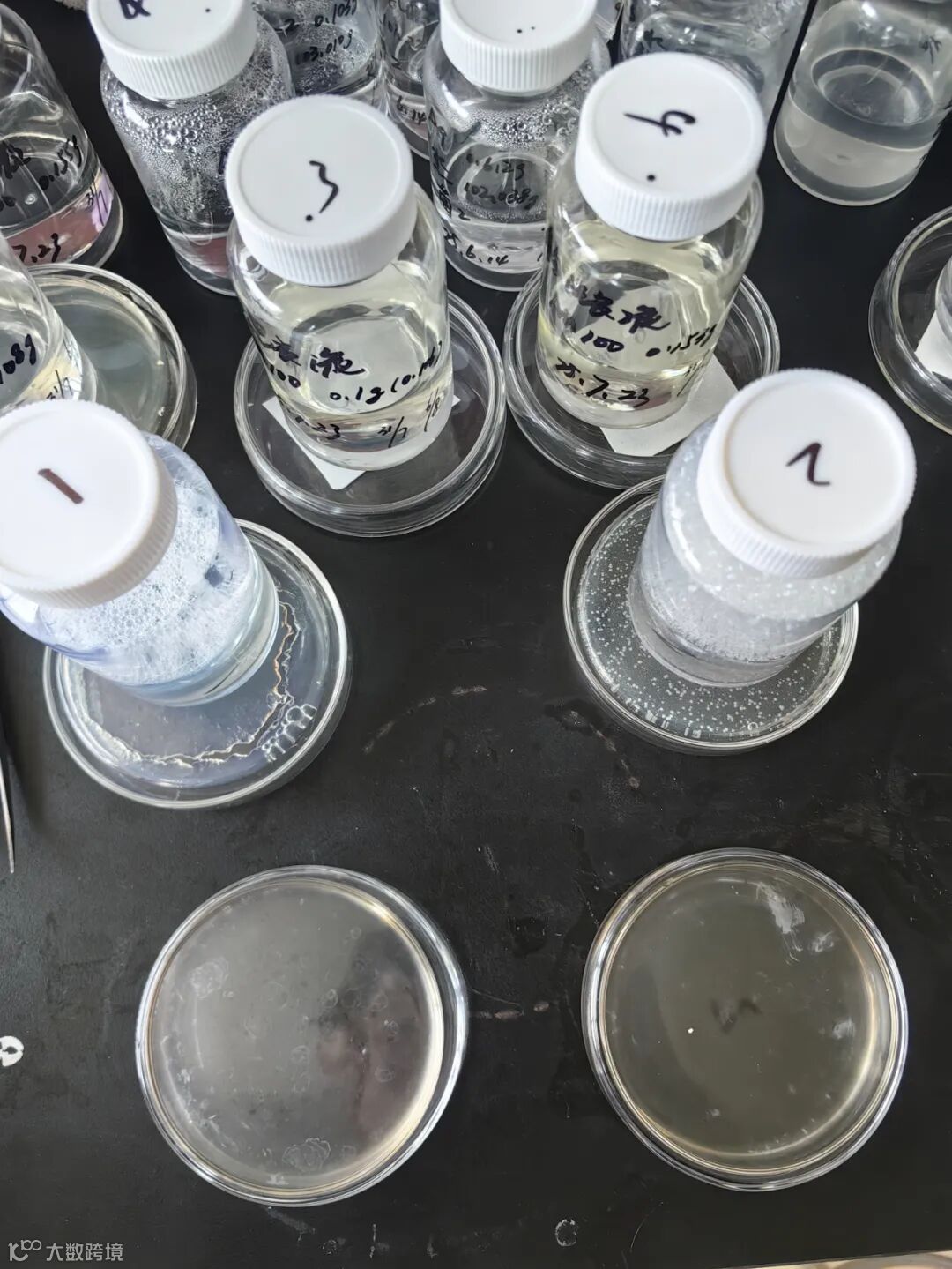
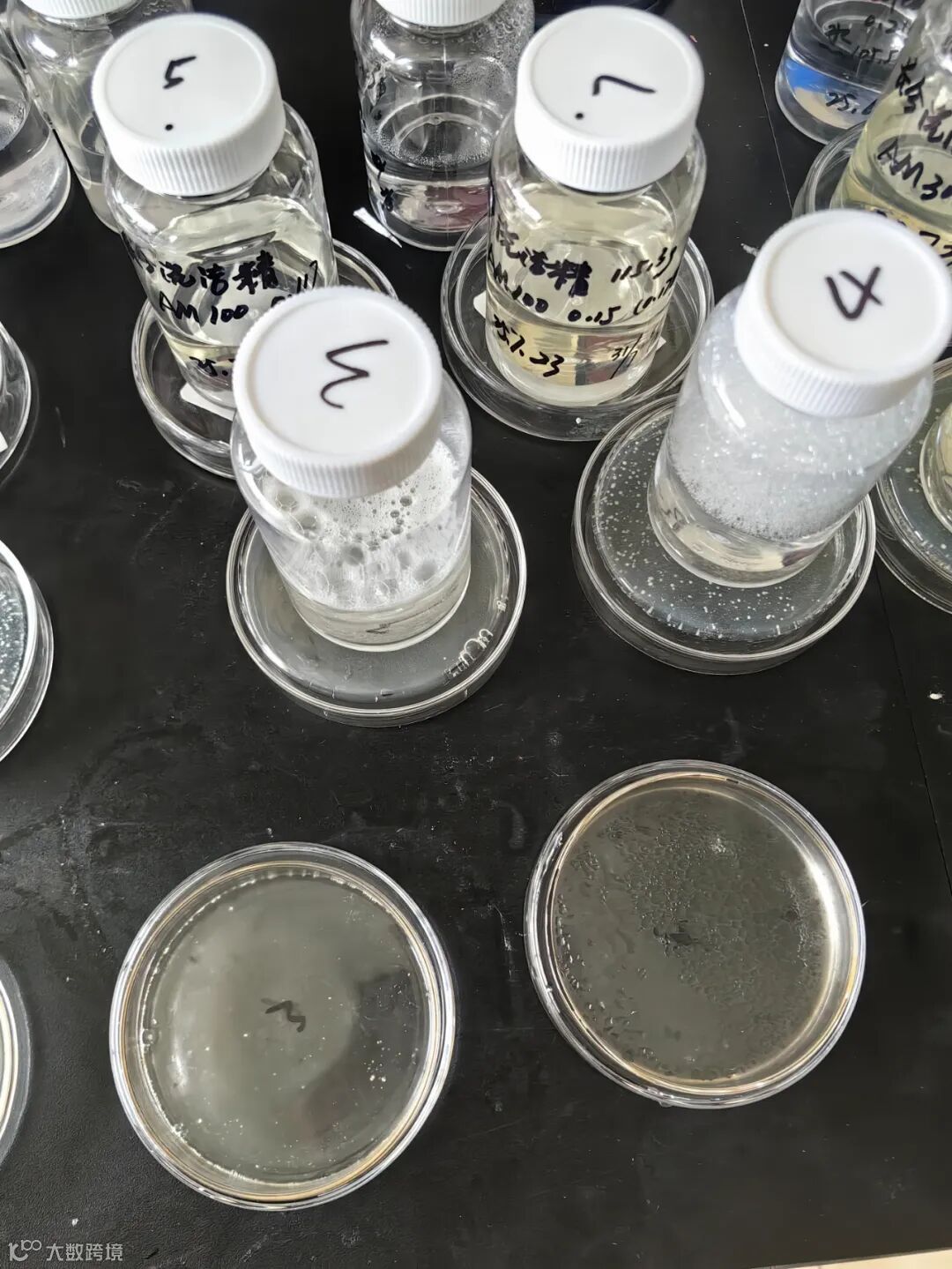
Next,I will place it in a room-temperature incubator for one day to allow viable bacteria to grow, making them easier to observe.
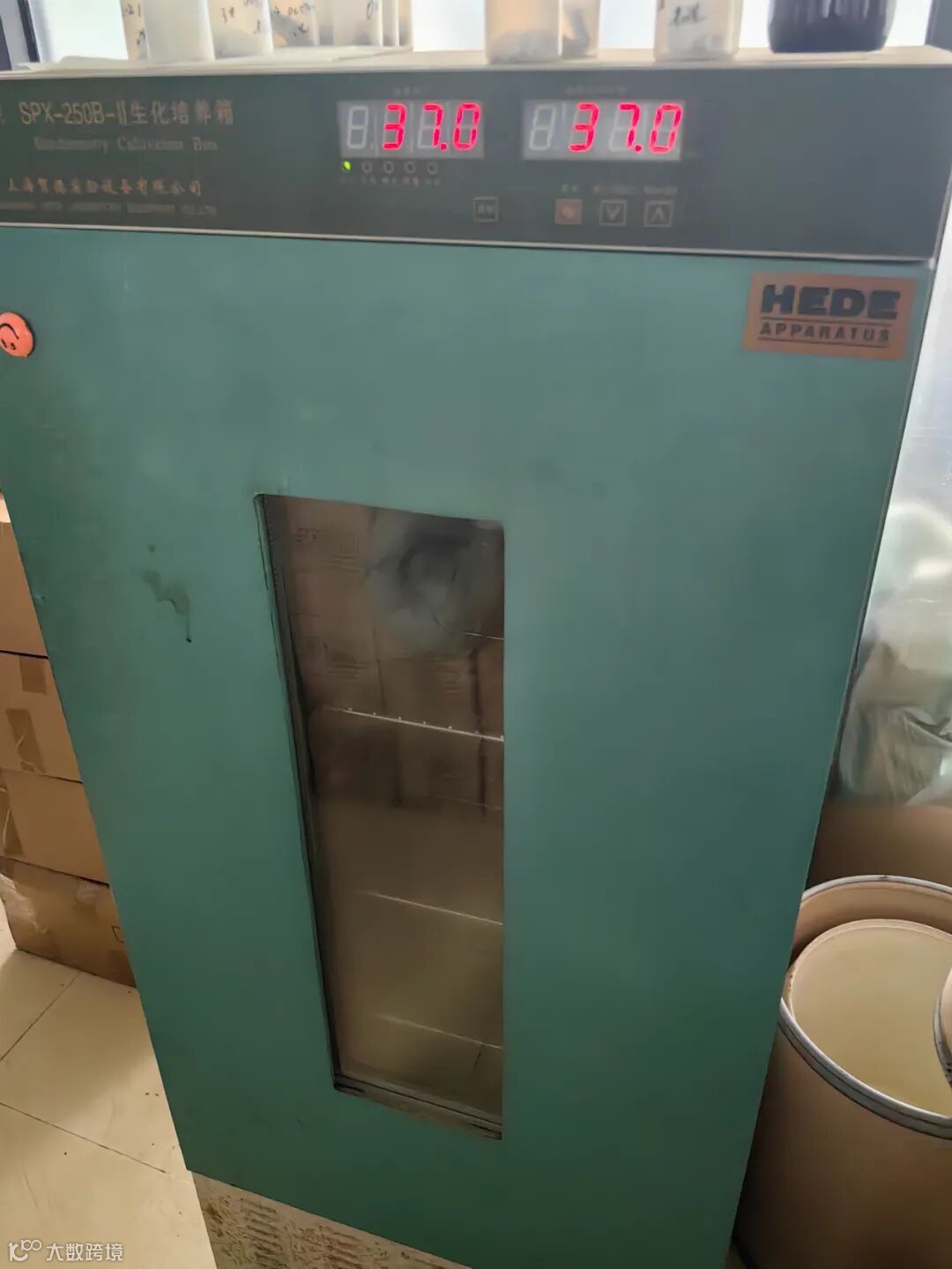

Let's wait and see how things turn out tomorrow.