Walk into any Japanese sushi restaurant around the world, and you’ll almost certainly find salmon sushi or sashimi on the menu. But did you know that the now-global phenomenon of eating raw salmon actually began as a delicious innovation from Norway?
40 years ago, a group of passionate Norwegians set off on a journey to Japan with one bold mission — to introduce a brand-new sushi ingredient: raw Norwegian salmon.
Today, Norwegian salmon has become one of the most popular seafood choices worldwide, and the perfect sushi topping and sashimi for Japanese cuisine lovers everywhere. As we celebrate International Sushi Day on June 18, let’s take a look back at the cross-cultural culinary story behind this global favorite.
The Birth of Salmon Sushi
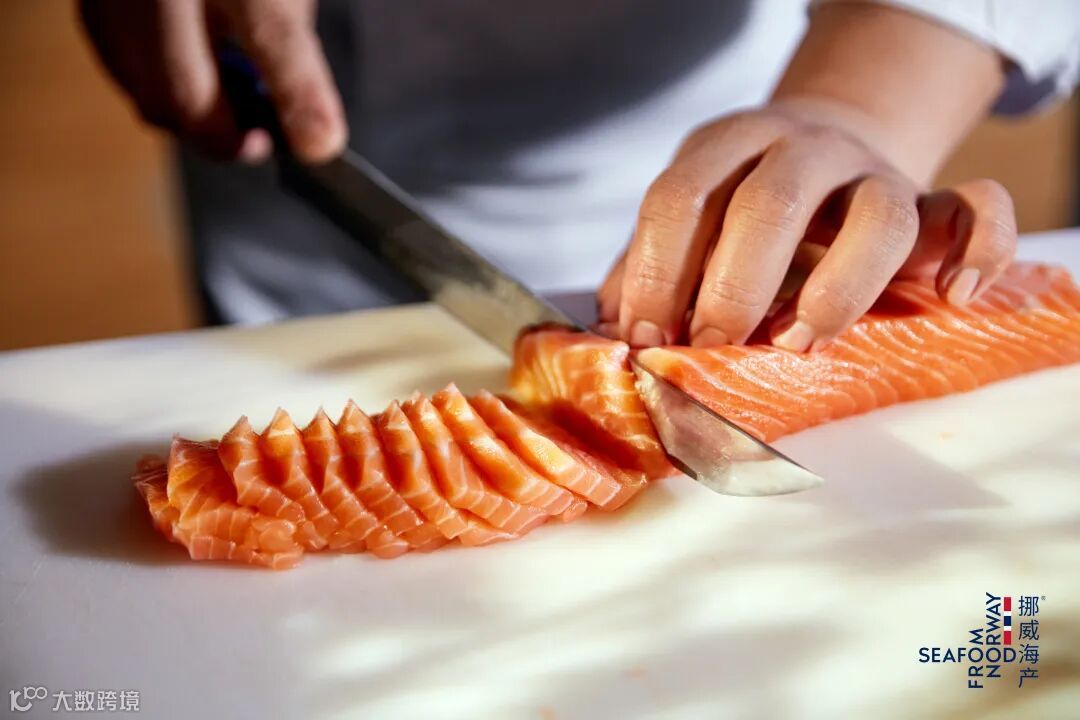
Sushi is over 500-year-old tradition in Japan, but salmon as a sushi was not practiced for fear of parasites from wild-caught salmon. By the 1980’s the Japanese struggled to obtain enough of their favourite sushi-fish tuna. This presented opportunities to Norway and Norwegian salmon.
Former Minister of Fisheries in Norway, Thor Listau, saw the opportunities in the Japanese market when he was in Japan promoting seafood. In 1985, a delegation travelled to Tokyo to promote the new concept of raw salmon as sushi. This marked the launch of Norwegian salmon promotion initiative "Project Japan", and the birth of salmon sushi as we know it today.
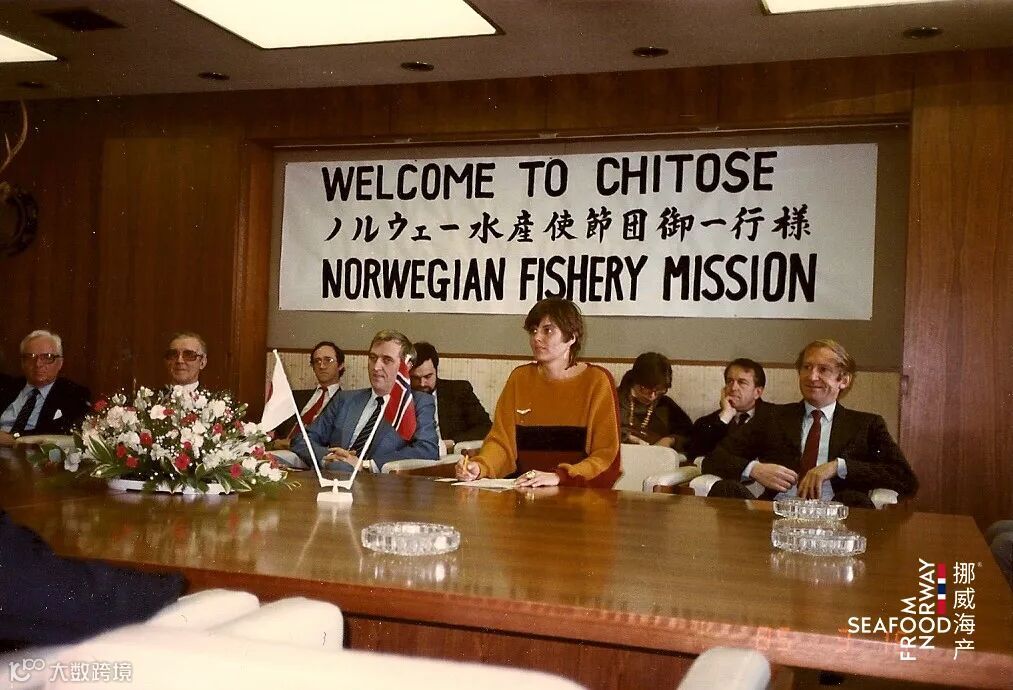
10 Years of Effort to Success
The dedicated team in "Project Japan" did not succeed immediately. The Japanese did not like raw Norwegian salmon at first. "Project Japan" experimented with salmon in sushi dishes, served it to importers, restaurants, at several dinner parties at the Norwegian embassy in Tokyo, and launched a salmon campaign with the few resources they had.
In the end, it was the continued relationship building, trust, and innovation over ten years that were needed to boost salmon consumption in Japan. The export figures speak for themselves: In 1980, Norway sold two tonnes of salmon to Japan, twenty years later they sold over 45,000 tonnes.
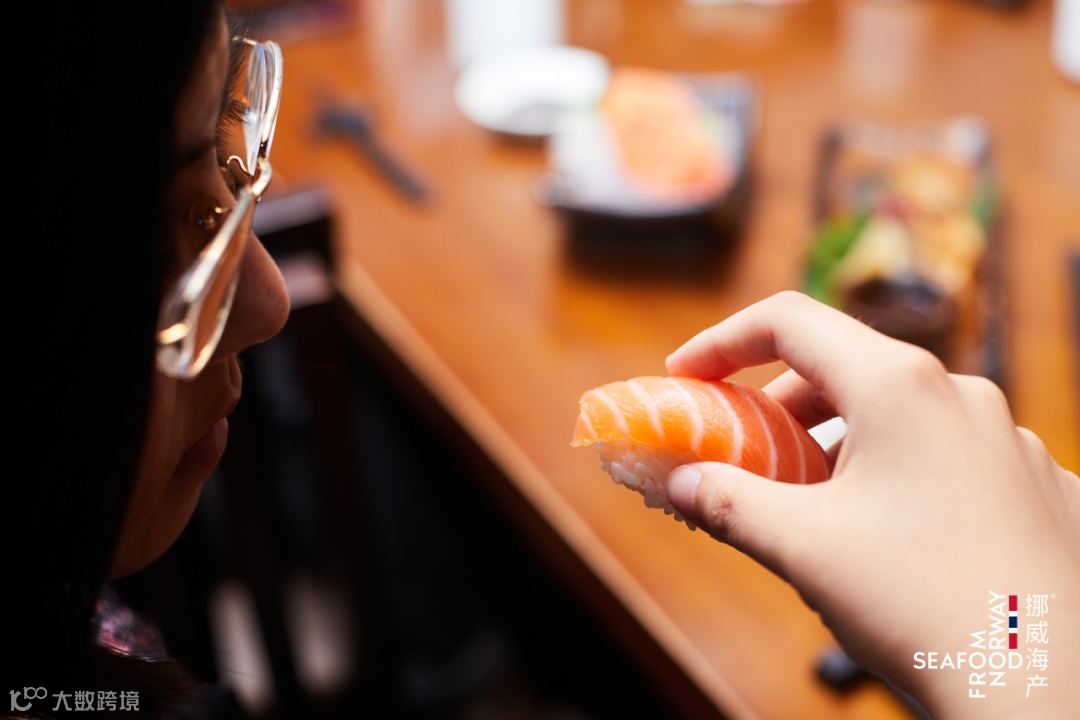
Norwegian Salmon, Perfect for Eating Raw
The key to salmon sushi's success lies in Norwegian salmon's suitability for eating raw.
Norwegian salmon are raised in cold clear waters, far from pollution sources, with water quality strictly monitored. They grow in closed farming systems and are fed their whole life on a heat treated dry feed that cannot contain viable parasites, eliminate the possibility of infection. Therefore, Norwegian salmon are safe for raw consumption.
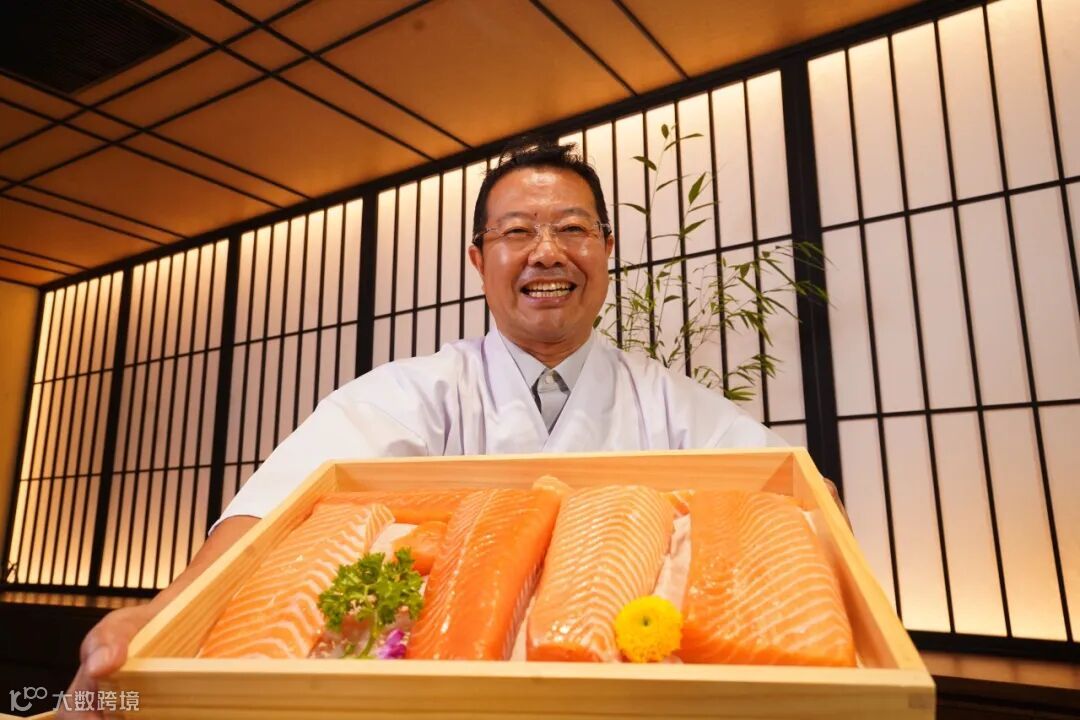
The exceptional quality of Norwegian salmon has earned the trust of professional Japanese cuisine chefs. Through the lens of the media, we step into the perspective of professionals to understand why they consistently choose Norwegian salmon.
Gourmet Taste Interview: When Master Chef Meets Norwegian Salmon
Raw Salmon to The World
Introducing Norwegian salmon through sushi has paved the way for Norway’s exports and also spearheaded the use of raw salmon in dishes such as sashimi and poke.
A NSC study showed that in 17 of 20 countries, salmon is the most preferred sushi topping. And recent numbers from Japan in 2023, showed that 59% of people asked said that they choose to eat salmon raw, either in sushi, sashimi, or pokebowl when eating out. Only 14% answered that they prefer seared and browned salmon.
Today, Norway holds approximately 53% of the global salmon market, and exports salmon to 113 markets. China has now become Norway’s fourth-largest salmon export market globally. According to the latest export data, in May 2025, Norway’s salmon exports to China surged by 181% year-on-year, reaching 8,273 tonnes.
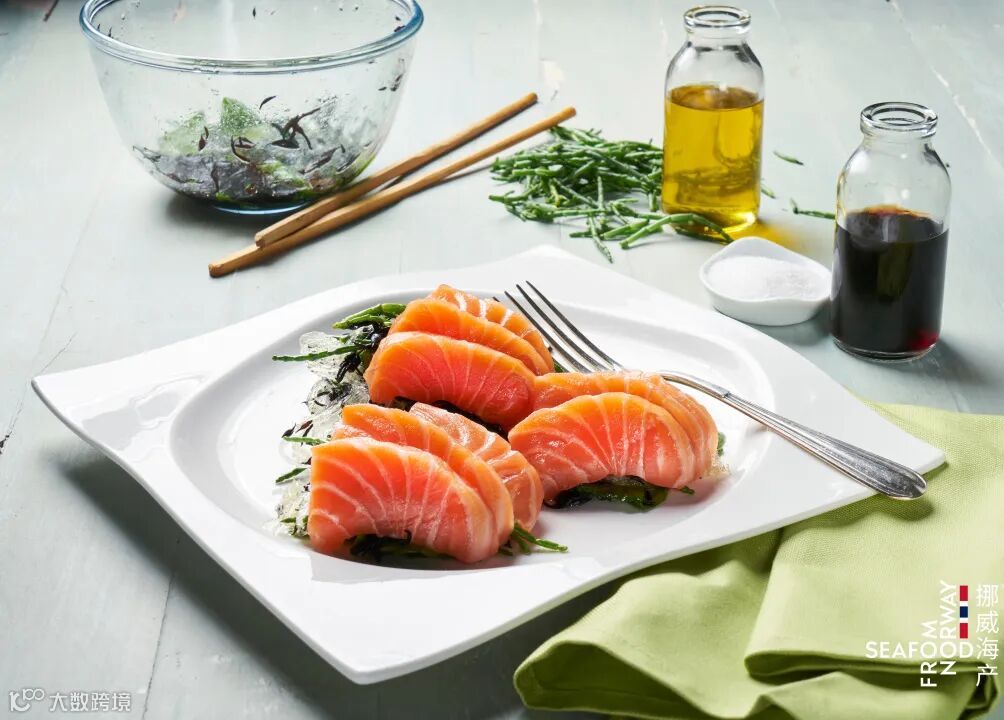
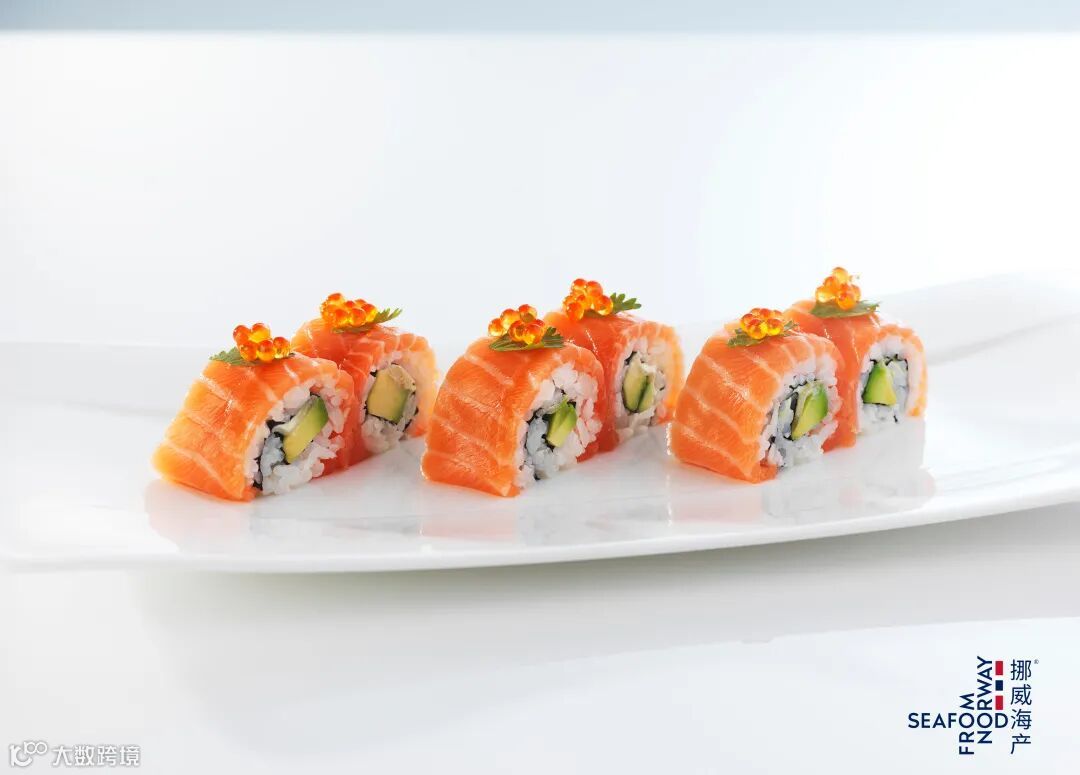
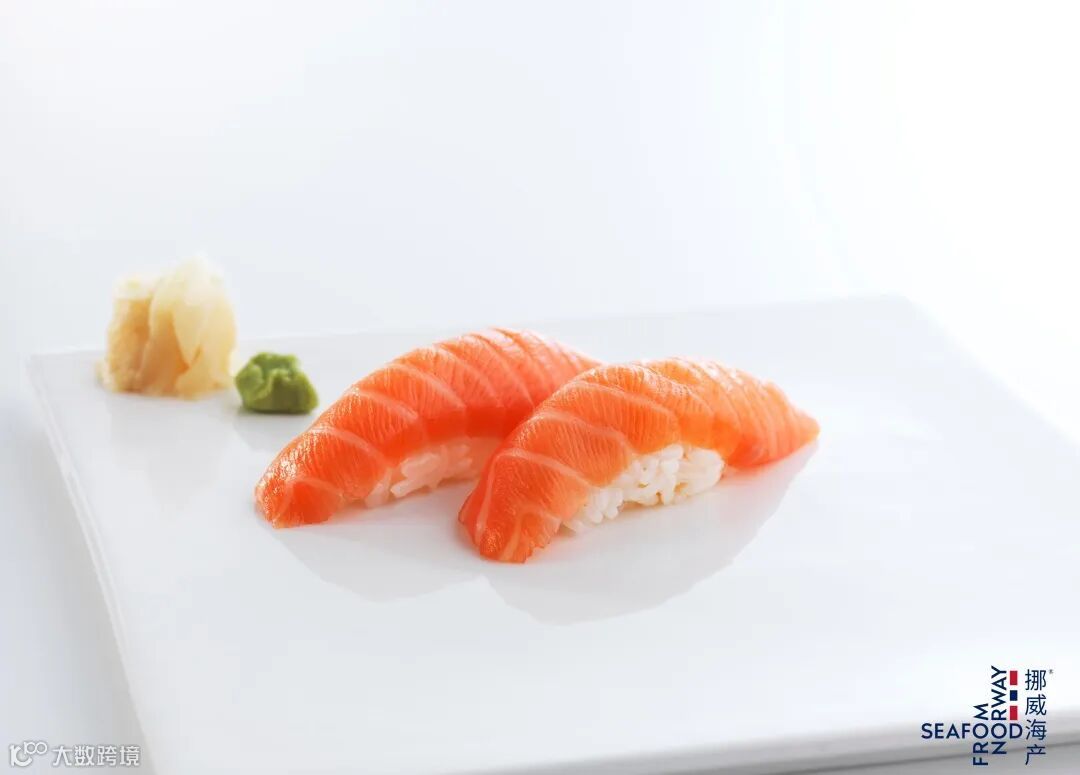
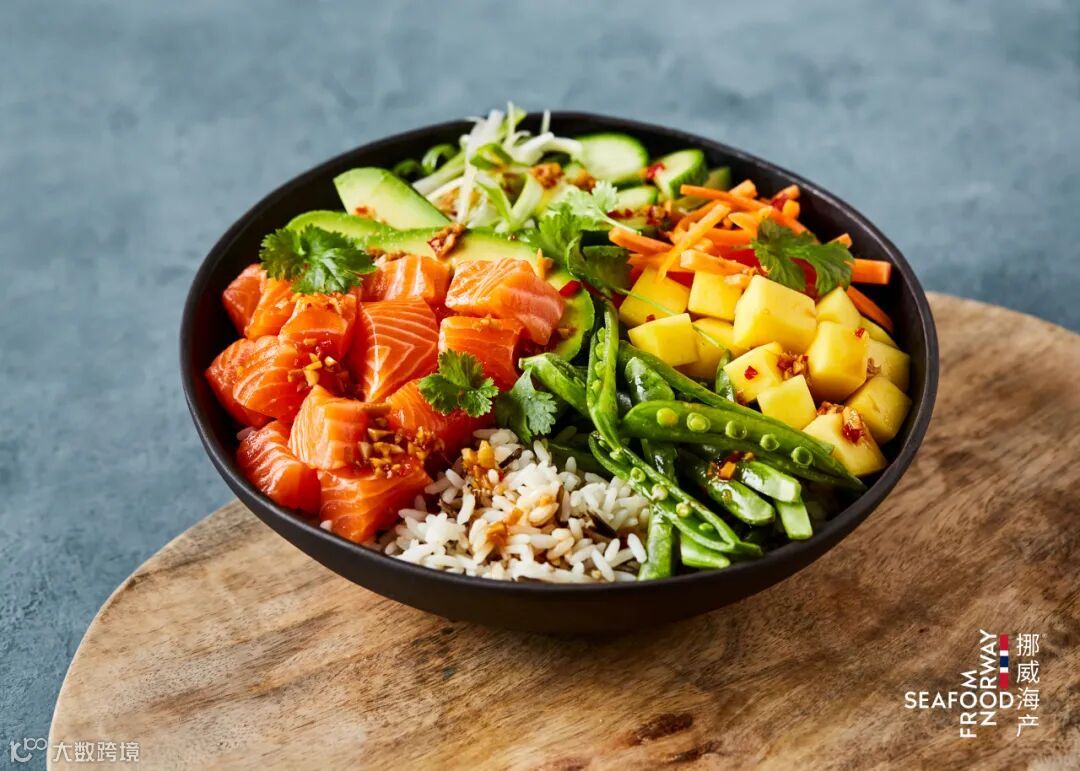
Thanks to its exceptional quality and suitability for raw consumption, Norwegian salmon has become the ideal ingredient for sushi and sashimi.
To mark the 40th anniversary of salmon sushi, the Norwegian Seafood Council is launching the “Norwegian Salmon: Chef’s Choice” video series, featuring expert insights and genuine recommendations from Japanese restaurant chefs. Follow our official RED account @Norwegian Seafood to discover the craftsmanship behind every delicious bite.