



撰文|刘飞羽
编辑|曹昊
引文|Jiaqi Wei, Erlei Su, Guangwei Xu et al. Comparative analysis of permeability rebound and recovery of tectonic and intact coal: Implications for coalbed methane recovery in tectonic coal reservoirs[J]. ENERGY, 2024, 301.
提示|点击文末“小程序码”可获取原文资料
→这是"油气研究前瞻"的第1828篇文章
01
全文解读
全球气候危机正以前所未有的强度席卷而来,极端天气频发、海平面上升等挑战倒逼人类加速能源转型。在这场“减碳竞速”中,煤层气(CBM)作为高效清洁的低碳能源,被寄予厚望——它主要成分为甲烷,1立方米纯煤层气热值高达35.9兆焦,相当于1.21千克标准煤,能在满足能源需求的同时大幅削减温室气体排放。中国煤层气储量仅次于俄罗斯、加拿大,开发潜力巨大;但现实是,多数煤层渗透率低、构造煤(因地质运动破碎的特殊煤体)渗透率回弹规律不明等难题,正卡住开发“脖子”。
煤层气开发的核心矛盾,在于渗透率——它决定了煤层中气体流动效率。过去研究聚焦“完整煤”(结构未受严重破坏的煤体),发现开采时甲烷压力下降会引发“渗透率回弹”:一方面,压力降低使裂隙受有效应力压缩,渗透率下降;另一方面,甲烷解吸导致煤基质收缩,又让渗透率回升。这种“先降后升”的回弹现象,对后期产能提升至关重要。
但占中国煤炭储量23.5%(约4570亿吨)的构造煤,却长期处于研究空白。这类因板块运动、地质构造作用被挤压破碎的煤体,孔隙更发达、甲烷吸附能力是完整煤的1.5倍以上,本应是煤层气富集区;但它的渗透率如何随开采变化?回弹规律是否与完整煤不同?这些问题若不解决,构造煤储层的高效开发就成了“盲盒”。
针对上述缺口,研究团队构建了构造煤与完整煤的全耦合甲烷运移模型,首次从理论层面拆解两类煤体的渗透率回弹与恢复机制。关键突破体现在三方面:
团队提出“回弹时间”“回弹值”“恢复时间”三个指标,精准刻画渗透率从下降到回升、再到稳定的全过程。以“初始气压”为例:气压越高,两类煤的回弹与恢复时间都越长——这意味着高压储层开采时,要更耐心等待渗透率回升“发力”。再看“初始渗透率”:初始渗透率越高,回弹时间越短,说明高渗透储层能更快进入产能提升阶段。
有趣的是,扩散系数(甲烷在煤基质中移动的速率)对两类煤的影响截然相反:完整煤的回弹时间随扩散系数增大而缩短(甲烷跑更快,基质收缩更及时);构造煤却“反向操作”——扩散系数越大,回弹时间越长。这种差异源于构造煤破碎结构:孔隙多但连通性复杂,甲烷运移路径更曲折,扩散快反而加剧局部应力扰动,延缓回弹。
数据最具说服力:构造煤渗透率恢复时间的变化幅度,是完整煤的6.59倍。这意味着在构造煤储层开采时,渗透率回弹对产能的“提振作用”更强烈,但也需更精细的开采节奏控制——若把握不好,前期渗透率骤降可能导致开采效率骤跌,后期回弹则能带来爆发式产能。
对能源结构转型而言,中国构造煤储量庞大,其开发效率直接影响“双碳”进程。这篇研究的价值,不止于“填补学术空白”:
-
安全维度:提前掌握渗透率回弹规律,能优化抽采方案,减少煤矿瓦斯爆炸风险(每年因瓦斯事故死亡案例众多); -
经济维度:明确构造煤储层的产能提升节点,可降低开采成本、延长气井寿命; -
理论维度:提出的“构造煤与完整煤渗透率差异机制”概念模型,为后续数值模拟、现场试验提供了底层逻辑。
更重要的是,它给“清洁能源开发如何兼顾安全与效率”提供了新范式——当全球都在为低碳能源绞尽脑汁时,中国学者对“本土特色煤体(构造煤)”的针对性研究,既是技术突围,也是对能源安全的战略护航。
对于能源领域研究者、煤矿工程技术人员,或是关注碳中和路径的观察者,这篇论文的“实战价值”与“学术创新性”交织,让它成为理解中国煤层气开发“卡脖子 - 破局”逻辑的关键文本。毕竟,在气候危机的紧迫下,每一个“细分领域的技术突破”,都是全球能源转型的一块关键拼图。
02
目录点睛
-
详细介绍了文章的撰写背景
-
构建煤储层甲烷运移模型方法
-
分析煤储层渗透率反弹结果
-
对文章的全文内容进行了总结
03
HIGHLIGHT图片
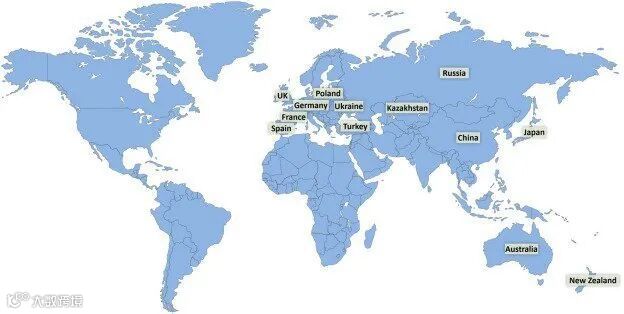
Fig. 1. Main distribution of tectonic coal in the world.
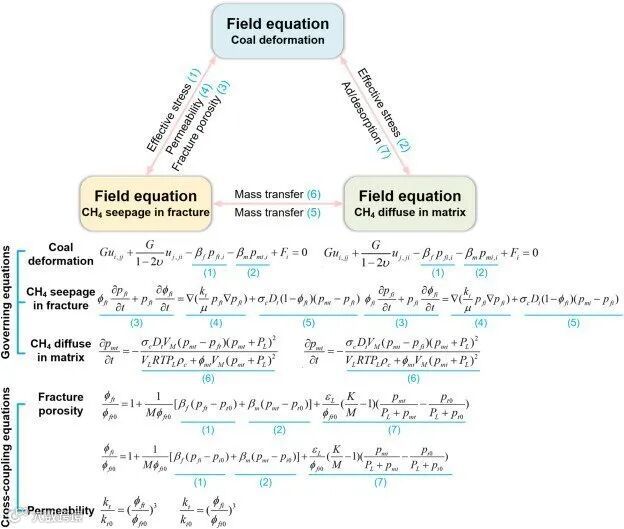
Fig. 2. Schematic diagram and governing equation of multi-field coupling relationship between tectonic and intact coal.
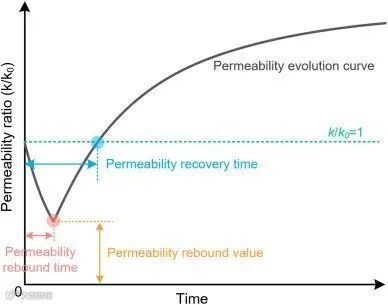
Fig. 3. Schematic diagram of permeability ratio evolution over time during CBM exploitation in tectonic coal reservoirs.
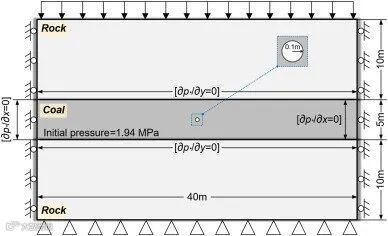
Fig. 4. Geometric model and boundary conditions used in model validation.
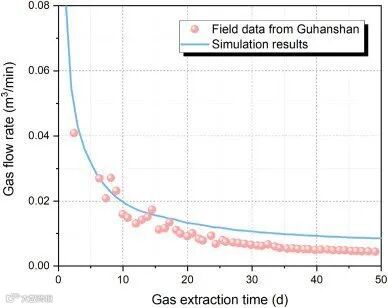
Fig. 5. Comparison results between numerical simulation data and field extraction data of Guhanshan Coalmine.
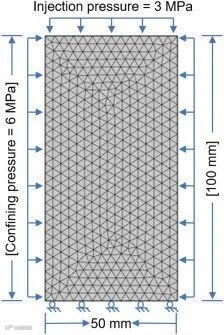
Fig. 6. Geometric model and boundary conditions used in model validation.
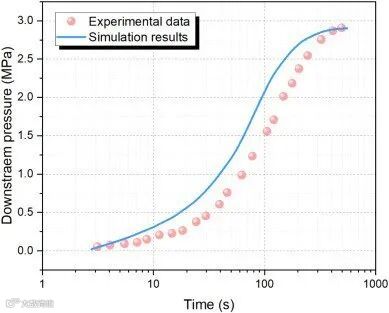
Fig. 7. Comparison between experimental data and simulation results.
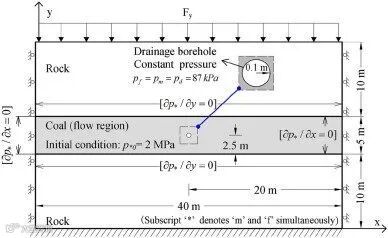
Fig. 8. Geometric model and boundary conditions used in model comparison [45].
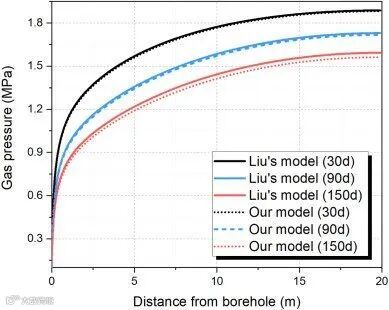
Fig. 9. Comparison between the results of our model and the data of Liu's model.
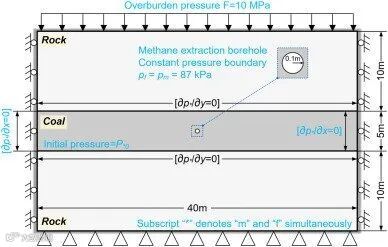
Fig. 10. Geometric model and boundary conditions.
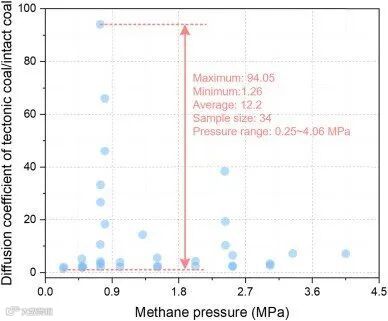
Fig. 11. Ratio of diffusion coefficient between tectonic and intact coal under different methane pressures.
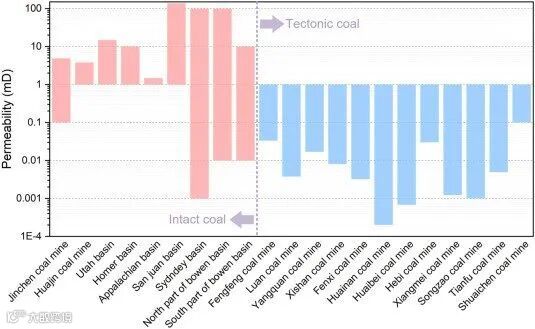
Fig. 12. Permeability ratio of tectonic coal to intact coal.
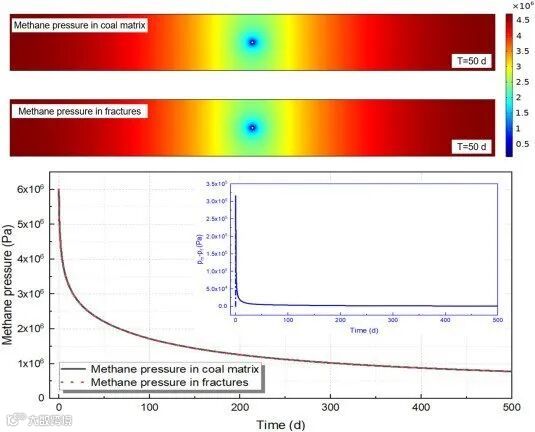
Fig. 13. Change of the pressure field of the matrix and fracture.
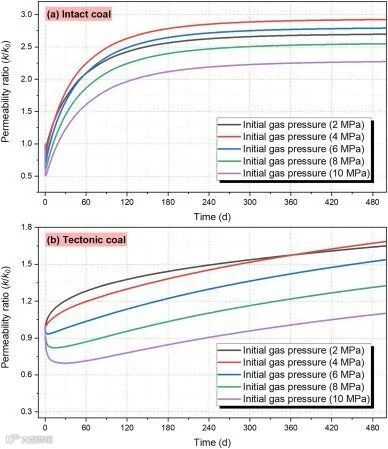
Fig. 14. Permeability ratio evolution curves of intact coal and tectonic coal under different initial gas pressures.
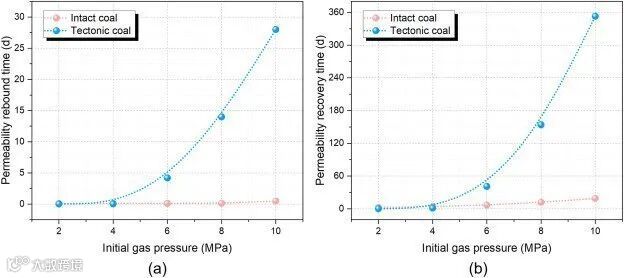
Fig. 15. Permeability rebound and recovery time of intact coal and tectonic coal under different initial gas pressures.
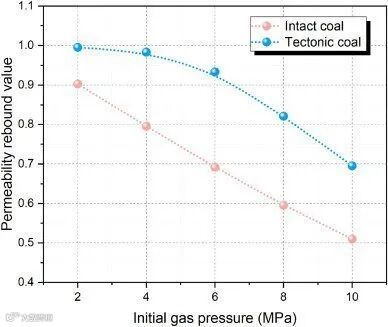
Fig. 16. Permeability rebound values of intact and tectonic coal under different initial gas pressures.
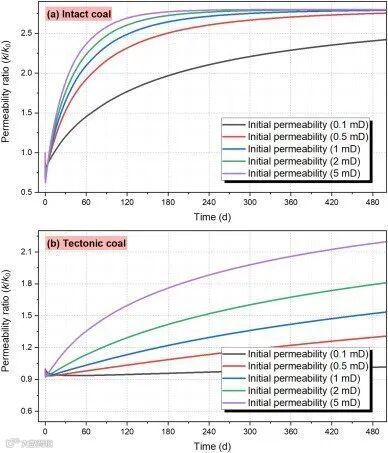
Fig. 17. Evolution curve of permeability ratio between intact and tectonic coal under different initial permeability.
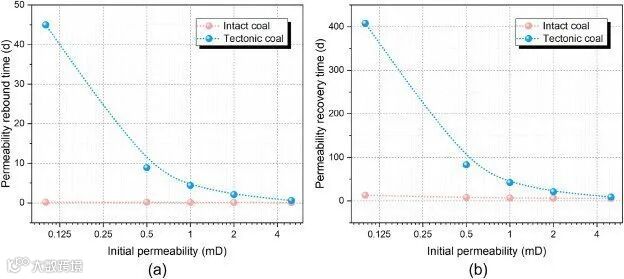
Fig. 18. Permeability rebound and recovery time of intact and tectonic coal under different initial permeability.
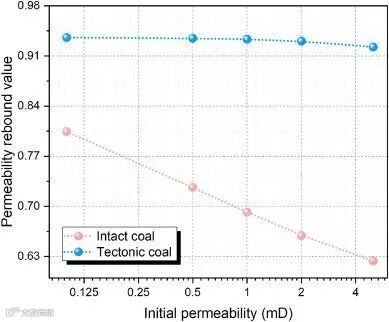
Fig. 19. Permeability rebound values of intact and tectonic coal under different initial permeability.
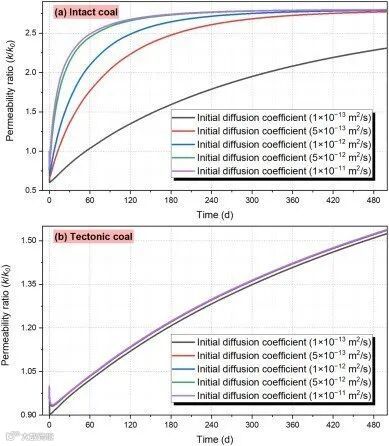
Fig. 20. Evolution curves of permeability ratios of intact and tectonic coal under different initial diffusion coefficients.
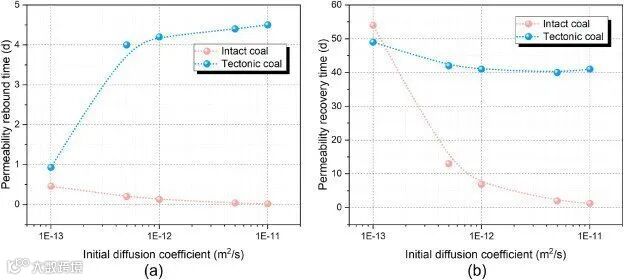
Fig. 21. Permeability rebound and recovery time of intact and tectonic coal under different initial diffusion coefficients.
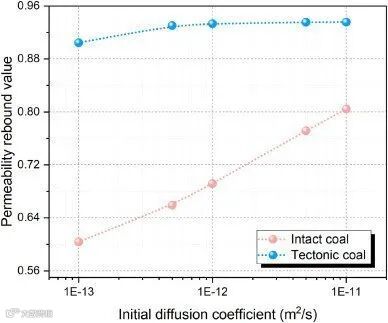
Fig. 22. Permeability rebound values of intact and tectonic coal under different initial diffusion coefficients.
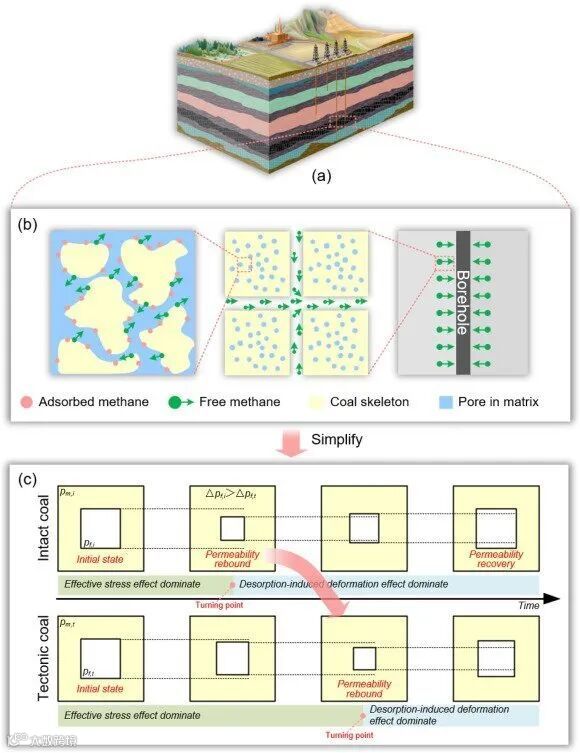
Fig. 23. Conceptual model of permeability evolution of tectonic and intact coal during methane extraction.
免责声明:本文仅用于学术交流和传播
即可进行业千人大群


获取原文资料

深井换钻头低效?自更新钻头技术助推一趟钻突破
互层地层PDC钻头失效如何破?交替冲击与参数优化
深层煤层气如何高效开采?超声波破岩解锁气藏潜能
PDC切削器为何频失效?地层适配破解成本困局
PDC钻头摩擦接触如何制约钻井效率?压痕试验新思路
二氧化碳资源化利用研究进展

中国海油在海域勘探取得重大进展
深层煤层气水平井安全钻井技术
中国煤层气水平井钻完井技术研究进展
深地塔科1井钻井设计关键技术
提高油气田采收率技术协同方法与应用

旋转齿PDC钻头研制及应用

PDC钻头钻井提速关键影响因素研究

中国深部煤层气地质研究进展
深层煤岩气水平井钻井技术
深部煤层气井排采制度研究与实践