


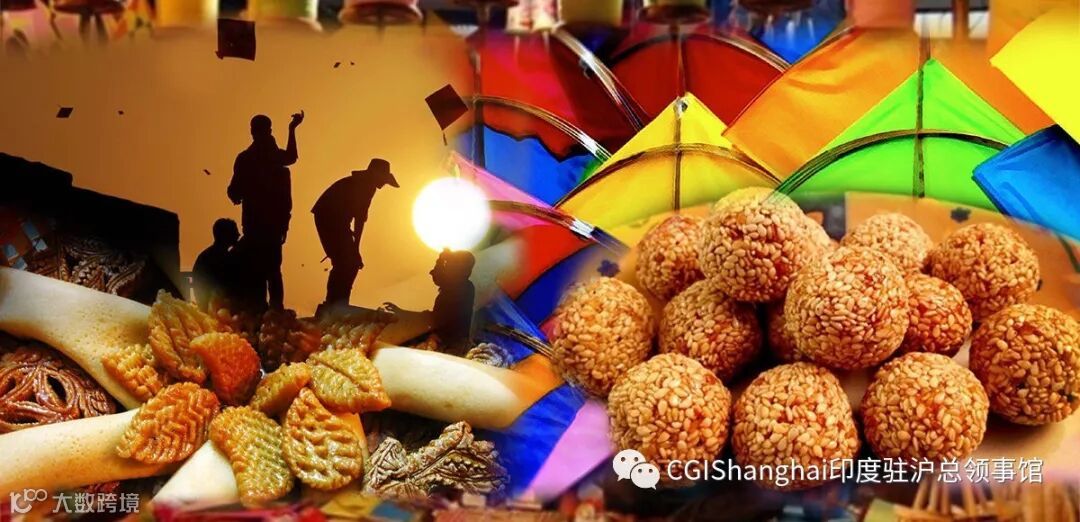
What is Makar Sankranti?
桑格拉提节是啥节?
Makara Sankranti is an important and particularly joyous festival in the Hindu calendar. This celebration is dedicated to the deity Surya, the god of the sun, and marks the return of the sun to the northern hemisphere. This harvest festival is celebrated throughout India and is known by different names in every region. In the north it’s known as Lohri, and in the South this festival is called Pongal.
During Makara Sankranti, you’ll see children venturing from house to house, singing and asking for treats or pocket money. Typically, there are bonfires and feasts to mark the day, and many regions that celebrate the holiday as a secular one focus on kite flying competitions.
在印度教的历法中,桑格拉提节是一个重要而特别欢乐的节日。这个庆典是致敬太阳神的,标志着太阳开始移向北半球。印度各地都会庆祝这个节日,不同地区叫法不同,在北部被称为Lohri,在南部被称为Pongal。
在这个节日里,孩子们从这个家庭跑到另一个家庭,唱着跳着要食物或零花钱。人们通常点燃篝火,大肆宴饮来纪念这一天,许多地区还流行放风筝来庆祝。
LOHRI
北印丰收节
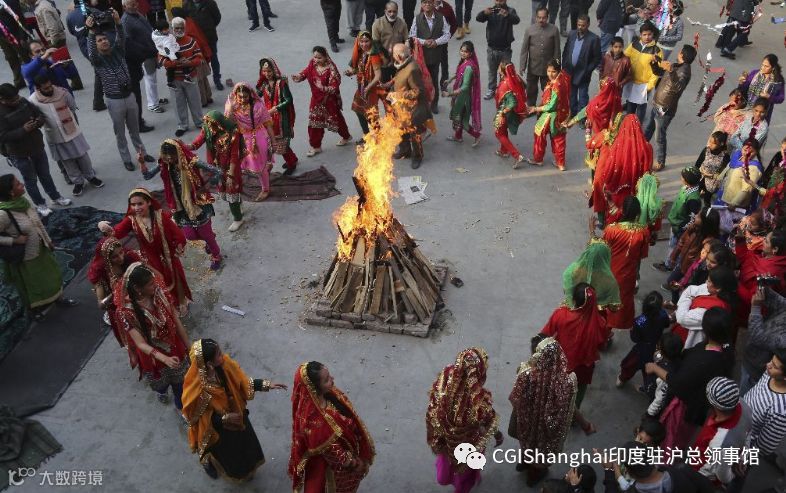
Lohri is afestival to worship fire. Lohri Festival is celebrated with great pomp in North India. At this time Earth starts moving towards the sun marking the auspicious period of Uttarayan. First Lohri is very important for the newly wed and the newborn babies as it marks fertility. At night, people gather around the bonfire and throw til, puffed rice & popcorns into the flames of the bonfire. Prayers are offered to the bonfire seeking abundance & prosperity. People make merry by dancing & singing traditional songs.
Lohri节是一个崇拜火焰力量的节日。印度北部每年的这个时候都会大肆庆祝一番。此时地球开始向太阳移动,标志着吉祥时期的开始。新婚夫妇和新生婴儿的第一次Lohri节非常重要,因为它标志着丰饶多产。到了晚上,人们聚在篝火旁,向火焰中扔胡麻、膨化大米和爆米花。人们对着篝火祈祷,祈求富足和繁荣。人们通过跳舞和唱传统歌曲来尽情作乐。
PONGAL
南印丰收节
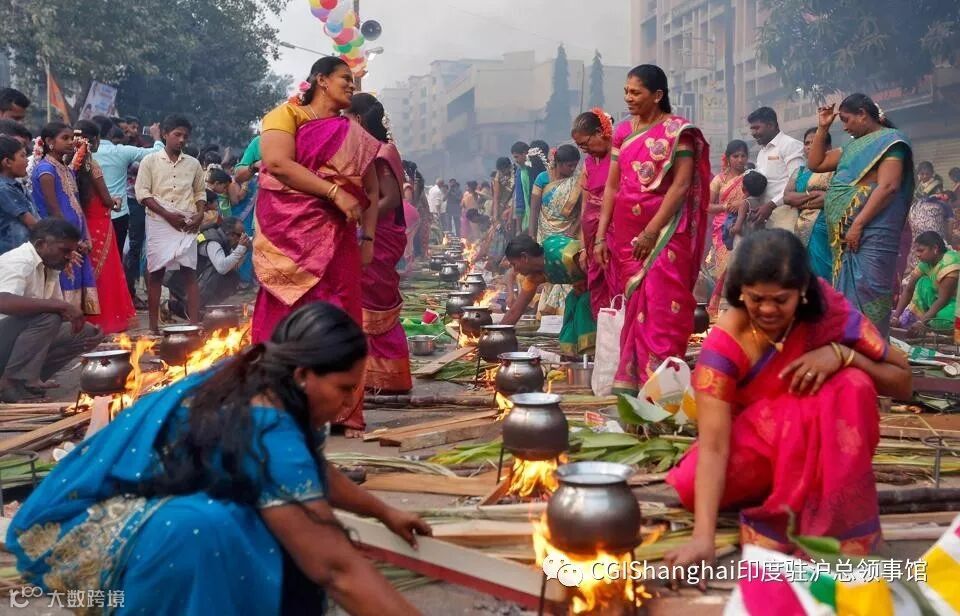
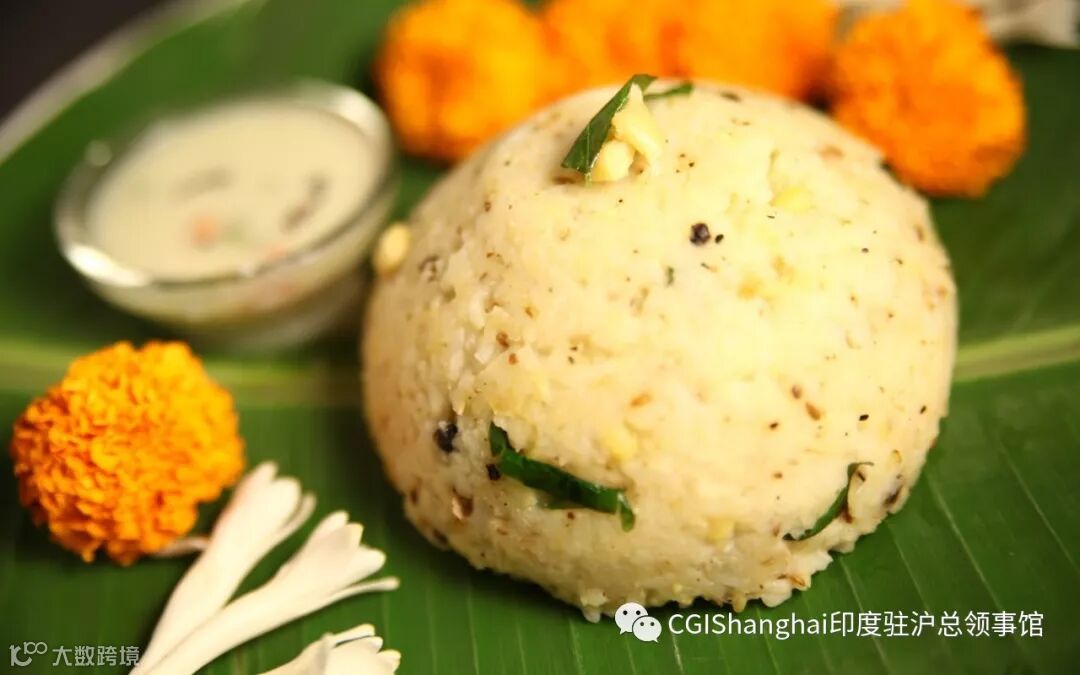
Pongal is one of the most popular harvest festivals of South India, mainly of Tamil Nadu. Pongal falls in the mid-January every year and marks the auspicious beginning of Uttarayan - sun's journey northwards. Pongal festival lasts for four days. This four days long festival of Tamil Nadu is celebrated for showing gratitude to nature. The literal meaning of Pongal is "spilling over" and it had been named so, because of the tradition of boiling rice in a pot until it starts overflowing. Other traditions of the celebration include drawing of Kolam, swinging & cooking of delicious Pongal.
Pongal节是南印度最受欢迎的丰收节日之一,特别是在泰米尔纳德邦。Pongal节一般在每年一月中旬,标志着太阳向北半球移动的吉祥开始。这个为期四天的泰米尔纳德邦节日是为了表达人们对大自然的感激。Pongal的字面意思是“溢出”,它之所以被命名为“溢出”,是因为有一个传统,即在锅里煮米饭,直到它开始外溢。这个节日的其他传统还包括画“古拉姆”(kolam)即在地上绘图,烹饪美味的甜米食物等。
When is Makara Sankranti?
桑格拉提节在什么时候?
While most Hindu holidays and celebrations follow the lunar cycle, Makara Sankranti is set by the solar cycle. It’s typically observed on January 14th or occasionally onthe 15th. This year 2020 it has been celebrated on 15th January. The timing of Makara Sankranti celebrations align with longer days and specifically mark the end of winter solstice and the longest night of the year.
大多数印度教节日和庆祝活动都参照月运周期,但桑格拉提节则是依据太阳周期来设定的。通常在1月14日,偶尔在15日。2020年是在1月15日庆祝的。桑格拉提节标志着冬至也就是一年中最长夜晚的结束。
What are til gul?
til gul是啥?
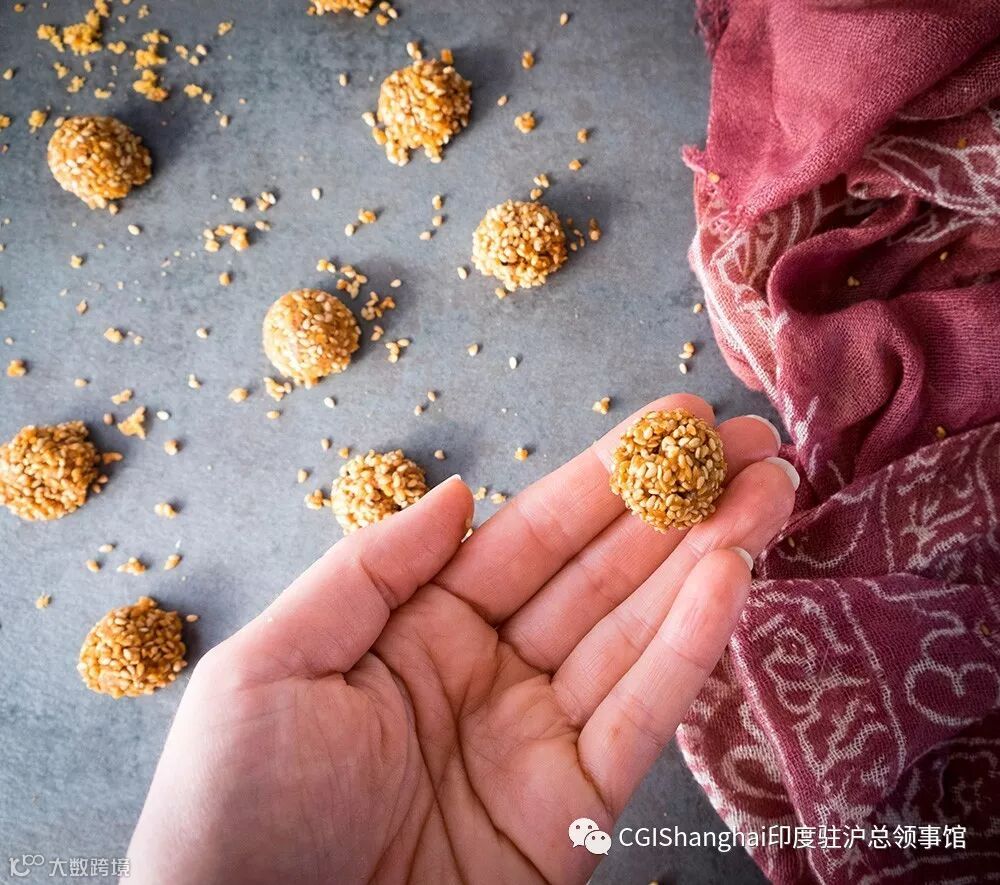
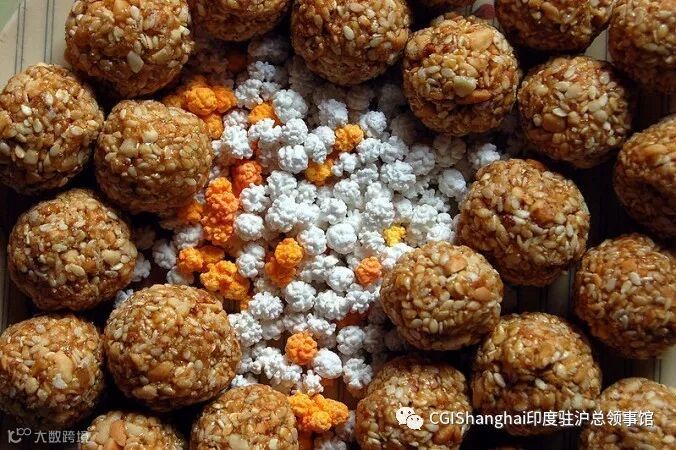
Sesame seeds, known as til in Hindi, hold a special place in Makar Sankranti festivities because Hindu mythology regards them as a symbol of immortality. Small sesamesweets are given to family and friends throughout India during the holiday. These small sweets, sometimes fashioned like balls, are passed to members of the family or community accompanied by a specific phrase: Til-gul ghyaa, aani goad-goad bolaa (तिळगुळघ्या, आणिगोड-गोडबोला). It means “Accept this til-gul (sesame sweet) and utter sweet words.”
芝麻在印第语中被称为til,在桑格拉提节占有特殊的地位,因为印度神话把芝麻视为不朽的象征。节日期间,印度各地的家人和朋友间都会分享小小的芝麻糖。在分这些球状甜食时大家会说Til-gul ghyaa, aani goad-goad bolaa (तिळगुळघ्या, आणिगोड-गोडबोला),意思是“吃了这个芝麻糖,甜言蜜语张口来。”
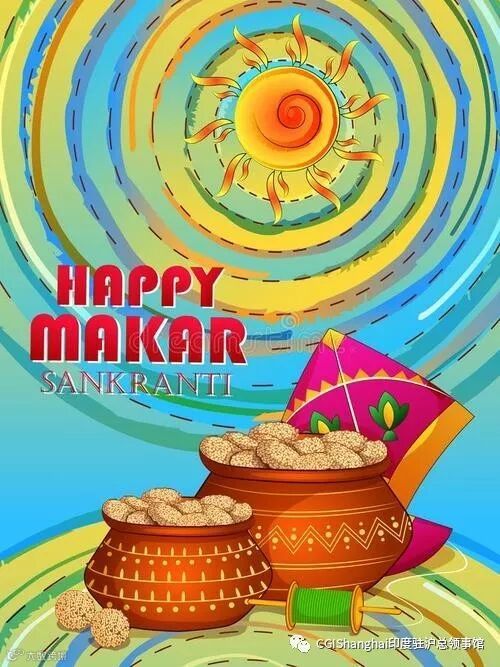
Happy Makar Sankranti!
桑格拉提节快乐哟!