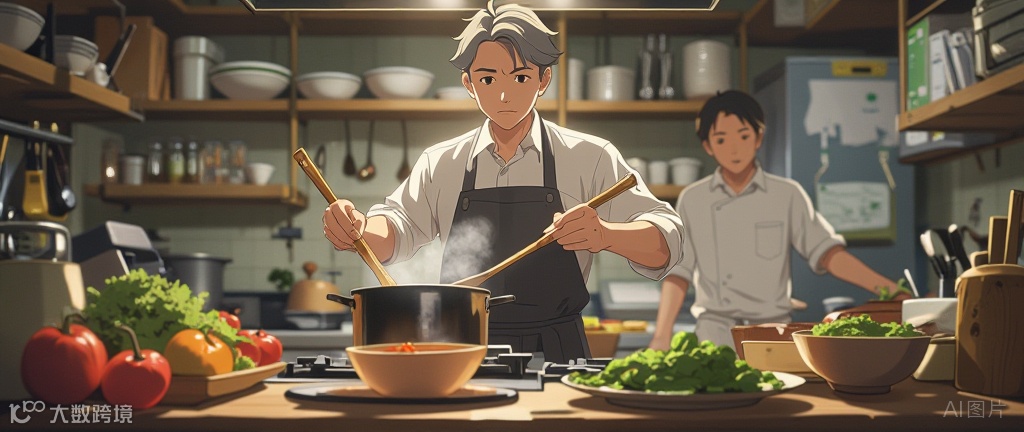
Living in China as a food lover is a constant culinary adventure. How an expat chooses to eat tells a story of adaptation, identity, and sometimes, survival.
There is no single way to dine, but rather a spectrum of strategies, from diving headfirst into local cuisine to clinging to the flavors of home. This article is a satirical concept of how expats eat in China, and is ment for entertaining only. So, have a laugh, and discover to which category you best fit to!

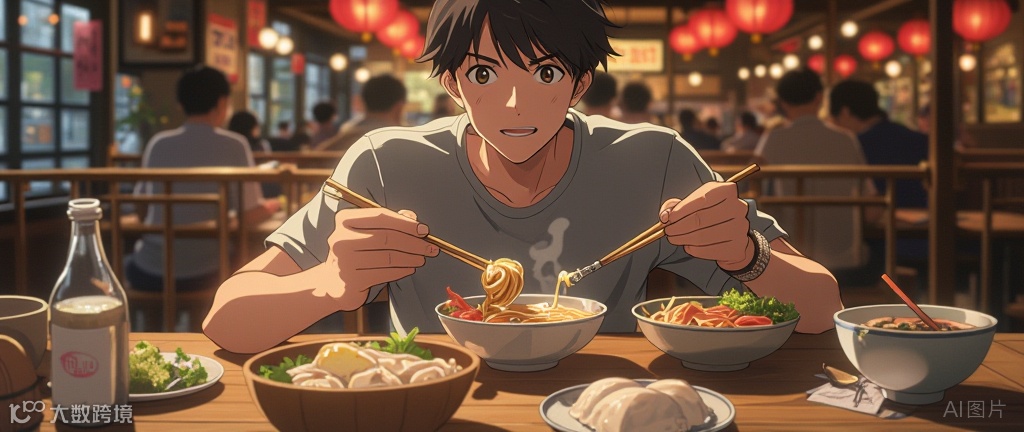
1. The Gone-Native Gourmet
Mantra: "When in Rome, eat what the Romans eat."
This expat has moved far beyond sweet and sour pork. They seek out hyper-regional specialties, adventurous street food (like chou doufu - stinky tofu), and are comfortable in a noisy, smoky malatang joint or a hidden courtyard restaurant where no English is spoken. Their WeChat is filled with photos of hot pot, century eggs, and whole fish steamed with ginger and scallions.
Typical Meal: A multi-dish feast with local friends, featuring things like braised goose, jellyfish salad, and river fish. They'll use chopsticks better than most foreigners and know how to ganbei (bottoms up) properly.
Signature Trait: Orders for the table, knows the best xiaolongbao (soup dumpling) spot in the city, and complains that Western Chinese food "isn't authentic."
2. The Nostalgic Home-Cook
Mantra: "A man can't live on rice alone."
This expat is on a constant quest to recreate the tastes of home. They suffer from acute cravings for specific cheeses, proper bread, good wine, and deli meats. Their kitchen is a fortress of imported goods, and a care package from home is a treasure chest.
Typical Meal: A homemade pasta with sauce made from imported Italian tomatoes, a salad with actual leafy greens (not just cucumber), and a precious slice of Brie on bread.
Signature Trait: Can tell you which import store has the best prices on butter and which vendor sells the most reliable bacon. Their fridge is a museum of home-country condiments.

3. The Convenience King/Queen
Mantra: "Why cook when you can 外卖 (waimai - delivery)?"
This expat has fully embraced the convenience of China's tech ecosystem. Their phone is their kitchen. They are masters of Meituan and Ele.me. They see cooking as a chore when a full, cheap, and delicious meal can be at their door in 20 minutes for under $4.
Typical Meal: A malatang bowl customized on an app, a set lunch from a local xiaochi (snack) place, or a quick stir-fry from the nearest hole-in-the-wall restaurant, all delivered.
Signature Trait: Has a collection of takeaway chopsticks and stacks of paper containers. Their most-used app is WeChat Pay, followed immediately by Meituan.

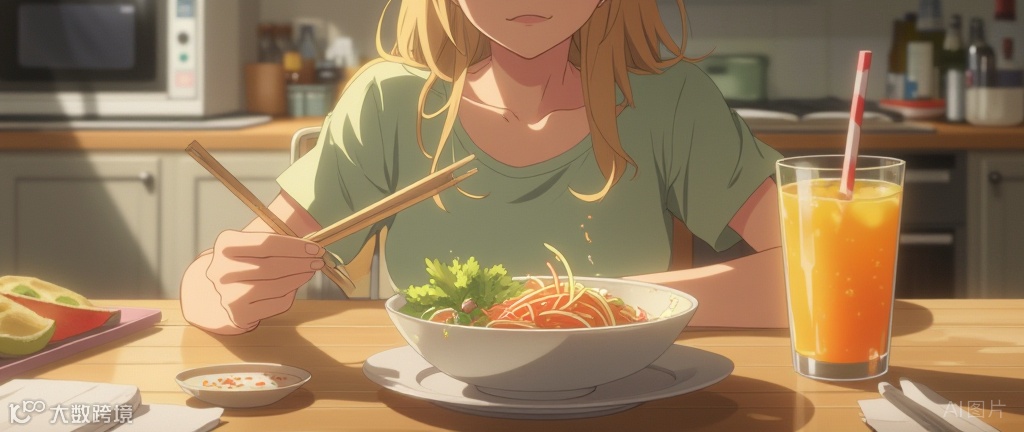
4. The Health-Conscious Hybrid
Mantra: "How many MSG is in this?"
This eater is navigating the Chinese food scene with a focus on wellness. They are wary of excessive oil, salt, and MSG. They often prefer cooking at home where they can control the ingredients, but have found healthy(ish) options outside. They are experts at finding the salads and grain bowls at Western cafes and modifying Chinese dishes to be lighter.
Typical Meal: A homemade Buddha bowl with quinoa, steamed jiaozi instead of fried, or a hot pot session where they skip the oily dipping sauce and load up on veggies and lean meats.
Signature Trait: Frequently uses the phrase "* qing shao you, shao yan*" (请少油少盐 - please less oil, less salt) when ordering. Knows the best places for acai bowls and cold-pressed juice.
5. The Brunch-Bottomless Bubbly Crew
Mantra: "It's 11 am somewhere in the world."
This group thrives on the weekend expat social scene. For them, food is deeply intertwined with socializing, and nothing says "weekend" like a lavish Western brunch with unlimited prosecco or craft beer. They are less concerned with "authentic Chinese" and more focused on which venue has the best eggs Benedict and social atmosphere.
Typical Meal: Avocado toast, eggs florentine, and pancakes, followed by several hours of mimosas with friends. Dinner might be burgers and pizza at a popular expat brewpub.
Signature Trait: They follow all the city's "foodie" influencer accounts on Instagram to know the hottest new brunch spot. Their weekend plans are decided by group chats debating brunch options.

6. The Culinary Adventurer / DIY Enthusiast
Mantra: "I can make that."
This foodie is inspired by the ingredients and techniques they discover. They aren't just eating Chinese food; they're learning to cook it. They take trips to the wet market, buy strange-looking vegetables, and attempt to master the wok flame at home. They might take cooking classes or spend hours watching Chinese cooking shows on YouTube.
Typical Meal: Their own (sometimes successful, sometimes disastrous) attempt at Sichuan boiled fish (shuizhuyu) or hand-pulled noodles, using ingredients they bargained for at the local market.
Signature Trait: Their kitchen has a wok and a cleaver. Their camera roll is full of pictures of unknown vegetables to ask their ayi or Chinese friends about. They are proud of their homemade chili oil.