

What if
your smart robot had its own memories and emotions?
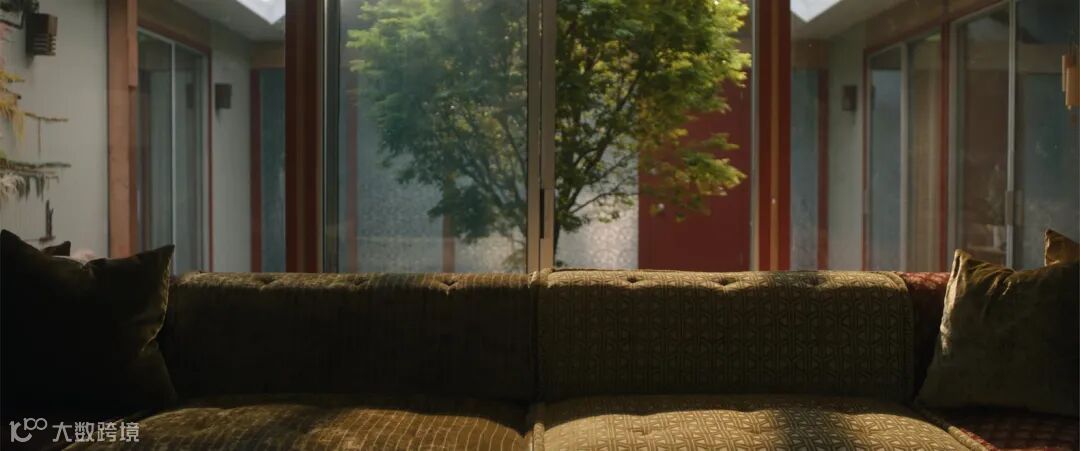
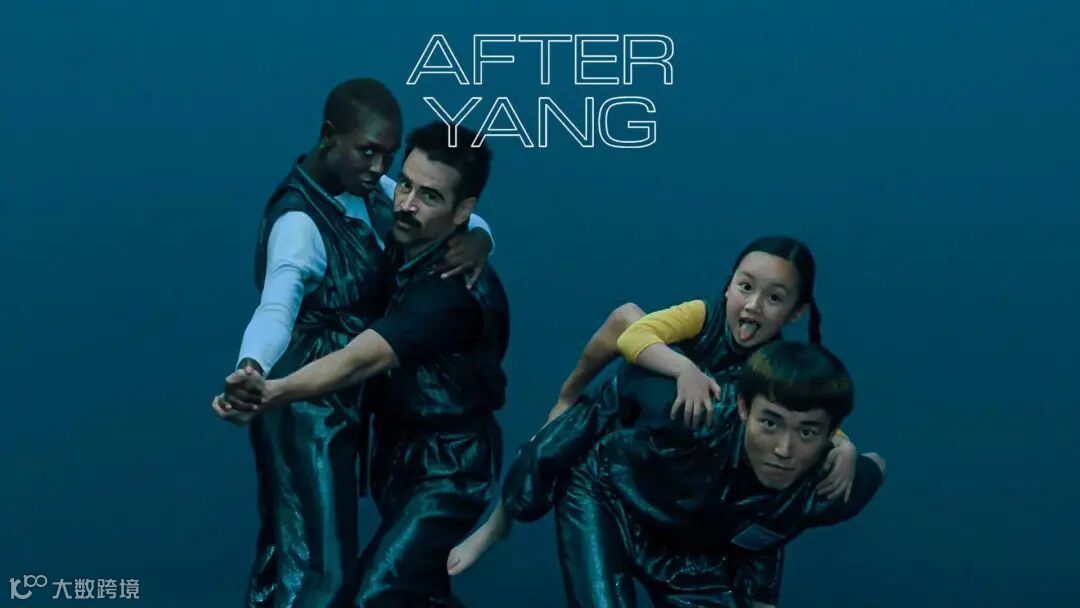
The sci-fi film "After Yang" and its original novel "Saying Goodbye to Yang" explore this profound question.
The Film: "After Yang"
Director Kogonada uses a unique minimalist aesthetic to craft a visually striking and poetic story about "farewell." Every frame is like a painting. It's quiet and serene, without intense conflict, yet it tenderly unfolds the complex emotions of human-AI relationships, family, and memory. If you enjoy slow-paced, visually striking, and philosophical films, this one is for you.
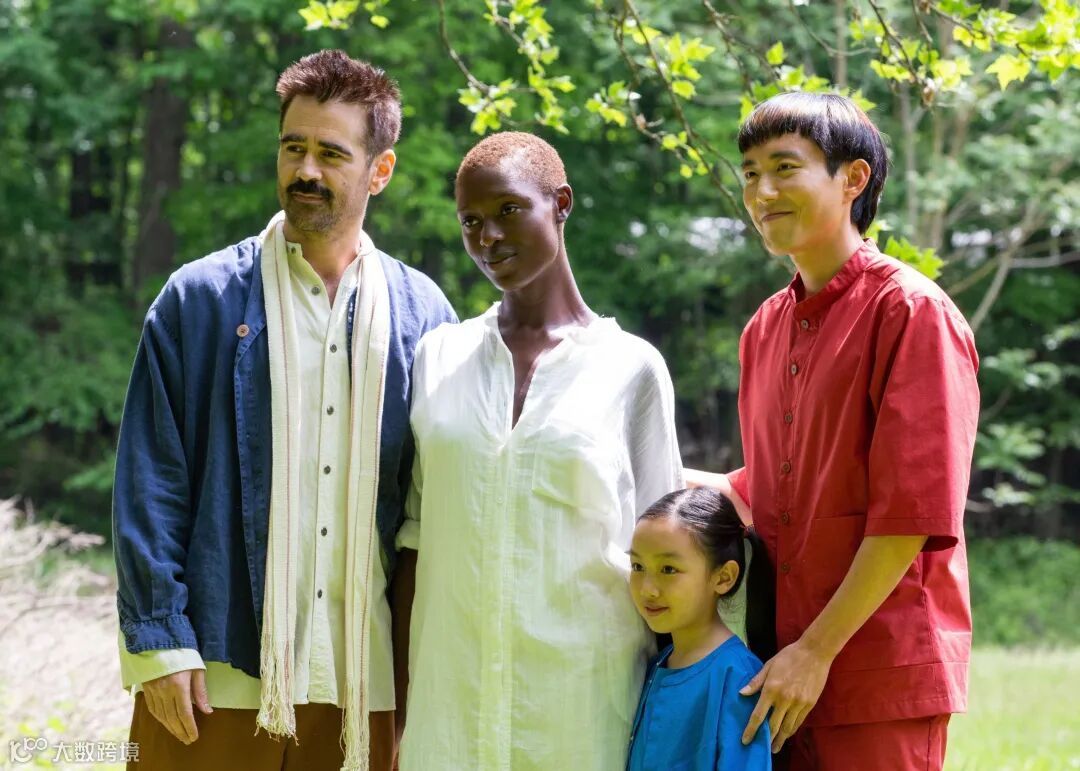
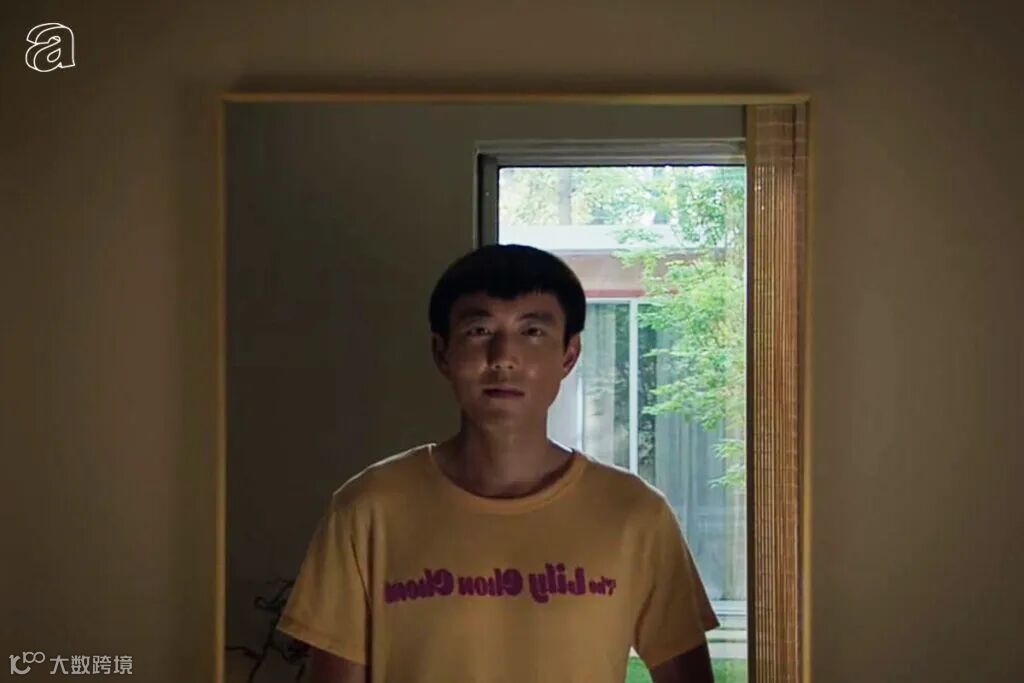
Set in the near future, the story follows Jake (played by Colin Farrell), who buys a Chinese culture AI robot named Yang to help his adopted daughter, Mika, connect with her heritage. When Yang suddenly malfunctions, Jake tries to repair him by entering his memories. In the process, Jake and his family unexpectedly discover Yang's "past life" and an unknown emotional connection, which makes them re-evaluate what it means to be a person, a family, and what life and memory truly are.
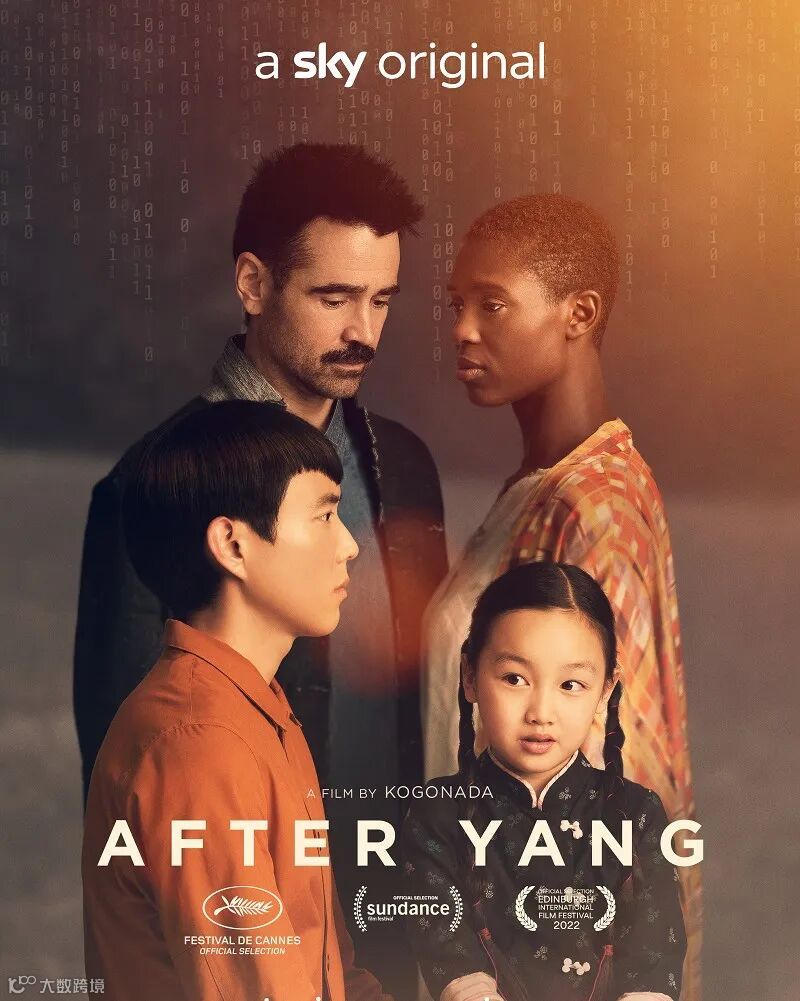
The Novel:
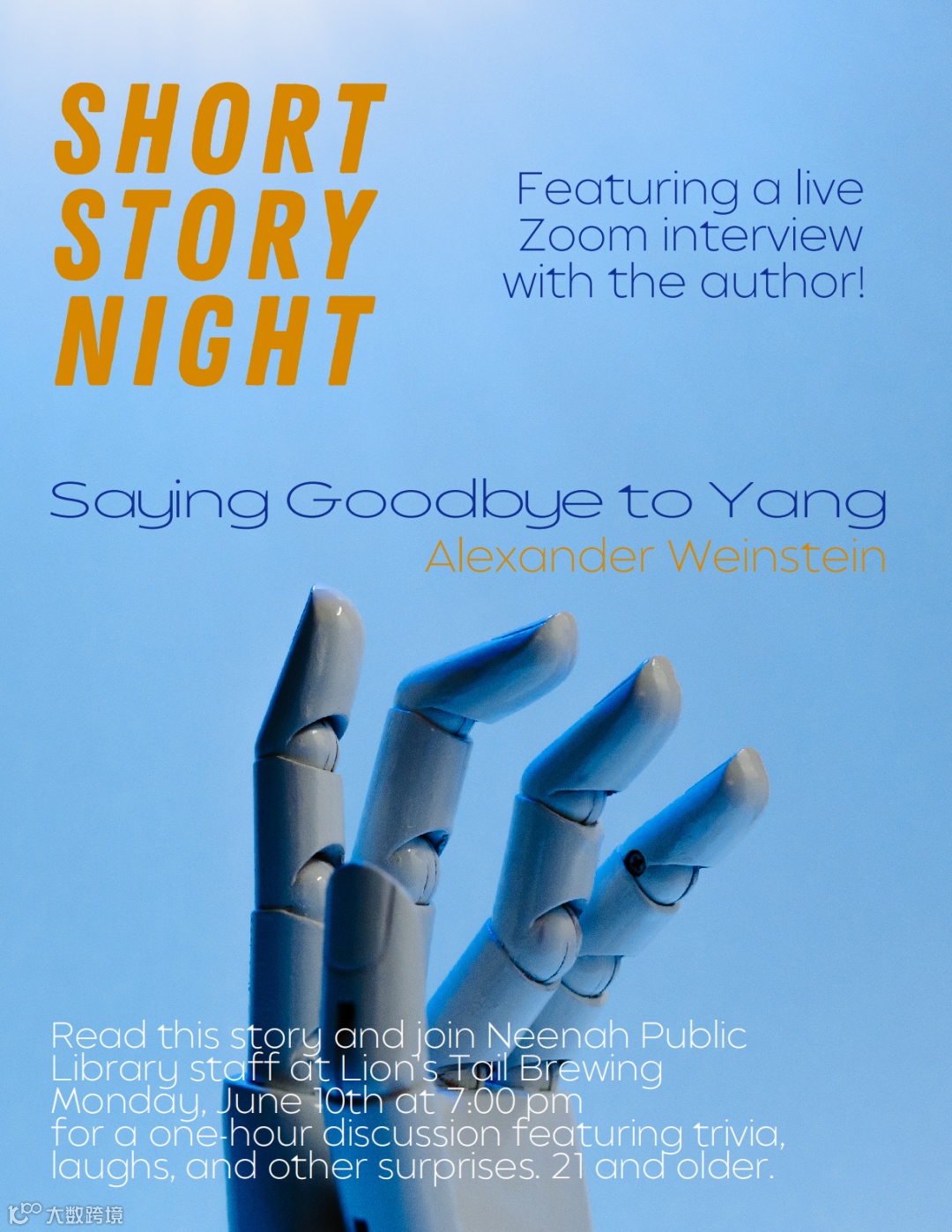
"Saying Goodbye to Yang"
The film is based on the sci-fi short story by Alexander Weinstein. The novel is shorter in length but richer in emotional depth. The story's background is similar to the film, depicting a family whose AI robot, Yang, suddenly breaks down. The novel's focus is on Jake's journey to repair Yang and, in doing so, discover what makes Yang unique as a "family member." The book directly poses a question: when an AI develops emotions and memories and becomes part of your life, how do you say goodbye to it? It explores the boundaries of "family" and "life" in the digital age.
My favorite scene
In this scene, the young daughter, Mika, comes home from school looking downcast. Yang, the family techno-sapiens who acts like her brother, sensitively notices her mood and gently asks her what’s wrong. I'm going to play an original soundtrack from the film.
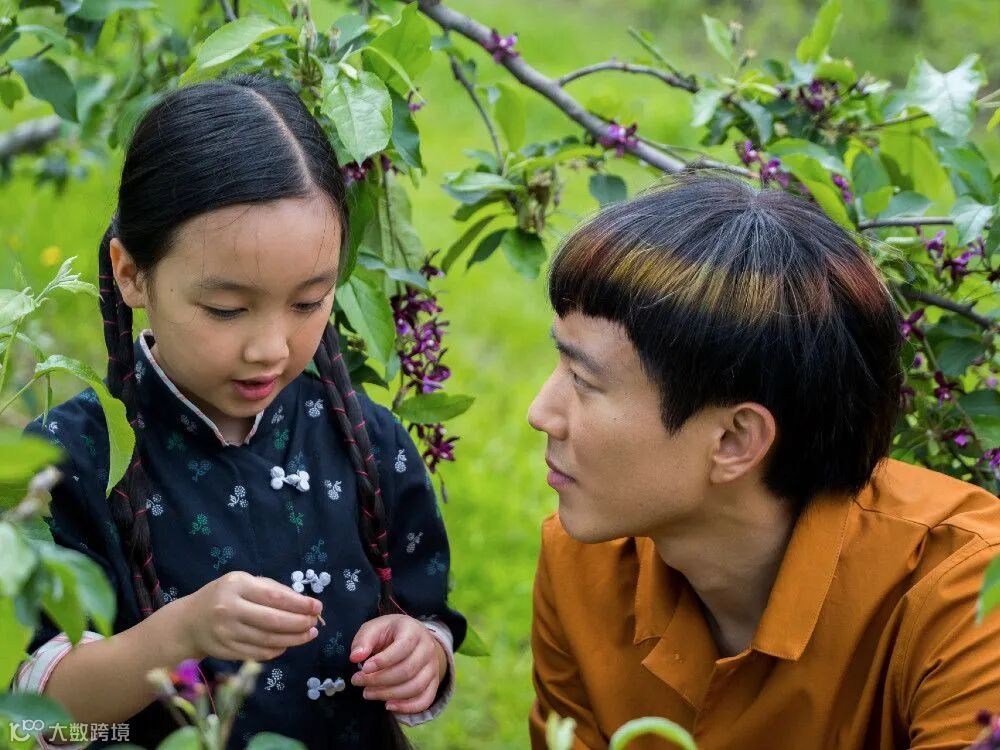
Yang:Mei, Mei, what's wrong?
Mika:Nothing.
Yang:Your face says something different.
Mika:Just some kids.
Yang:In your class?
Mika:No, kids at recess. They were asking about my real parents.
Yang:I see. And what did you say?
Mika:I told them about mom and dad. And they said, “No, your real parents.” They said mom and dad weren't really my parents. Not really.
Yang:Do you believe them?
Mika:I mean, they’re our parents, but…… We're not, you know, they're not …… Not really.
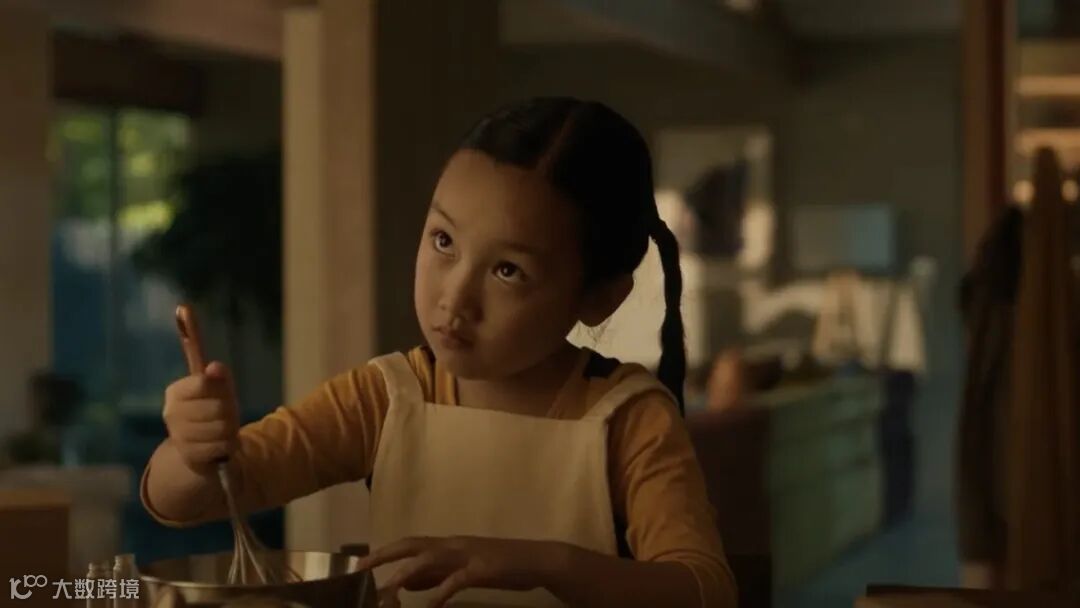
Yang:Mei mei. Here it is. Take a look at this.
Mika:Is the tree hurt?
Yang:No. Something wonderful is happening here.
Mika:What?
Yang:See, this branch is from a different tree.
Mika: It is?
Yang:Yes. But now it's becoming an actual part of this tree.
Mika:Not really, though. It's just pretend.
Yang:Why do you say that?
Mika:Because it's just taped to the tree.
Yang:Oh, right. It looks like that, doesn't it? Here, let's find one that's already attached.
Mei mei. See this branch? This branch is also from another tree. But look, you're connected to mom and dad, just like this branch. You're a part of the family tree, for real.
Mika:Then so are you. Why do they do it? Why do they move branches to different trees?
Yang:It's called grafting. They do it to make something new. Some of the apples you love were produced by combining different trees. It's an ancient technique that was used in China over 4,000 years ago.
Mika:A Chinese fun fact.
Yang:Yes. But you should know that both trees are important. Not just this one, but the one from this branch, too. Your other family tree is also a vital part of who you are. Do you understand?
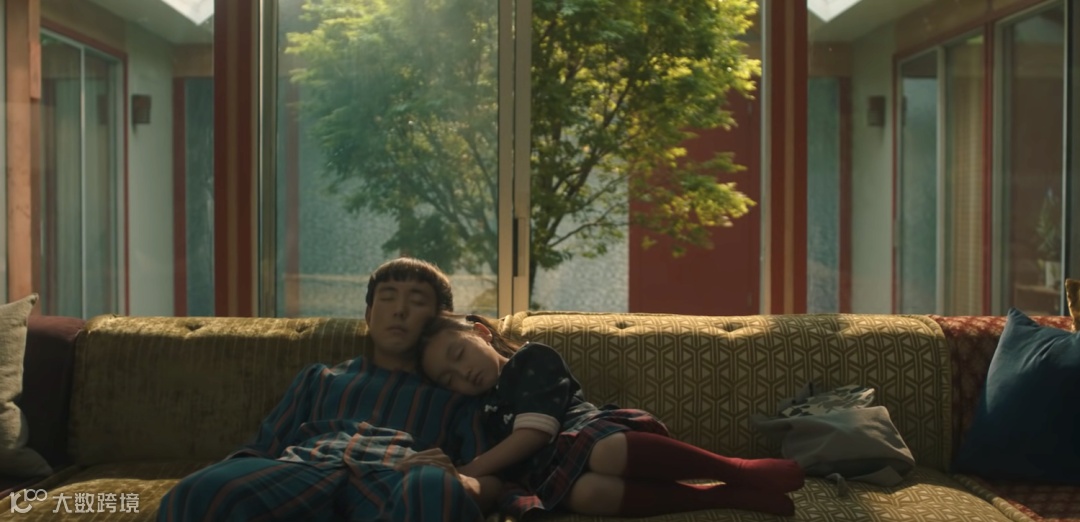
I love this segment because the metaphor of grafting avoids the direct emotional expression often emphasized in Western culture, such as the typical "love conquers all" sentiment. Instead, it uses the life force and growth laws of nature to explain human emotions. This Eastern "unity of nature and man" way of thinking places the individual's pain of being excluded within a grander, more inclusive natural order, leading to peace and healing. It is an affirmation of the connection of life that transcends blood ties, species, and form, possessing immense inclusivity.
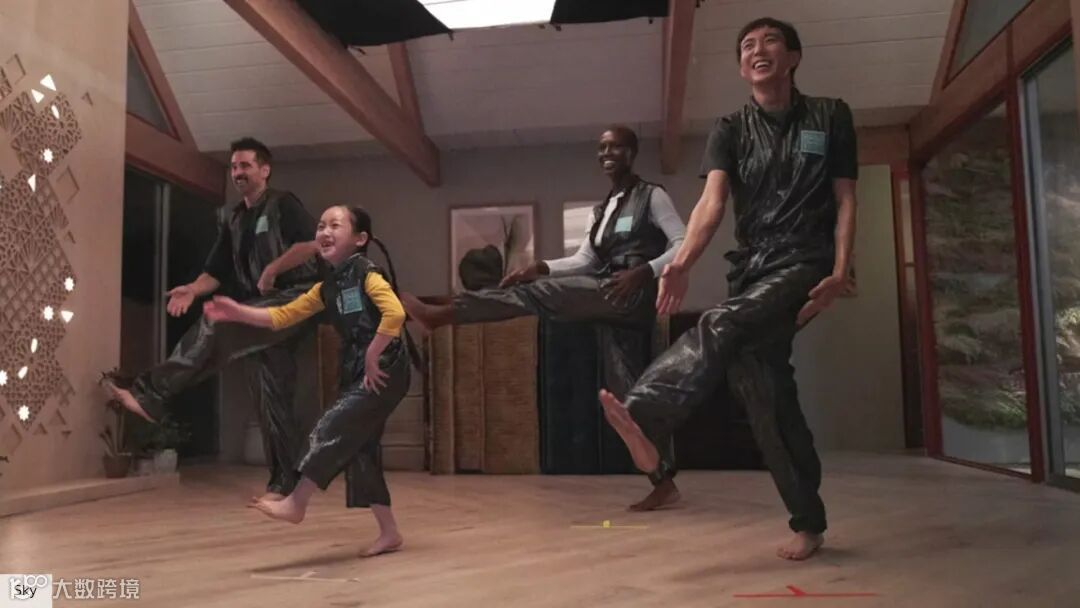
A deeper reflection follows: When Mika anwsers Yang, “ Then so are you”, it prompts us to reflect: Can robots truly be family members? Can they genuinely possess a sense of existence and belonging like humans? The film leaves these profound questions with every viewer, delivered in the most gentle way.
Movie vs. Book?
Prefer visual art and an immersive experience? → Choose the movie and feel the story's tension in its tranquil atmosphere.
Prefer deep reflection and nuanced emotions? → Choose the novel and explore the ethics and feelings through the text.
Have you seen this film
or read the novel?
Do you think we can truly form emotional bonds with AI?
Share your thoughts in the comments!
END
录音 & 排版 & 文案|宋芃逸
图片来源于网络