
Org. Process Res. Dev. 2022, 26, 2707. DOI: 10.1021/acs.oprd.2c00182
◆Sulfonate esters are encountered frequently as impurities that are potentially mutagenic in different manufacturing processes producing active pharmaceutical ingredients (APIs) due to the widespread use of sulfonyl halide/anhydride or sulfonic acid as reagents in the processes.
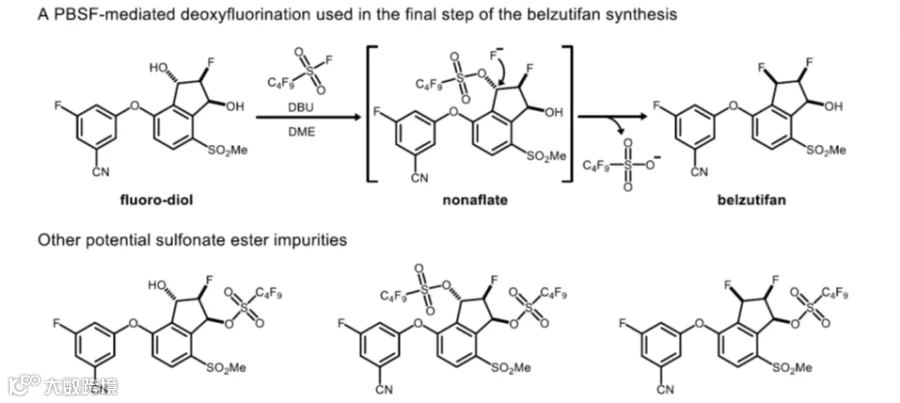
◆While a scientific risk assessment, based on the formation and predicted purge of sulfonate esters, can justify the absence of these impurities in the final API for some cases, for other cases, analytical testing data showing the levels of sulfonate ester impurities in the API is required to support the risk assessment.
◆The detection and quantitation of a subset of sulfonate esters that are reactive and unstable are challenging using the existing gas chromatography−mass spectrometry (GC−MS) or Liquid chromatography−MS (LC−MS) methods.
◆Merck reported a new approach to quantify reactive sulfonate esters at low levels in pharmaceutical compounds by taking advantage of the reactivity of the sulfonate ester. With this approach, an unstable sulfonate ester is intentionally hydrolyzed to the corresponding sulfonate anion and alcohol.
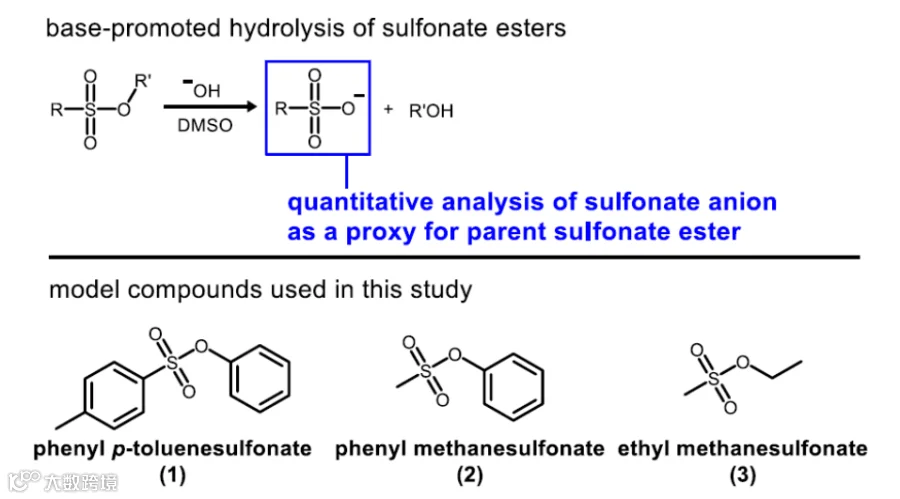
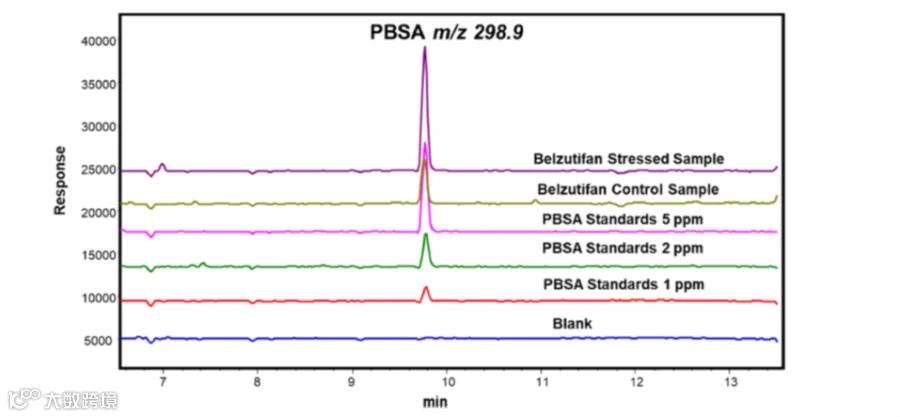
◆The resulting stable sulfonate anion can then be measured readily using an LC−MS method as a way to quantify the sulfonate ester indirectly.
◆The specificity, sensitivity, precision, and accuracy of the analytical method were validated with three stable sulfonate esters as the model compounds. The method was successfully applied to the belzutifan synthesis to analyze the amounts of several reactive nonaflate impurities formed in the final step of the synthesis.
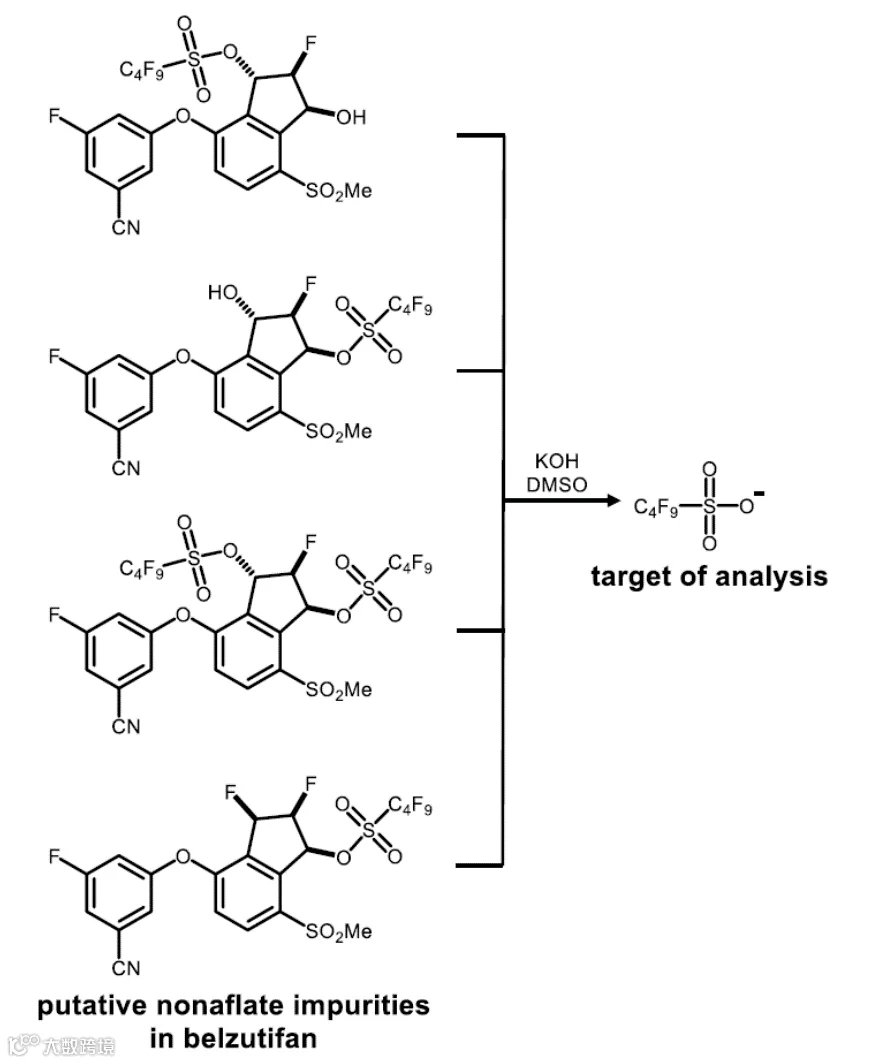
◆These data, in combination with a purge-based scientific risk assessment, supported a control strategy for these mutagenic impurities that centers around process control without the need to perform routine analytical testing.
招聘上海合成工艺研究员
设计、优化I类新药的工艺合成路线,各反应条件、参数,包括后处理,撰写报告、跟踪并解决GMP生产技术问题
待遇从优,有意向请直接联系我!18521511651(微信同号)