


Reading Tips:
The text has approx. 4288 words
and will take about 29-30 minutes via audio text.
Text size can be adjusted as needed.
The Department of Culture and Education of the German Consulate General in Shanghai is pleased to present ‘Slow Revolution’ on 25 October 2025. This screening programme features works by six artists or collectives from different regions, many of whom live transnationally or maintain a mobile or diasporic practice spanning the globe. ‘Slow Revolution’ offers a passionate and poetic exploration of the contemporary world’s gradual transformation. Through personal, social, and planetary stories or lived experiences, these pieces spark conversations that connect us to the diverse circumstances of one another’s lives. Participating artists include Han Mengyun, Lee Kai Chung, Su Yu Hsin & Angela Goh, Tao Hui, Alice Wang, and Wang Yuyan. ‘Slow Revolution’ is curated by Yan Fang.
In this era of crisis, the idea of radical revolution—be it artistic or social, utopic or destructive—always risks being degraded into hype around the so-called ‘new’, and the creative pursuits and intellectual courage that emerge from conflict and contradiction are often constrained by linguistic norms and societal pressures. How can we envision genuine change, and resist the trivialization of subversive everyday discoveries within a capitalist ruin that was predicted to be so spectacular? This screening programme traces slow, small, and uneven processes of social and emotional evolution in different contexts. It examines the nuanced narratives of our time, addressing technological challenges, ecological concerns, individual emotions within collective practice, family histories, cosmic evolutions, urban memories, decolonial fictions, and historical reenactments. How might we redefine the meaning of revolution while we navigate these changes as individuals living amidst the discontinuities and repetitions of history? How can we be tenderly ready for a future that we must face together and assemble with others in our practice of the everyday? If poetry could fuse with revolution and achieve its true potential, could we then reclaim agency in life and strive to recover meaning in our own existences? Through their interwoven narratives, every artist offers a distinct, layered perspective and composes a vision that reflects the intricate interplay between global and personal change.
The screening will take place on 25 October 2025, from 14:30 to 18:30 at the Department of Culture and Education of the German Consulate General in Shanghai. The screening will be followed by a discussion with the artists, encouraging reflection on our role in the ongoing evolution of our shared reality. This event is free and open to the public.
INFORMATION
Slow Revolution
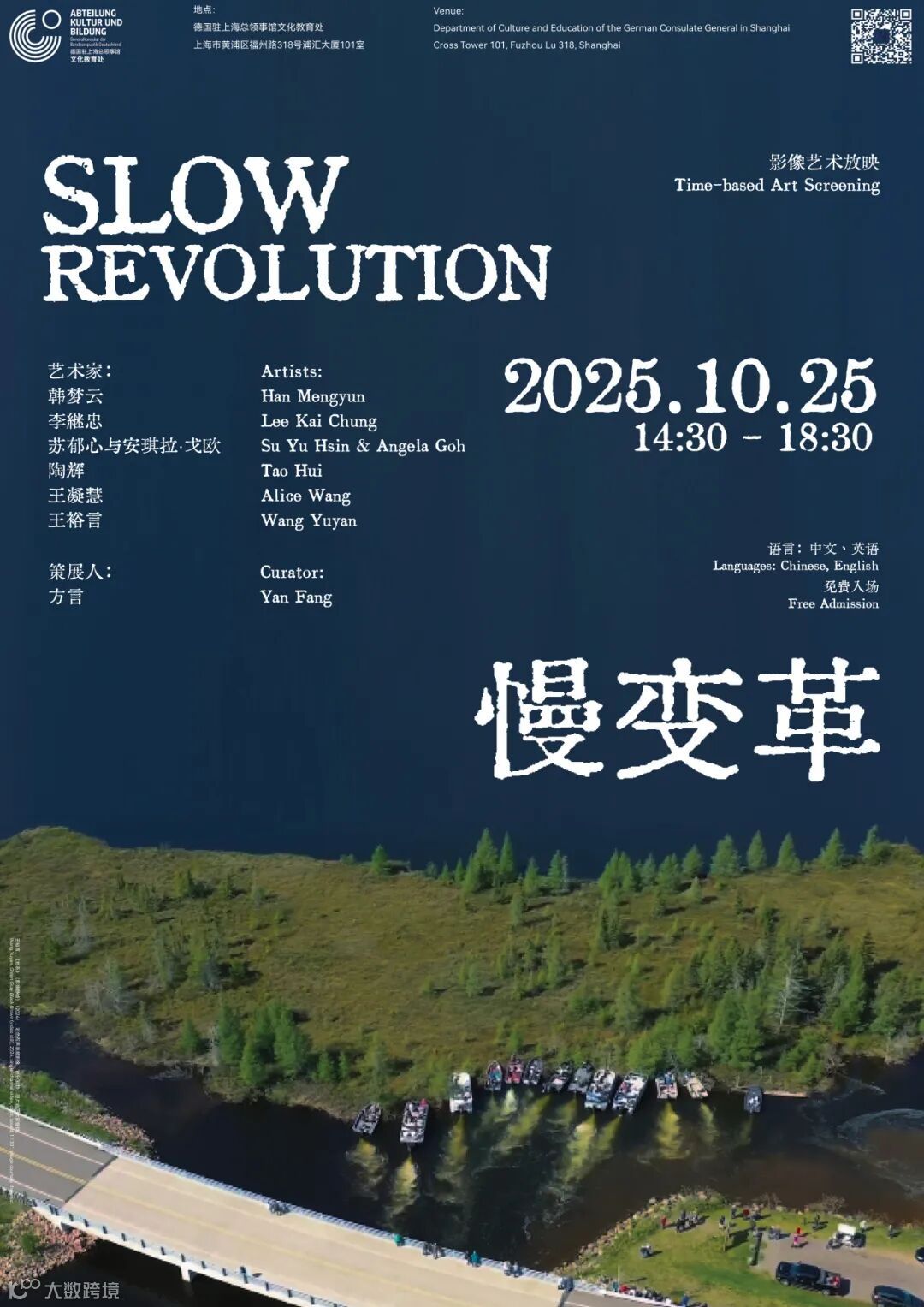
Date: October 25, 2025, 14:30-18:30
Venue: Department of Culture and Education of the German Consulate General in Shanghai
Address: 101 Cross Tower, 318 Fuzhou Road, 200001 Shanghai (Accessible Route Directions)
Curator: Yan Fang
Artists: Han Mengyun, Lee Kai Chung, Su Yu Hsin & Angela Goh, Tao Hui, Alice Wang, Yuyan Wang
Languages: Chinese, English (All films feature Chinese and English subtitles; discussions will be conducted in Chinese, some artists will participate online. Should you require English interpretation, please bring your own headphones and request the zoom link from staff.)
Admission: No pre-registration is needed. Seats are limited and will be assigned on a first-come, first-served basis.
AGENDA
14:30 – 14:45
Introduction by Yan Fang
14:45 – 16:10
Screening Session
Lee Kai Chung, As Below, So Above (2023), 28 mins 45 secs
Han Mengyun, Dhikr (2025), 34 mins 31 secs
Tao Hui, Pulsating Atom (2019), 14 mins 12 secs
16:10 – 16:30
Discussion and Q&A
16:30 – 16:45
Pause
16:45 – 17:30
Screening Session
Su Yu Hsin & Angela Goh, Tidal Variations (2021), 14 mins 40 secs
Alice Wang, Pyramids and Parabolas III (2024), 16 mins 51 secs
Wang Yuyan, Green Grey Black Brown (2024), 11 mins 30 secs
17:30 – 18:30
Discussion and Q&A
CURATOR
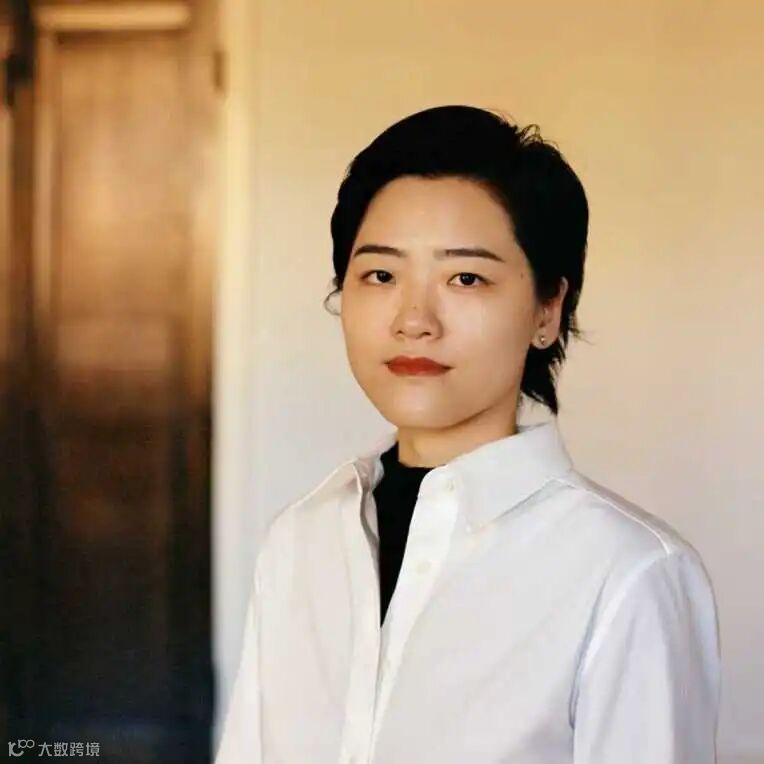
Yan Fang
Photograph: Liu Shuwei
Yan Fang is a curator, art historian, and writer. She holds a B.A. in Aesthetics (Arts and Culture) and an M.A. in History of Art (specializing in History of Art and Philosophy) from the Panthéon-Sorbonne University. Yan Fang previously worked at the Musée National d'Art Moderne/Centre Pompidou, where she contributed to research, acquisition, and curatorial aspects in the Research & Globalization and the New Media Departments. From 2020 to 2025, she served as a curator at the UCCA Center for Contemporary Art in China. Yan Fang is a fellow of the Asian Cultural Council. Her recent research focuses on the cross-regional translations and interactions of avant-garde art movements, including Fluxus, as well as the cultural connections between sound and performance-based art and the history of urban development in East Asia, exploring the transformative potential of art amidst global transitions and its influence on the dynamics of daily life.
Yan Fang has curated and co-curated various exhibitions and projects, including “Pipilotti Rist: Your Palm is My Universe” (2025); “Dream Time” (2024); “Optimized Heart: David Douard/Liu Shiyuan” (2023); “Common Ground: UCCA 15th Anniversary Patrons Collection Exhibition” (2022); “The Rearview Landscape, or a Trip of Ownership” (2021); “Liu Xiaodong: Your Friends” (2021; 2022); “Drifting Reality: The Archipelago of Food Discourses” (2020); and “Cookbook of the Pandemic Year” (2020). Her writings have been featured in publications such as Artforum, ArtReview Asia, and LEAP Magazine, among others.
PARTICIPATING ARTISTS
AND THEIR WORKS
Han Mengyun, Dhikr
2025, single-channel 4K digital video, colour, stereo sound, 34 mins 31 secs
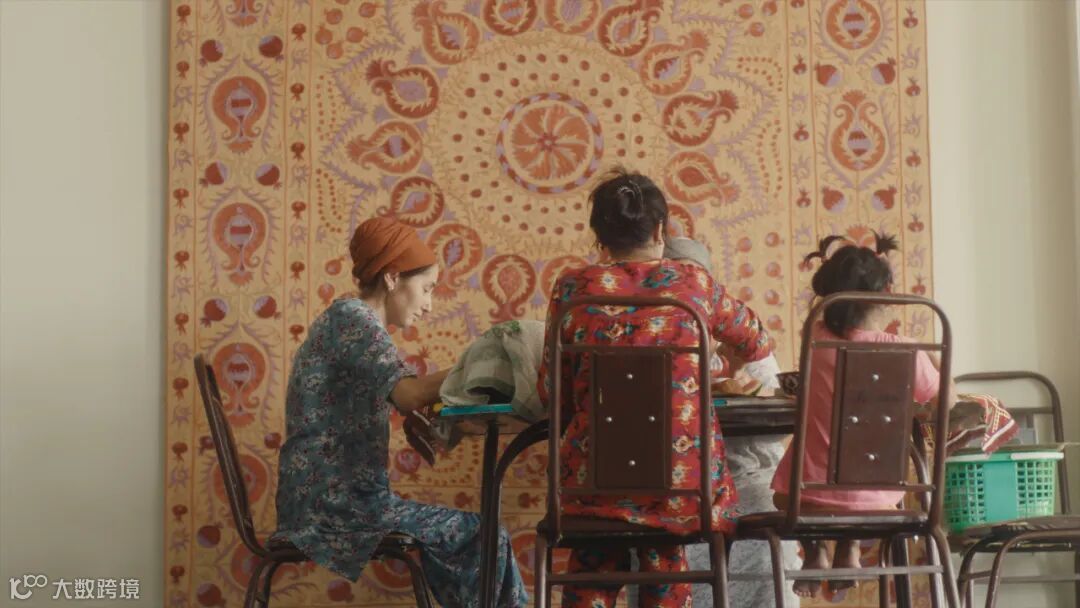
Han Mengyun, Dhikr (video still)
Image courtesy the artist.
//ABOUT THE WORK
Dhikr brings into focus the legacies of Soviet industrialization by situating female workers within Uzbekistan’s textile factories, underscoring the enduring material, cultural, and social consequences of Soviet-era modernization in Central Asia. Through the interwoven imagery of factory labor, childcare, and domestic life, the work reveals the multiplicity of women’s identities within an industrial ecosystem where labor, family, and survival are inseparably bound. At the same time, it interrogates the historical entanglement between American Taylorism and Soviet machine-worship, exposing how both systems transformed efficiency into a paradoxical ideal—functioning simultaneously as a mechanism of discipline and as a utopian horizon. Within this framework, the machine emerges not merely as a tool of production but as an object elevated to quasi-divine status, embodying the broader ideological obsessions with technology as at once emancipatory and controlling.
//ABOUT THE ARTIST
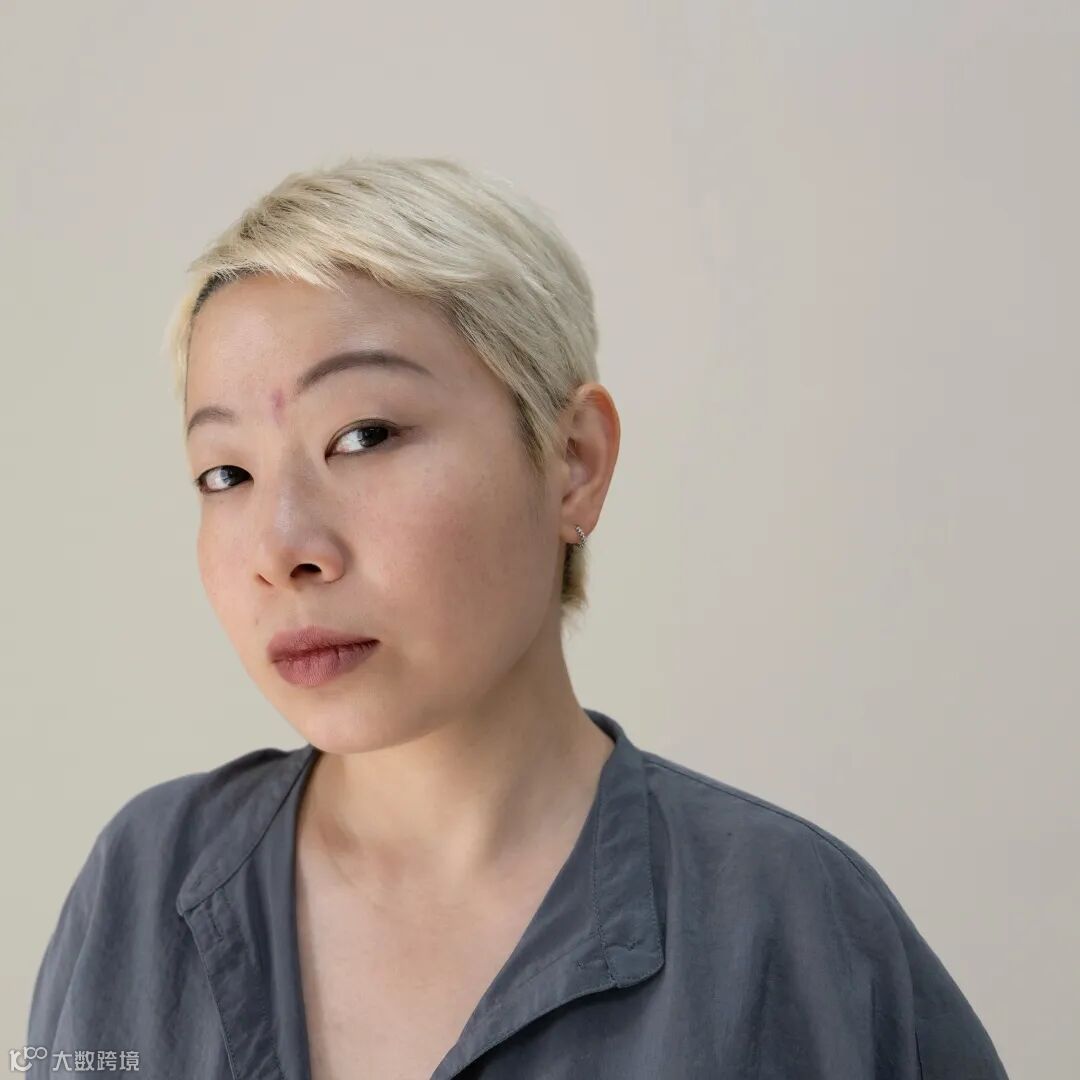
Han Mengyun
Photo: private
Han Mengyun (b. 1989 in Wuhan, raised in Shenzhen, China) is an interdisciplinary and multimedia artist, comparatist, filmmaker, poet and mother currently based in London. She received BA in Studio Art from Bard College and has pursued the study of Sanskrit at various institutions such as Kyoto University before she completed her MFA at the University of Oxford with a research focus on Classical Indology and Indian aesthetic theories. Han Mengyun's practice is metaphorically divided between Day and Night, exploring a wide range of themes from the decolonization of Eurasian transcultural hybridizations to personal experiences as a woman and mother.
Her work has been presented at Bukhara Biennial, Uzbekistan (2025); Centre for Heritage, Arts and Textile, Hong Kong (2025); AlUla Arts Festival, Saudi Arabia (2025); Busan Biennale, South Korea (2024); Delfina Foundation, London (2024); Zhi Art Museum, China (2024); ShanghART Shanghai (2023); SONGEUN, Seoul (2023); UCCA Edge, Shanghai (2023); Yuz Museum, Shanghai (2023); Power Station of Art, Shanghai (2021); Diriyah Biennale, Saudi Arabia (2021); ESEA Contemporary, Manchester (2021); Today Art Museum, Beijing (2013) etc.
Lee Kai Chung, As Below, So Above
2023, single-channel video, colour, sound, 32 mins 27 secs
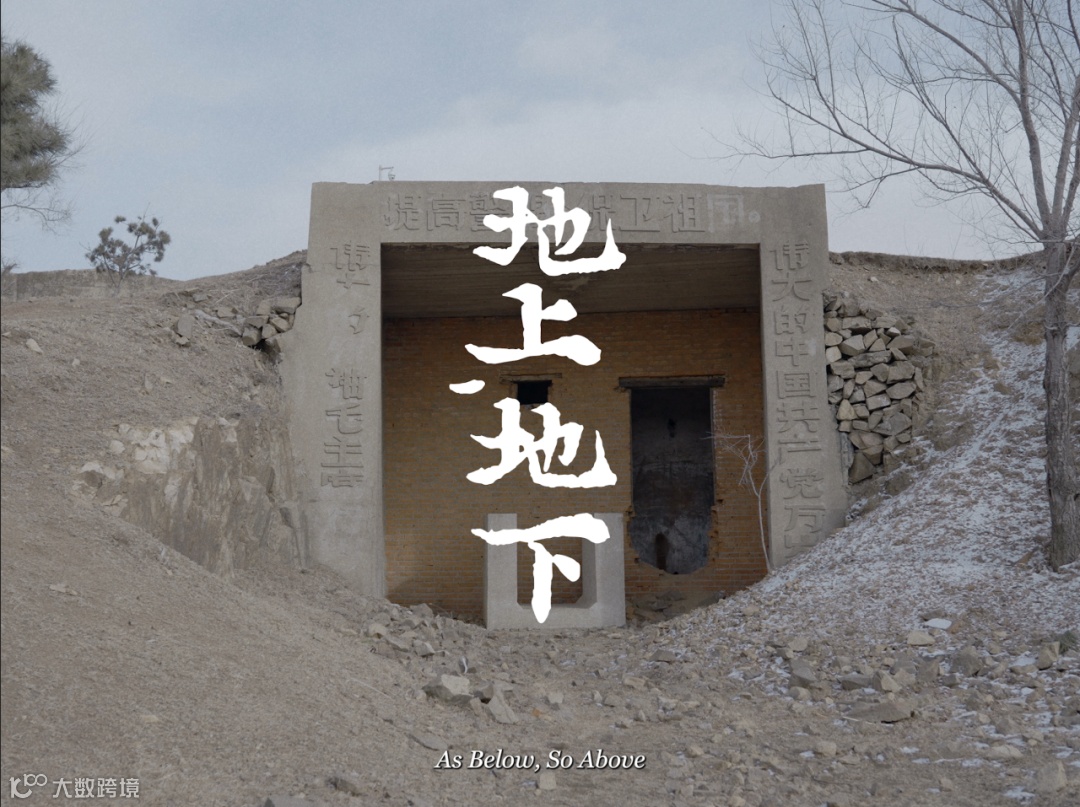
Lee Kai Chung, As Below, So Above (video still)
Image courtesy the artist.
//ABOUT THE WORK
By the end of WWII, a surviving logistics soldier and a Buddhist Jōdo Shinshū Hongwanji sect military missionary remained in the Hailar underground fortress—a frontline stronghold near the Manchuria-Soviet Union border. Spanning 21 square kilometres beneath mountains and the city, the fortress had gone unnoticed even by those living aboveground. To pass time in that underworld, the soldier and the monk engaged in casual conversations, ranging from Buddhist scriptures banned by their motherland to speculations on whether the Soviet Red Army had already left.
The underground fortress was a labyrinth; those dwelling in the dark learned to endure the spectres; otherwise, the suffocating air would consume their souls. Deafening silence filled the tunnels, broken only by the wind whistling through the fortress exits. Peering through a hole blasted open by the Soviets in the tunnel ceiling, the soldier saw no trace of human life.
Prolonged confinement eroded their immunity to that invisible, pervasive fear—an airborne dread. When freedom finally loomed, its sudden arrival brought not relief but disorientation, a mental malaise more virulent and contagious than any virus. It seeped into their minds and flesh, an insidious infiltration. As the hermetic axiom goes: As Above, So Below. The darkness underground could not foster even fleeting tranquillity, just as the sickness of ignorance above blinded the eyes of the world.
Crouched at the tunnel entrance, the military missionary once again chanted the forbidden verses under his breath.
//ABOUT THE ARTIST
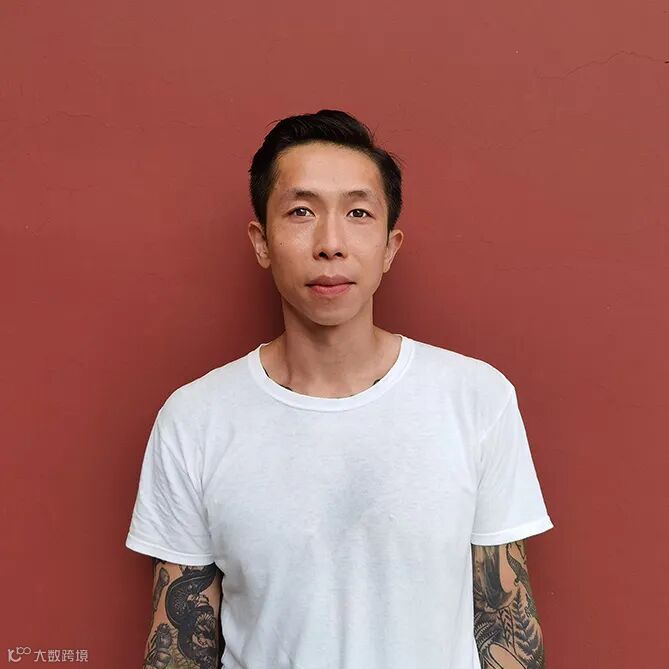
Lee Kai Chung
Photo: private
Lee Kai Chung performs artistic research on the entanglement of geopolitics, coloniality and its affective fallout.
In his early years, Lee was inspired by the lack of proper governance over public records, then he develops his archival research methodology as his key artistic practice. Through research, social participation and engagement, Lee’s work resonates with historical narratives, which demonstrates that individual gesture as a transition between politics and art.
In 2017, Lee initiated a hexalogy of consecutive practice-led research projects under the theme of ‘Displacement’—based on the understanding of human migration and material flow in the shadow of the colonial matrix of power, the projects scrutinise the agency of Displacement, expand the perception of the notion to affective, anachronic, transgenerational and geopolitical aspects of human conditions entangled in Eurasian problematics. ‘The Mountains and the Phantoms’ research-based series decipher the political and (post)colonial dimension of the natural environment in East Asia, drawing attention to its presence, self-healing and disaster that could resolve or exacerbate the devastating effects of geopolitical power struggles. The series includes the following projects- Can’t Live Without (2017), For Whom the Bell Tolls (2017), The Cold Mountain (2022-) and The Longing Park (TBC).
Lee’s ongoing research project Archive of the People addresses the political standing of documents and archives in the social setting. In 2016, Lee established the collective ‘Archive of the People’, which serves as an extension of his personal research to collaborative projects, education and publications.
In collaboration with curator Shen Jun, Lee founded stepbackforward.art and The Phantom Archives in 2020 and 2022 respectively: the former is an online platform collecting artist archives, fragmented thoughts and artist methodology; the latter extends Lee’s Displacement series to a public domain, constituting an online archives that embraces public participation.
Lee was awarded the Consortium for the Humanities and the Arts Southeast England (CHASE) doctoral studentships from the Arts and Humanities Research Council (AHRC), and the 18th Busan International Video Art Festival <Selection 2024> prize in 2024; Honourable Mention in Sharjah Biennial 15 and Taoyuan International Art Award respectively in 2023; The Robert Gardner Fellowship in Photography from Peabody Museum of Archaeology and Ethnology of Harvard University in 2022, he received Altius Fellowship from Asian Cultural Council in 2020; the annual Award for Young Artist (Visual Arts) from Hong Kong Arts Development Council in 2018, and WMA Commission (Transition) in 2017.
Su Yu Hsin and Angela Goh, Tidal Variations
2021, single-channel video, HD colour, sound, 14 mins 40 secs
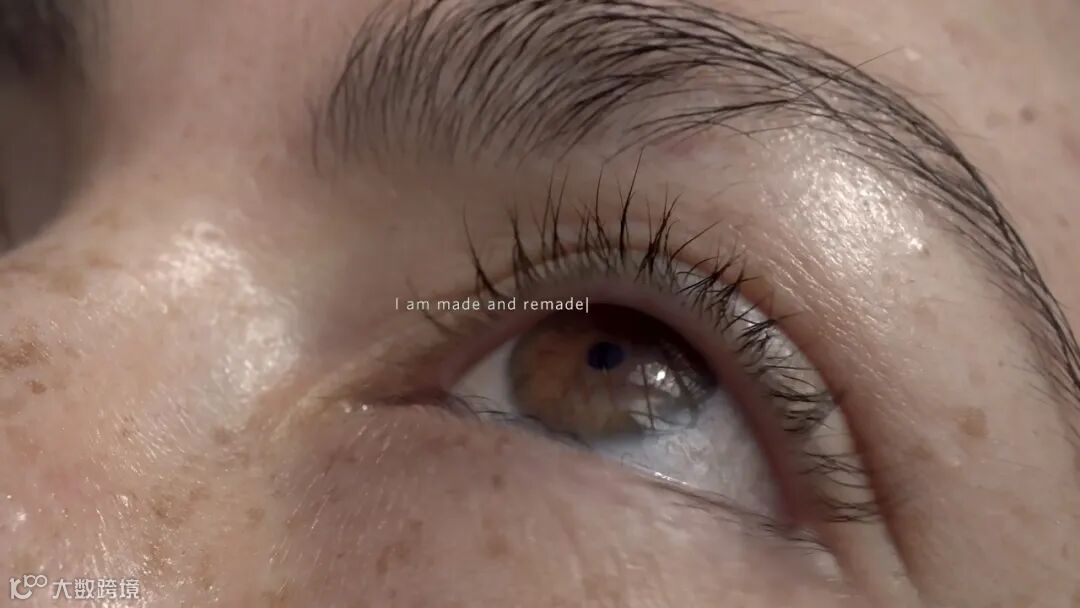
Su Yu Hsin and Angela Goh, Tidal Variations (video still)
Image courtesy the artists.
//ABOUT THE WORK
Tidal Variations is a video installation initiated by artist and filmmaker SU Yu Hsin and her collaboration with dancer and choreographer Angela GOH. The artists dig into the history of the site, re-imagining it—as a speculative data center drifting on water where undersea cables converge, and a screen-like surface that reflects water and light. During the pandemic, the windows became a symbol of enclosure and isolation. People looked out the window to the street, and also encountered one another as digital framed images. The artists examine Glass Walls and the engineering structure of the Sydney Opera House to map the Internet infrastructure and optical fiber network: the data light crosses the bottom of the sea and reaches the path of people's glass screens. They attempt to think from the perspective of material imagination as a way to approach isolation and intimacy during the epidemic. Undersea cables construct watery conduits from node to node, frame to frame, window to window. It's a global system that never sleeps, and information behind the black screen continues flowing. Tidal Variations renders and reveals the image, the body, data, and thinking as water and light, reframing the world through a wet mechanics of seeing.
//ABOUT THE ARTISTS
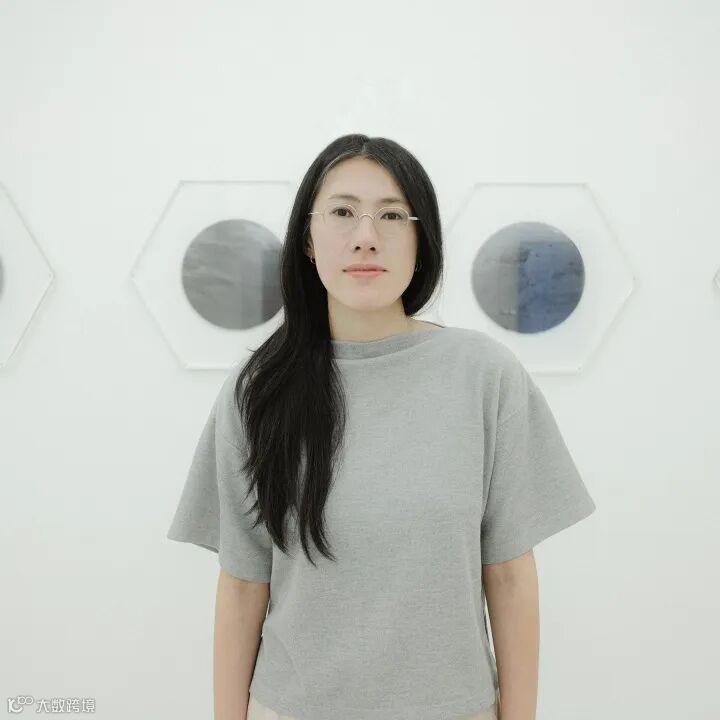
Su Yu Hsin
Photograph: Nicolas Amaro
Su Yu Hsin is an artist and filmmaker based in Berlin. She approaches ecology from the point of view of its close relationship with technology. Her artistic practice is strongly research-oriented and involves fieldwork where she investigates the political ecologies of water. Her work reflects on technology and the critical infrastructure in which the human and non-human converge. Her video installations are exhibited worldwide in museums and International Art Biennials: Bundeskunsthalle Bonn, the Centre Pompidou-Metz, the Museum of Contemporary Art Busan, Taipei Biennial 2020 and 2023, ZKM Karlsruhe, UCCA Center for Contemporary Art, among others.
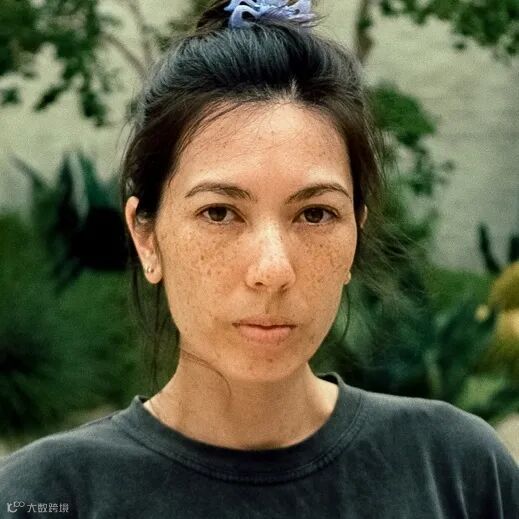
Angela Goh
Photograph: Jason Sukadana
Angela Goh, lives and works in Sydney, is a dancer and choreographer. Her work poses possibilities for disruption and transformation inside the aesthetics and conditions of technocapitalism, planetarity, and the post-anthropocene. Her work has toured across Australia and internationally to Europe, the UK, the USA and Asia.
Tao Hui, Pulsating Atom
2019, single-channel HD video, colour, sound, 14 mins 12 secs
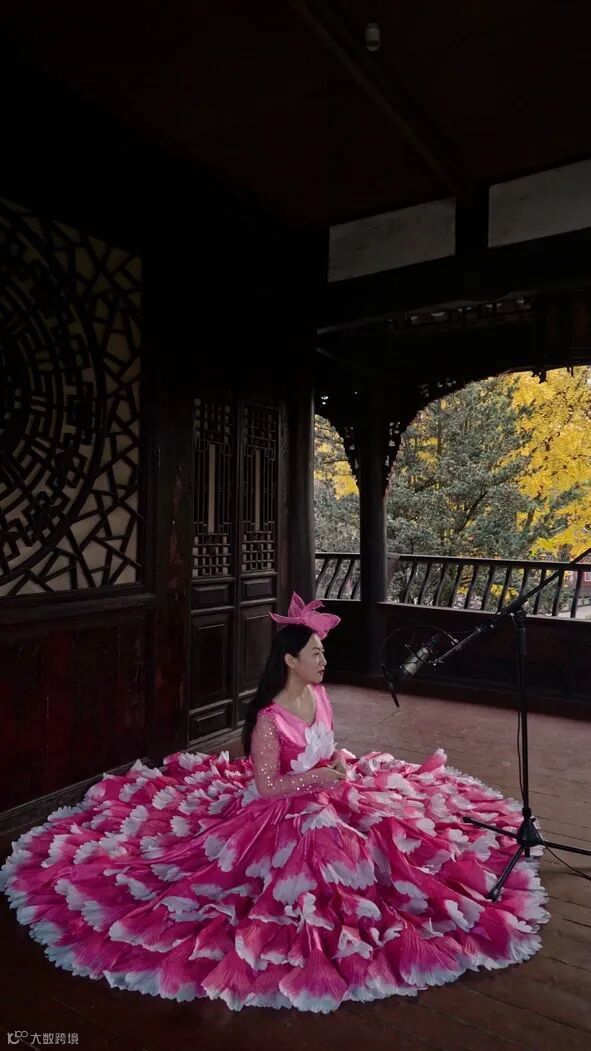
Tao Hui, Pulsating Atom (video still)
Image courtesy the artist.
//ABOUT THE WORK
‘Pulsating Atom’ (2019) is an installation composed of a tall screen that presents a commonplace, middle-aged gala singer conveying fractions of everyday life to the rhythm of short movie clips. The work relates to the frenzy of social networking, more specifically the Chinese phenomenon ‘TikTok’, an app that shares short video clips that people can view, produce, reproduce and share. The gala singer and the clips share no actual connection, much in the way the people who relate to each other via these shorts, building on each other’s contributions. As such, and as highlighted by the work’s title, it addresses the atomisation of society as well as the dissonance between greater exchange and increased solitude.
//ABOUT THE ARTIST
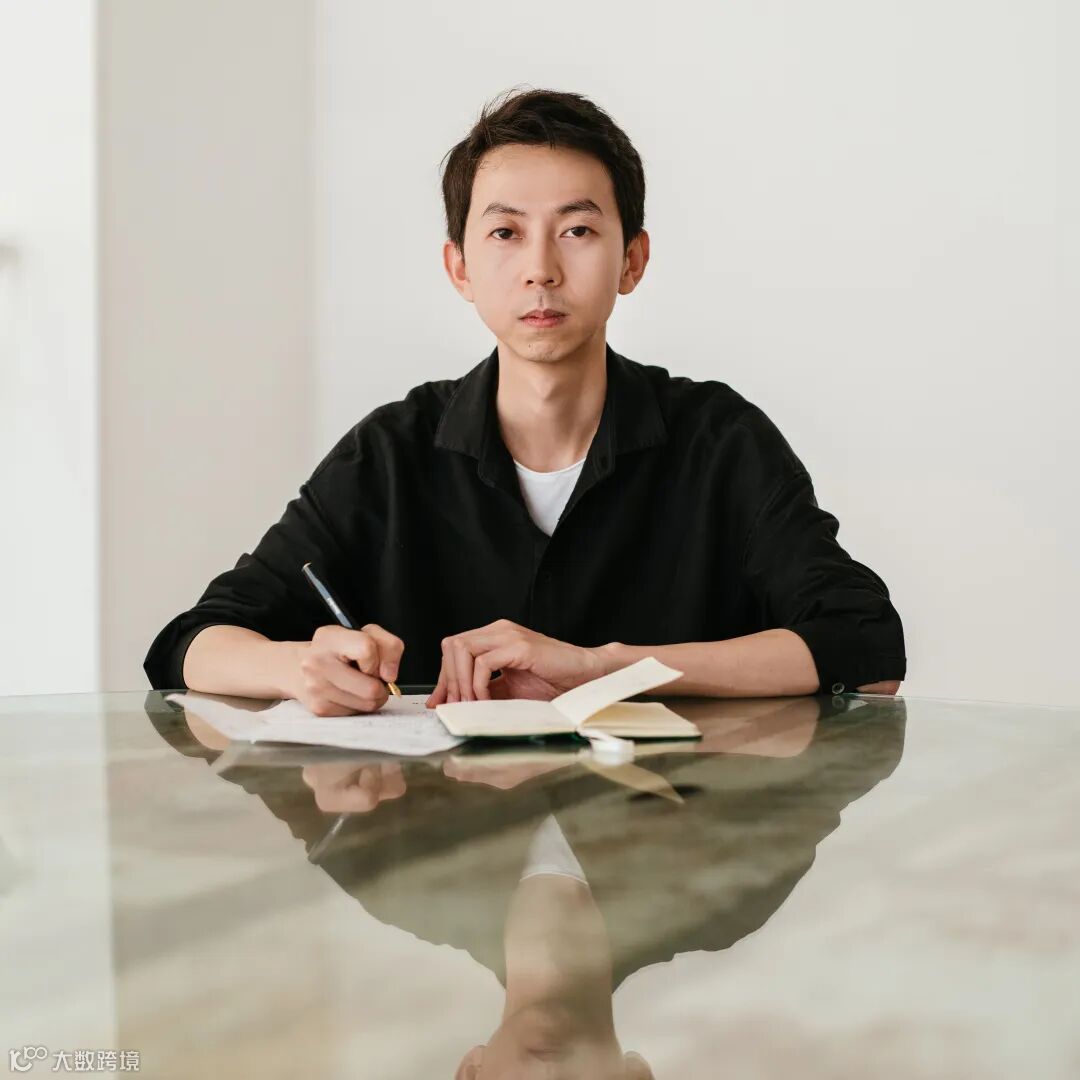
Tao Hui
Photo: private
Tao Hui was born in Yunyang, Chongqing, China. He graduated from Sichuan Fine Arts Institute with a BFA in Oil Painting in 2010 and currently lives and works in Beijing, China. Tao traversed into the art of video and installation, drawing from personal memories, visual experiences and popular culture to weave an experimental visual narration, the focus of which is often our collective experience. Running throughout his work is a sense of misplacement vis-à-vis social identity, gender status, ethnicity and cultural crisis, prompting the audience to face their own cultural histories and living conditions. He won the special award of Contemporary Art Archive from Sichuan Fine Arts Institute in 2008 and ‘Art Sanya & Huayu Youth Award’ in Sanya in 2015. He also won the grand prize of 19th “Contemporary Art Festival Sesc Videobrasil”, and was shortlisted for “HUGO BOSS ASIA ART Award for Emerging Asian Artists” and International Competition sector of the KINO DER KUNST festival in 2017. In 2019, he is shortlisted for the inaugural Sigg Prize. In 2021, he is nominated for the 7th edition of Jimei x Arles International Photo Festival ‘Discovery Award’. Tao Hui has exhibited solo exhibitions at Tai Kwun Contemporary, Hong Kong, China, Aranya Art Center, Hebei, China, OCAT Xi’an, China and UCCA, Beijing, China. His works have also been exhibited and screened worldwide, include: Centre Pompidou, Paris, France; Fondation Louis Vuitton, Paris, France; MACRO ASILO, Rome, Italy; Pino Pascali Museum Foundation, Polignano a Mare (BA), Italy; Museum of Contemporary Art Leipzig, Leipzig, Germany; Belem Cultural Center, Lisbon, Portugal; The Centre d’Art Contemporain Genève, Geneva, Switzerland; Contemporary Art Festival Sesc Videobrasil: Southern Panoramas, São Paulo, Brazil; Hong-gah Museum, Taipei; Kyoto Art Center, Japan; Asia Culture Center(ACC), Korea; National Museum of Modern and Contemporary Art, Seoul, South Korea; the 4th Vancouver Biennale, Vancouver, Canada; NGV Triennial 2023, Melbourne, Australia; Red Brick Art Museum, Beijing, China; Beijing Minsheng Art Museum, Beijing, China; West Bund Museum, Shanghai, China; Rockbund Art Museum, Shanghai, China; 11th&14th Shanghai Biennale, Shanghai, China; Times Museum, Guangdong, China; Para Site, Hong Kong, China.
Alice Wang, Pyramids and Parabolas III
2024, 16mm film transfer to HD video, 16 mins 51 secs
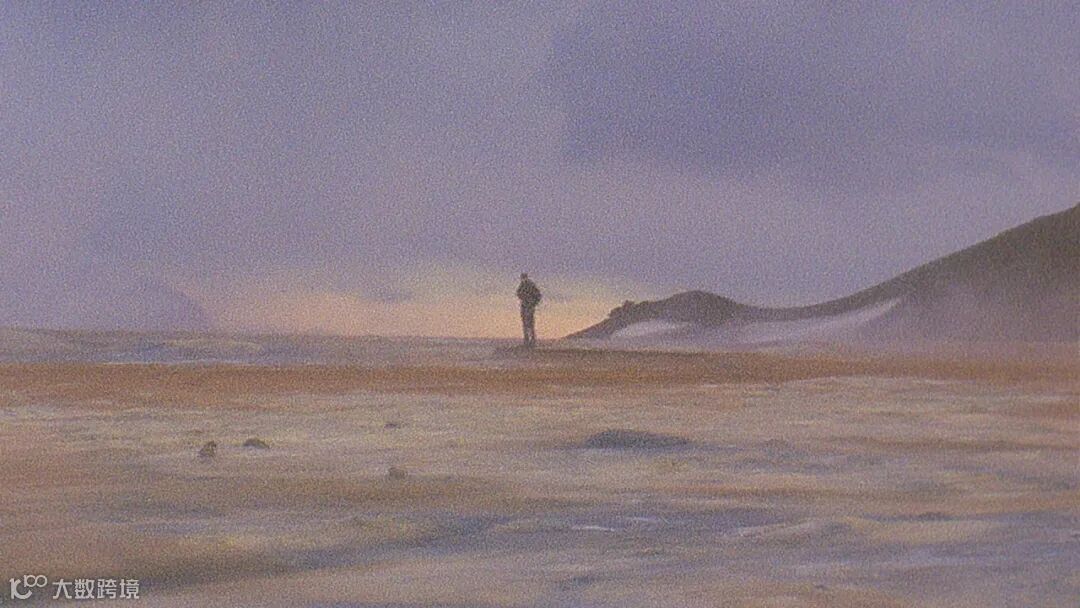
Alice Wang, Pyramids and Parabolas III (video still)
Image courtesy the artist.
//ABOUT THE WORK
A structuralist meditation on alienation and exploration, Pyramids and Parabolas III draws from six years of solo expeditions to landscapes that mirror extraterrestrial terrains. Filmed across Utah, New Mexico, Arizona, Iceland, and the Arctic, the work layers poetic narration with vivid imagery of deserts, ice fields, and volcanic formations. Wang uses the camera to investigate both the physical and psychological solitude of navigating these spaces, connecting the elemental patterns of the Earth to the vast, unknowable geometry of the universe. The work also ties these reflections to Wang’s personal history, recounting her grandfather’s life as a Chinese spy and linking themes of secrecy and survival to the metaphorical isolation of astronauts and explorers.
//ABOUT THE ARTIST
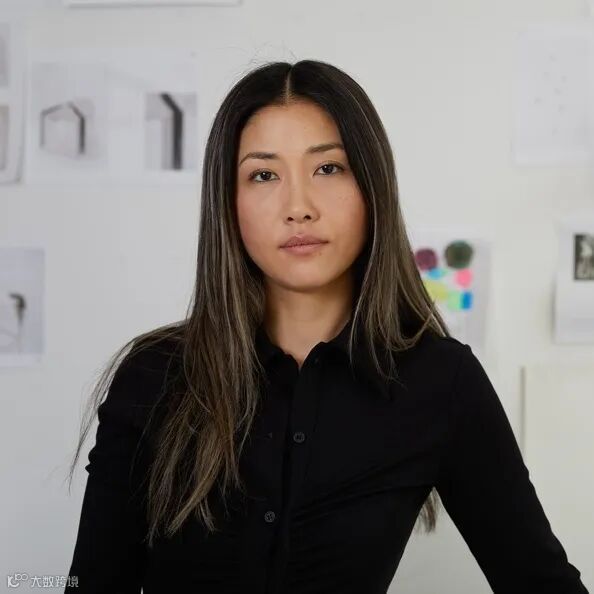
Alice Wang
Photograph: Li Hanyu
Alice Wang is a Chinese-born American artist based in New York. She received a B.Sc. in Computer Science and International Relations from the University of Toronto, a BFA from the California Institute of the Arts, and an MFA from New York University. Wang was an arts fellow at the Université Paris 1 Panthéon-Sorbonne and a Villa Aurora fellow in Berlin. In 2021, she was shortlisted for the BMW Art Journey prize at Art Basel Hong Kong. Wang has been a grant recipient from the Canada Council for the Arts and the Foundation for Contemporary Arts. Wang has presented solo exhibitions at the UCCA Dune Art Museum, China (2023); Vincent Price Art Museum, Los Angeles (2024); Capsule Shanghai (2017, 2021); Human Resources, Los Angeles (2016); and 18th Street Arts Center in Santa Monica (2015), among others. Wang has also presented work at the Hammer Museum, Galleria Continua, Para Site, Galerie Urs Meile, Fotografiska, and the 14th Shanghai Biennale (2023). Her work has been featured in Artforum, Art in America, Hyperallergic, Mousse Magazine, ArtReview Asia, ArtAsiaPacific, and the Los Angeles Times. Wang was an artist-in-residence at the International Studio & Curatorial Program (ISCP) last winter and spring; in February, she presented a selection of her films at the e-flux Screening Room, curated by Lukas Brasiskis. Upcoming group exhibitions include New Humans: Memories of the Future, curated by Massimiliano Gioni at the New Museum; Against Outer Space, curated by Zachary Korol Gold and Valerie Olson at The Beall Center for Art + Technology. Wang’s first institutional solo exhibition in New York will open in February 2026 at ISCP, curated by Melinda Lang with an accompanying exhibition catalog featuring an essay by Bettina Funcke.
Wang Yuyan, Green Grey Black Brown
2024, single-channel video, colour, sound, 11 mins 30 secs
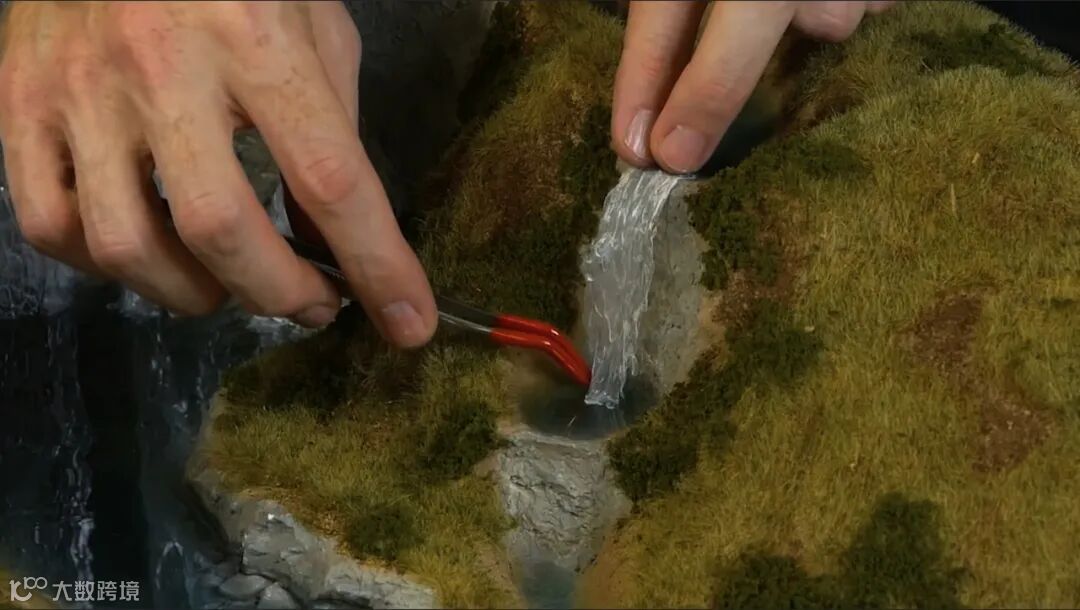
Wang Yuyan, Green Grey Black Brown (video still)
Image courtesy the artist.
//ABOUT THE WORK
Departing from plastic plant manufacturing industry, Green Grey Black Brown delves into the realm of synthetic nature—a landscape meticulously engineered by global startups. Everything is bound together by a dark slime—an oily, recurrent presence where Jurassic-era flora exists in close proximity to backdrop decorations destined for shopping malls. Petroleum, in both refined and unrefined forms, opens up a portal to the gory logics of petro-capitalism and global extraction practices, revealing the flawed rationale behind techno-solutionist visions of the future.
//ABOUT THE ARTIST
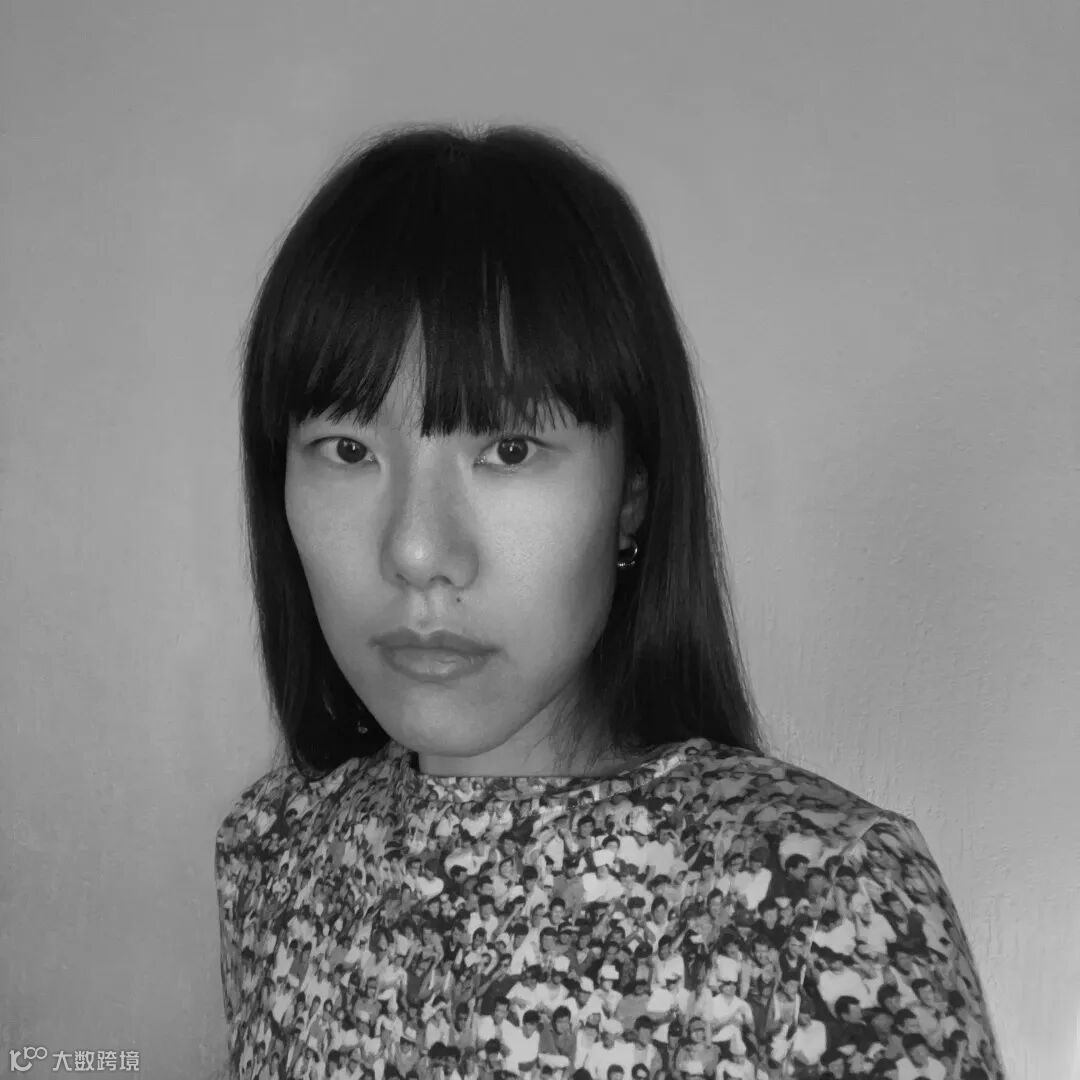
Yuyan Wang
Photo: private
Yuyan Wang, born in 1989 in China and currently based in Paris, is a filmmaker and video artist. Her works involve recycled materials from the industrial sphere of image production, tracing their mutation and proliferation within the digital frameworks and representations. Through the editing process, Wang deconstructs and recontextualizes the intricate hierarchies and inherent meanings in materials —whether found, processed, and produced—striping symbols of their conventional paths of perception and turning them into immersive sensory experiences.
Her work has been showcased at Tate Modern, Palais de Tokyo, UCCA Beijing, the 12th Berlin Biennale and various festivals, such as the Berlinale International Film Festival, the International Film Festival Rotterdam, MoMa Doc Fortnight, CPH:DOX, the European Media Art Festival, receiving numerous awards.