


Introduction: The Life-or-Death Test of Haircare Exporting
While the domestic haircare market is trapped in a "9.9 yuan free shipping" price war, a group of Chinese enterprises have carved out growth opportunities in overseas markets:
-
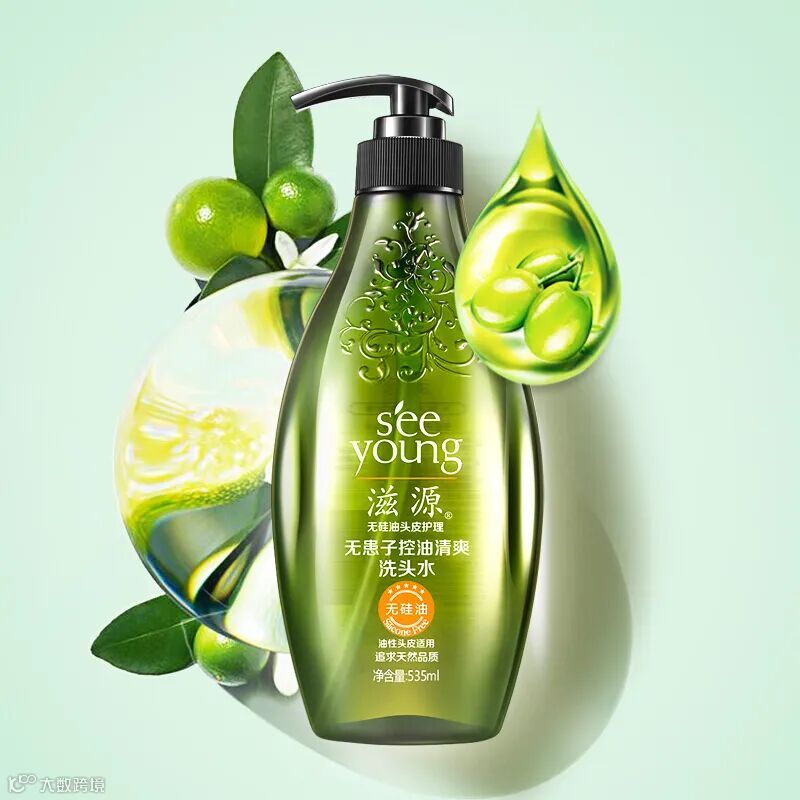
Ziyuan achieved a 50% sales surge in Southeast Asia with a "Sapindus" plant-based shampoo -
Spes broke into 2,500 salons in the United States with nanotechnology haircare products
Behind this striking contrast lies a severely underestimated blue ocean market – the global B2B haircare market has reached $128.7 billion, with China's cosmetics exports growing 17.55% year-on-year in Q1 2025, and haircare products leading with a 26.96% growth rate.
However, hidden reefs beneath this blue ocean are sinking countless foreign trade professionals:
-
Compliance red lines: A company had an entire container of shampoo returned by Dutch customs due to outdated animal testing reports, resulting in direct losses exceeding $30,000 -
Cultural reefs: Neglecting Halal certification caused a $1 million hair conditioner order to be canceled on the spot by Saudi clients -
Channel siege: P&G and L'Oreal monopolize 80% of North American supermarket shelves, with entry fees for new brands reaching millions of dollars
The key to winning this export battle has never been simply "selling products," but rather a systematic restructuring of rules, culture, and channels.
Three Critical Questions for Survival:
-
Can your product formula pass the 2025 EU CMR substance regulations? -
Have "non-obvious needs" in target markets been fully explored? (e.g., headscarf haircare in the Middle East, anti-sweat formulas in Southeast Asia) -
Have you implemented the TikTok+independent website B2B customer acquisition model beyond traditional supermarkets?
01
Global Haircare Market Blueprint: Distribution and Opportunities in the $12.87 Billion Pie
Market Size and Growth Engines
The global haircare market will reach $85 billion in 2025 and exceed $120 billion by 2030, with China's supply chain contributing 30% of global production capacity. In June 2025, China's exports of beauty cosmetics and toiletries reached $699 million, up 3.9% year-on-year, with Southeast Asia and the Middle East markets growing over 25%.
Regional Market Opportunity Matrix
|
|
|
|
|
|---|---|---|---|
|
|
|
|
|
|
|
|
|
|
|
|
|
|
|
Channel breakthrough key: Avoid supermarket red ocean, focus on professional salons (coverage <35%) and cross-border e-commerce.
02
Core Strategies for Breaking Through: Three Knives to Penetrate Market Barriers
Technology Anchoring: Turning Traditional Chinese Medicine Ingredients into International Passports
Traditional OEM manufacturing yields only 3-5% gross profit, while technology-driven enterprises achieve 65% premium through patent portfolio development.
-
SCI paper gold plating: Adolph's Tea Polyphenol™ published 3 international papers, breaking into European and American markets -
Patent priority layout: Hershey's "anti-hair loss peptide" PCT international application cost $40,000 with 65% premium -
Smart device combination: Spes scalp detector increased customer unit price by 35%
"Stop competing on price! While you're calculating costs down to the last cent, others are making money easily with patents"
Channel Dislocation: Flanking Warfare to Avoid Giant Encirclement
International brands monopolize 80% of supermarket shelves; emerging brands need to switch to TikTok+professional channels:
-
Southeast Asia: Short drama product placement (scalp detection comparison videos) + Shopee live streaming, one brand achieved 5 million RMB GMV in a single session -
Europe & America: Partnering with salon hairstylists (free training + sample support), increasing conversion rate by 40% -
Middle East: Collaborating with mosques to promote gift sets, increasing cultural trust by 90%
Supply Chain Reconstruction: Modular Production Reduces Costs by 40%
Traditional sampling cycle: 30 days → Modular production: 7 days. Labor costs at Vietnamese packaging plants are 40% lower than in China. Concentrated formulas reduce logistics costs by 25%.
-
Core formula: Base formula (China) + regional additives (e.g., Middle Eastern concentrated fragrance/European silicone-free) -
Case: Ziyuan reduced logistics costs by 30% through "Chinese base + Southeast Asian mint essential oil" customization
02
Fatal Minefields and Avoidance Plans: Must-Save Guide for Foreign Trade Professionals
EU Market: 2025 September CMR Substance Ban Takes Effect
21 new prohibited ingredients (e.g., trimethylbenzoyl diphenylphosphine oxide), return losses $30,000/container. Need 6 weeks advance compliance pre-inspection.
-
Compliance costs: €8,000 for RP agency pre-screening + €2,000 for CPSR report -
Solution: Choose white-list agencies like Germany's BioViva with 95% pass rate
Middle East Market: "Life-or-Death Line" of Halal Certification
92% of consumers check Halal labels. Products containing alcohol/pork-derived ingredients are directly rejected. Certification cycle: 45 days, cost $3,000.
-
Ingredient taboos: Ethanol content >1% is illegal. Gelatin requires non-pork source certification -
Production requirements: Dedicated equipment or disinfection audited by Islamic scholars
Enterprise Type Matching Action Guide
|
|
|
|
|
|---|---|---|---|
|
|
|
|
|
|
|
|
|
|
|
|
|
|
|
03
Supply Chain Cost Reduction Practical Manual
Global Packaging Plant Location Decision
|
|
|
|
|
|---|---|---|---|
|
|
|
|
|
|
|
|
|
|
|
|
|
|
|
Logistics Cost Halving Strategies
-
Concentrated formulas: 5x increase in active ingredient concentration reduces logistics costs by 25% (Adolph case) -
Consolidated container shipping: 3 companies sharing 40HQ container reduces costs by 38% through cost sharing -
Sugarcane bagasse packaging: 62% weight reduction saves 38% on EU environmental taxes
Conclusion: 2025 Final Window Action List
04
Three Things to Do Immediately
-
Formula compliance: Complete EU CMR substance screening within 90 days, establish ingredient "white list database" -
Supply chain configuration: Set up packaging plants in Vietnam/Malaysia to avoid 25% tariffs -
TikTok matrix: Hire 2 local operators to shoot "factory direct + product testing" videos
"When you're still hesitating, others have already made their first bucket of gold with modular production – remember, the $128.7 billion market won't wait!"

05
Core Data and Practical Details
Real Cases of Pain and Relief
A Guangzhou Baiyun enterprise had $30,000 worth of anti-hair loss shampoo containers returned by Dutch customs in 2024 due to expired EU animal testing reports, with daily storage detention fees of $200. Meanwhile, Ziyuan's 5 patents for Sapindus fermentation extract technology helped achieve 50% YoY sales growth in Southeast Asia in 2025, with 30% premium per bottle.
In-depth Regional Policy Dividends
-
ASEAN Free Trade Area: Cosmetics tariffs reduced to 0-5%, Vietnam exempts OEM enterprises from first 4 years of income tax. -
RCEP benefits: China-Thailand and China-Malaysia实现 mutual recognition of cosmetic testing reports, reducing customs clearance time by 50%.
Three-Step Export Method for Small-Medium Factories
-
OEM partnership: Through Alibaba International Station's "Halal Zone" entry, Middle Eastern buyer inquiries increased 150% monthly -
Sample strategy: Provide 30% free samples for first order (cost controlled within $500), attach Halal certification copy -
Payment term negotiation: Use "30% advance payment + 70% against B/L copy" to avoid Middle Eastern client payment default risks
Supply Chain Cost Details
|
|
|
|
|
|---|---|---|---|
|
|
|
|
|
|
|
|
|
|
|
|
|
|
|
TikTok Content Templates
-
Technology Unveiling: Sapindus fermentation process micro-video (caption: "How do traditional Chinese medicine ingredients conquer Europe and America?") -
Comparison test: 30-day effect of regular shampoo vs anti-hair loss version (invite local KOLs for real testing) -
Factory direct shooting: GMP workshop filling process (highlight "100,000-level cleanliness standard")
To all foreign trade bosses!
-
In the $128.7 billion haircare market, some are making money easily in Southeast Asia with "Sapindus", while others lost $30,000 falling into the EU animal testing trap💸. -
Remember, avoiding P&G's encirclement requires the knife of technological patents, entering the Middle East market needs the passport of Halal certification, and setting up factories in Vietnam can halve your labor costs. Stop competing in the domestic 9.9 free shipping market NO! NO! NO!, publish your "anti-hair loss peptide" papers, open your TikTok store, and next year at this time, the protagonist of the monthly 10 million revenue story will be you!

Cross-border Payment / International Platform Onboarding
/ Sourcing in China / Global Customer Outreach
Contact us on WeChat for personalized end-to-end foreign trade solutions