


China has long been renowned as a global powerhouse in the production of children's clothing, offering a vast array of styles, sizes, and price points. Whether you're a retailer looking to stock your store or a parent searching for affordable yet stylish outfits for your little ones, sourcing from China can be a rewarding venture. Here's a detailed guide to help you navigate the process.
1. Understanding the Chinese Children's Clothing Market
1.1 Market Scale and Growth
The Chinese children's clothing market has been experiencing robust growth in recent years, driven by factors such as rising disposable incomes, an increasing focus on children's fashion, and a growing population of children. This growth has led to a proliferation of manufacturers, suppliers, and designers, offering a rich tapestry of choices for buyers.
1.2 Key Production Regions
- Huzhou Zhili: Often referred to as the "China Children's Clothing City," Zhili in Huzhou is the largest production and wholesale base for children's clothing in China. It accounts for a significant portion of the country's mid - to low - end children's clothing market. The area benefits from a complete industrial chain, covering everything from fabric sourcing and design to production and logistics. Many manufacturers here support small - batch orders, making it attractive for new entrants and those with limited budgets.
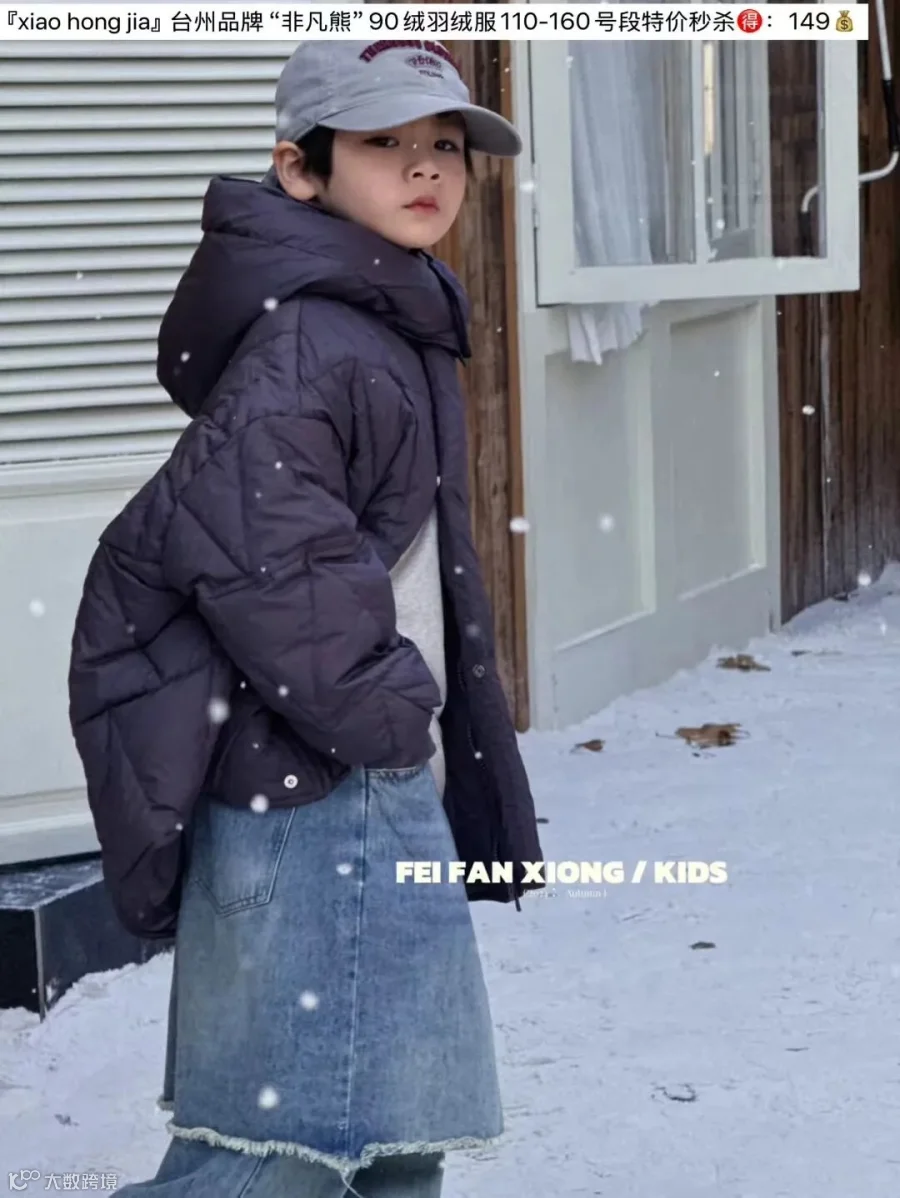
- Guangzhou Zhongshan 8th Road Business District: This area is a mecca for mid - to high - end and export - oriented children's clothing. Markets like Fuli Children's World, Lihu Building, and Zhuorong Foreign Trade Children's Department Store are key players. Fuli Children's World is known for its Japanese and Korean - style designs and allows mixed - batch purchases (usually starting from 3 pieces). Lihu Building is a hotspot for original export orders, but buyers need to be vigilant against counterfeit products. Zhuorong Foreign Trade specializes in European and American surplus orders, with prices often a fraction of those in department stores.
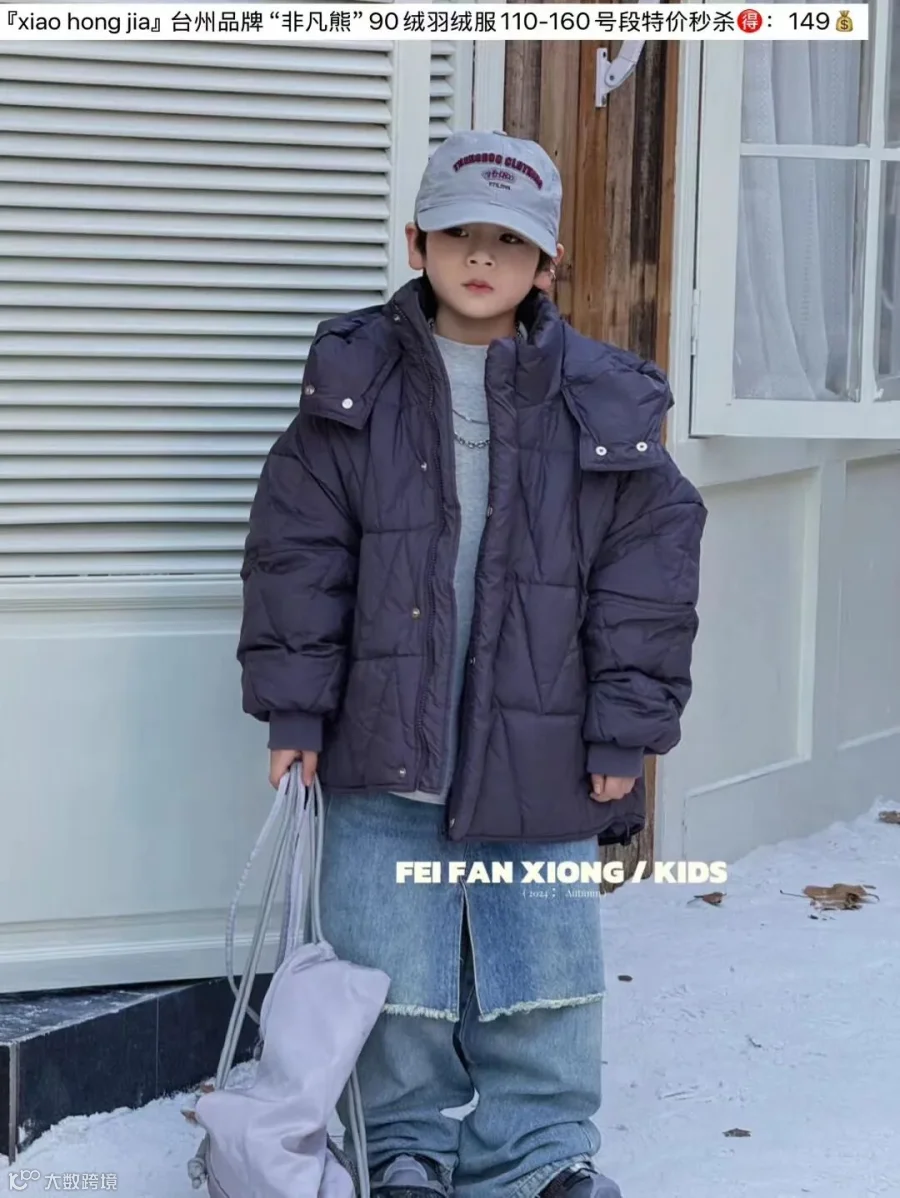
- Hangzhou Sijiqing Children's Clothing Market: The market is divided into different sections. The Boutique Children's Clothing Market (especially on the third floor and above) houses domestic first - tier brands like Balabala and Mini Peace, usually with a minimum order quantity of 50 pieces per style. The Jiabao Children's Clothing Market is a breeding ground for internet - famous and trendy styles, and even supports one - piece drop - shipping, although inventory accuracy can sometimes be an issue. The Kunlong Children's Clothing City focuses on Korean - style children's clothing and offers a 7 - day no - reason return policy.
2. Types of Suppliers
2.1 Manufacturers
Directly sourcing from manufacturers can offer cost advantages, especially for large - volume orders. Manufacturers can also provide customization options in terms of design, fabric, and sizing. When choosing a manufacturer, look for those with advanced production equipment, experienced workers, and a good reputation for quality control. You can visit their factories to assess their production capabilities, check the quality of raw materials, and ensure compliance with international safety standards.
2.2 Wholesalers
Wholesalers act as intermediaries between manufacturers and retailers. They typically offer a wide range of products from multiple brands and manufacturers, allowing you to source a diverse inventory in one place. Wholesalers are a great option for smaller retailers who may not have the resources to place large orders directly with manufacturers. They can also provide faster delivery times as they usually maintain stock in their warehouses.
2.3 Agents and Distributors
Agents and distributors represent specific brands or a group of manufacturers in a particular region. They have in - depth knowledge of the local market and can offer valuable insights into consumer preferences, marketing strategies, and after - sales service. Working with agents or distributors can simplify the procurement process, as they handle many of the logistics and communication aspects on your behalf.
3. Sourcing Channels
3.1 Online Platforms
- 1688.com (Alibaba): This is one of the most popular B2B e - commerce platforms in China. It has a dedicated section for the Zhili children's clothing industry belt. Many suppliers on this platform are required to pay a high - amount deposit (such as 100,000 yuan), which can be an indicator of their credibility. It also offers a live - streaming procurement function, allowing you to view the factory production lines in real - time and negotiate prices online. When choosing a supplier on 1688, prioritize those with the "Power Merchant" label and check their transaction dispute rate in the past 30 days (should be less than 1%).
- Pipinet (APP): This platform is known for its innovative business model. It features daily factory live - streaming sessions (up to 500 + per day), where you can bargain with the suppliers in real - time. Pipinet also provides a quality inspection and guarantee service. In case of quality issues, the platform offers a three - fold compensation. According to 2024 platform data, the search volume for new - Chinese - style children's clothing on Pipinet increased by 320% year - on - year, indicating emerging market trends.
- Cross - border E - commerce Platforms:
- SHEIN Supplier Program: SHEIN is a global fast - fashion e - commerce platform. To become a supplier, factories are required to have the ability to respond quickly to small orders (with a re - order time of 72 hours) and support both ODM (Original Design Manufacturer) and OEM (Original Equipment Manufacturer) cooperation models.
- Temu Children's Clothing Zone: Temu focuses on cost - effective products and provides a "full - custody" service. However, suppliers need to accept a 15% commission deduction by the platform.
3.2 Physical Wholesale Markets
Visiting physical wholesale markets allows you to see and touch the products firsthand, assess their quality, and negotiate face - to - face with suppliers. You can also discover the latest trends and new products on the market. In addition to the major markets mentioned above, there are other regional wholesale markets across China, each with its own characteristics and product offerings.
4. Quality Considerations
4.1 Material Standards
For children's clothing, safety and comfort are of utmost importance. Look for products made from natural materials such as cotton, especially for infants and young children. Cotton is breathable, soft, and less likely to cause skin irritation. When considering other materials, ensure they meet international safety standards, such as those related to chemical content and flammability. In China, products for infants must meet the A - class standard of GB 31701 - 2015, which sets strict requirements for formaldehyde content, pH value, and color fastness.
4.2 Manufacturing Quality
Check the stitching, seams, and overall construction of the clothing. The stitches should be even, without loose threads or rough edges. Zippers, buttons, and other accessories should be securely attached and easy to use. For functional clothing, such as outdoor wear, test features like waterproofing, breathability, and wind - resistance.
4.3 Certification and Inspection
Request product certifications from suppliers, such as ISO 9001 for quality management systems or relevant safety certifications. You can also consider third - party inspection services, especially for large - scale orders. These services can conduct pre - shipment inspections to ensure that the products meet your quality requirements.
5. Price Negotiation and Cost Management
5.1 Understanding Pricing Factors
The price of children's clothing is influenced by various factors, including the cost of raw materials, production processes, brand value, and order quantity. Manufacturers with their own fabric production capabilities may offer more competitive prices. Additionally, larger order quantities usually result in lower unit prices due to economies of scale.
5.2 Negotiation Strategies
When negotiating prices, be well - informed about the market price range and the cost components of the products. Highlight your potential for long - term cooperation and large - volume orders. You can also negotiate other terms, such as payment terms, delivery times, and minimum order quantities. For example, asking for a longer payment period or a reduction in the minimum order quantity can improve your cash flow and flexibility.
5.3 Cost - Saving Tips
- Buy in Season: Purchasing clothing in the off - season can often lead to significant discounts as suppliers try to clear their inventory.
- Group Purchasing: Joining or organizing a group purchase with other buyers can increase your bargaining power and enable you to secure better prices.
- Direct Sourcing: Bypassing middlemen and sourcing directly from manufacturers can eliminate additional mark - up costs.
6. Logistics and Shipping
6.1 Shipping Methods
There are several shipping options available when importing children's clothing from China. Sea freight is the most cost - effective for large - volume orders but has a longer transit time. Air freight is faster but more expensive, making it suitable for smaller, time - sensitive orders or high - value products. Express shipping services, such as DHL, FedEx, and UPS, offer quick delivery but come with a relatively high cost.
6.2 Customs and Duties
Before placing an order, research the customs regulations and duties in your destination country. Different countries have different tax rates and regulations regarding the import of children's clothing. Some countries may have preferential policies for certain types of products or from specific trading partners. Ensure that your supplier can provide accurate information on product classification and any necessary documentation for customs clearance.
6.3 Logistics Partners
Choose reliable logistics partners with experience in international shipping and a good track record for handling customs clearance. A professional logistics company can help you optimize shipping routes, manage documentation, and track your shipments in real - time. You can also consider using freight forwarders, who can act as intermediaries between you and shipping companies, providing comprehensive logistics solutions.
7. Future Trends in the Chinese Children's Clothing Market
7.1 Style Trends
- New - Chinese - Style Children's Clothing: There is a growing popularity of new - Chinese - style children's clothing, which incorporates traditional Chinese elements such as frog buttons, embroidery, and traditional patterns. The proportion of these elements in children's clothing designs has increased to 35%, appealing to consumers who value traditional culture and unique designs.
- Outdoor Functional Children's Clothing: With an increasing focus on outdoor activities for children, the demand for functional clothing with features like UPF50 + sun protection and quick - drying fabrics has grown by 200%. These clothes are designed to meet the needs of active children in various outdoor environments.
7.2 Technological Innovations
- Intelligent Temperature - Controlled Fabrics: The application rate of phase - change materials (PCM) in children's clothing, which can adjust body temperature, has increased to 12%. This technology provides added comfort for children in different temperature conditions.
- Sustainable and Environmentally - Friendly Materials: There is a rising trend towards using sustainable materials, such as recycled polyester fibers, which have seen an 180% year - on - year increase in usage. These materials not only reduce the environmental impact but also appeal to eco - conscious consumers.
7.3 Channel Innovations
- Live - streaming E - commerce: In 2024, the GMV (Gross Merchandise Volume) of children's clothing on Douyin, a popular Chinese short - video and e - commerce platform, exceeded 30 billion yuan. When sourcing products for live - streaming sales, pay attention to the supplier's ability to deliver within 72 hours, as this is a crucial factor for customer satisfaction.
- Cross - border Private Domain Traffic: The TikTok Shop in the Southeast Asian market has seen a 45% repeat - purchase rate for children's clothing. Leveraging cross - border private domain traffic can be an effective way to expand your customer base and increase brand loyalty.
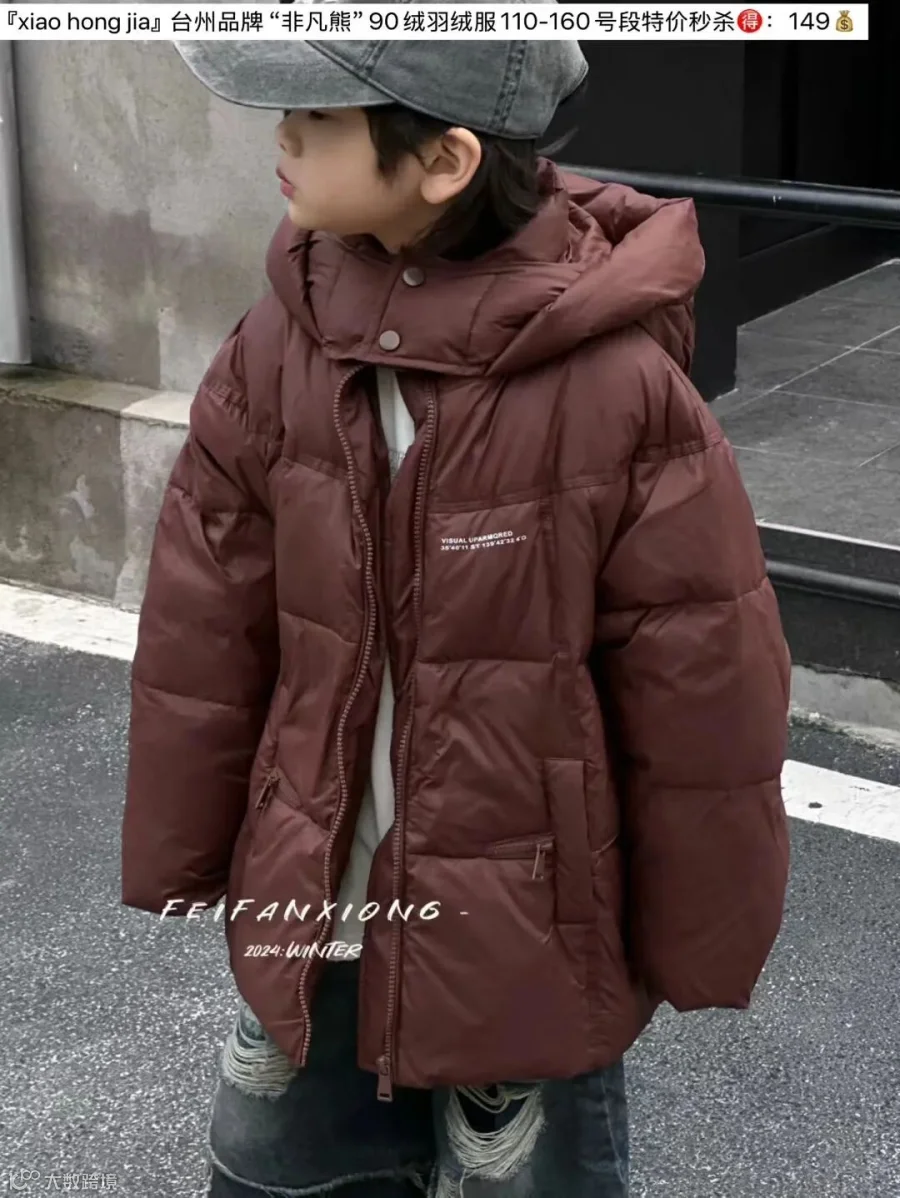
In conclusion, sourcing children's clothing from China offers a wealth of opportunities, but it also requires careful planning, research, and negotiation. By understanding the market, choosing the right suppliers and sourcing channels, ensuring product quality, and managing costs and logistics effectively, you can successfully navigate the Chinese children's clothing market and build a profitable business or wardrobe for your children.