









The sentence “The wind sounded like the roar of a train passing a few yards away” is a highly expressive description. Through this detail, we can not only see the unique expressive way of English disaster narrative but also feel the commonalities and differences in “disaster perception” under different cultural backgrounds.
In terms of expressive methods, this description reflects the narrative logic of “seeing the big from the small” in English disaster texts. The author does not pile up abstract adjectives such as “roaring wind” or “changing colors of the sky and earth”. Instead, he chooses the familiar daily scene of “a train roaring” as the metaphor. As an iconic thing of the industrial age, the train’s roar has a strong impact and pressure. Moreover, the distance limitation of “a few yards away” further shortens the psychological distance between the reader and the disaster. The reader does not need to imagine the macro-destructiveness of the hurricane but only needs to associate the deafening sound of a train passing by to instantly empathize with the suffocation when the hurricane approaches. This techniques of “everyday metaphor” makes the grand disaster scene get rid of the “distant horror”, becomes perceptible and touchable, avoiding the emptiness of lyricism and strengthening the sense of narrative reality.

From the perspective of cultural differences, this metaphor also implies the different focuses of Chinese and Western “disaster narratives”. In Chinese disaster descriptions, we are more accustomed to using poetic and macro-images such as “black clouds pressing down on the city, and the city is about to be destroyed” and “flying sand and walking stones, and the sky and earth are dim”. By rendering the “abnormality” of the environment, we highlight the terror of disasters, behind which lies the awe and emotion towards “the great power of nature”. However, in this English description, the author does not focus on how the hurricane “changes the world” but pulls the perspective back to the individual’s “auditory experience”, using the "train", which is closely related to modern life, as a bridge, allowing the reader to understand the disaster from “their own experience”. This narrative method of “taking the individual experience as the core” pays more attention to the “specific impact of disasters on people” rather than the “grand rendering of natural forces”.
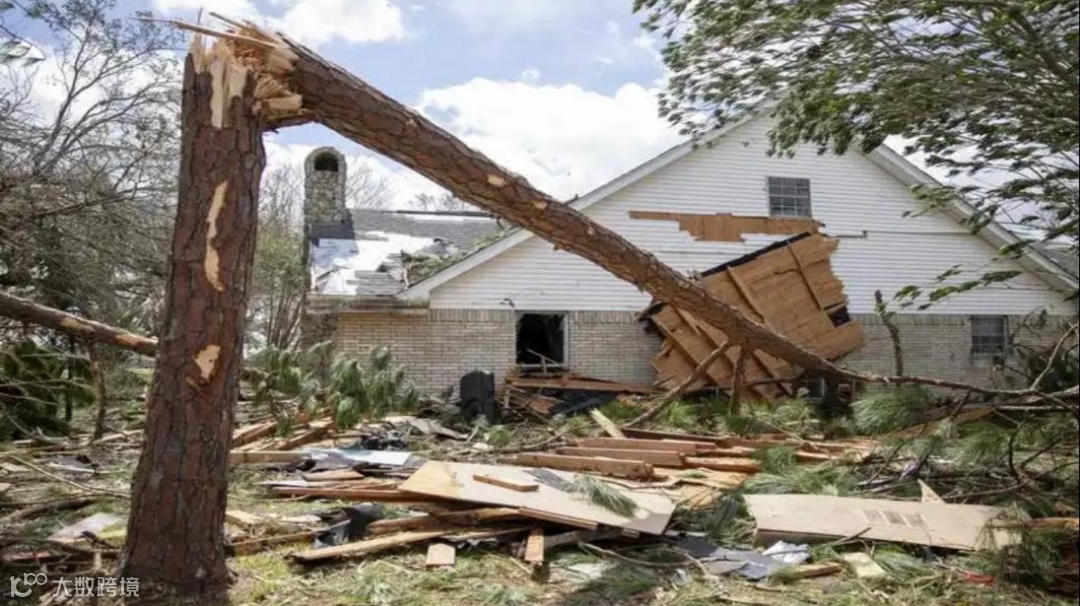
This difference is not a matter of superiority or inferiority but a natural choice in the cultural context. The macro-description in Chinese originates from the dependence and reverence of the agricultural civilization on “heaven and earth nature” and is used to perceiving the world from an overall perspective. The emphasis on “individual experience” in English corresponds to the emphasis on “human subjectivity” in the industrial civilization and pays more attention to conveying feelings in a specific and practical way. This metaphor in “Face to Face with Hurricane Camille” is a microcosm of this cultural tendency. It does not use gorgeous words but uses “everyday details” to make the horror of the hurricane penetrate the text. It also allows us to see that regardless of the cultural background, the description of “Be close to individual feelings” is always an effective way to convey emotions and arouse resonance.


撰稿人:张凤仪
排版编辑:王语萱
素材来源:23翻译1