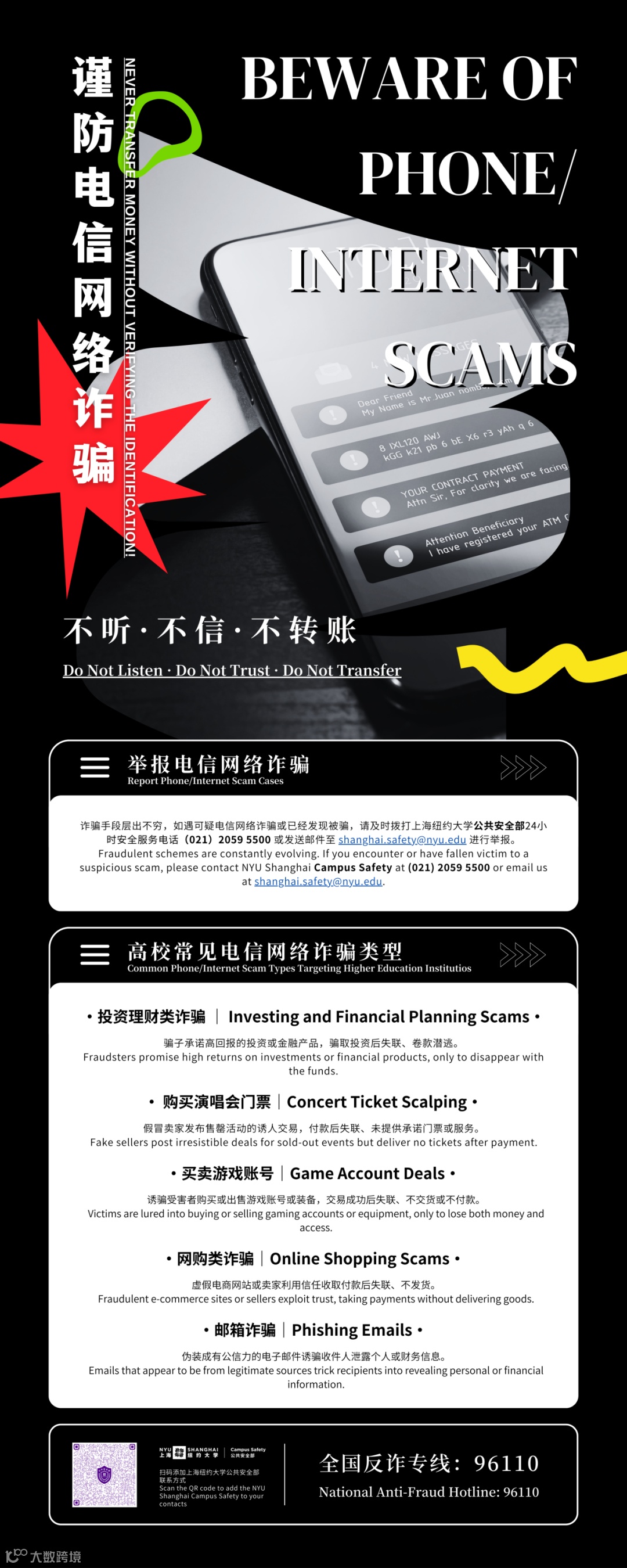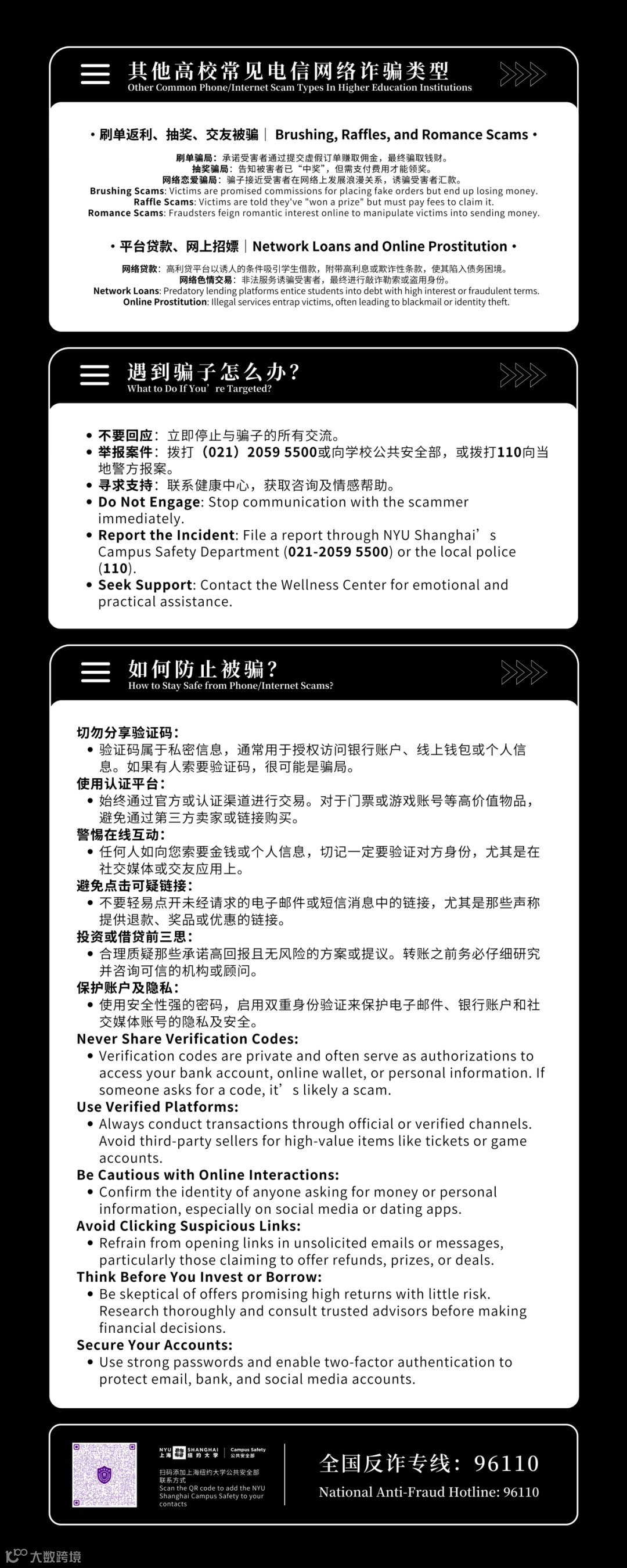

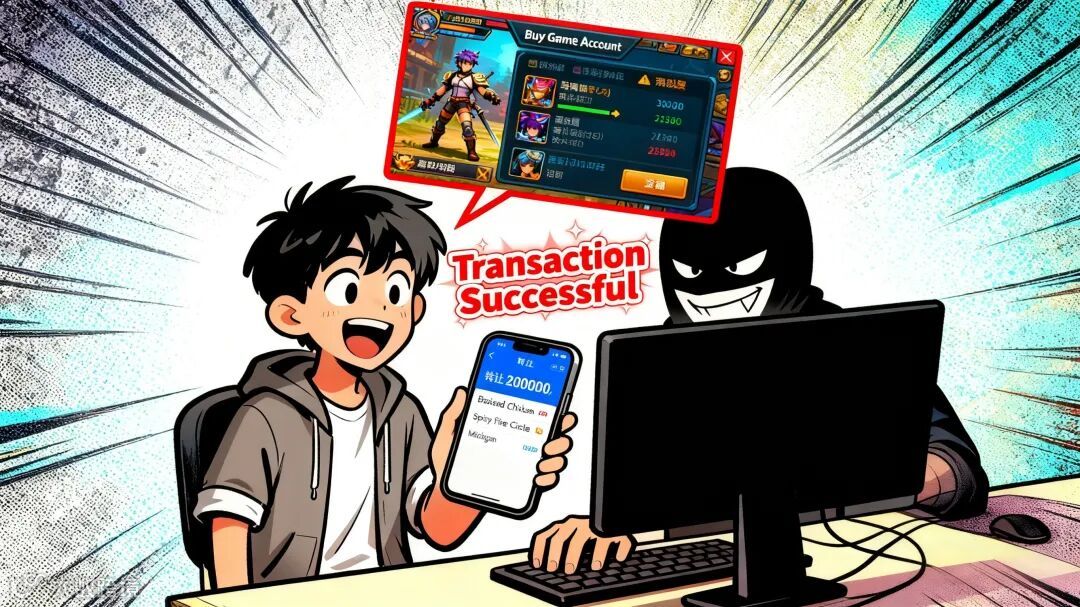


The new semester has begun, and while freshmen are exploring campus life with curiosity, scammers are also becoming more active. Recently, students in Shanghai universities have already fallen victim to part-time job scams. These "low-investment, high-return" offers often hide fraudulent traps.
开学伊始,新生们刚刚开始大学生活,对于一切都充满好奇,然而诈骗分子也进入了活跃期。近期,上海高校已经出现刷单骗局受害者,这类“低投入,高回报”的兼职工作背后,往往隐藏着诈骗陷阱。
What is Paid Task Scam?
A "paid task scam" is an online fraud where victims are approached via WhatsApp or social media with offers of easy, well-paid remote work—such as liking videos or "product boosting." Scammers initially pay small sums to gain trust, then pressure victims to invest their own money, often in cryptocurrency, to access higher-paying tasks. Once a significant amount is invested, the scammers disappear, leaving the victims with substantial financial losses.
“刷单诈骗”是一种新型网络骗局。骗子通过微博等社交媒体联系受害者,谎称提供点赞视频、提升销量等轻松高薪的兼职工作。起初会支付小额报酬以骗取信任,随后诱骗受害者投入更多资金(常要求加密货币)才能接“高级任务”或提现。一旦受害人投入大额资金,骗子便立即消失,导致受害人遭受重大经济损失。
How does Task Scam work?
T
he Hook
You get an unsolicited message offering easy, high-paying tasks like liking videos or rating products.
通过陌生短信或社交消息,以“轻松高薪”的兼职为诱饵(如点赞视频、评价商品等)吸引受害者。
S
mall payments
Initially, you receive small payouts to build trust.
初期完成任务会支付少量报酬,建立信任。
T
he Catch
You’re pressured to invest your own money—often in crypto—to unlock earnings or access “higher-tier” tasks.
随后要求受害者先垫资才能“提现”或参与“高回报任务”,并常指定使用加密货币转账,利用其匿名性和受害者的不熟悉。
T
he Exit
Once you pay a significant amount, the scammers disappear, leaving you with major financial losses.
待大额资金投入后,骗子便失联,造成重大损失。
Task Scam Alerts:
Don't Fall for These Tricks ❗️
Ignore unsolicited money offers
Never pay to get paid
Verify before engaging