How Foreign Trade Children's Clothing Buyers Can Avoid Pitfalls When Sourcing in China
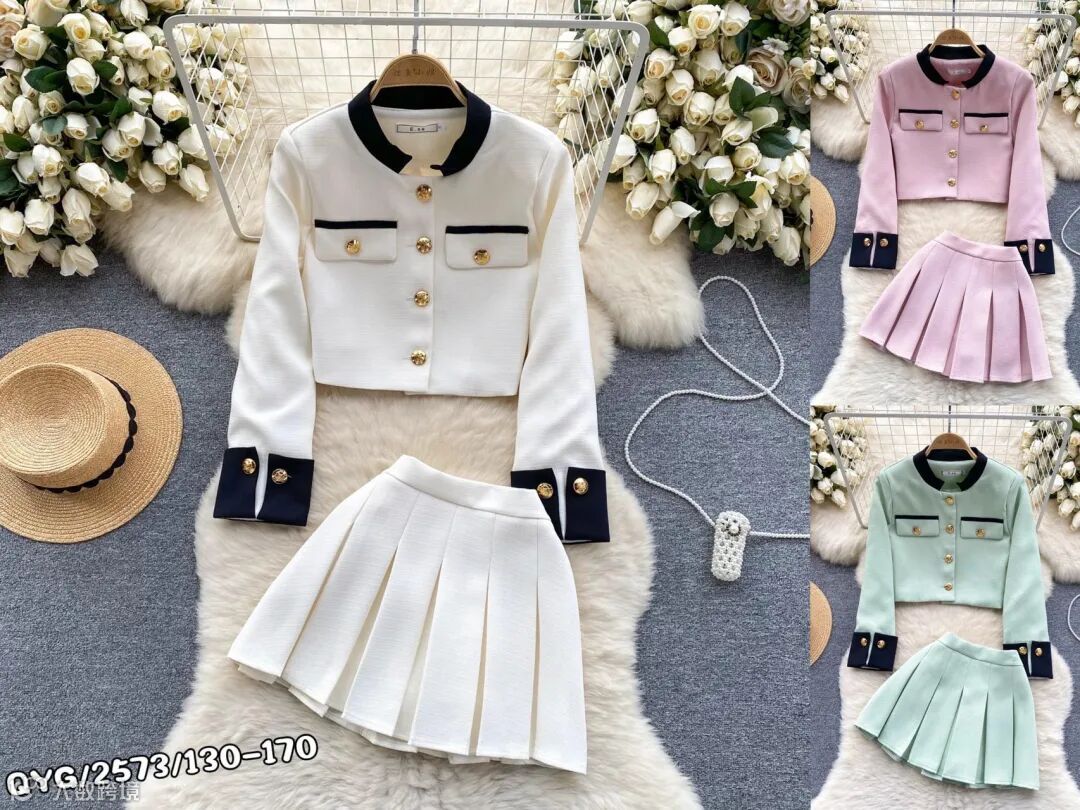
• Choose reliable sourcing channels: Opt for large-scale production bases like Huzhou Zhili Children's Clothing City in Zhejiang, where you can get factory-direct products at low prices covering all age groups. Guangzhou Zhongshan Eighth Road Business District is also a good choice, as it’s a hub for foreign trade surplus stock and viral internet-style bestseller
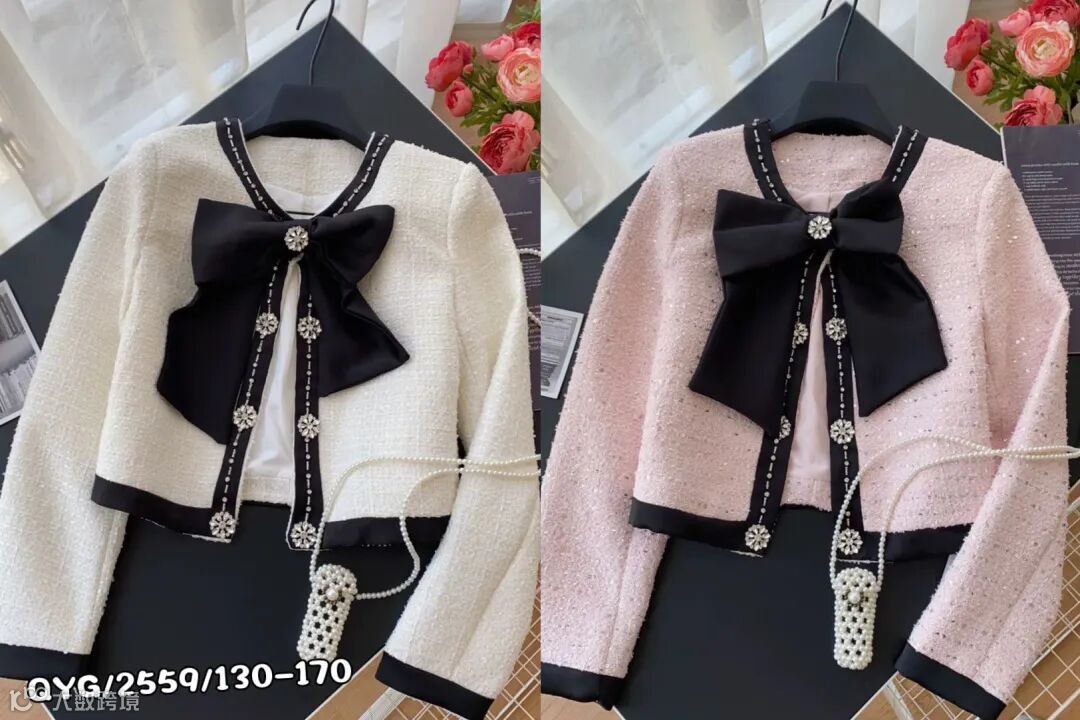
• Verify supplier qualifications and reputation: For branded children's clothing, be alert to "fake brands" and verify the authenticity of brand authorization certificates. Check the supplier’s business license, production license, and other relevant documents to understand its operating status and reputation records. You can also search for online reviews and word-of-mouth about the supplier, or consult other experienced foreign trade children's clothing buyers.
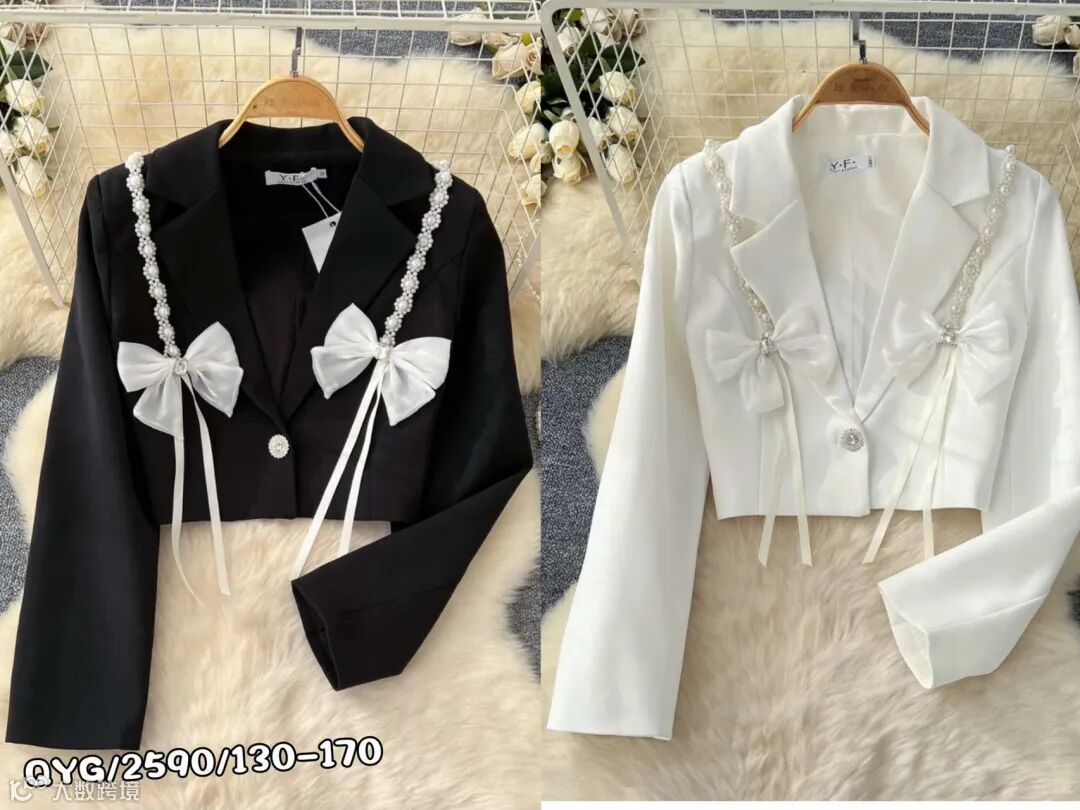
• Strictly control product quality: Before placing an order, always request samples and carefully inspect the quality of the children's clothing. Use methods like "looking, touching, smelling, and checking": look for loose threads in the fabric and clarity of prints; touch to ensure the inner lining is smooth and buttons/zippers are secure; smell for any pungent odors; check that the care label clearly states Class A standards, manufacturer name, and address.
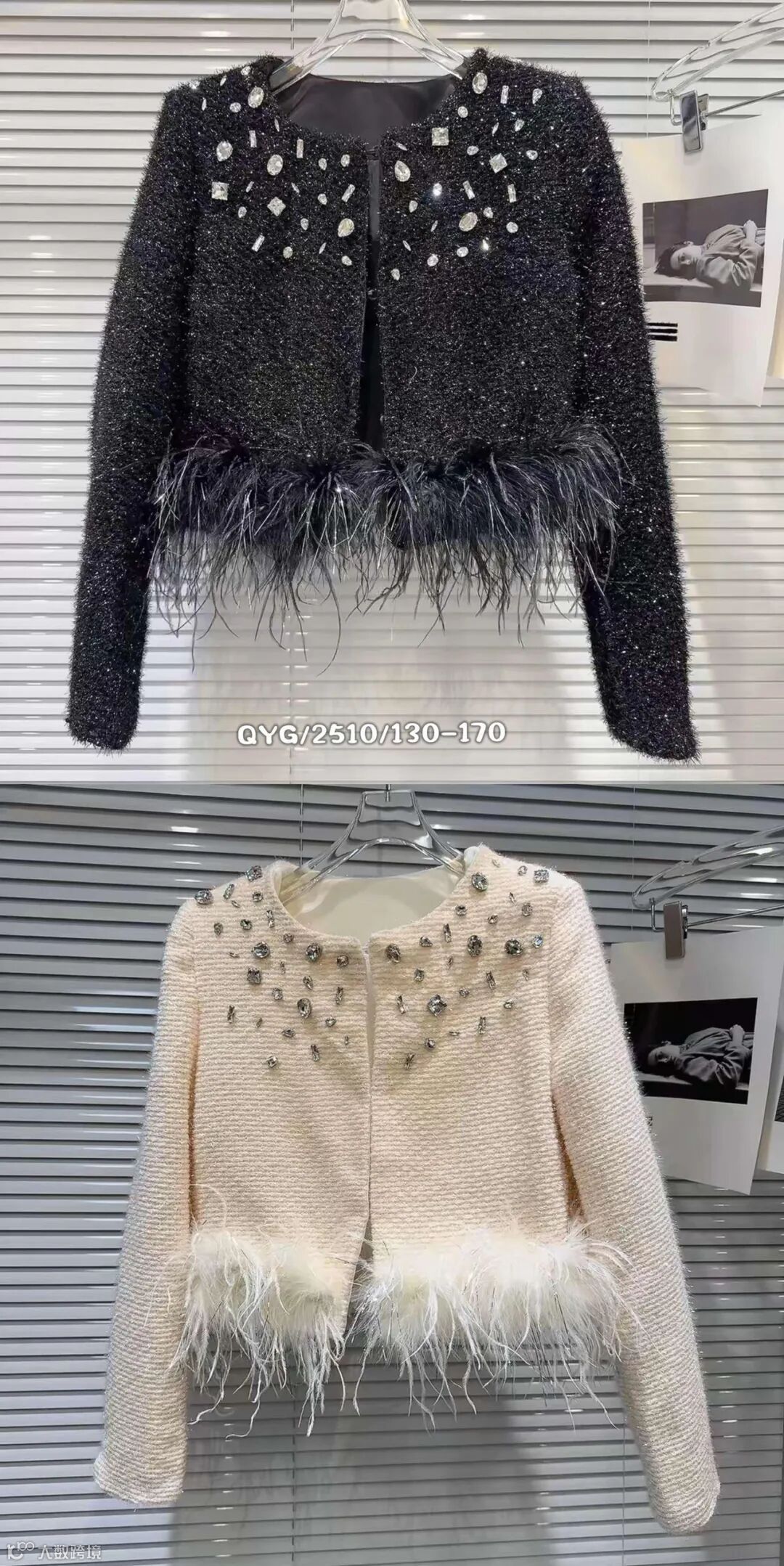
• Clarify delivery time and method: Clearly agree on the delivery time with the supplier and specify liability for breach of contract in the contract. At the same time, confirm the delivery method (e.g., factory delivery or self-pickup) and who will bear the freight
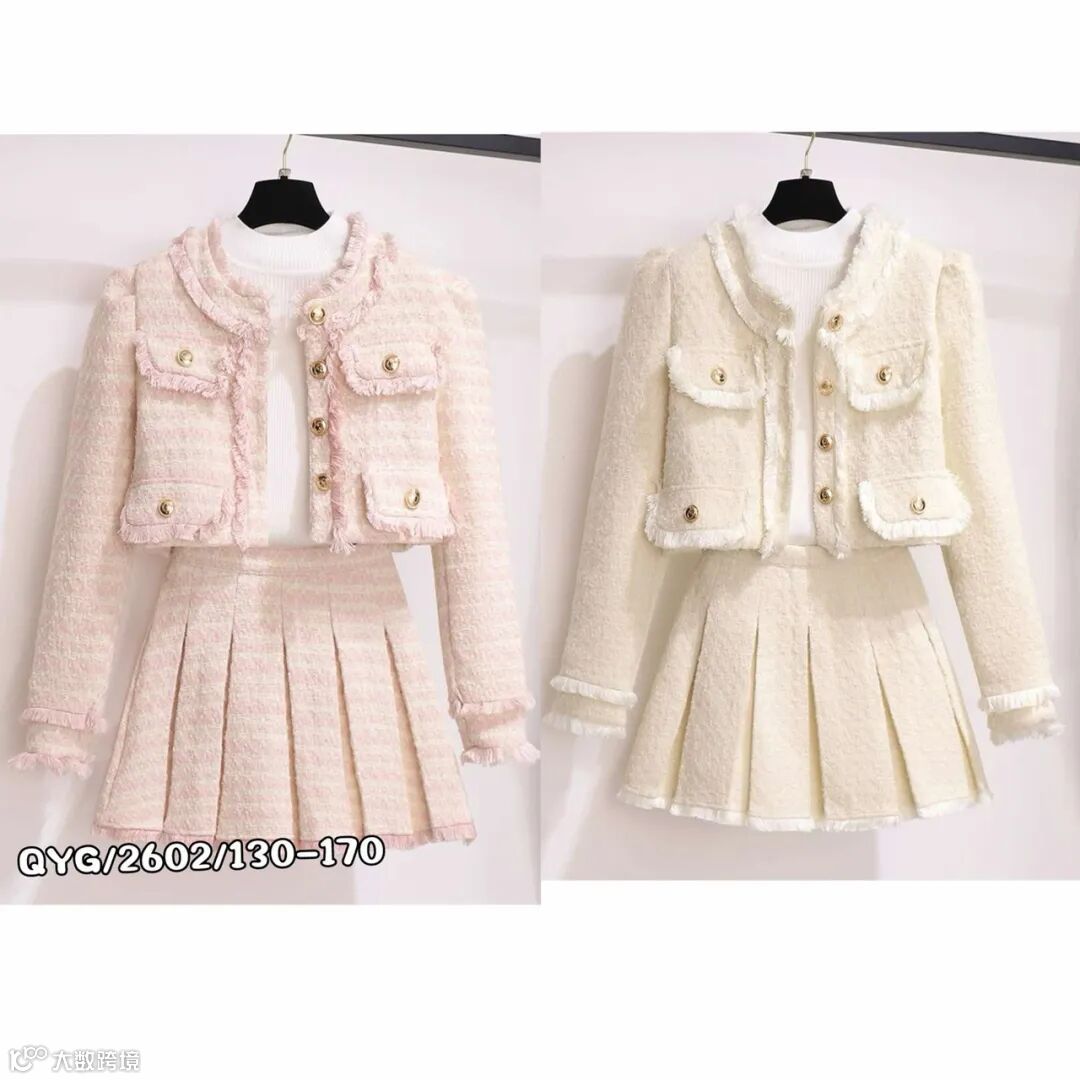
• Pay attention to intellectual property (IP) issues: Avoid purchasing products that infringe on IP rights. Ensure the patterns and designs of the children's clothing are original or properly authorized. For imported branded children's clothing, legal authorization from the brand owner is a must—otherwise, the goods may be seized by customs or you may face IP litigation.
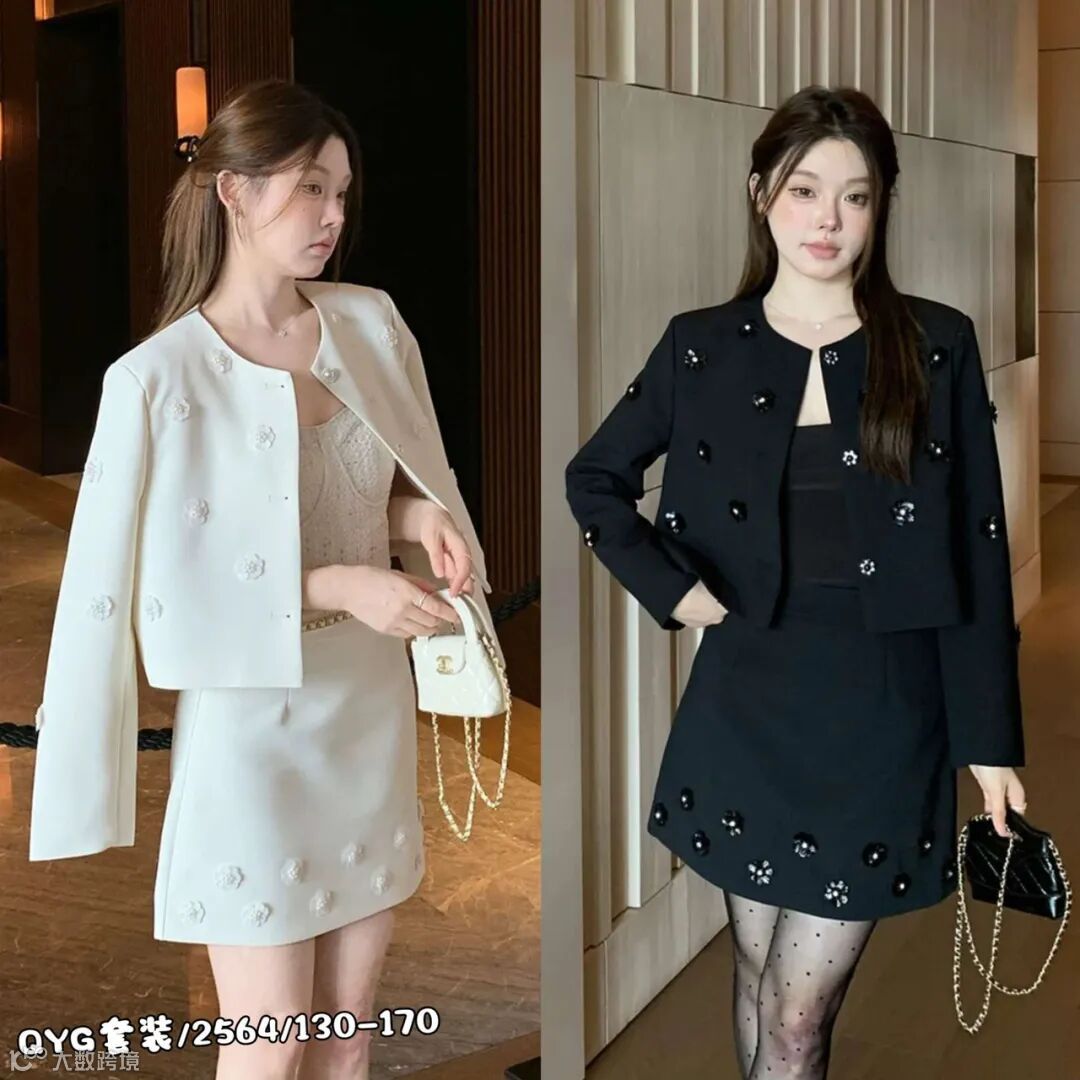
• Sign a detailed contract: Sign a comprehensive procurement contract with the supplier to clarify the rights and obligations of both parties. The contract should include terms such as product specifications, quantity, price, delivery time, payment method, quality standards, and return/exchange policy to avoid disputes later.