Understanding Digital Marketing: Key Types, Channels, and Examples
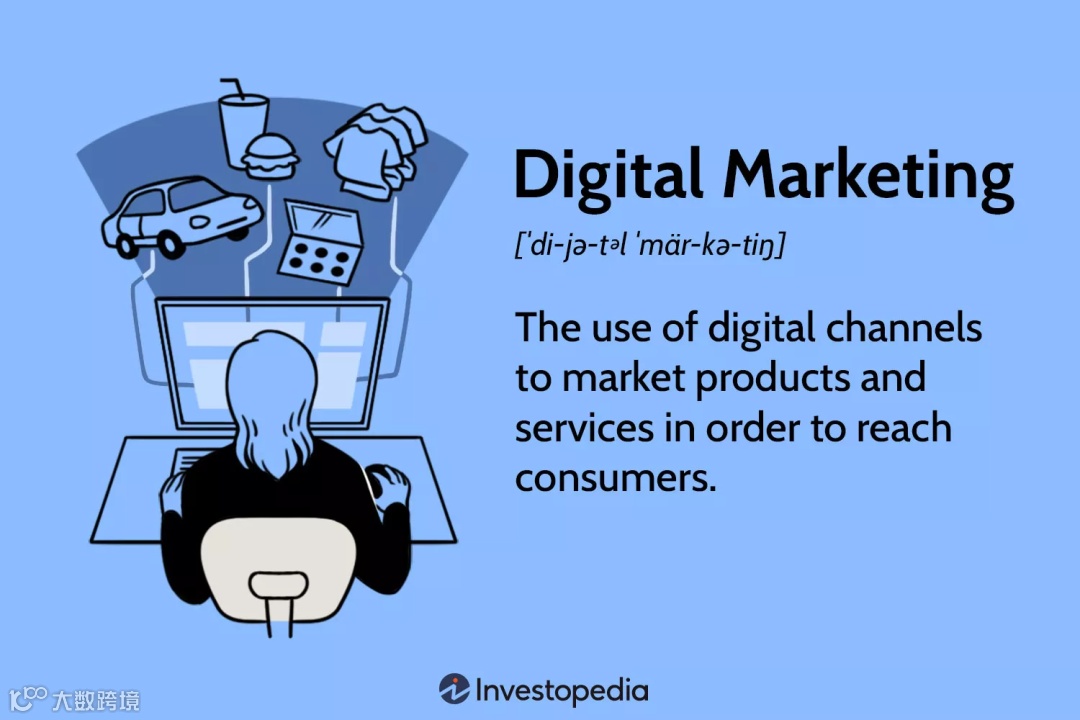
Digital marketing harnesses digital platforms such as websites, mobile apps, social media, and search engines to efficiently promote and sell products and services. It supplements traditional marketing methods by offering an innovative approach for companies to engage with consumers and analyze their behaviours. Digital marketing started to become popular with the widespread adoption of the internet in the 1990s. Today, companies integrate digital and traditional marketing strategies to effectively reach their audiences, although unique challenges arise, including the fast evolution of digital channels and data utilization.
Key Takeaways
-
Since the 1990s, digital marketing channels have evolved, including key platforms like email, social media, and pay-per-click advertising. Each requires strategic planning to effectively reach target audiences. -
Key digital marketing strategies include website marketing, content creation, email campaigns, social media, affiliate marketing, and the emerging trend of video marketing. -
Marketers face challenges such as the rapid proliferation of digital channels, the need for effective data analysis, and capturing consumer attention amid digital distractions. -
Successful digital marketers need strong communication skills, proficiency in data analytics, and a solid understanding of social media dynamics to effectively craft compelling marketing narratives.
Marketing includes various techniques and media to promote products and increase market share. To be successful, it requires a combination of advertising and sales savvy.
New technologies and trends compelled companies to adjust their marketing strategies and budgets. Email became a popular marketing tool in the early days of digital marketing. Then the focus shifted to search engines like Netscape, which allowed businesses to tag and keyword items to get themselves noticed. The development of social platforms like Facebook made it possible for companies to track user data and deliver their messages to specific audiences.
Smartphones and portable devices enable companies to market products to consumers anywhere. A 2022 Pew Research Center study found that 76% of American adults had made online purchases using their phones.
Important:Digital marketing can be interactive, unlike traditional print or television advertising.
Exploring Various Digital Marketing Channels
Digital marketing channels have evolved since the 1990s and continue to do so. Here are eight of the most common channels in use today.
Website Marketing
Companies often use their own website as the centerpiece of their digital marketing activities. The most effective websites represent the brand and its products and services in a clear and memorable way. A website today must be fast-loading, mobile-friendly, and easy to navigate.
Pay-Per-Click Advertising
Pay-per-click (PPC) advertising enables marketers to reach audiences on news and other websites and digital platforms through paid ads. Marketers can set up PPC campaigns on Google, Bing, LinkedIn, X, Pinterest, and Facebook and show their ads to people searching terms related to their products or services.
These campaigns can segment users based on their demographic characteristics (such as age or gender), or their particular interests or location. The most widely used services for PPC are Google Ads and Facebook Ads.
Content Marketing
The goal of content marketing is to reach potential customers through the use of written, visual, or video content that interests them. That content is usually published on a website and then promoted through social media, email marketing, search engine optimization, or even pay-per-click campaigns. Content marketing attempts to be more subtle than advertising, and the product or service the sponsor is attempting to market may or may not be conspicuously highlighted.
Email Marketing
Email marketing is still one of the most effective digital marketing channels, though many people associate it with spam and treat such messages accordingly. Many digital marketers use their other digital marketing channels to collect names for their email lists. Then, through email marketing, they try to turn those leads into customers.
Social Media Marketing
The primary goals of a social media marketing campaign are to build brand awareness and establish trust. As you go deeper into social media marketing, you can use it to obtain leads and as a direct marketing or sales channel. Promoted posts and tweets are two examples of social media marketing.
Affiliate Marketing
Affiliate marketing is one of the oldest forms of marketing, and the digital world has given it new life. In affiliate marketing, companies and individual "influencers" promote another company's products and get a commission every time a sale is made or a fresh lead is added to their list. Many well-known companies, including Amazon, have affiliate programs that pay out millions of dollars to affiliates that help sell their products.
Video Marketing
A lot of internet users turn to sites like YouTube before making a buying decision, to learn how to do something, to read a review, or just to relax. Marketers can use any of several video marketing platforms, including Facebook Videos, Instagram, and TikTok, to run a video marketing campaign. Companies find the most success with video by integrating it with SEO, content marketing, and broader social media marketing campaigns.
Key Performance Indicators (KPIs) in Digital Marketing
Digital marketers use key performance indicators (KPIs) just like traditional marketers. KPIs let them measure the long-term performance of their marketing initiatives and compare those to their competitors' efforts.
The following are some of the most common KPIs that marketers can use to gauge how well they're doing:
- Click-through rate
: This KPI is commonly used to measure the effectiveness of online advertising, by counting the number of people who clicked on a particular ad as a percentage of all the people who might have seen it. - Conversion rate
: The conversion rate goes even further than the click-through rate to compare the percentage of people who took some desired action, such as making a purchase, to the total audience that a particular ad or promotion reached. - Social media traffic
: This tracks how many people interact with a company's social media profiles. It includes likes, follows, views, shares, and/or other measurable actions. - Website traffic
: This metric tracks how many people visit a company's website during a given time period. Among other uses, it can help companies judge how effective their marketing efforts are at driving consumers to their site.
Digital Marketing Challenges
The digital world poses special challenges for marketers. For example, digital channels proliferate rapidly, and marketers have to keep up on them and figure out how to use them effectively. Marketers can also find it challenging to analyze and make productive use of the huge amount of data they can capture through these platforms.
Perhaps most important, consumers are increasingly inundated with digital ads and other distractions, making it more and more difficult to capture their attention.
What Is SEO in Digital Marketing?
Search engine optimization (SEO) describes a variety of techniques that companies use in an effort to increase traffic to their website and raise its position in search results. The higher a site appears on the search results page, the more likely consumers are to see it and potentially click to visit it.
What Skills Are Needed in Digital Marketing?
Strong communication skills are essential for successfully conveying a company's story. Data analytics skills are also important for understanding how well a marketing campaign is performing and where it might be improved. Finally, social media skills are another must.
核心词汇
Digital Marketing|数字营销:用网站、App、社媒、搜索等数字渠道推广与销售。
Mobile Marketing|移动营销:借助智能手机与移动端触达与转化用户。
Social Media Marketing|社交媒体营销:用社媒构建认知、信任与互动。
SEO (Search Engine Optimization)|搜索引擎优化:提升自然搜索可见度与流量。
SEM / PPC (Pay-Per-Click)|搜索引擎营销/点击付费:按点击付费的搜索与信息流广告。
Content Marketing|内容营销:以文字/图片/视频内容吸引并教育潜客。
Video Marketing|视频营销:在 YouTube/抖音等平台用视频影响决策。
Affiliate Marketing|联盟营销:达人/网站带货或引流按成交分佣。
Key Performance Indicator (KPI)|关键绩效指标:衡量长期营销成效的指标体系。
CTR (Click-Through Rate)|点击率:点击人数/展示人数,用于评估素材吸引力。
Conversion Rate|转化率:达成目标行为人数/到达人数(如下单、留资)。
Social Media Traffic|社媒流量:社媒账户的互动与导流总量。
Data Analytics|数据分析:采集与解读数据以优化投放与内容。
Attribution|归因:识别带来转化的渠道/触点(文中隐含概念)。
Digital Marketing Agency|数字营销代理商:专做数字渠道投放与创意的机构。
理解数字营销:关键类型、渠道与示例
数字营销是指使用网站、应用程序、移动设备、社交媒体、搜索引擎及其他数字方式来推广与销售产品或服务。它在传统营销之外,提供了企业与消费者互动、并分析其行为的创新路径。随着20世纪90年代互联网的普及,数字营销开始流行。如今,企业将数字与传统策略整合以有效触达受众,但也面临数字渠道快速演进与数据利用等独特挑战。
要点摘要
数字营销借助网站、移动端、社交媒体与搜索引擎推广产品/服务,是对传统营销的有力补充。
自20世纪90年代起,数字渠道不断演变,邮件、社媒与PPC等平台兴起;要想有效触达目标人群需有清晰策略。
关键策略包括:网站营销、内容创作、邮件营销、社媒营销、联盟营销,以及日益重要的视频与短信营销。
难点在于:渠道激增、数据分析难、以及在信息噪音中抓住用户注意力。
成功的数字营销人应具备良好沟通能力、数据分析能力与对社媒生态的深刻理解,从而构建有说服力的营销叙事。
数字营销的运行机制
营销包含多种技术与媒介,以推广产品并提升市场份额;成功离不开广告与销售的综合能力。专业营销人可在企业内部或代理公司(为多客户服务)开展这些工作。
过去企业主要依赖纸媒、电视与广播;互联网兴起为企业带来触达消费者的全新方式,数字营销由此成长。新技术与趋势促使企业调整策略与预算:邮件在早期十分流行;随后,Netscape 等搜索引擎使企业能通过标签与关键词提高曝光;Facebook 等社交平台的发展让企业可以追踪用户数据、定向触达特定受众。
智能手机与便携设备让“随时随地”触达成为现实。皮尤研究中心2022年数据显示,76%的美国成年人曾用手机进行网购。
提示: 与传统纸媒/电视广告不同,数字营销往往具备互动性。
数字营销渠道概览(常见八类)
网站营销
官网常是数字营销的“中台”。优秀网站需清晰呈现品牌与产品,且加载快、移动友好、导航简洁。PPC 付费广告
通过 Google、Bing、LinkedIn、X(原Twitter)、Pinterest、Facebook 等平台投放。可按人群特征、兴趣或地域定向。常用服务:Google Ads、Facebook Ads。内容营销
以文字/视觉/视频内容触达潜客,常在官网发布,并通过社媒、邮件、SEO或PPC进行推广。其风格更“润物细无声”,产品不一定被显性凸显。邮件营销
依然高效。营销人通常先用其他渠道收集名单,再通过邮件培育线索并转化。社交媒体营销
目标是提升认知与信任,进一步可获取线索并直接带动转化。例:推广帖子、推广推文。联盟营销
资深形式在数字时代重焕生机。企业或“影响者”为他方产品引流/带货,以成交或线索新增计佣。亚马逊等均有规模可观的联盟计划。视频营销
用户常先看 YouTube 等平台的评测/教程再决策。也可用 Facebook、Instagram、TikTok 等做视频投放;与 SEO、内容与社媒结合往往效果更好。短信营销
通过短信推送产品与活动信息;公益与政治组织亦常用。如今不少活动可直接通过短信完成支付/捐款。
数字营销的KPI(关键绩效指标)
点击率(CTR):点击人数/展示人数,衡量广告素材吸引力。
转化率(Conversion Rate):达成目标行为人数/触达人数(如购买、注册)。
社媒流量:对企业社媒账号的互动总量(点赞、关注、观看、分享等)。
网站流量:一定时期内的网站访问量,可衡量营销导流效果。
数字营销的挑战
渠道快速增多,需持续学习其玩法与价值;同时,如何分析并善用海量数据也是难点。更重要的是,消费者信息过载,如何抓住注意力变得更难。
名词释义
SEO 在数字营销中的含义?
一组提升网站自然排名与流量的技术与策略。排名越靠前,曝光与点击的概率越高。什么是互联网营销?
仅发生在互联网之上的营销活动。它是数字营销的子集(数字营销还包含更多数字触点)。数字营销需要哪些技能?
沟通表达、数据分析与社媒运营三大核心。什么是数字营销中的“隐性偏见”?
指在不自觉间传递对某些群体的刻板印象(如素材用图单一)。即便使用算法,那些算法也可能带有人类的无意识偏见。
article form https://www.investopedia.com/