



 Chinese vice-premier stresses efforts to consolidate poverty alleviation achievements
刘国中副总理强调要巩固脱贫攻坚成果
Chinese Vice Premier Liu Guozhong has called for sustained work to consolidate and expand China's poverty alleviation achievements, prevent a large-scale return to poverty and promote rural revitalization.
Liu, who is also a member of the Political Bureau of the Communist Party of China Central Committee, made the remarks during a research trip in southwest China's Sichuan Province from Wednesday to Saturday.
Vocational skills training and employment services should be enhanced to ensure stable employment for those lifted out of poverty, Liu noted.
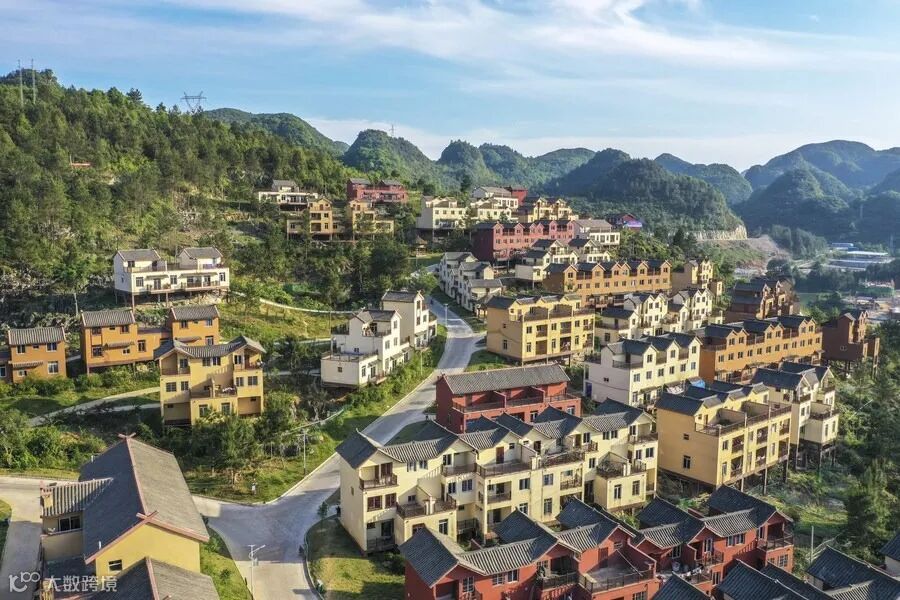
Support for relocated residents should be reinforced -- with detailed implementation of assistance policies in industrial development, infrastructure and public services, Liu said.
To support underdeveloped regions, infrastructure and public services should be improved based on local conditions, while expanding and strengthening county-level economies, Liu added.
Liu also learned about the prevention and control of major infectious diseases such as AIDS -- urging work to prioritize prevention, integrate prevention with treatment and implement comprehensive management.
 Top court warns against farmland encroachment, illegal mining
我国最高人民法院警示防范耕地侵占和非法采矿行为
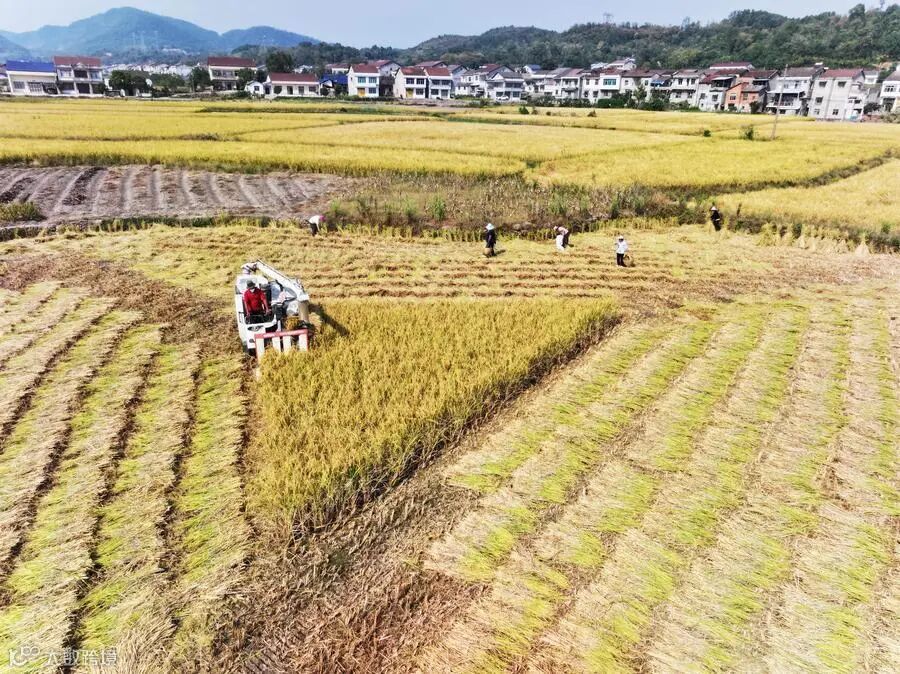
The Supreme People's Court, China's top court, released four landmark cases involving the destruction of arable land, reaffirming the need for harsher penalties for those who unlawfully occupy farmland and engage in illegal mining.
The top court emphasized the importance of using judicial measures to uphold the bottom line of farmland protection, ensuring food security and safeguarding the nation's well-being.
Among the disclosed cases, some individuals were found to have disguised their encroachment on farmland under the pretext of land improvement or project construction, dumping debris and piling waste on the land, severely damaging the arable layer.
In other instances, the defendants were discovered engaging in illegal mining, using heavy machinery to excavate the land, causing significant destruction and making environmental restoration difficult, resulting in serious damages to the local ecological system.
The top court revealed that all behaviors in these cases had been severely punished, calling on courts nationwide to continue the robust judicial protection of farmland resources and food security.
It also noted that the cases serve as a warning and educational tool to raise public awareness of the importance of farmland protection.
 Achievements bolster China's water security plans
成就助力中国水安全规划推进
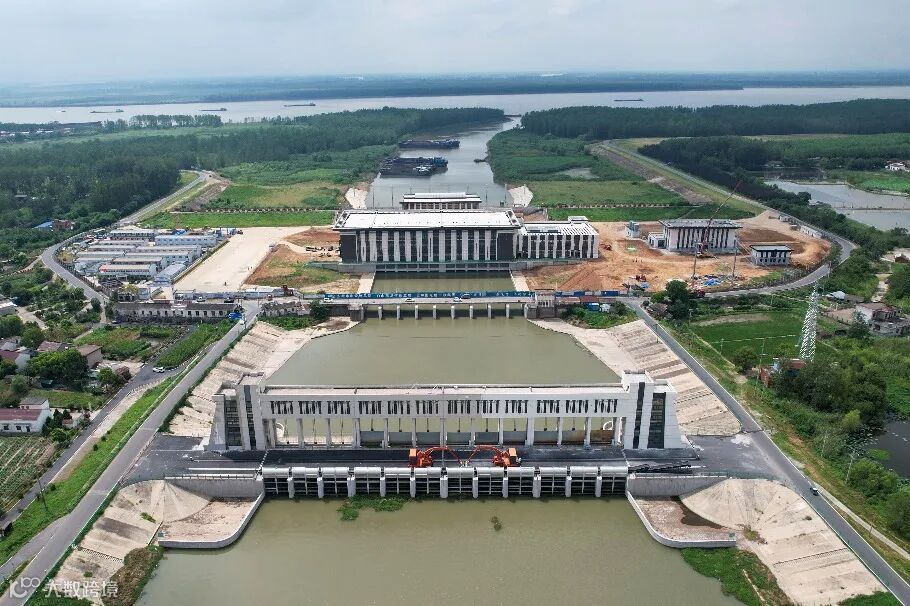
China has built the world's largest, most comprehensive and populous water infrastructure system, Minister of Water Resources Li Guoying said on Monday.
By the end of 2024, the country had constructed 95,000 reservoirs, 200 large and medium-sized water diversion projects, 6,924 large and medium-sized irrigation areas and 318,000 kilometers of embankments, Li said at a news conference at the State Council Information Office.
In 2022, investment in water conservancy construction exceeded 1 trillion yuan ($140 billion) for the first time, reaching 1.35 trillion yuan in 2024. Total investment during the 14th Five-Year Plan period (2021-25) is projected to surpass 5.4 trillion yuan, 1.6 times that of the 13th Five-Year Plan period (2016-20), he said.
Globally, China has one of the most complex water systems. Workers in China's water sector undertake the most challenging river management tasks and the most arduous water control missions in the world, he said.
Since the start of the 14th Five-Year Plan period, new achievements in water conservancy have contributed significantly to ensuring flood control security, water supply security, grain security and ecological security, Li added.
The country has consistently prioritized the safety of people's lives and property, continuously improving the flood and drought disaster prevention system, he said.
The flood control capacity of reservoirs stands at 185.6 billion cubic meters, embankments protect 660 million people and national flood detention zones have a capacity of 109 billion cubic meters, Li said.
Over the past five years, China successfully managed floods exceeding warning levels on 3,981 rivers, including 223 rivers that have experienced their largest floods on record, he said.
The flood storage capacity of seven major river basins has reached 210.4 billion cubic meters, capable of handling the largest floods since the founding of New China, he said.
Meanwhile, the country has also effectively addressed severe droughts in basins such as the Yangtze and Pearl rivers, ensuring drinking water security and irrigation needs. The proportion of economic losses from flood disasters to GDP decreased from 0.28 percent during the 13th Five-Year Plan period to 0.18 percent during the 14th Five-Year Plan period, Li said.
Frequent and severe floods and droughts in recent years have posed serious challenges to grain production, Li said. During severe droughts, such as the 2022 event in the Yangtze River Basin, precise water dispatching from 75 reservoirs ensured irrigation for 12.2 million hectares of autumn grain, securing a harvest despite the drought.
Flood control measures also saved 4.91 million hectares of farmland from inundation and prevented a grain output reduction of 26.5 billion kilograms during the first four years of the 14th Five-Year Plan period, he added.
Zhang Xiangwei, director of the ministry's Department of Planning and Programming, said the reinforcement of 17,994 risky reservoirs restored their functions and improved safety over the past five years, achieving zero reservoir collapses for three consecutive years from 2022 to 2024.
From: Chinadaily.com.cn
《城市规划(英文版)》
China City Planning Review
邮箱/Email:ccpr@planning.org.cn
微博/Weibo:城市规划英文版
微信/Wechat:ccpr_1985
电话/Tel:+86-10-82819550
投稿入口:https://csgy.cbpt.cnki.net/