
Press "PandaGuides" above to follow us!
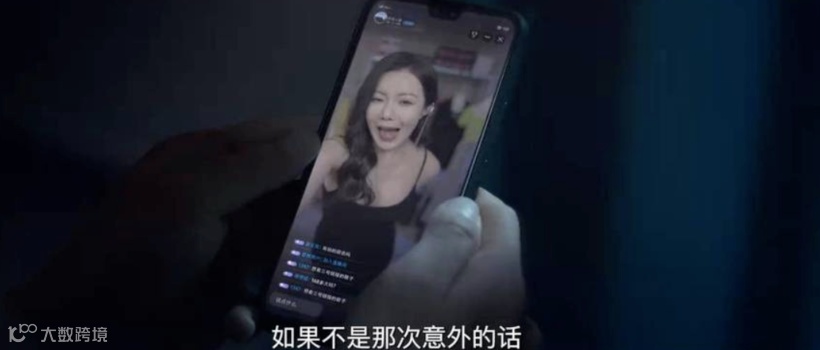
They dreamed of fame and fortune. What many found instead was a cycle of debt, lawsuits, and degrading work conditions that proved nearly impossible to escape.
In recent years, China’s booming livestreaming industry has drawn millions of young women hoping to become the next internet celebrity. Yet behind the bright lights of virtual stages lies a darker reality, where exploitative contracts and relentless pressure have left many low-level female hosts trapped in a system stacked against them.
In August 2023, 26-year-old Lin Yue thought she had moved on from her short stint at a livestream company in Hefei. Then a text message from the local court arrived: her former employer was suing her for 200,000 yuan (about US$27,000) in damages. The demand left her shaking and in tears.

“I earn only 5,000 yuan a month in foreign trade sales,” she said. “I spend it all just to get by. How could I possibly pay this?”
Lin recalled joining the company in 2022 under the impression she had been hired as a clothing model. The job listing promised “high salary + accommodation.” At the interview, she was told a famous photographer would help package her into an internet star—but only if she also agreed to livestream four or five hours daily.
The office appeared legitimate: clean, modern rooms with computers, cameras, and accessories neatly arranged. Staff handed her a so-called “brokerage contract,” requiring minimum hours and carrying a 200,000 yuan penalty for breach. Though she noticed the hefty figure, she was reassured it was “just a formality.”

Soon after, Lin realized her work was less about modeling and more about catering to “top patrons” willing to spend lavishly on virtual gifts. Feeling the company offered no real training and chasing only quick profits, she quit after earning 3,000 yuan. A year later, the lawsuit came back to haunt her.
Lin’s experience is far from unique. Another young woman, An Ran, entered a Shenzhen-based firm with a friend after being promised a monthly salary of 12,000 yuan plus housing allowance. They expected to perform group dance streams. Instead, they were pressured into suggestive one-on-one chat sessions with scripts hinting at sexual undertones.
The reality: no scripts, unstable accounts frequently banned for “borderline” content, and ultimately no pay. When the women confronted the company, managers coolly told them to “refer to the contract.”

Closer inspection revealed a minefield of clauses: the company had sole authority to decide whether livestream hours counted as “valid,” and hosts could not quit without incurring steep penalties. “We didn’t realize we had signed away all our rights,” An Ran admitted.
Industry insiders confirm such “unbalanced agreements” are widespread. “Companies invest resources up front, so they lock in talent with strict terms,” said Ryoko, a manager at a multi-channel network. But she acknowledged that many contracts qualify as “overlord clauses” that specify punishments for the host without detailing obligations for the firm.
Lawyer Li Yan of Hunan Huazhuan Law Firm has represented livestreamers in hundreds of cases since 2018. He estimates that 80–90% of defendants are women, mostly aged 20 to 28.
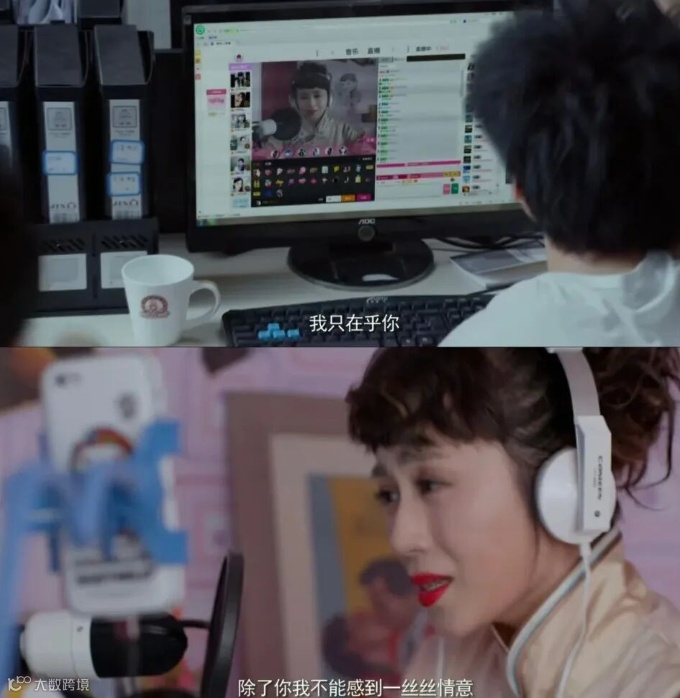
The most common disputes involve failure to meet required hours, unilateral termination, or working on competing platforms. Li believes many cases stem from unrealistic expectations. “They are lured by the dream of fast money and fame,” he said. “Most underestimate the risks and sign without legal advice.”
Worryingly, some companies have begun treating lawsuits themselves as a revenue stream. As natural audience traffic declines, firms cut costs by suing underperforming hosts to recoup investments. “Some agencies file hundreds of cases a year,” Li noted.
Once in court, livestreamers rarely win. Without proof of coercion or company misconduct, 90% of cases result in judgments against them. Academics point out that courts usually treat these contracts as civil agreements rather than labor contracts, meaning hosts bear responsibility for any breaches.

For many young women, livestreaming seems at first like a ticket to a glamorous life. An Ran once worked in a smartphone shop where her short videos regularly went viral, generating thousands in daily sales. Later, as part of a dance troupe, she performed exhausting routines that left her bruised and drained.
Even in smaller chat streams, pressure to maintain a sexy image was constant. Makeup, clothing, and behavior were dictated by company staff. Scripts encouraged hosts to identify wealthy patrons quickly, coax small gifts, and escalate toward pricier “airplane” icons worth hundreds of yuan.
Those who paid often demanded personal contact or offline meetings. “Many would message me right away offering money to meet,” An Ran said. Over time, what once felt shocking became routine. Even crude nicknames from managers—based on her bra size—stopped bothering her. “I just told myself it was part of the job.”
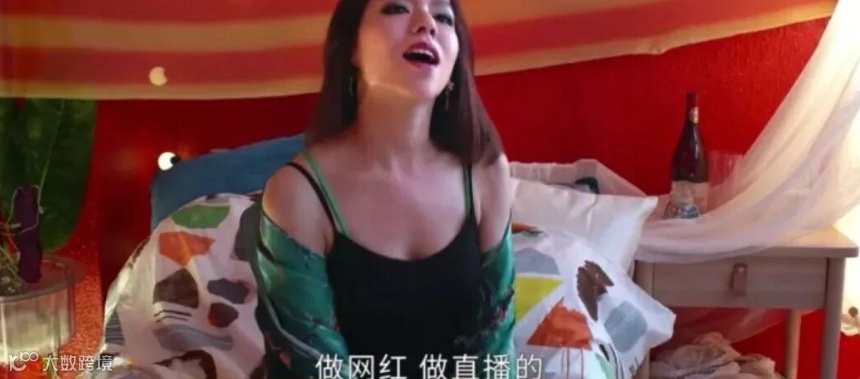
China’s livestream industry remains massive. By mid-2025, nearly 200 million accounts had been registered, with over 33 million active monthly broadcasters, according to the China Association of Performing Arts. Yet the low entry barrier means most will never succeed.
True success requires far more than looks, experts say. Top hosts combine charisma with salesmanship, content strategy, and relentless effort. Luck plays a role too. But with audience growth slowing, competition has intensified, leaving newcomers vulnerable.
For Lin, An Ran, and countless others, the livestream dream has soured into a trap. Unable to earn stable income yet bound by punishing contracts, many find themselves in legal and financial limbo.
“Livestreaming looked like a path to freedom,” An Ran reflected. “But once you step inside, it’s hard to get out.”
Until clearer labor protections emerge, industry observers warn that China’s livestream “dream factory” will continue producing more victims than stars.
Source: 三联生活周刊
● Man spends ¥13 million on girlfriend, gets dumped for foreigner
● 38-year-old woman’s marriage requirements stir debate online
● Chinese woman chooses African partner, left broke after cancer
● Chinese man shares photos with German girlfriend, gets bullied
● Foreign woman fined for dating on tourist visa in China
● Chinese man marries African girl 12 years his junior for ¥9,000
● My friend chose to end her life in Zurich on October 24, 2024
Long press or scan the QR CODE below to follow us!