

FDM (Fused Deposition Modeling)
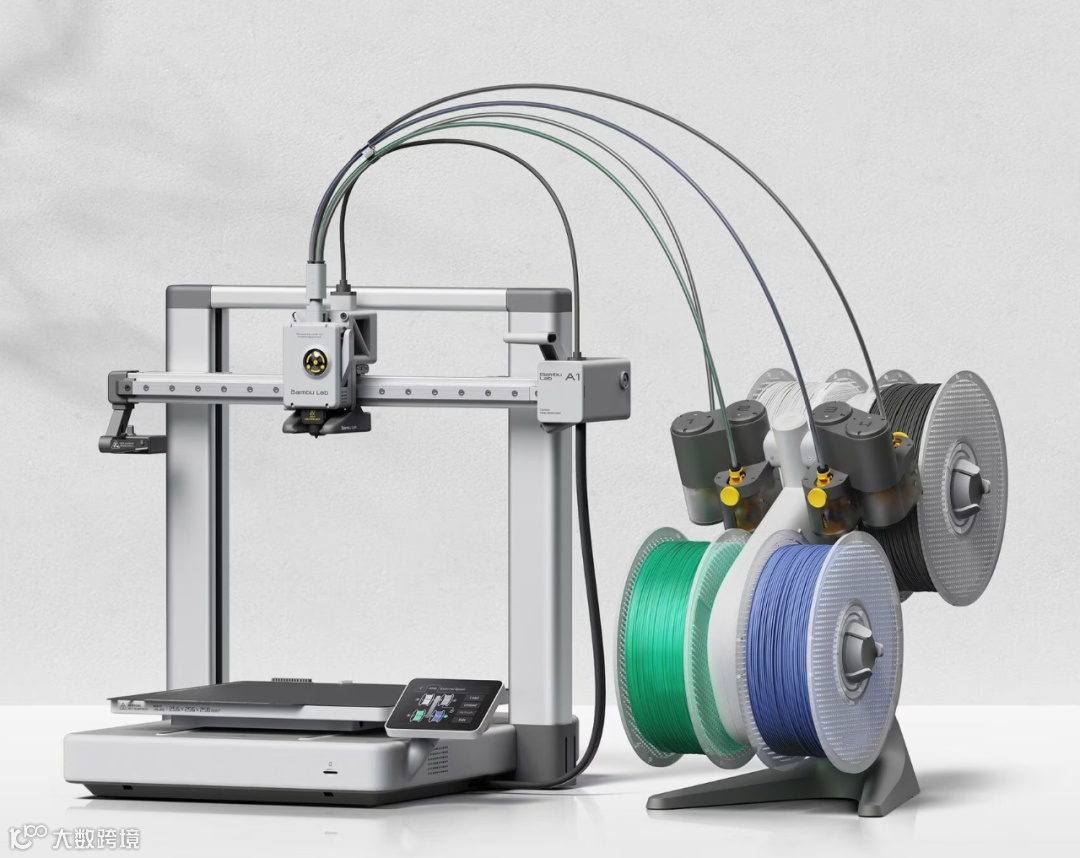
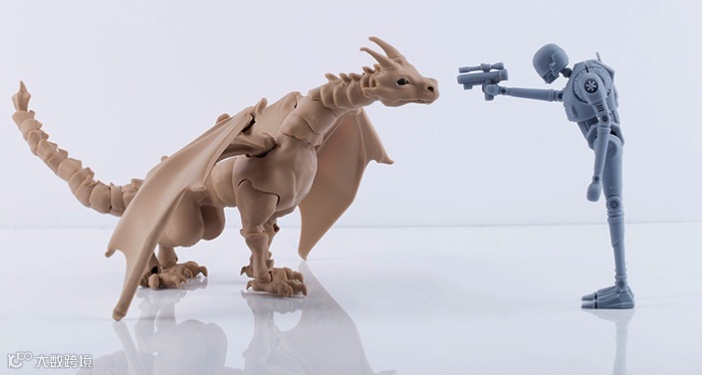
FDM (Fused Deposition Modeling), also known as fused filament fabrication, is currently the most popular and widely used 3D printing technology. It works by heating and extruding thermoplastic materials (commonly PLA, ABS, PETG, etc.) layer by layer to form a three-dimensional object from the bottom up.
Advantages:
Low cost: PLA and ABS materials are affordable, recyclable, and offer good cost-performance.
Easy operation: Simple maintenance, open-source software, and accessible operation make it suitable for education and prototyping.
Wide material range: Compatible with materials from common PLA to flexible TPU and even engineering-grade polymers.
Disadvantages:
Printing accuracy is relatively low, and layer lines are visible.
Printing speed is limited and not suitable for mass production.
Material strength is limited, making it difficult to withstand heavy-load structures.
Applications:
Commonly used for education, training, model building, creative studios, and prototyping.

SLA (Stereolithography)

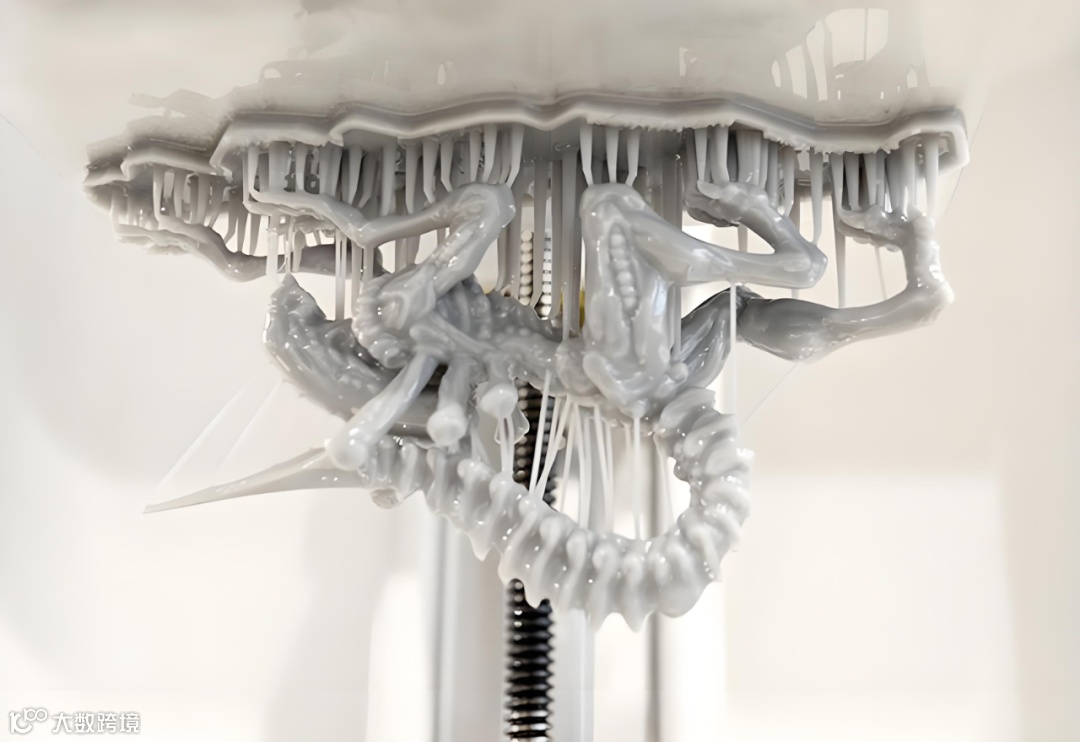

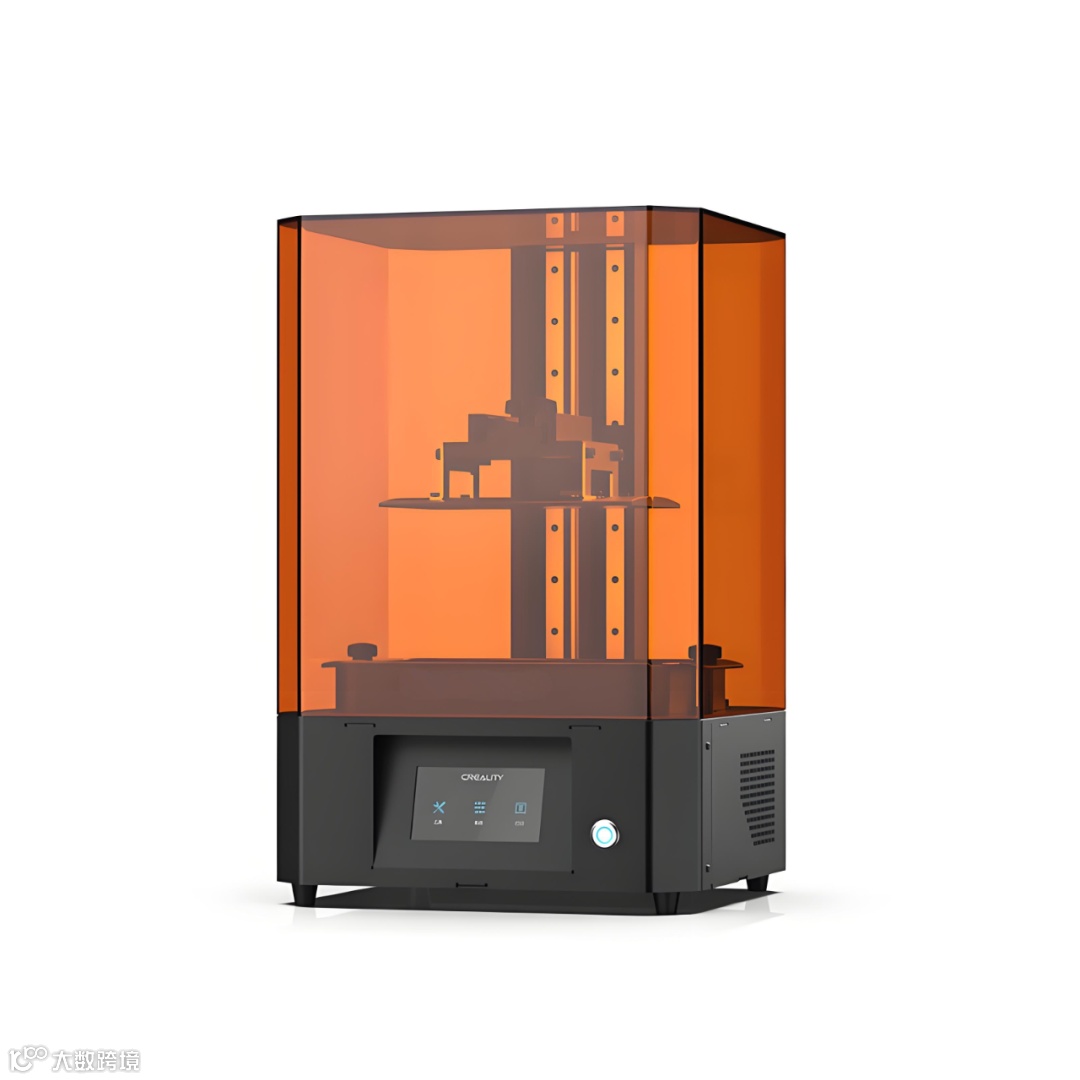
SLA (Stereolithography) is one of the earliest commercialized 3D printing technologies in the world. It uses ultraviolet lasers to cure photosensitive resin layer by layer, allowing rapid solidification. Compared with FDM, SLA provides higher printing precision and smoother surface quality, making it ideal for producing fine details and display models.
Advantages:
High precision: Capable of reproducing complex microstructures and intricate geometries.
Smooth surface: Models require minimal post-processing and can achieve glossy finishes.
High forming speed: Layer-by-layer curing enables rapid prototyping and short development cycles.
Disadvantages:
The resin requires strict storage and environmental control.
Material costs are relatively high.
The resin has a certain brittleness and is less impact-resistant than engineering plastics.
Applications:
Commonly used in jewelry, medical models, scientific research, and industrial display prototypes.
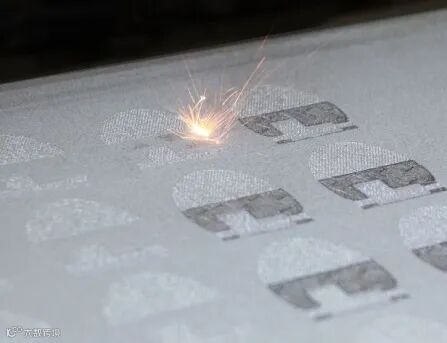
SLS (Selective Laser Sintering)
SLS (Selective Laser Sintering) represents industrial-grade 3D printing technology and is widely used in aerospace and automotive manufacturing. It uses high-powered lasers to sinter powdered materials such as nylon or metal layer by layer, forming strong and dense structures.
Advantages:
No need for support structures: The powder itself acts as support, allowing freeform complex designs.
Material efficiency: Unused powder can be recycled, reducing waste.
High strength: Printed parts are tough and heat-resistant, suitable for end-use functional components.
Disadvantages:
High cost: Equipment and maintenance are expensive.
Rough surface: Requires post-processing.
Strict environmental requirements: Powder handling and temperature control are demanding.
Applications:
Aerospace components, automotive parts, functional testing parts, and industrial-grade products.

We provide high-quality PLA filament, resin, and various 3D printing materials. Compatible with mainstream FDM and SLA printers, featuring excellent flowability, strong adhesion, and stable printing performance.Welcome to add us on WeChat for more details.

If the QR code above is invalid, you can also add the WeChat below:
Mr. Wang:s15017514013
Or leave a message in the background, we will contact you as soon as we see it.


END


Image Source: Internet

Click the “阅读原文” (Read Original Text) button at the bottom left to explore more!