


| 引言 Introduction |
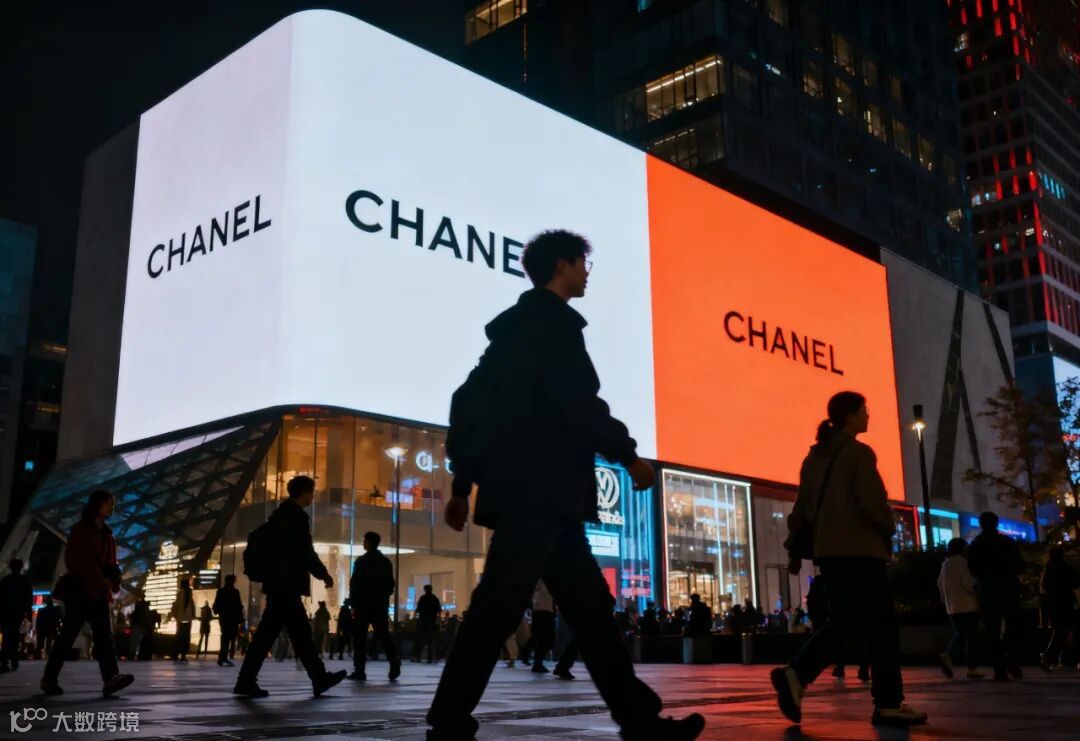
随着数字营销的不断演进,户外与线上广告的界限正在被重新定义。商圈LED大屏以其高人流、高冲击力的特征,长期承担着品牌曝光和城市地标效应;而线上定向广告则凭借LBS(基于位置服务)、POI(兴趣点)和人群标签,成为精准触达消费者的利器。两者的结合不仅是广告形式的互补,更是未来广告行业协同发展的关键议题。
As digital marketing evolves, the boundaries between outdoor and online advertising are being redefined. Commercial LED screens, with their high-traffic and high-impact presence, have long served as landmarks for brand exposure. Online targeting, leveraging LBS, POI, and audience profiling, has emerged as a powerful precision tool. Their combination is not merely complementary in form, but also a key driver of future industry integration.
| 现状与挑战 Current Landscape and Challenges |
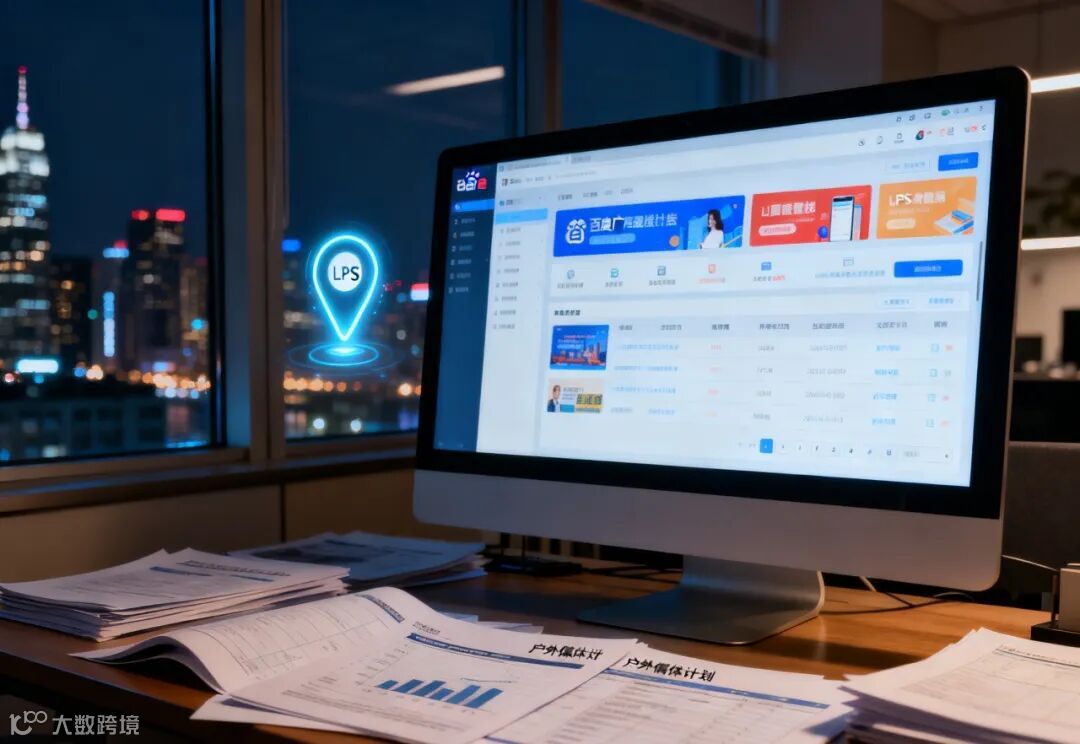
在当下的中国市场,大屏与线上广告依然是两套分割的体系。前者由户外媒体公司掌控,强调覆盖与可见度;后者则由抖音、微信、百度等互联网平台运营,依托算法与地理围栏完成投放。数据、交易平台和计费逻辑均未打通,广告主必须分别规划预算与效果。这种割裂虽然在操作层面带来复杂度,但也为未来的跨媒体协同留下了潜在空间。
In China’s current market, LED screens and online advertising remain two separate systems. The former is managed by outdoor media companies focusing on coverage and visibility, while the latter is operated by platforms such as Douyin, WeChat, and Baidu, relying on algorithms and geofencing. Their data, trading platforms, and billing models remain disconnected, requiring advertisers to plan budgets and outcomes separately. While this separation adds operational complexity, it also leaves room for potential cross-media synergy in the future.
| 整合价值 Integration Value |
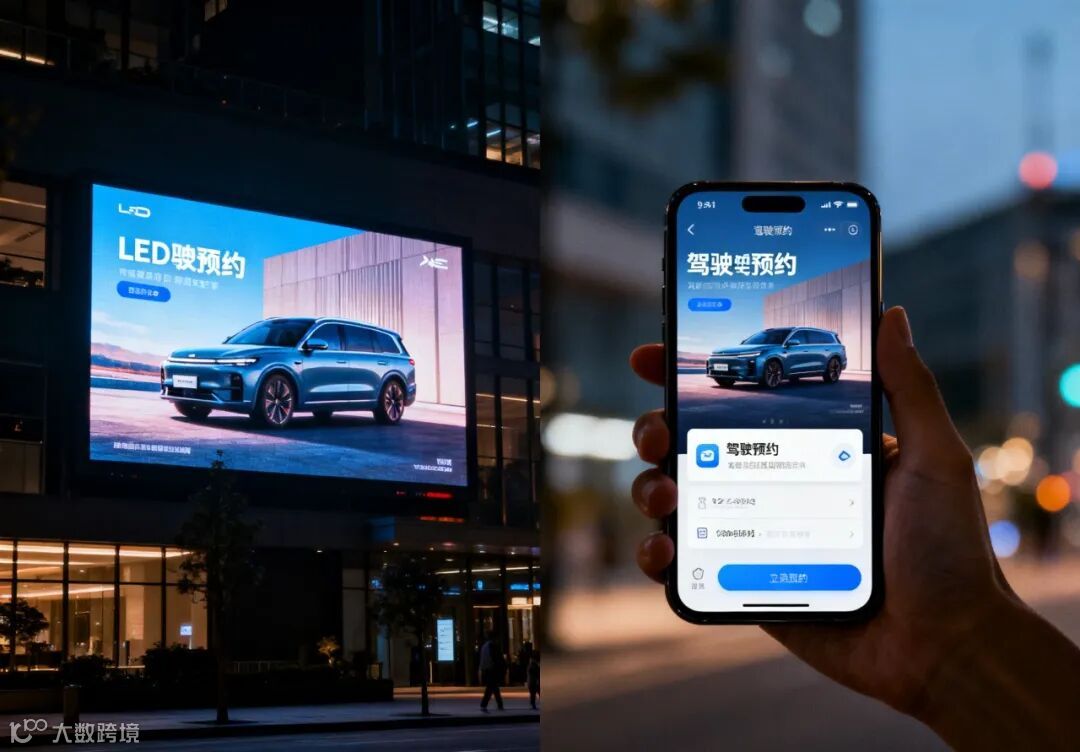
LED大屏能够在商圈核心区域制造强制曝光,建立品牌记忆与社会背书;线上定向则依靠即时触达和互动转化,将兴趣转化为实际行动。两者并置,便形成了“声量驱动+转化收口”的组合逻辑。例如汽车品牌可借助大屏塑造形象,再通过定向广告推动试驾预约;餐饮门店则以大屏吸引关注,再通过推送优惠券完成落地转化。
LED screens generate forced exposure in high-traffic commercial areas, building brand recall and social validation, while online targeting provides instant engagement and conversion tools such as coupons, booking links, or e-commerce access. Together, they form a combined logic of “awareness-driven exposure plus conversion capture.” For example, auto brands can use screens to build image and targeting ads for test-drive bookings, while restaurants can attract attention through large screens and complete transactions with coupon push notifications.
| 未来展望 Future Outlook |
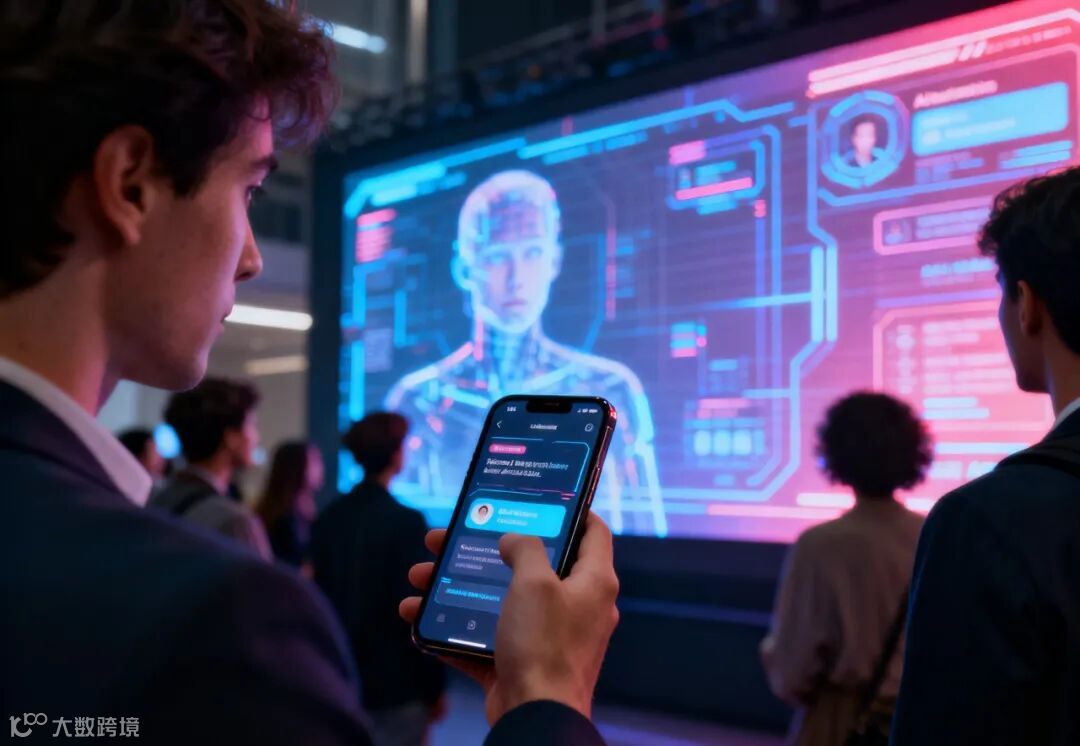
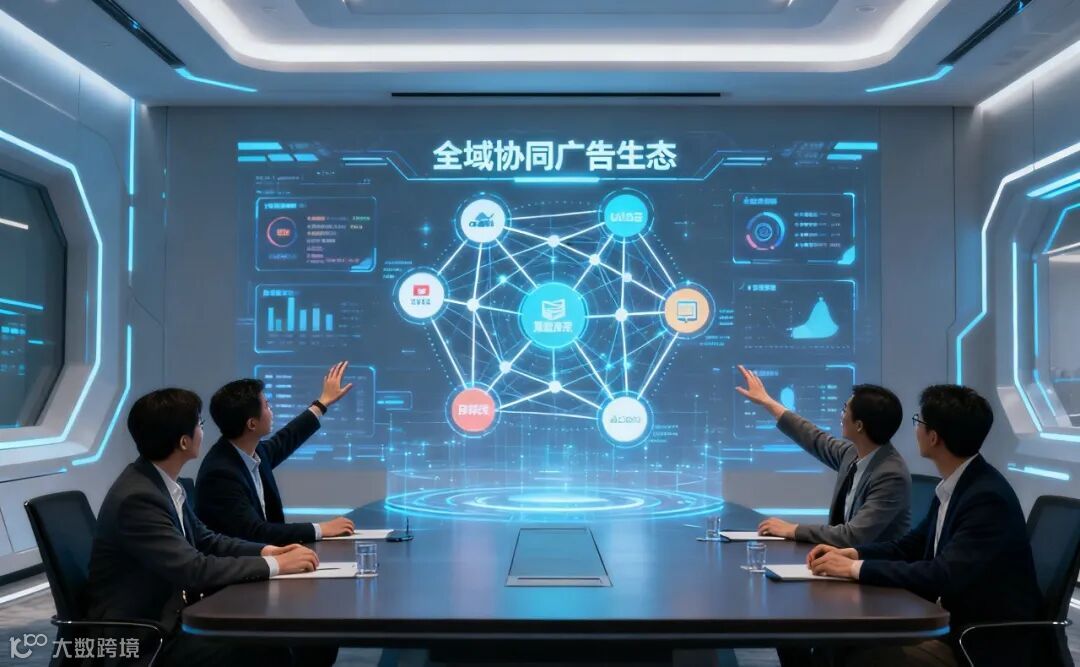
未来的可能性在于线上线下真正的数据打通。当商圈大屏能够通过人流感应与AI识别生成受众标签,并即时传递给广告平台,用户就可能在抬头看到广告的同时,低头收到对应的线上推送。这种“跨屏一致”的体验不仅提高预算效率,更让广告路径可视化,从品牌认知延展到消费决策。广告不再是孤立的曝光,而是一场有节奏、有衔接的战役。
The future lies in true data integration between online and offline. When commercial LED screens can generate audience tags through AI and traffic sensing and feed them directly to advertising platforms, users may simultaneously see an ad on the big screen and receive a related online push notification. This “cross-screen consistency” not only improves budget efficiency but also visualizes the advertising journey from brand awareness to consumer decision. Advertising evolves from isolated exposure into a coordinated campaign with rhythm and continuity.
| 结论 Conclusion |
在当下阶段,中国的广告市场仍处于线下与线上割裂并行的状态,但整合趋势已不可逆转。短期来看,广告主可以通过策略性组合实现大屏与线上定向的互补;中长期而言,随着程序化购买与跨平台数据接口的开放,广告行业将走向真正的全域协同。那时,预算的每一分都将不再浪费,而是精准落在消费者的心智之中。
At present, China’s advertising market remains divided between offline and online, but integration is an irreversible trend. In the short term, advertisers can strategically combine LED screens with online targeting for complementary effects. In the medium to long term, with programmatic buying and cross-platform data interfaces opening up, the industry will move toward holistic coordination. At that point, every advertising dollar will no longer be wasted but will land precisely in the consumer’s mind.