

I. THE COLLISION
Between Traffic Dividends and Trademark Barriers
In China's e-commerce market in 2025, the era of "opening an online store and making easy money" has long passed. Data from the National Intellectual Property Administration shows that in 2024, the number of intellectual property complaints on e-commerce platforms nationwide increased by 37% year-on-year, with trademark infringement accounting for 62% of the total. From the popular brand "Perfect Diary" suffering daily losses of over 1 million yuan due to counterfeit store names to the cross-border seller "Anker Innovations" being removed from Amazon for not registering overseas trademarks, trademarks have become a matter of life and death for e-commerce businesses.
II. TRADEMARK RULES
on Mainstream E-commerce Platforms
(I) Tmall: The "Entry Threshold" for Domestic Brands
Tmall has extremely strict requirements for trademarks:
- Entity Qualification
Only corporate legal persons are accepted for settlement, while individual businesses and non-Chinese enterprises are rejected. - Deposit Differences
Stores with TM marks (trademark acceptance notices) are required to pay a deposit of 100,000 yuan, while those with R marks (registration certificates) only need to pay 50,000 yuan. This design implies the platform's logic - R-marked merchants are regarded as "lower-risk" partners. In 2024, data showed that their dispute rate was 41% lower than that of TM-marked stores. - Restrictions on Trademark Forms
Pure graphic trademarks are not accepted because they cannot be used to name stores (e.g., "®" cannot be used as a domain name). For flagship stores of shopping malls, Class 35 trademarks (advertising and sales) have become a mandatory requirement, directly leading to the rejection of over 3,000 small and medium-sized sellers due to not registering Class 35 trademarks.

(II) JD.com: Dual Standards for Domestic and Cross-border Businesses
JD.com's trademark review shows "different standards for domestic and cross-border operations":
- Domestic Sales Platform
Requires that the TM mark registration application time be at least 6 months, aiming to filter out "opportunistic registrations". In 2024, data showed that this rule blocked 12% of "pseudo-brand" settlement applications. - Cross-border Platform
Overseas trademarks are required to have been registered for at least 1 year and include Class 35, which contrasts with Amazon's rule of "only requiring local registration". In 2024, among the stores removed from JD Worldwide, 43% were cleared out due to trademarks not having been registered for 1 year, of which 60% were Southeast Asian sellers. -

(III) Amazon: The "Localization Trap" in the Global Market
Amazon's trademark rules are full of "regional characteristics":
- Site Customization
Requires brands to register local trademarks in the corresponding sites; otherwise, they will face "brand abuse" warnings. In 2024, over 200,000 product links of Chinese sellers were removed from Amazon due to not registering U.S. trademarks, resulting in direct losses of over 800 million yuan. - Change Certification
When trademarks undergo changes, transfers, or renewals, sellers must provide certification documents issued by the trademark office. A 3C seller had its account balance frozen for 3 months after being judged as "selling infringing products" by Amazon for failing to promptly submit trademark transfer certification. -

(IV) AliExpress: The "Linguistic Hegemony" of English Trademarks
AliExpress explicitly rejects pure graphic and pure Chinese trademarks, requiring that they must include English, pinyin, or a combination of numbers. This rule forces many traditional Chinese brands to "westernize" their names:
-
"Lao Gan Ma" (Old Dry Mother) was changed to "Lao Gan Ma" (using pinyin) -
"Tong Ren Tang" (Tong Ren Tang Pharmacy) was changed to "Tong Ren Tang" (using pinyin)
In 2024, a Hanfu (traditional Chinese clothing) brand was rejected for insisting on using the Chinese trademark "Yi Jin Huan Xiang" (Returning Home in Splendid Clothes), sparking a public opinion controversy over "cultural output and platform rules".

III. TRADEMARK INFRINGEMENT
From Counterfeit Stores to Traffic Hijacking
(I) The Wild Tactics of Counterfeit Stores
Infringers evade review by altering brand names, using homophones, or adding typos:
-
"Perfect Diary" → "Wan Mei Ri Ji" (Wan Mei Daily Record), "Wan Mei Ri Ji" (using a different Chinese character for "Diary") -
"Huawei" → "Hua Wei" (a homophone), "Hua Wei" (using different Chinese characters)
In the case of "Perfect Diary vs. a Certain Store" tried by the Hangzhou Internet Court in 2024, the defendant was sentenced to pay 2 million yuan in compensation for using "Wan Mei Ri Ji". The court ruled that it constituted "confusion of association" - although consumers knew it was not an official store, they mistakenly believed it had been authorized by the brand.
Infringers direct traffic to counterfeit stores by purchasing brand keyword advertisements. During the "Double 11" shopping festival in 2024, a beauty brand found that the third-ranked link when searching for "Estée Lauder" was a counterfeit store, which defrauded over 5 million yuan in 3 days by selling low-quality products.

(II) The Cross-border Sniping of Trademark Squatting
Overseas trademark squatting has become a "pain point for internationalization" for Chinese brands:
-
In 2024, "Chayan Yuese" (Tea Beauty) was squatted on by a Japanese company for Class 30 (tea), and "Huaxizi" (Florasis) was squatted on by a South Korean company for Class 3 (cosmetics). -
Chinese overseas brands suffer annual losses of over 3 billion yuan due to overseas trademark squatting, of which 60% occurs in the Southeast Asian market.
Professional squatting teams monitor popular brands on Douyin (TikTok) and Xiaohongshu (Little Red Book), squat on relevant trademark categories, and then demand "authorization fees" from brand owners. In 2024, a team registered over 5,000 trademarks of online celebrity brands and made over 200 million yuan in profits through "rights protection lawsuits".
IV. BRAND DEFENSE
From Passive Victimization to Proactive Offense
(I) Trademark Layout Strategies
- Comprehensive Coverage of Core Categories
Online celebrity brands need to register main categories (e.g., a food brand registers Classes 29, 30, and 35), related categories (e.g., a beauty brand registers Classes 3, 21, and 35), and defensive categories (e.g., a technology brand registers Classes 9 and 42). "Santonban" (Three Tones and a Half) coffee built a trademark firewall through this strategy and successfully blocked 127 infringement applications in 2024. - Multi-language Version Registration
Chinese, English, pinyin abbreviations, and font variations all need to be registered. A Hanfu brand was squatted on by a U.S. company for not registering the English trademark "Han Fu" and was demanded 500,000 U.S. dollars for the "transfer fee". -

(II) Technological Defense Measures
- AI Infringement Monitoring
Tools such as Alibaba's "Quan Weishi" (Rights Guardian) and JD.com's "Shangbiao Dun" (Trademark Shield) can scan store names, product titles, and image watermarks in real time. During the "Double 12" shopping festival in 2024, a home appliance brand took down 3,200 infringement links within 48 hours using an AI system, with an efficiency 200 times higher than manual operations. - Blockchain Evidence Preservation
Register trademark certificates, design drafts, and authorization documents on the blockchain to form an immutable evidence chain. In 2024, the Hangzhou Internet Court adopted blockchain evidence preservation for the first time and ruled that a certain infringing store should pay 1.8 million yuan in compensation. -
(III) Legal Rights Protection Paths
- Platform Complaints
The complaint channels and material requirements vary among different platforms. For example, Taobao requires trademark certificates and infringement comparison charts, with a processing time limit of 3 working days; Amazon requires registration certificates for the target market, with a processing time limit of 7 working days. - Judicial Lawsuits
Civil lawsuits can claim trademark infringement and unfair competition, with the scope of compensation including actual losses, infringement profits, or statutory compensation (up to 5 million yuan). In 2024, the Zhejiang police cracked the "counterfeit Huawei chip case" involving over 1 billion yuan, and the main culprit was sentenced to 15 years in prison. -

The Essence of the Trademark War Is the Evolution of Business Civilization
From Tmall's "R-mark threshold" to Amazon's "localization trap", from the wild growth of counterfeit stores to the legal vacuum of AI trademarks, the changes in trademark requirements on e-commerce platforms reflect a fundamental truth: in the digital age, intellectual property has become the core resource of business competition.
YIQIIP has always believed that the true value of a brand does not lie in how many trademarks it squats on, but in whether it can establish a sustainable relationship with consumers. But before that, every brand must first learn to survive in the jungle of rules - because companies that ignore trademarks will eventually be eliminated by the market.
Data Sources: National Intellectual Property Administration, official rules of various e-commerce platforms, judgments of the Hangzhou Internet Court, etc.

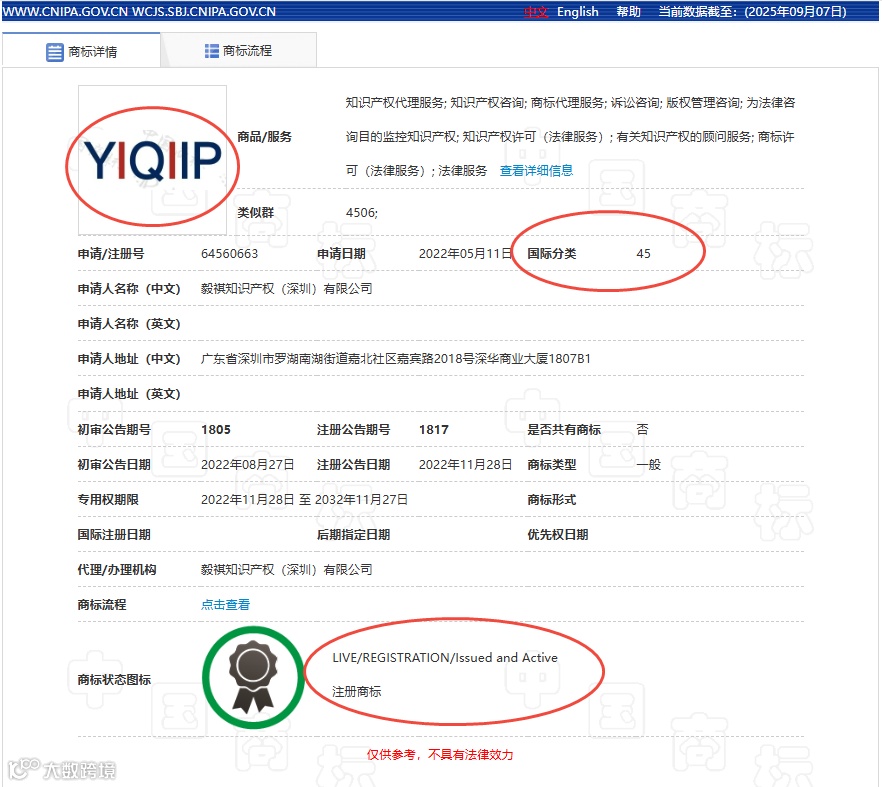
YIQIIP short for YiQi Intellectual Property is a registered trademark and intellectual property legal service brand in China. YiQi in Chinese phonetically same as "Together" and literally same as " Perseverance and best wishs", perfectly conveys our values of long-term perspectives and sustainable development.
YIQIIP is a trademark agency certified by the Trademark Office of CNIPA (the National Intellectual Property Administration), providing consulting services to clients worldwide, focusing on trademark-related solutions including registration, strategy, translation, renewal, modification, transfer, review, response to opposition, pledge, management, notarization, monitoring, litigation, and rights protection, etc.
Our mission is to safeguard IP of brands and devote to flourishing of brands, We help brand minimize trademark related risks for stable development. We firmly believe in and emphasize the necessity of long-termism, forward-thinking strategies for brand development.

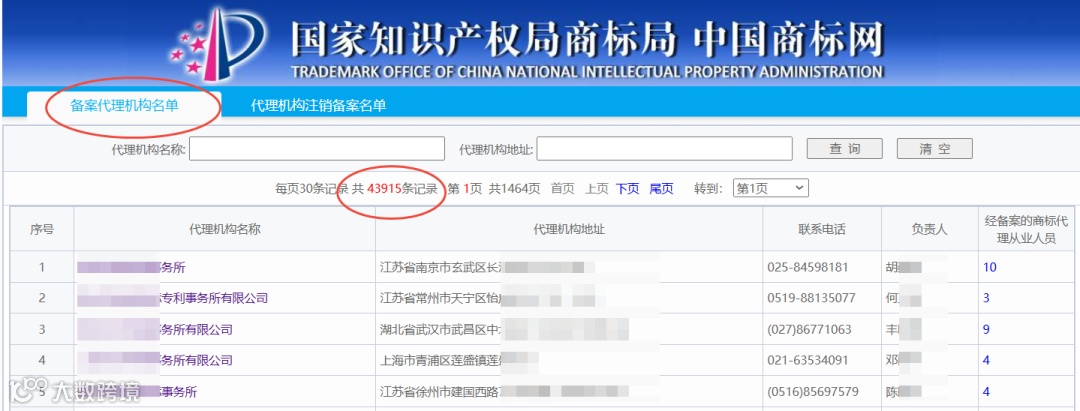

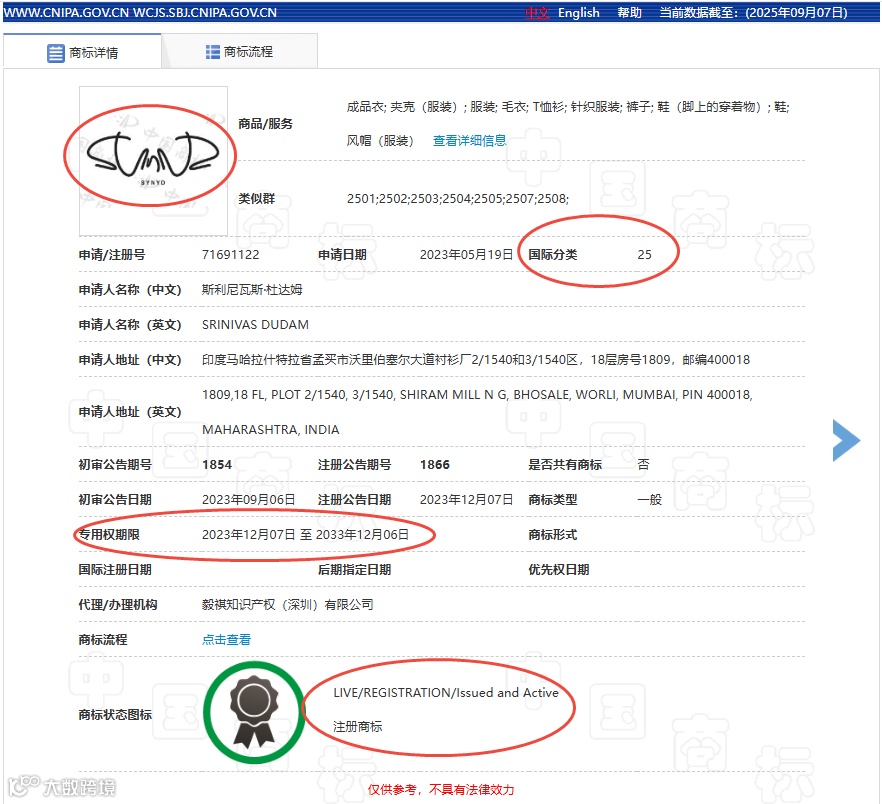
(source: CNIPA data on 09/09/20025)

(Source: CNIPA, Chinese Trademark Registration Certificate)


SERVICE REVIEW
CHINESE TRADEMARK REGISTRATION
SWISS BRAND FRENCH-CHINESE TRANSLATION
REVIEW TO TRAB FOR REJECTED APPLICATIONS
" We have worked through our brand registration in China wonderfully with the help of YIQI. Thanks to Margaret and Candice for being so available, proactive and patient to answer our questions and needs. The Chinese brand registration can be complicated for foreigners and YIQI team made the process efficient, clear and transparent. I truly recommend their services. "
——Mr. Jerome Bessard, Switzerland
Grangettes Switzerland Sàrl
https://www.grangettes.store/
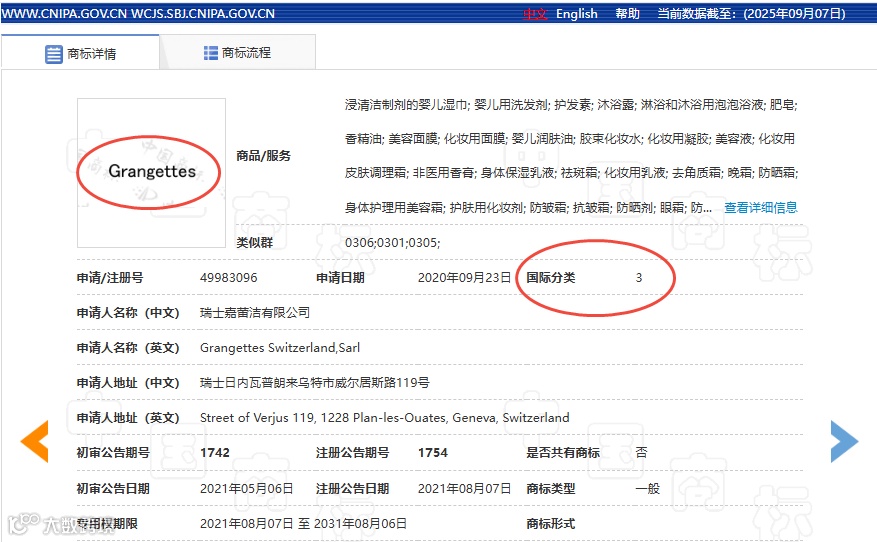
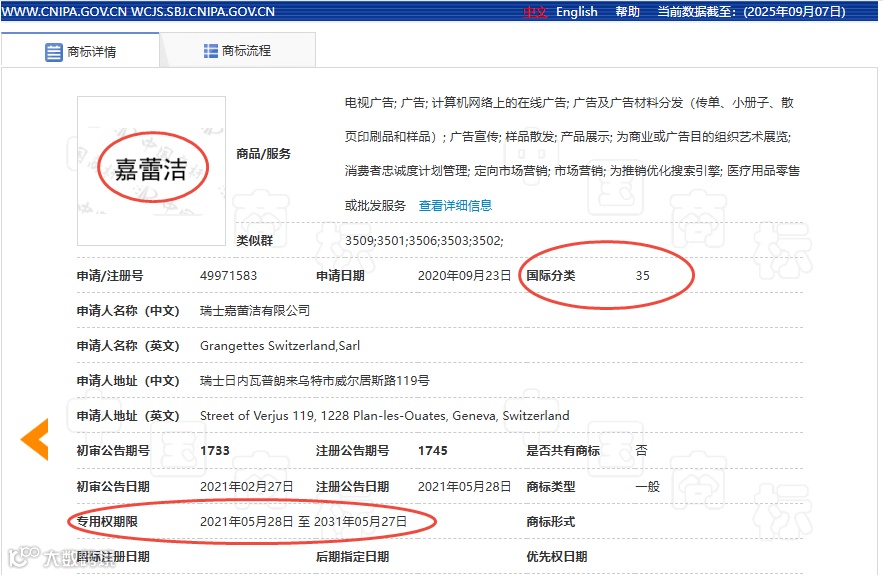
CHINESE TRADEMARK REGISTRATION
" YIQI is a great, fast and efficient way to protect our brand in Asia. The service was fast to answer, professional also. Communication was great through Wechat and Email. I recommend them to anyone who want to protect their brands. "
—— Mr. Andrea D Furlan, Geneva Switzerland
Andrea Furlan Le Studio
https://www.adreafurlan.ch/


Mr. Srinivas Dudam, India
(Source: CNIPA)