大数跨境
0
0

Podcast | Explore the Trend + Catalyst of China's Opening up !

Podcast | Explore the Trend + Catalyst of China's Opening up ! 大迈说电商
2025-10-13
4
导读:Compliance + Usual Nature of Lawyers + Connection of Military Parade & FDI + Time Line + Hesitation

Click ↑ & Listen 


Swipe up and down to browse more...


By the end of July this year, China had implemented visa-free policies for citizens of 75 countries, expanded the transit visa waiver program to 55 countries, and increased the number of entry ports to 60 across 24 provinces including 

autonomous regions and municipalities.


The permitted duration of stay has been uniformly extended to 240 hours. These adjustments to visa policies not only facilitate greater convenience for cross-border travel, but also send a strong signal of China's commitment 

to furthering opening up.


It supports the entry of foreign investors, 

technical personnel, and management staff into China. More convenient personnel exchanges mean smoother business visits, project negotiations, and technical collaborations. Also, the possibilities of multinational enterprises' operations in the country, such as factory establishment, 

the set-up of research and

 development centers and so on.  


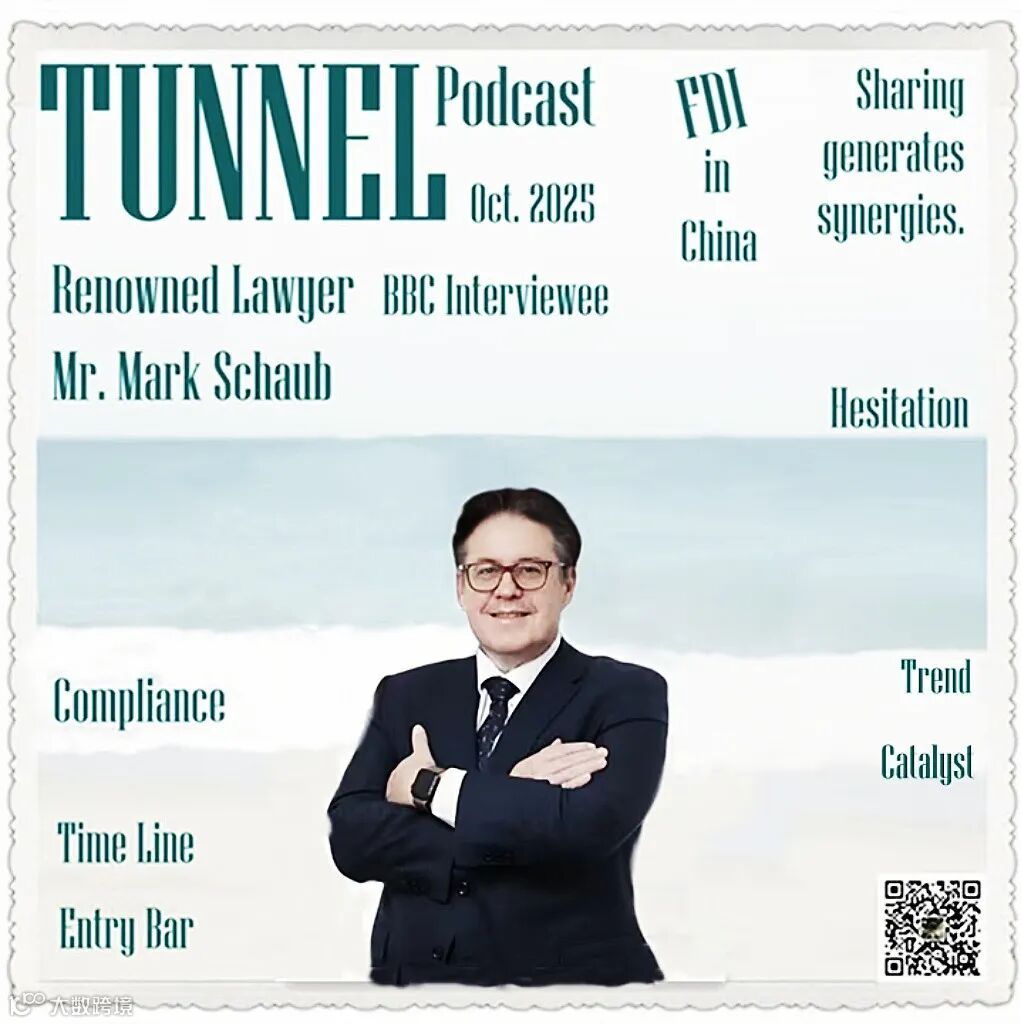
Now you are listening TUNNEL Podcast, 

October Episode of 2025. 

Here’s the voice from Elsa Chang. 

Our WeChat official account ID is: TunnelSD.    Sharing generates synergies.


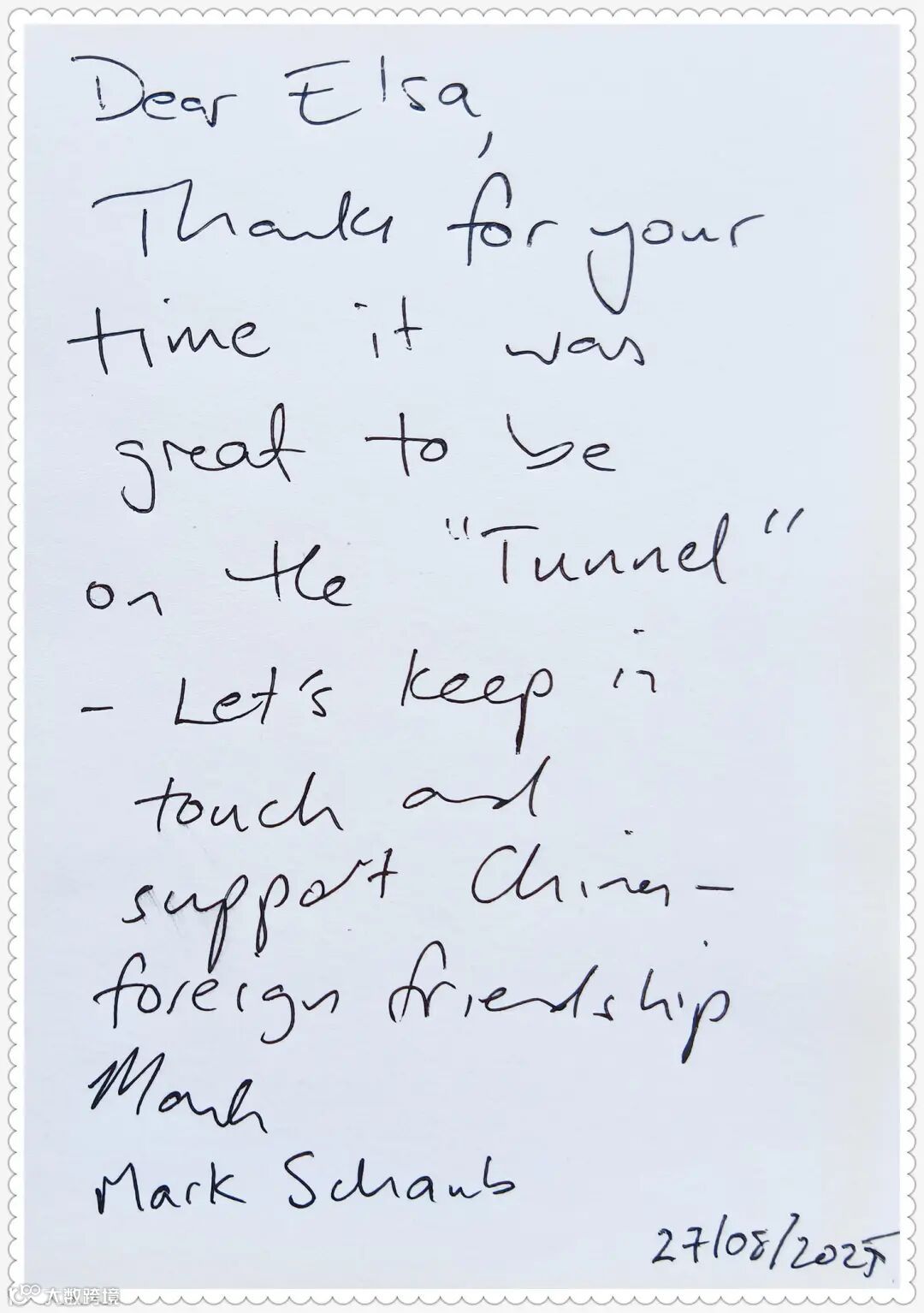
Our discussion on the hot topic Foreign Direct Investment with Mr. Mark Schaub, 

a renowned lawyer with decades of 

expertise in the field is continued. 


Hi Elsa & TUNNEL listeners. 


E: Some foreign companies feel China's market entry bar has been fluctuated, but they are not sure what’s going on. Please contextualize this phenomenon and explain from a regulatory or legal perspective.


M: Legally in every other way, the bar is lowered. There are still things which are off limits. The trend is to letting people do more. Before, China had a list of what you could do. Now it's a list of what you can't do. And that list normally gets smaller over time. 


If we talk about government, there's never been as much enthusiasm as now to attract foreign investment. So if somebody wants to set up a factory, I think we can get him a meeting with almost every county in China would be happy to meet them at the airport and throw a party. Chinese local governments are very keen to attract foreign investment.  


So, to some extent, now is a sweet pot.


From your vantage point spanning from the 1990s to today, China’s market experienced its historical cycles - from the early "explosive growth" to mid period "adjustments", & the current phase.


Were there any pivotal moments 

when you felt this market fundamentally shifted whether due to policy changes 

or evolving corporate demands?


I first came in 1991, originally from Australia.  I think 1994 was the year of the fastest growth in China. It was at 14% when everybody started coming here. 


Many people wanted to do joint ventures, but  it was from a low number. So even probably still more foreigners coming now. 


Cuz back then it was much more closed off I feel. Even Chinese people needed some kind of visa to go to Shenzhen. So I think China has grown and reformed and opened up pretty consistently. 


Probably the most golden era for foreign direct investment was in the mid 2000s. 2005, 2012 or something. Then, I guess it still did okay around 2,017,2,018. 


It slowed a bit coz almost everybody was already here. And then, 2019, there were still deals in the pipeline, but Covid was a big of an interruption.


As we came out 

of Covid, a world 

which is a bit 

more geopolitically sensitive, where 

China exports a lot, 

but you can only 

export so much.  


And people don't want to have no production at home.  


I think this is an issue for China to deal with is, you know, how can you not balance perfectly, but how can you adjust trade. So you don't make everything, you also buy from your partners, not just sell. This is now the new era that we're in. 


Thanks for the useful analysis for decision makers. However, this is an action of taking risk. So many foreign entrepreneurs are still in a wait-and-see mode, hesitating to take actions. 


Hesitation might be good. It's better than making a mistake. So if you're hesitating, you need to do the planning and thinking legitimate reasons. Is there a market for your product? Can you be successful here?


Do you have the 

resources to do it?


Let's say, in many western countries, 

there're do it 

yourself type of markets, like in Germany, there's OB;  


in Australia, there's Bunnings; in America, there's Home Depot. These businesses never succeed in China. If I was Home Depot America, I would hesitate a lot to enter the Chinese market because everybody else who's come here has failed. 


So I guess the first thing is to work out what's your success proposition.


Do you have 

the right people 

to do it? 

And then, there's 

no reason 

to hesitate. 


When people are very worried about intellectual property, I don't think that's a legitimate reason. Think about how do you protect your IP practically.  But that's not a reason not to come to China. 


If you've got a good business model and you've got the right resources, yeah, there's no reason not to come to China. But you have to do the planning. What's the best way of doing it?


For entrepreneurs navigating in stormy seas, a trusted professional confidant who can help organize their thoughts is nothing short of a life-saving straw. 


Such a figure 

serves to combat 

isolation, offer 

objective perspectives, 

untangle mental chaos, 


and prevent costly mistakes. In highly uncertain environments, professional psychological support and strategic guidance have shifted from being luxuries to absolute necessities.


Currently, there are two prevailing perspectives on FDI in society: One argues that it creates competitive pressure on domestic brands, raising concerns about "protectionism", while the other emphasizes its "catfish effect" as catalyst, such as stimulating market vitality through the transfer of technology, expertise and management models. 


Let’s take a look 

at this balance 

between dynamic competition &


empowerment from a historical view 

and see if any clues for convincing. 


It would be hard for me to imagine there's a country that has done better out of foreign investment than China. I'm not saying that foreign investment created everything in China, but foreign investment definitely helped a lot. 


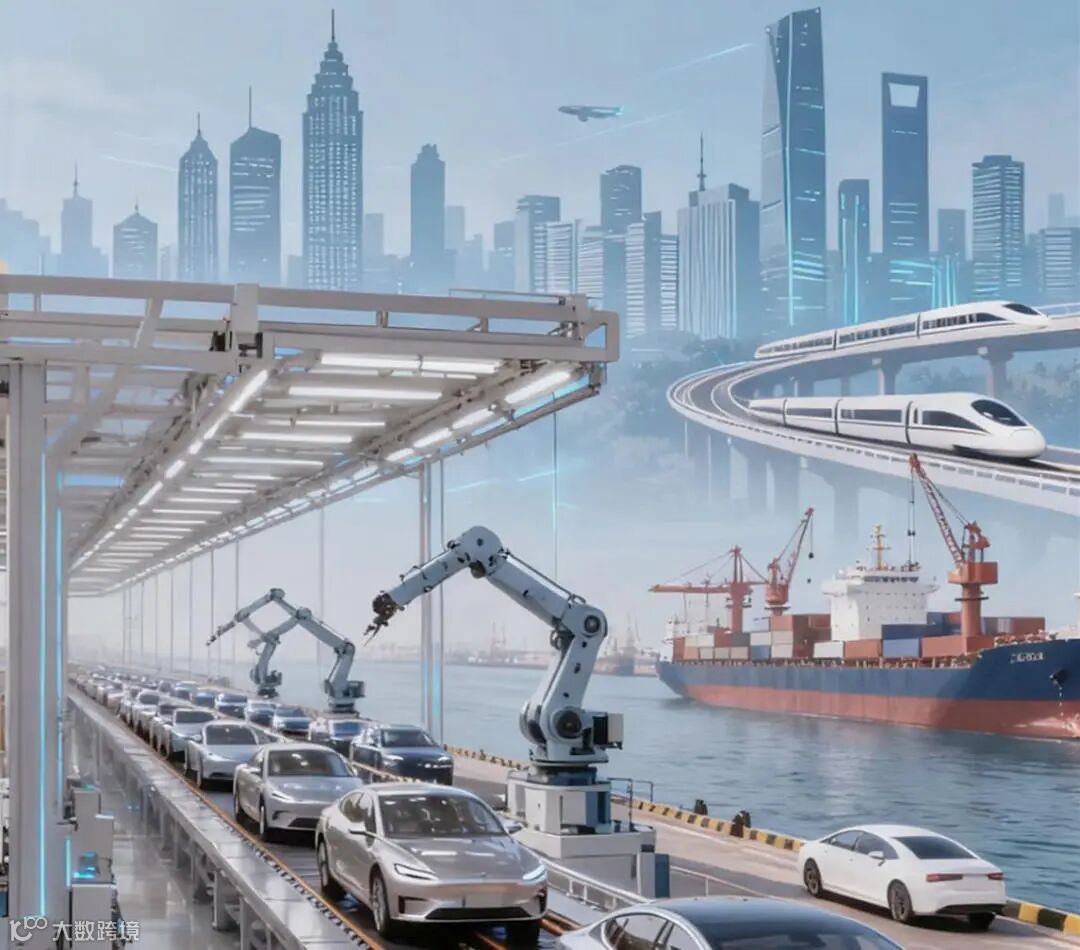
China's got the 

world's biggest car industry now. It's probably unlikely 

to be like that 


if they didn't encourage foreign investment back in the 1990s. 


So I think China's been very clever.  Even today, you still see if China feels that its domestic market is not competitive, they may still protect sectors of the economy. But once they feel confident, then they open it up. 


Back in the 90s, 2000s, building cars was very restricted in China, had to be a joint venture, had to be at least 50-50. But now, China's much more confident in building electric vehicles and everything, whoever wants to set up a car company can set up whatever they want. 


So it's hard for me to imagine that FDI is not a good thing for China and the Chinese government is not very keenly 


aware how to 

open it up. 

So it doesn't 

damage some of 

these companies.


In English: The proof of the 

pudding is in the eating. In Chinese: 

Facts speak louder than words.


Swipe up and down to browse more...


I believe that foreign entrepreneurs who are interested in the Chinese market hope to be model companies as well. How should we define a compliant company? And the cost of being non-compliant companies, please.


Compliant companies are normally also compliant taxpayers. So very often our clients are No. 1 or No. 2 taxpayers in their local districts, which makes them popular with the local people. They're also good employers. So they give the right benefits. They pay people fairly.


It's really difficult, if somebody wants to engage in non compliant behavior. You have to really ask them why they think that's a good idea. Because China is getting better or is already quite effective of knowing what's happening and the consequences of beingnon compliant are very strict and severe. 


So it's not really a question of how much compliance you should have. It should really be, you have to be compliant with the main things. Okay, if you have a small problem with some data kind of regulation or some small things. Nobody's 100% compliant, everything. But if you smuggle stuff in, if you cheat on your tax, if you underpay your employees, this will come back at some stage and it's a big mess and much more expensive to clean up and to do it correctly from the start.


If you wanna be aggressive or something, be aggressive in a compliant way saying that you wanna increase market share by bribing people. It's not a good idea no matter what your personality type is. It's very risky. You don't just risk your own freedom, might go to jail, but also risk the entity in global and China's reputation. 


20,30 years ago, there was much more non compliance. Nowadays, it's very difficult to say, oh, this is how we do it in China. If somebody would say that to me, I would say, I don't trust this person. 


Good to know as early as possible.


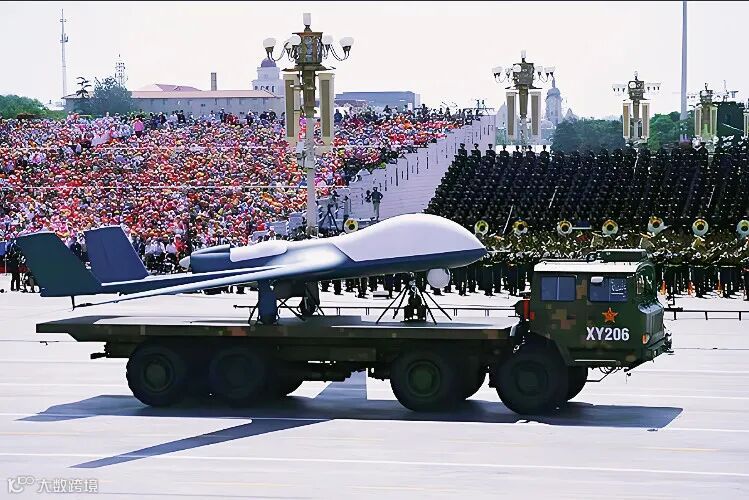
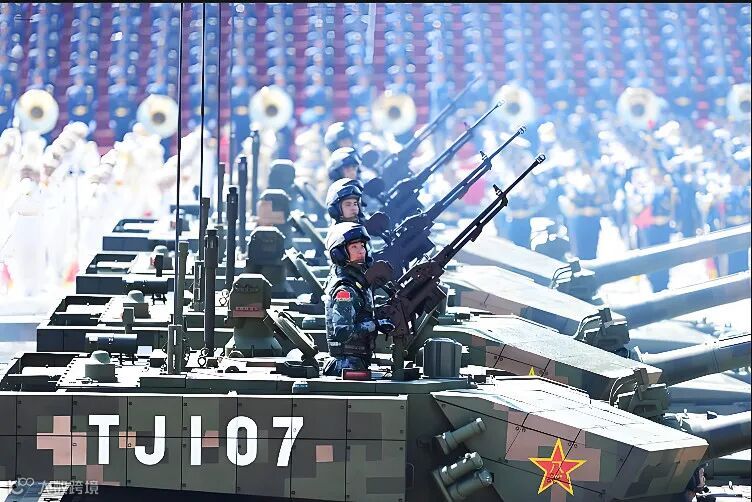
September 3rd Military Parade 

More valuable information is hidden 

in the scroll sections  :


Swipe up and down to browse more...


In the previous episode, you joked that you were a naughty boy. Shall we get to know 

some of your self-character analysis, please?   


I actually always really follow the rules. That must be my German side of me. I was a bit mischievous, play jokes and tricks on people. And I've got a sharp tongue, 

do things which maybe some people 

didn't find as funny as I found funny.


So that's life. Because the whole world has become more regulated and the firm is bigger and I'm older, I do less of that now. I'm nervous about breaking rules. I'm a scary cat. If I was a risk taker, I wouldn't be a lawyer. 

I would have done something else.


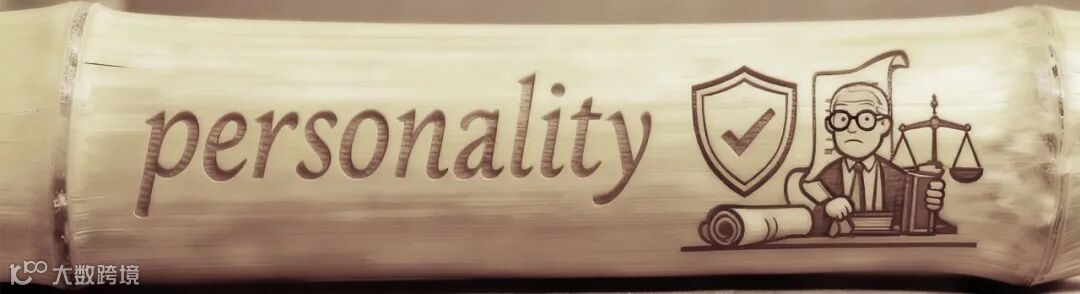
The usual nature of lawyers...


Most lawyers aren't good at risk taking because most lawyers are trained or they experience enough things. Firstly, they see things when they go wrong. Like I said, you only go to a lawyer if there's a problem or something complicated. Yeah, a lot of successful entrepreneurs have a good idea and they do it and they're successful. Lawyers would have a good idea. They'll say 50% things that could go wrong, not do it. And that's the difference. So lawyers by 

their nature are risk adverse. 

They see too many problems.


Ok. A brief suggestion for foreign entrepreneurs who are looking at China for future explorations? 


Seeing is trusting. So I think people should come here, they should experience. Yeah, if you wanna sell skiing equipment, you should 

go to Haylongjiang or Jilin.


Thank you. Say hello to your elegant wife.

Thank you.


Just as we were about to wrap up this episode,         I received a message from a listener:


 She wanted to know if the recently held September 3rd Military Parade had any connection with FDI (Foreign Direct Investment).


 My answer is that they are inextricably linked:


First of all, the advanced weaponry displayed in the Military Parade demonstrated China's formidable strength in technological R&D and industrial manufacturing. This reflected the robust technological capabilities, innovation capacity and well-established industrial system that underpined China's development which are key considerations for investors. So the foreign-invested enterprises can enjoy better industrial support, reduce production costs, improve efficiency, stay aligned with industry trends, respond swiftly to market demands, and achieve mutual benefits. A prime example is Tesla's establishment of a Gigafactory in Shanghai, which was driven not only by China's vast market but also by its advanced manufacturing prowess and comprehensive supply chain ecosystem.


Secondly, it highlighted China's firm commitment to safeguarding peace. This stable social environment provides enhanced security for overseas investors. For them, the safety and stability of the investment environment are primary considerations. China has consistently been a steadfast defender of world peace and is dedicated to fostering a stable international environment. This allows foreign investors to conduct business in China with peace of mind, without worrying about investment losses due to factors such as war or social unrest.


Indeed, the overwhelming positive response from overseas compatriots, international media, organizations and global communities towards the September 3rd Military Parade featured a significantly enhanced international image for China. This elevated stature 

is poised to capture the attention of even 

more cross-boarders cooperation.


In today's globally integrated economy, a country's international reputation and standing profoundly influence Foreign Direct Investment (FDI). Witnessing China's formidable strength and promising development prospects fosters greater global confidence in Chinese market. This encourages a heightened willingness to invest capital into China, allowing international partners to share in the dividends 

of the nation's growth and development.


All the mentioned factors create favorable conditions for China to engage in broader economic cooperation with 

countries around the world.


Thanks for your question. 


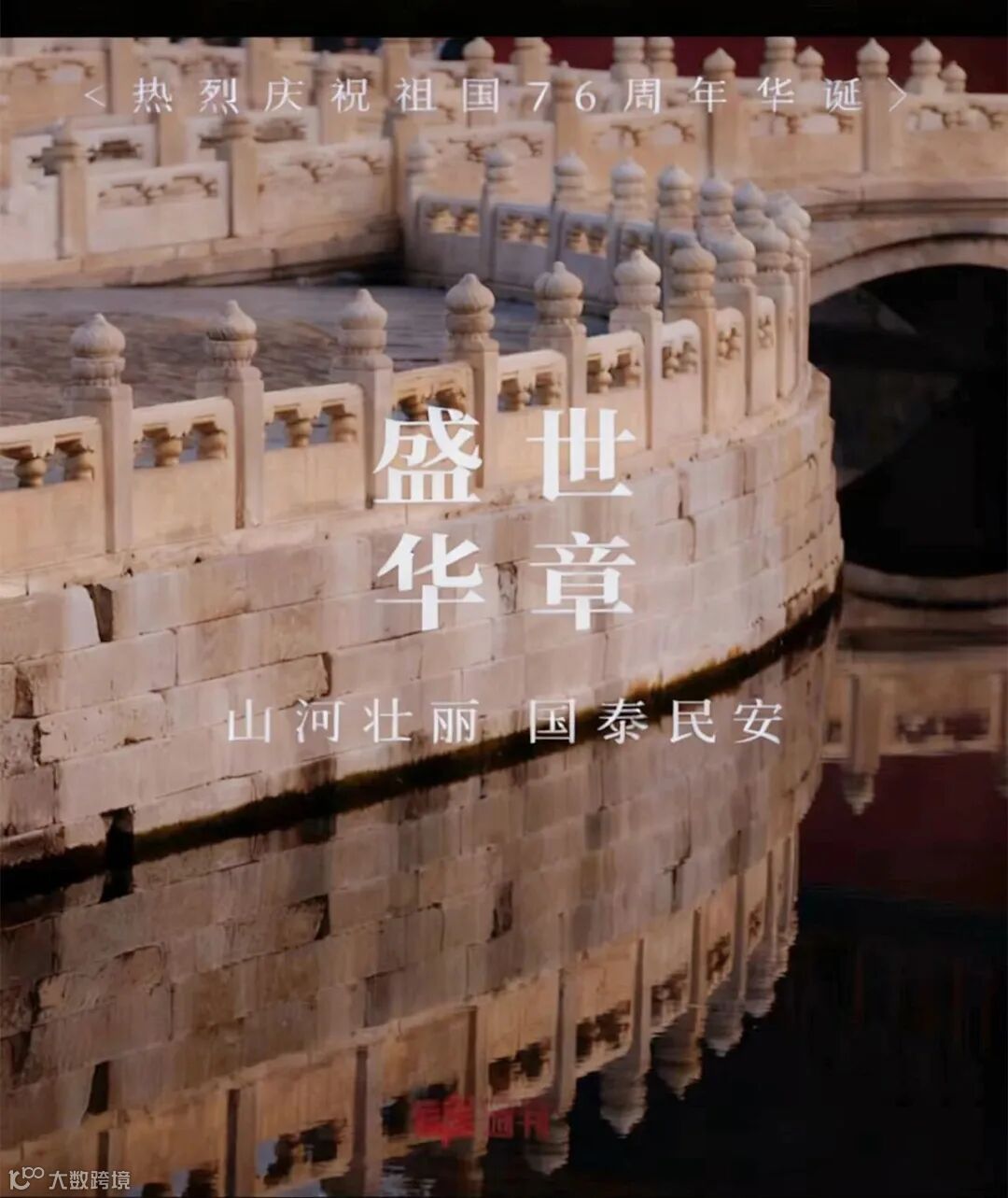
Warmest wishes to our great 

Motherland on National Day! 

May the mountains & 

rivers remain magnificent, 

the country thrive, 

& the people live in 

eternal peace and happiness. 

Happy birthday to China! 


We extend regards to 

all local & international 

friends of TUNNEL ! 

Wishing you every career success & 

broader prospects in China & worldwide!

Happy Mid-Autumn Festival

& National Day!


Thanks for listening & following.


The audio content prevails. 

The text part is for reference.

This episode has been approved 

by Mr. Mark Schaub,hereby published.   

Copyright is protected.

Welcome to leave messages for 

communication & share with the right people.


Podcast | Sharp Insights on Entering&Exiting the *Chinese Market


【声明】内容源于网络
0
0
大迈说电商
跨境分享台 | 每日分享行业动态
内容 45790
粉丝 1
大迈说电商 跨境分享台 | 每日分享行业动态
总阅读275.1k
粉丝1
内容45.8k