


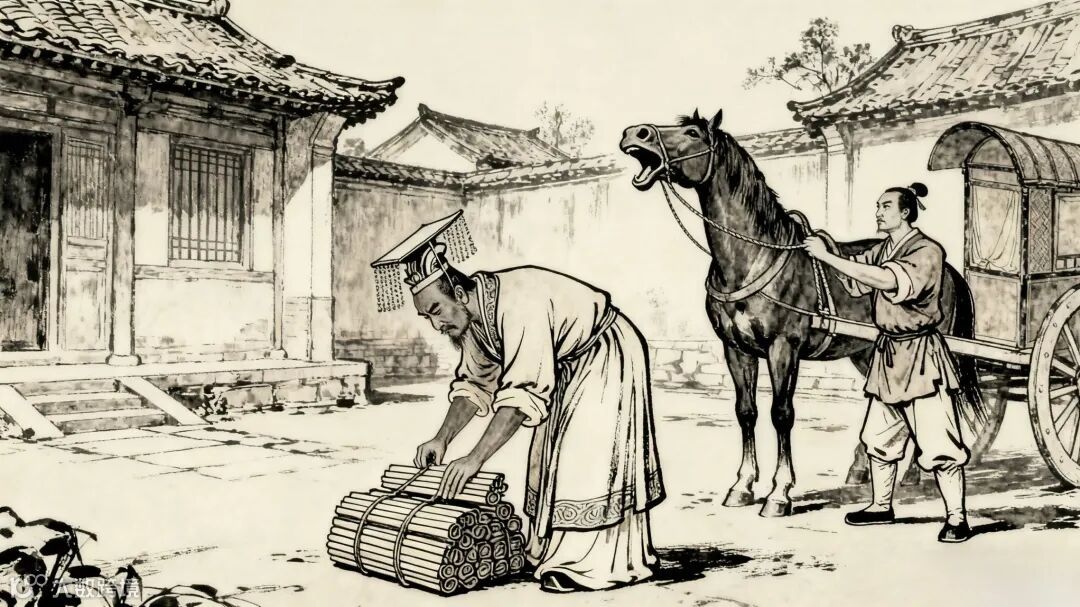
Once upon a time, a man from the State of Wei decided to travel to the State of Chu. He packed his luggage, hired a skilled driver, and set off with a team of fast horses and plenty of money.
从前,有一个魏国人打算去楚国。他收拾好行李,雇了一位技术娴熟的车夫,带着一队快马和充足的钱财出发了。
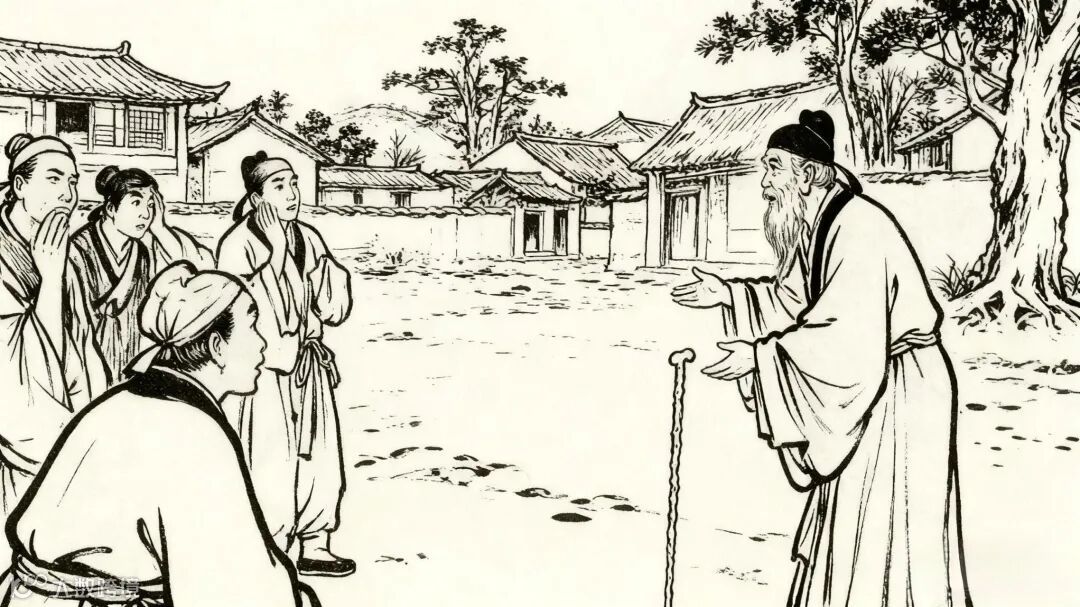
Along the way, a passerby asked him, "Sir, where are you going?"
路上,一位路人问他:“先生,您要去哪里呀?”
"I'm going to Chu," he replied proudly.
“我要去楚国。”他得意地回答。
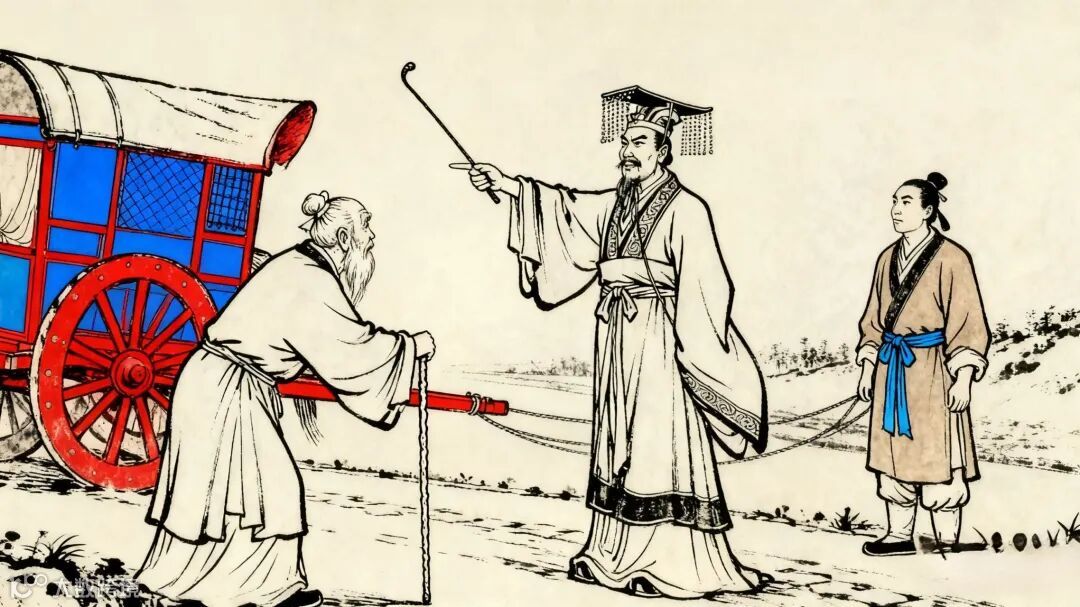
The passerby was confused, "But Chu is to the south, yet you're driving north! You're going the wrong way."
路人很疑惑:“可楚国在南边,您却往北边赶,这方向错啦!”
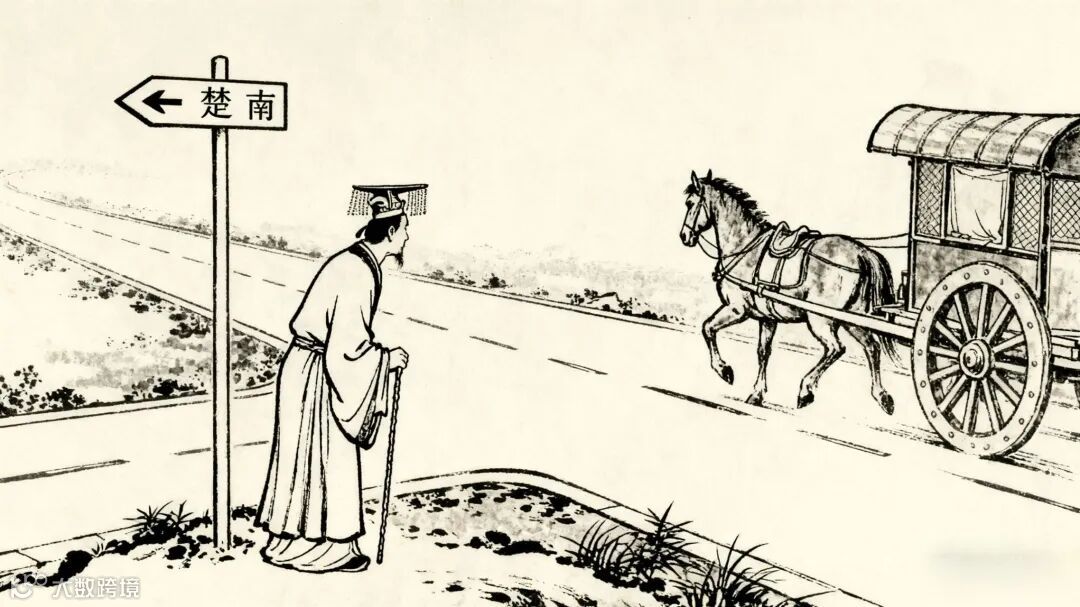
The man waved his hand dismissively, "Don't worry. My horses are the fastest in the country. They can run thousands of li a day!"
那人摆摆手,满不在乎地说:“放心吧,我的马是全国跑得最快的,一天能跑几千里呢!”
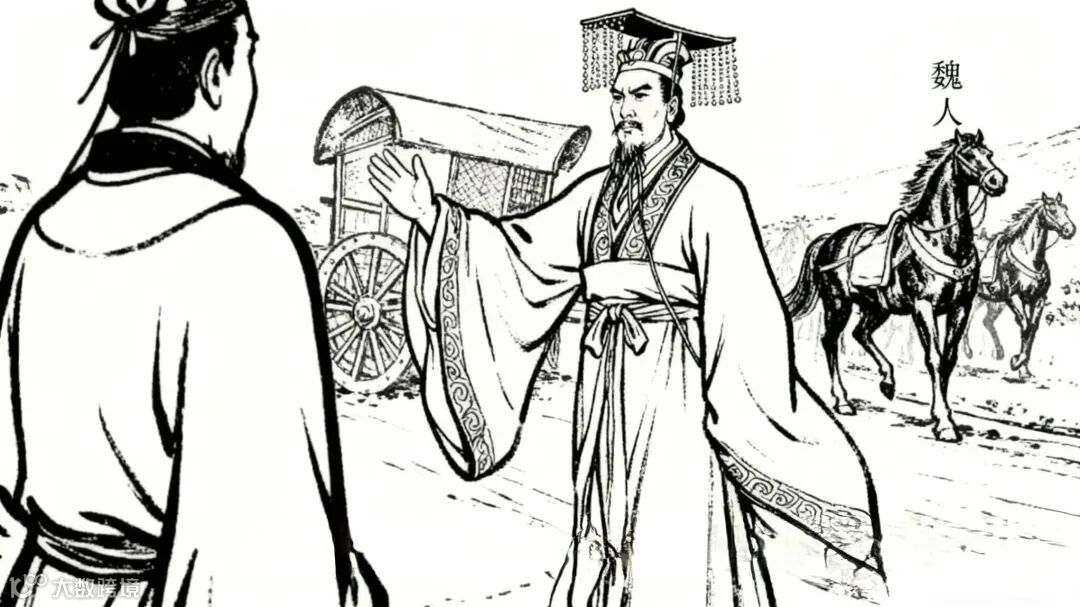
The passerby tried to reason with him, "But no matter how fast your horses are, you're heading in the opposite direction. It will only take you further away from Chu."
路人试着劝他:“可不管马多快,您走的是反方向呀,只会离楚国越来越远。”
The man smiled confidently, "I have enough money to cover the journey. I can buy the best fodder for the horses and pay for any inn along the way."
那人自信地笑了:“我带的钱足够多,能给马买最好的草料,也能支付沿途所有客栈的费用。”

The passerby shook his head, "Money won't help if you're going the wrong way. You'll just spend it on a fruitless trip."
路人摇摇头:“方向错了,钱也没用,不过是花在一场没用的路上。”
Undeterred, the man said, "I have the most experienced driver. He knows all the roads and can handle any situation."
那人却毫不动摇:“我还有最有经验的车夫,他认识所有路,能应对任何情况。”
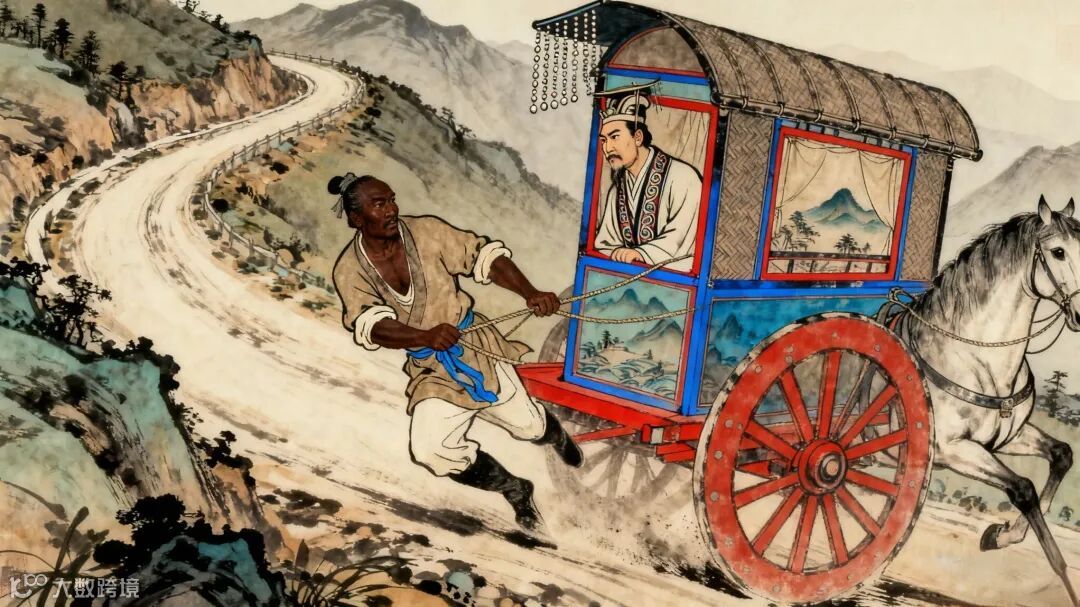
With that, he urged the driver to whip the horses and speed up. The faster the horses ran, the further he got from his destination, the State of Chu.
说完,他催促车夫扬鞭催马,跑得更快了。马跑得越急,他离目的地楚国就越远。
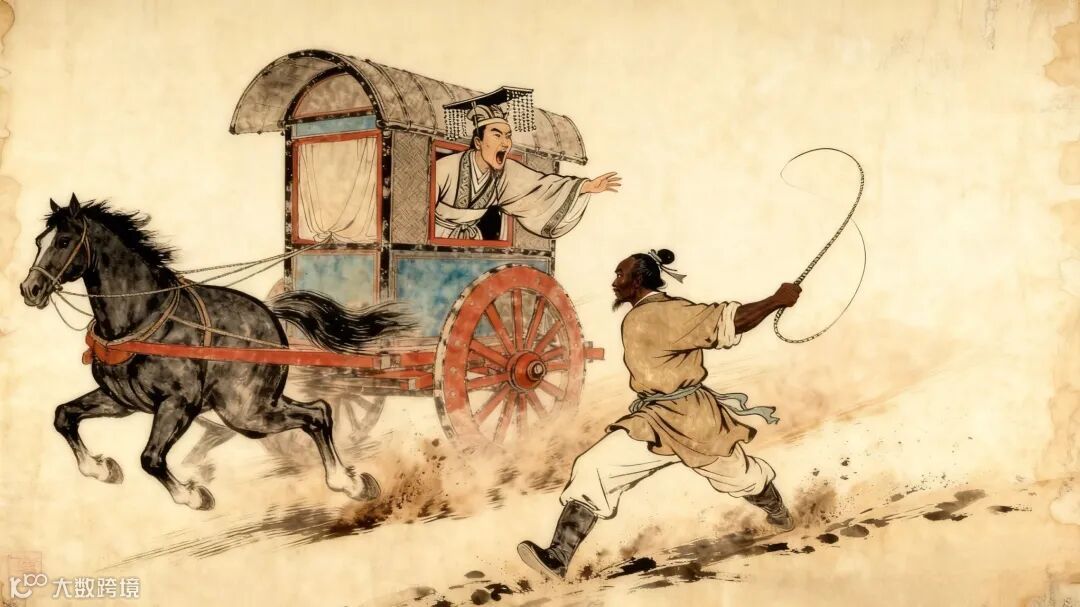
This story tells us that no matter how many resources or abilities we have, if we choose the wrong direction, we will never reach our goal.
这个故事告诉我们,无论拥有多少资源和能力,只要选错了方向,就永远无法达到目标。
《The Story of Going South by Driving the Chariot North》讲解
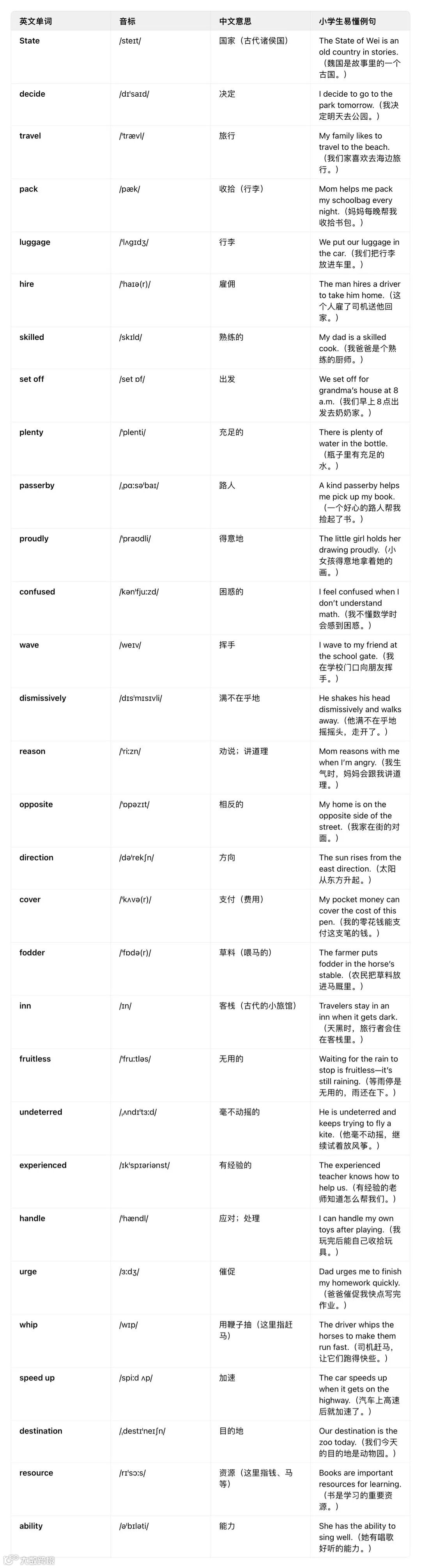
一、生词解析(附音标+简单例句)
二、重点词组解析
1. set off:出发,动身
(搭配:set off for + 地点,“出发去某地”)
例:They set off for the State of Chu early in the morning.(他们一大早出发去楚国。)
2. a team of:一队(后接复数名词,如马、人)
例:There is a team of horses pulling the cart.(有一队马拉着马车。)
3. plenty of:大量的,充足的(后接可数或不可数名词,用于肯定句)
例:The man has plenty of money and time.(这个人有充足的钱和时间。)
4. reason with sb:和某人讲道理,劝说某人
例:The passerby tries to reason with the man from Wei.(路人试着和魏国人讲道理。)
5. the opposite direction:相反的方向
例:Chu is in the south, but he is going in the opposite direction(north).(楚国在南边,但他在往相反的方向(北边)走。)
6. cover the journey:支付旅途的费用
例:His money is enough to cover the journey.(他的钱足够支付旅途费用。)
7. speed up:加速
例:The driver whips the horses to speed up.(司机赶马让车加速。)
8. further away from:离……更远
例:The faster he runs, the further away from home he gets.(他跑得越快,离家里越远。)
三、语法解析
1. 过去时态的使用
故事讲述“以前发生的事”,所以动词要用过去式,如:
◦ decide → decided(决定)
◦ pack → packed(收拾)
◦ hire → hired(雇佣)
◦ ask → asked(问)
◦ reply → replied(回答)
(记忆小技巧:大部分动词过去式加“ed”,不规则的单独记,比如“say-said”“shake-shook”)
2. 并列句:and 连接动作
句子用“and”连接多个连续的动作,说明“某人做了A、B、C三件事”,结构:主语 + 动词1 + 名词, + 动词2 + 名词, + and + 动词3 + 其他
例:He packed his luggage, hired a skilled driver, and set off with a team of fast horses.(他收拾了行李,雇了熟练的车夫,然后带着一队快马出发了。)
3. “the + 形容词最高级”:表示“最……”
结构:the + 形容词最高级(如fastest, most experienced)
例:
◦ My horses are the fastest in the country.(我的马是全国最快的。)
◦ I have the most experienced driver.(我有最有经验的车夫。)
(小提示:“fast”的最高级是“fastest”,形容词“experienced”前加“most”)
4. “the + 比较级,the + 比较级”:“越……,越……”
用于表达“两个事物变化的关系”,结构:The + 比较级, the + 比较级
例:The faster the horses ran, the further he got from his destination.(马跑得越快,他离目的地越远。)
(简单记:“the+快的比较级,the+远的比较级”,就是“越快越远”)
5. if 引导的条件句:“如果……,就……”
结构:If + 主语 + 动作(一般现在时), 主语 + will + 动作(将来时)
例:If we choose the wrong direction, we will never reach our goal.(如果我们选错了方向,就永远达不到目标。)
(小技巧:“if”后面的句子像“条件”,后面的句子像“结果”)
四、重点句型句式解析
1. “Once upon a time…”:故事开头常用句,“从前……”
作用:用来引出过去的故事,小学生读故事时经常会看到。
例:Once upon a time, there was a little girl named Red Riding Hood.(从前,有个叫小红帽的小女孩。)
2. “Sb asked, ‘…?’ Sb replied, ‘…’”:“某人问:‘……?’某人回答:‘……’”
作用:用于写对话,让故事更生动,引号里是人物说的话。
例:The passerby asked, “Sir, where are you going?” He replied proudly, “I'm going to Chu.”(路人问:“先生,您要去哪里?”他得意地回答:“我要去楚国。”)
3. “But… yet…”:“但是……然而……”
作用:表示“转折”,强调“前后情况相反”,让矛盾更明显。
例:But Chu is to the south, yet you're driving north!(但是楚国在南边,然而你却往北边赶!)
4. “No matter how…, …”:“无论多么……,……”
作用:表示“不管条件怎样,结果都不变”,常用于总结道理。
例:No matter how fast your horses are, you're heading in the opposite direction.(无论你的马多快,你都在往相反的方向走。)
五、中英文问题与答案(3组)
问题1(基础事实题)
• 英文:Where did the man from the State of Wei want to go?(魏国人想去哪里?)
• 中文答案:他想去楚国(the State of Chu)。
• 英文答案:He wanted to go to the State of Chu.
问题2(细节理解题)
• 英文:Why did the passerby say the man was going the wrong way?(为什么路人说魏国人走反了路?)
• 中文答案:因为楚国在南边(to the south),但魏国人却在往北边(north)赶,方向相反了。
• 英文答案:Because the State of Chu was to the south, but the man was driving north. He was going in the opposite direction.
问题3(道理总结题)
• 英文:What does the story tell us?(这个故事告诉我们什么道理?)
• 中文答案:无论我们有多少资源(如钱、快马)或能力,只要选错了方向,就永远达不到目标。
• 英文答案:The story tells us that no matter how many resources or abilities we have, if we choose the wrong direction, we will never reach our goal.