


越南本土的士公司应对Uber和Grab的竞争策略
传统出租车行业的变革与挑战

Vietnam's traditional taxi companies such as Taxi Group, The Ky Moi, and Sao Thu Do launched ride-hailing apps after Uber and Grab entered the market in 2014.
To compete with Uber and Grab, local taxi firms took steps like scrapping old vehicles, adding new ones, and launching mobile apps.
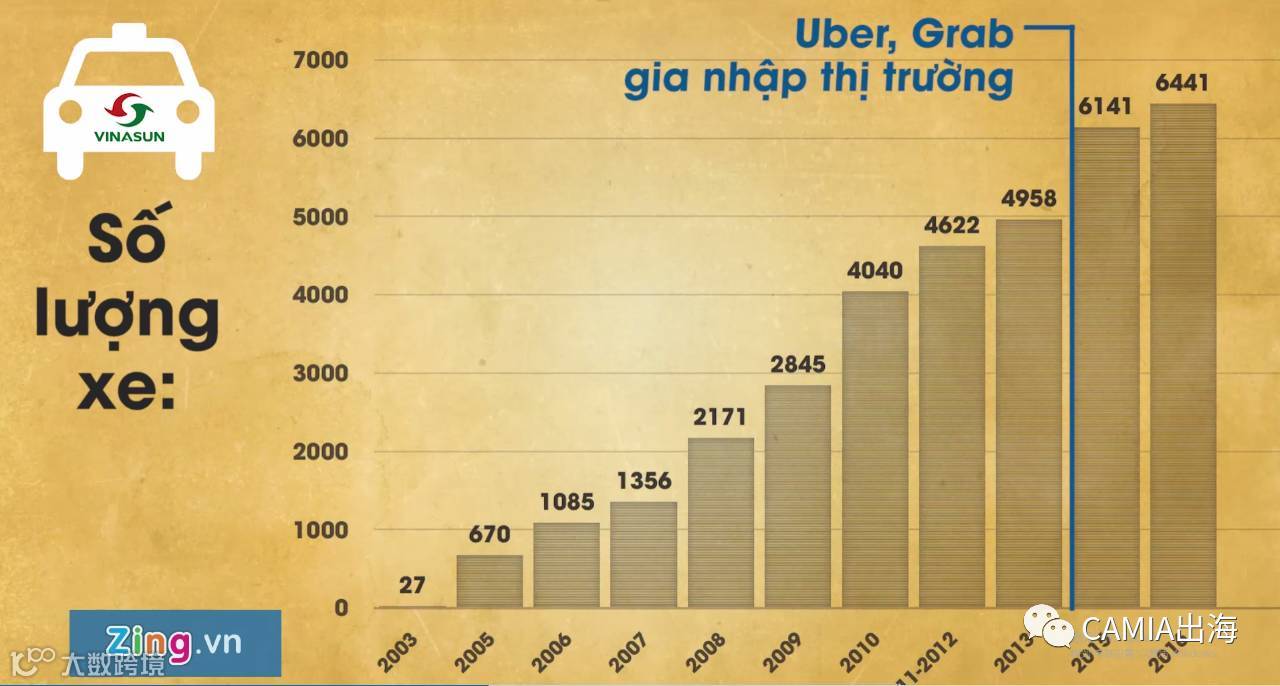
At the beginning of the year, Vinasun introduced over 750 new taxis, disposed of 1050 old units, and enabled online payments.
Mai Linh plans to introduce 1000 new taxis along with its Mcar and Mai Linh Taxi apps.
Local ride-hailing services have not matched the success of foreign competitors. Zing.vn reported that Vinasun and Mai Linh saw changes from 2010 to 2017:
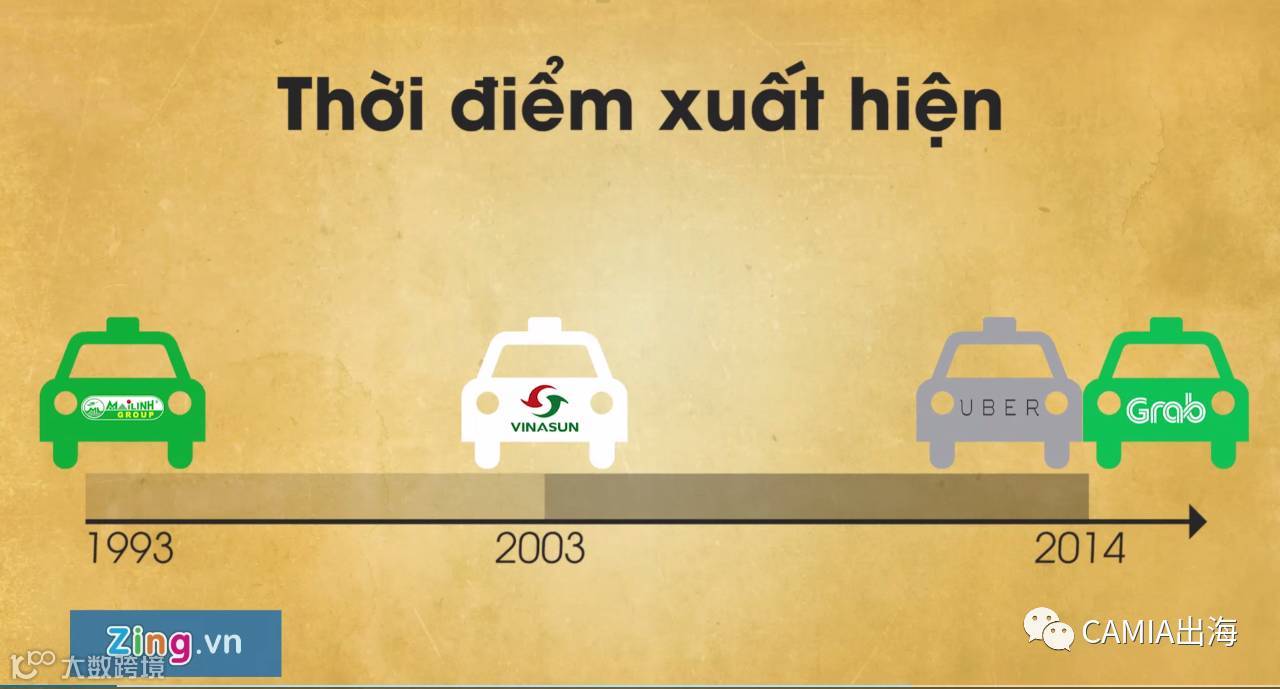
Mai Linh was founded in 1993; Vinasun in 2003; Uber and Grab entered Vietnam in 2014.
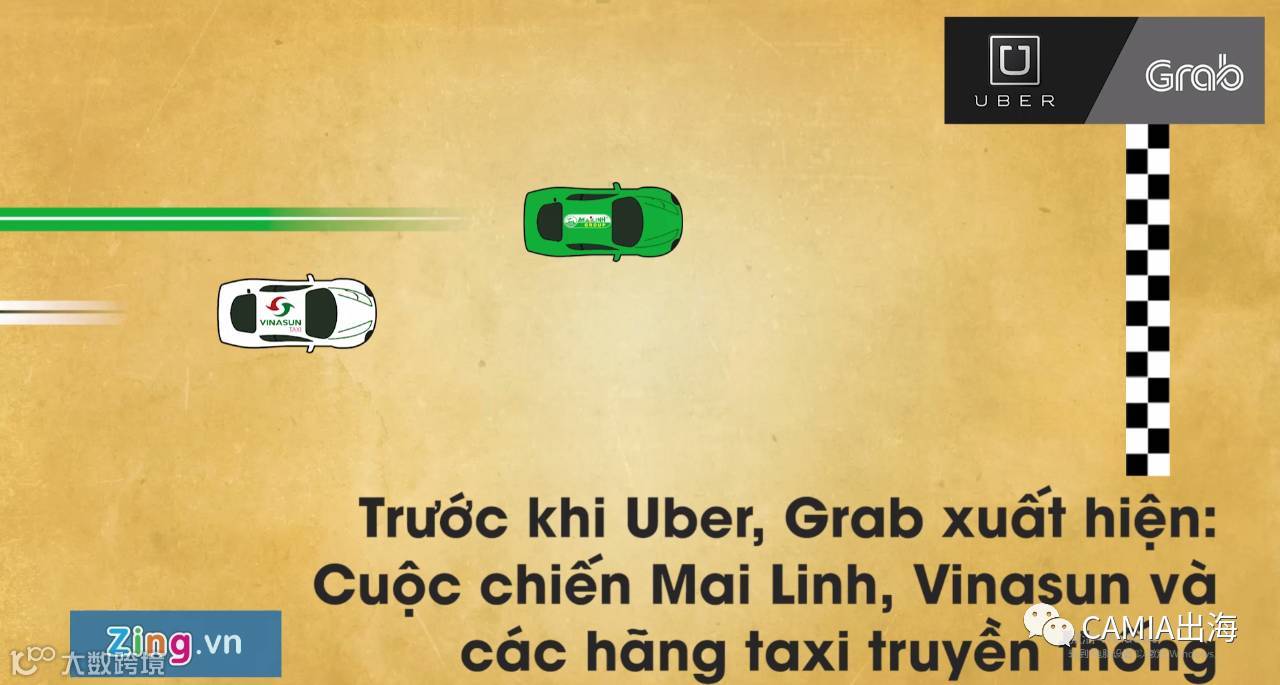
Prior to Uber and Grab, Vietnam’s taxi market was dominated by traditional competition.
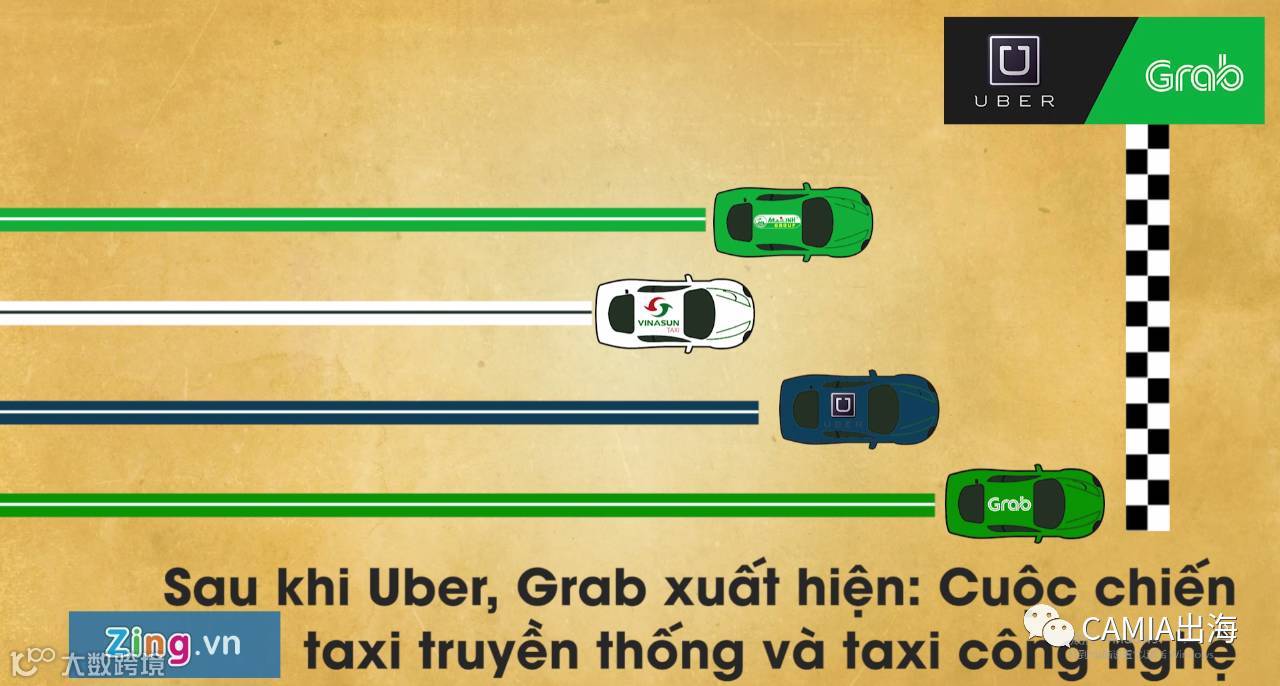
After their entry, the market shifted towards competition between local and foreign taxis.
Vinasun's fleet changes pre-and-post Uber, Grab entry:
Vinasun's financial results 2010-Q1 2017:
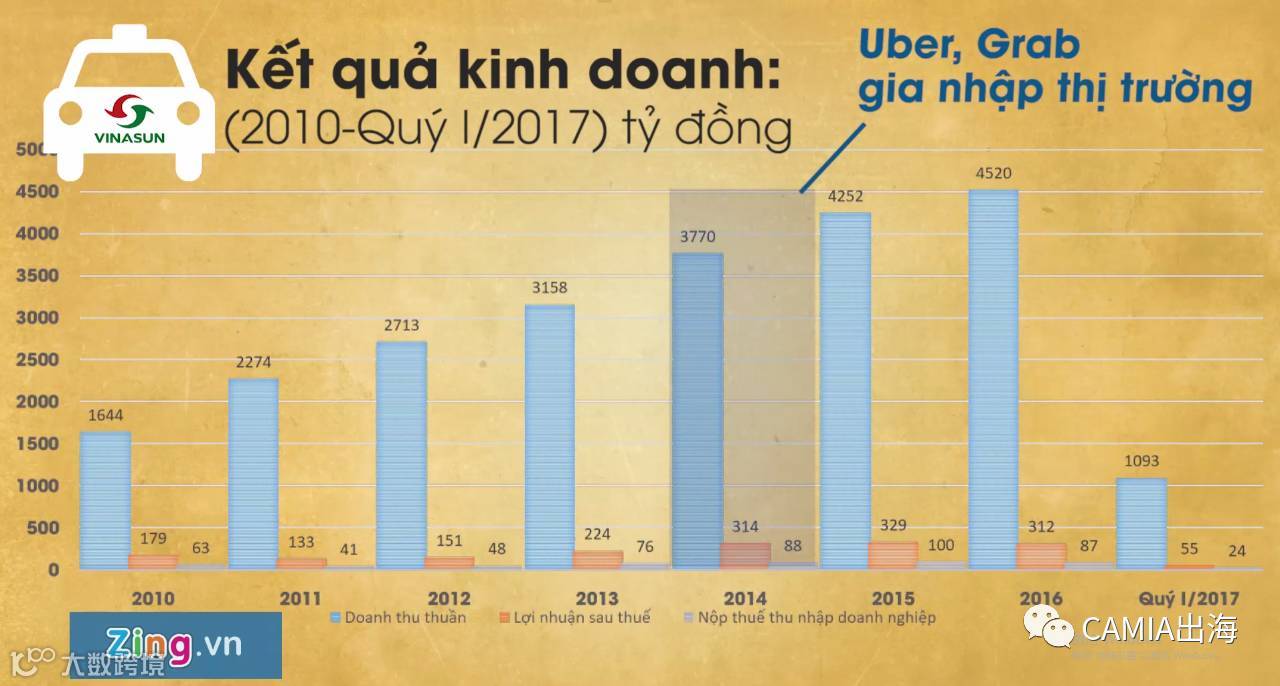
Despite Uber and Grab's entry, Vinasun maintained an average annual profit of 400 billion VND. However, its revenue growth slowed from 19% in 2014 to 6% in 2016.
Vinasun's Q1 2017 net income reached 1.093 trillion VND, down 4% YoY; net profit was 550 billion VND, down 21%.
Mai Linh's fleet changes:
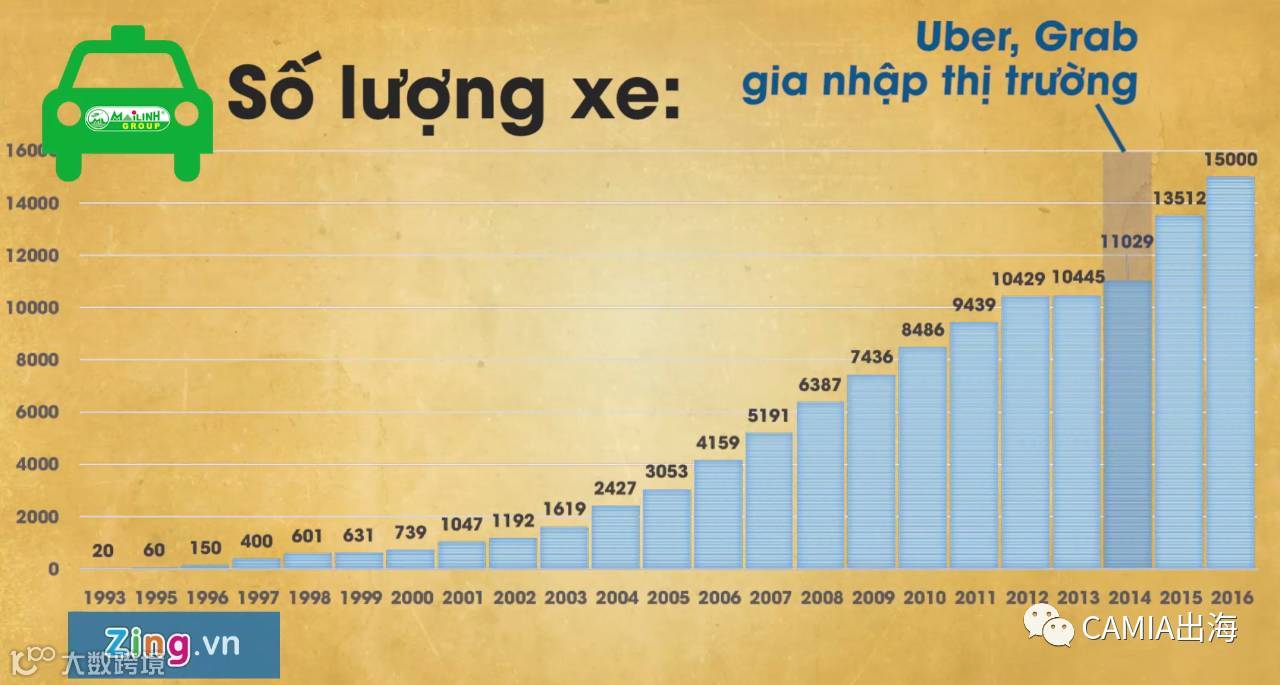
Mai Linh expanded steadily before Uber, Grab, then grew rapidly. In 2017, it planned to launch 1000 app-based taxis.
Mai Linh's operational areas cover 17 northern provinces, 10 central provinces, and 24 southern ones.
Financials 2010-2016:
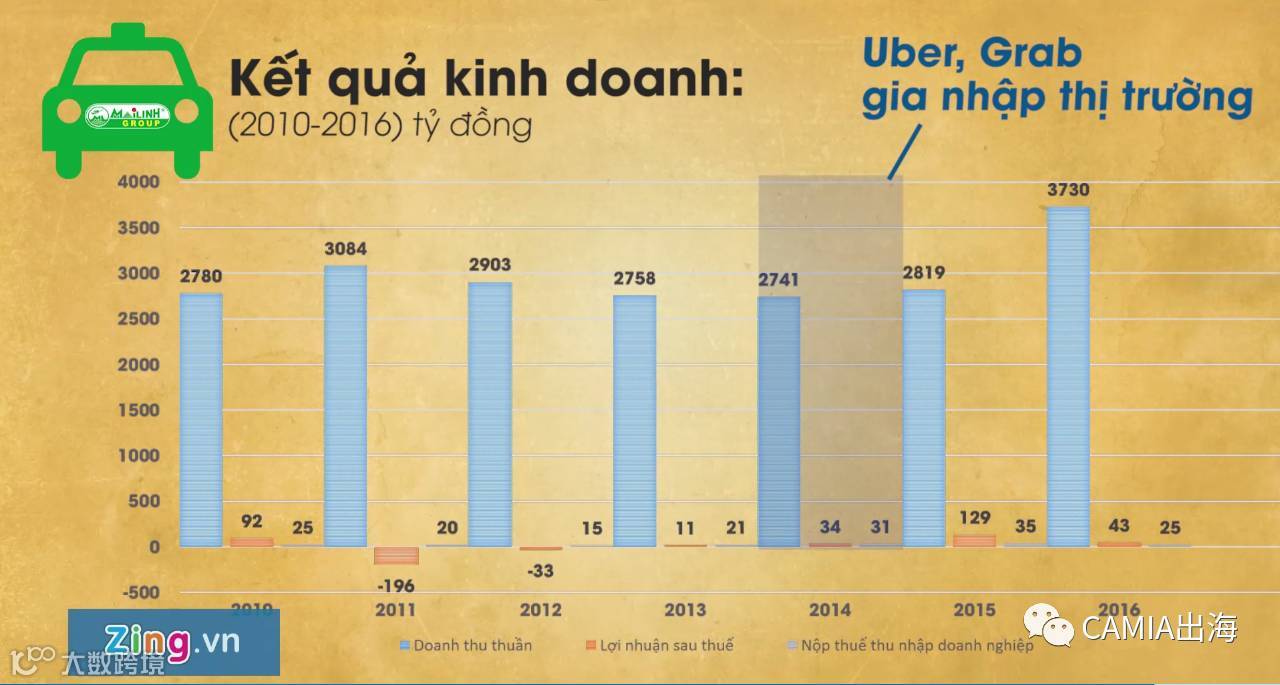
In 2016, revenue was 3.73 trillion VND (+32.3%); but pre-tax profit fell by 1 billion VND.
Though service quality improved, local taxis remain more expensive than foreign rivals, impacting their effectiveness.