

政策升级
China's National Immigration Administration (NIA) has significantly expanded its visa-free transit policy,allowing travelers from 55 eligible countries to stay in China for up to 240 hours (10 days) without a visa . This marks a substantial increase from the previous 72-hour and 144-hour transit windows. The policy now covers 60 designated entry and exit ports across 24 provinces, with 21 new entry and exit ports added to enhance accessibility.

China's Visa-Free Transit Policy
The visa-free transit policy permits foreign nationals from approved countries to stay in specified Chinese cities for a limited period without obtaining a visa. To qualify, travelers must:
适用条件
Hold a valid passport from one of the 55 eligible countries.
Enter and exit through designated entry and exit ports.
Remain within the permitted cities or regions during their stay.
Meet other standard transit requirements.

The extension to a 10-day stay represents one of the most notable upgrades to the policy in recent years,
This change offers greater flexibility for short-term visits.
List of Eligible Countries
Travelers from the following 55 countries may apply for visa-free transit:
Europe 40 countries:
25 Schengen Area countries: Austria, Belgium, Czech Republic, Denmark, Estonia, Finland, France, Germany, Greece, Hungary, Iceland, Italy, Latvia, Lithuania, Luxembourg, Malta, Netherlands, Norway, Poland, Portugal, Slovakia, Slovenia, Spain, Sweden, and Switzerland.
15 other European countries: Russia, United Kingdom, Ireland, Cyprus, Bulgaria, Romania, Ukraine, Serbia, Croatia, Bosnia and Herzegovina, Montenegro, North Macedonia, Albania, Monaco, and Belarus.
Americas 6 countries
United States, Canada, Brazil, Mexico, Argentina, and Chile.
Oceania 2 countries
Australia and New Zealand.
Asia 7 countries
Republic of Korea, Japan, Singapore, Brunei, United Arab Emirates, Qatar, and Indonesia.
Implementation and Impact
The expanded policy aims to streamline transit procedures and encourage more international visitors to explore China during layovers. By increasing the permitted stay duration and adding more entry points, China seeks to boost tourism and business travel while maintaining efficient border controls. Travelers should verify specific port eligibility and city restrictions before planning their trips to ensure compliance with all requirements.

This update is part of China's broader efforts to facilitate global mobility and strengthen international connectivity.
Expanded entry and exit ports
On December 17, 2024, China's National Immigration Administration (NIA) further expanded its visa-free transit policy by adding 21 new eligible entry and exit ports of entry. This major expansion brings the total number of visa-free transit entry and exit ports to 60 across China, significantly improving accessibility for international travelers.
Key newly added entry and exit ports include:
Shanxi:
Taiyuan Wusu International Airport.Jiangsu:
Wuxi Sunan Shuofang Airport, Yangzhou Taizhou Airport.Zhejiang:
Wenzhou Longwan Airport, Yiwu International Airport.Fujian:
Fuzhou Changle Airport, Quanzhou Jinjiang, Wuyishan Airport.Hainan:
Haikou Meilan Airport, Sanya Phoenix International Airport.Sichuan:
Chengdu Tianfu International Airport.Things to note before your
240-hour visa-free stay in China
During your visa-free transit stay in China, you must strictly adhere to all Chinese laws and regulations. Key requirements include:
1
Travel Restrictions
You must remain within the permitted geographical area corresponding to your entry port.
You cannot exceed the 240-hour (10-day) transit duration.
Any unauthorized departure from the designated area or overstaying constitutes a violation.
2
Accommodation Registration
For hotel stays:
The hotel will automatically register your stay with local authorities.
They will require a copy of your passport at check-in.
Note: Not all hotels are authorized to host foreign guests - verify this in advance.
For private stays (with friends/family):
Both you and your host must register at the local police station or foreigner service station within 24 hours of arrival.
Required documents:
Your passport.
Host's ID card.
Proof of residence (housing contract).
Some cities (e.g., Shanghai) offer online registration options.
Warning: While some travelers skip this step, non-compliance may cause issues during official procedures.

3
Special Circumstances
If you need to extend your stay beyond 240 hours, you must apply for a stay permit at the local public security bureau's immigration department.
4
Penalties for Non-Compliance
Violations may result in penalties from immigration authorities or border control, including:
Leaving the permitted transit area.
Overstaying the 240-hour limit.
Failure to properly register accommodation.
Policy Benefits :
China's expanded 240-hour visa-free transit policy offers excellent opportunities for:
Short stopovers when traveling to third countries.
Exploring multiple Chinese regions by selecting appropriate entry entry and exit ports.
Avoiding the need for a tourist visa for brief visits.
With more entry and exit ports and a longer stay duration, the 240-hour visa-free transit policy makes China a more accessible and attractive destination for international travelers on short layovers or business trips.
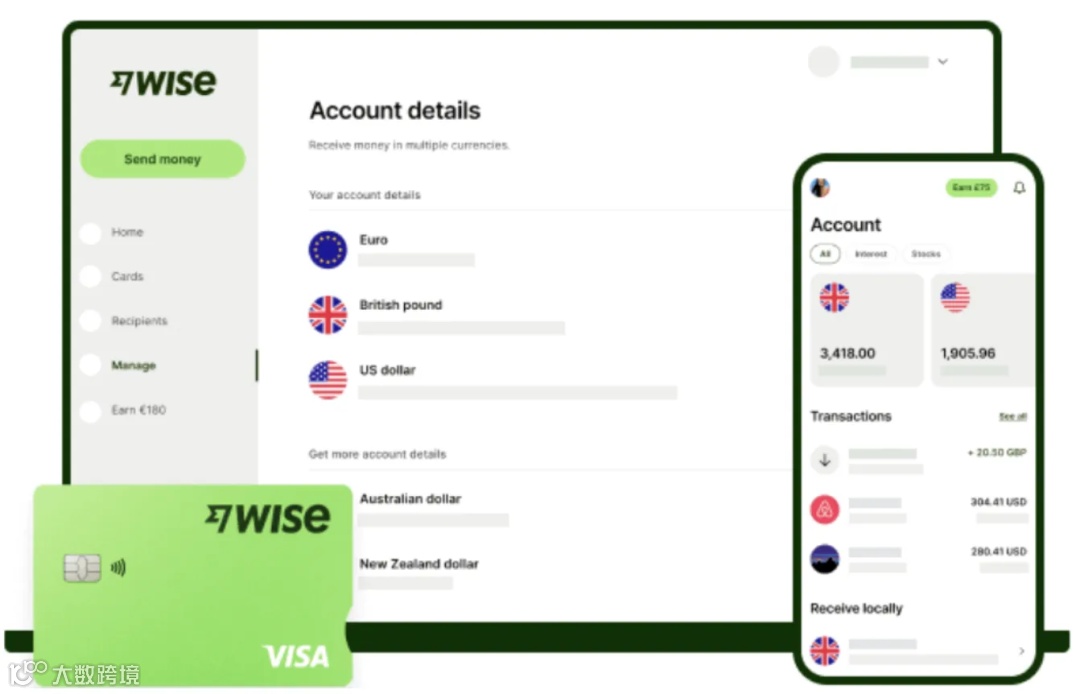
Use Wise’s app or website to transfer earnings to over 160 countries.
Benefit from mid-market exchange rates and low fees.
Open a Wise multi-currency account to receive RMB and hold 40+ currencies.
Get account details in USD, EUR, GBP, CAD, and more.
Make international transfers easy, fast, and affordable—Sign up for a free Wise account today!